France: Lifestyle Signals That Reprice Returns
France offers lifestyle richness but returns hinge on macro trends, local regs and neighbourhood demand — match your desired life to stress‑tested yield assumptions.

Imagine sipping a café lungo on Rue Cler while overhearing a property conversation about yield rather than curb appeal — that dual rhythm is France. The country is at once markets and marché: refined street life, coastal samba and sturdy macro drivers that quietly shape returns. For anyone weighing a French buy, lifestyle seduction meets measurable economic logic; understanding both changes decisions from romantic to rational.
Living the French life — daily rhythms that matter to investors

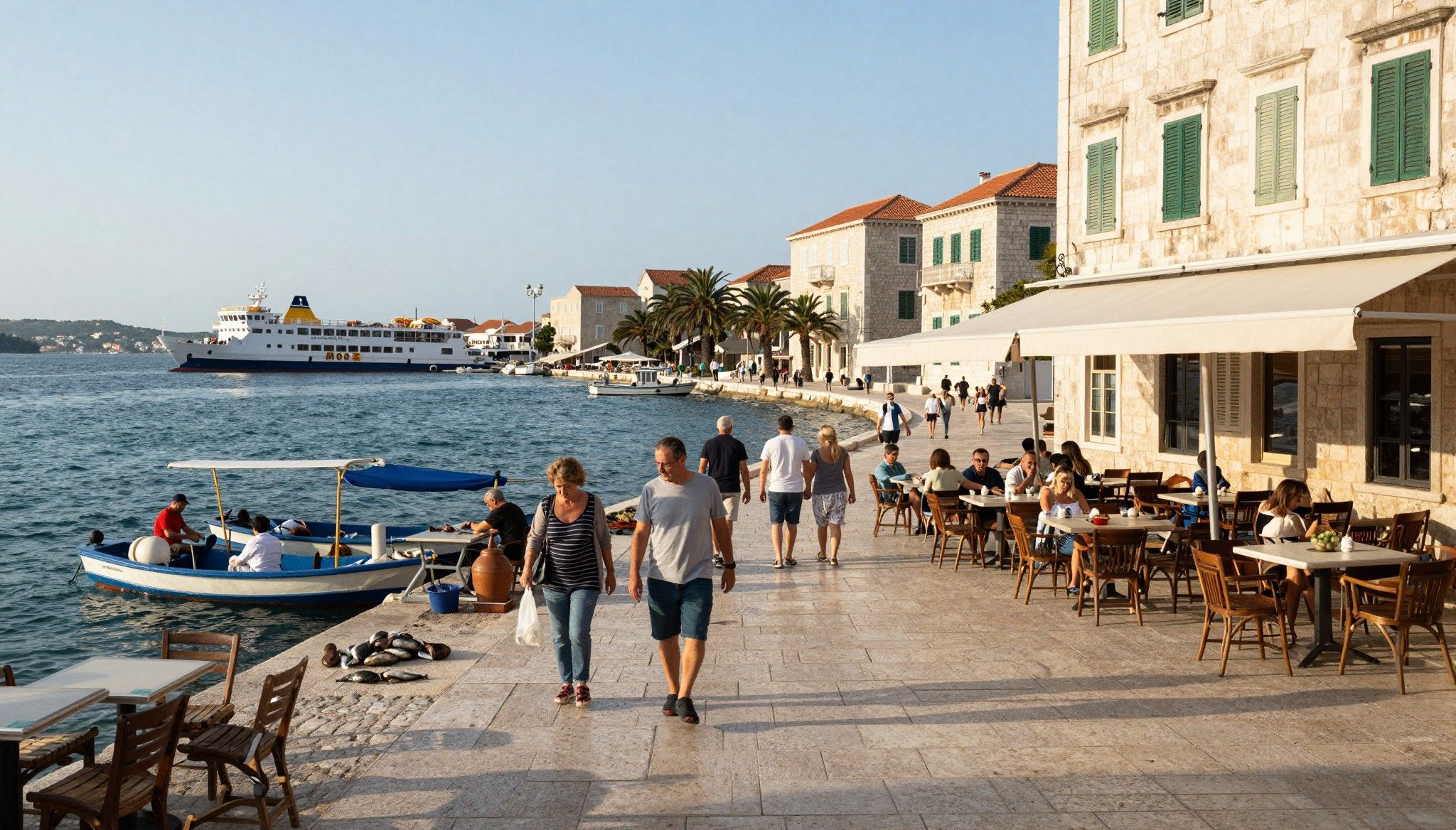
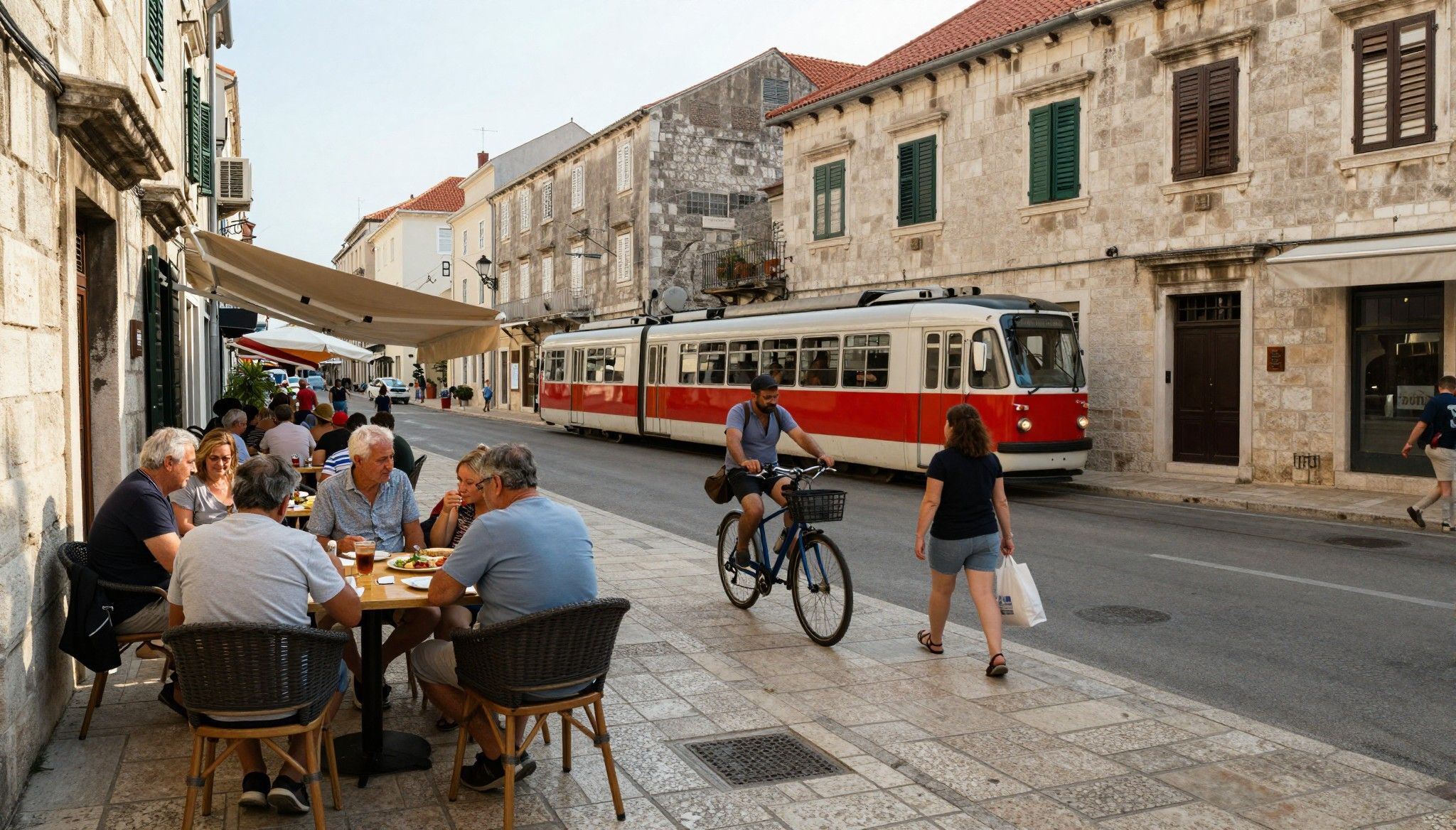
France’s appeal is sensory: mornings at Marché d’Aligre, afternoons biking the Promenade des Anglais, evenings at a bistrot that doubles as a neighborhood exchange. Those rhythms affect what tenants want — proximity to markets, transport links and small commercial streets — and therefore the sustainable rent you can charge. Recent notaire data shows transaction volumes and price recovery pockets that matter when matching lifestyle to yield.
Paris: compact life, resilient demand
In central Paris, daily life is tightly scaled: boulangerie queues, short walks to work, a dense rental market of professionals and students. That density sustains low vacancy and steady short-to-medium term rental demand, which supports capital preservation even when headline prices wobble. Expect high price-per-m2 but consistent absorption — a tradeoff between purchase price and low vacancy risk.
Provincial cities: space, value and growing remote-work demand
Cities like Nantes, Rennes, Bordeaux and Lyon offer larger floorplans and better price-per-m2 than Paris. The post-pandemic remote-work pattern and improved rail links have shifted demand toward these centres. Data through 2025 shows modest price rebounds and rising transaction volumes — evidence that lifestyle migration can translate into reliable tenant pools, especially for family-sized rentals.
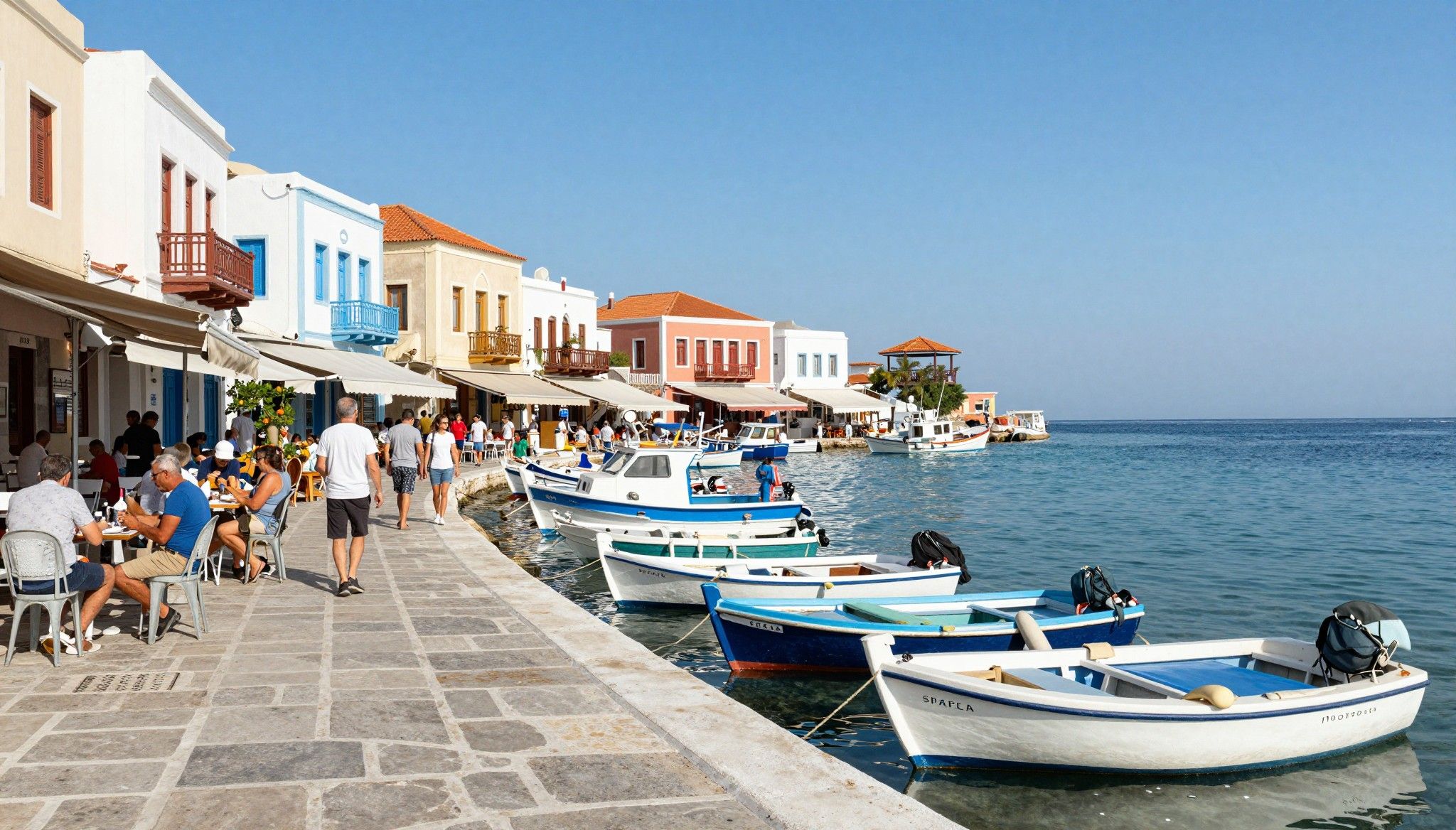
- Lifestyle highlights that affect asset performance: • Marché d’Aligre (Paris 12e) — daily footfall and lease appeal for small flats • Vieux Port, Marseille — seasonal tourism plus year-round port workers • Croix-Rousse, Lyon — strong local community, stable long-lets • Île de Ré & Nice — high seasonal demand, greater yield volatility • Rennes train corridor — commuter inflows and rising rental demand • Bordeaux wine-country outskirts — premium second-home market with long-term capital potential
Making the move: how macro drivers rewrite lifestyle expectations
Macro factors — GDP growth, inflation and credit conditions — shift affordability and tenant demand more than any single café or beach. France’s near-term growth projections are modest and inflation has cooled, according to national and EU forecasts; that combination supports rental affordability and stabilises yields, but also caps aggressive capital gains. For buyers, timing and financing matter more now than curb appeal alone.
Property types: which match which lifestyle and return profile
- Match lifestyle to investment mechanics: 1. Small central apartments — best for low vacancy and steady short-term yields in Paris; higher entry price per m2. 2. Family homes in commuter belts — lower price-per-m2, longer tenancy durations, stable gross yields. 3. Coastal seasonal properties — higher peak rents but pronounced seasonality and regulatory risk. 4. Renovation projects in secondary cities — capital appreciation potential but dependent on renovation cost control and local demand.
Working with local experts who understand both life and law
Agencies and notaires do more than show apartments; they translate local nuance into risk-weighted returns. In Paris, strict short‑let rules and fines alter the business case for tourist lets; in provincial centres, knowledge of commuter patterns and municipal zoning is decisive. Choose advisors who provide measurable comparisons: expected gross yield, typical vacancy, and probable maintenance profile.
Insider knowledge — cultural quirks that change cashflows
French tenancy norms, strong tenant protections and local resistance to short-term tourist lets create stability but reduce flexibility. Expats should expect longer notice periods and higher landlord compliance costs. At the same time, national policy and events (for example the post-Olympics service demand spike) can temporarily reprice short-term income streams — an analyst’s reason to stress-test scenarios using conservative occupancy assumptions.
Practical checklist: questions to ask before making an offer
- 1. What is the realistic gross yield (rent ÷ purchase price) and the net yield after management, taxes and capex? 2. How do local regulations affect short‑let nights per year and licensing risk? 3. What is recent transaction volume and price momentum in this arrondissement/commune? 4. What typical vacancy and tenant profile should you model (students, families, seasonal tourists)? 5. How robust is transport and employment growth in the micro‑area (stations, employers, universities)?
Conclusion: France sells a life, but investors buy a stream. The trick is to fall for the croissant and then underwrite the cashflow. Start with lifestyle priorities — neighbourhoods, daily rhythms and tenant types — then stress‑test those choices against macro forecasts, price‑per‑m2 data and local rules. Use a notaire and an agency that translate municipal nuance into yield assumptions; model conservatively and let the life you want inform, not dictate, the deal.
Norwegian market analyst who relocated from Oslo to Mallorca in 2016, guiding Northern buyers through regulatory risk, currency hedging, and rentability.