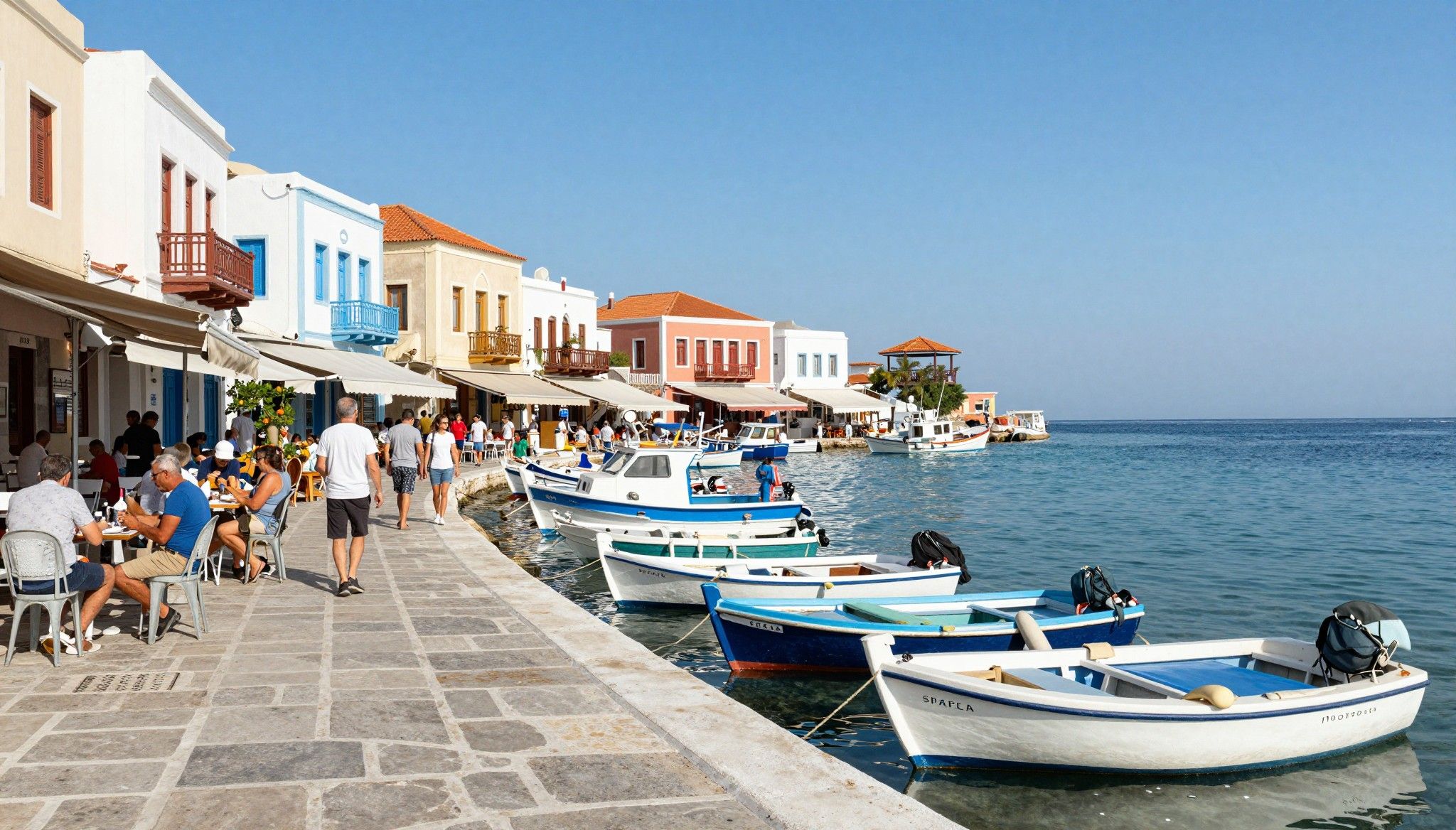
Buy for Year‑Round Rent, Not Malta’s Summer Hype
Malta’s rental demand is year‑round; model yields across 12 months, not just summer, and choose neighbourhoods and managers that convert lifestyle appeal into stable net returns.

Imagine stepping out at 07:30 to buy warm ftira at Caffe Cordina in Valletta, then cycling the coastal promenade to Sliema for an espresso while fishermen unload the morning catch. Malta moves at Mediterranean pace but with a bustle that never really sleeps: ferries, late cafés, and a year-round influx of tourists, students and remote workers that keeps short-term rental demand lively. That atmosphere explains why many buyers fixate on summer returns — but focusing solely on July and August misreads the island's rental economics. This piece shows how to love Malta’s lifestyle and still make an evidence-led rental decision.
Living the Malta lifestyle

Malta is compact: a thirty‑minute drive can take you from Valletta’s limestone streets to quiet bays in Mellieħa. The island’s walkable towns — Sliema, St Julian’s, Gzira — are where international tenants cluster, drawn by coworking spaces, nightlife and ferry links. Across the country, rising prices and strong tourism growth have squeezed supply, which supports rents, but the detail matters: yields differ sharply between inland towns and the northern waterfront.
Neighbourhood spotlight: Sliema & St Julian’s
Sliema and St Julian’s are Malta’s rental engines for young professionals and short‑stay tourists. Picture sea-front promenades, compact two‑bed flats above cafés and a steady stream of arrivals from the UK and Italy; these areas command price premiums and strong occupancy, especially for well‑finished apartments. For investors targeting high nominal rent, these towns deliver, but expect lower net yields once purchase prices and management costs are included.
Neighbourhood spotlight: Valletta, Birgu and the heritage belt
Valletta is unique: heritage constraints limit supply and push per‑square‑metre prices high, so rental yields compress but capital appreciation prospects remain. Birgu (Vittoriosa) and the Three Cities offer lower entry points and an attractive marina‑edge lifestyle that appeals to longer‑term tenants and boutique short‑lets. Buying here requires renovation skill and patience; restored traditional homes can command premium nightly rates but incur high refurbishment and conservation costs.
- Lifestyle highlights
- Morning ftira at Valletta’s Republic Street; ferry commute to Sliema
- Weekends on Għajn Tuffieħa or Golden Bay — crowded in summer, calm off‑season
- St Julian’s nightlife and coworking hubs for digital nomads
- Local markets and community feasts (festi) in small towns like Mosta
Making the move: practical considerations

Tourism in Malta is not just summer spectacle: the National Statistics Office recorded over 3.5 million inbound tourists in 2024, and guest‑night growth has lifted demand year‑round. That broad demand supports more stable occupancy outside the high season, but you should model net yield across twelve months, not peak weeks. Below are property and operational factors that materially affect rental return and risk.
Property styles and how they deliver income
Apartments dominate the market for ease of management and tenant turnover; maisonettes and townhouses suit families and long lets and can give steadier cashflow. New builds and modern conversions rent quicker to professional tenants while historic homes attract boutique short‑lets. Factor in maintenance, seasonal vacancy, and local compliance — these line items often shave 2–4 percentage points off headline gross yields.
Working with local experts who understand yield drivers
Choose agents and property managers who provide evidence: occupancy rates, cleaning turnaround times, and historic rent lists for the exact street. A good manager converts lifestyle appeal into repeat bookings and longer tenancies; a poor one leaves a property sitting empty during shoulder months. Legal and tax advisors who can model net yield after local taxes, municipal rates and realistic maintenance are essential — insist on scenario modelling across 12 months.
- Practical steps to stress‑test rental income
- Run a 12‑month occupancy model: use conservative occupancy (60–70%) and realistic per‑night rates for shoulder seasons.
- Add management, cleaning, insurance and utility pass‑throughs to estimate net yield.
- Check short‑let licensing and compliance for the municipality where the property sits to avoid fines and forced closures.
Insider knowledge: what expats wish they'd known
Expats commonly overvalue summer data: social media and listing sites highlight July and August, creating selection bias. In reality, Malta’s tourism peaks have flattened into multiple shoulder seasons driven by business travel, university terms and off‑season events. The smart investor treats the market as twelve monthly markets: optimize for consistent net yield and tenant profiles that match the property type.
Cultural integration, language and tenant relations
English is an official language in Malta, which shortens the onboarding curve for international landlords and managers. Still, local norms — festival noise, parking expectations, and communal building rules — affect tenancy satisfaction and renewal rates. Neighbourhood etiquette matters: properties in quiet residential streets often retain longer‑term tenants who value stability over transient nightlife convenience.
Long‑term lifestyle and yield considerations
Malta’s limited land and strong tourism economy create structural support for rents, but policy shifts or spikes in construction can change the outlook quickly. Investors should monitor planning applications in target towns and track municipal short‑let policy — small regulatory changes can reprice yields within months. Treat Malta as an active market: periodic reappraisal and local reporting are necessary to preserve net return.
- Red flags to watch
- Unclear building permits or heritage restrictions that make renovations costly
- Overreliance on peak‑season occupancy when modelling annual yield
- Management contracts without clear KPIs for occupancy and turnaround
Conclusion: love the life, but stress‑test the returns. Malta sells easily — the sea, cafés and festivals are persuasive — but investment decisions should be modelled on year‑round data, local compliance, and realistic net yields. Start with a twelve‑month cashflow model, insist on local occupancy histories, and work with a manager who reports monthly performance against KPIs. That’s how you capture Malta’s lifestyle without sacrificing investment discipline.
British expat who moved to the Algarve in 2014. Specializes in portfolio-focused analysis, yields, and tax planning for UK buyers investing abroad.