How Croatia's Short‑Let Rules Reprice Yields
Croatia’s lifestyle remains magnetic, but EU eligibility, municipal short‑let powers and new tax/reporting rules are materially repricing yields for international buyers.
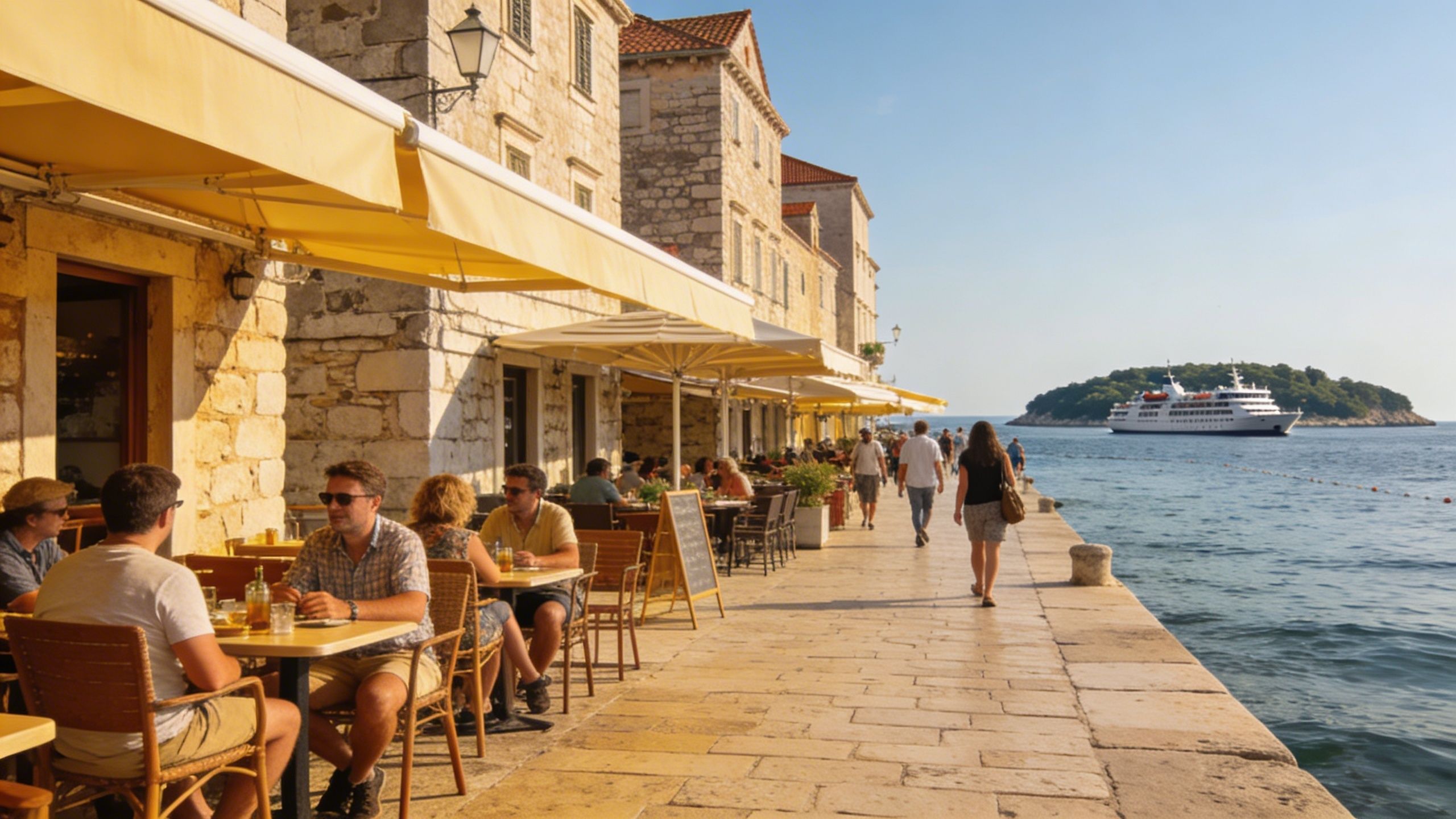
Imagine morning espresso at Split’s Riva, the Adriatic light hitting stone facades while a landlord two doors down tallies bookings for the summer. Croatia’s coast still feels like a durable lifestyle commodity — sun, markets, island-hopping — but over the last three years the rules that determine who can buy, how you rent and what you pay have shifted. For international buyers this is where romance meets regulation: lifestyle upside is real, but new legal levers reprice returns in concrete ways. Read this guide if you want the sensory picture first and the regulatory checklist second — and sources so you can verify every claim.
Living Croatia: the scenes that sell the dream
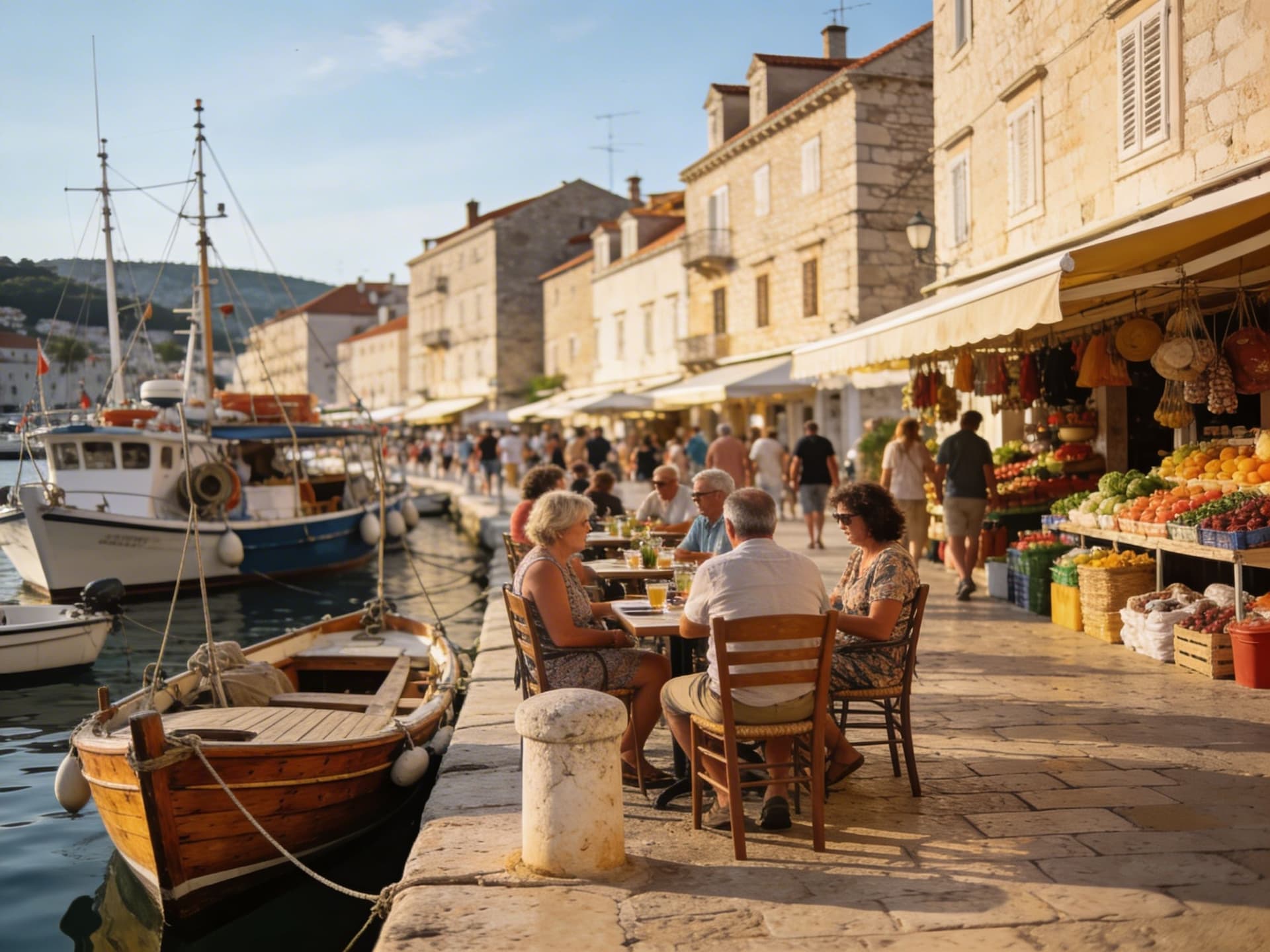
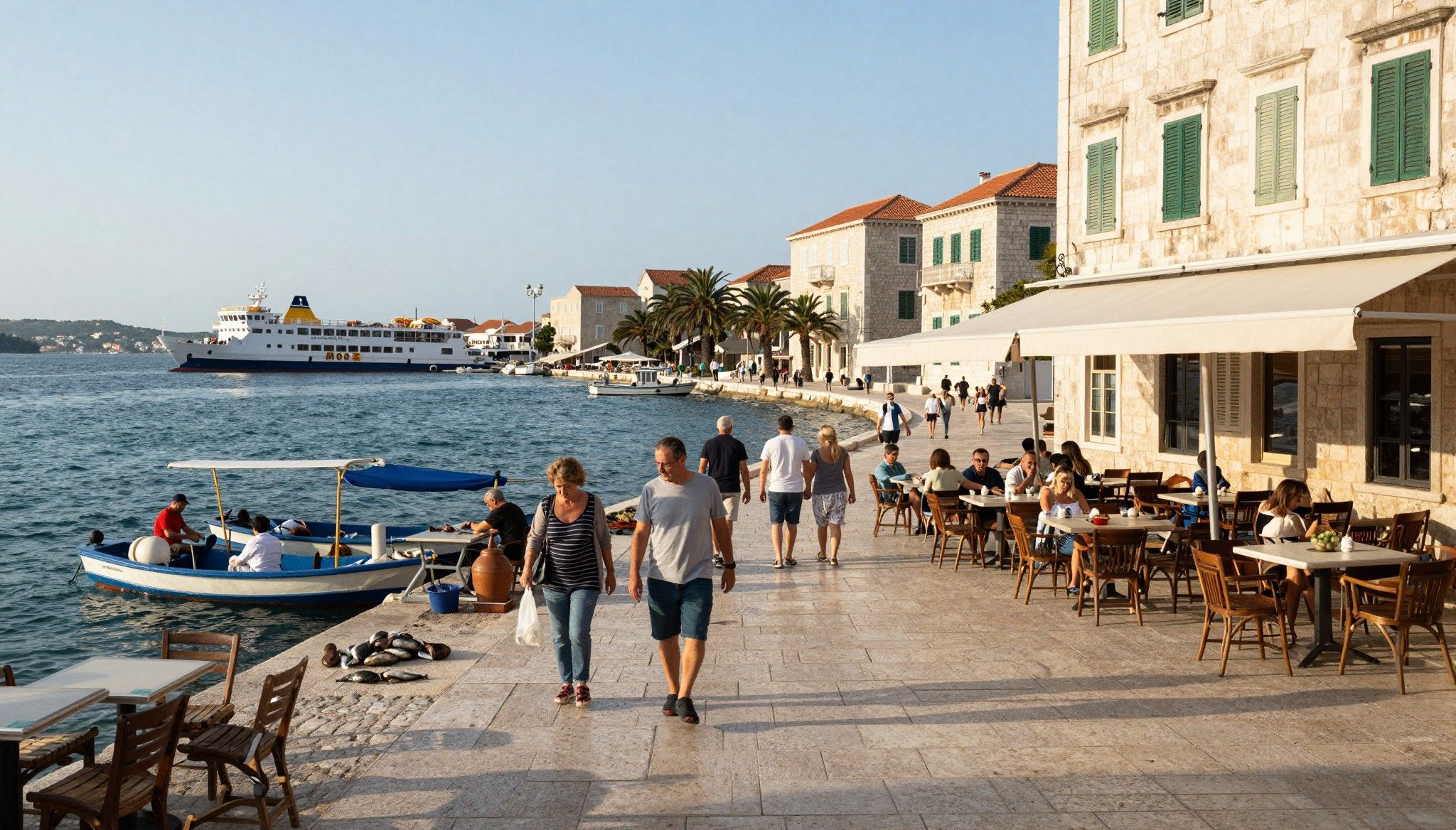
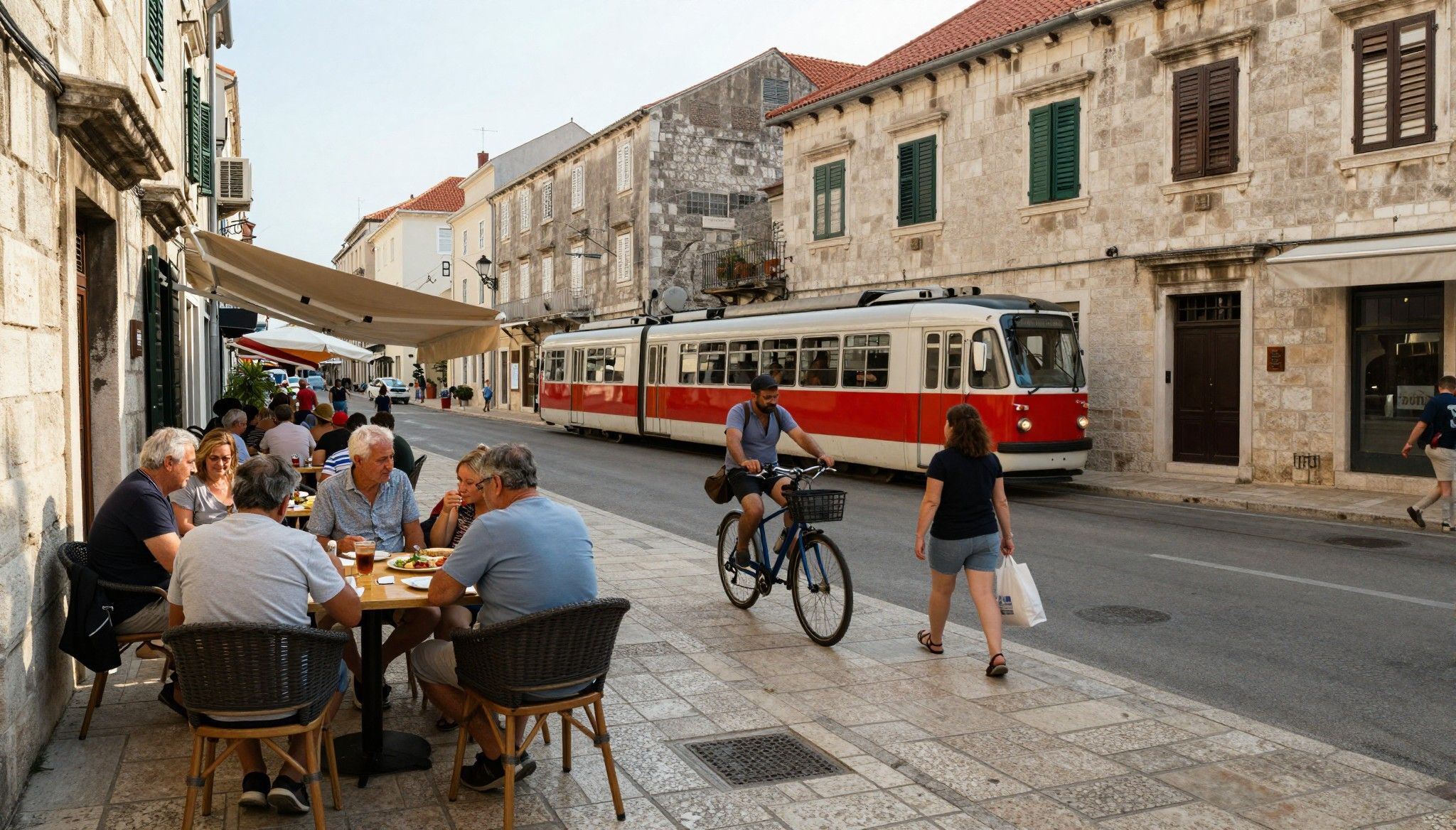
Croatia is tactile — limestone alleys, morning fish markets, terraces full of conversation. On a weekday in Dubrovnik’s Old Town you’ll hear tour guides and church bells; in Rovinj you’ll smell grilled squid and espresso; in Zagreb the rhythm is café-late-mornings and fast tram commutes. That varied tempo is why buyers picture different lives: island retreat versus city-life convenience versus wine-country calm. Each lifestyle choice correlates with distinct property types and differing regulatory exposure, from strict historic-centre planning to municipal tourist licensing.
Coastal pulse: Dalmatia and Istria
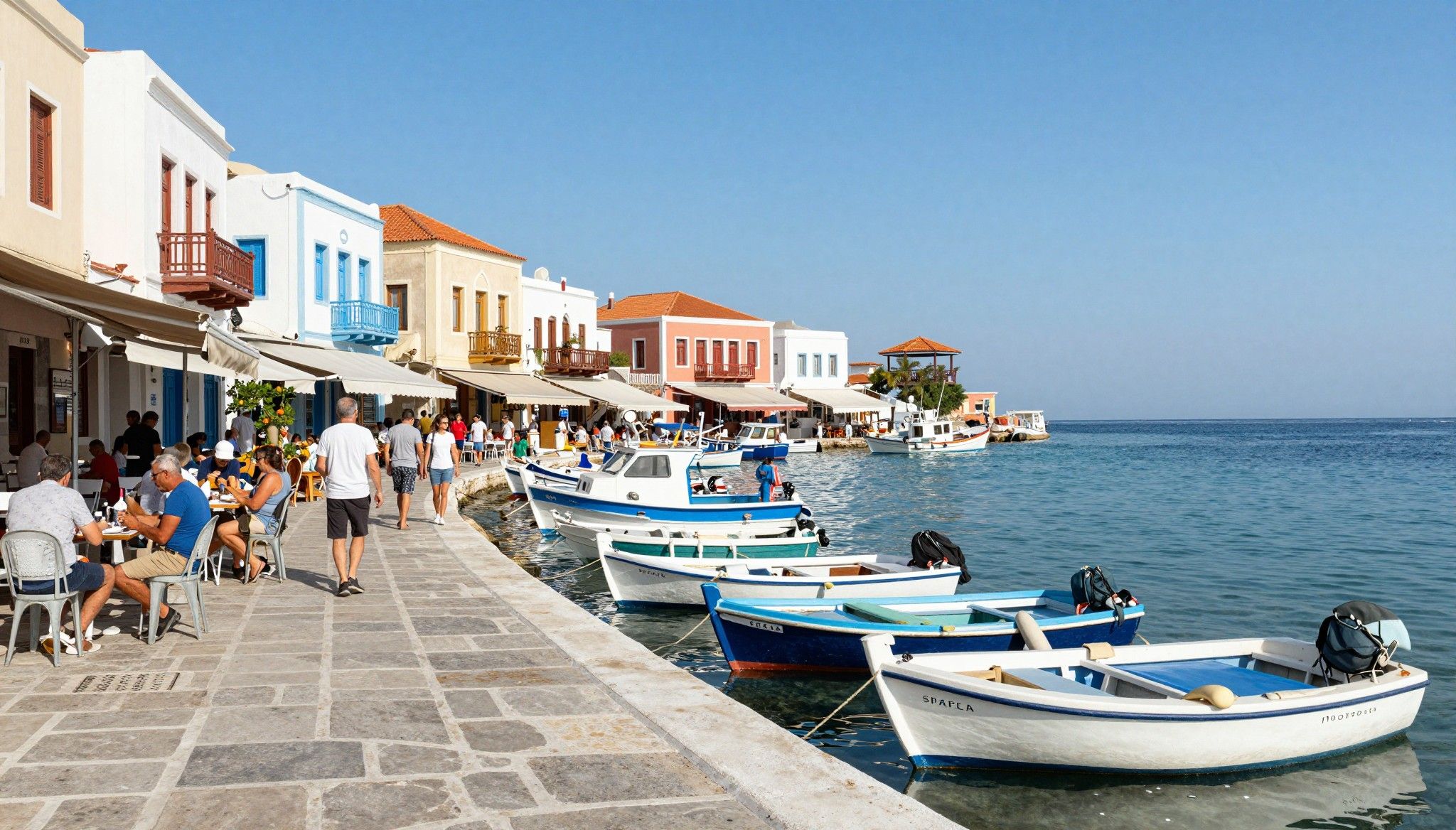
If your day involves ferry timetables and late‑season restaurant menus, you’re looking at Dalmatian or Istrian inventory: stone houses, compact apartments, and standalone villas. These assets drive tourist rental demand but are precisely where municipalities have started to use licensing and quotas to protect housing supply. Practically, that means acquisition can still deliver strong summer occupancy yet faces operational constraints (license caps, guest registration, local membership fees) that change the net yield calculus.
Urban life: Zagreb and regional towns
Buyers looking for year‑round rental stability tilt toward Zagreb or university towns where long‑lets and corporate rentals dominate. Properties here trade more like conventional residential assets: steadier rents, lower seasonality and fewer short‑let licensing headaches. The tradeoff is lower peak rates but better occupancy — a useful hedge if national or municipal tourism rules tighten coastal holiday lets further.
Making the move: the regulations that change returns
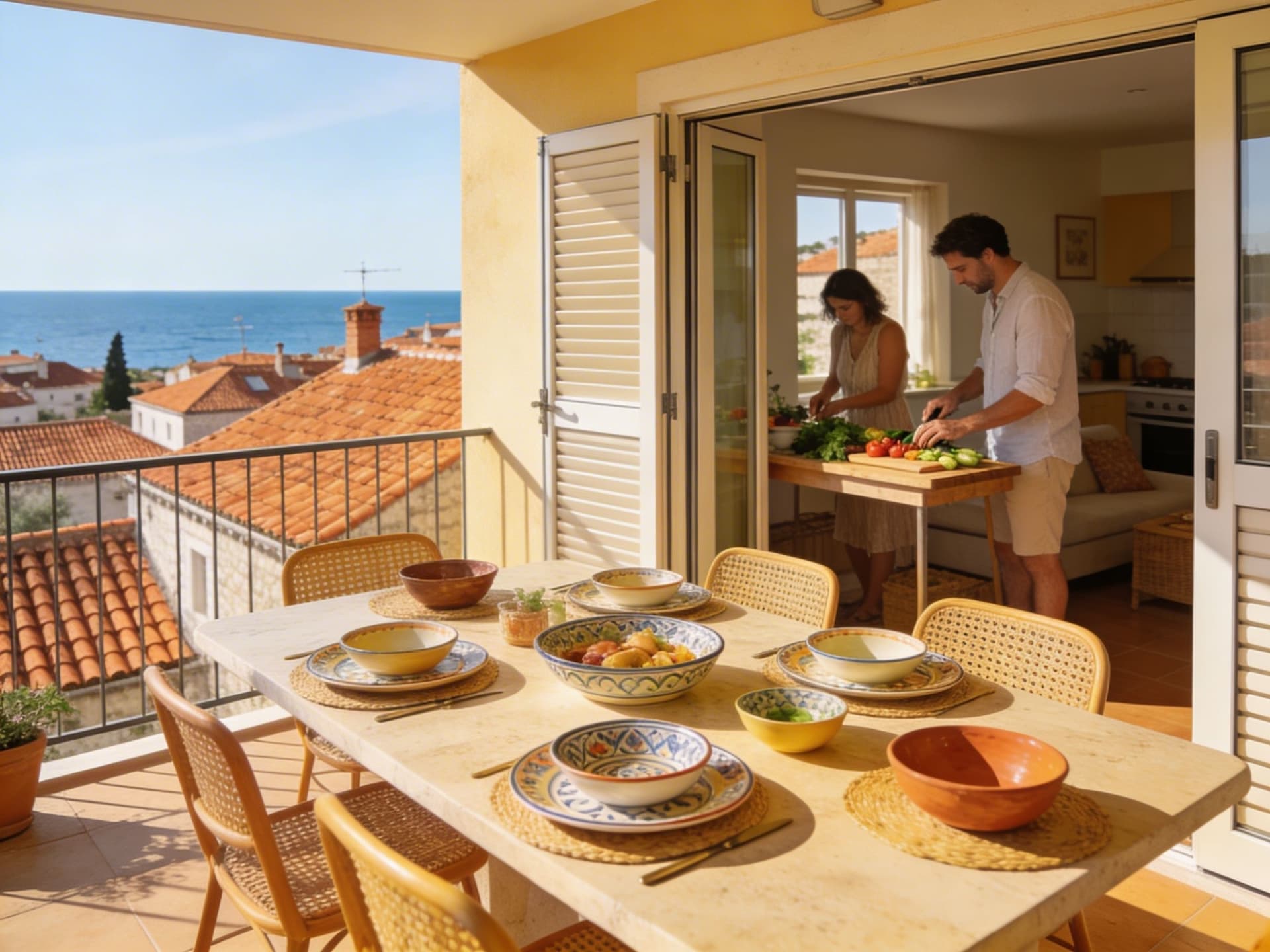
Three regulatory shifts matter most to returns: who may buy (citizenship/reciprocity), expanded municipal control over short‑lets, and tax/reporting changes tied to tourist activity. EU/EEA citizens now buy under near-equal terms, while non‑EU buyers typically require Ministry consent — a process that can delay completion and change negotiation leverage. Municipalities gained stronger tools after the 2023 Sustainable Tourism changes, allowing caps or moratoria in constrained zones; hosts must also register guests in the national eVisitor system and pay local tourist levies — all line items that reduce net yield.
Who can buy: reciprocity and the Ministry consent
If you hold EU/EEA or Swiss citizenship you buy almost like a local; non‑EU buyers face a reciprocity test and typically need written consent from the Ministry of Justice. This is not merely paperwork — timing matters: ministry approval can take weeks to months, affecting financing and the binding nature of pre‑contracts. For investors reliant on quick deal execution or bridge financing, that delay can increase holding costs and shrink projected IRR.
Neighbor consent, moratoria and property‑level taxes
From 2023 onward municipalities may cap new tourist licenses; draft measures discussed at local level include requiring supermajority co‑owner approval in blocks and replacing per-bed levies with m² property taxes for short‑lets. Those moves shift the P&L for coastal apartments: increased fixed charges, lower feasible nights per year in saturated zones, and additional compliance costs (tourism association membership, eVisitor reporting). Strategically, this pushes yield-sensitive investors toward long‑let models or larger standalone villas where neighbor consent is less relevant.
Insider checklist: how to stress‑test a Croatian purchase
Treat regulatory changes as variables, not surprises. Start with title and zoning checks, confirm whether the municipality has active moratoria or proposed limits, and model both short‑let and long‑let scenarios including new property tax assumptions. Use local counsel to estimate ministry‑consent timings for non‑EU buyers and insist on clauses in pre‑contracts that allocate delay risk. Below are concrete operational and financial steps to run before signing.
Bullet list: immediate actions (6 items)
- 1) Verify buyer eligibility (EU vs non‑EU) and estimated ministry approval time; 2) Check municipal registry for short‑let moratoria or quota rules; 3) Confirm whether apartment block rules require co‑owner consent for tourist use; 4) Model net yield with tourist levy, membership fees and potential m² property tax; 5) Obtain eVisitor registration and operational cost estimates; 6) Negotiate a delay/fall‑back clause that permits conversion to long‑let if licensing is blocked.
Numbered steps: a pragmatic acquisition flow (4 steps)
- 1) Pre‑offer due diligence: title search, zoning checks, block governance; 2) Formal offer with conditional clause: ministry consent (if applicable) and municipal license confirmation; 3) Operational readiness: register for eVisitor, estimate tourist tax/membership fees, and set up local tax reporting; 4) Post‑exchange stress‑test: run 12‑ and 24‑month cashflow scenarios under moratorium and full‑license outcomes.
What expats wish they'd known — reality checks and neighborhood notes
Expats tell the same three stories: villa life is bliss but management intensive; historic apartments charm but come with strict preservation rules; and being an off‑season resident means lower carrying costs but less rental income. Neighborhood specifics matter: in Dubrovnik’s Old Town you trade higher gross rates for constrained licensing risk, while islands like Brač or Korčula offer quieter long‑let markets with steady seasonal demand. Use local agents who understand both the lifestyle aspiration and the licence landscape.
Long‑term view: how rules reshape where you buy
Regulatory pressure nudges capital away from hyper‑tourist cores toward secondary towns and inland destinations where councils are less likely to impose restrictions. For investors this can be an opportunity: lower entry prices, rising domestic demand and fewer compliance headaches. However, liquidity and capital appreciation dynamics differ — always weigh rental yield against potential resale demand in a market that’s actively re‑zoning its tourism offer.
Conclusion: Croatia still sells an enviable life — sea, cuisine, and compact historic towns — but the arithmetic behind rental returns is changing. Model for new fixed charges, plan for licensing delays if you’re non‑EU, and price in lower effective nights where municipalities have active curbs. If you pair a lifestyle brief with a regulatory risk checklist and local counsel, you can protect yield without losing the reasons you fell in love with Croatia in the first place. For primary sources on buyer eligibility and municipal powers, consult Croatian government guidance and recent legal summaries.
Dutch investment strategist who built a practice assisting 200+ Dutch clients find Spanish assets, with emphasis on cap rates and due diligence.