When Italy’s Rail and Ports Shift, So Do Yields
How Italy’s transport upgrades, ports and neighbourhood rhythms reprice rental yields—map lifestyle signals to connectivity for smarter international buys. ISTAT data confirms uneven, micro‑driven growth.
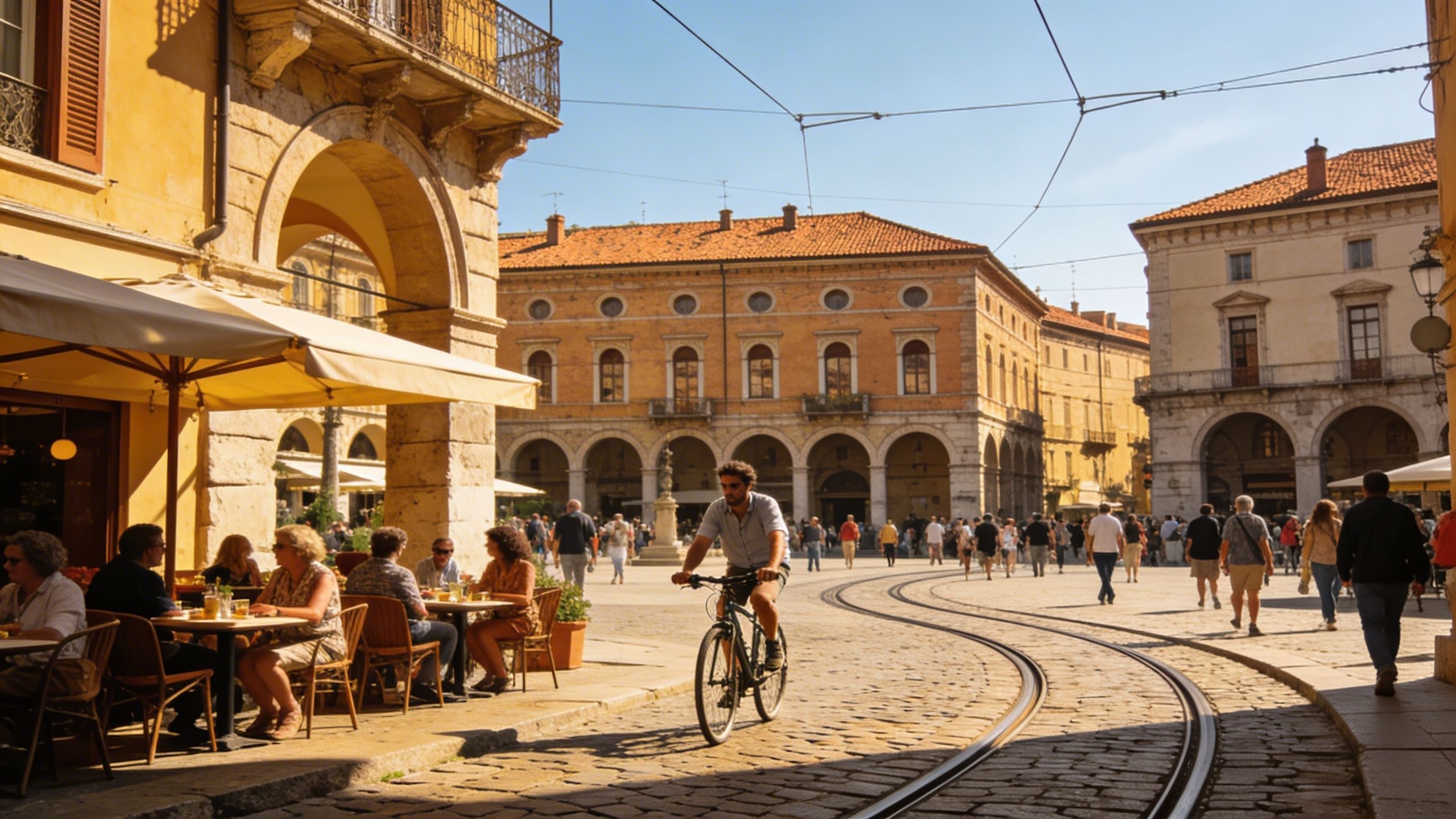
Imagine sipping espresso on a narrow street in San Lorenzo, Florence, while a tram clatters past and a neighbour sells peaches from a crate — that sensory cadence is Italy. But behind the cobbled charm, transport upgrades, port expansions and shifting tourism flows quietly reprice neighbourhood yields. For international buyers who love the life and count the numbers, the real decision is where infrastructure meets lifestyle and how that intersection affects rent and capital growth.
Living the Italy lifestyle — vivid, local, diverse

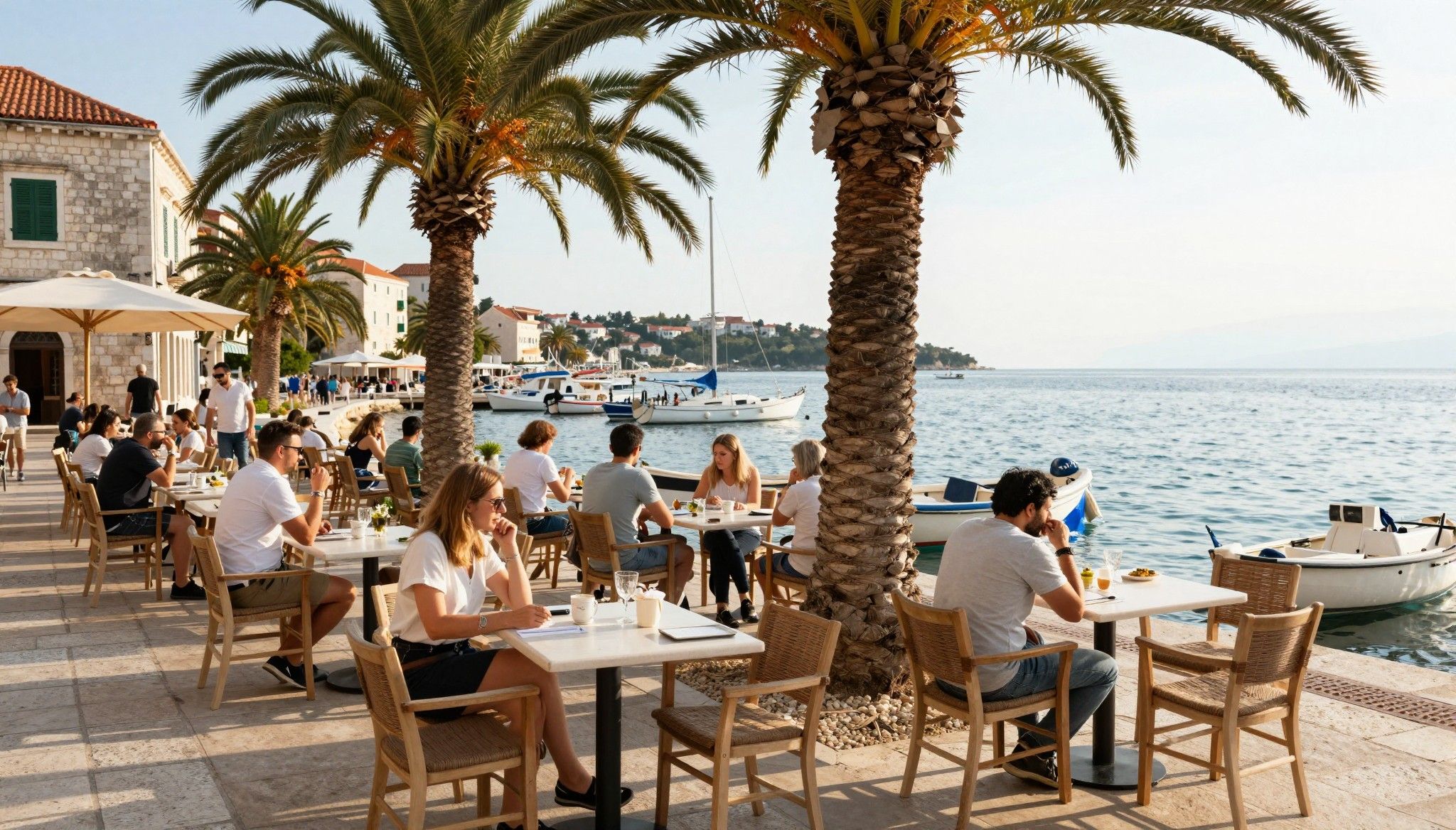
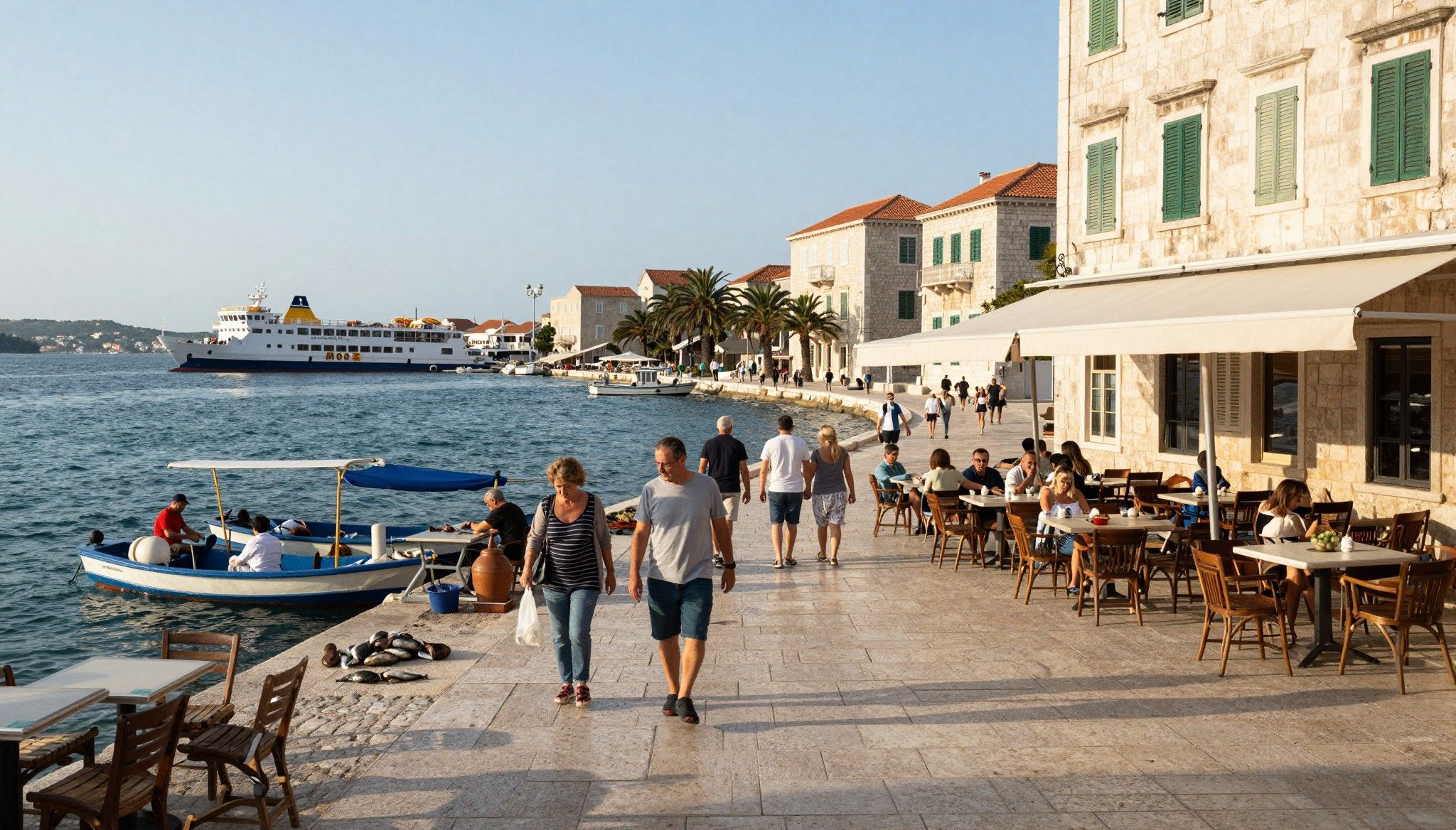
Italy’s daily rhythm is place-specific: morning markets in Palermo’s Ballarò, aperitivo crowds on Milan’s Navigli, fishermen mending nets in Procida at dawn. Each rhythm implies different tenant demand — students near Bologna’s university, remote workers in Lecce’s buzzy historic centre, seasonal visitors on the Amalfi Coast — and different yield profiles. If you want life-first properties that still perform, map the lived patterns before you map price-per-square-metre.
Neighbourhood spotlights: exact streets, exact feels
Florence’s Oltrarno (Via dei Serragli, Via Romana) balances artisan character with consistent tourist footfall — good for short-to-mid let strategies. In Milan, Isola and Porta Romana attract young professionals working in finance and tech, supporting higher year-round rental demand. On the Amalfi coast, Positano and Praiano deliver seasonal premiums but volatile yields; inland towns like Ravello offer steadier capital prospects for buyers prioritising long-term appreciation over peak-season income.
Food, markets and micro‑location that matter to tenants
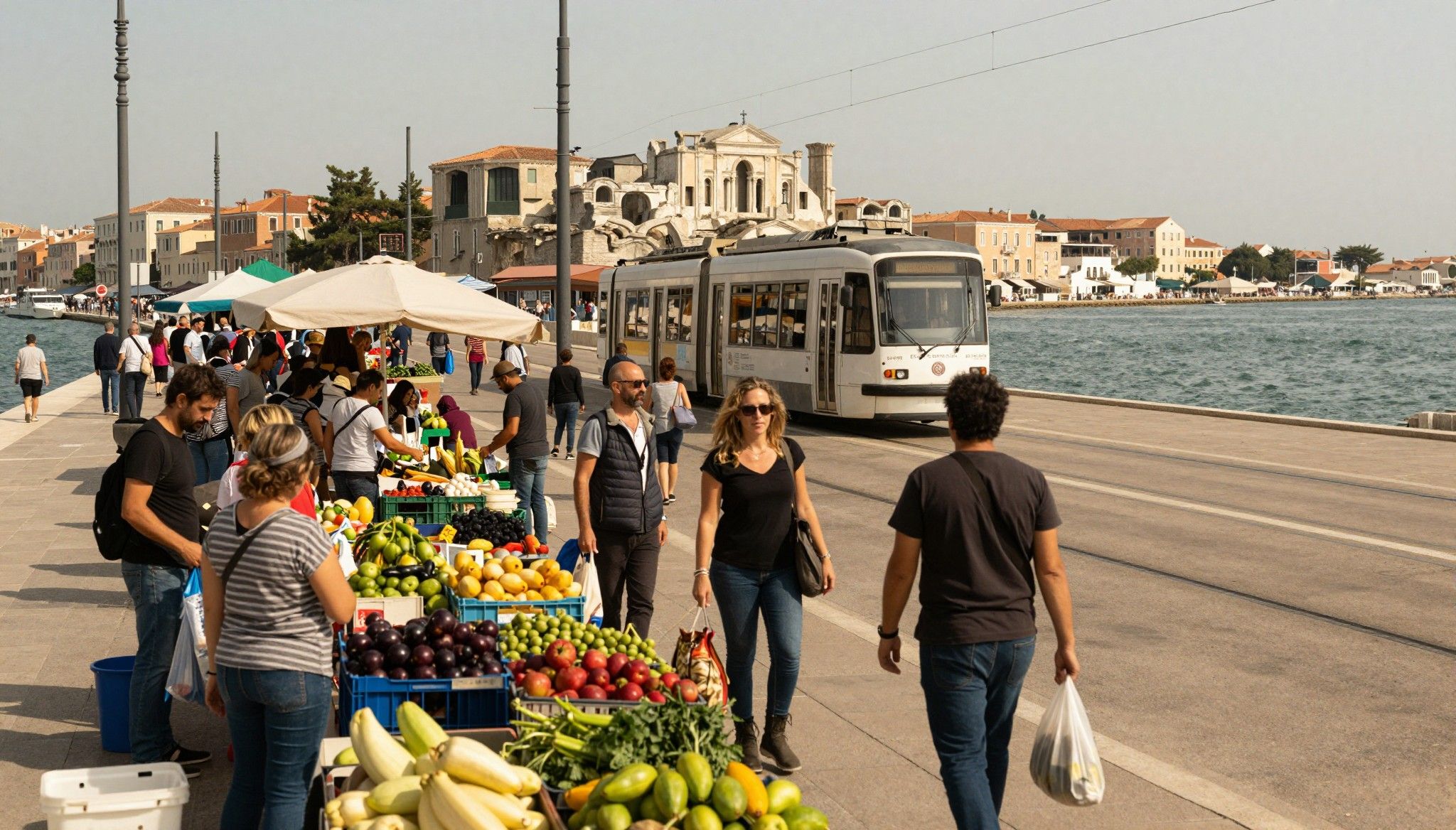
Daily life in Italy orbits food: a palazzo on Via dell'Orto in Bologna with a morning market nearby will command different tenant profiles than a similar-sized flat three blocks away. Look for farmers’ markets (Mercato Centrale in Florence, Mercato di Porta Palazzo in Turin), reliable neighbourhood cafés, and accessible grocery shops when estimating long-term tenant retention — comfort and convenience drive occupancy more than skyline views.
- Lifestyle highlights that influence investment outcomes: Mercato Centrale (Florence) — foodie draw and consistent foot traffic; Navigli (Milan) — nightlife and young-renter demand; Lungomare (Bari) — improving coastal infrastructure and family rentals; Trastevere (Rome) — tourist demand offset by local permanence; Procida island — growing creative hub since 2022.
Making the move: infrastructure, connectivity and what it reprices

Infrastructure creates winners in Italian property markets. ISTAT shows a measurable rise in prices for new-builds and a general upward trend in 2024, but the distribution is uneven: neighbourhoods with improved rail or port access often see rents and sale prices move first. Investors should treat announced or underway projects — high‑speed rail links, station regenerations, port and airport expansions — as directional signals that reprice micro-markets before national averages catch up.
Property styles and how transport changes their economics
A restored historic flat in central Naples is a tenant magnet but costs more to maintain; a modern two-bedroom near Bologna Centrale trades lower upkeep for stronger long-term rental yields due to commuting demand. Infrastructure upgrades shorten effective distances: a 30-minute reduction on a regional line can convert a commuter town into a satellite rental market overnight. Factor renovation cost, energy performance and tenant expectations against the connectivity premium.
Working with local experts who translate lifestyle into ROI
Local agents, architects and property managers convert on-the-ground lifestyle signals into cash-flow forecasts. Choose partners who can show comparable rents, seasonality adjustments and recent transaction data for specific streets. An agent who knows tram schedules, planned station rebuilds and municipal zoning changes is more valuable than one with a broad MLS-style inventory but no infrastructure insight.
- Practical steps that blend lifestyle and investment judgement: 1) Map commute and rail times to target tenant groups; 2) Price in renovation, seismic retrofitting and energy upgrades where needed; 3) Stress-test yields for seasonality (coastal vs inland); 4) Confirm licensing rules for short lets in municipal regulations; 5) Secure a local property manager with demonstrated KPI reporting.
Insider knowledge: what expats and investors wish they’d known
Expats often romanticise coastal summers or piazza life and underestimate operational complexity: municipal short‑let rules vary, rail reliability can be uneven during upgrades, and tourism spikes don’t automatically mean stable year-round returns. The Financial Times and local reports note that short lets have reshaped many city centres; smart buyers assume regulation tightening and model conservative occupancy and net yields.
Cultural integration, language and everyday tenancy realities
Speaking basic Italian accelerates tenancy screening, contractor negotiations and community fit. Local rental contracts, condominium rules (condominio), and utility setups (gas, acqua) have conventions that matter to cashflow timing. Build local goodwill by using vetted local trades and a property manager who pays municipal taxes and utility bills on schedule — delayed invoices become tenant headaches and maintenance backlogs.
Long-term lifestyle and market resilience
Italy’s market shows resilience: ISTAT’s 2024 indices point to modest national price increases driven by new‑builds, while micro-markets outperform based on connectivity and tourism. Over the long run, properties that pair authentic local life (markets, cafés, good last-mile transport) with professional management deliver the most reliable net yields. Think of lifestyle as the demand engine and infrastructure as the multiplier.
- Red flags to stress-test before you buy: unclear condominium minutes about works; pending infrastructure projects with uncertain timelines; municipal short‑let restrictions; seasonal occupancy extremes; underestimated seismic upgrade costs.
Picture this: you’ve moved into a sixth-floor flat in Trastevere. Mornings you walk to Campo de' Fiori; evenings you hear street life and feel connected. The practical side — a local agent who negotiated a fair price, a manager who screens tenants, and a transport link that keeps demand steady — turns that romance into a predictable return. If Italy is the dream, infrastructure and local expertise make it an investable one.
Next steps: shortlist three neighbourhoods that match your lifestyle, verify transport plans and timelines, request recent comparable rents on specific streets, and appoint a local advisor who can translate place into pro forma cashflows. Start with micro-market evidence — not national headlines — and treat infrastructure announcements as potential re-pricers of neighbourhood yield.
Norwegian market analyst who relocated from Oslo to Mallorca in 2016, guiding Northern buyers through regulatory risk, currency hedging, and rentability.