When Malta’s Transport Moves, So Do Returns
Malta’s charm masks fast-moving infrastructure dynamics; buyers who match lifestyle choices to transport and capacity upgrades protect yield and capture growth.

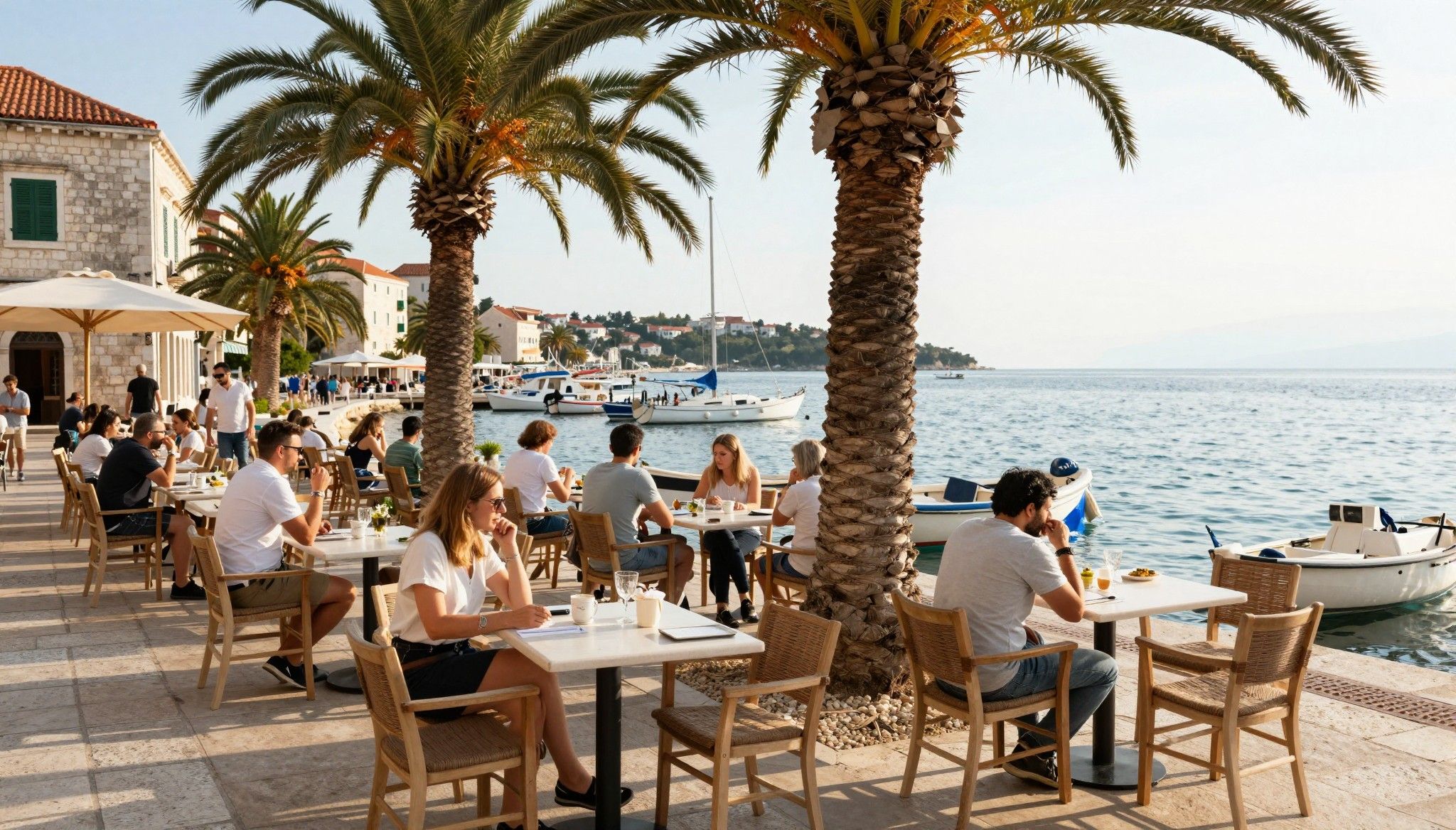
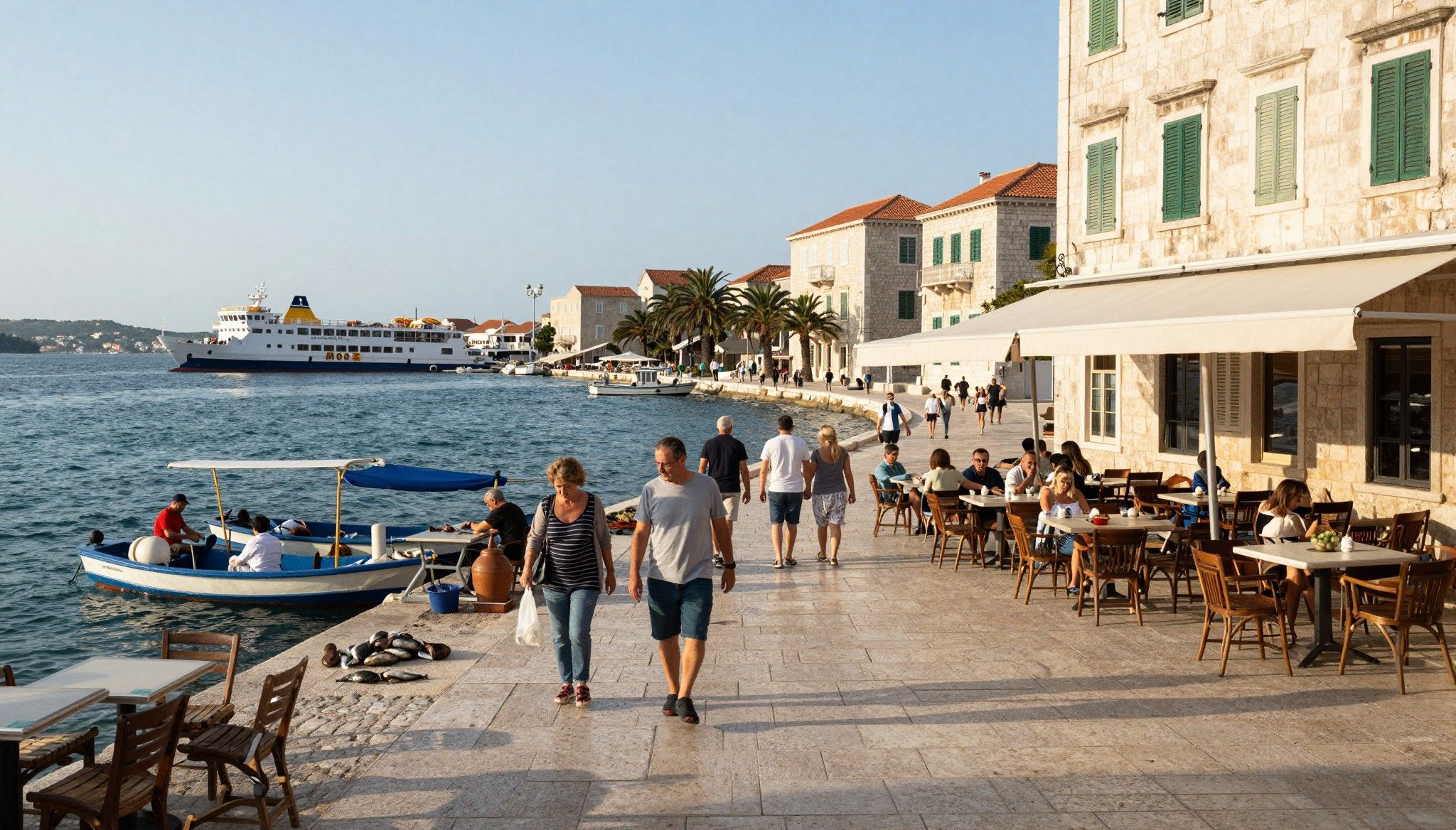
Imagine stepping out at dawn on Triq ir-Repubblika in Valletta, the scent of fresh ftira from a corner bakery, commuters weaving past historic limestone façades while ferries slip across Marsamxett Harbour. Malta compresses Mediterranean rhythms and urban convenience into a territory you can cross in an hour, which is seductive for lifestyle-focused buyers and quietly consequential for investors. The island’s compact size means infrastructure changes—an extra ferry, a new terminal gate, a bus route tweak—reprice neighbourhood returns faster than in larger markets. That matters: a lifestyle scene you love today can either support or undermine rental demand tomorrow.
Living the Malta life: small scale, big texture
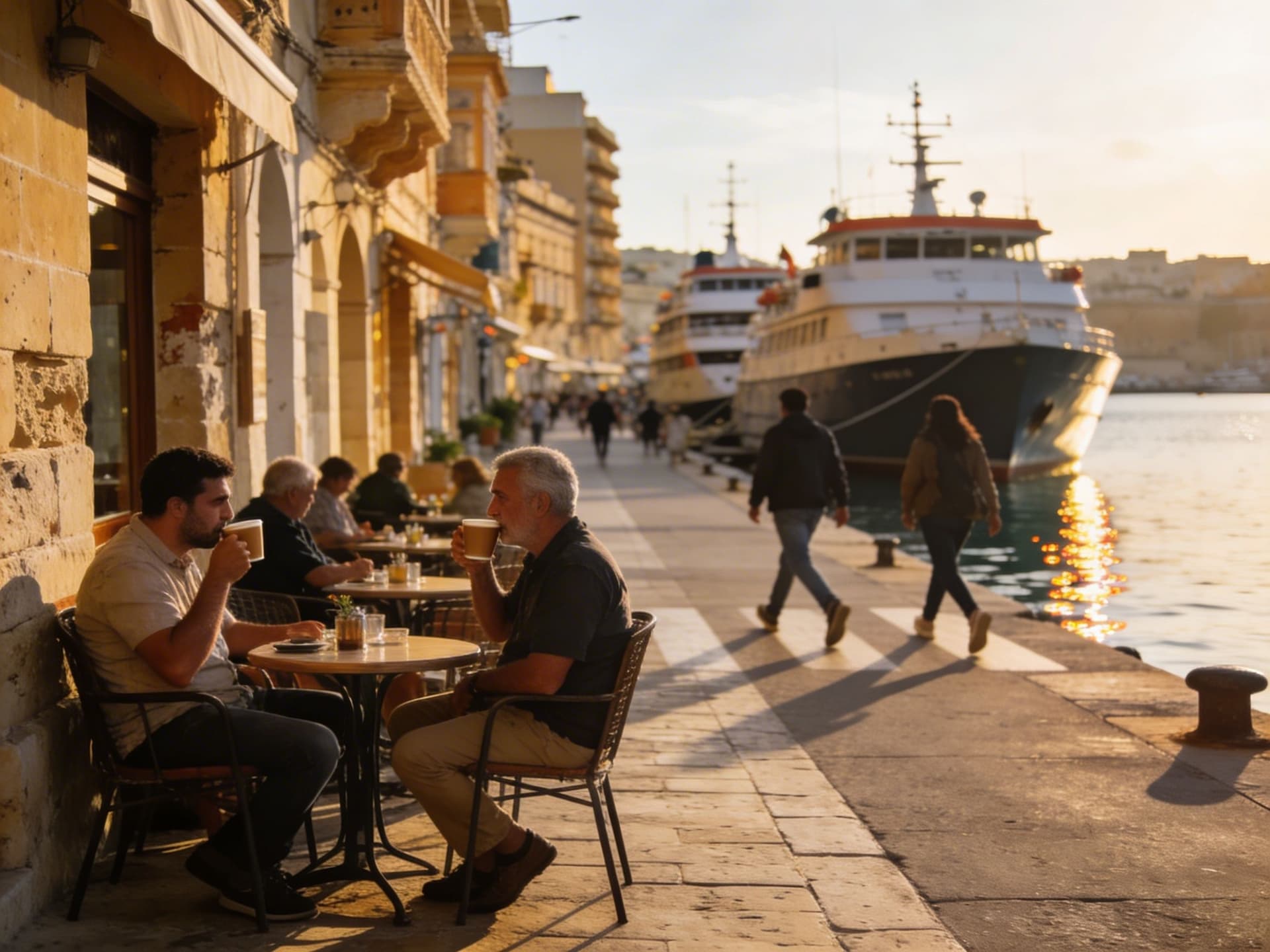
Malta is paradoxically both compact and richly varied. Valletta feels theatrical and stone‑quiet at dawn; Sliema and The Strand pulse with cafe terraces and shoppers midday; St Julian’s and Paceville concentrate nightlife and short‑let demand; and Gozo trades hustle for rural lanes and calmer price growth. Daily life is tactile: espresso culture, neighbourhood fishmongers, cyclists on narrow streets, and an English‑friendly public sphere. For international buyers these everyday textures shape what kind of property works — a pied‑à‑terre in a historic palazzo behaves differently as an investment than a modern seafront apartment in Sliema.
Valletta, Sliema, St Julian’s — where each day feels different
Valletta: mornings skim with guided tour groups and office commuters; terraces and niche galleries support year‑round cultural rental demand. Sliema/The Strand: early shoppers, families at waterfront promenades and predictable long‑let demand from professionals. St Julian’s/Spinola Bay: a magnet for short‑lets, hospitality workers and high‑turnover tenants during peak season. Each area’s transport links—harbour ferries, bus corridors, parking scarcity—directly affect vacancy cycles and achievable rents. Choose neighbourhoods by the tenant profile you want, not just by postcard appeal.
Food, markets and small rituals that define suburb choices
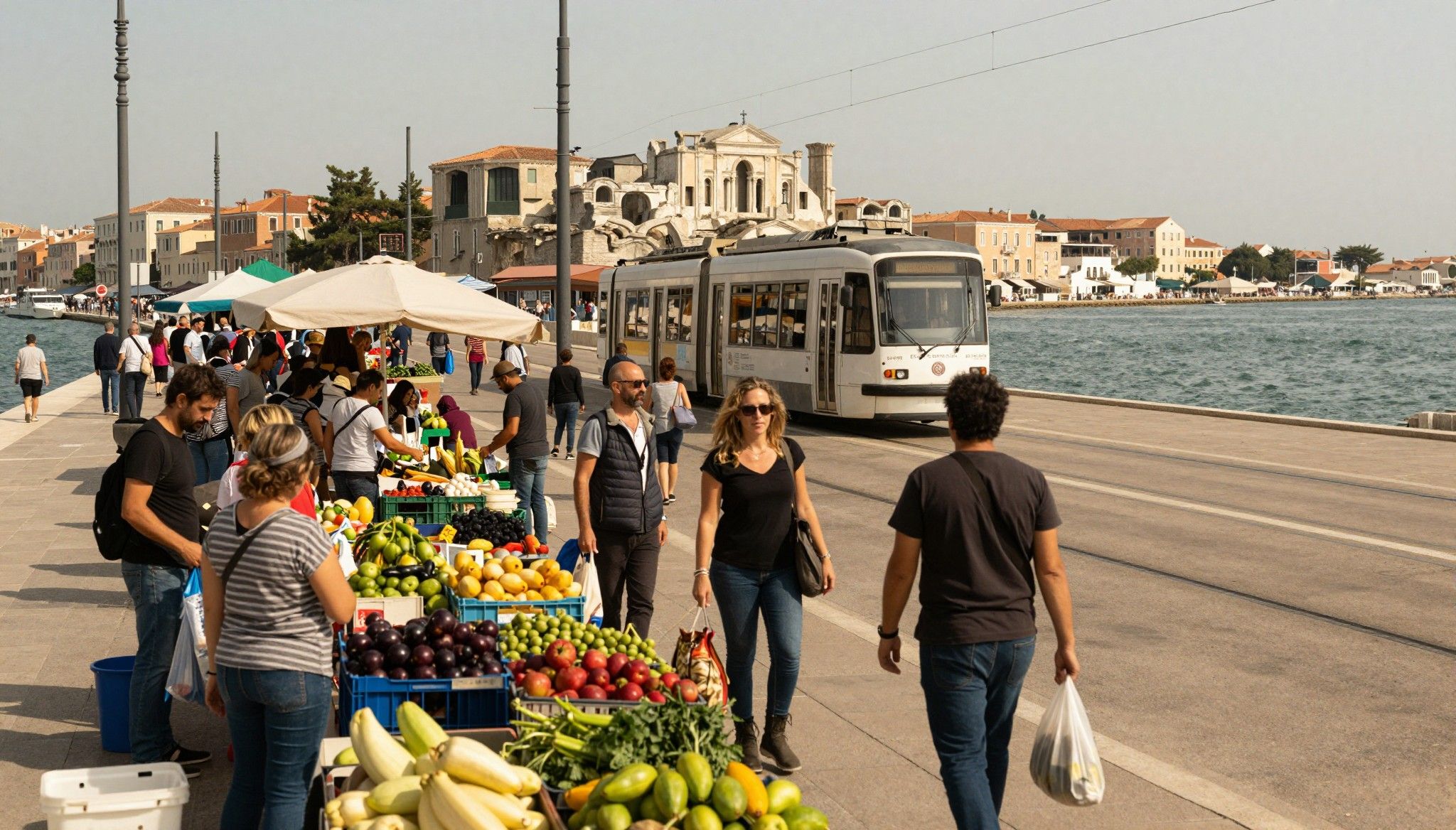
Weekends in Malta pivot on markets, harbor lunches and small festivals — activities that determine which areas fill for stays or long lets. A property two tram‑stops from a weekend market or within walking distance of a reliable ferry gains not just rent but higher seasonal occupancy. Infrastructure projects such as Malta International Airport’s terminal expansion and capacity upgrades (announced in 2024–25) improve international access and can lift demand for short‑stay inventory, particularly in Sliema and St Julian’s. Track scheduled transport upgrades to see where demand is likely to rise next.
- Lifestyle highlights and local specifics
- Morning coffee: Caffe Cordina (Valletta) and waterfront cafes on The Strand, Sliema.
- Harbour rhythm: Valletta–Sliema ferry links that replace long drives and shorten commutes.
- Hidden beaches: Għajn Tuffieħa and Golden Bay for weekend escapes that appeal to families and tenants.
Making the move: practical buying through the lifestyle lens
Lifestyle appeal is necessary but not sufficient. Malta’s Residential Property Price Index and industry reporting show persistent price growth and rising land values, which squeeze gross yields. That dynamic makes transport and infrastructure the practical north star for buyers: proximity to reliable links, parking policy, and airport capacity expansions have outsized effects on rental income and capitalisation rates. Use market data alongside a lifestyle brief to prioritise properties that match both return expectations and the life you want to lead.
Property types and how they map to real life
Stone‑fronted maisonettes and terraced houses offer space and appeal to families; expect higher maintenance and slower capital appreciation but steadier long‑let demand. Apartments and penthouses near the waterfront extract premium seasonal rates but require close management of vacancy and short‑let licensing. Gozo properties trade yield for stability: lower supply and stronger price growth in rural pockets. Match bed count, outdoor space and access to transport with tenant archetypes—young professionals, families, or holiday renters—to avoid mismatched stock.
Work with specialists who translate lifestyle into yield
- Engage a local agency with transaction experience, tax-savvy partners and a network of property managers. A specialist can: scope probable net yields after local taxes and running costs, forecast seasonal occupancy using historical ferry/flight data, and recommend small CAPEX that materially raises achievable rent.
- Verify transport proximity: measure walk and transit times to ferry terminals, bus corridors and the main arterial roads; small differences (10–15 minutes) often shift tenant pools.
- Stress-test seasonality: calculate blended yields using conservative off‑season occupancy (Q4–Q1) and peak season (Q2–Q3) rates rather than headline summer returns.
Insider knowledge: what expats wish they’d known
Expats often assume Malta is a simple buy: English language, sunny climate, and a small island equals easy integration. The real surprise is speed—policy changes and infrastructure upgrades reprice micro‑markets quickly. For example, the airport’s multi‑year expansion announced in 2024–25 and MIA’s €345m investment plan can raise demand for short‑stay accommodation near direct transport corridors. Similarly, small planning approvals in Gozo or southern Malta can alter supply balance and local rents within 12–24 months.
Cultural and daily‑life practicalities that affect choice
English is widely spoken and public services are accessible, but the pace of bureaucracy and small‑island logistics (limited parking, narrow streets, seasonal ferry schedules) affect tenant satisfaction and recurring costs. Neighbourhood rules, communal maintenance expectations and local social norms can raise management costs if overlooked. Factor these into operating expenses and tenant turnover models rather than treating them as incidental.
Long‑term lifestyle — how living here evolves
Malta’s compactness means your daily radius tightens over time: what felt central at purchase may shift as new transport nodes or retail hubs open. Investors should model a five‑ to ten‑year horizon and include plausible infrastructure scenarios—airport capacity, ferry service increases, or new bus corridors—that change catchment economics. This keeps the lifestyle story aligned with an investable thesis rather than a transient attraction.
If you love Malta’s morning markets, sea terraces and close‑knit communities, buy with infrastructure in mind. Start by mapping transport links, short‑let licensing exposure and airport route growth against the neighbourhood’s tenant profile. Then stress‑test returns using conservative off‑season occupancy and a 3–5 year infrastructure scenario. Contact a local agency that pairs lifestyle briefs with yield models to translate the life you want into a robust investment plan.
Danish relocation specialist who moved to Cyprus in 2018, helping Nordic clients diversify with rental yields and residency considerations.