Buy in France Outside Peak Season — A Yield Play
Seasonal rhythms and regional data show buying off‑peak in France often improves price and net yield—combine lifestyle picks with INSEE price signals for smarter purchases.
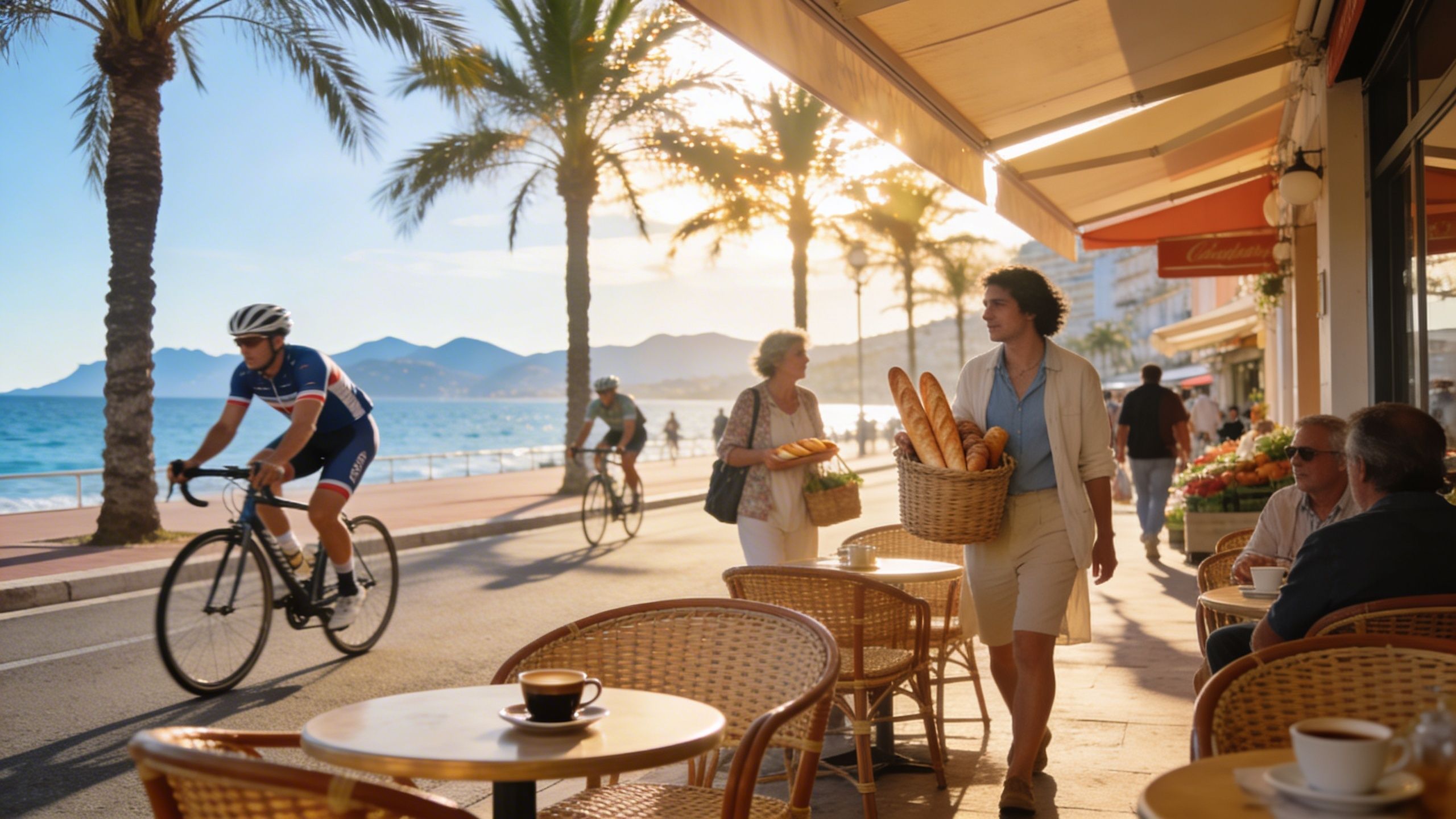
Imagine stepping out for a morning espresso on Rue des Rosiers in Paris’s Marais, or picking grapes at a weekend market in Béziers — France feels like a series of slow, textured mornings. But behind those mornings are seasonal rhythms, lending and pricing cycles and yields that shift with the calendar. This guide shows why timing — especially avoiding peak-season property hunts — matters to both the life you want and the net yield you can secure. We'll combine the romance of place with INSEE data and market-level yield signals to give international buyers a clear, evidence-based playbook for buying in France.
Living the France lifestyle — scenes that matter to buyers
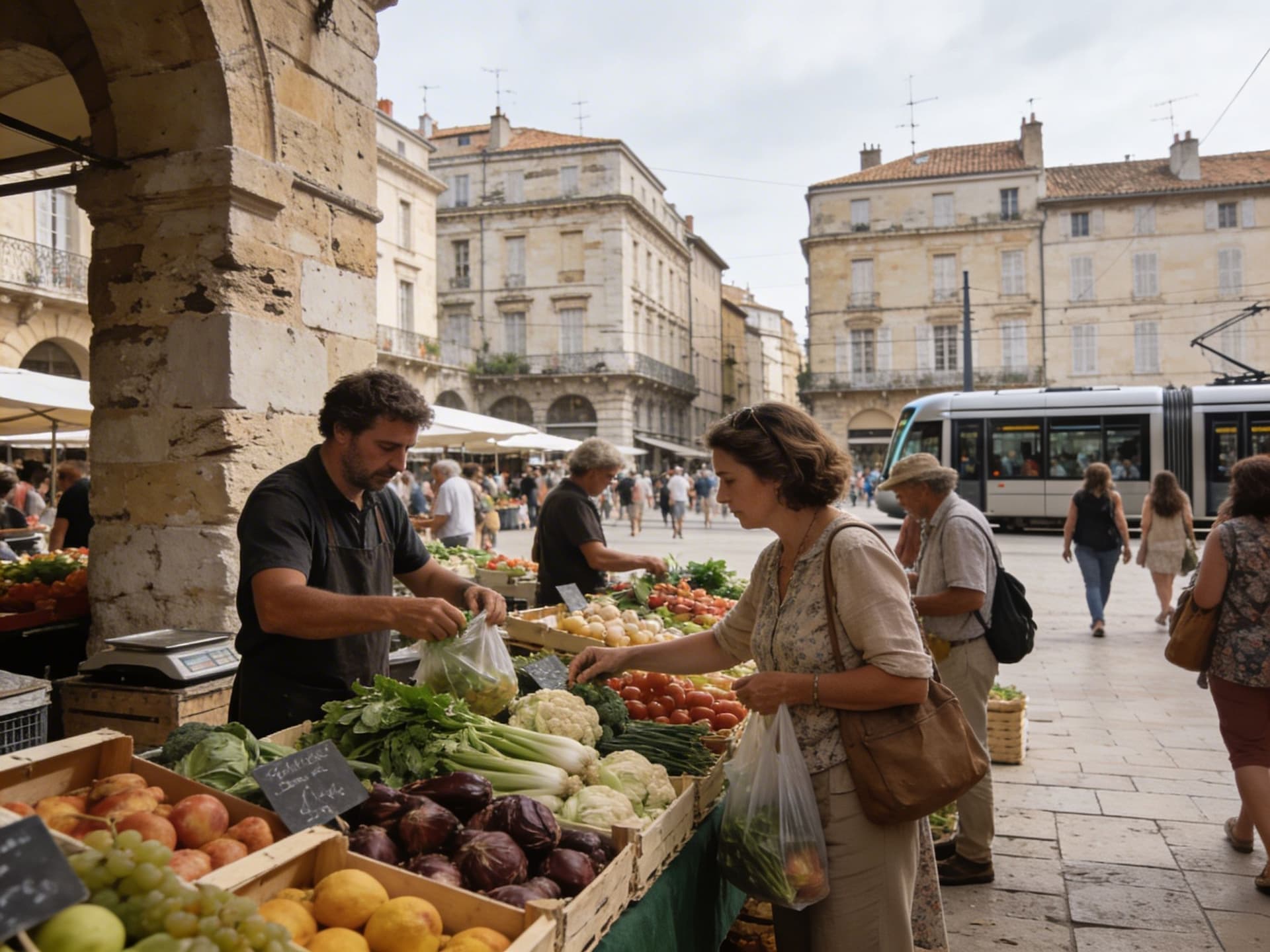
France is not one market but many: narrow-lined Parisian streets, Provençal villages and Atlantic surf towns each set different daily rhythms. These rhythms produce practical differences — rental seasonality, tenant profiles and local demand — that feed straight into yields and price momentum. Recent national data show price stability turning into modest growth in early 2025, but that trend is patchy across regions. Understand place first, then metrics.
Paris and Île‑de‑France: concentrated demand, compressed yields
Picture mornings at Café de Flore and demos along the Seine. For investors, central Paris offers stability and capital preservation but lower gross yields (often 3–5% depending on arrondissement). Micro-location matters: studios in outer arrondissements outperform large flats in prime 6th/7th. If lifestyle equals central Paris, accept lower cash yield and focus on long-term appreciation and ultra-low vacancy risk.
Provincial cities and coasts: higher yields, higher seasonality
From Marseille to Toulouse and mid‑sized regional hubs, rental yields typically exceed Paris — often 4–7% gross — but demand fluctuates with students, seasonal workers and tourism. Coastal towns can spike in summer, creating temptation for short‑let strategies that complicate regulations. Think: life on the coast for weekends, but evaluate full-year occupancy and net yield before buying for summer buzz alone.
Making the move: practical considerations that protect yield
If lifestyle paints the picture, data draw the lines. National indexes show price declines that stabilised through 2024 and modest growth signs in 2025; that makes timing and financing (mortgage rates, loan-to-value) central to yield. Practical considerations below translate lifestyle choices into net yield outcomes.
Property types and yield trade-offs
Small, well‑located units (studios, one-bedrooms) show stronger rental demand and higher gross yields in French cities; larger family homes offer lifestyle appeal and capital appreciation in suburban and rural markets but often lower immediate yields. For lifestyle buyers who will rent part-time, consider furnished (meublé) licensing and medium-term lets to balance income and personal use.
Six steps to test a French property as both a home and an asset
1) Check local seasonal occupancy (student term dates, tourist months).
2) Adjust advertised gross yield by realistic annual vacancy and management costs to get net yield.
3) Model mortgage rates and buy‑to‑let tax treatment for your residency status; run sensitivity to 0.5–1.0% rate moves.
4) Inspect heating/insulation (DPE energy rating) — energy upgrades materially affect operating costs and tenant appeal.
5) Confirm local short‑let rules (cities like Paris and Nice restrict tourist lets) to avoid compliance fines.
6) Work with a local notaire and a bilingual agent who can provide comparable rents, recent transaction prices and realistic timeline for closing.
Insider knowledge — what expats wish they'd known
Expats often arrive enchanted and make decisions in high season — open‑house weekends, festival months, summer markets — where competition and emotional bidding push prices up. The contrarian play: buy in slow seasons (late autumn to early spring) when motivated sellers surface and viewings are more transactional than theatrical. That timing strategy can improve purchase price without sacrificing lifestyle — you'll still enjoy France in summer, but buy at lower cost.
Language, local networks and daily life
Learning basic French transforms routine transactions — from utility setup to negotiating repairs — and reduces advisory fees. Local community hubs (marchés, boulangeries, neighbourhood Mairies) are literal information markets: landlords, tradespeople and future tenants circulate there. Investing time in these networks reduces day‑to‑day friction and can improve occupancy and tenant quality.
Long-term life: sustainability of place and returns
France's market shows signs of stabilising and selective recovery. For buyers focused on total return, weigh local economic drivers — university enrolments, transport projects, and employment growth — that sustain both rents and resale demand over a decade. Lifestyle factors (quality of schools, healthcare access, cultural life) matter because they define the tenant pool and the property's resilience through cycles.
Key local economic drivers to watch
• Transport upgrades (TGV lines, regional airports) that shorten commutes and reprice suburbs.
• University expansions and student housing dynamics that underpin studio demand.
• Local employment concentration (tech clusters, logistics hubs) that create steady long‑term rental pools.
• Tourism seasonality that can inflate short‑term revenues but reduce year‑round net yield if unmanaged.
Conclusion — fall for France, buy with a plan
France delivers daily pleasures and durable capital stories, but the best buys come from blending lifestyle preference with data-led timing. Avoid the peak-season glare, stress-test yields for 12 months of occupancy, and prioritise local economic signals (students, transport, jobs). Work with bilingual advisors, a local notaire and a property manager to convert French mornings into reliable net yield. If you want help turning a neighbourhood dream into a portfolio-ready purchase, start by modelling net yield over three scenarios: conservative, base and optimistic — then let the data decide.
British expat who moved to the Algarve in 2014. Specializes in portfolio-focused analysis, yields, and tax planning for UK buyers investing abroad.