Fall for Italy, Buy for the Links
Italy’s charm meets hard infrastructure: choose properties near transport, hospitals and markets to convert lifestyle into steady yields.
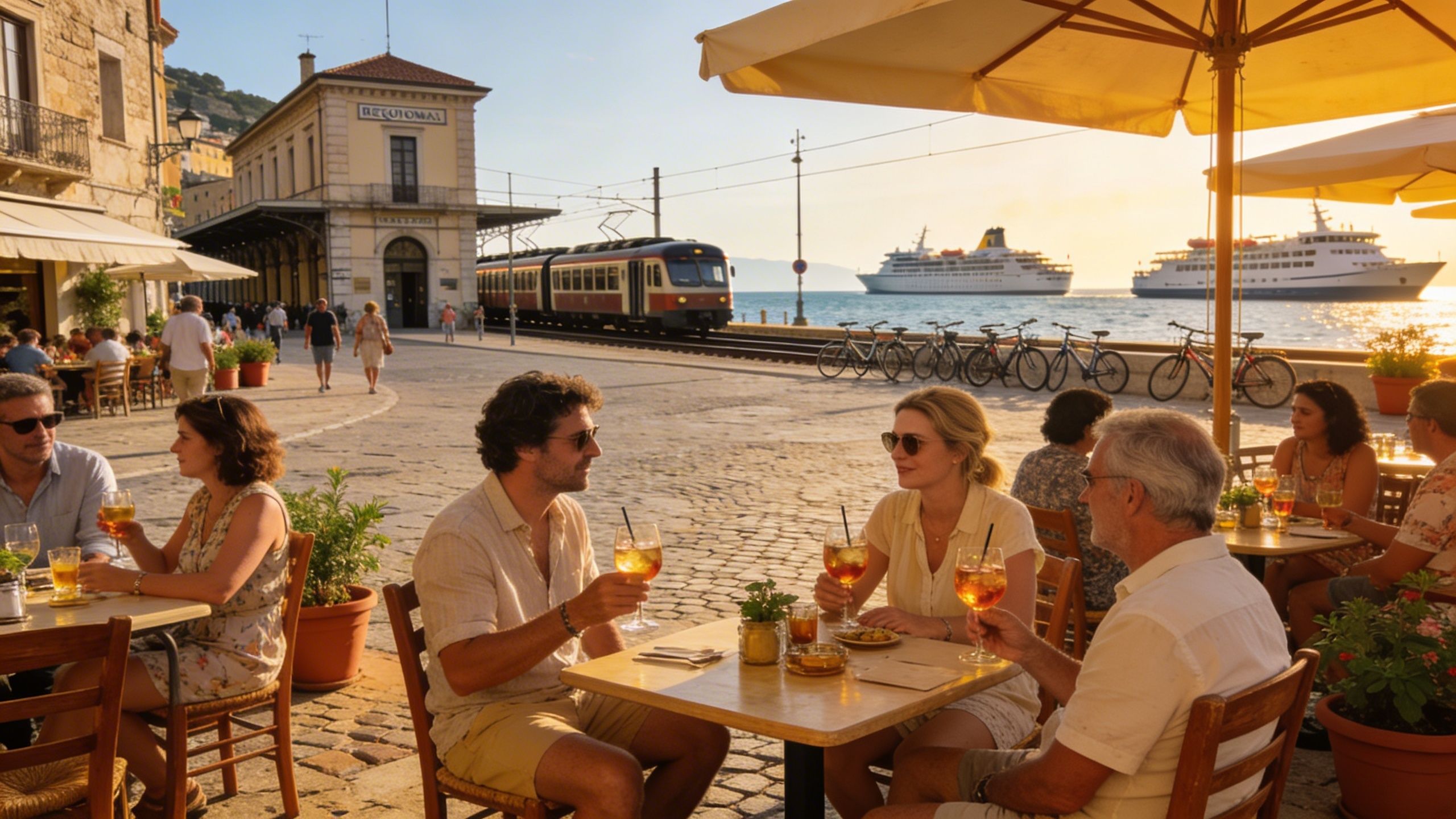
Imagine standing at a café table in Bologna at 9 a.m., steam rising from your espresso, cyclists threading narrow streets, regional trains whooshing beyond the piazza. Italy’s rhythm—slow mornings, busy markets, late dinners—shapes how properties perform: location, connectivity and seasonality determine if a purchase is a lifestyle win or a yield miss. For international buyers the question isn’t just beauty; it’s how easily that beauty converts into rent or resale value when markets shift. Recent national statistics and central-bank commentary make one thing clear: transport links and infrastructure are the structural forces that reprice Italian property over a decade.
Living the Italy lifestyle
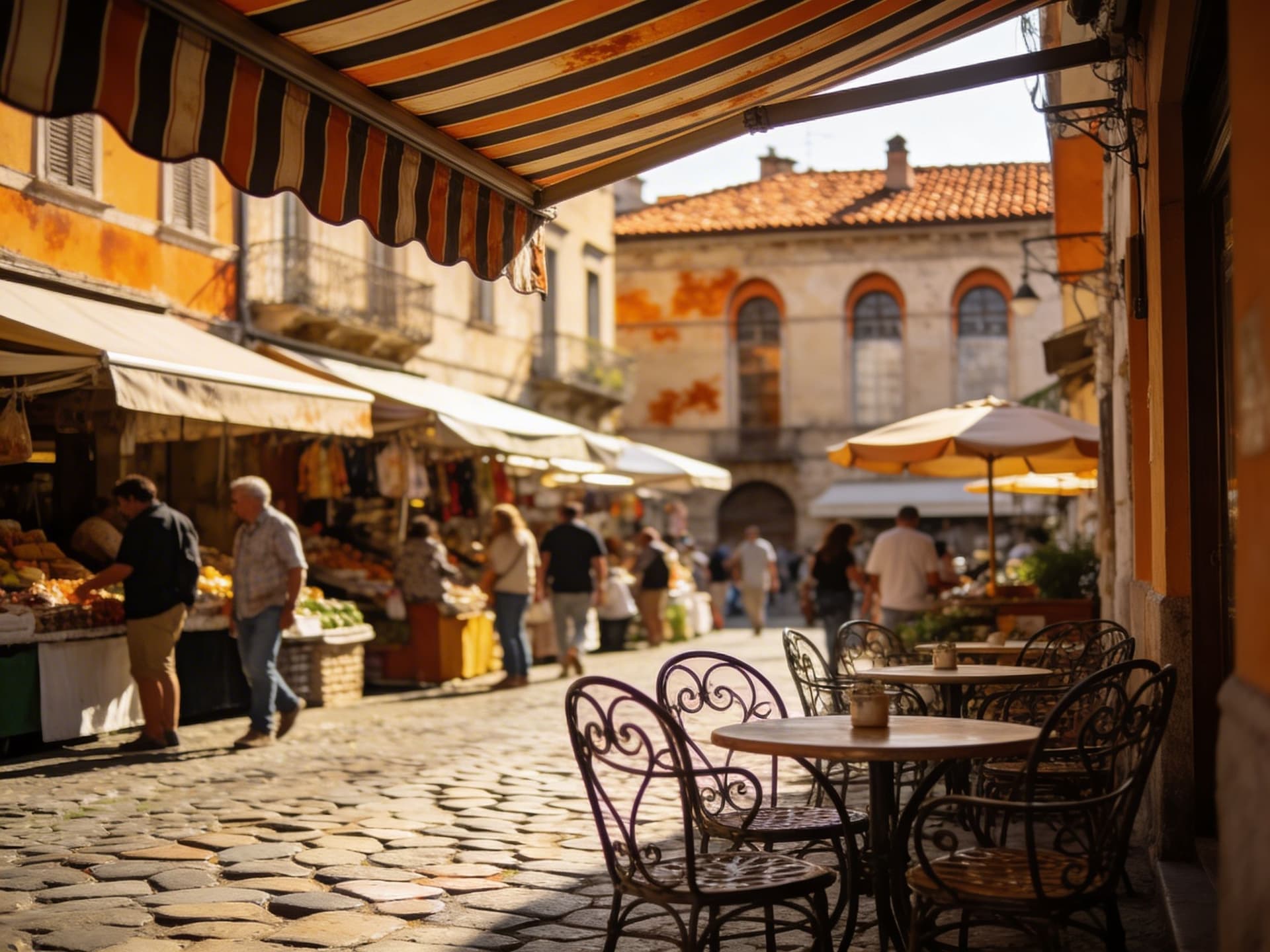
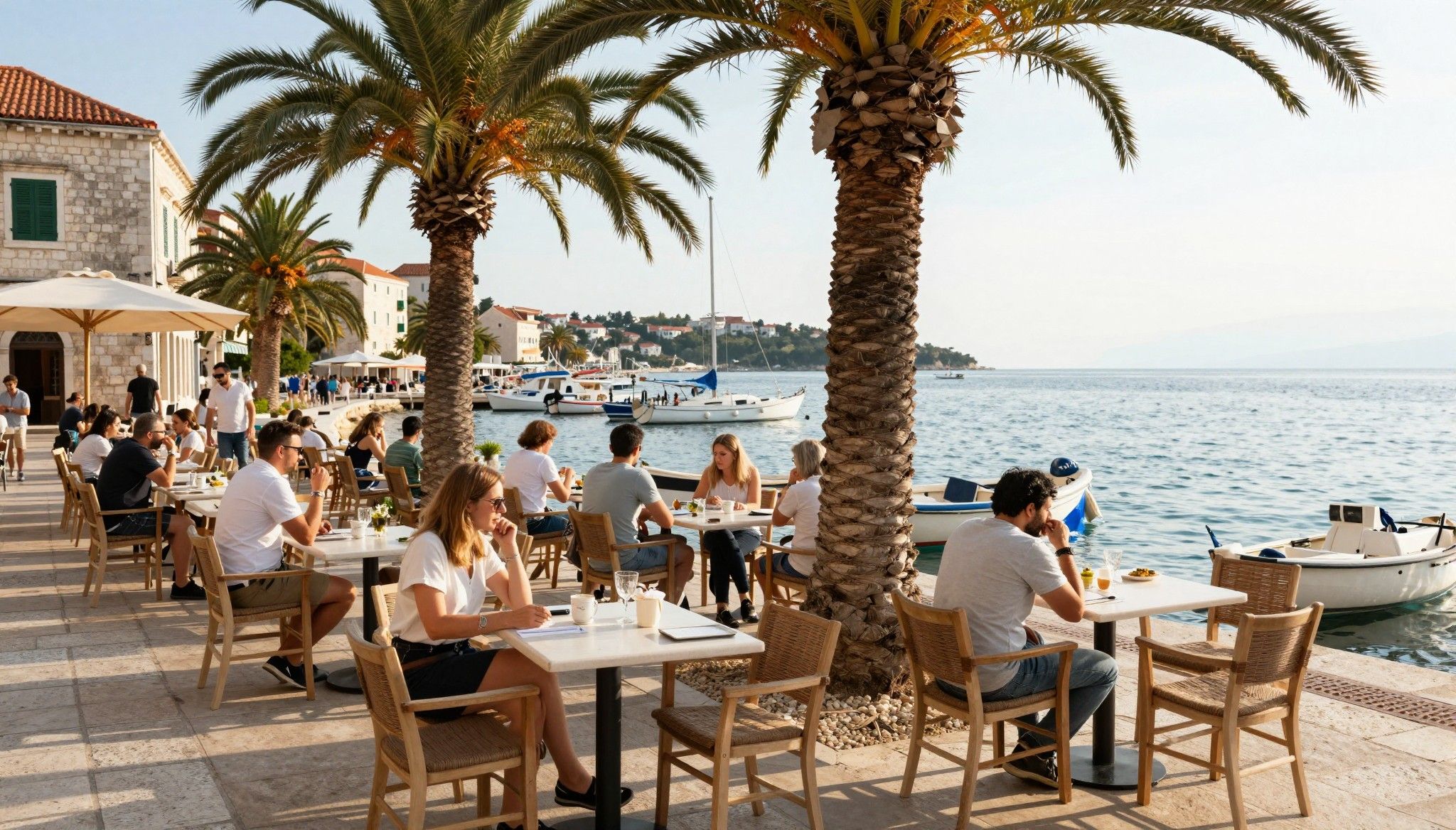
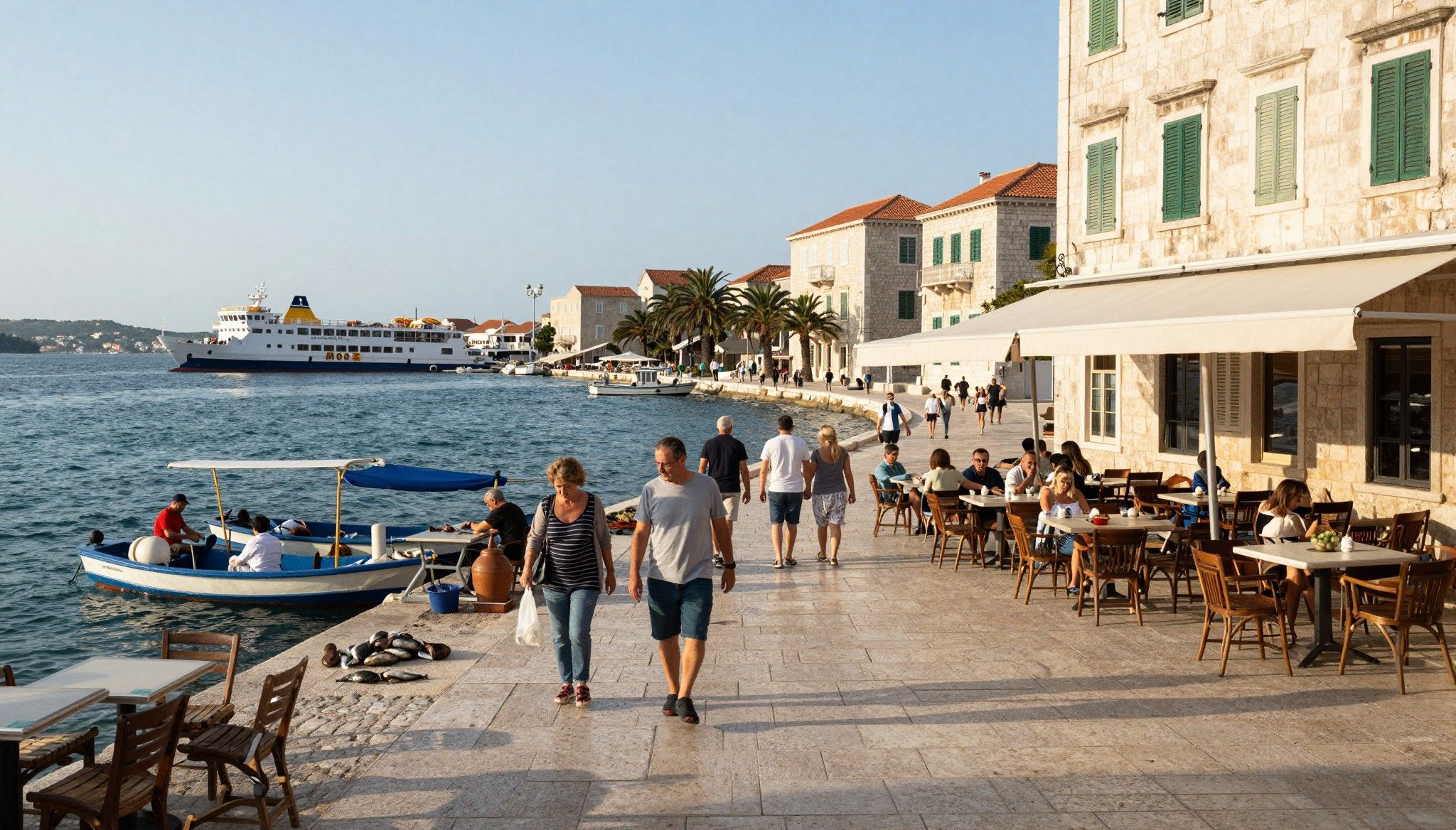
Italy’s daily life reads like a travel piece: morning markets in Palermo, aperitivo crowds in Milan’s Navigli, fishermen mending nets on the Amalfi coast. Yet beneath the romance are patterns that matter to buyers—commute times, rail frequency, proximity to airports and hospitals—all of which influence tenant demand and price per square metre. Think of lifestyle first, then map that to infrastructure: the place you fall in love with should have the transport and services that sustain value. In many Italian towns, a short walk to a station or a reliable regional train can command a 10–20% rental premium compared with car-dependent suburbs.
Neighbourhood spotlight: Trastevere to Brera — contrast in character
Take Rome’s Trastevere and Milan’s Brera as a pairing: both boast cobbled streets, cafés and tourism, but they attract different demand profiles. Trastevere’s narrow lanes and local life appeal to long‑stay holiday lets and short-term tourists, while Brera’s proximity to offices, galleries and high-frequency metro lines makes it stronger for year-round rentals to professionals. For buyers, the trade-off is clear: tourism-heavy pockets offer seasonal upside but greater vacancy risk; well-connected urban cores give steadier yields. Layer in micro-data—station footfall, weekly market activity, and nearby office occupancy—and you convert romance into a defensible investment thesis.
Food, weekend rituals and seasons that shape demand
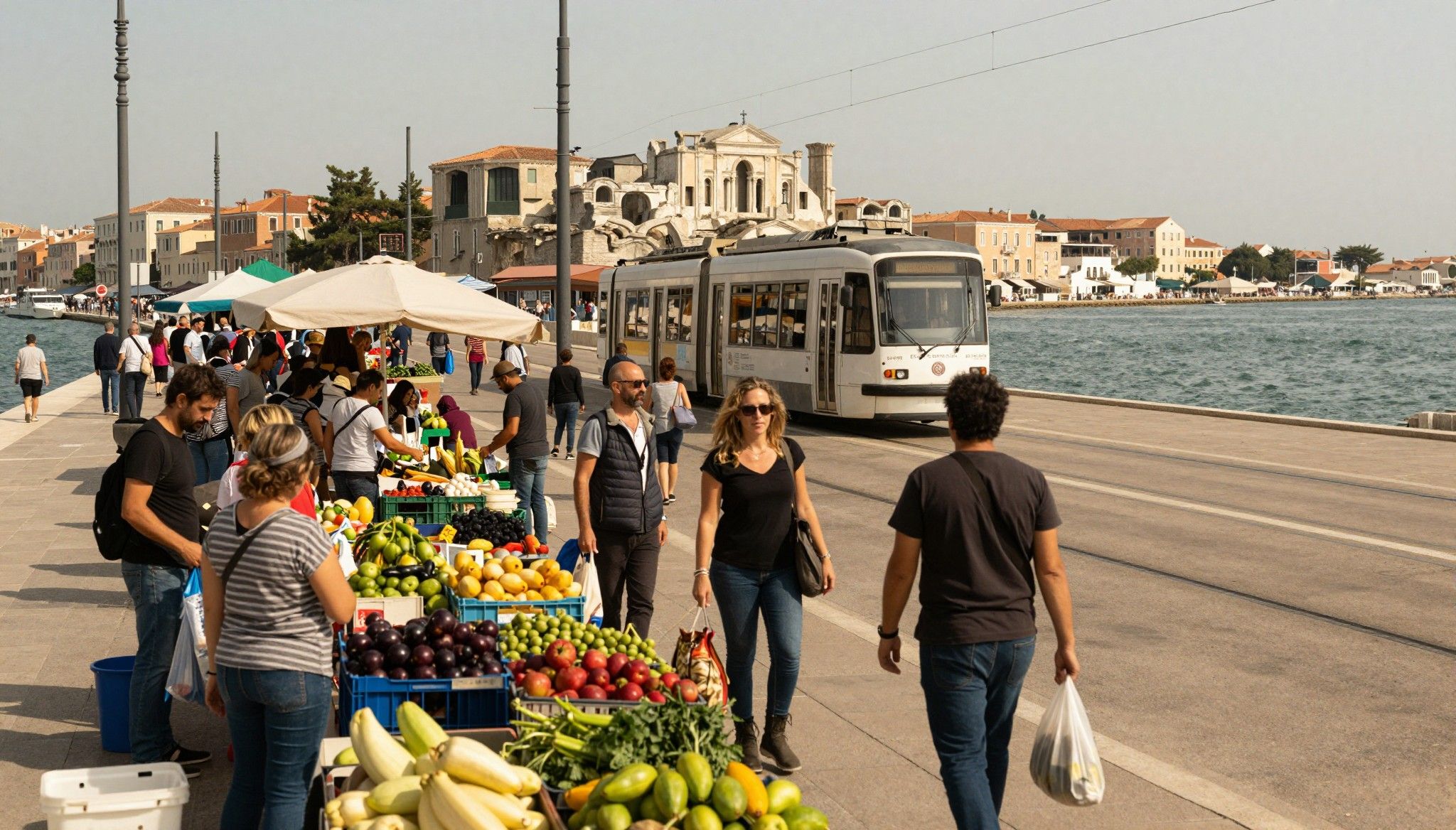
Weekend life—farmers’ markets in Florence, coastal weekends on Sardinia, truffle hunts in Piedmont—drives short‑stay demand that can lift gross yields if managed properly. But seasonality is pronounced: coastal towns see occupancy spikes in June–September and troughs the rest of the year, which affects net yield after cleaning, utilities and management fees. For inland cities with strong universities and healthcare hubs, demand is more evenly distributed across the year. Buyers should match property type to seasonality: studio flats near universities, larger homes in amenity-rich towns for family rentals or long lets.
- Nearby station within 10–15 minute walk (e.g., Milano Centrale, Roma Termini) — steady commuter demand
- Weekly farmers’ market or food hub (e.g., Mercato Centrale, Florence) — seasonal tourist uplift
- Proximity to regional hospital or university — consistent long‑let tenants
Making the move: practical considerations
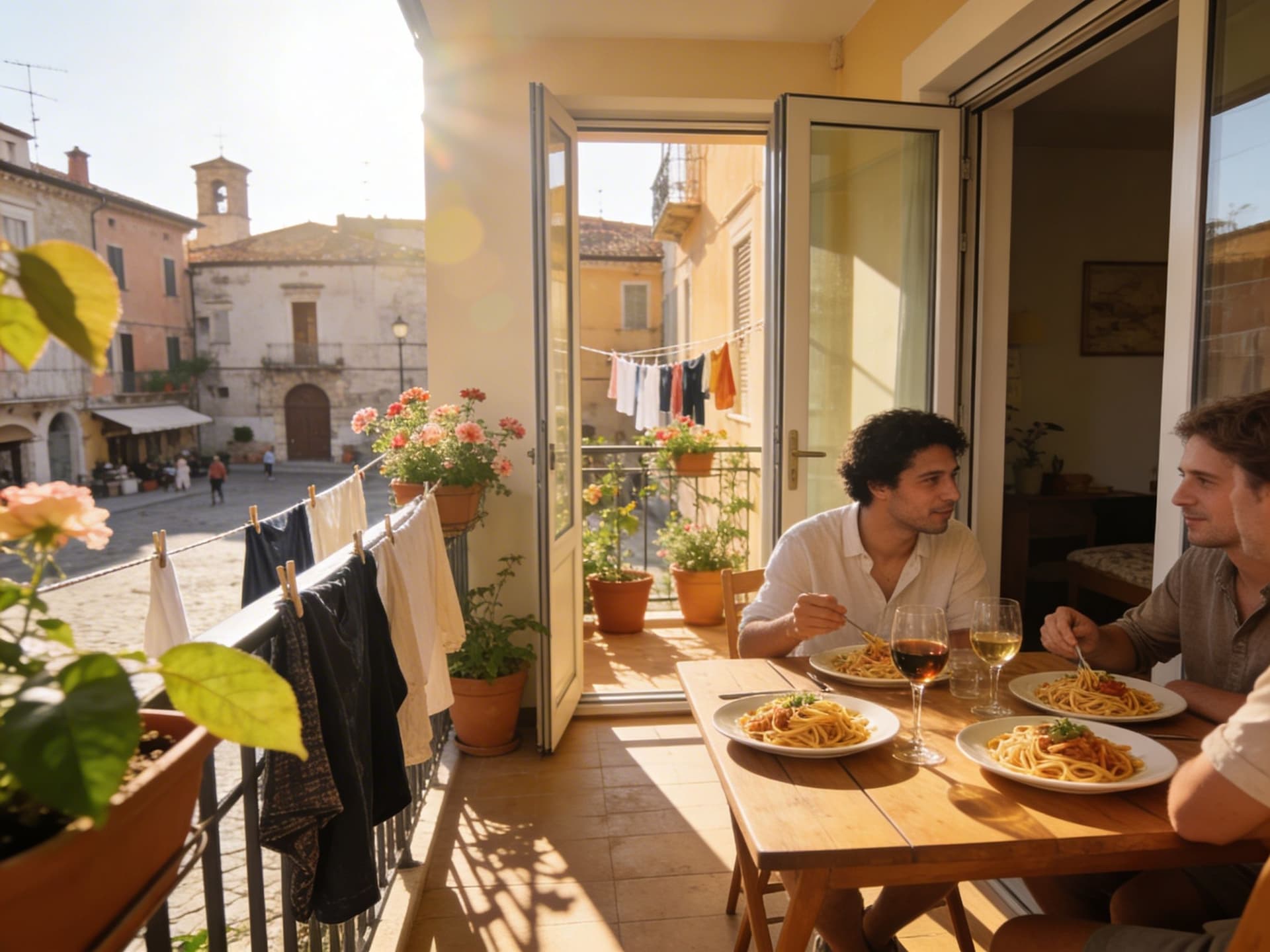
Italy’s housing market is heterogeneous: city centres, tourist coasts and agricultural hinterlands behave very differently. Before committing, overlay lifestyle preferences with hard infrastructure — station frequency, motorway access, and broadband availability — because these are the variables that alter occupancy and capital appreciation. Official housing statistics and central‑bank reports show urban cores outperform rural areas on price stability, particularly where regional mobility projects are underway. Use those sources to stress‑test yield projections and anticipate ten‑year appreciation scenarios.
Property types and how they match lifestyles
Historic apartments in city centres offer character and tourist appeal but often carry higher maintenance costs and regulatory limits on conversions. Modern builds near transport hubs deliver predictable rental income with lower renovation risk and easier compliance for energy performance (EPgl) improvements. Villas and rural homes capture lifestyle buyers and seasonal rents but require careful cashflow planning for off-season months. Match the asset class to your intended use—short‑let, long‑let, or mixed—and model net yield after conservative vacancy and management costs.
Working with local experts who understand both life and law
Agents who combine market data with neighbourhood knowledge are indispensable: they know which blocks face construction plans, where new regional rail stops are planned, and which streets have rental demand from professionals. Local lawyers and notaries navigate purchase contracts and cadastral checks; accountants model tax residency and IMU obligations for non‑resident owners. Ask agencies specifically about infrastructure pipelines—rail upgrades, port expansions, fibre broadband rollouts—because these are often the catalysts that reprice nearby property within five years.
- Create a connectivity scorecard: 1) walking time to nearest station/metro, 2) frequency of regional rail services, 3) drive time to nearest international airport, 4) nearby healthcare/university presence, 5) broadband speed availability.
Insider knowledge: what expats wish they'd known
Expats often underestimate how small infrastructure differences compound over time: a five‑minute extra commute can halve tenant interest among professionals, while a seasonal ferry schedule can make a coastal rental impossible outside summer. Language matters for daily life—municipal services, contractor negotiations and rental agreements run smoother with local support. Community networks (international clubs, co‑working hubs, university communities) accelerate integration and improve tenant sourcing for investors who plan to self-manage.
Cultural integration and local rhythms
Learning basic Italian eases bureaucracy and tenant relations, but social integration comes from routine: regular markets, the barista who knows your order, and local festivals where landlords meet future tenants. Understand local rules—condominium bylaws (regolamento condominiale), seasonal noise restrictions, and waste collection schedules—as they directly affect operational costs and tenant satisfaction. Treat the property as part of a neighbourhood ecosystem rather than an isolated asset; it improves long‑run occupancy and word‑of‑mouth referrals.
Long‑term lifestyle sustainability
Look five to ten years ahead: is there a planned rail link, a new hospital, or a coastal protection project? Infrastructure projects can reprice neighbourhoods, both up and down. Balance immediate lifestyle desires with indicators of future resilience—diverse local economies, year‑round services, and transport redundancy. For international investors, blending one lifestyle property with a second income-focused asset in a transport-rich city can diversify seasonality and stabilise portfolio cashflow.
- Prioritise properties within 15 minutes of high-frequency public transport to increase year-round demand.
- Budget for energy upgrades in historic buildings — EPC improvements widen your tenant pool and can reduce vacancy.
- Model two scenarios: conservative (60–70% peak occupancy for tourism assets) and steady (90%+ for city apartments near universities or hospitals).
- If you’re serious: 1) shortlist neighbourhoods by transport score, 2) commission local rental comps, 3) inspect seasonal occupancy, 4) run net yield after conservative operating costs.
Italy seduces with food, piazzas and coastline, but successful buying blends that seduction with infrastructure-led discipline. Start with the life you want—markets, cafés, weekend escapes—then map those desires to station walks, broadband speeds and scheduled infrastructure projects. Work with an agency that proves it monitors transport plans and municipal zoning because those are the levers that convert lifestyle into long-term returns. Take the next step: build a connectivity scorecard, run conservative yield scenarios, and visit in two seasons before signing.
Conclusion: Fall for the place, buy for the links. Italy offers a rare combination of irresistible daily life and measurable infrastructure variables that shape investment outcomes. Align your lifestyle priorities with transport and service realities, demand disciplined modelling, and use local expertise to avoid emotional overpaying. When lifestyle and connectivity intersect, that’s where durable returns live.
Norwegian market analyst who relocated from Oslo to Mallorca in 2016, guiding Northern buyers through regulatory risk, currency hedging, and rentability.