France: Fall for the Life, Test the Numbers
France offers irresistible lifestyle appeal; investors should pair those signals with micro‑market data, seasonality stress‑tests and local regulation checks to protect yield.
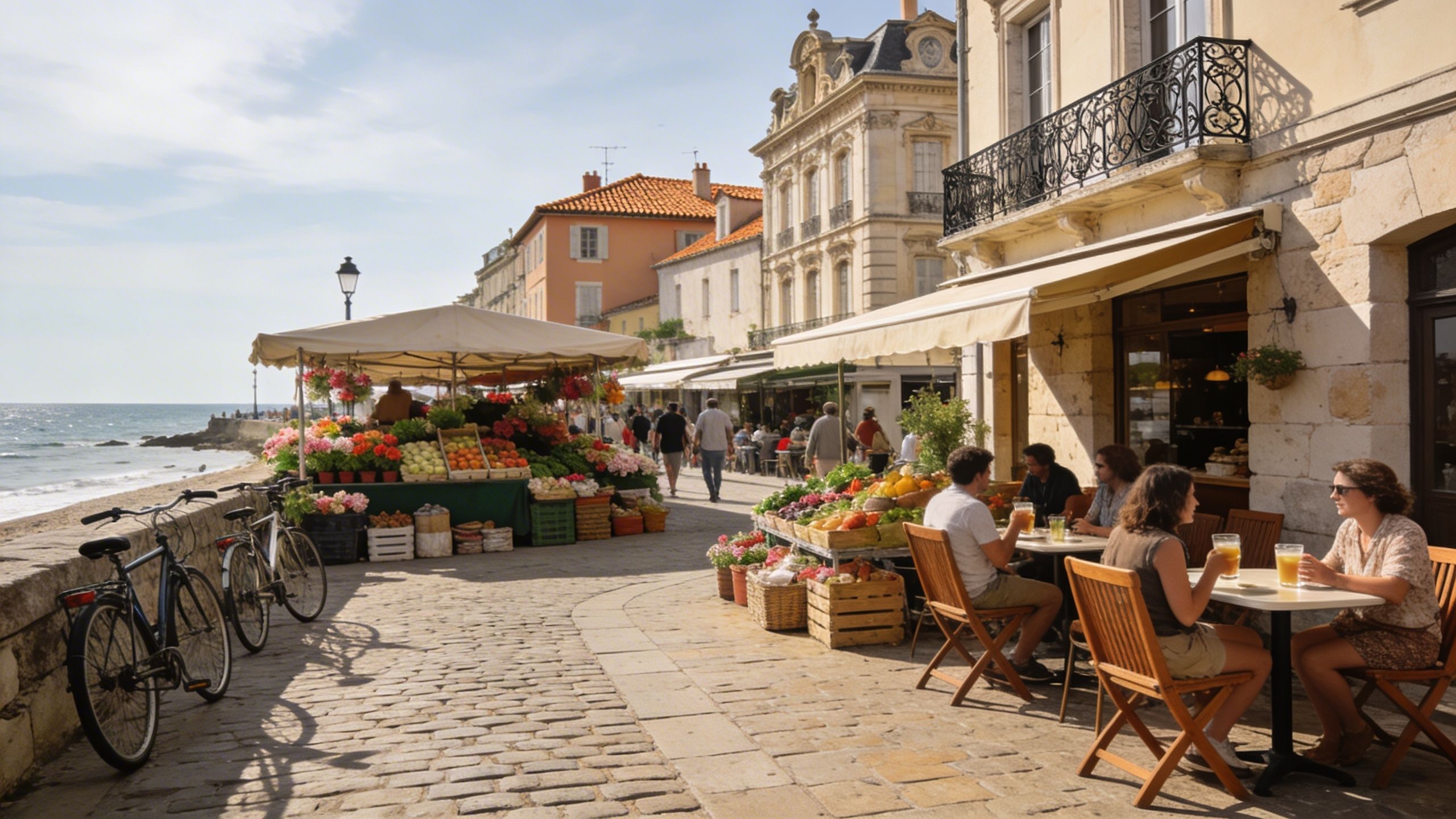
Imagine a slow Saturday morning in Aix‑en‑Provence: a market that smells of thyme and espresso, terraces filling with neighbours, and sun on limestone façades. That feeling—daily, local, ordinary—explains why buyers fall for France. Yet the investment story beneath the romance is uneven: national price indices have stabilised but local micro‑markets drive returns and risk. Read on for a lifestyle‑first but data‑centred view of what makes France an investment market of trade‑offs, not clichés.
Living the France life — more than postcards

France is lived in neighbourhoods, not in national averages. From the café terraces of Le Marais and the bookstalls of Saint‑Germain in Paris, to the patchwork vineyards around Beaune and surfer parking lots by Hossegor, daily life shapes demand. You’ll notice rhythms: markets on Saturdays, boulangeries busy at 7am, and coastal towns that double population in July. For buyers, those rhythms translate to rental seasonality, tenant profiles and the kind of property that actually rents.
Paris: high stakes, high selectivity
Paris remains a market of micro‑segments: central arrondissements hold symbolic value and liquidity, while outer arrondissements and smaller towns in Île‑de‑France behave differently. Prices per square metre still vary widely between the 6th and the 19th, and recent reporting shows Paris prices stabilising after a correction from 2022–24. That stabilisation supports long‑term capital preservation, but it lowers near‑term yield prospects compared with regional centres.
Provence, Bordeaux, the Riviera: quality of life that moves markets
Lifestyle magnets—Provence villages, Bordeaux’s wine districts, Côte d’Azur beaches—attract long‑stay holiday renters, retirees and second‑home buyers. These segments raise prices for well‑located homes but also create predictable short‑let demand outside strict regulation. The result: stronger capital appreciation potential but variable net yields, depending on occupancy, season and local rules.
- Lifestyle highlights that drive local demand
- Morning markets in Aix‑en‑Provence (Cours Mirabeau) — steady tenant demand from locals and seasonal visitors
- Surf culture in Hossegor — seasonal rental peaks and a strong young tenant pool
- Wine tourism in Médoc and Saint‑Émilion — premium short‑stay rates, but strict local planning rules
- University towns (Lyon, Toulouse, Grenoble) — stable long‑let demand and reliable yields
Making the move: practical considerations that preserve lifestyle and yield

Dreams meet spreadsheets at the notarial office. National indices show modest growth and quarters of stabilisation—evidence that buyers should stress‑test assumptions about cap rates and cash flows in each town. Use price‑per‑m2 and local rental comparables, not national headlines, to set acquisition targets. Consider energy‑rating (DPE) and renovation needs: poor ratings are increasingly penalised in pricing and restrict rental options.
Property types and what they mean for returns
Apartments in city centres give lower gross yields but better liquidity; detached houses in peri‑urban France can offer higher gross yields but come with management and vacancy risk. New builds often carry price premiums but lower maintenance costs; older stock can be bought below replacement cost but may need energy refit. Transaction volumes vary: lower volumes mean negotiation leverage in some micro‑markets and a liquidity premium risk in others.
- Practical checklist blending lifestyle & finance
- 1) Map tenant types: students, expats, holiday guests — choose neighbourhoods that match your target yield profile.
- 2) Stress‑test occupancy across seasons and local events (festivals, university terms, tourist peaks).
- 3) Price the total cost of ownership: acquisition taxes, insurance, energy works and competent property management.
Insider knowledge: rules, rituals and common surprises
Local regulation can reprice a neighbourhood overnight. Paris capped principal‑residence short‑lets at 90 days from January 2025, shrinking potential short‑let income for many central apartments and increasing the appeal of longer lets. That rule highlights a broader point: understand local planning and registration rules before valuing short‑let income. A neighbourhood that feels lucrative at market‑rate summer prices may offer weak net yields once compliance costs and vacancy are included.
Language, community and the tacit rules of neighbourhood life
French social norms affect tenancy and property upkeep: respect for quiet hours, recycling rules and building syndic (co‑ownership) etiquette can influence tenant selection and management costs. Expat owners often under‑estimate syndic votes and condominium rules that limit rentals or renovations. Hire a local agent who knows the syndic president, the mairie contacts and the likely repair costs on the street you’re targeting.
- Red flags investors often miss
- Unusually low asking price in a co‑op building — often signals deferred maintenance or future heavy copro charges.
- High short‑let revenue reported without clear compliance—check local registration and seasonal caps.
- Properties with poor DPE energy ratings — rising penalties and lower tenant demand for cold, expensive‑to‑run homes.
Conclusion: fall for the life, but buy with the numbers. France sells a way of living—café mornings, market Saturdays, sea air—but real returns require micro‑market analysis, regulatory due diligence and local agency partners who understand both lifestyle signals and yield mechanics. Start by mapping tenant demand, verifying local rules, and requesting recent comparable rents and charge histories from your agent. If you pair that local intelligence with national data and sound stress‑testing, France can deliver both a life you love and a portfolio that performs.
Swedish financier who guided 150+ families to Spanish title deeds since relocating from Stockholm in 2012, focusing on legal and tax implications.