Where Greece’s Transport and Policy Reprice Property
Greece’s lifestyle appeal is reshaping investor calculus—tourism, metro expansion and new residency thresholds now determine which neighbourhoods deliver steady yields.
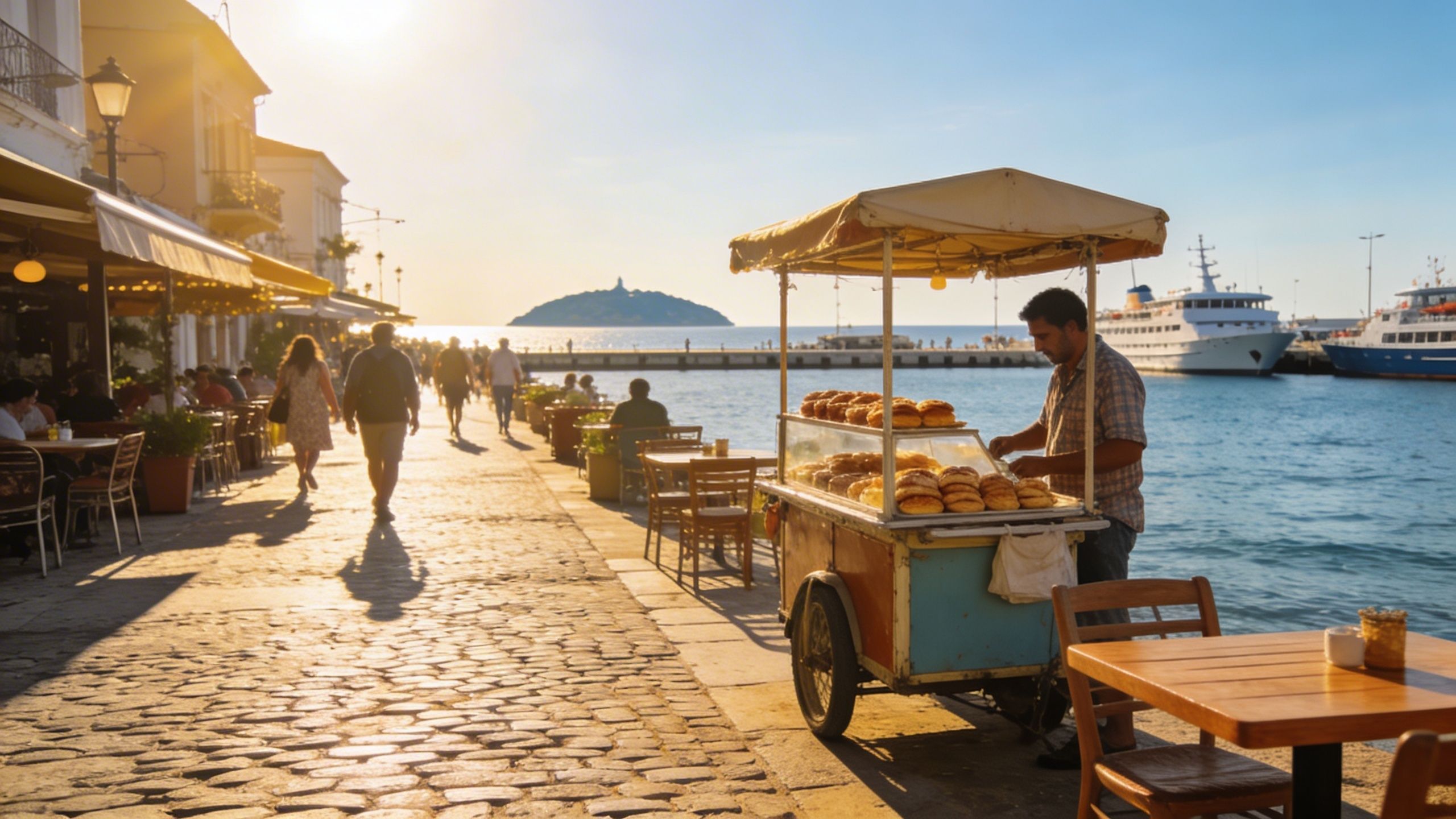
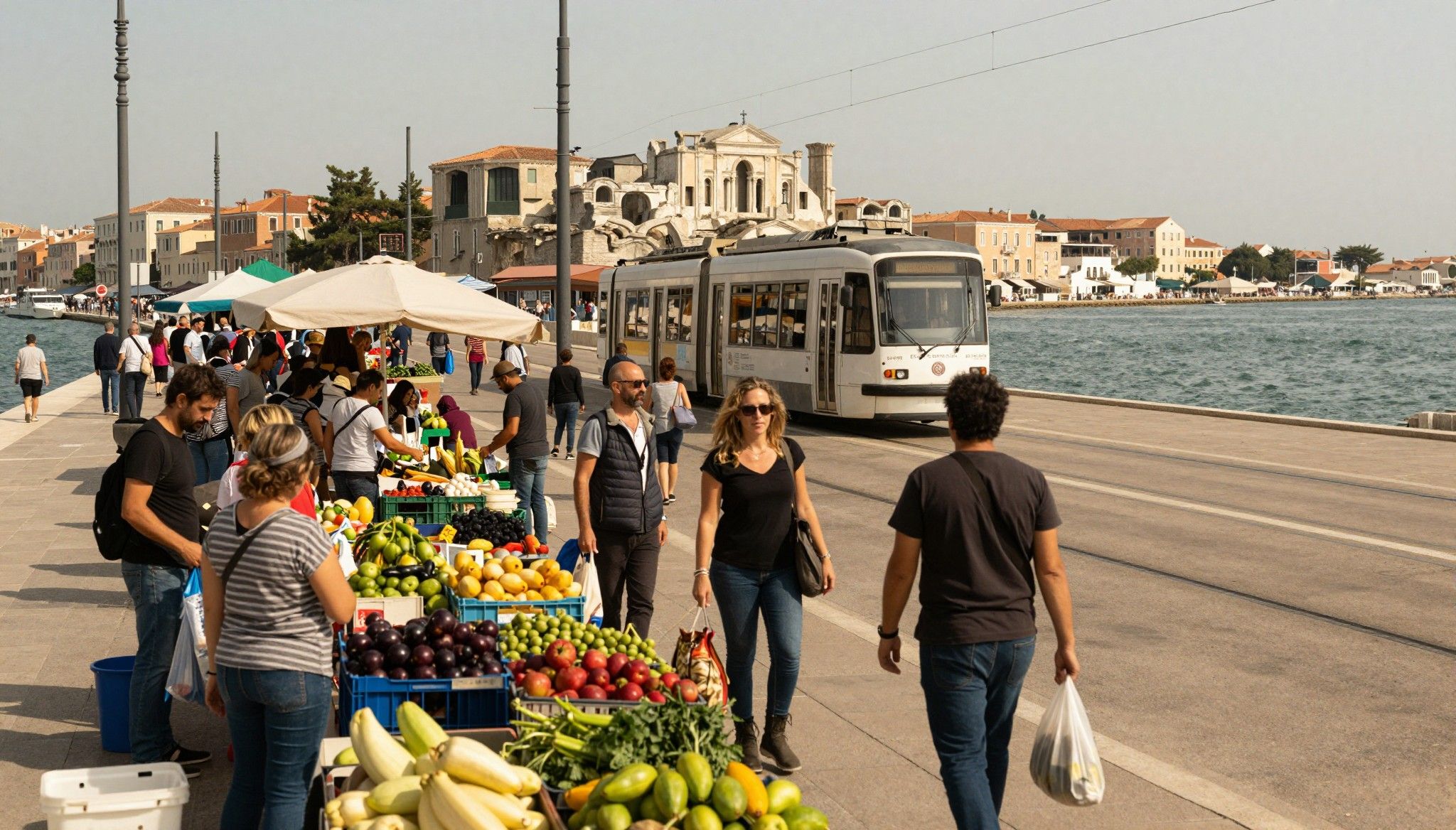
Imagine walking from a morning market in Plaka to a late‑afternoon espresso in Koukaki, then catching an evening metro to a riverside taverna — that rhythm is modern Greece: sunlit, social, and defined by movement. But the country that feels like an open‑air museum is also a network of airports, ports, new metro tunnels and changing residency rules that materially reshape property values and rental cashflows. For international buyers the question isn’t only “Can I live well here?” but “Which infrastructure investments will reprice a neighbourhood next?” Recent market analysis shows tourism and transport are rewriting demand patterns and yields across regions.
Living the Greece lifestyle: streets, sea and seasonality
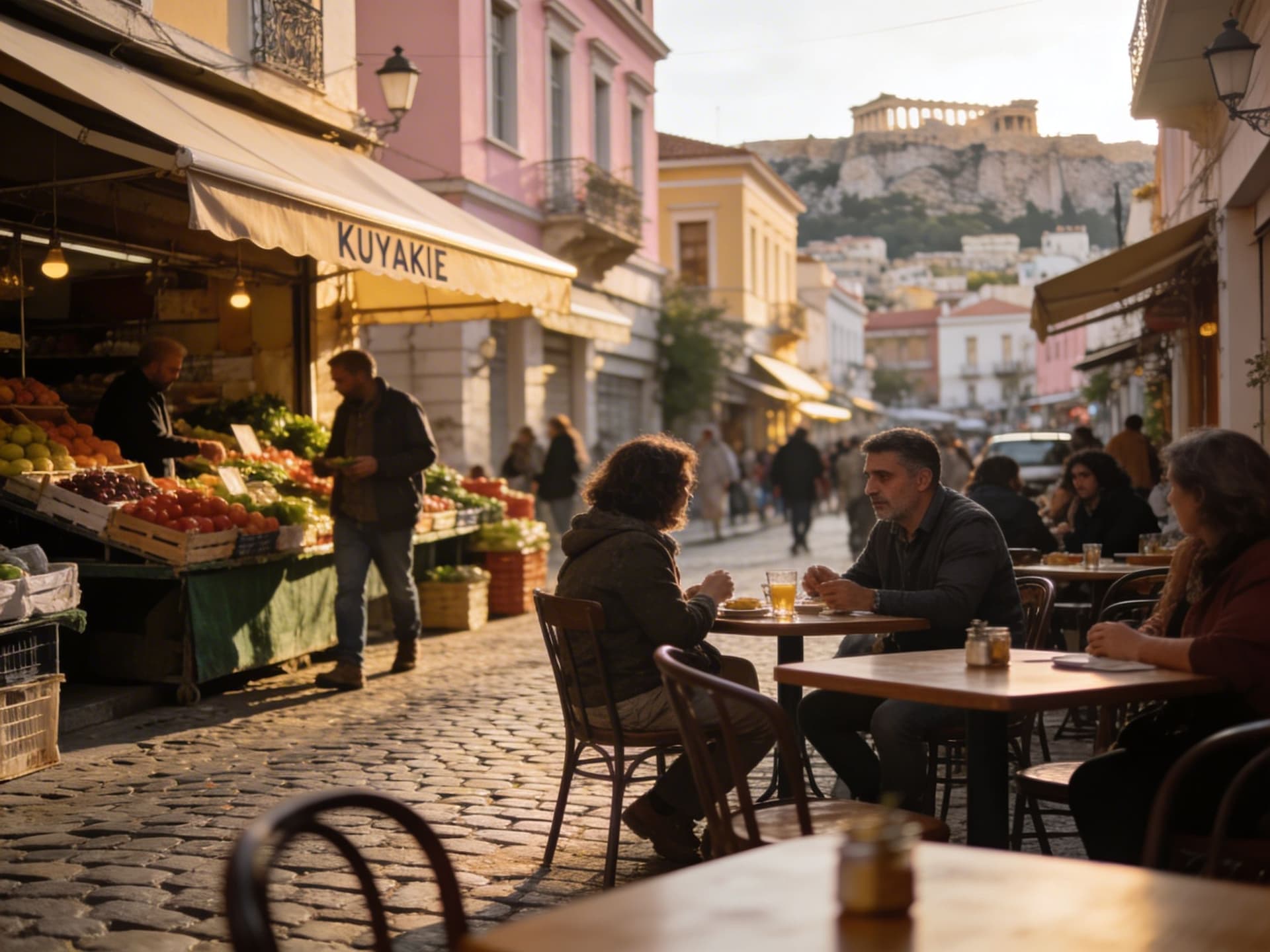
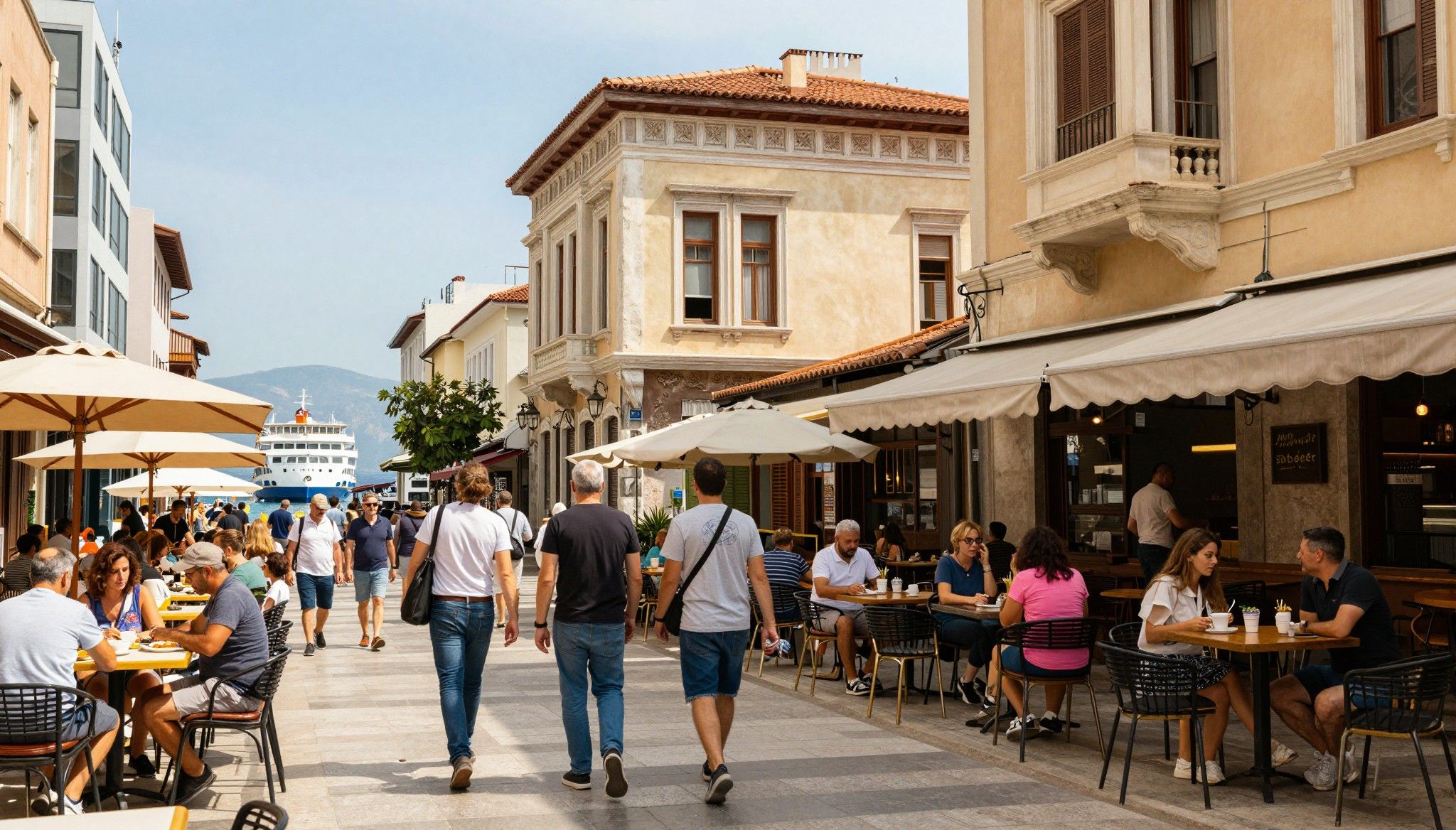
Picture summer mornings on Mykonos where narrow alleys hum with bakers and designers, then quieter November afternoons on Corfu where olive harvests set the pace. Greece’s daily life is intensely local: neighbourhood kafeneia (coffee shops) act as social hubs, municipal markets set the shopping rhythm, and seasonal festivals punctuate the calendar. That seasonality — a compressing of demand into high months and gentler off‑season activity — dictates not only lifestyle choices but how rental income and maintenance cycles behave for owners.
Athens neighbourhoods: cosmopolitan cores and commuter suburbs
Athens is a study in contrasts: Kolonaki offers tree‑lined avenues and premium prices, while Koukaki and Psyri combine short‑let demand with growing resident appeal. The city’s expanding Line 4 metro will connect dense residential pockets (Kypseli, Exarchia) to business and university clusters, compressing commute times and lifting desirability for rental tenants. For buyers that means the yield gap between well‑connected apartments and those on poorly served streets will widen as transport projects complete.
Islands vs mainland: lifestyle tradeoffs that affect returns
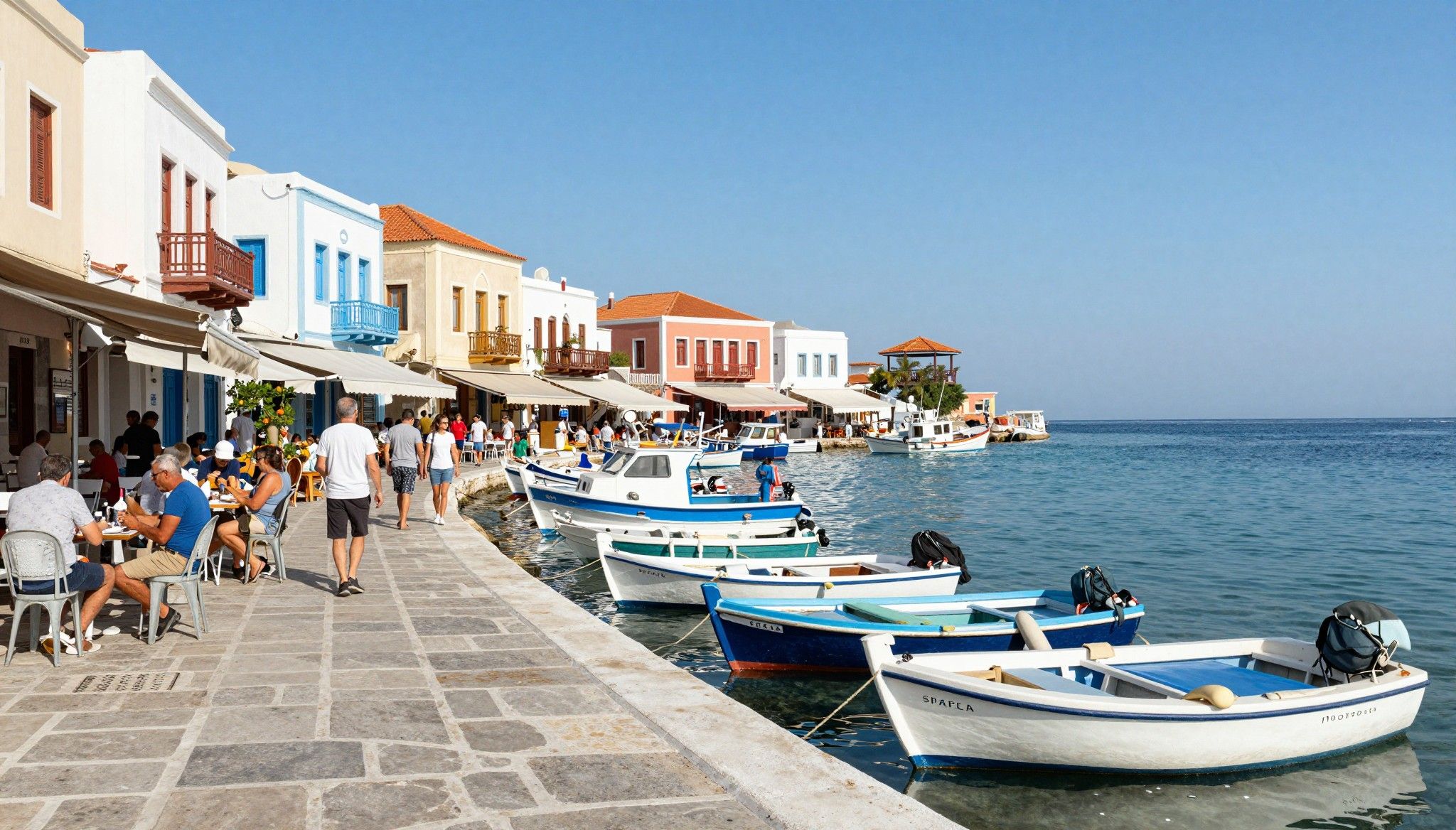
Island life — Milos, Naxos, Crete — sells the dream: beaches, tavernas, and a summer economy that can double or triple nightly rents in peak months. But tourism concentration is increasing: official figures show millions of annual visitors and rising receipts, which drives short‑let premiums on high‑demand islands and pressure on local services. Mainland towns with rail links, regional airports and year‑round economies often offer steadier net yields and lower vacancy risk compared with hyper‑seasonal islands.
- Kolonaki: boutique shops, premium apartments
- Koukaki: short‑let demand, walkable streets, access to Acropolis
- Mykonos/Santorini: peak‑season yield spikes, infrastructure strain
- Thessaloniki: growing university and airport catchment for year‑round rentals
Making the move: how infrastructure and policy shape investment outcomes

Dreams of Mediterranean life must meet the reality of connectivity, regulation and operating costs. Two forces matter most for pricing and yields: transport connectivity (airports, metros, ferries, roads) and residency or tax policy that alters buyer demand. Over the last three years Greece has tightened residency‑by‑investment rules while accelerating transport projects — a combination that shifts capital toward better‑connected, non‑hyper‑priced pockets.
Residency rules that reprice demand
Greece restructured its ‘Golden Visa’ thresholds in 2024, raising minimum real‑estate investment levels in high‑pressure areas (Attica, parts of the Aegean and Thessaloniki) and lifting the floor elsewhere. That change has three effects for buyers: it concentrates residency‑seeking purchases into either high‑value parcels or more affordable regions, increases competition where thresholds remain lower, and elevates the importance of legal structuring when residency is part of your aim.
Transport projects that reprice neighbourhoods
Major public works, notably Athens’ Line 4 metro and continued airport and regional port investments, shorten effective distances across the city and islands and thus reprice both long‑term demand and short‑term rental economics. Investors who model yields should run two scenarios: current‑state cashflow and post‑infrastructure cashflow after project completion, because capital appreciation may outpace rental growth in the short term.
- When you factor infrastructure into a purchase decision: 1) Map current transport links and expected completions; 2) Stress‑test rental demand across seasons; 3) Price in additional operating costs driven by tourism peaks; 4) Build a 3–5 year exit or hold plan that reflects capex from local upgrades.
Insider knowledge: cultural realities and operating the property well
Moving to Greece quickly reveals local rhythms that affect returns: strong community ties, preference for in‑person negotiations, and a tenancy market that values furnished, ready‑to‑move‑into units. Expats we interviewed said language is rarely a long‑term barrier, but local agency relationships and a property manager fluent in Greek make the difference between a smooth rental operation and a headache of delayed payments or maintenance.
Cultural integration, services and on‑the‑ground partners
In practice that means hiring a lawyer familiar with Greek conveyancing, an accountant aware of local tax calendars, and a property manager who can handle seasonal surges. Agencies that combine neighbourhood knowledge with an operations arm reduce vacancy and protect net yield. For assets aimed at tourists, invest in quality Wi‑Fi and reliable check‑in systems; for year‑round rentals, target proximity to schools, hospitals and transport.
Long‑term view: what life and markets look like in five years
Given ongoing tourism growth and infrastructure projects, expect continued capital appreciation in well‑connected urban pockets and resilience in regional towns that diversify beyond summer tourism. That said, policy shifts around residency can reallocate foreign demand quickly; prudent investors model scenarios using published thresholds and build flexibility into portfolio allocation.
- Checklist for infrastructure‑aware buying: 1) Confirm transport projects and timelines; 2) Check recent changes to residency thresholds; 3) Compare seasonal vs year‑round rent profiles; 4) Budget for peak‑season maintenance; 5) Use local managers with proven short‑let compliance.
Conclusion — Greece is seductive and strategically complex. Fall for the morning markets and island light, but buy with a map: of metro lines, ferry timetables, and the legal thresholds that steer international demand. If you pair a lifestyle brief with infrastructure data and local operational partners, you can capture Mediterranean living without surrendering disciplined investment thinking.
British expat who moved to the Algarve in 2014. Specializes in portfolio-focused analysis, yields, and tax planning for UK buyers investing abroad.