Greece: Buy the Rhythm, Not the Postcard
Greece offers Mediterranean lifestyle and rising prices; model yields against new short‑let rules, seasonality and neighbourhood micro‑markets for realistic returns.
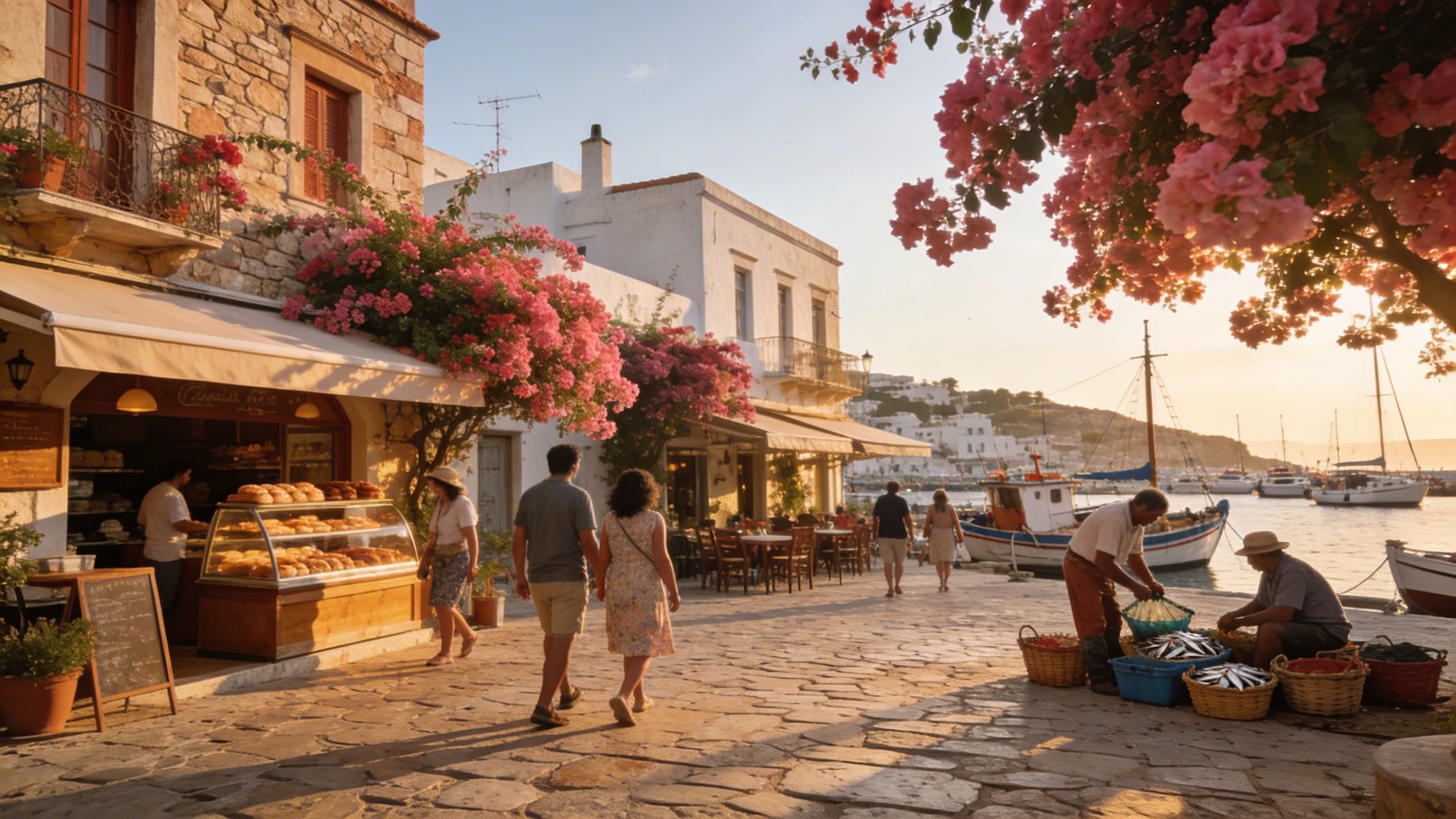
Imagine sipping an espresso on a sunlit marble step in Plaka, then catching a tram through shaded plane trees to a modern apartment overlooking the Saronic Sea. Greece sells that moment—history and sea air folded into everyday life—but for buyers the romance must meet the ledger: prices rising in cities, new rules for short‑lets, and a patchwork of micro‑markets that reward local knowledge. Recent market signals show above‑average price growth in 2024–25 and regulatory shifts that reshape yield calculations.
Living the Greece lifestyle
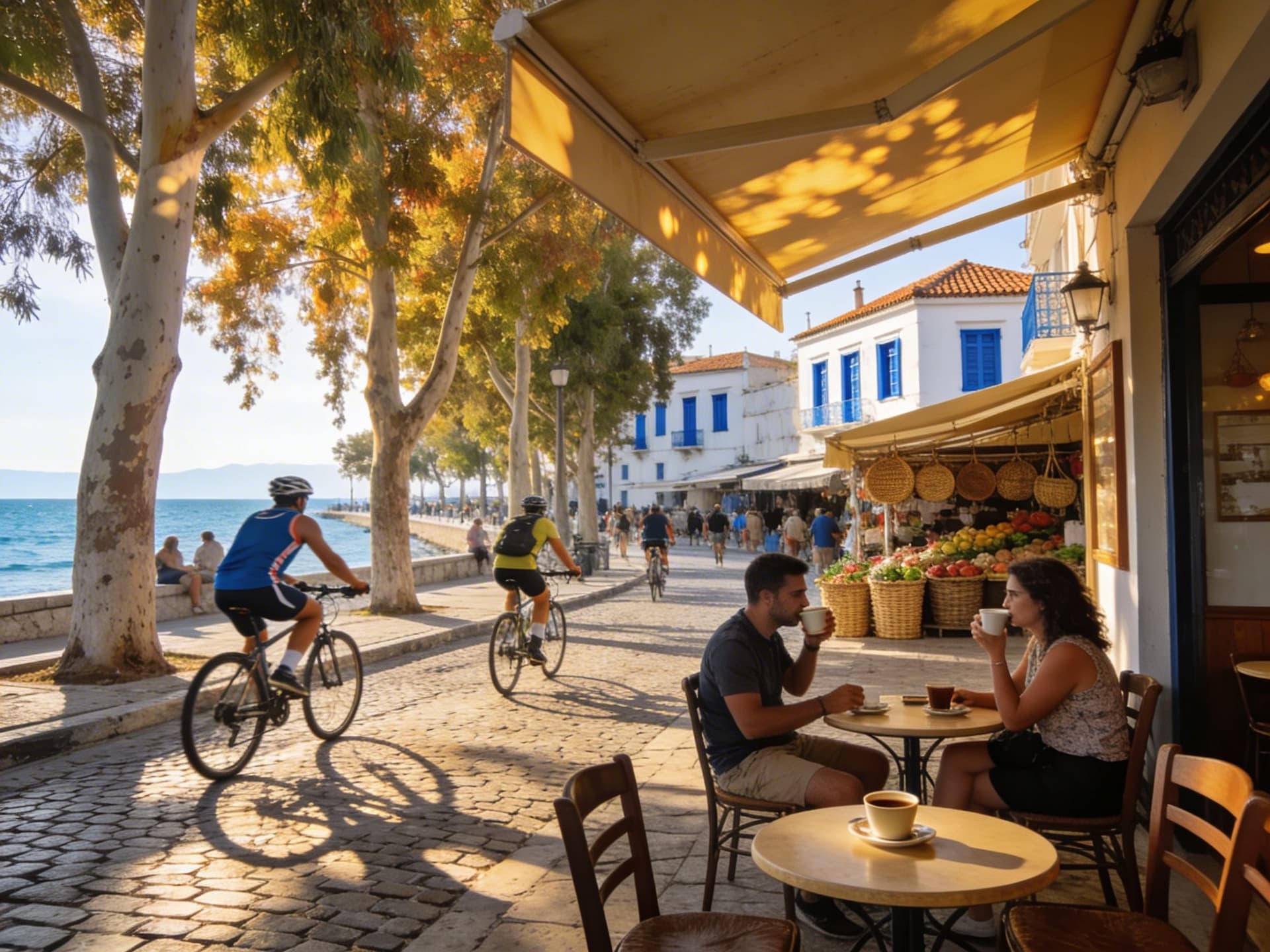
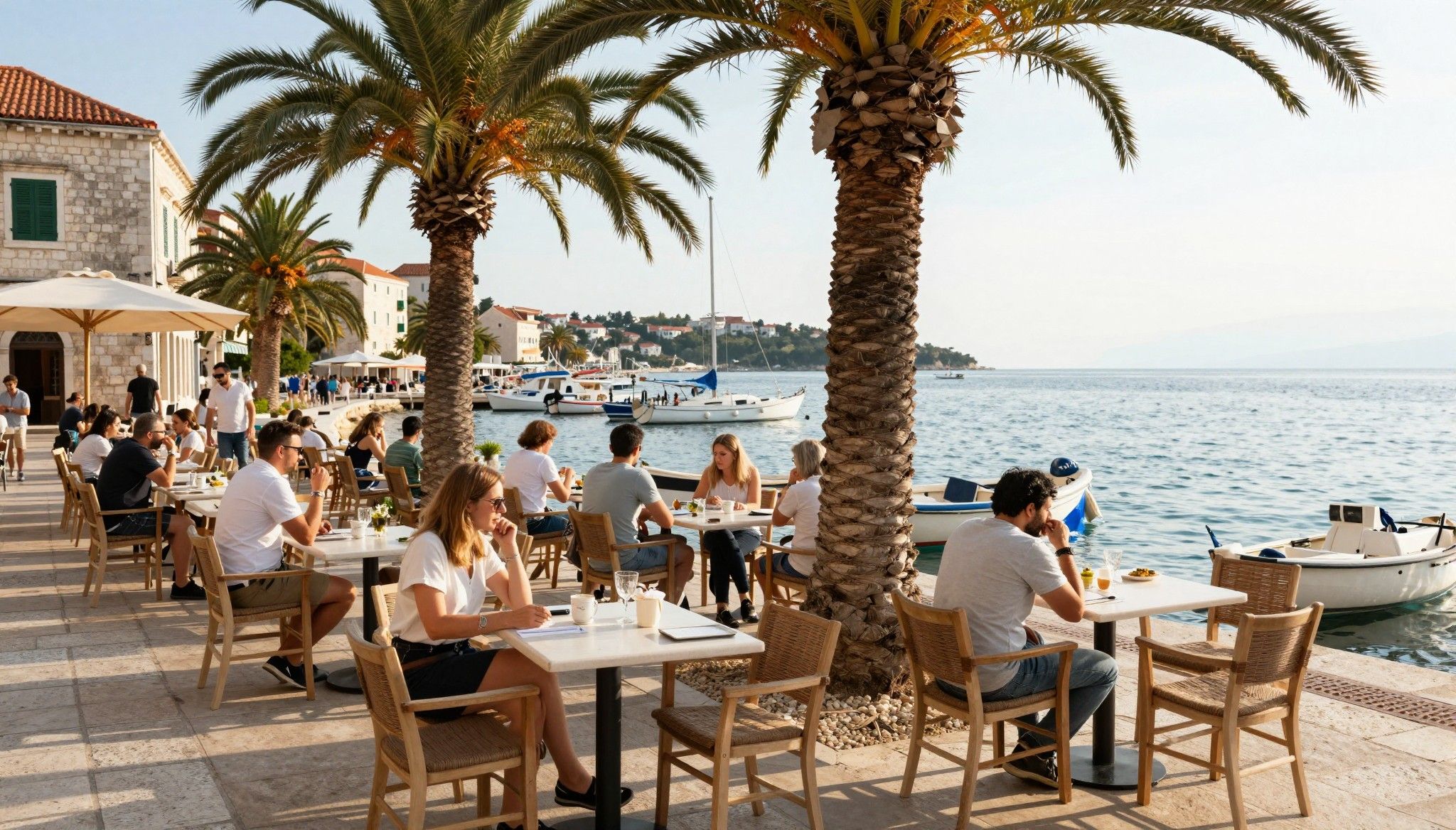
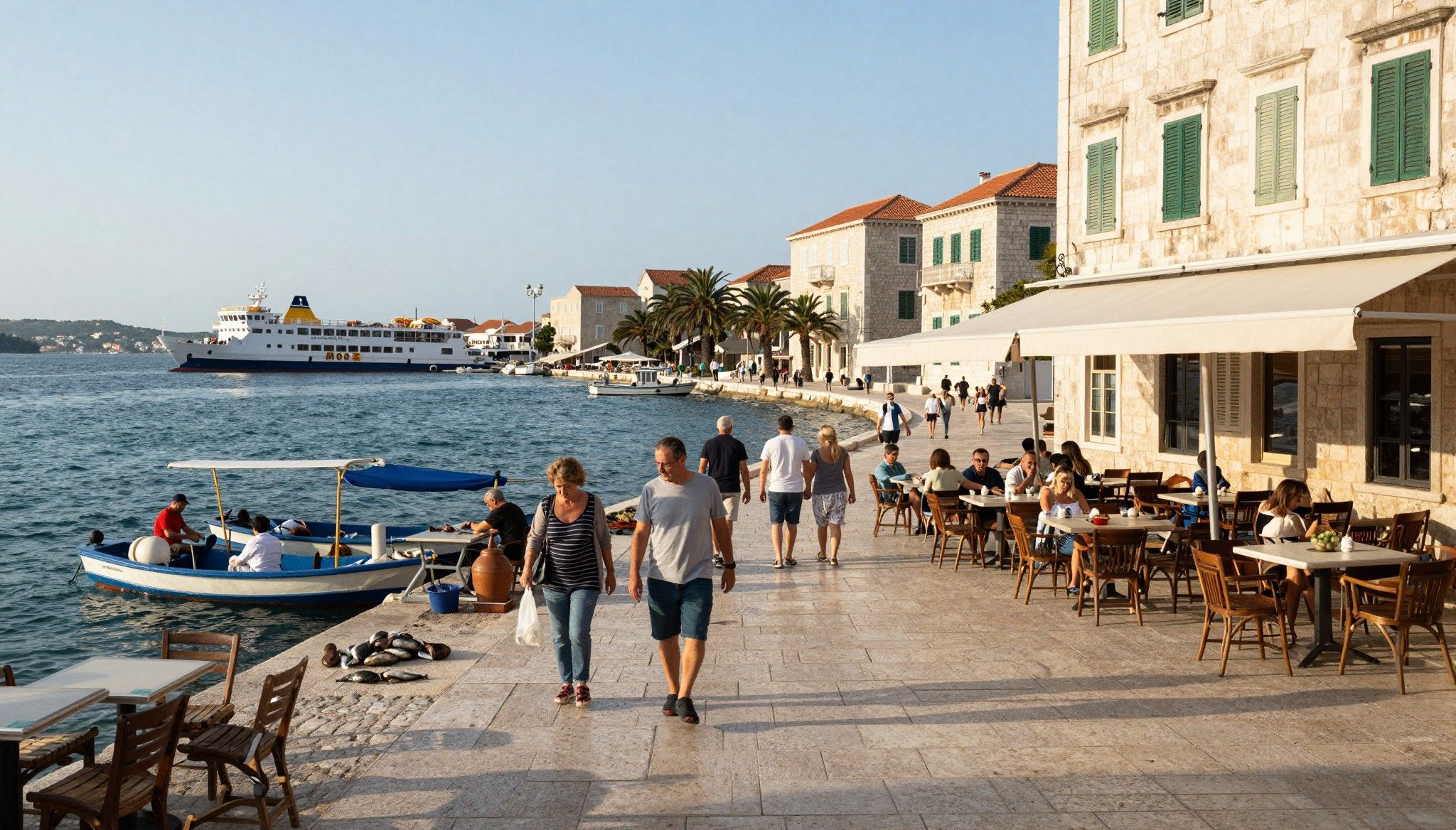
Greece is a study in contrasts: Athenian mornings are espresso-and-newspaper hustle; island afternoons are slow markets, boat horns and taverna lunches. Sunlit terraces, communal squares, and the smell of roasted fish set daily rhythms. For many internationals, life here means outdoor living—balconies for dining, small gardens for herbs—and neighborhoods where a single café is a social anchor. These everyday textures matter because they determine tenant profiles and demand seasonality for rentals.
City pulse: Athens neighbourhoods
Athens is both ancient and rapidly modernising. Kolonaki feels polished and expensive; Koukaki and Exarchia mix boho creativity with rental demand; the Athens Riviera (Glyfada, Vouliagmeni) is being reshaped by large projects like Ellinikon that lift price per square metre and change tenant demographics. New developments increase liquidity but can compress yields if purchase prices outrun realistic rents.
Island life: micro‑markets and seasonality
Islands like Mykonos and Santorini command premium prices and tourist rents but face strict controls and growing caps on short‑lets. Lesser‑known islands—Naxos, Syros, Ikaria—offer lower entry prices and steadier local communities. Expect large swings in occupancy and rents across seasons; spatial planning and tourism controls now aim to limit over‑saturation in the most popular spots.
- Lifestyle highlights
- Morning espresso on Dionysiou Areopagitou (Athens) — walkable to cultural sites
- Sea swims at Vouliagmeni or coastal walks along the Athens Riviera
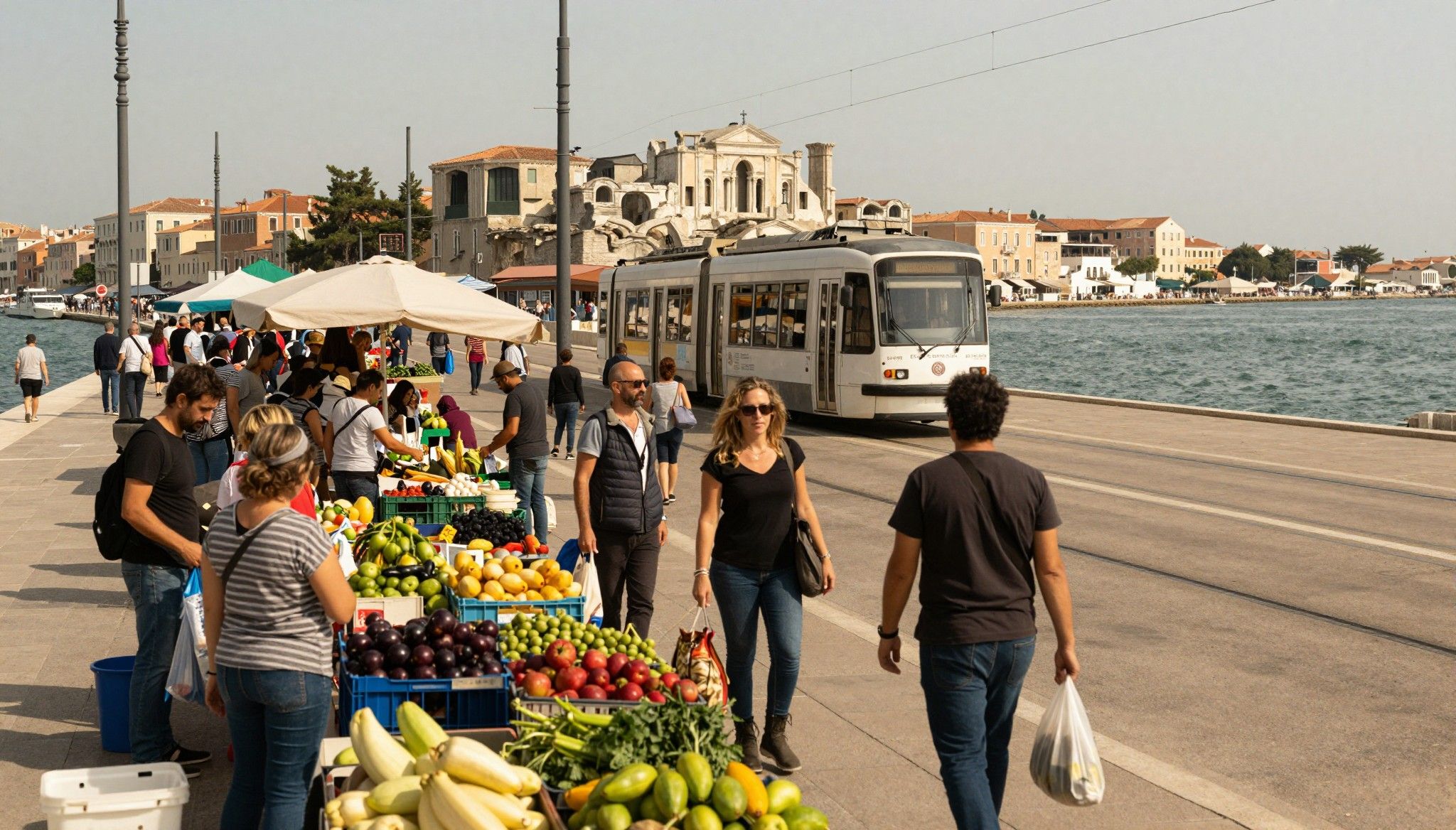
- Sunday markets in Chania (Crete) and local fish tavernas in the Cyclades
Making the move: practical considerations

Romance meets paperwork in Greece. Expect a twofold due diligence: place‑level (neighbourhood seasonality, transport, utilities) and regulatory (short‑let licences, tax status). Recent policy moves tighten short‑term rental standards and create 'control areas' where new short‑lets may be limited—changes that materially affect projected yield models. Use current local data when modelling returns; assumptions based on pre‑2024 short‑let economics are now unreliable.
Property types and what they mean for income
Apartment in central Athens: higher liquidity, steady long‑term rental demand from professionals and students; compact floorplans often yield better per‑sqm rent. Coastal villa: premium summer income but higher management and vacancy risk. Restored stone house in Crete or Peloponnese: lifestyle appeal, lower purchase price, but less predictable rental market and higher renovation costs.
Working with experts who understand both life and numbers
Choose agencies that provide data: historical occupancy, net yields after local taxes, and evidence of long‑term demand rather than glossy photography. Local lawyers and tax advisers familiar with Greece’s evolving short‑let framework are essential—policy changes can reclassify properties for taxation and alter profitability.
- Step‑by‑step checklist blending lifestyle and practical priorities
- 1. Visit the neighbourhood at different times (weekday morning, Saturday afternoon, high season). Observe noise, foot traffic, and transport links.
- 2. Request verified rental data from agencies: occupancy by month, average nightly rate (if short‑let), and tenant profile for long lets.
- 3. Stress‑test your yield: model conservative occupancy (40–60% on islands, 70–90% in cities) and include management, utilities, and new compliance costs.
Insider knowledge: what expats wish they'd known
Expats often underestimate local bureaucracy and overestimate year‑round tourist cashflows. Many discover that community ties—neighbours, shopkeepers, local associations—shape quality of life more than glossy views. For investors, understanding when an area is dominated by seasonal visitors versus stable residents is the single biggest determinant of rental predictability.
Language, integration and daily life
Greek is widely spoken but English is common in tourist hubs and younger urban cohorts. Learning basic phrases and local customs (greeting etiquette, business hours, festival calendars) accelerates community acceptance and unlocks local services that make owning easier, from trusted builders to reliable cleaners.
Long‑term view: regulatory and market risks
Policy to curb excessive tourism—limits on short‑lets, fees on cruise visitors and seasonal taxes—means investors should model multiple regulatory scenarios. A conservative case reduces short‑let income by 20–40% in hotspot areas; a base case assumes reclassification of some properties to long‑let supply, which can stabilise local rents but lower peak season revenue.
- Red flags to watch on listings
- No proof of registered Property Registration Number (PRN) for short‑lets
- Unclear ownership history or missing building permits for renovations
- Listings that rely solely on high summer rates without month‑by‑month backing data
Conclusion: buy the rhythm, not the postcard. Greece sells a life—coffee on cobbles, sea‑salted evenings, festivals that knit communities—but profitable ownership requires matching that life to realistic financials. Start locally: visit across seasons, work with agencies that provide verified occupancy and net‑yield data, and stress‑test for regulatory scenarios. Do this and the Mediterranean life can be both beautiful and investable.
Danish relocation specialist who moved to Cyprus in 2018, helping Nordic clients diversify with rental yields and residency considerations.