How Croatia’s New Rules Reprice Yield & Lifestyle
Croatia’s lifestyle pull endures, but short‑let registration, agricultural land access and reciprocity rules now reshape yields—model compliance, timeline and seasonality.
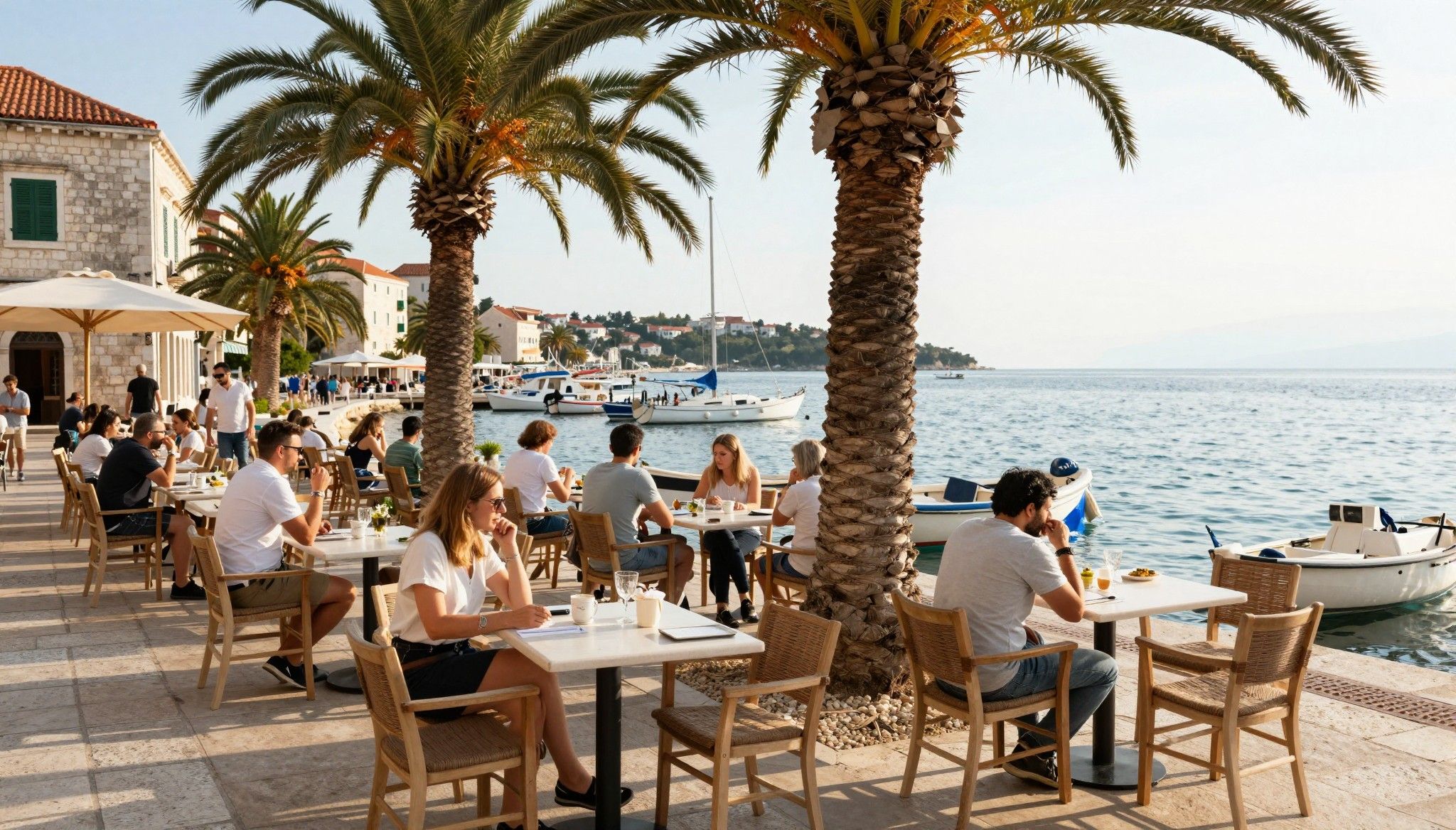
Imagine morning espresso at Zagreb’s Britanski trg, then a weekend ferry to Hvar — Croatia moves at two beautiful speeds: quiet, community-led days in stone coastal towns and efficient, modern life in Zagreb. For international buyers, that duality is intoxicating — and it’s precisely why regulatory shifts over the last three years matter more than ever: they change which pockets are affordable, which yield strategies work, and how quickly you can turn a seaside flat into a short-term income stream. This guide blends place-first storytelling with clear, cited rules and tactical steps so you can fall for Croatia and still model realistic returns.
Living the Croatia lifestyle
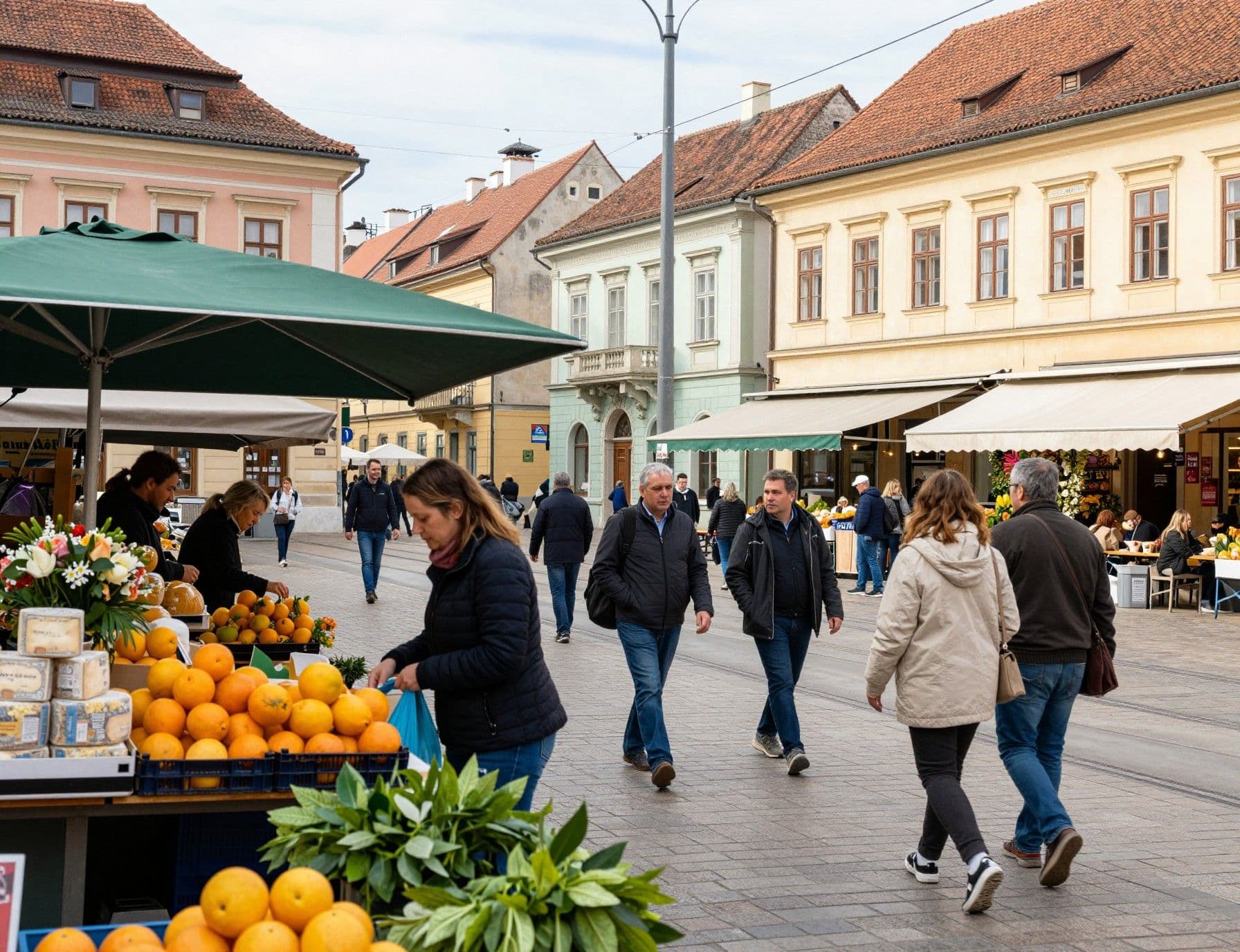
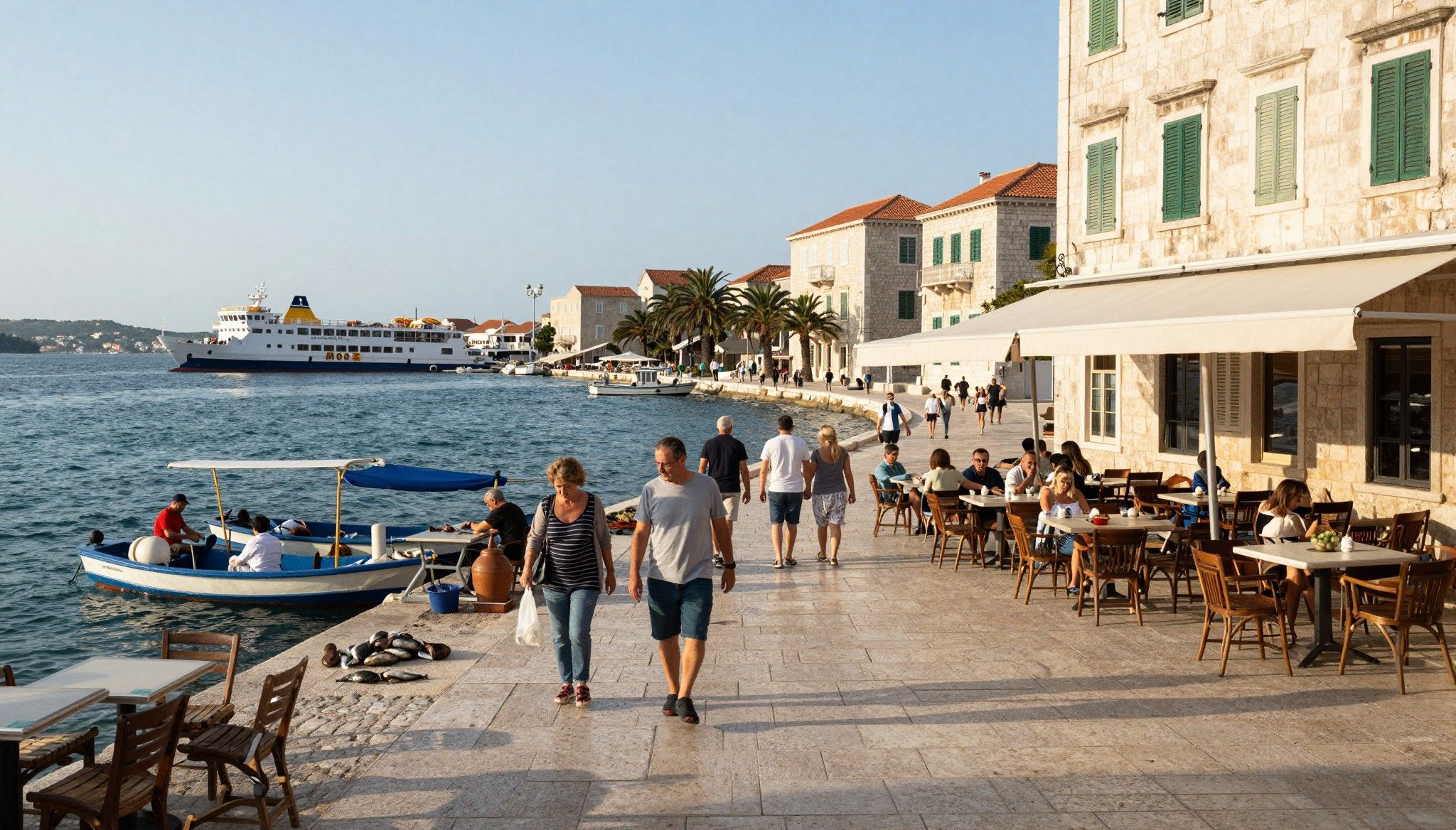
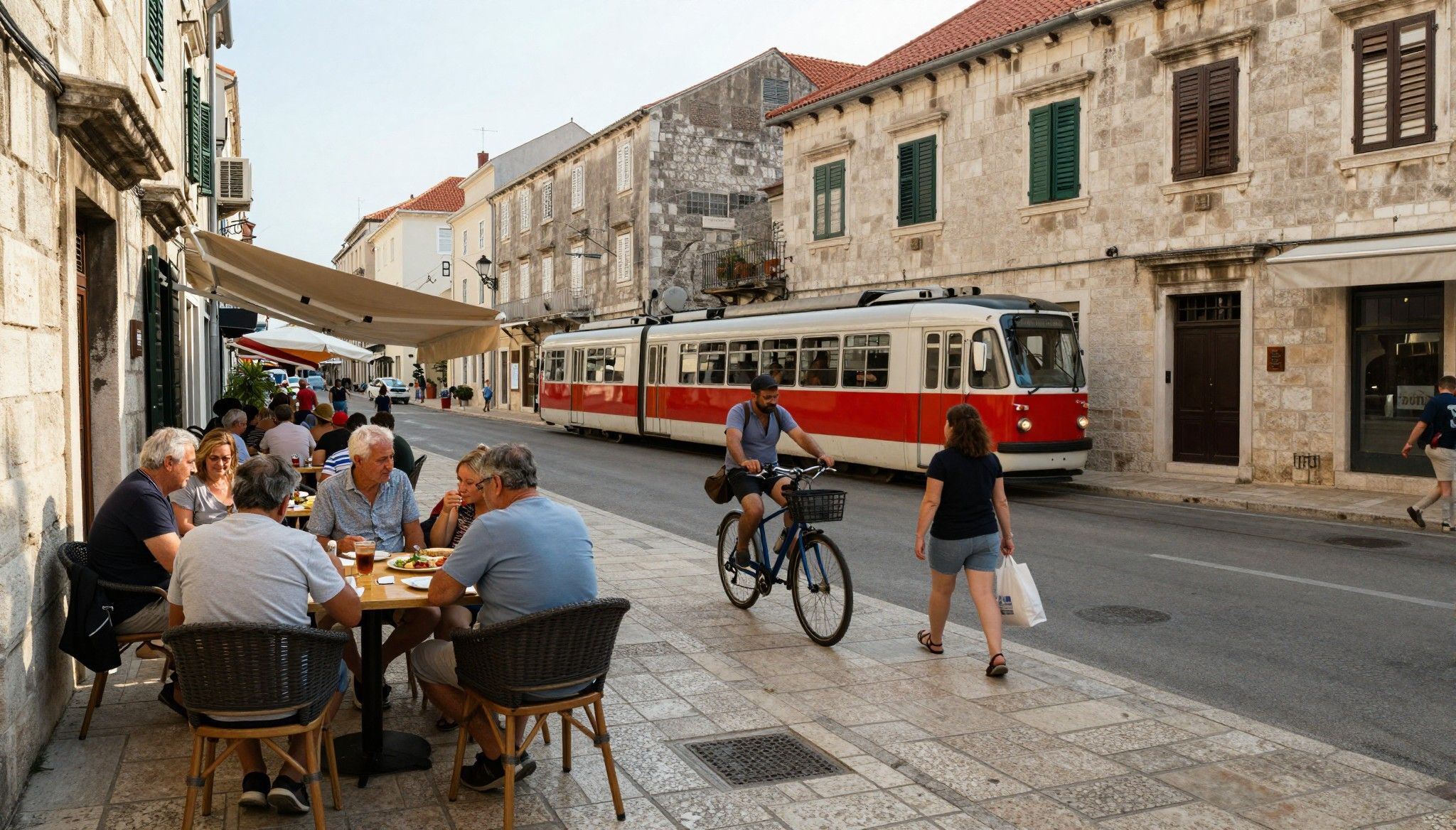
Street-level life in Croatia is tactile: markets, neighbourhood kafes, children kicking a ball on a late-afternoon square. In coastal towns such as Split’s Veli Varos or Rovinj’s old port, you’ll smell grilled fish and citrus. In Zagreb’s Lower Town you’ll find boutique bakeries, coworking hubs and short tram rides to leafy parks. That sensory mix shapes property demand — holiday apartments near beaches attract heavy seasonal cashflow, while inner-city flats in Zagreb draw longer-term tenants and remote workers.
Neighborhood spotlight: Split (Veli Varos & Bacvice)
Picture narrow stone alleys that open onto Bacvice beach at sunset. Veli Varos trades quiet local cafés for steady short‑let demand; Bacvice’s sandy shore gives properties instant seasonal appeal. Both areas command price premiums in summer but see steep occupancy seasonality — a key factor when projecting net yield and vacancy costs.
Food, markets and slower days: Zagreb & Istria
Weekend routines matter: Dolac Market mornings in Zagreb, truffle and olive festivals in Istria, casual konoba dinners on Korčula. These patterns create consistent year‑round rental demand in some micro‑markets (city centre apartments, Istrian hilltop villas marketed for gastronomy tourism) and create sharply seasonal demand in others (island studios). Think about the lifestyle you want and match it to the tenant profile the location actually attracts.
- Lifestyle highlights: Veli Varos cafés; Bacvice beach swims; Dolac Market mornings; Rovinj sunset promenades; Istrian truffle weekends; Zagreb coworking culture
Making the move: practical considerations where regulation alters returns
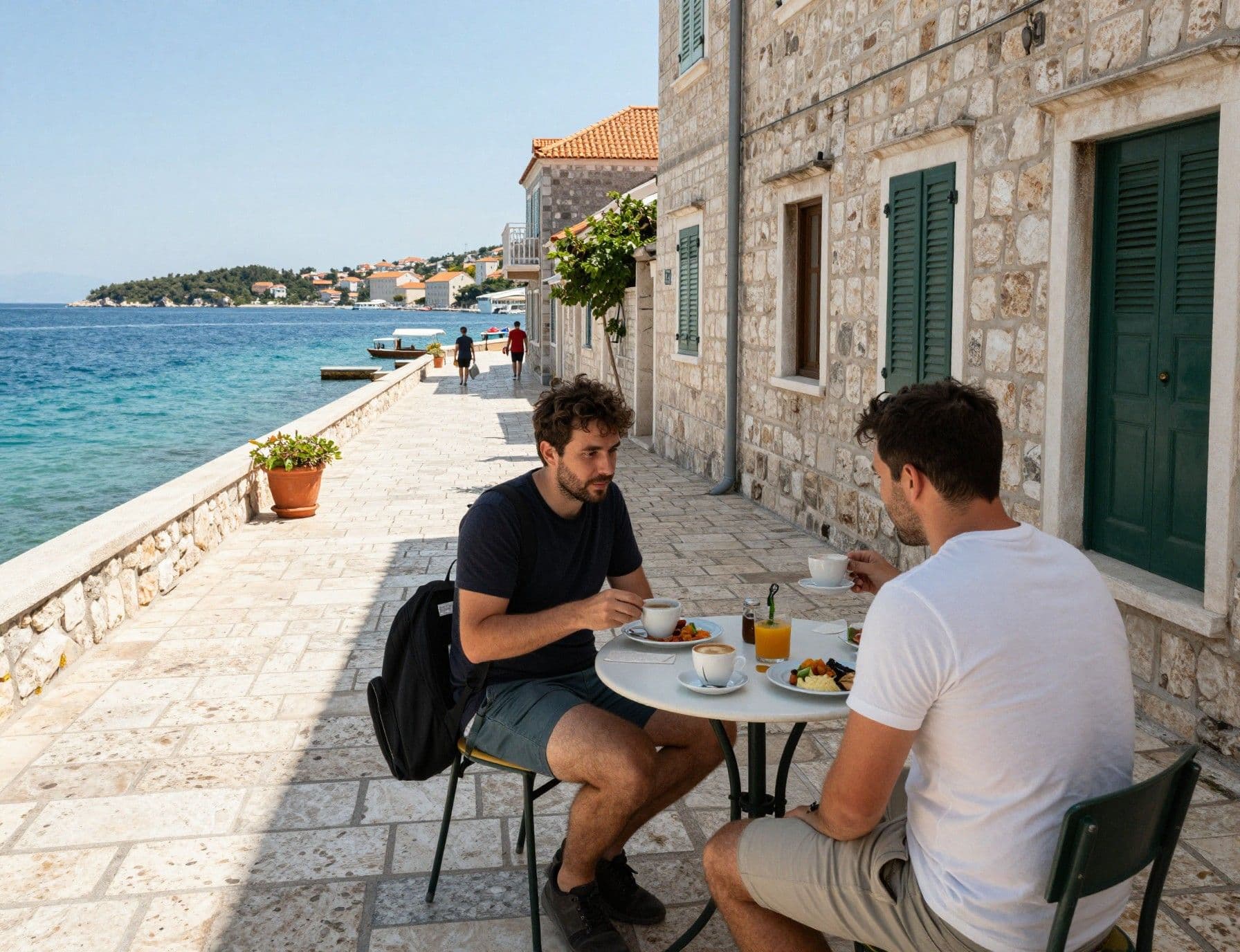
The lifestyle picture is seductive — but regulation reshapes the spreadsheet. Croatia treats EU/EEA/Swiss nationals differently from non‑EU buyers, enforces reciprocity for third‑country nationals, and has recently changed rules that affect agricultural land and short‑stay rental reporting. These factors impact time‑to‑close, permitted uses, and the tax model you must choose for rental income. Consult official sources early in your due diligence to avoid surprises.
Who can buy: EU vs non‑EU rules (reciprocity)
EU, EEA and Swiss citizens acquire property on the same terms as Croatians. Non‑EU nationals need ministerial consent under the principle of reciprocity; that administrative step can add weeks or months and sometimes conditions (e.g., limiting purchase to built zones). Recent case notes and firm analyses show this process remains decisive for many buyers from outside Europe.
Practical checklist for non‑EU buyers:
- 1) Confirm reciprocity for your nationality and file ministerial consent early. 2) Restrict searches to building zones unless you want long land‑purchase approvals. 3) Budget for legal fees, translations and potential delays (2–6 months typical for consent). 4) Verify whether the plot/property is excluded (protected parks, certain agricultural land).
Regulatory shifts that change yield math
Two regulatory developments materially affect returns: (1) EU-level rules require standardized data reporting and national registration of short‑term rentals, raising compliance costs and the risk of fines if you advertise without registration; (2) Croatia’s removal of blanket prohibitions on buying agricultural land (since July 2023) opens new asset classes but comes with zoning and use constraints that can limit conversion into tourist units.
What the eTourism/registration push means for owners
Expect mandatory registration numbers for each short‑stay unit, stricter reporting of nights and guests, and clearer enforcement of local municipality rules. For investors this means two immediate effects: operating costs rise (registration, compliance, possible upgrading to meet safety rules) and some micro‑markets will see supply shrink as non‑compliant listings are removed — which can support rates but not necessarily net yield after costs.
- Practical implications for yield modelling:
- Include registration and compliance in capex; stress‑test occupancy at 40–60% for island studios; model both flat‑rate tax and real‑cost taxation for short lets; add 5–10% vacancy uplift for winter months in coastal micro‑markets.
Agricultural land and new opportunities — with caveats
Since mid‑2023 EU/EEA buyers can acquire agricultural land in certain cases. That change expands the product set (vineyards, agritourism conversions) but comes with zoning restrictions and environmental rules. Converting agricultural plots to tourist units often needs rezoning, significant capex, and local approvals — meaning higher time and cost risk despite attractive price per hectare.
Insider knowledge: expat pitfalls and tactical moves
Expat buyers often fall for coastline glamour and under‑price the regulatory friction. Recent transaction data show a dip in foreign purchases, partly because new reporting and approval regimes have raised practical barriers. The smart buyer treats Croatia as two markets: coastal holiday rentals where operational excellence and compliance matter most, and urban/continental markets where stable long‑let demand reduces regulatory exposure.
Language, local practice and community integration
Learning a few phrases, using a trusted local notary, and joining neighbourhood groups significantly smooth the ownership experience. Many municipalities publish their own short‑let rules and fees; an English‑speaking lawyer or agent who handles municipal registration will save months and avoid fines.
Concrete steps: how to protect returns
- 1) Start with a compliance-first budget: add registration, local tourist fees, and safety upgrades as line items. 2) Model worst‑case winter occupancy and compare against long‑let alternatives for the same unit. 3) Use a two‑track strategy: buy one reliable long‑let asset (Zagreb/Istria inland) and one seasonal holiday asset (coast) to stabilise cashflow. 4) Contractually protect transfers with clear seller warranties on permits and ownership chain.
Conclusion: Croatia’s combination of sun, food and compact towns makes it irresistibly livable. Recent regulatory changes — clearer short‑let reporting, agricultural land access for EU buyers, and persistent reciprocity rules for third‑country nationals — don’t kill the investment case; they reprice it. Treat regulation as a variable in your underwriting: add compliance costs, extend timelines, and use local expertise to convert lifestyle appeal into realistic, defensible returns.
Swedish financier who guided 150+ families to Spanish title deeds since relocating from Stockholm in 2012, focusing on legal and tax implications.