Greece: Where Lifestyle Meets Transport—Practical Site Picks
Greece’s lifestyle draw meets improving connectivity — Elliniko, Piraeus and tourism growth reshape where rental yields and capital gains are most predictable.
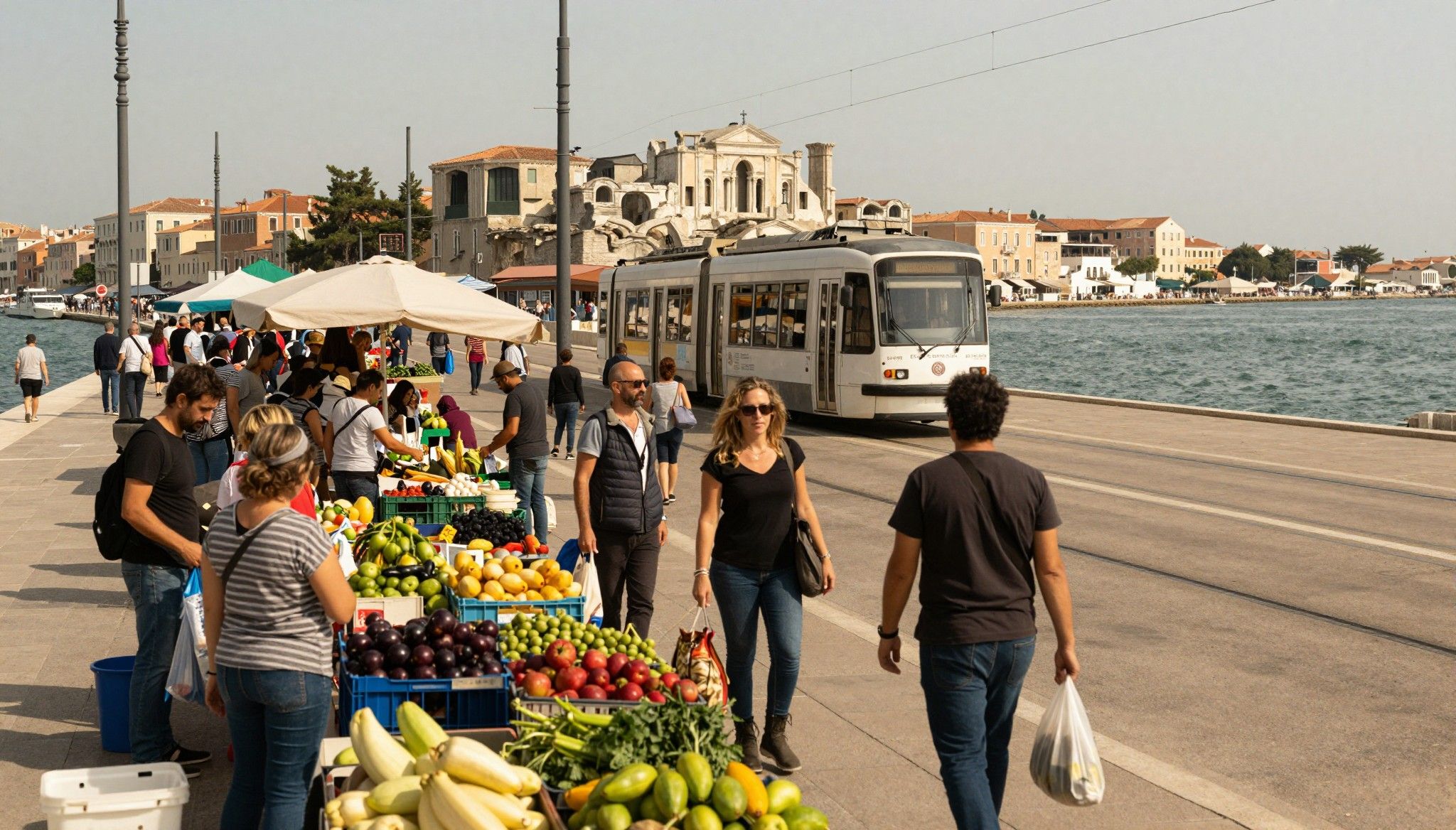
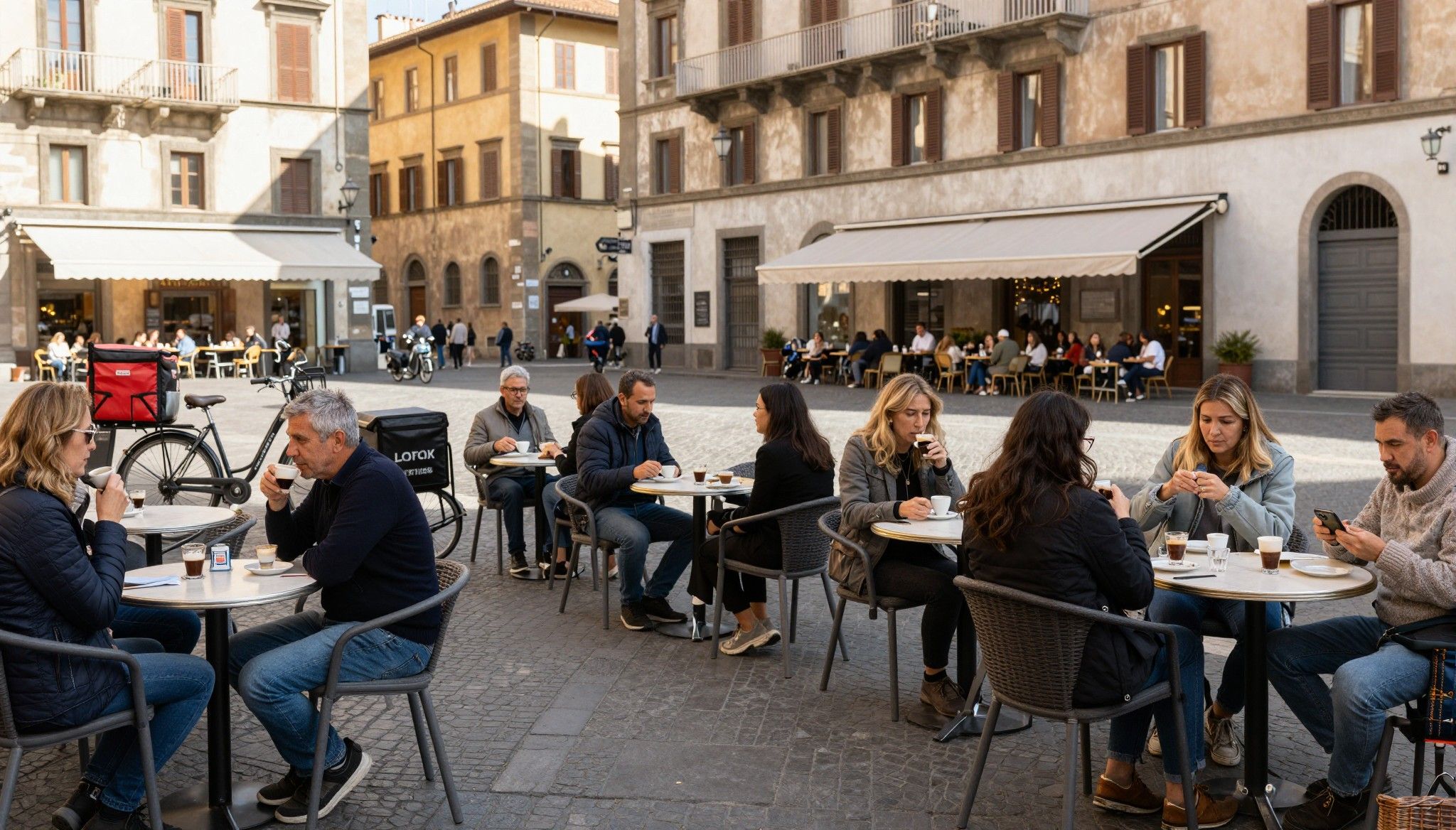
Imagine sipping a strong Greek espresso on a shady marble stoop in Plaka, then boarding a 45‑minute tram to a waterfront office in Elliniko — Greece can feel simultaneously ancient and highly connected. That overlap is the buyer’s secret: lifestyle that sells itself and infrastructure that quietly amplifies returns. For international buyers, the question isn’t only which island or Athenian neighborhood to love, but which connectivity improvements will sustain rental demand and capital growth for decades. This piece blends everyday scenes with the transport, digital and development facts that matter to investors.
Living the Greece lifestyle — close, walkable, sunlit
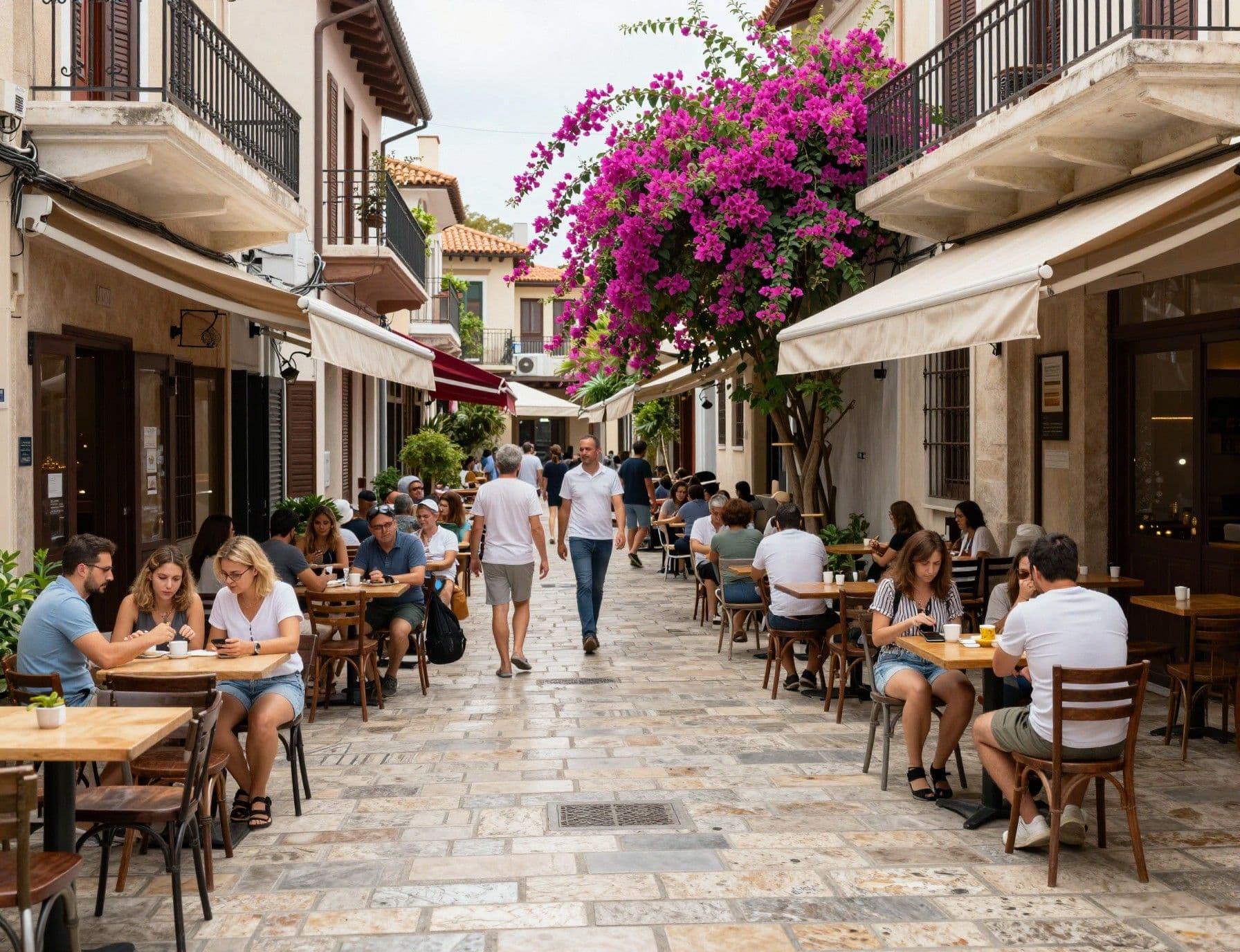
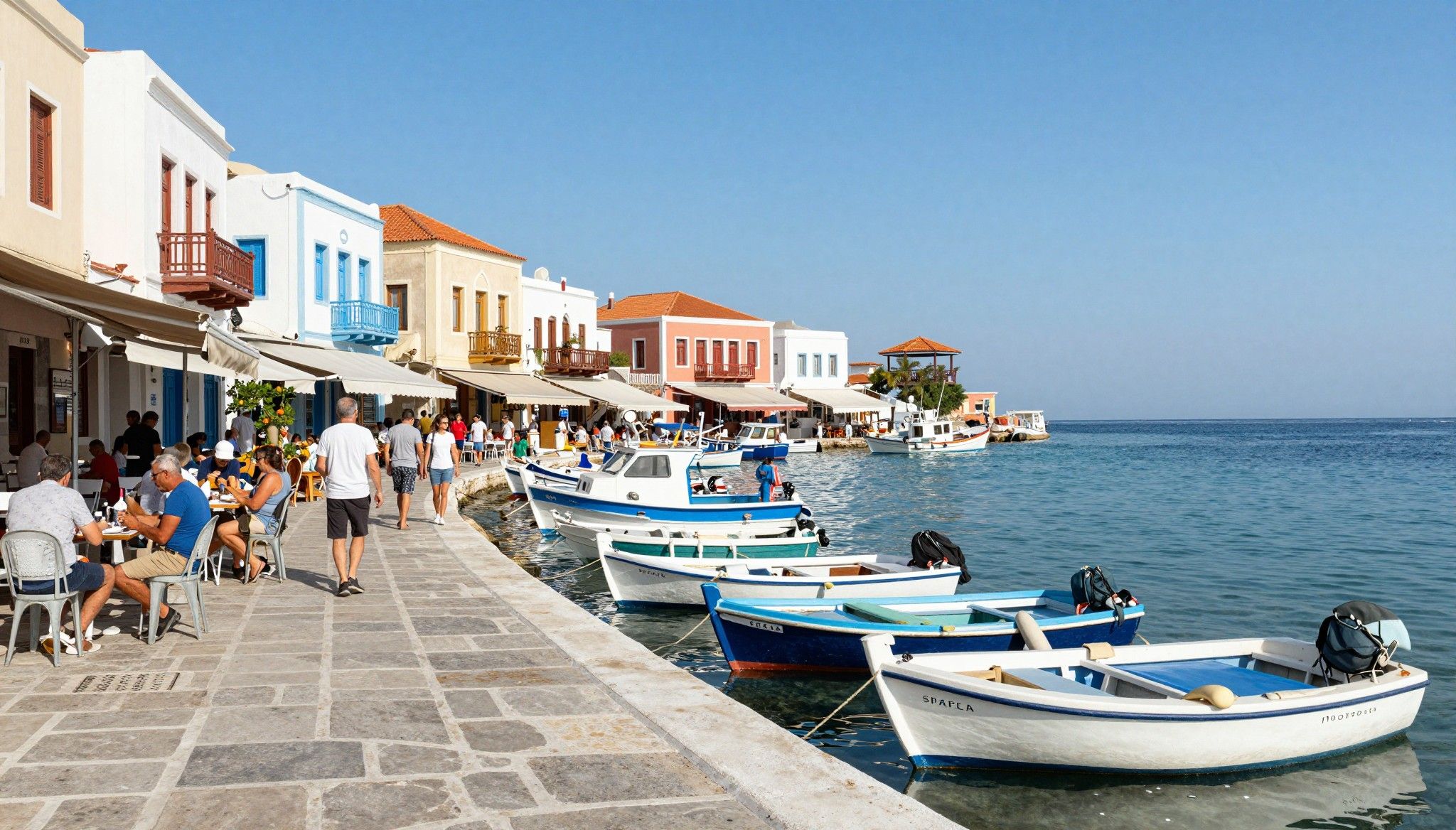
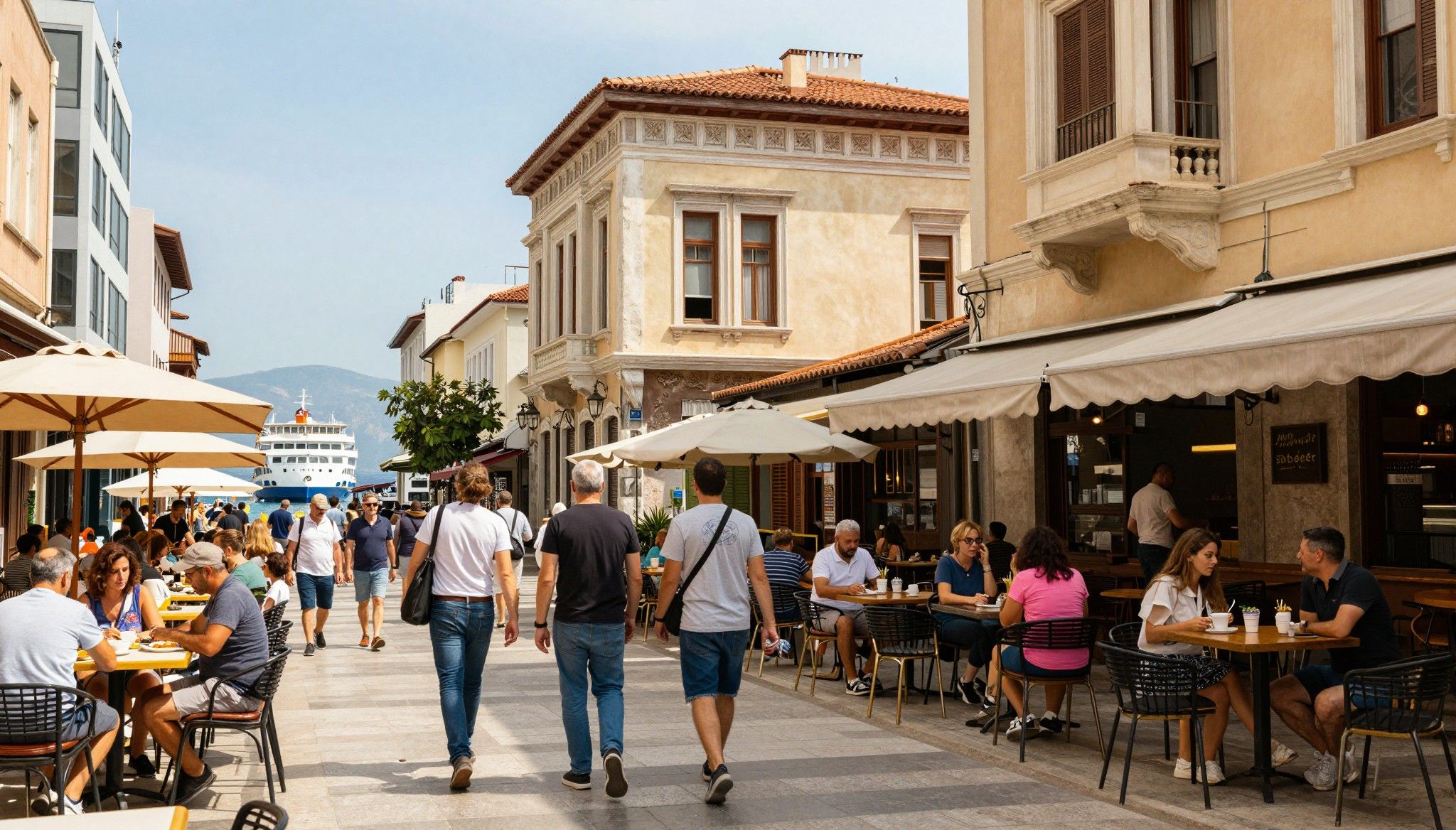
Daily life in Greece is textured by neighborhoods you can learn in a weekend and markets you return to weekly. In Athens, narrow streets around Monastiraki and Koukaki supply tavernas, late‑night music and a steady stream of short‑let guests; on islands like Naxos or Paros, mornings begin at the fish market and afternoons revolve around beaches and family‑run kafeneia. Climate moderates outdoor life: long summers push social life outside, which matters for terrace apartments and properties with courtyard access that command premium seasonal rents. For buyers, those lifestyle rhythms translate into predictable seasonal occupancy and a need to match property type with local tempo.
Elliniko and the southern suburbs — new urban life 20 minutes from the Acropolis
Walk along the new promenades at Elliniko and you’ll see why developers and tenants are paying attention: large‑scale mixed‑use projects are creating office clusters, parks and coastal access that reshape commutes. The Elliniko redevelopment is designed to bring thousands of apartments, new retail and a 1‑km public beach, increasing local demand for rental stock and supporting year‑round visitation near Athens. For investors, proximity to such projects reduces vacancy risk and can compress time to rentability — but it also raises entry prices, so timing and micro‑location matter.
Piraeus and maritime links — islands on the investor’s doorstep
Piraeus is final destination and gateway: expanding cruise and container throughput keeps regional transport links busy and feeds short‑stay demand in Athens and the islands. Higher ferry frequency and improved port logistics mean island properties are closer to consistent tourist flows than they were a decade ago, altering yield seasonality. If you’re buying on an island, check seasonal ferry timetables and port investment plans — they directly affect occupancy windows and achievable nightly rates. Port strength also supports longer‑term capital appreciation for coastal towns with reliable links to Piraeus.
Making the move: practical considerations that preserve lifestyle value
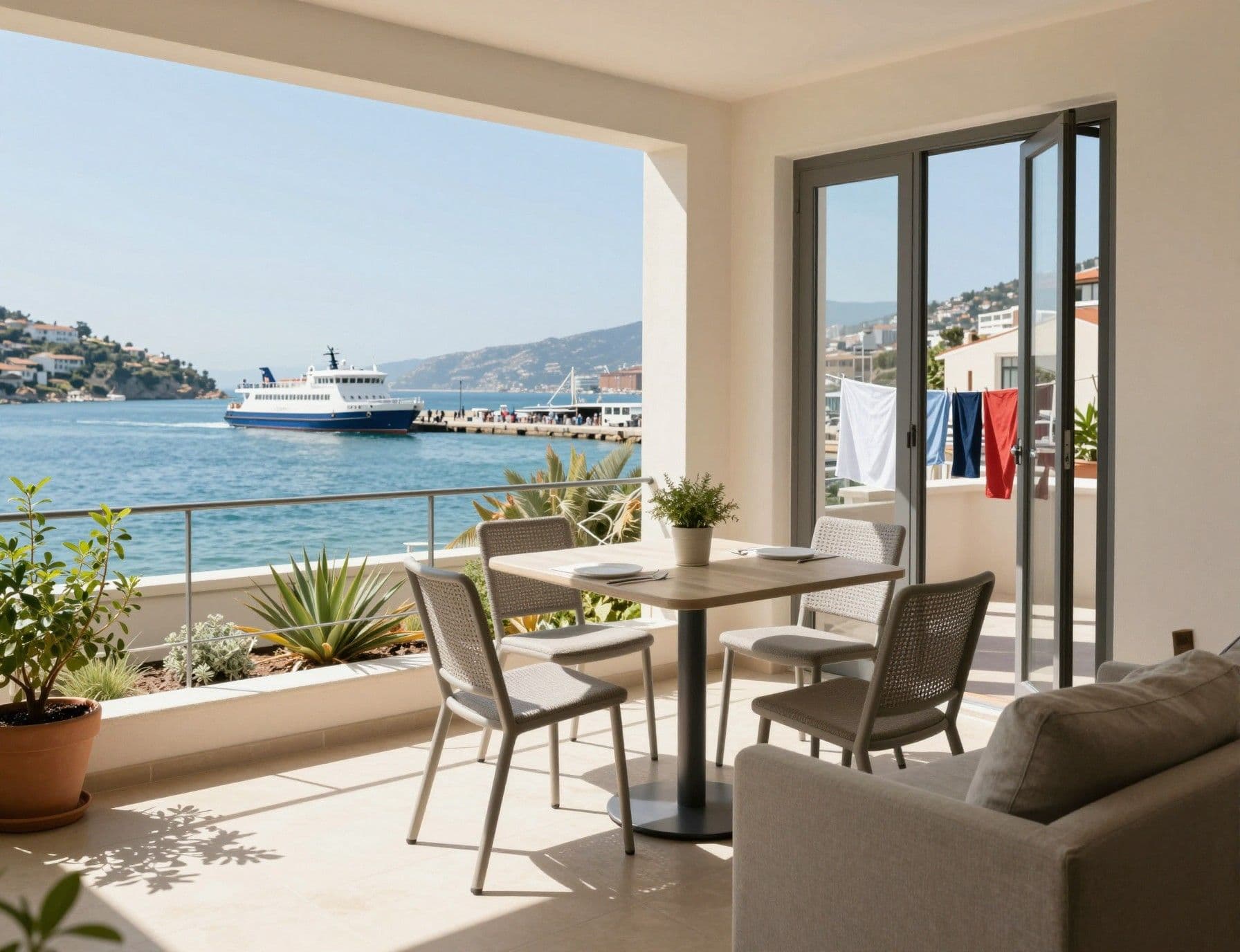
Greece’s tourism figures and infrastructure plans are not fluff — they drive occupancy and tradability. Record arrivals and sustained growth in 2024–25 created stronger baselines for holiday rentals; at the same time, urban projects like Elliniko and metro extensions change where international tenants prefer to stay. Translate those macro indicators into property choices by prioritizing access to transport nodes, year‑round amenities and properties built or renovated to resist humidity and salt exposure.
Property types and how they map to life and returns
Stone townhouses in Chania or Rhodes sell the island narrative but typically require higher capex for maintenance; modern apartments near Athens tram or metro stops offer steadier year‑round demand and lower upkeep. For remote islands, a well‑located, compact apartment near the port or main square often outperforms larger villas because turnover and cleaning costs scale with size. Factor in building materials (lime‑based plaster, treated wood), outdoor storage and covered parking — features that affect lifecycle costs and tenant appeal.
Steps to match lifestyle intent with connectivity (practical checklist)
- 1. Map your use case: 60/40 tourist rental vs. long‑let to decide island vs. city location. 2. Prioritize transit nodes: properties within 15–20 minutes of a metro, tram, main ferry pier or major road attract higher occupancy. 3. Check project timelines: align purchase with nearby infrastructure completions (e.g., metro extensions, Elliniko phases) to estimate appreciation windows. 4. Budget for climate capex: salt and humidity require higher maintenance budgets — estimate 1–2% of property value annually extra on islands. 5. Contract with a local agent experienced in target micro‑market and short‑let management to convert lifestyle proximity into net yield.
Insider knowledge: what expats wish they’d known before buying
Expats repeatedly highlight two surprises: seasonality of services and the rapid effect of one new transport link on localized rents. Services like year‑round grocery hours, medical access and schools concentrate near transport hubs; move too far from those nodes and lifestyle convenience — and year‑round rental demand — drops. Meanwhile, policy shifts such as the national digital‑nomad visa and clearer residency categories have broadened buyer pools, changing who competes for certain properties and when.
Cultural integration, language and community rhythms
Language is a practical barrier but not an immovable one: learning basic Greek opens doors at municipal offices and with local contractors, and many agents and service providers operate in English. Weekly routines — the Saturday market, long lunches on Sundays, August town closures for holidays — affect property management and occupancy planning. Successful expats build local relationships early; that network becomes the best early‑warning system about maintenance, tenants and micro‑market shifts.
Red flags and quick checks before you sign
- • Limited public transport frequency (fewer than 4 daily ferries in high season) reduces achievable nightly rates. • No municipal waste pickup routes for the property increases ongoing operating costs. • Properties without dehumidification or proper insulation on islands often show accelerated deterioration. • Lack of formal parking or difficult access lowers appeal for longer‑stay tenants and families. • No local short‑let operator or agency with verified reviews elevates operational risk.
Before you sign, run simple, data‑driven checks: verify ferry/metro schedules, consult ELSTAT or Bank of Greece tourism trends for your target town, and confirm any nearby megaproject timetables. Use those inputs to stress‑test occupancy and price assumptions for 3–5 year holding horizons. If you’re relying on short‑stay income, model net yields after platform fees, professional management (10–20%) and seasonal vacancy rather than headline nightly rates. These steps transform a romantic purchase into a defensible investment.
Conclusion — buy the lifestyle you will manage, not the one you imagine
Greece offers a rare combination: vivid, local life and improving connectivity that together underpin returns. The investor advantage is simple — pair a location’s lived reality (markets, cafes, ports, tram stops) with infrastructure trends (Elliniko, metro extensions, stronger port throughput) and you buy a lifestyle that pays. Next step: select 2‑3 micro‑markets that match your target tenant profile, verify transport and project timetables, and brief a local agent to prepare a shortlisting based on measurable yield scenarios.
Swedish financier who guided 150+ families to Spanish title deeds since relocating from Stockholm in 2012, focusing on legal and tax implications.