Cyprus: Stress‑Test the Summer Dream
Cyprus charms with sun, sea and steady demand — but buyers must stress‑test occupancy, utilities and foreign‑buyer sensitivity to protect net yield and capital.
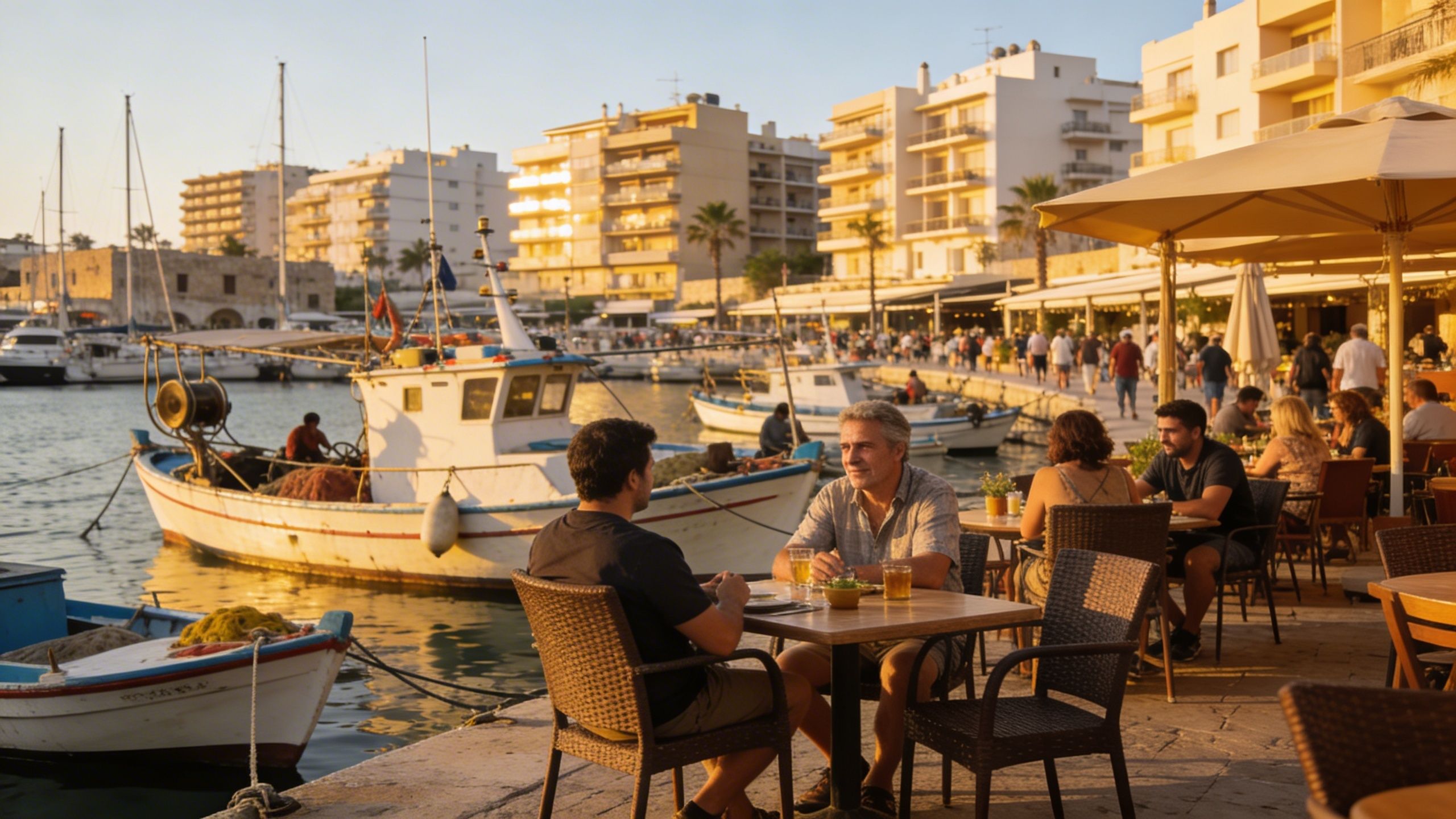
Imagine waking up on a shaded terrace in Limassol, espresso in hand, while the Mediterranean light spills across coral rooftops and a construction crane quietly signals ongoing demand. Cyprus feels both Mediterranean slow and commercially active: seaside evenings, compact historic centres, and coastal highways that funnel tourists to Paphos and Ayia Napa each summer. For international buyers the seduction is obvious — climate, English fluency and a strong tourism engine — but the investment reality is more nuanced. This guide pairs the island’s lived experience with sensitivity analysis you can run before you sign.
Living Cyprus: rhythm, places and daily life
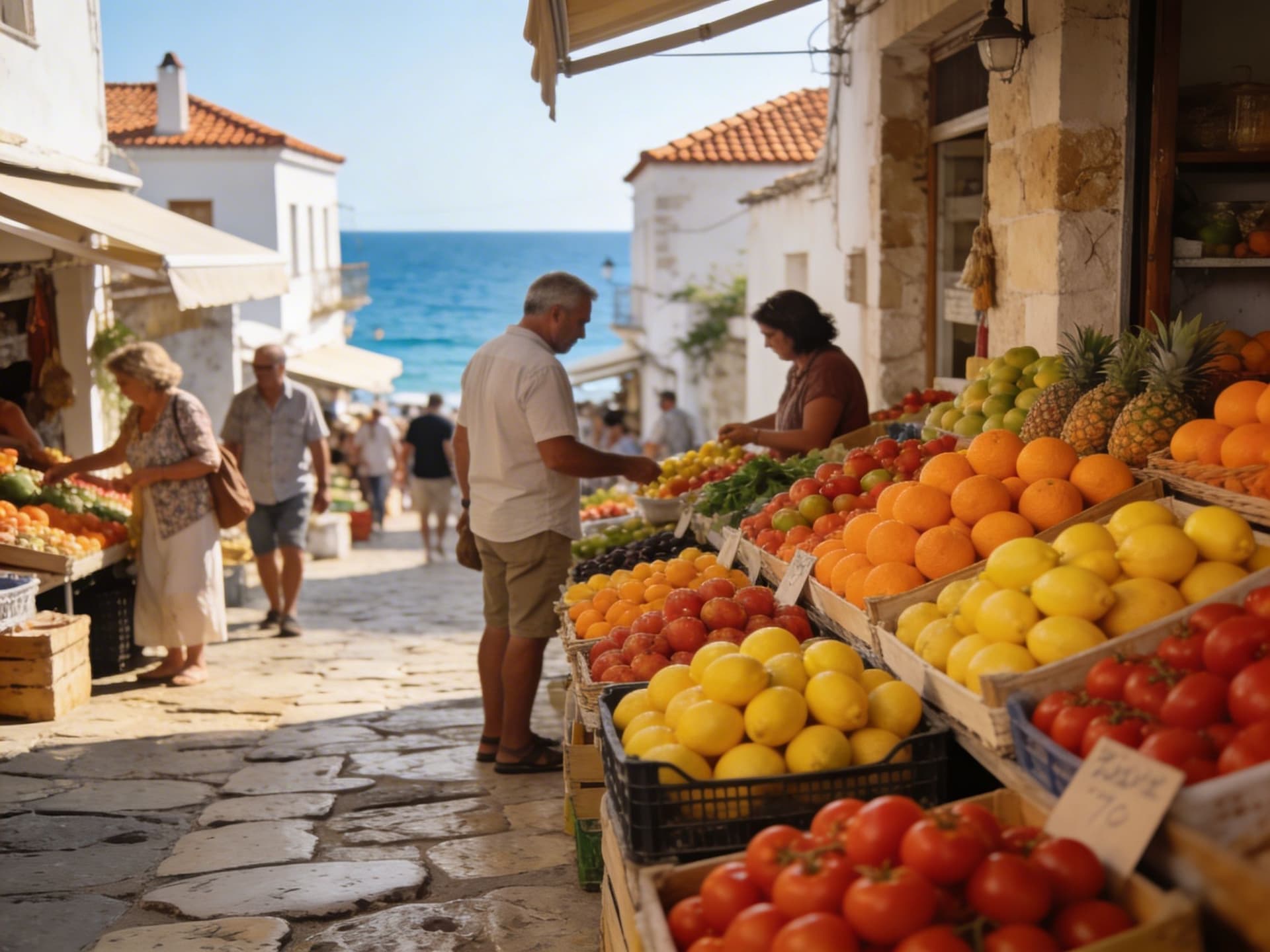
Daily life in Cyprus pivots between coastal sociability and village routines. Weekends mean tavernas in Kato Paphos, sea swims at Fig Tree Bay near Protaras, and farmers’ markets in Nicosia’s Klirou Street where fresh halloumi and carob appear year-round. The island’s small size compresses amenities: specialist healthcare and international schools cluster in Nicosia and Limassol, while Paphos and Larnaca trade tranquillity for tourist seasonality. Tourism volumes — over three to four million annual arrivals in recent years — underpin local services but also create sensitivity in short‑let markets (source: CYSTAT).
Neighbourhood pulse: Limassol, Paphos, Larnaca and Nicosia
Limassol is the island’s commercial magnet — luxury apartments, international schools and marina‑side development dominate, making it the biggest contributor to transaction value. Paphos sells a quieter coastal life and larger houses, attractive to long‑term residents and holiday‑let owners. Larnaca and Nicosia give better affordability and steady domestic rental demand; recent reports show these districts recording transaction growth even when coastal foreign demand dipped. Choose a district the same way you choose a lifestyle: marina cafés for social life, village lanes for slow living, or city streets for year‑round rental stability.
Food, seasons and the small pleasures that matter
Picture evening souvlaki by the harbour in Limassol, or a winter orange harvest in the Troodos foothills. Seasonality is real: July–August concentrates visitors and short‑let income, while winter offers lower operating costs and steadier long‑let demand. For owners this rhythm informs unit type choice: one‑bed apartments near beaches suit summer short‑lets; three‑bed homes inland suit families and longer tenancies. Tourism growth statistics make clear why coastal assets command premiums, but they also highlight sensitivity to seasonal shocks and regional policy changes.
- Limassol marina cafés, Kato Paphos promenade, Larnaca Finikoudes beach, Nicosia Klirou market, Troodos hiking routes, Fig Tree Bay swimming coves.
Making the move: practical considerations tied to lifestyle
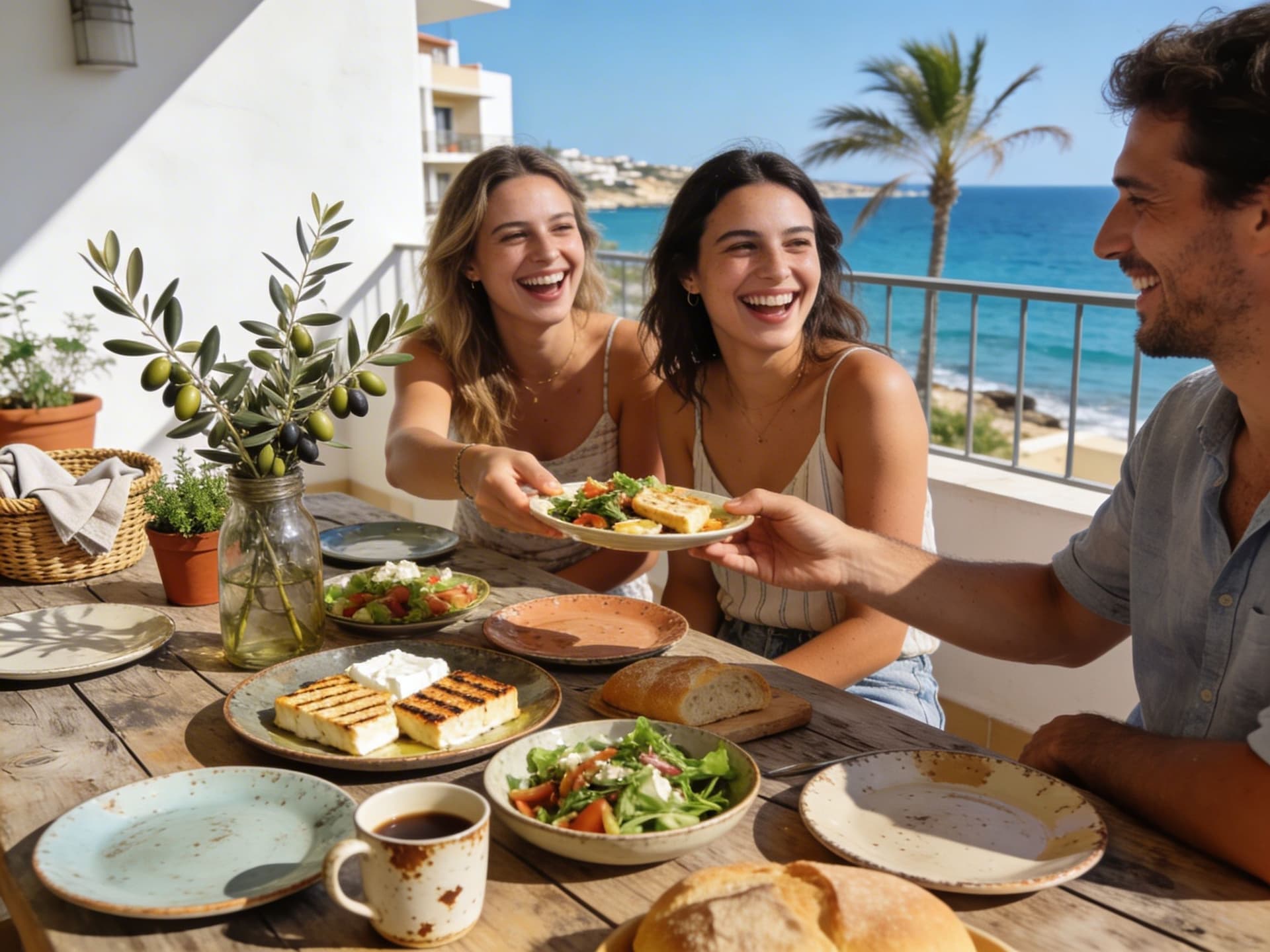
The emotional draw of Cyprus must meet an analytical filter. In 2024 transaction value topped €5.7 billion, with Limassol accounting for a large share, but foreign buyer volumes fell while domestic activity held firm. That split creates two risks to model: (1) a price re‑rating if foreign demand softens further, and (2) seasonality risk where short‑let income declines outside summer. Run scenarios that stress both occupancy and capital values before committing.
Property types: how form meets function
New build apartments near marinas deliver strong short‑let appeal but expose you to construction quality and management fees. Traditional village houses offer capital preservation and long‑let appeal but may require renovation capex and face limited liquidity. Offices and retail are showing selective strength in Nicosia and Limassol; these can diversify income but require commercial leasing expertise. Match property type to your return tolerance: higher gross yield for short‑lets, greater stability but lower yields for long lets.
Working with local experts who know both lifestyle and math
- 1. Retain an agent who can source properties off‑market and explain neighbourhood rental profiles; 2. Use a local lawyer to verify title, encumbrances and building permits; 3. Stress‑test gross yield assumptions across three scenarios (optimistic, base, downside) with explicit occupancy and expense lines; 4. Insist on exact comparables for price per m² and recent sold prices in the micro‑area.
Risk & sensitivity: the scenarios every buyer should run
Cyprus’s upside — tourism growth and stable transaction values — coexists with exposure to environmental and regulatory shocks. Water scarcity and rising utility infrastructure costs can increase operating expenses and reduce tourist appeal in peak months. Geopolitical shocks or travel downturns hit coastal short‑let revenue first. Build at least three sensitivity scenarios and calculate net yield under each, including a stressed occupancy (-30%) and a regulatory cost shock (+10% operating expenses).
A simple sensitivity template to run
- 1. Base case: market rent × 70% occupancy (annual), expected expenses (20% of rent), mortgage at market rate; 2. Downside: market rent × 50% occupancy, expenses +10 percentage points, 15% drop in capital value; 3. Upside: market rent × 80% occupancy, expenses -5 points, 5% annual capital appreciation. Use these to calculate cash‑on‑cash return, net yield and break‑even occupancy.
- Key sensitivity levers: occupancy, nightly rate, management fees, utility and water costs, legal/regulatory changes to short‑lets, mortgage rate changes.
On balance, Cyprus offers a clear lifestyle advantage and a market that has shown resilience in recent years, but returns depend on precise micro‑location and a realistic stress test. Limassol remains premium and liquidity‑rich; Paphos and Larnaca offer better long‑let economics; Nicosia is value‑oriented and resilient. Work with a local adviser who provides sold‑price comps, realistic vacancy curves and transparent management fee structures before you convert longing into an offer.
Next steps: visit during shoulder season to feel year‑round life, get precise local comparables, run a three‑scenario sensitivity and lock a local lawyer and manager before exchange. A straightforward checklist and conservative assumptions protect both the lifestyle you want and the returns you expect. With careful risk management, Cyprus can be both a place you love and an asset that performs.
Dutch investment strategist who built a practice assisting 200+ Dutch clients find Spanish assets, with emphasis on cap rates and due diligence.