Buy the Links, Not the Postcard: Italy’s Hidden ROI
Italy’s lifestyle-led property opportunities are rewritten by transport and regeneration; prioritise connectivity metrics over postcards to predict yield and resilience.
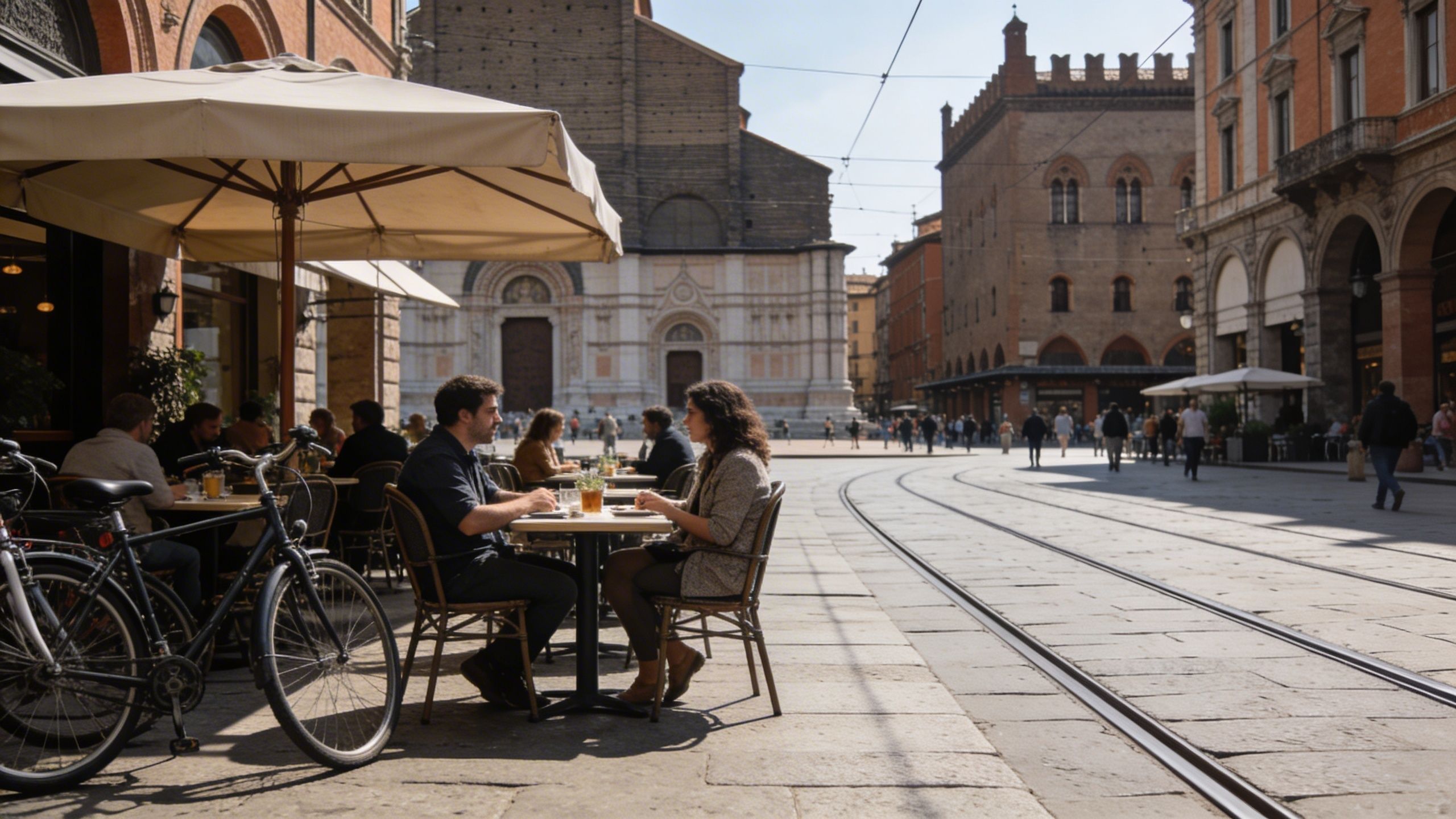
Imagine sipping espresso outside a corner bar in Bologna’s Santo Stefano, then boarding a regional train to a weekend in the Tuscan hills — that rhythm of short hops, long lunches and seasonal markets shapes how Italians live. For international buyers the same rhythm affects returns: commute time to a station, proximity to a port or a high-speed link often matters more for yield than a postcard view. Recent market analysis shows prices and demand now vary sharply by transport links and local regeneration projects, not only by historic charm. Understanding infrastructure — rail, ports, airports and broadband — is where lifestyle and investment intersect in Italy.
Living the Italy lifestyle — more than a postcard
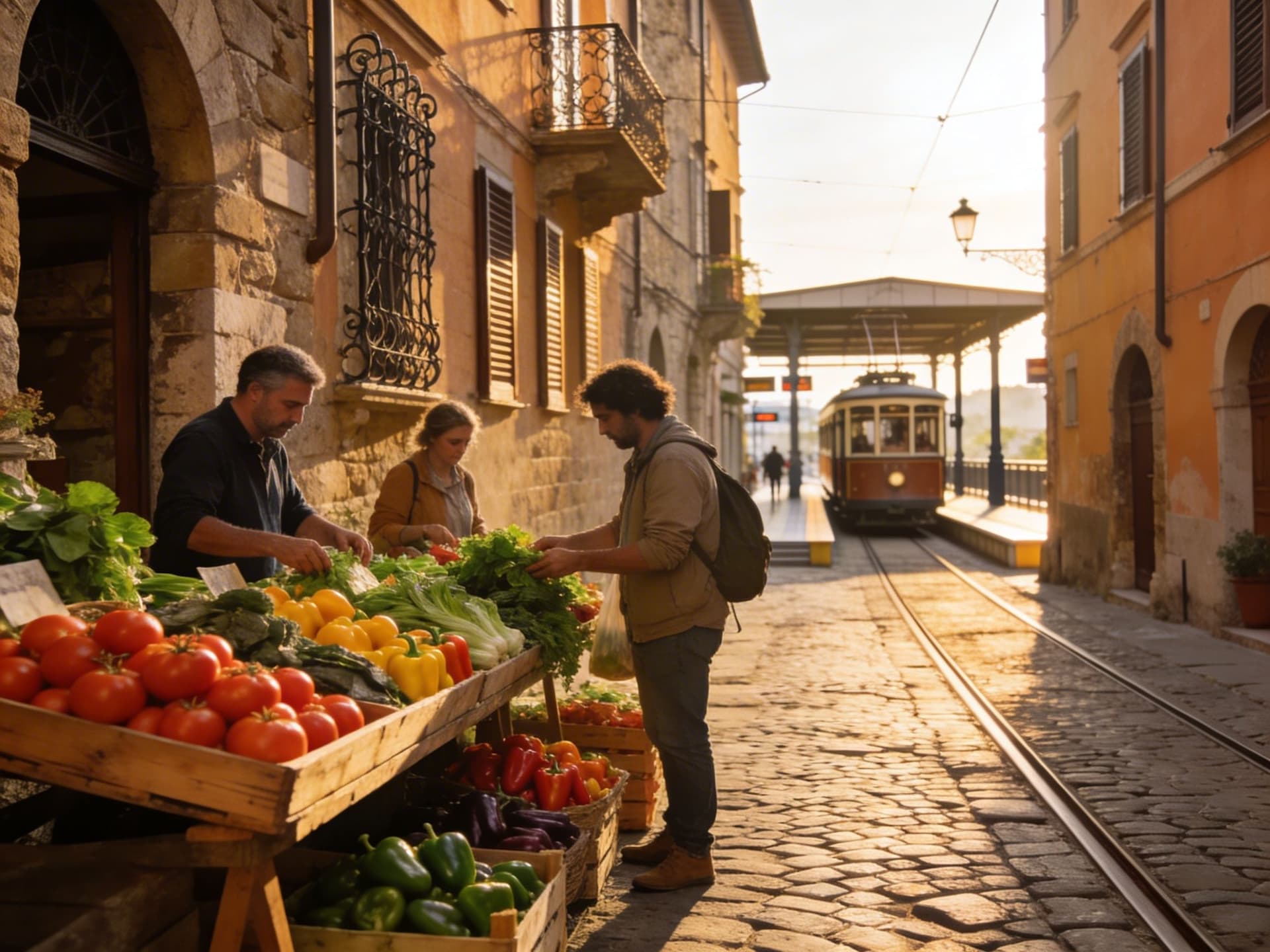
Living in Italy is lived at human speed: morning markets, mid‑day riposo in smaller towns, aperitivo queues in city squares, and neighbourhood cafés that double as social offices. Weather and seasonality shape choices — coastal towns hum in summer while hill towns are at their quietest, and cities pulse year‑round because of universities and businesses. For buyers who value daily life, infrastructure is the silent enabler: a reliable regional train or a fast motorway turn a desirable seaside weekend pad into a practical rental asset. In short, lifestyle decisions are inseparable from connectivity realities when forecasting rentability and capital growth.
Neighborhood pulse: where locals actually live
Look beyond Chianti vineyards and the historic centre: neighborhoods with daily markets, tram or suburban rail links, and active local schools attract longer‑term tenants. In Milan, for example, the suburbs served by frequent regional trains (S lines) show steadier rental demand than isolated historic pockets. Similarly, in Genoa and Bari, port‑adjacent neighbourhoods undergoing redevelopment are drawing young professionals who value short commutes. When assessing a block, map the nearest station, local bus frequency and supermarket — these determine tenant pools more than a view.
Food, markets and micro‑location that matter
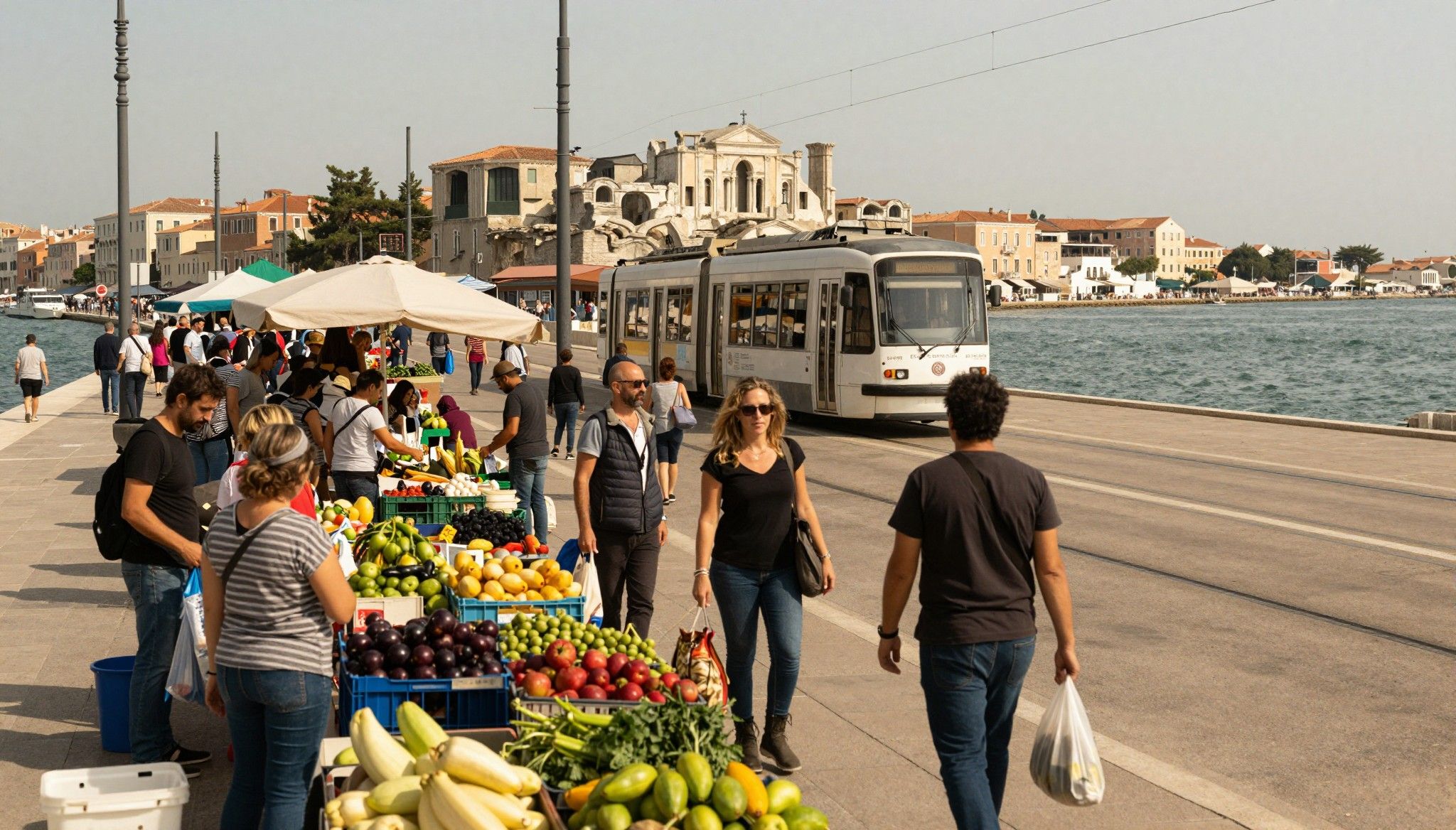
A lively morning market on Via della Madonnina in Florence or a weekly Tropea produce market does more than supply groceries — it signals neighbourhood cohesion and footfall, which are measurable predictors of short‑let occupancy and long‑let desirability. Coastal areas with year‑round fishing or maritime commerce (e.g., certain Ligurian towns) sustain rental demand beyond the tourist season. For investors, micro‑location indicators like market days, proximity to an international school, and evening transport service hours are practical proxies for rental resilience.
Making the move: infrastructure that reprices properties
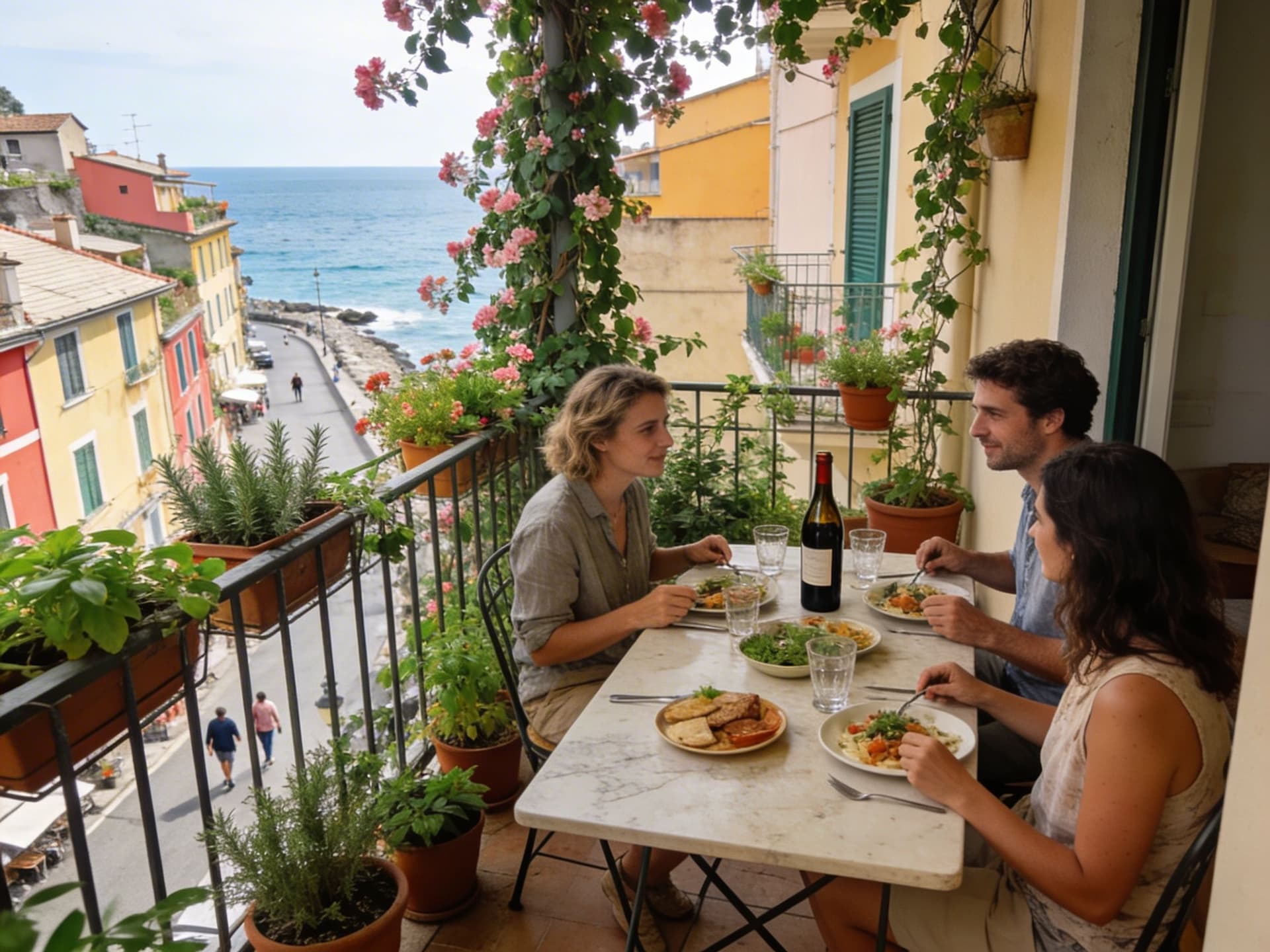
Italy’s price map is increasingly a transport map. National averages mask wide dispersion: urban centres like Milan and Florence trade at several thousand euros per square metre, while Calabria and parts of Sicily remain sub‑€1,200/m². Buyers who prioritise towns with fast links to regional hubs often capture both lifestyle benefits and stronger rental yields. Data from market reports shows year‑on‑year rises clustered around well‑connected provincial capitals and regeneration corridors rather than uniformly across tourist hotspots.
Property types and how connectivity changes use
A 19th‑century apartment in a well‑served city district functions as a reliable long‑let asset for professionals; a restored farmhouse in rural Tuscany requires strong road links or niche marketing to vacationers. Newer build apartments near HS lines or metro extensions command shorter vacancy and higher seasonal yield because commuters and business travellers value time savings. Match property type to transport profile: historic centre flats for tourism and short‑lets (with compliance caveats), suburban apartments near rail for steady long lets, and coastal villas for seasonal premium but greater vacancy risk.
How to weight connectivity in your purchase decision
List the tenant profiles you target (students, commuters, families, tourists) and map required commute times; score neighbourhoods by station distance, frequency of service and airport access. Calculate expected vacancy by season — coastal and lakefront properties often need a higher safety margin in cashflow models. Adjust cap rate expectations by estimated management overhead: properties further from agency hubs raise operational costs. Finally, stress‑test pricing scenarios against announced infrastructure projects in local municipal plans.
Insider knowledge: what expats wish they'd known
Expats often tell the same story: they fell for a view, then realised the monthly reality was governed by train timetables, school runs and the nearest hospital. Regeneration projects (like those reshaping port cities) materially reprice local stock over five‑ to ten‑year windows by improving services and attracting employers. Local planning decisions — pedestrianisation, new stations, port upgrades — can convert a modest neighbourhood into an investment corridor. Read municipal plans and follow local press to identify those projects early.
Cultural and seasonal realities that affect occupancy
Italy’s seasonality is nuanced: university cities (Bologna, Padua) and business hubs (Milan) offer year‑round demand, while seaside towns can be highly seasonal unless they host events or have all‑season attractions. Language and local customs also matter for tenancy — small towns rely on local networks for tenant vetting, whereas city markets are more transactional. Practical takeaway: build seasonality and cultural integration costs into your cashflow model and choose an agency with local tenant networks.
Lifestyle factors investors should quantify
Distance to nearest regional or high‑speed train station — affects commuter and seasonal demand.
Frequency of public transport services (evening and weekend coverage) — predicts short‑let occupancy outside peak tourism.
Local regeneration projects and port/airport investments — these shift pricing corridors over time.
Presence of year‑round demand anchors (universities, hospitals, multinational offices) — stabilises rents.
Conclusion — fall for the life, buy for the links. Italy sells a slow, sensory life: markets, aperitivi, and piazzas. For investors that romanticism must be translated into quantifiable inputs: travel times, service frequency, and regeneration pipelines. Use local agencies for micro‑insight, map transport nodes into your financial model, and expect regional dispersion — entry prices in the south can be an order of magnitude lower than northern hubs. If you prioritise connectivity alongside culture, you buy both a lifestyle and a resilient asset.
Norwegian market analyst who relocated from Oslo to Mallorca in 2016, guiding Northern buyers through regulatory risk, currency hedging, and rentability.