When Short‑Let Rules Reprice Croatian Yields
New short‑let rules and reciprocity checks are reshaping Croatian yields; buy for year‑round fundamentals, not peak‑season postcards.
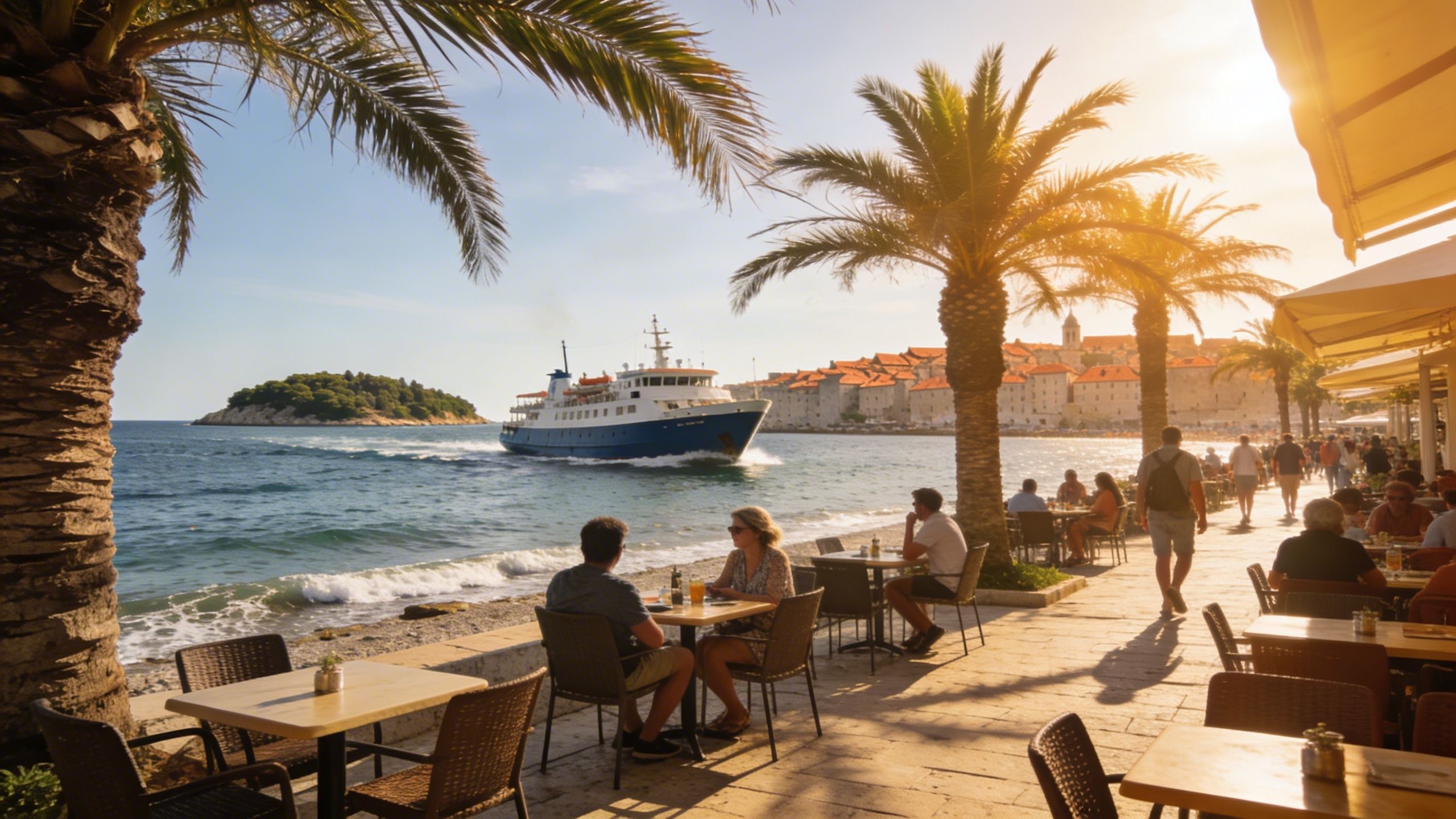
Imagine sipping espresso on a shaded terrace in Split’s Varoš, then walking five minutes to a rented studio that consistently nets 5–7% annual returns. Croatia’s coastline feels like a lived postcard: narrow cobbled streets in Dubrovnik, fishermen’s markets in Šibenik, and the soft hum of island ferries. But behind that Mediterranean ease, new regulations—especially on short‑term rentals and foreign ownership—are quietly reshaping yields. For international buyers, the lifestyle is seductive; the regulatory shifts demand a different investment playbook.
Living the Croatia lifestyle: sea, markets, neighbourhood rhythms
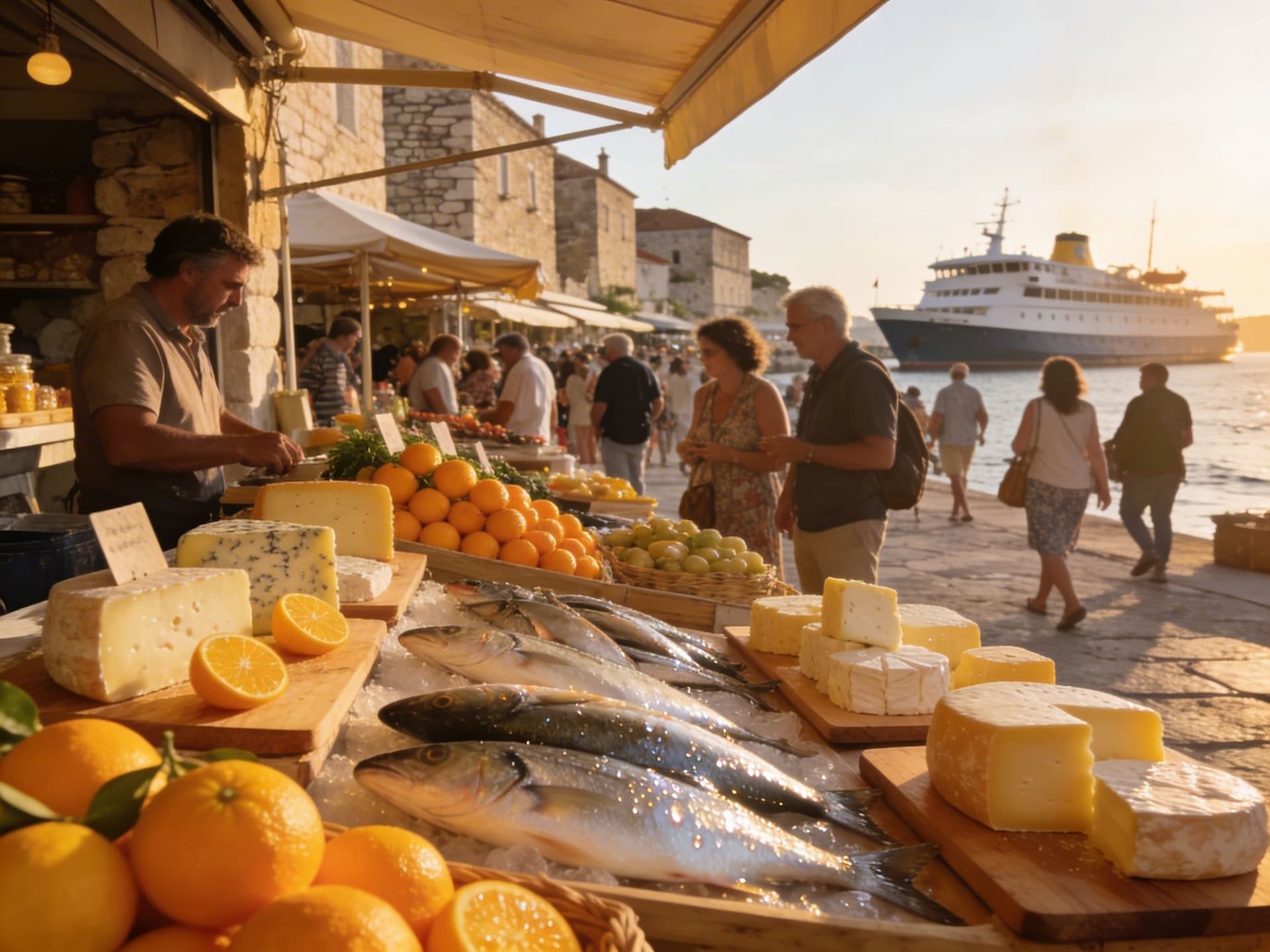
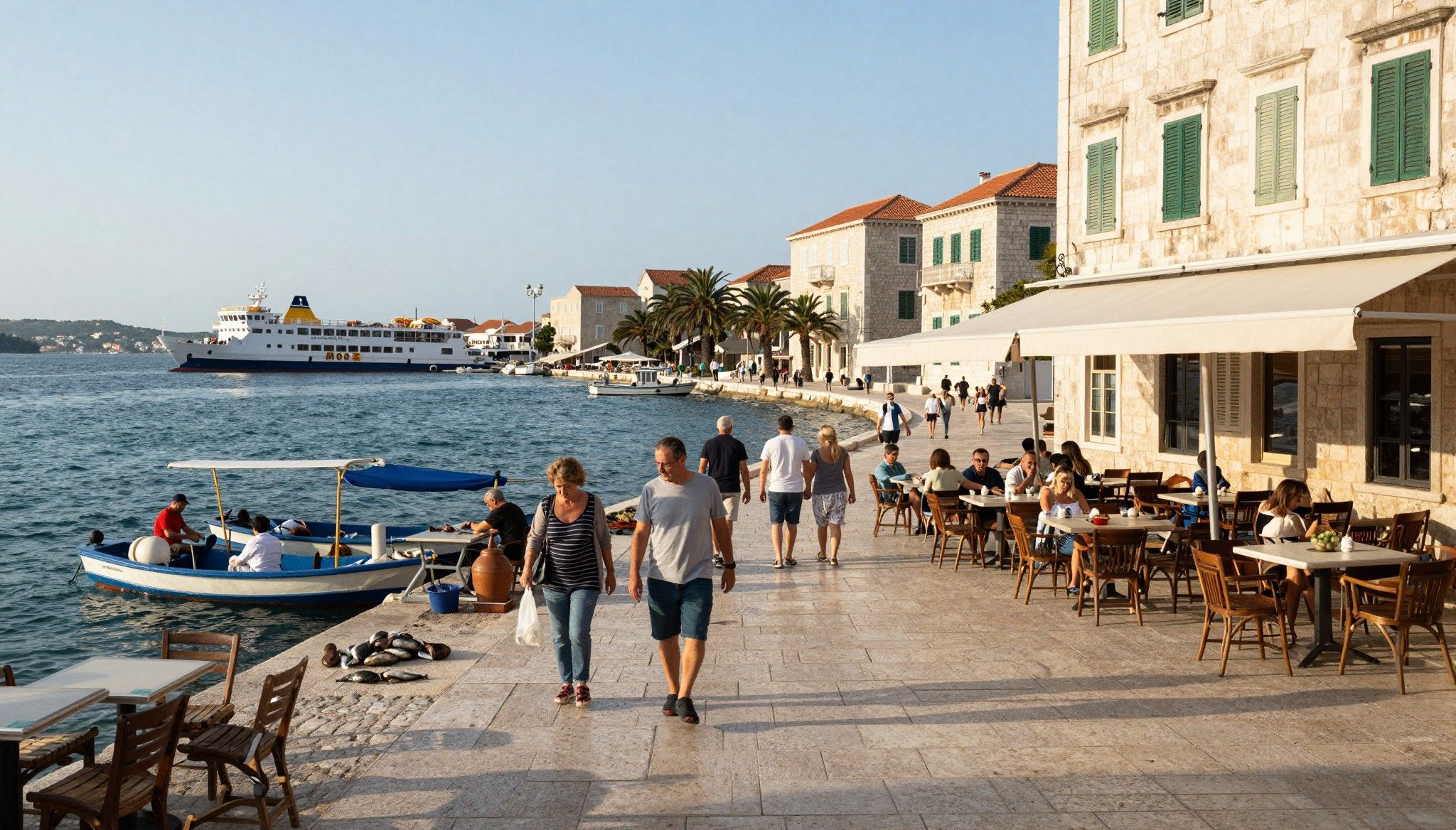
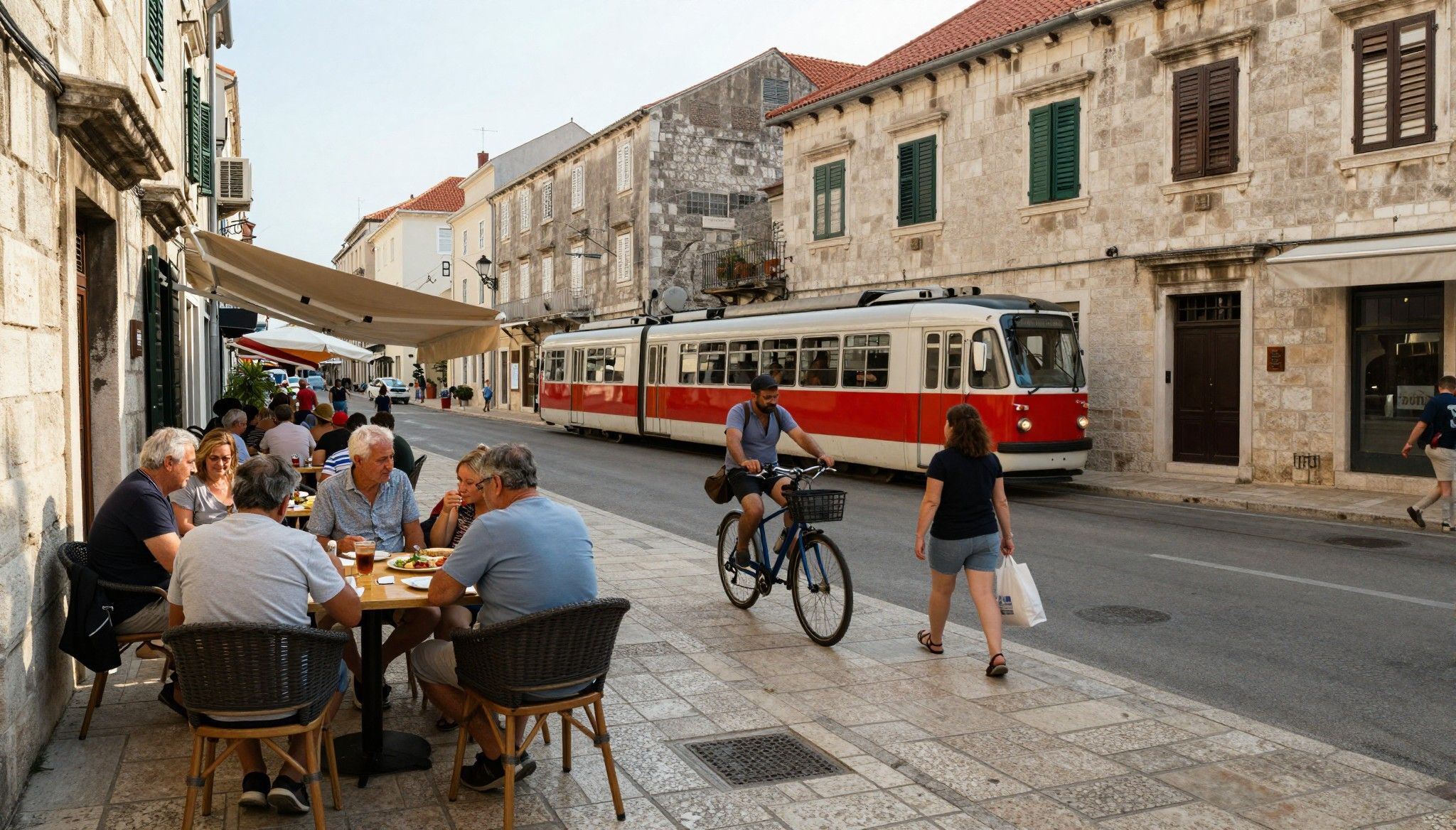
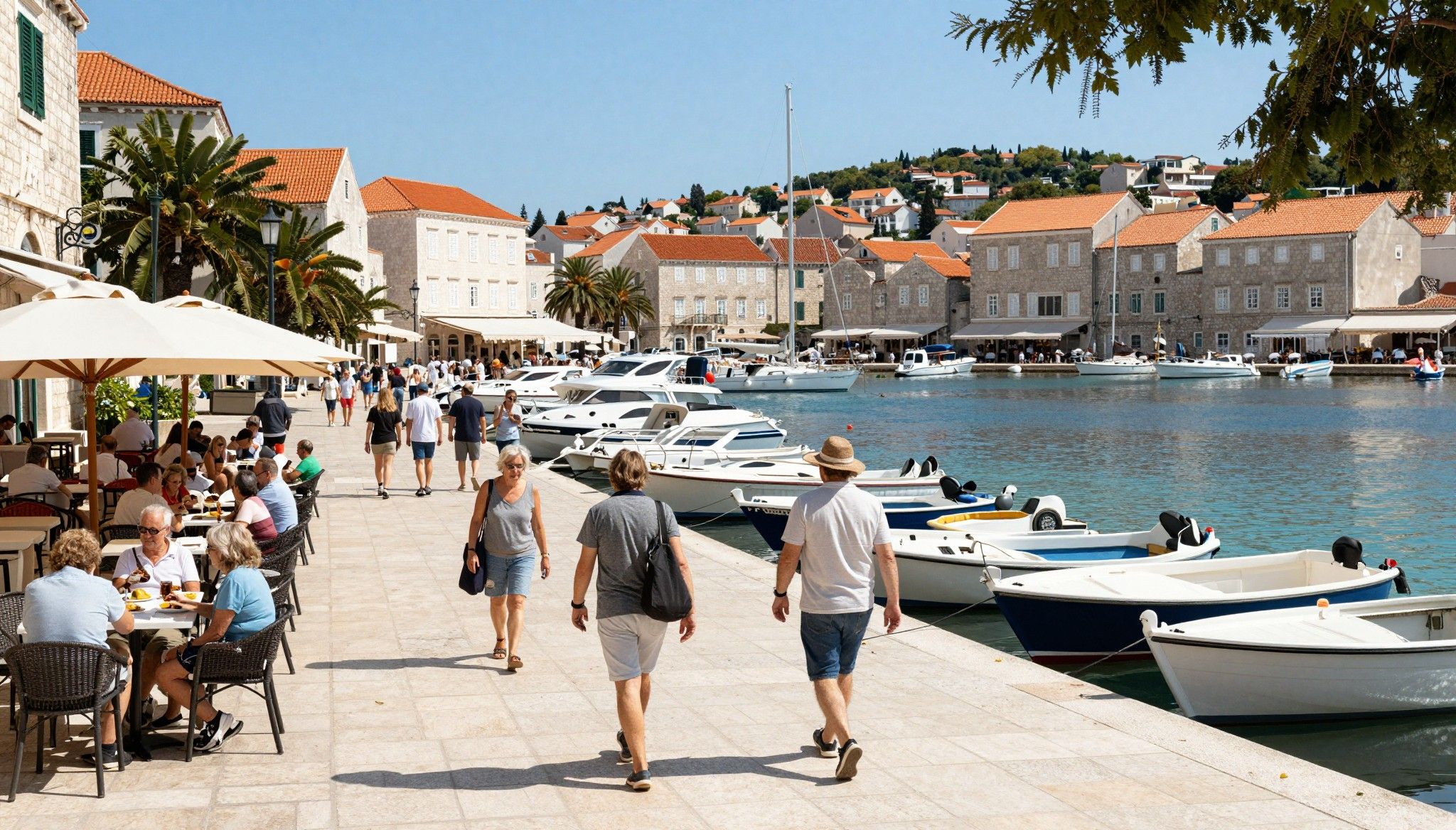
Croatia’s everyday rhythm is coastal and seasonal. Morning markets pulse with citrus, dried figs and fresh tuna; by late afternoon, locals drift to kafanas and waterfront promenades. In Zagreb the tempo is more continental—weekend flea markets, tram-lined streets and a thriving café culture—while islands like Hvar and Brač switch between sleepy winter communities and high-season vibrancy. Understanding these rhythms matters because rental demand and achievable nightly rates move with them, and so do vacancy risks and management costs.
Spotlight: Split – Varoš to Bacvice
Varoš is a compact example of Croatia’s layered appeal: stone houses, terraces facing Diocletian’s Palace, and a steady stream of tourists in summer. Bacvice beach brings a different tenant profile—young holiday renters and short‑stays with high turnover. For investors, proximity to transport links and regulated tourist zones will directly affect occupancy and the licenseability of a unit for short lets. In short: micro‑location defines both lifestyle quality and regulatory feasibility.
Food, markets and the seasonality that alters returns
Weekend markets in Zadar and Rovinj are lifestyle drivers that make neighbourhoods desirable for long stays; they also concentrate summer demand. Truffle season in Istria and festival weeks in Dubrovnik spike short‑term rates but create vacancy cliffs off‑season. Buyers who chase peak‑season yields without factoring in local event calendars and municipal limits on tourist licences risk inflated purchase prices and stretched holding costs. A balanced income model must weight peak months against realistic annual occupancy.
Making the move: practical considerations where lifestyle meets law
Regulation in Croatia changes how investment returns stack up. EU/EEA citizens buy with fewer barriers while most non‑EU nationals must wait for Ministry of Justice approvals under reciprocity rules. Recent reporting and legal commentaries also document municipal powers to limit or cap new tourist licences—this affects the short‑let pipeline in high‑tourism towns. Factor these timelines and licensing risks into acquisition models: ownership is one thing, operational permission to monetise via short lets is another.
Property types and their income profiles
Stone Dalmatian apartments command premium per‑m2 for sea views but often need higher CapEx for maintenance and insulation. Newer builds near transport hubs (Split airport, Rijeka corridor) offer steadier long‑term rental demand and lower upkeep. Villas on islands deliver headline summer rates but suffer long low‑season vacancy and higher management charges. Map property style to your intended income strategy—short‑let operator, long‑let ex‑pat housing, or hybrid seasonal model—and stress‑test for regulatory shocks.
How to align lifestyle goals with regulatory reality
- 1) Audit licence risk first: check municipal short‑let quotas and recent moratoria where applicable. 2) Price in delays: non‑EU buyers should expect Ministry of Justice reciprocity approvals that can take months. 3) Prioritise transport and services: locations with year‑round demand reduce seasonality exposure. 4) Plan for taxation and local fees—recent moves shift some tourism taxes from per‑bed to area‑based models, changing net yields. 5) Build a local operations budget that includes management, registration, and potential conversion to long‑term leasing.
Insider knowledge: regulatory changes that reprice Croatian yields
Two trends matter for investors: stronger municipal control over tourist licences and stricter reciprocity checks for non‑EU buyers. Municipalities can now impose moratoria and require co‑owner approvals in condominium buildings for new short‑let registrations. Simultaneously, national reciprocity rules still govern non‑EU purchases and can require Ministry sign‑off. These twin levers change supply dynamics for short‑lets and can make well‑located long‑term rental assets more valuable in the medium term.
What expats wish they'd known about language, law and local customs
Buyers tell us the paperwork friction and neighbour dynamics are the real surprises. Condominium co‑owner votes on short lets, municipal tourism boards verifying registration numbers, and property tax recalibrations have all forced adaptive strategies. Learning basic Croatian, partnering with a licensed local lawyer, and visiting municipal offices before signing a contract prevent costly misunderstandings. The lifestyle is inclusive, but the administrative side rewards preparation and local representation.
Practical next steps: verify nationality reciprocity status early, obtain an OIB (tax ID), confirm whether the unit can be licensed for short‑lets with the local tourist board, and model conservative occupancy rates (40–60% annual for islands; 60–75% near airports). Engage a lawyer to lodge Ministry of Justice applications if required and insist on an escrowed deposit structure. These actions protect your lifestyle ambitions and keep returns realistic.
Local due‑diligence checklist
- • Confirm municipal short‑let quota and recent moratoria in the town or island. • Check condominium bylaws for co‑owner approval rules before assuming short‑let ability. • Obtain seller’s proof of registration (if operating previously) and tourist licence numbers. • Price in a conversion plan: ability to pivot to long‑term rent if short‑let licensing becomes restricted. • Budget for local management, utility seasonality, and higher winter maintenance costs.
Conclusion: love the life, stress‑test the rules
Croatia offers a powerful lifestyle proposition—seafood markets, festival rhythms, and compact historic quarters—that can translate into attractive returns. But recent regulatory shifts mean yields are being repriced: constrained short‑let supply can raise long‑term rents while increasing licence risk for new entrants. Treat the market like a portfolio decision: quantify licence and reciprocity risk, prioritise properties with year‑round fundamentals, and partner with on‑the‑ground legal and agency experts to turn seaside dreams into defensible returns.
Norwegian market analyst who relocated from Oslo to Mallorca in 2016, guiding Northern buyers through regulatory risk, currency hedging, and rentability.