Buy the Commute, Not the Cove: Greece’s Connectivity Premium
Choose connectivity over postcard glamour: Greece’s transport and utilities upgrades are the hidden driver of steady rental yields and lower vacancy risk.
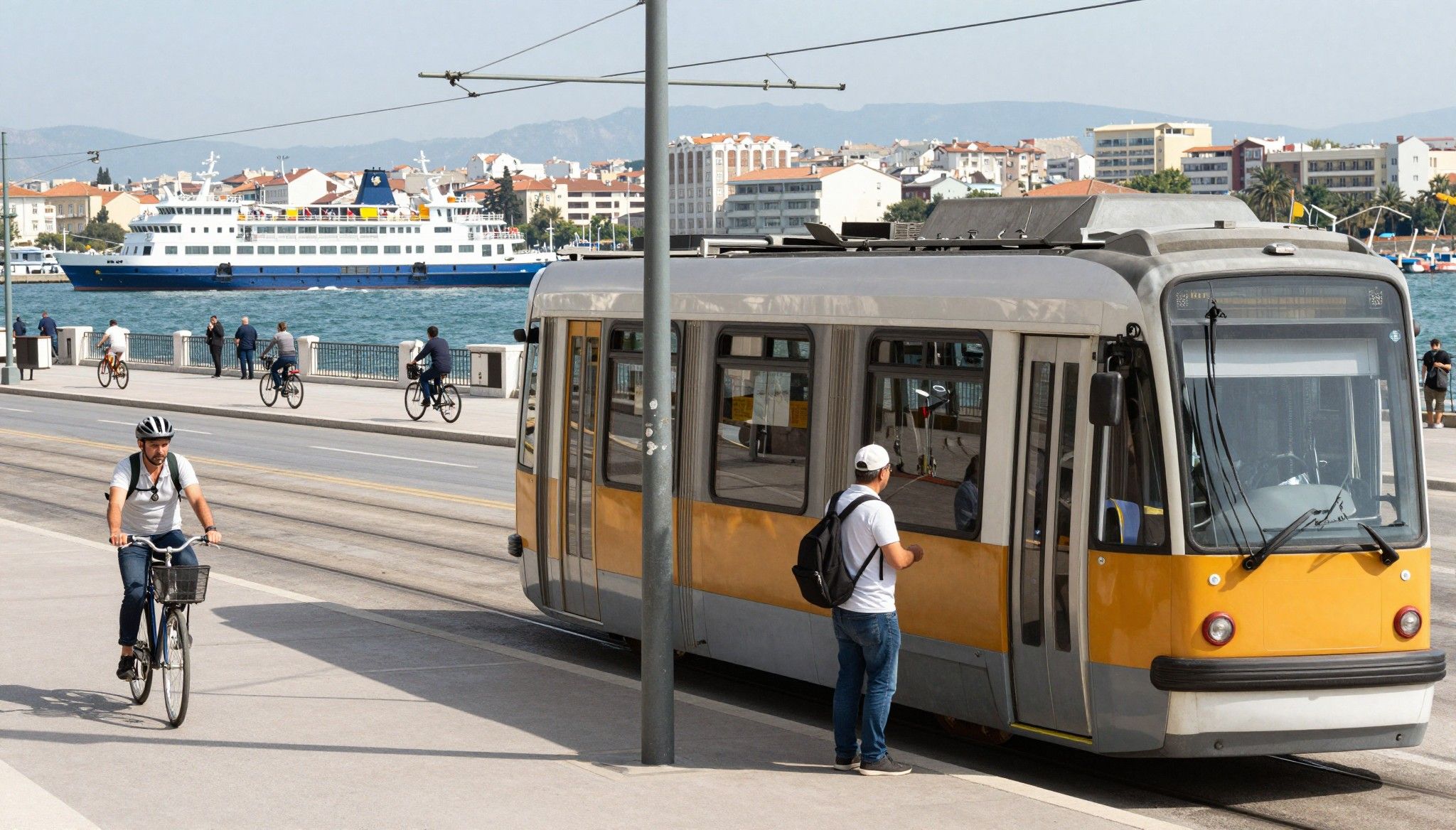
Imagine stepping out for espresso on a narrow Athens street at 08:00, catching a tram that drops you at a modern co‑working hub by 08:20, then spending the weekend sailing from a marina connected by a fast ferry to the airport. That daily rhythm—urban convenience by weekday, island life at the weekend—is Greece’s overlooked value proposition for buyers who measure lifestyle in hours, not just sea views. Investors who focus on the postcard islands often miss how connectivity—the metro stops, intercity rail, upgraded ports and new power links—reshapes rental demand and long‑term returns.
Living the Greek lifestyle: city pulse, island calm
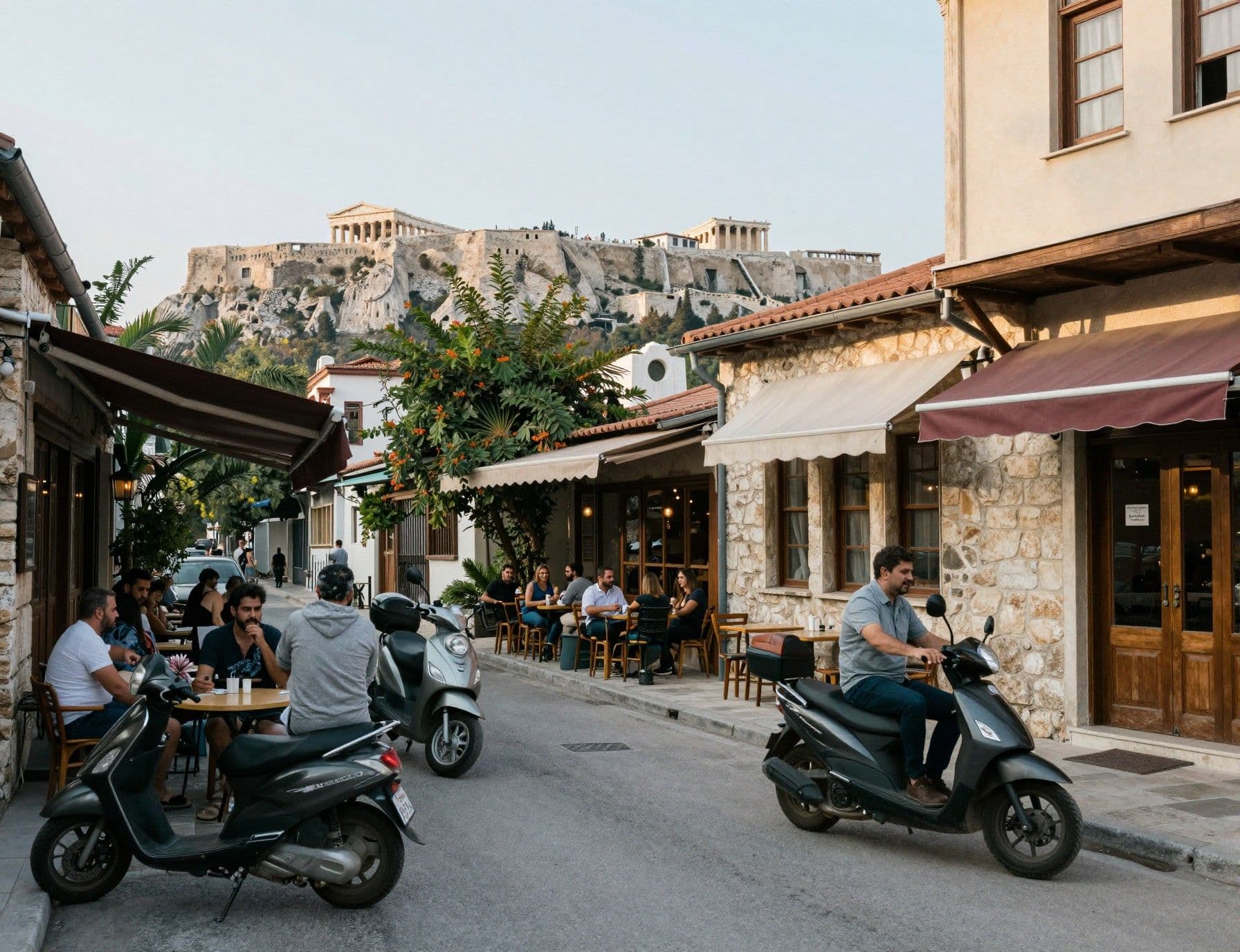
Greece oscillates between urban bustle and slow island time. In Athens neighbourhoods like Koukaki, Pagrati and Exarchia you hear scooters, street markets and late cafés; on islands like Naxos or Paros mornings begin with fishermen and bakery queues. Tourism—recovering strongly since 2021—still drives short‑stay demand, but local daily life, transport links and year‑round services determine whether a purchase will work as a steady rental asset or only a seasonal boutique play. Recent visitor numbers and transit upgrades are changing which places earn consistent income across seasons.
Athens neighbourhoods: where life and yield meet
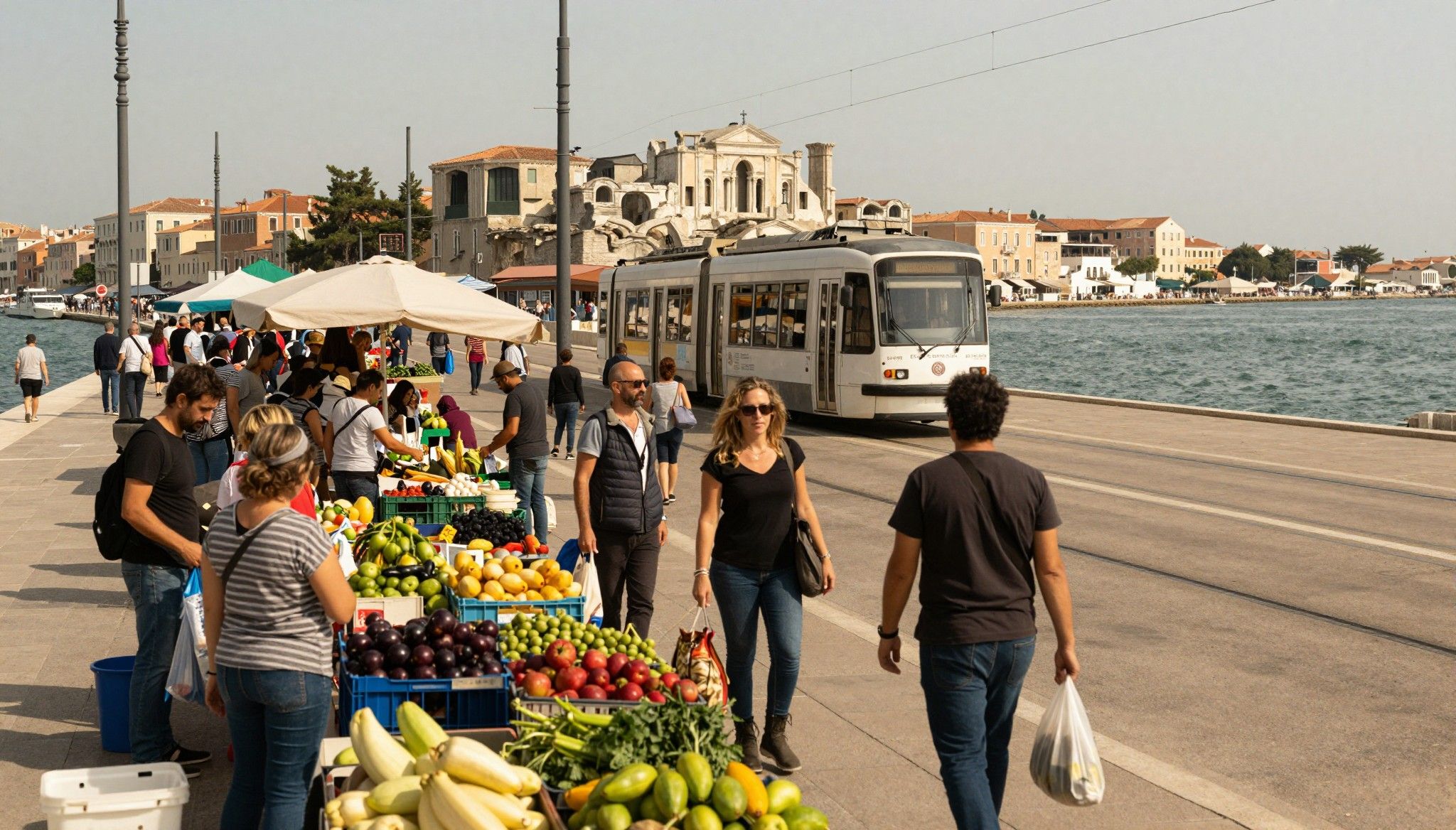
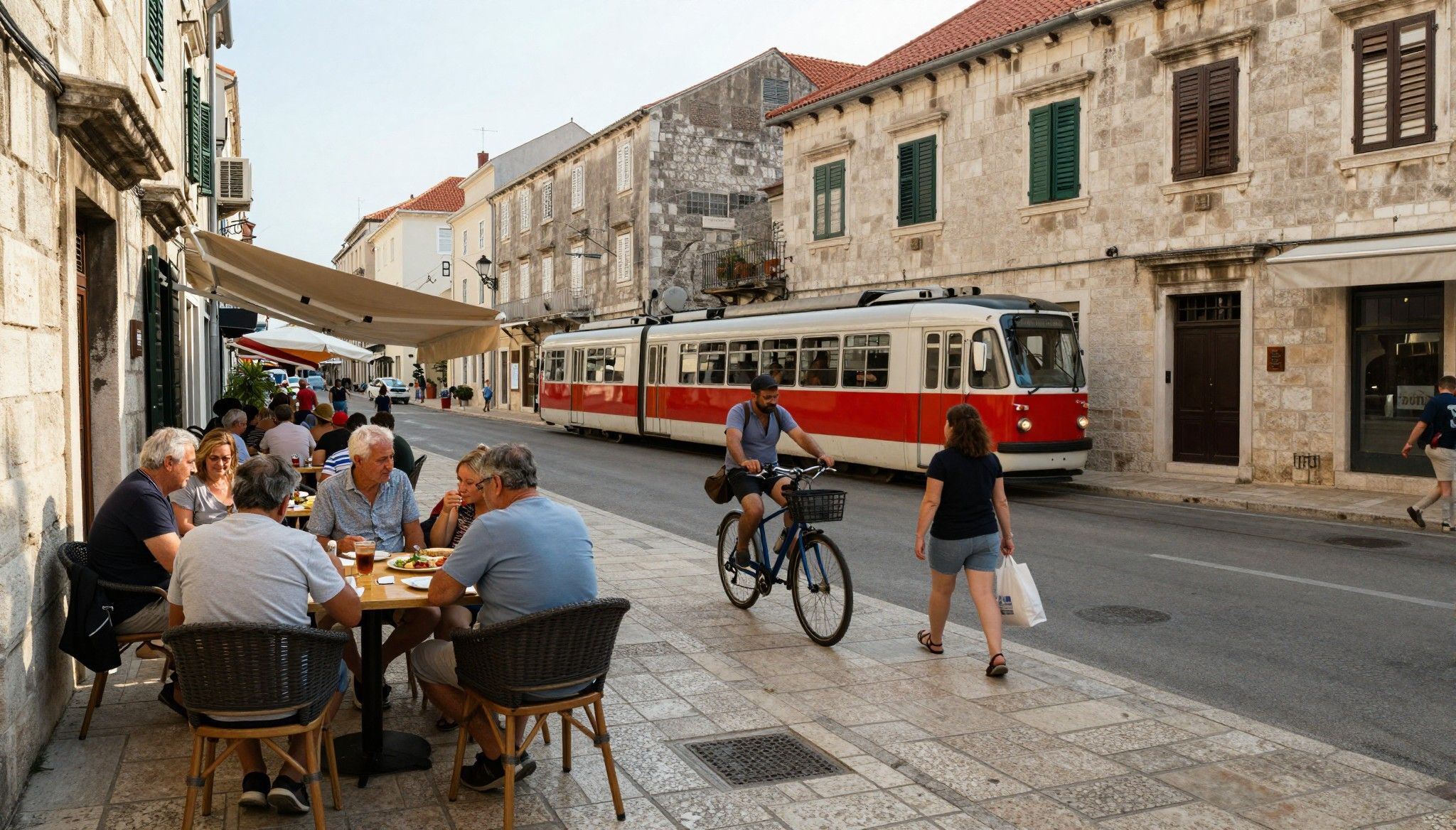
Walkable streets in Pangrati, shaded cafés in Koukaki and regenerated waterfront promenades in Piraeus offer different tenant pools: young professionals, students and maritime workers respectively. Properties along new metro extensions or tram lines command higher occupancy and steadier monthly rents than equivalent sea‑view flats without transit access. The Bank of Greece reports city price growth concentrated along transport corridors, a pattern investors can model when projecting gross yields and vacancy risk.
Island life—seasonal glamour vs. year‑round resilience
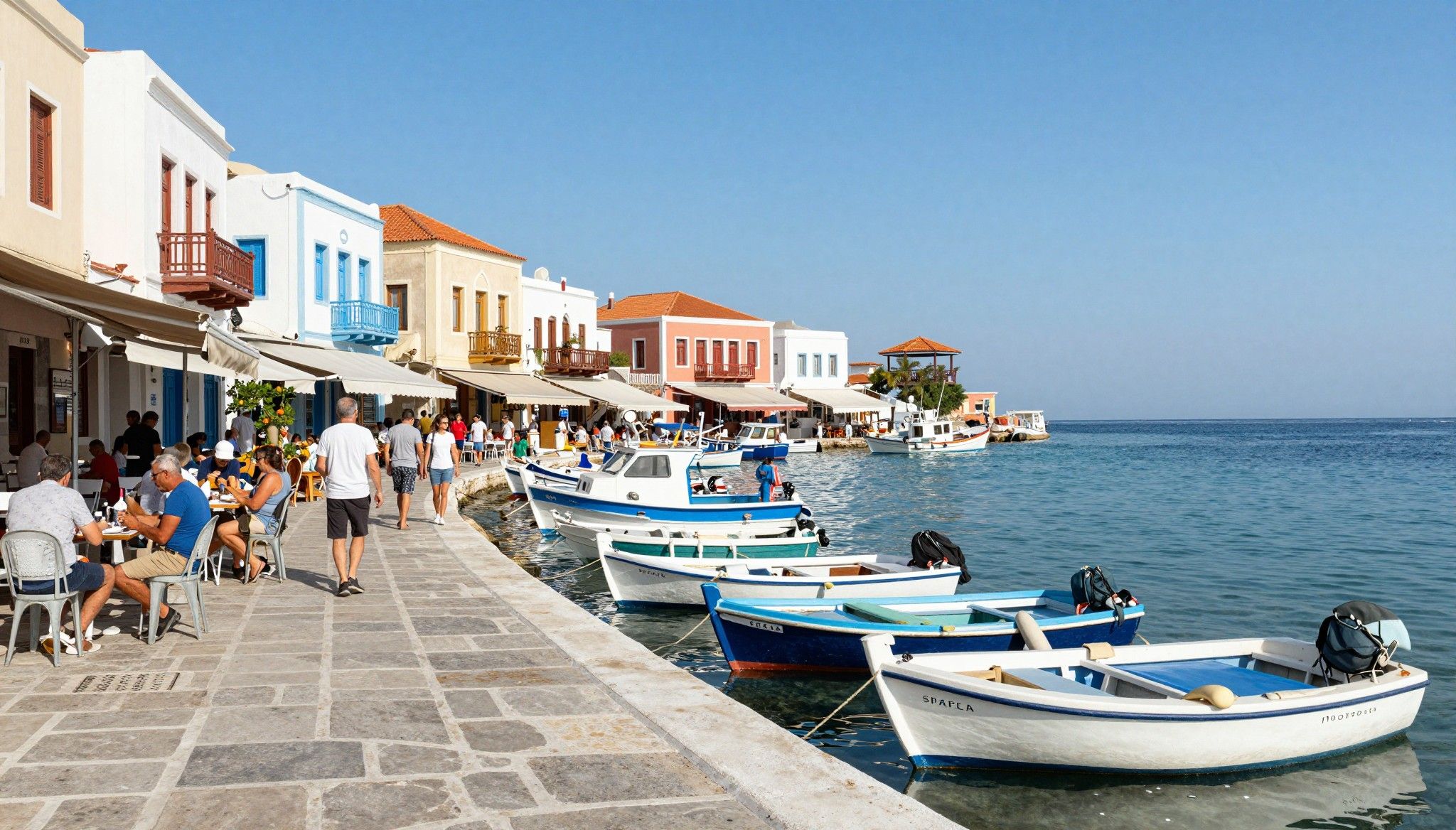
A seaside villa in Mykonos can deliver headline summer revenue but sits empty off‑season unless supported by good air links, local services and winter attractions. Recent infrastructure projects—like the mainland‑Crete power interconnector—signal a policy push to strengthen year‑round island economies through reliable utilities and lower operating costs. Where islands secure consistent air and sea links and basic services, short‑let yields compress seasonality and approach urban yield stability. Where links are thin, expect sharp occupancy swings thatrequire conservative underwriting.
- Lifestyle highlights and place markers
- Koukaki (Athens) — morning cafés, walking access to Acropolis, strong mid‑term rental demand
- Piraeus waterfront — maritime workforce rentals, growth from port logistics and ferry links
- Paros & Naxos — year‑round communities with improving ferry and flight connections; good balance of lifestyle and rental occupancy
Making the move: practical considerations that map to lifestyle
Your lifestyle brief must become a property brief: commuting time, seasonal service levels, and utility resilience are investment inputs, not lifestyle extras. Regulatory shifts—most notably higher Golden Visa thresholds and short‑term rental oversight—have altered demand dynamics since 2023 and 2024, forcing investors to model longer holding periods and realistic occupancy assumptions. Work with local experts to translate a wish‑list (sea view, village charm) into a numbers model that factors connectivity premiums and downside vacancy scenarios.
Property styles: how architecture affects rental appeal
Stone village houses on the islands attract lifestyle renters at a premium in summer but often lack central heating, reliable internet or accessible transport for year‑round tenants. New builds in Athens' suburbs offer standardized fixtures, better energy performance and easier property management—attributes that increase net yield by lowering operating costs. Match the asset type to the strategy: short‑let luxury needs excellent bookings and turnover management; long‑let urban apartments need transport, schools and predictable services.
Working with local experts who know the rhythm
- Steps to align lifestyle, location and returns
- Define your tenant profile (students, professionals, seasonal tourists) and stress‑test occupancy by month against local flight and ferry schedules.
- Map transport links (metro, commuter rail, ports) and assign a 10–20% yield premium to properties within a 15–20 minute commute of major transit nodes.
- Require a utilities and connectivity report—power stability, broadband speeds and water—especially for islands where infrastructure upgrades are ongoing.
- Negotiate management contracts that include winter marketing and flexible rate strategies to reduce off‑season vacancy risk.
Insider knowledge: what expats wish they'd known
Expats consistently tell the same stories: they fell in love with the cove, then wrestled with unreliable winter services; or they bought in a transit corridor and enjoyed steady year‑round yields. Language and local customs shape tenant relationships and maintenance expectations—simple things like monthly water bills, communal building rules, or local holiday closures affect cash flow timing and tenant satisfaction. The smart decision balances romantic appeal with connections that make daily life frictionless.
Cultural integration and daily life
Neighbourhood ties matter: joining the morning queue at a kafeneio, learning basic Greek phrases and meeting the local baker translate into smoother management and better tenant referrals. Expat communities concentrate in Glyfada, Chalandri and parts of Crete—these pockets offer an easier social onboarding and available English‑speaking services, which reduces friction for landlords managing properties remotely. Respect for local rhythms—siesta windows, civic holidays, and market days—makes property operations less stressful and more predictable.
Long‑term lifestyle and infrastructure trends to watch
Major investments—metro expansions in Thessaloniki and Athens, port upgrades in Piraeus, and energy interconnectors—will reprice nearby property over the next five to ten years. Investors should model midline growth (4–7% annual price appreciation) in transit‑linked micro‑markets while applying conservative occupancy for island assets without year‑round connections. Keep an eye on regulatory moves around short‑lets; policy has already tightened in central Athens and may spread to other hotspots, affecting gross yields.
- Red flags and quick checks before you buy
- Absence of documented transport links or confirmed ferry schedules for the winter months.
- Power or broadband reports showing frequent outages or sub‑optimal speeds.
- Properties dependent on seasonal tourism but located far from airports or major ports—expect high vacancy in shoulder months.
Conclusion: Buy the links as much as the view. If your dream life in Greece includes both comfortable weekdays and easy access to island time on weekends, prioritise infrastructure: reliable transit, upgraded utilities and predictable ferry or flight schedules. Work with agencies that map lifestyle briefs to yield models, require infrastructure due diligence, and stress‑test revenues across seasons. Do that, and Greece can deliver the Mediterranean life you love with the investment returns you require.
British expat who moved to the Algarve in 2014. Specializes in portfolio-focused analysis, yields, and tax planning for UK buyers investing abroad.