Greece: Buy the Commute, Not Just the View
Greece’s lifestyle seduces—but infrastructure and transport upgrades are what convert charm into steady yields; buy near mobility nodes, not just the view.
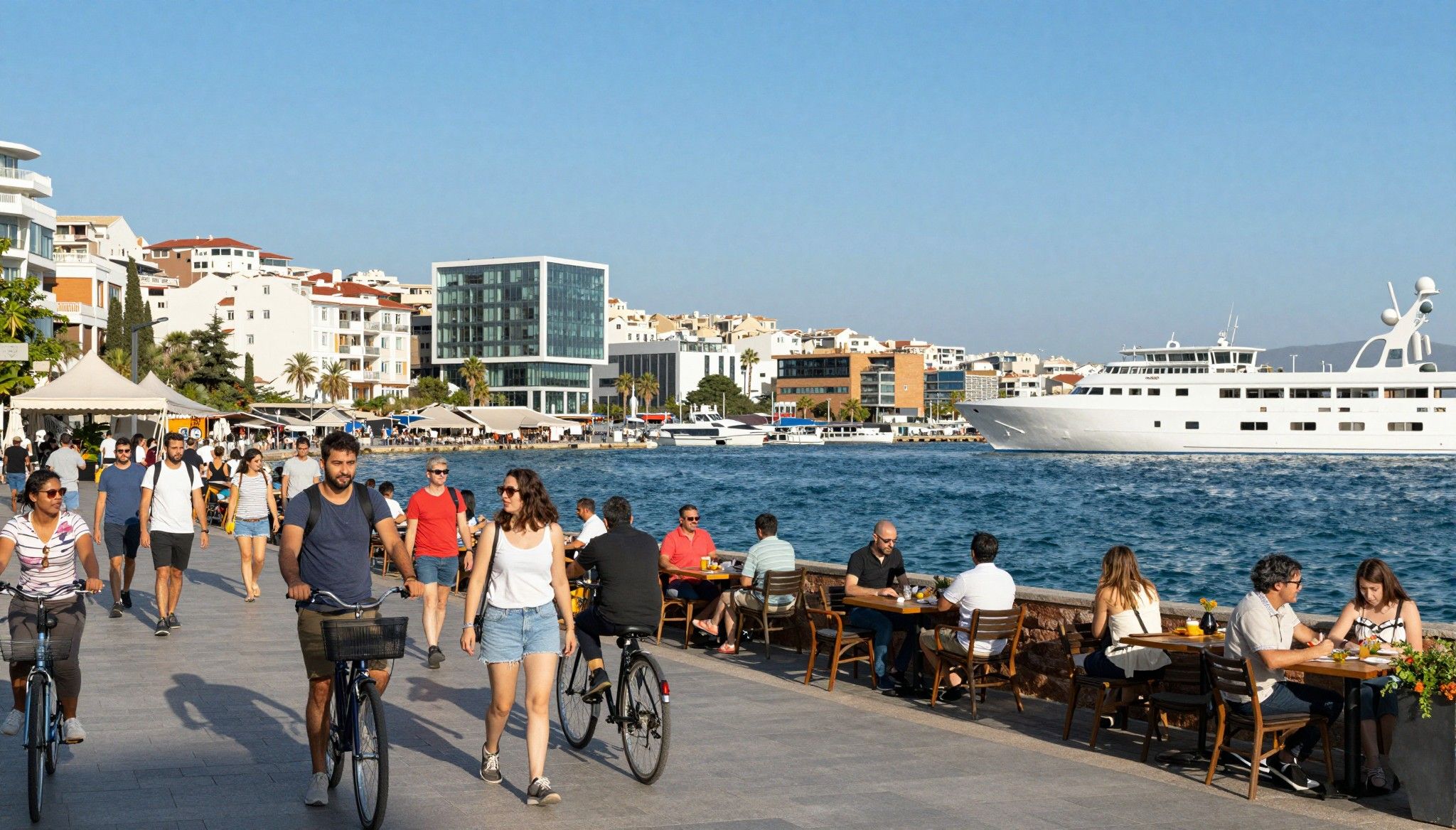
Imagine waking up to the smell of fresh bread from a kafeneío on a narrow Attica side‑street, then taking a twenty‑minute tram that drops you at an international airport teeming with afternoon flights to the Cyclades. Greece’s daily rhythm—café chatter, late dinners, sea air—feels effortless. For international buyers, the question is not whether the lifestyle seduces you; it’s whether the country’s improving transport and infrastructure let that lifestyle compound into dependable rental income and capital growth. This piece pairs sensual street‑level scenes with the connectivity facts that materially reprice property returns.
Living the Greece lifestyle — what you're really buying
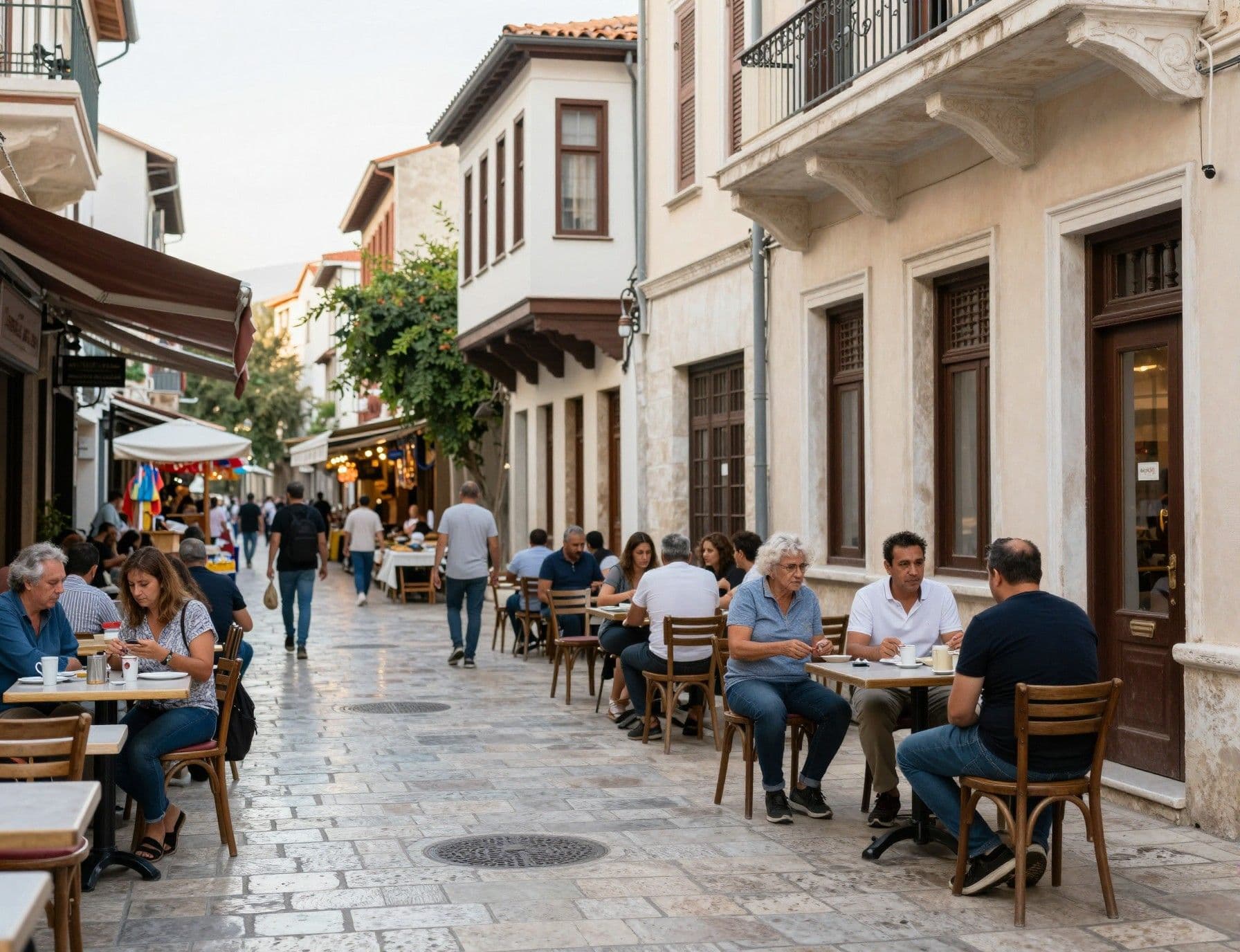
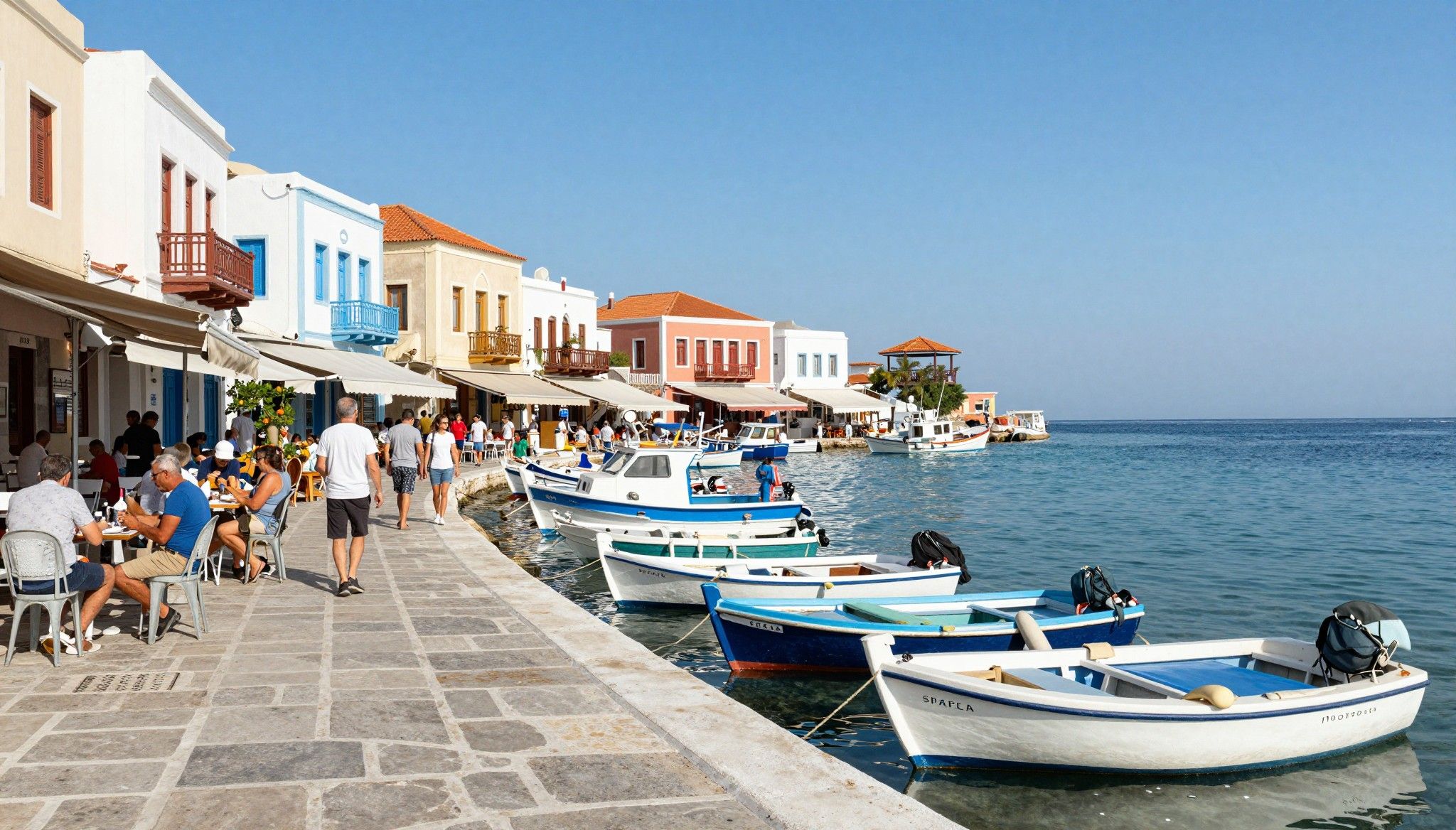
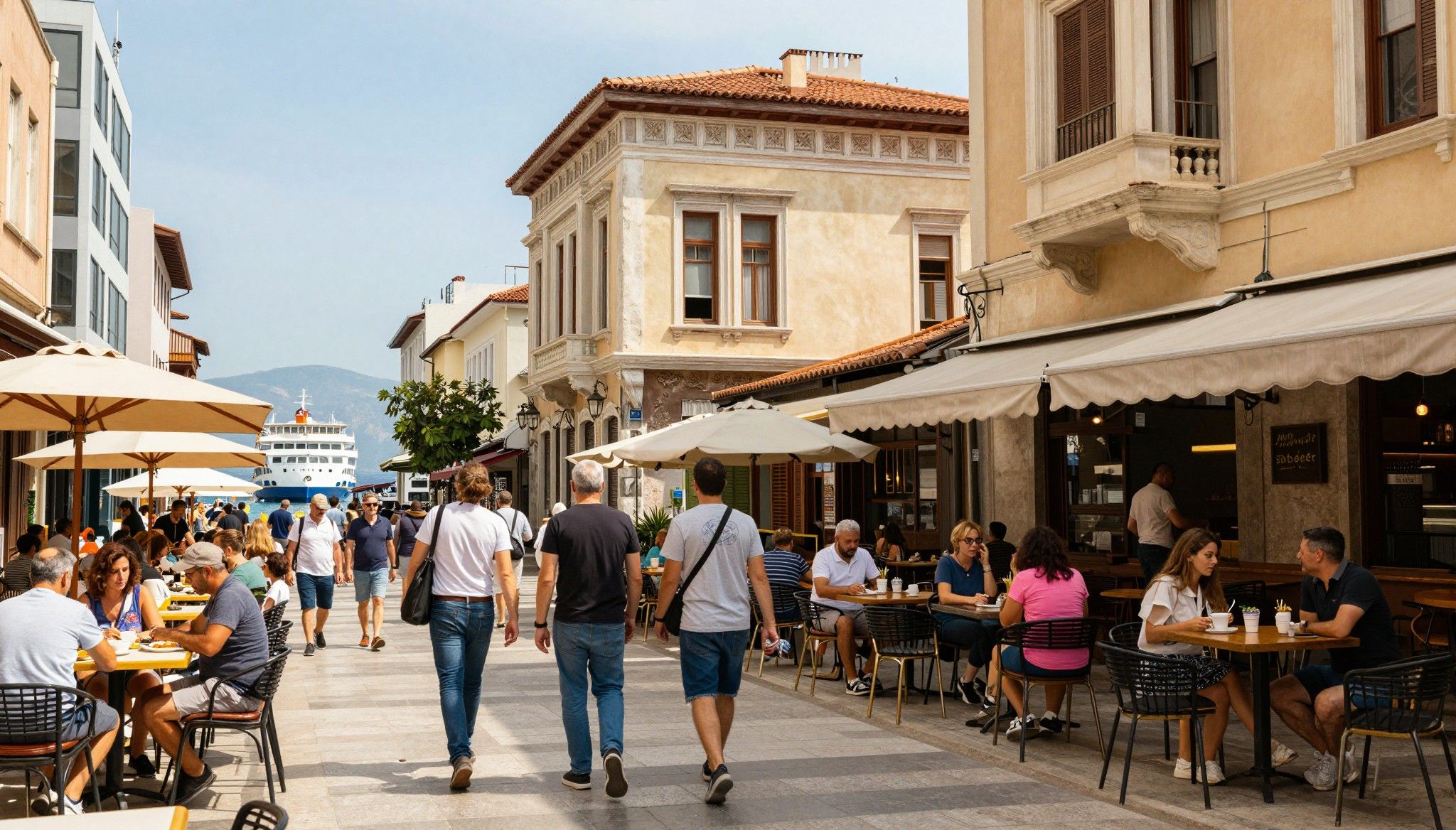
Start with place: Athens is a layered city of neoclassical facades, plateia life and a growing waterfront; Thessaloniki mixes portside boulevards and a resurgent food scene; the islands trade solitude for seasonal premium rents. The sensory mix—early espresso, afternoon markets, salt on the breeze—affects demand more than brochure photography: tenants seek authentic neighbourhoods, short‑walk access to transport and places to eat. For investors, that means buy near mobility nodes and year‑round amenities rather than the single postcard view. Location choices that privilege connectivity convert lifestyle appeal into steadier occupancy and higher effective yields.
Athens neighbourhoods: Koukaki, Pangrati and the revived waterfront
Koukaki and Pangrati are compact, walkable, and within easy reach of the Acropolis and central business districts—qualities that sustain year‑round short lets for cultural travellers and longer term rentals for professionals. The Hellinikon redevelopment (formerly Athens’ old airport site) is adding new seafront parks, offices and EV infrastructure, a development that expands Athens’ habitable waterfront and creates fresh micro‑markets within commuting distance. These neighbourhoods combine morning markets and late‑night tavernas; from an investment perspective, they trade lower headline cap rates for higher occupancy and lower vacancy risk.
Thessaloniki and regional hubs: a new connectivity story
Thessaloniki’s new metro and upgraded tram corridors are not cosmetic: they reshape commuting catchments and support longer tenant stays rather than purely seasonal demand. Regional hubs—Patras, Heraklion, Kavala—are improving road and port links, making them credible secondary cities for remote workers and SMEs. For buyers, emerging hubs can offer 20–40% lower price per square metre than Athens while delivering competitive net yields when local demand and transport align.
- Lifestyle highlights that matter for connectivity-driven demand
- Walkable markets and daily cafés (guarantee footfall and steady mid‑week rentals)
- Proximity to airport or fast ferry links (shortens turnover time for holiday rentals)
- Access to co‑working spaces and reliable mobile internet (supports year‑round remote workers)
Making the move: practical considerations that preserve lifestyle value
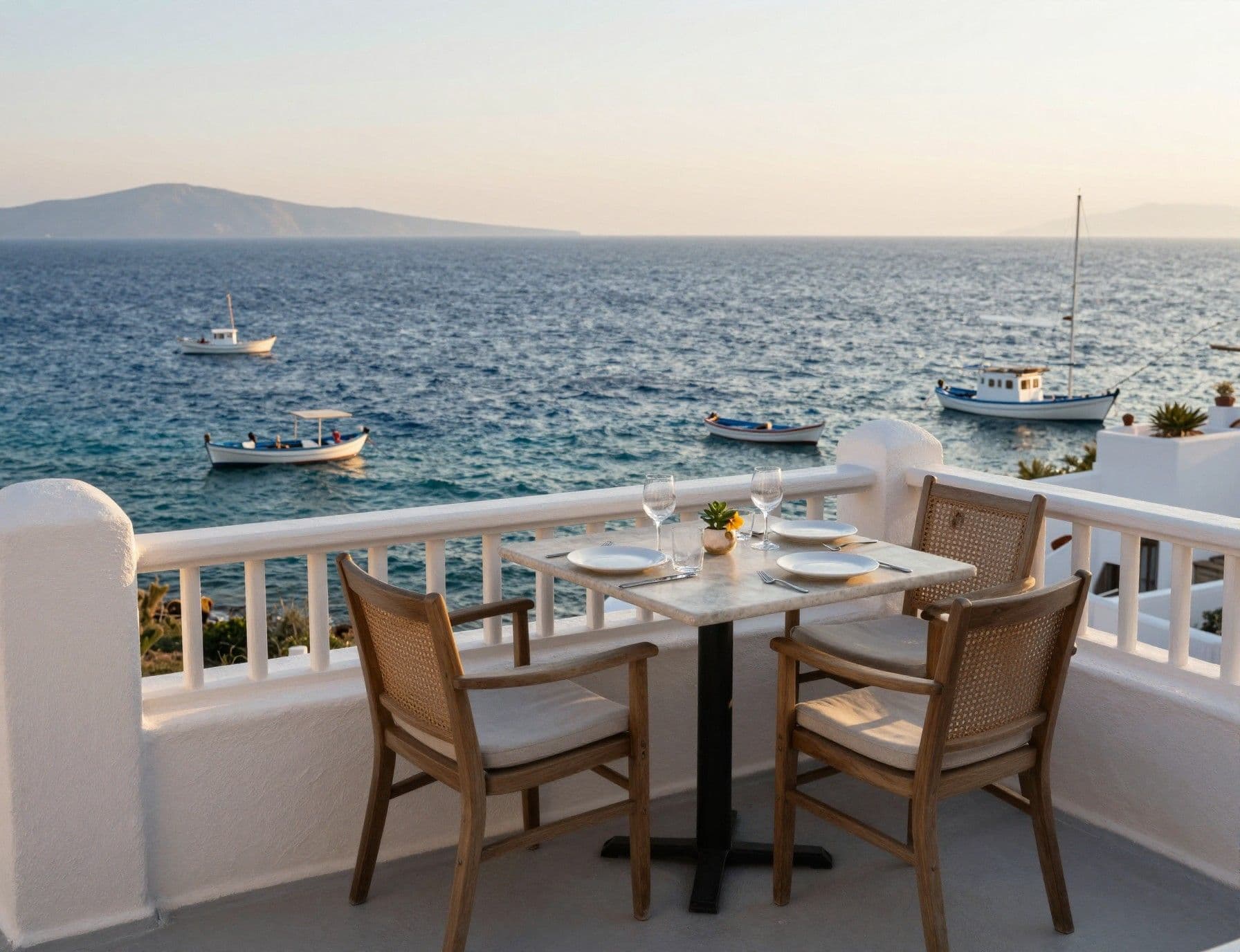
Greece’s tourism rebound and airport growth matter for returns: Athens International Airport handled over 31 million passengers in 2024, and national visitor numbers topped historic levels, increasing short‑let demand and seasonal compression on yields. That growth is why apartments close to transport nodes often keep occupancy above 70–80% across a year. Translating lifestyle into investment requires assessing transport upgrades, municipal plans and seasonality-adjusted cashflows rather than buying the prettiest sea view.
Property types and how they map to real use
Historic apartments in central Athens offer strong short‑let premiums but often require higher capex for energy retrofits and modern heating/cooling—costs that erode net yield if not budgeted. New build developments near the waterfront or transport hubs command higher purchase prices but typically produce lower maintenance surprises and better tenant retention. On islands, small residences with outdoor space translate into strong seasonal ADRs (average daily rates) but wider occupancy swings; mainland urban apartments give steadier annualised cashflow.
How local experts convert lifestyle briefs into investment filters
Work with brokers who map lifestyle priorities to walk‑score, transit access, and short‑let performance metrics rather than show you curated photographs. A practical checklist:
- 1. Ask for historical occupancy and month‑by‑month net yields for the unit and comparable addresses; seasonal peaks can mask mid‑season vacancy.
- 2. Require a transport‑impact note: how new metro/tram lines or port upgrades change the practical catchment within 10–20 minutes' transit.
- 3. Budget for energy upgrades and legal compliance (short‑let licensing changes have been active in recent years) and factor them into ROI timelines.
Insider knowledge: what expats wish they'd known about living and investing here
Expats often underestimate two things: First, that infrastructural change (metro openings, port upgrades, major urban redevelopments) can reprice nearby property within 3–7 years; second, that 'island lifestyle' is not a single archetype—Mykonos behaves like a short‑term luxury market, while Naxos and Paros show stronger off‑season rental legs. Local buyers and small operators adapt fast; international buyers should prioritise verifiable data on transport timelines and municipal plans before committing.
Cultural integration and daily life: small things that change returns
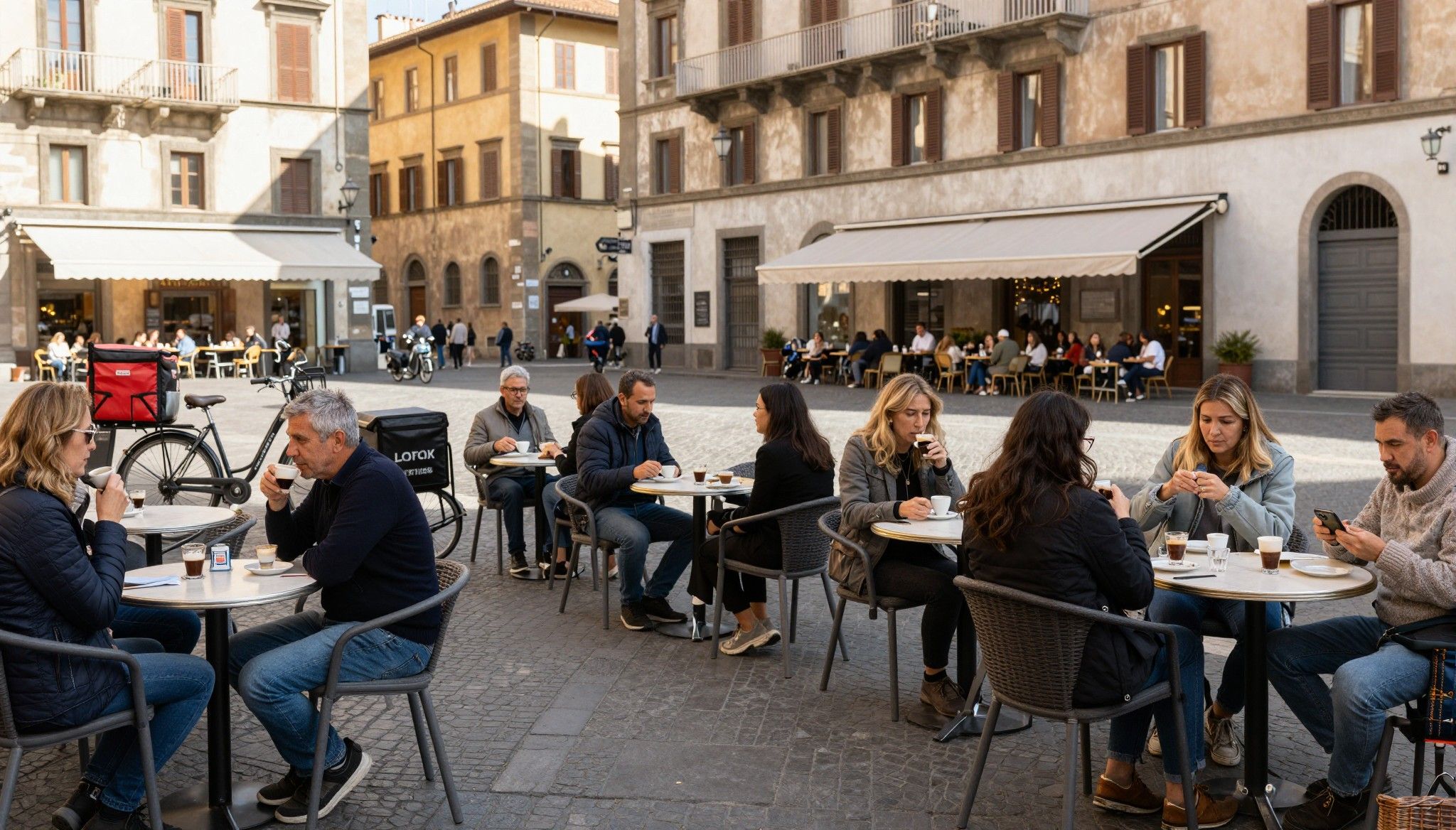
Finding a neighbourhood community—kafeneía that open before dawn and plateies where neighbours meet—creates word‑of‑mouth demand for medium‑term lets and improves property stewardship. Language barriers are surmountable, but local relationships—supermarket owners, building janitors, municipal offices—shorten problem resolution and cut management costs. These social transaction costs matter: properties with engaged local networks typically show lower maintenance downtime and higher tenant renewal rates.
Long‑term view: how connectivity shapes capital growth
Connectivity projects—major redevelopments and airport capacity expansion—can shift where premium lifestyle demand locates and reweight expected capital appreciation. As Greece strengthens transport links and records rising tourism receipts, buyers who anchor purchases to verified infrastructure timelines (not promises) capture relocation‑driven price appreciation while avoiding areas where seasonality compresses net yield. In short: buy the commute, the co‑working node or the tram stop—not just the postcard.
- Red flags to watch when lifestyle blinds financial judgement
- Overpaying for uninterrupted sea views without transit or amenities nearby—high vacancy risk off‑season
- Assuming every island follows Mykonos pricing dynamics—don’t generalise seasonal premium across the archipelago
- Buying in areas with planned infrastructure but no verified funding or timelines—requires third‑party verification
Conclusion: Greece sells a life; infrastructure sells a repeatable return. If you want the plateia mornings and azure afternoons, prioritise properties within practical reach of transport nodes, municipal redevelopment projects and resilient local amenities. Work with agents who quantify transit impact on occupancy and net yield, ask for historical monthly performance and reserve 5–10% of purchase price for energy and compliance upgrades. Take the lifestyle first—but buy the connectivity that makes it investable.
Next steps: request (1) rolling 24‑month occupancy schedules, (2) transport impact notes tied to municipal timelines and (3) comparative price per sqm within a 15‑minute transit catchment. These three documents convert a lifestyle brief into a defensible investment case.
Dutch investment strategist who built a practice assisting 200+ Dutch clients find Spanish assets, with emphasis on cap rates and due diligence.