Greece’s Connectivity Premium: Where Transport Turns Charm into Yield
Greece’s lifestyle sells—but transport, airports and new metros turn that charm into repeatable yields; prioritise connectivity to de-risk seasonal volatility.
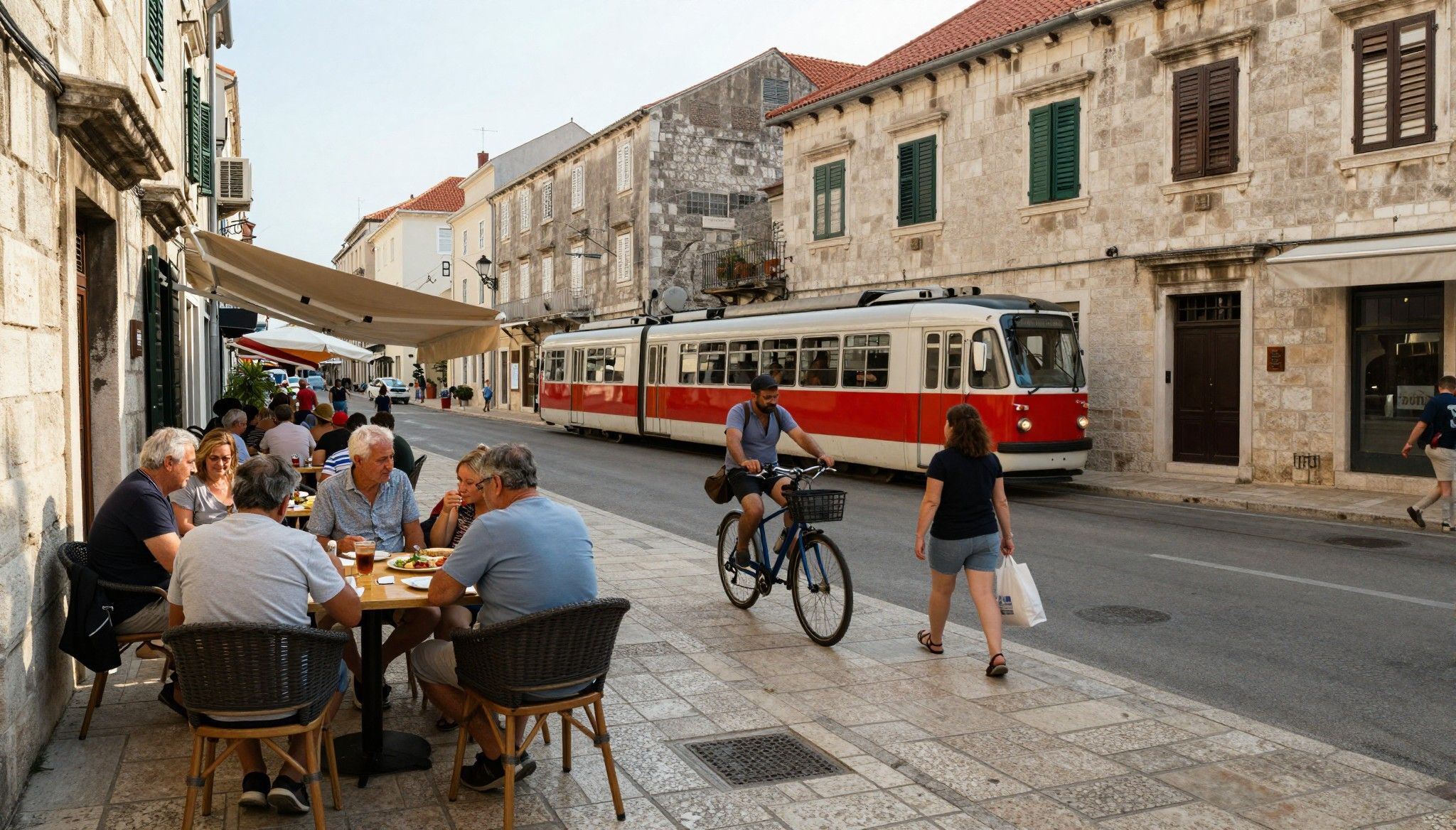
Imagine sipping an early-morning espresso at Athens’ Koukaki market, then catching a 25‑minute tram to Piraeus for a sunset ferry. Greece feels small and immediate that way: island afternoons, compact historic centres, and suddenly fast connections where they didn’t exist before. For international buyers the question is no longer just “which island?” but “how does this place actually connect to the rest of my portfolio?” This piece pairs the lived-in Greece—cafés, neighbourhood markets, coastal routines—with the transport and infrastructure facts that determine investment performance.
Living Greece: rhythm, neighbourhoods, and real daily life
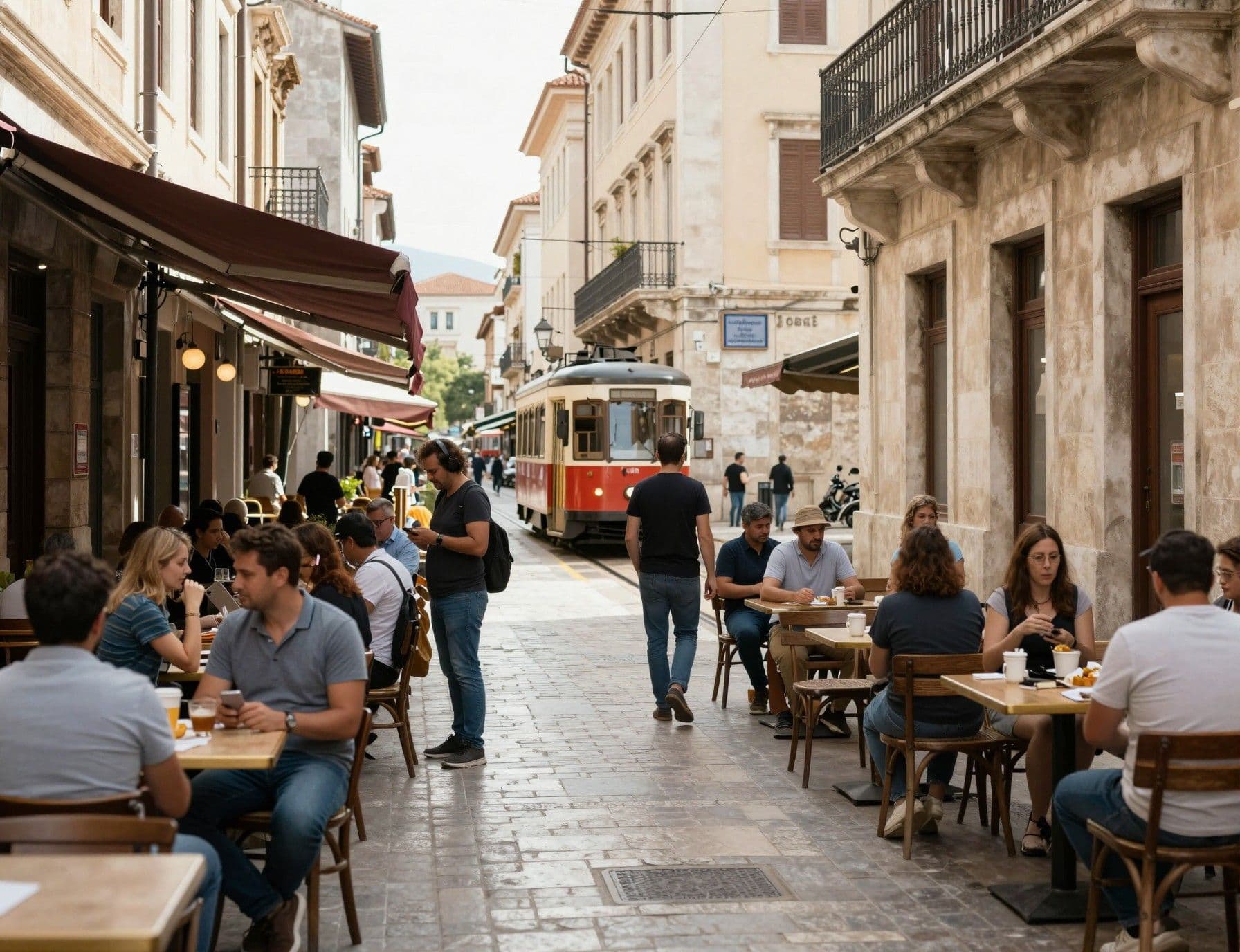
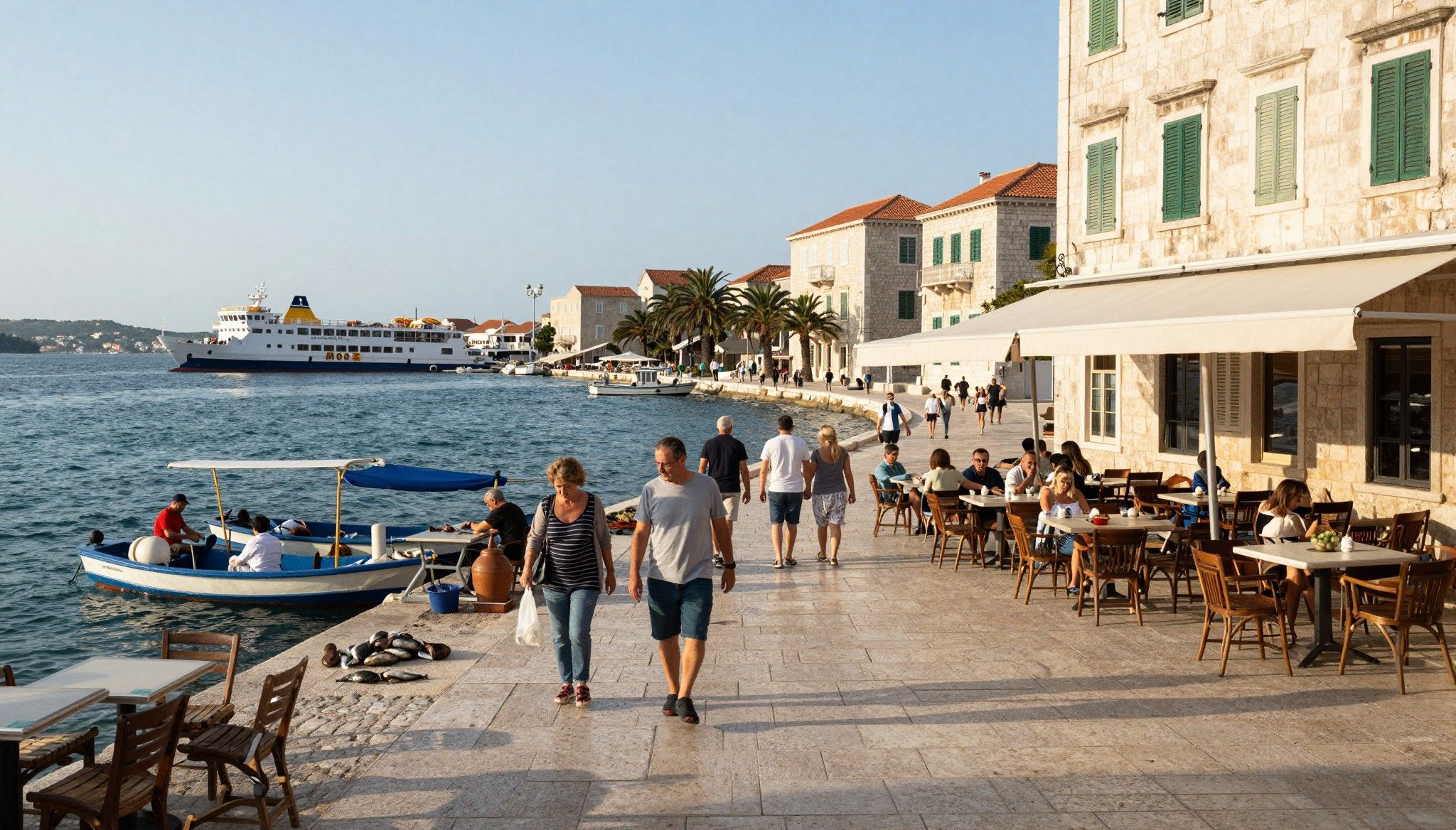
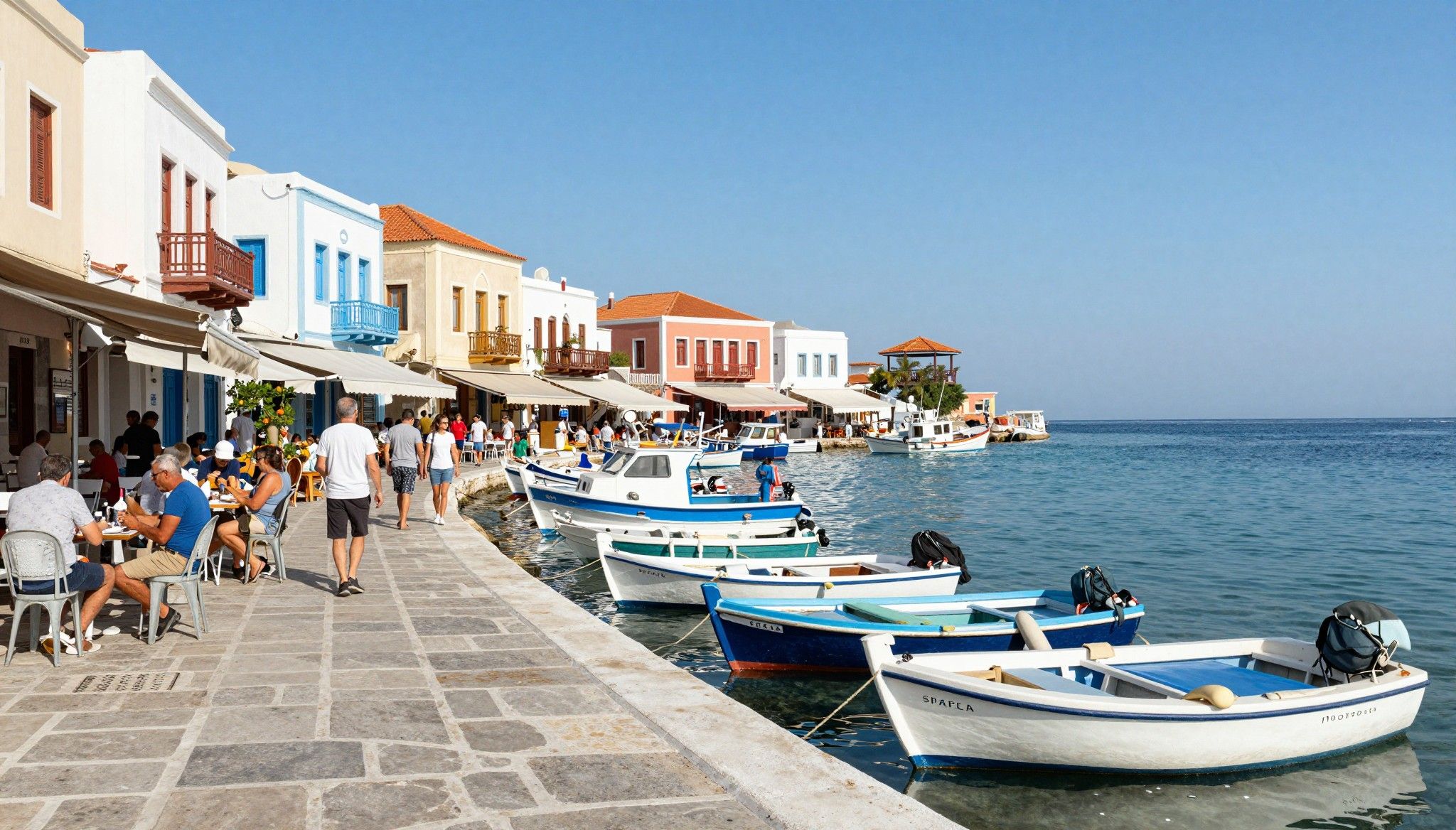
Greece moves between extremes: busy Athenian mornings, quiet inland villages and intense coastal summers. Daily life is sensorial—street-side coffee, fish markets at dawn, and narrow lanes that lull you into walking. For buyers, those sensory choices map directly to demand: short-let hotspots cluster where cafes, beaches and bars concentrate; longer-term rental demand follows year-round jobs and transport links.
Athens pockets and what they mean for mobility
Athens is no longer just a city of neighbourhoods—it's an air-hub. Eleftherios Venizelos handled roughly 31.8 million passengers in 2024, and terminal expansion plans target modest further growth. That matters for buyers: reliable air links sustain year-round tourism and corporate travel, supporting both short‑let yields and higher occupancy for professionally managed rentals.
Thessaloniki’s metro: catalytic, visible impact
When Thessaloniki opened its new metro in late 2024 it wasn’t just an operational milestone: it reframed neighbourhood economics. Early indicators show faster access to jobs, rising footfall in central retail corridors and measurable rent upticks around stations. For investors this is a textbook infrastructure premium—prices reprice where daily commute time falls appreciably.
Making the move: infrastructure that changes yield calculations
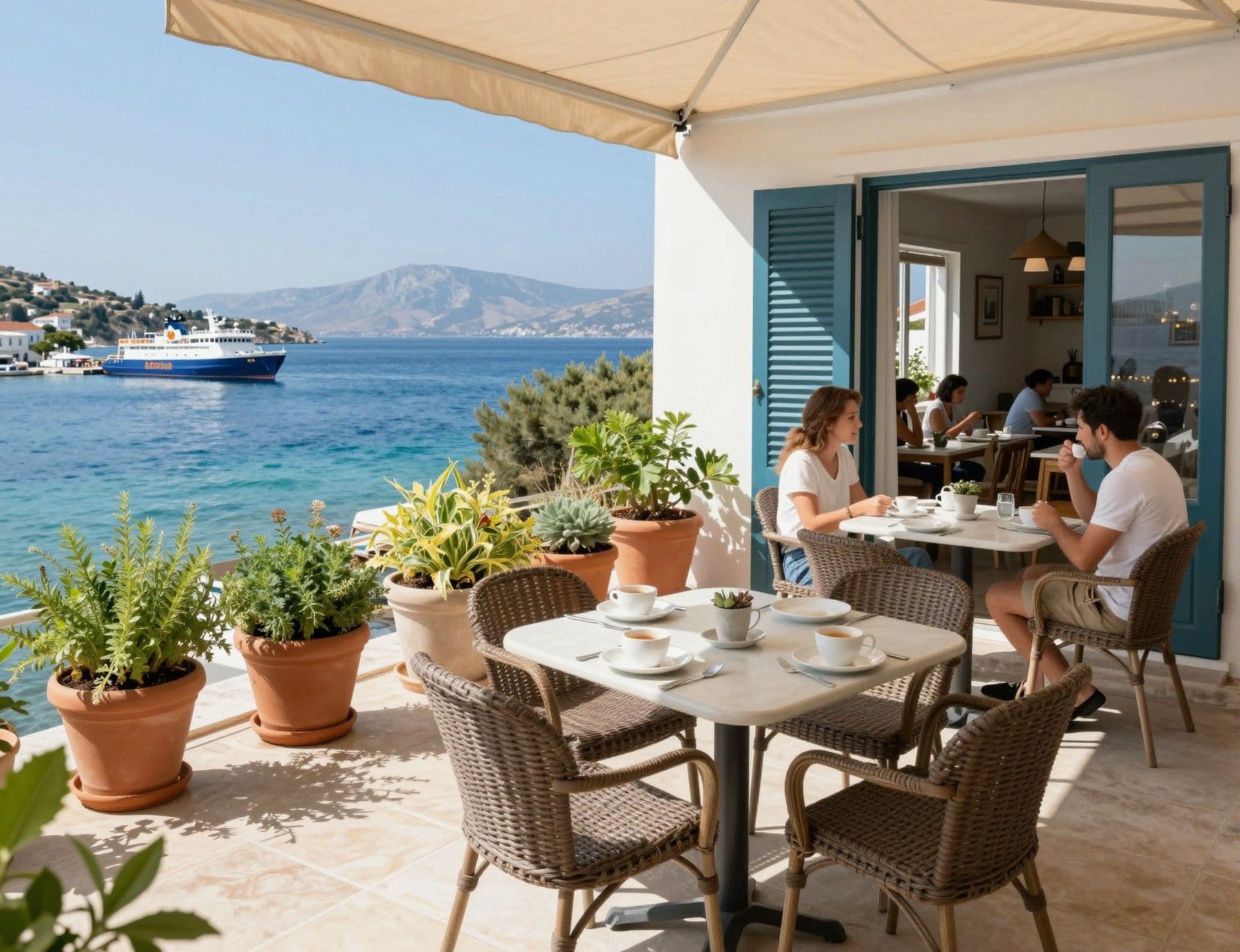
Lifestyle sells the dream; infrastructure converts it into dependable returns. When transport, airports and broadband are reliable, occupancy and achievable nightly rates rise and vacancy falls. Below are the transport and connectivity levers that materially affect cap rates and net yields across Greece.
Property types and the connectivity premium
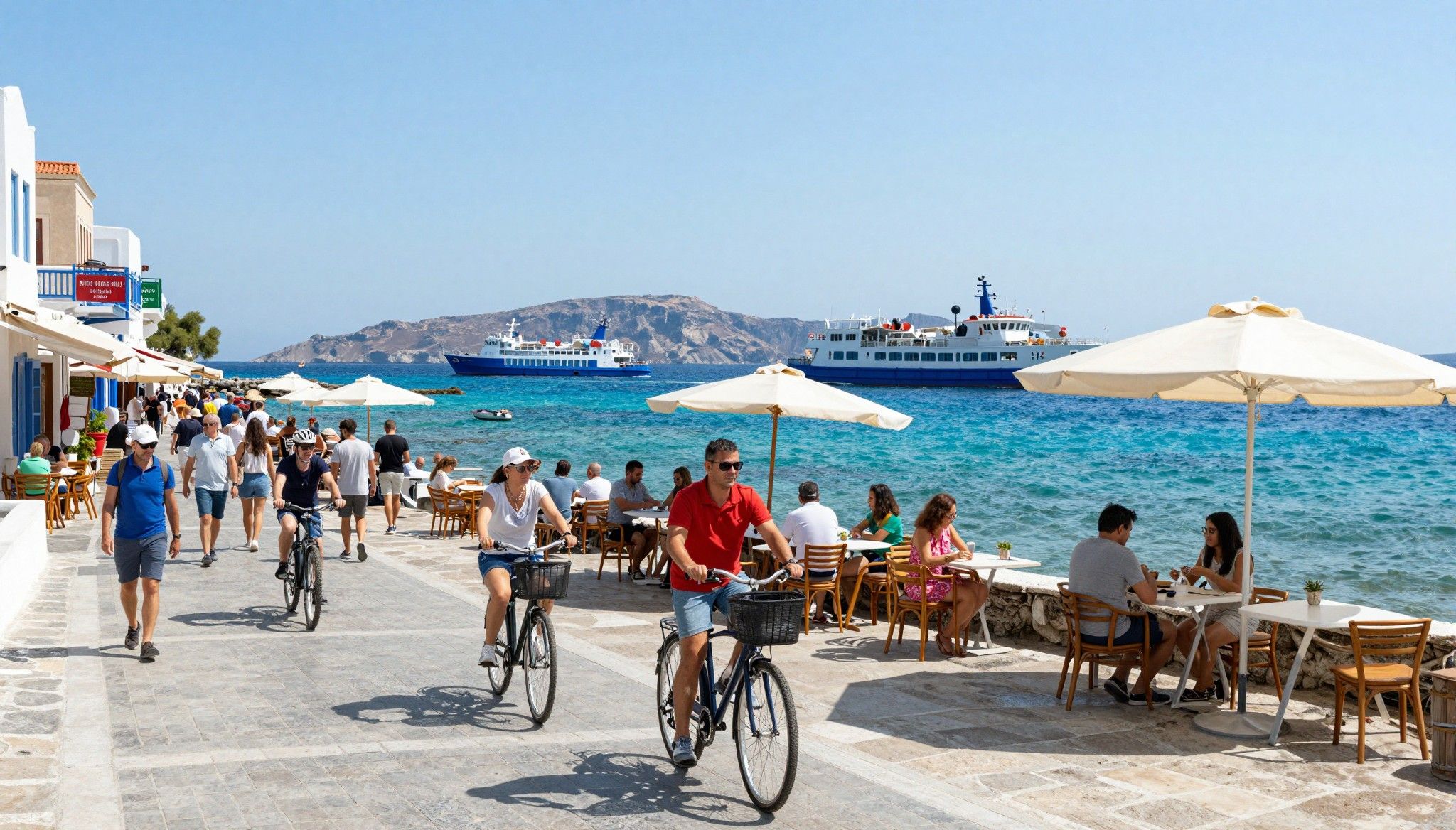
In Greece, three property families dominate investor interest: city flats (Athens, Thessaloniki), island apartments (Mykonos, Santorini, Corfu) and rural/vineyard estates (Peloponnese, Crete). Connectivity shifts which of these produces stable, year-round income. City flats near metro or rapid bus lines show lower seasonality; islands with direct airport links or frequent ferries sustain higher short‑let rates but show larger seasonal volatility.
How local experts translate lifestyle into deal terms
Good local agencies do three things: map transport catchments to rental demand, quantify seasonality-adjusted net yields, and model occupancy under different management scenarios. Ask agents for catchment heatmaps, historic occupancy by month, and a sensitivity table that shows yield under -10% and +10% tourist demand—those figures reveal where lifestyle equals reliable cashflow.
- Step-by-step: evaluate connectivity impact before you bid
- 1) Map door-to-door travel times to nearest international airport and main rail/bus nodes; 2) Compare monthly occupancy across 3 years if available; 3) Adjust projected gross yield by expected holiday-season vacancy; 4) Add an infrastructure premium (3–8%) to price per sqm where new transport reduces commute by >20 minutes.
Insider knowledge: what expats and long-term owners wish they'd known
Expat testimony converges on three practical surprises: first, seasonality is hyper-local (nearby islands can diverge dramatically); second, municipal services and water can be constraints on islands during peak months; third, infrastructure announcements matter—when a metro or airport link is delivered, rents respond faster than sales prices. ELSTAT’s 2024 regional data shows the South Aegean and Central Macedonia leading tourist stays, which explains where short‑let pressure concentrates.
Cultural and practical habits that affect property use
Greek life values proximity: bakeries, kafenia, and municipal squares are daily anchors. Properties that place tenants near those amenities see lower turnover. Also, infrastructure works (metro construction, road upgrades) can temporarily suppress rental income but create a multi-year capital premium once completed—plan cashflow around construction timetables.
- Lifestyle + connectivity factors investors should prioritise
- Proximity to an airport with international routes (supports off-season demand); frequent ferry or high-speed catamaran links for islands; reliable municipal water and waste management; year-round public transport or ride-hailing coverage; stable broadband (essential for remote-worker tenants).
Quick-risk checklist for infrastructure-dependent properties
- Check planned public works timelines, confirm local utility capacity, validate ferry schedules for low season, request three-year occupancy history, and build 6–12 months of operating reserves for islands.
Tourism remains the single biggest demand driver for many Greek micro‑markets: OECD and national reports highlight tourism’s outsized role in regional employment and real estate demand. That dual role—lifestyle magnet and economic backbone—creates both opportunity and concentration risk. Smart investors measure that concentration and diversify across connectivity profiles: city flats plus one island asset, for example, reduces seasonal income risk while capturing Greece’s lifestyle premium.
If you want to feel the place: picture walking down Dionysiou Areopagitou after an afternoon at the Acropolis, then boarding a one-hour flight to Crete the next morning for a weekend among olive groves. That seamless connectivity is becoming more common—and it’s what turns emotional interest into a repeatable revenue stream.
Next steps: shortlist three locations with different connectivity profiles (metro-served city flat, island with direct airport link, inland village with road upgrades planned). Instruct your agent to run a three‑scenario yield model (base, -10% demand, +10% demand) and request documented utility capacity for each property. Those tasks separate wishful thinking from investable reality.
Conclusion: Greece sells a lifestyle; infrastructure converts that lifestyle into an investable cashflow. Choose places where daily rhythms—cafés in the morning, ferries and flights in the shoulder months, and reliable public transport—support year‑round occupancy. Bring local experts early, demand transport-impact modelling, and balance postcard appeal with connectivity metrics to build a durable, yield-focused Greek position.
Swedish financier who guided 150+ families to Spanish title deeds since relocating from Stockholm in 2012, focusing on legal and tax implications.