Where Greece’s Infrastructure Reprices Property Yield
Greece pairs Mediterranean lifestyle with fast‑moving infrastructure upgrades; buy where metros, airports and undersea grids convert charm into reliable yield.
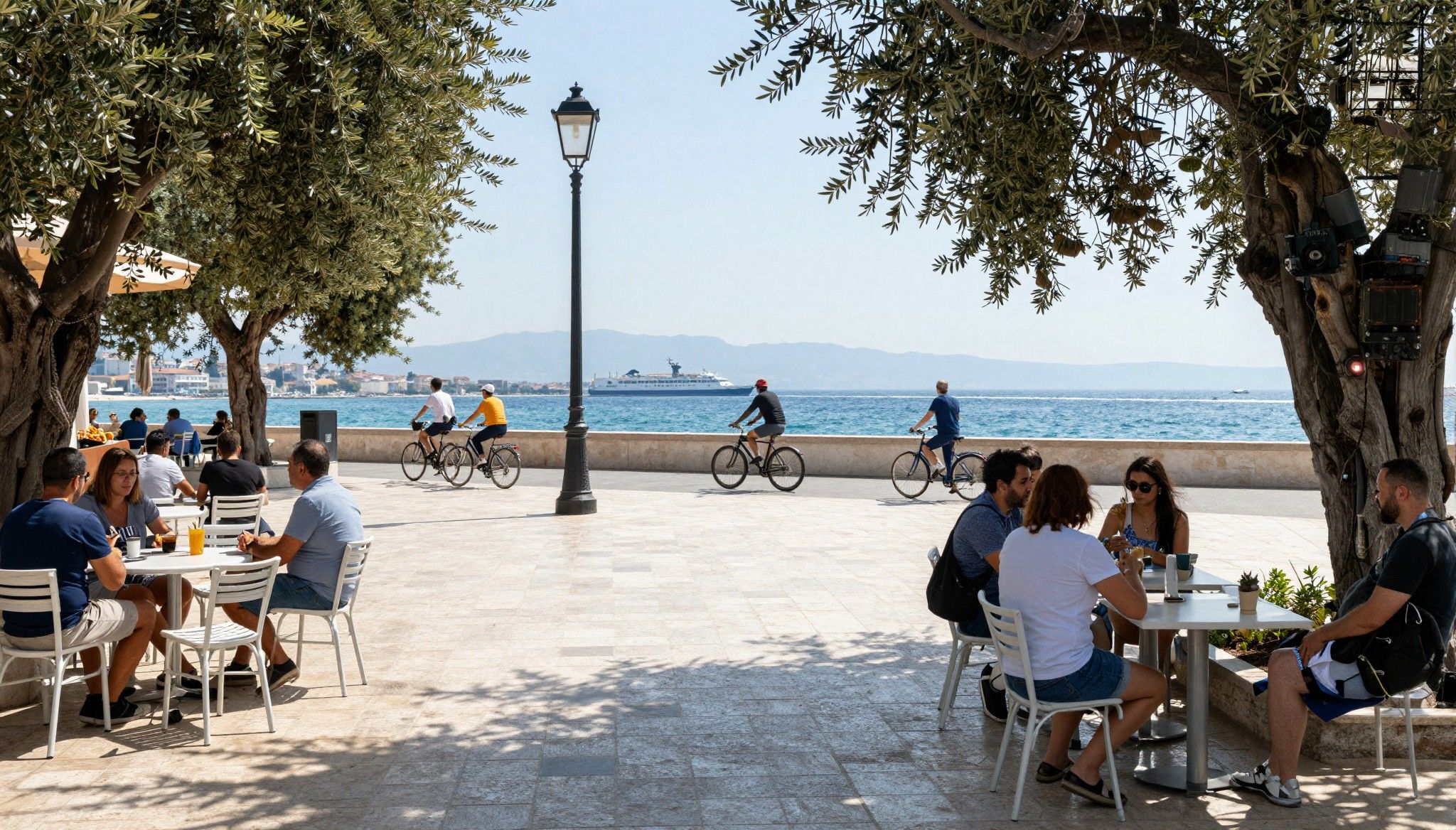
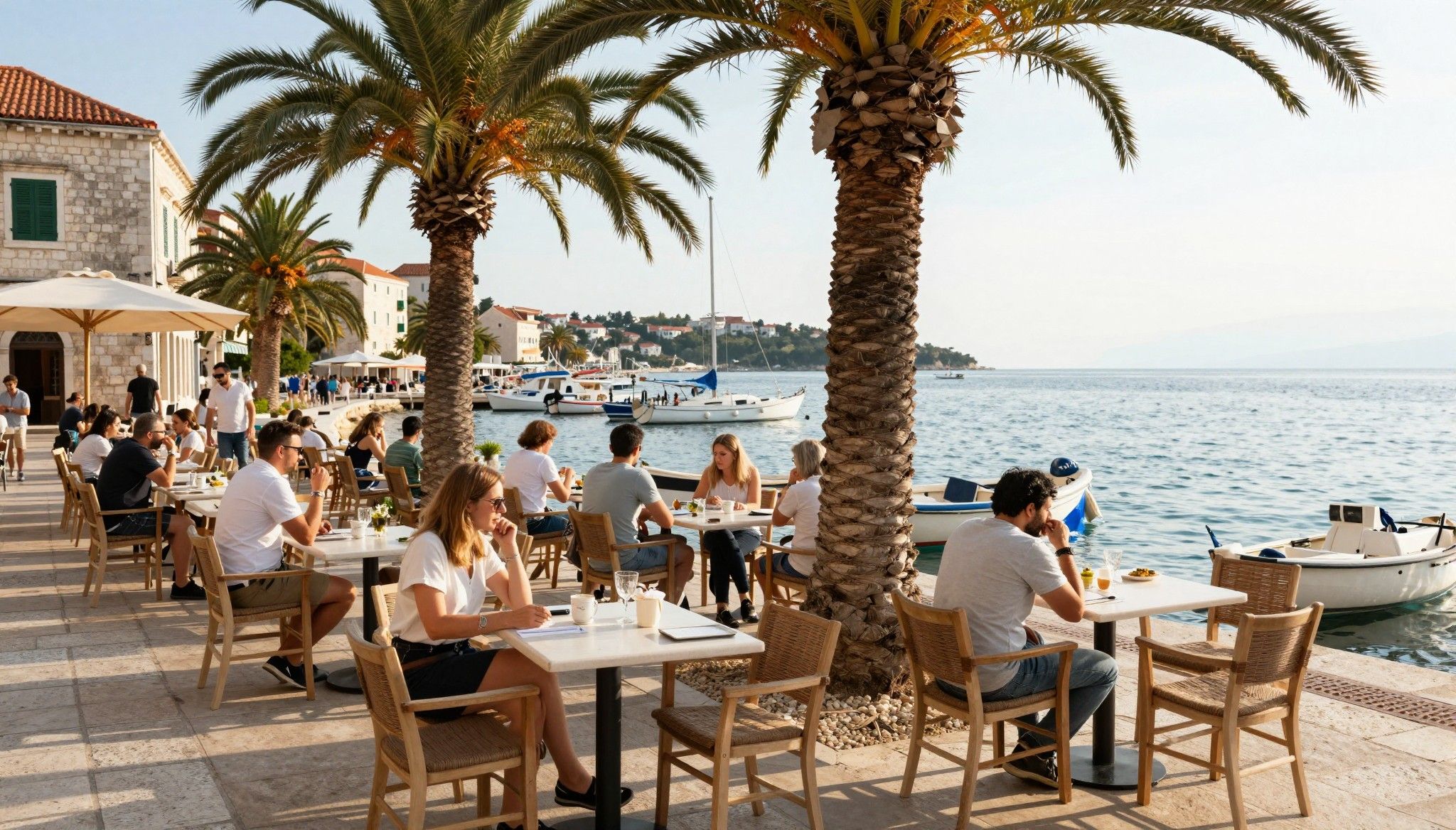
Imagine sipping espresso at a sunlit kafeneio in Koukaki, then catching a 12‑minute tram to Syntagma for work — that contrast between island‑time afternoons and efficient city flows is Greece's real charm. The country pairs slow, sensorial Mediterranean living with an accelerating wave of infrastructure projects that are quietly shifting where value and rental demand cluster. For international buyers who think Greece is only about postcard islands, the story is now about metros, fiber, undersea grids and renewed regional airports — all reshaping where returns actually live. This piece blends the lived experience with evidence: how connectivity changes lifestyle choices and investment outcomes in 2025–26.
Living the Greece lifestyle — city grit, island calm
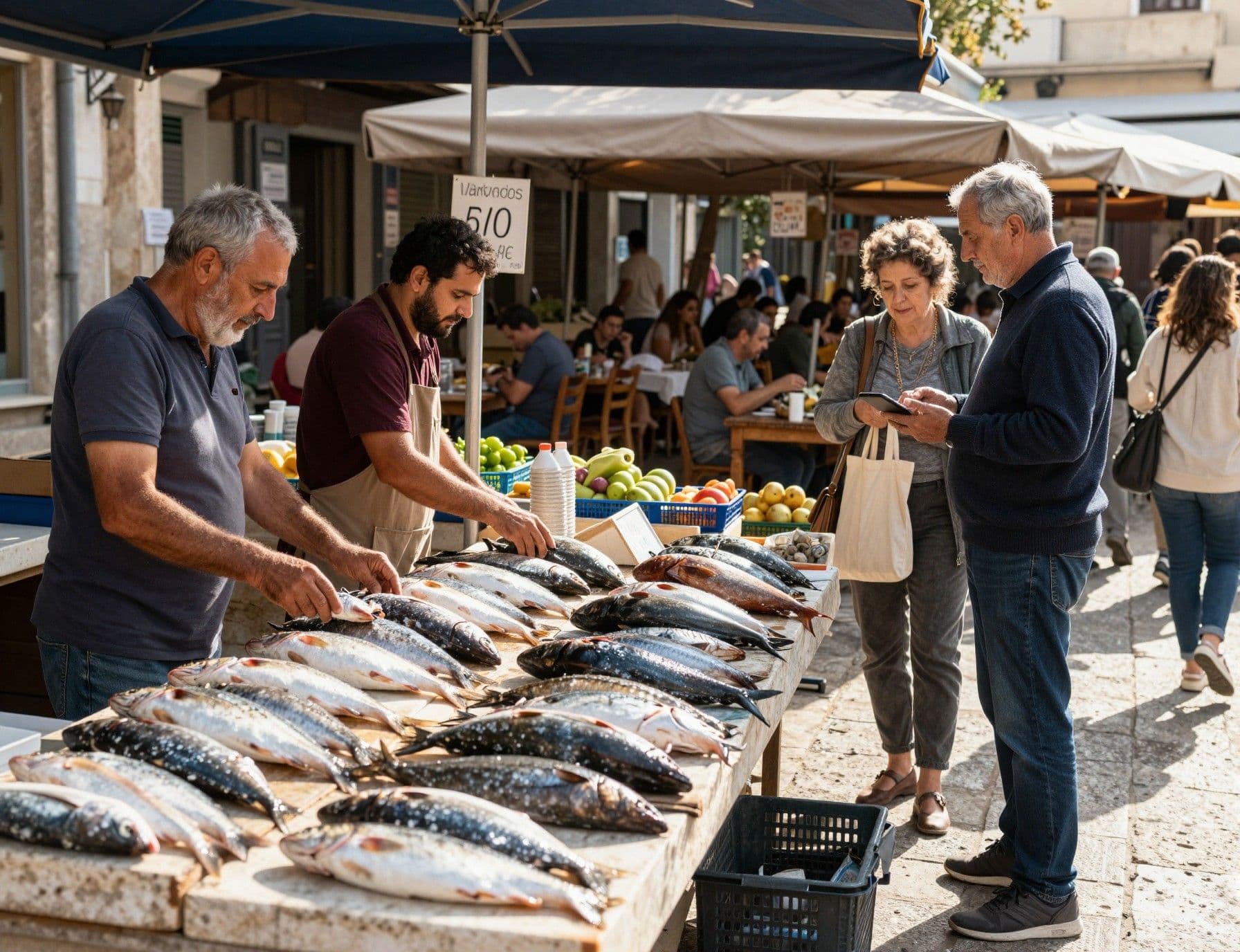
Mornings in Athens smell of strong coffee and warm koulouri; evenings in Chania are about sea breeze and tavernas lit by string lights. These sensory rhythms shape where people want to live: younger professionals cluster in Psyrri and Gazi for nightlife and coworking, families gravitate to suburbs around Kifisia for schools and green space, while second‑home buyers seek the slower islands. Crucially, transport links determine how feasible those combinations are — the new Thessaloniki metro is already changing commutes and centrality for that city. For a buyer, lifestyle is inseparable from connectivity: a 30‑minute commute by reliable metro or regional flight transforms a property's rental appeal and price appreciation trajectory.
Neighborhood spotlight — Athens: Koukaki, Pangrati, Kolonaki
Koukaki feels lived‑in: narrow streets, coffee shops spilling onto pavements, and a mix of renovated neoclassical buildings and contemporary apartments. Pangrati offers an approachable residential feel with local markets and parks, increasingly attractive to remote workers who need both cafes and fast internet. Kolonaki remains premium — boutiques, embassies and short, walkable commutes to central business addresses — but recent limits on short‑let registrations have nudged long‑term rental supply upward, changing yield dynamics. Investment decisions here should weigh walkability and transport upgrades: Athens is actively upgrading metro and ticketing systems, which compresss travel times and raises effective demand for well‑located flats.
Food, markets and seasonality — what life tastes like
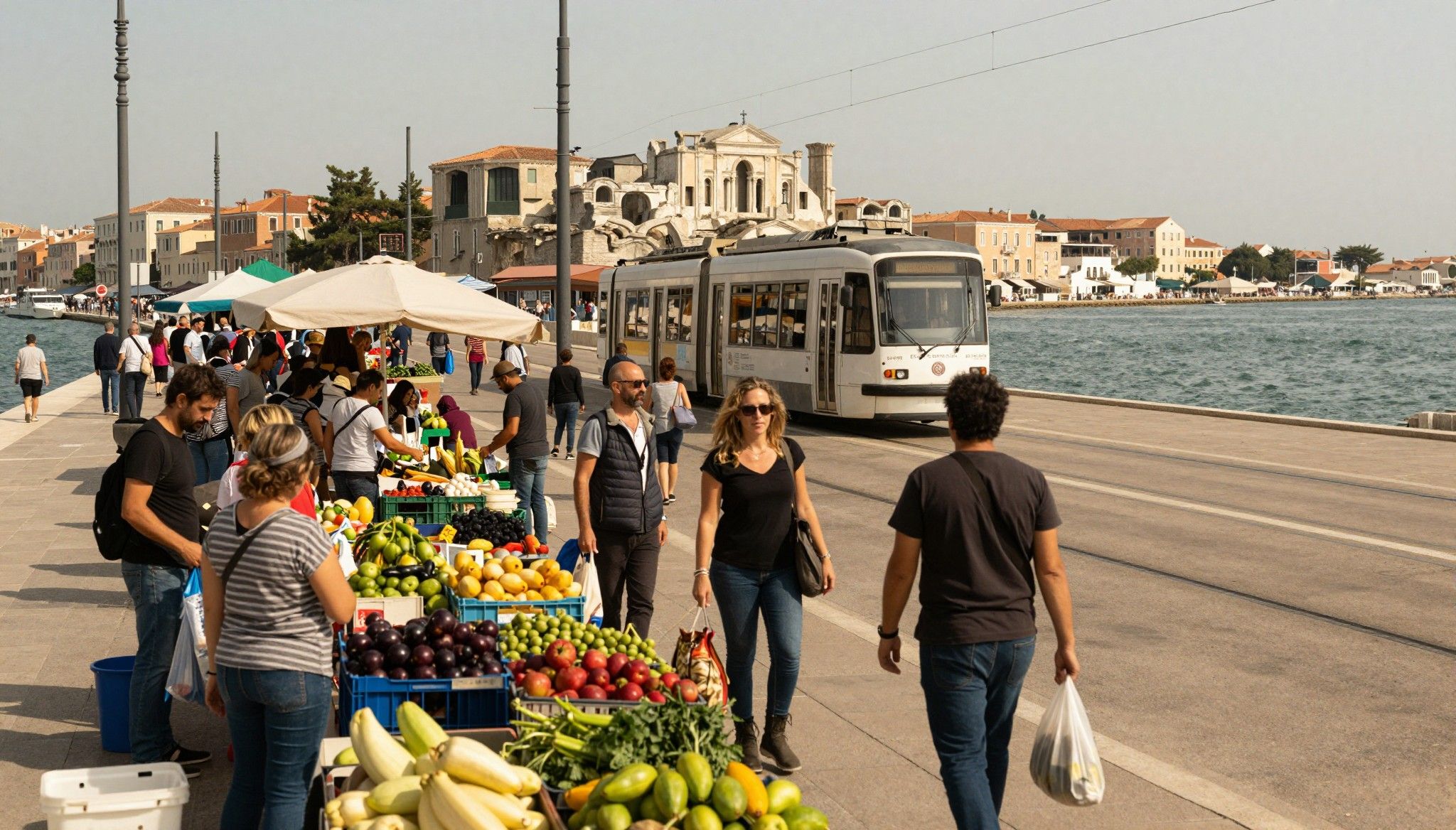
Weekends mean markets: walk the Varvakios Agora in Athens for fish and olives, or the municipal market in Chania for fresh herbs and cheeses. Seasonal rhythms — olive harvests in autumn, beach season in July–August — shape short‑term rental demand and local service economies. For buyers, this creates two practical imperatives: properties must suit off‑season living (insulation, heating, year‑round water supply) and be positioned where transport keeps them rentable outside peak months. Local markets and culinary nodes are as important as a view when forecasting occupancy rates for holiday lets versus long‑term rental strategies.
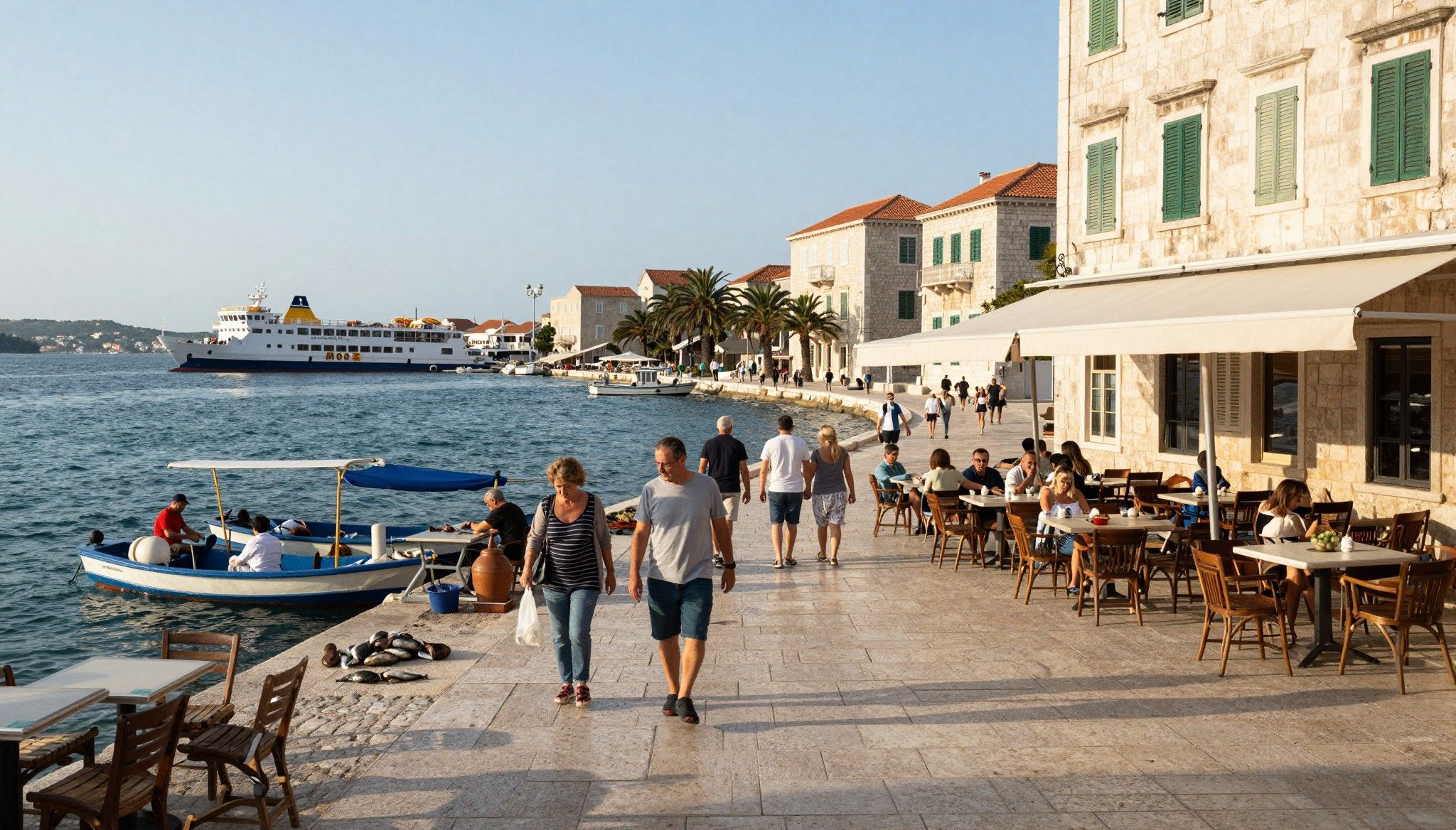
- Lifestyle highlights to map on your property search: • Morning coffee on Dionysiou Areopagitou (Athens) — walkability indicator • Ferry links from Piraeus — island rental catchment • Regional airport routes (Heraklion, Chania, Mykonos) — seasonal flight capacity • New metro lines/upgrades — commuting radius expansion • Local weekly markets (Varvakios, Modiano) — neighborhood vitality • Active coworking hubs in Athens and Thessaloniki — remote‑worker demand
Making the move: infrastructure that changes returns
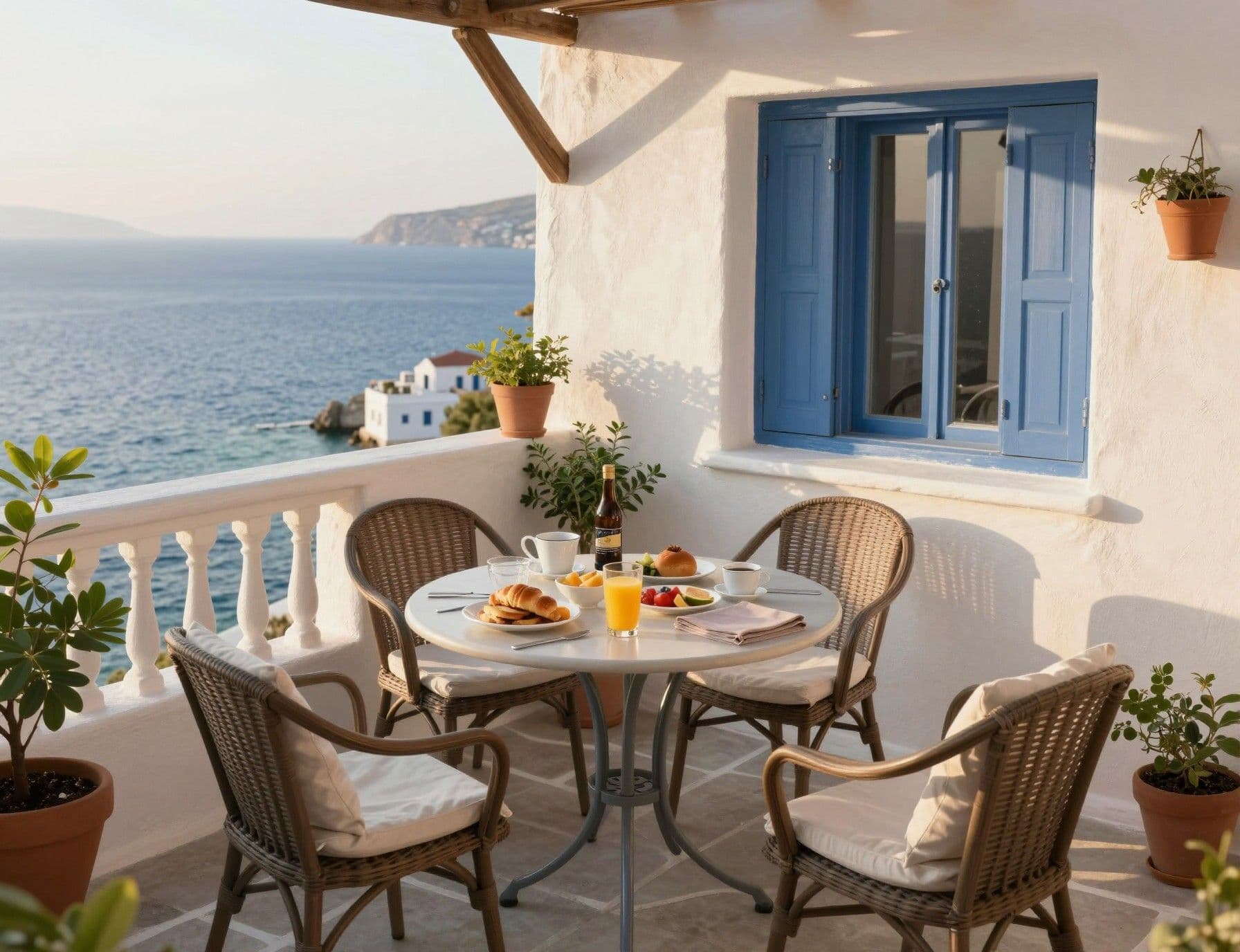
Infrastructure drives where prices and yields diverge from the postcard narrative. Bank of Greece indices show nationwide house‑price growth in recent years, but the pace and sustainability vary by connectivity improvements — metro extensions, airport capacity, reliable electricity and broadband. The completion of the mainland–Crete undersea power link in 2025 is an example: it strengthens renewable integration and reduces seasonal supply risks, which affects investor confidence for larger island projects. When transport or utilities improve, effective demand widens — transforming a previously niche market into a mainstream opportunity for both occupancy and capital growth.
Property types and how infrastructure shapes use
New builds near transport hubs often command a price premium but also lower vacancy risk; historic flats near improved tram or metro access can deliver higher yields after light renovation. For islands, reliable grid connections and improved port/airport links turn seasonal demand into longer‑season rentals, reducing exposure to summer‑only occupancy. Assess properties by overlaying infrastructure timelines: a proposed metro station or fiber rollout within a 2–3 year horizon alters both cap rate expectations and renovation ROI. Treat infrastructure projects as yield catalysts, not vague promises — verify funding, timelines and permitting status before factoring them into valuations.
A 5‑step checklist to quantify connectivity value when assessing property:
- Identify current transport links (airport, port, metro) and travel times to demand centres. Estimate timeline and funding certainty for planned upgrades using government or EU documents. Model rental demand changes (occupancy, ADR) if travel times fall by 20–40%. Add infrastructure delivery risk into sensitivity analysis (optimistic / base / pessimistic). Price in operating cost changes (energy reliability, broadband) as part of total cost of ownership.
Insider knowledge: what expats and investors wish they'd known
Expats often romanticise island life but underestimate administrative friction, seasonal service gaps and the role of local networks in property upkeep. Expect slower municipal timelines for permits and more hands‑on property management needs in smaller islands. At the portfolio level, Greece's housing cost overburden metrics suggest local affordability pressure in cities, meaning policies could tighten around short‑lets and conversions. Practically, successful expat investors work with agents who understand seasonal flows and local regulations, and who can translate lifestyle appeal into reliable yield assumptions.
Cultural integration and daily realities
Learning some Greek accelerates trust with contractors, neighbours and local officials — but you can operate successfully with English in urban markets. Expect slower administrative responsiveness in off‑season months and plan for local holidays when services pause. Social life centers around cafes, beaches and municipal squares; properties that connect to those nodes perform better for long‑term tenancy. Factor social capital into property choice: a landlord with local rapport reduces vacancy and maintenance risk.
Long‑term lifestyle sustainability — beyond the postcard
Think in 10‑year horizons: climate resilience, grid upgrades, transport projects and changing tourism patterns matter more than style trends. Prioritise buildings with retrofitting potential (thermal upgrades, solar readiness) and locations with both year‑round services and planned connectivity improvements. Properties that can pivot between long‑term rental and seasonal letting — close to regional airports or cross‑island ferry hubs — offer optionality that supports portfolio resilience. In short: buy the links, not the sunset.
- Quick tactical tips for international buyers: • Verify infrastructure timelines with Ministry and EU project pages before pricing in uplift. • Prioritise properties within 10–20 minutes of transit nodes for urban rental resilience. • For islands, confirm electricity reliability and recent grid investments (e.g., Crete interconnector). • Use local management that operates year‑round to protect off‑season occupancy. • Model yields with three seasonality scenarios — don’t assume summer rates hold year‑round.
Conclusion: Greece sells a life as much as an asset, but infrastructure turns romance into reproducible returns. If you want Mediterranean light with institutional‑grade investment characteristics, focus where connectivity is improving and where properties can adapt to year‑round demand. Start by mapping lifestyle priorities (beach vs city vs village), overlay confirmed infrastructure projects and run scenario models for yield and vacancy. Local agencies that combine neighborhood knowledge with rigorous financial modelling are the practical bridge between the dream and a disciplined investment.
Swedish financier who guided 150+ families to Spanish title deeds since relocating from Stockholm in 2012, focusing on legal and tax implications.