Greece: Buy the Rhythm, Not the Postcard
Greece’s lifestyle sells the dream; transport and local rules reprice returns. Prioritise connectivity, neighbourhood rhythm and infrastructure-led micromarkets.
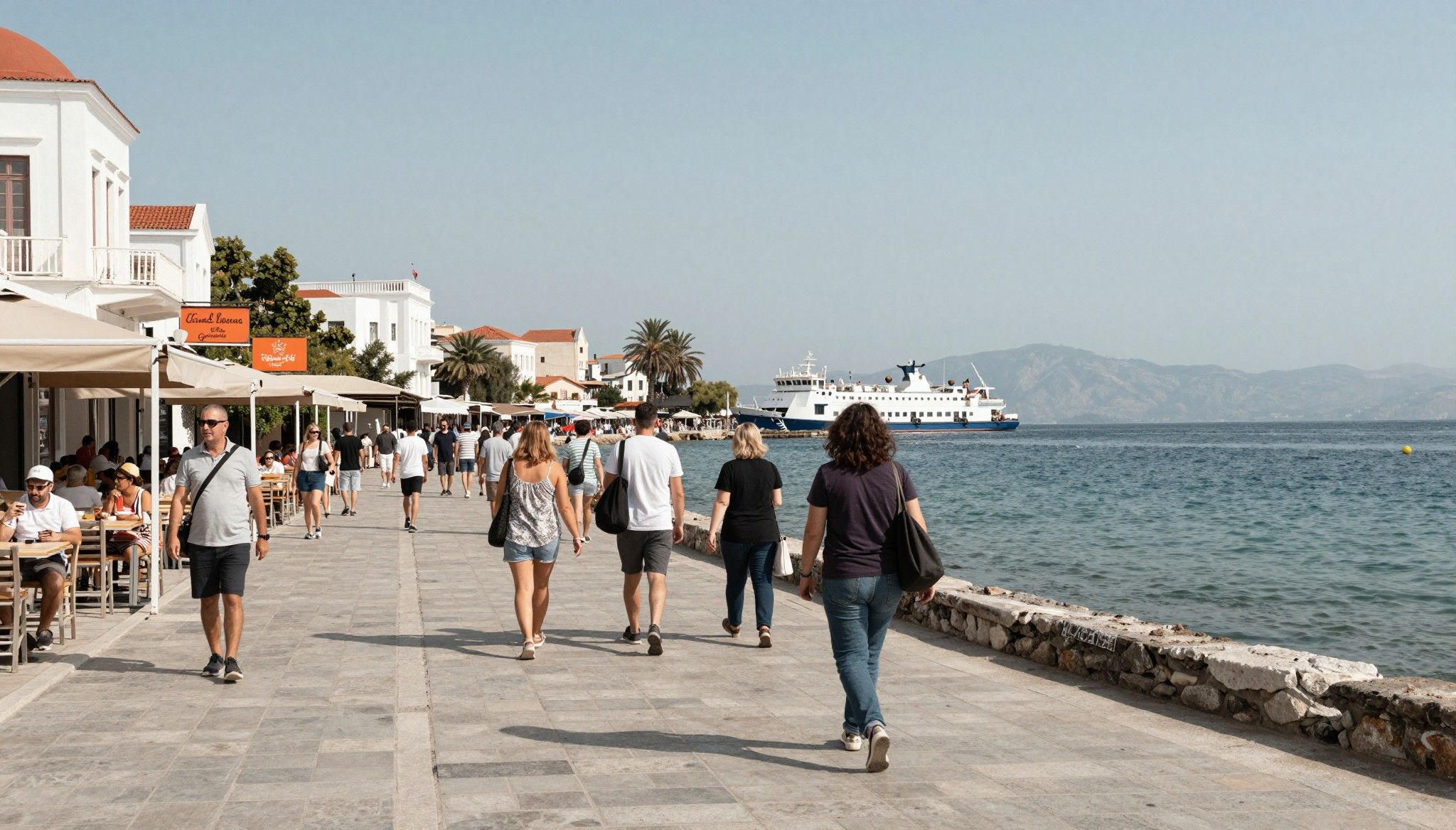
Imagine sipping a thick Greek coffee at a sunlit kafeneio on Dionysiou Areopagitou, then walking past the Acropolis lights to a neighbourhood taverna humming with late-night conversation. That scene — ancient stones, stray cats, crowded markets, efficient airports — is the day-to-day of modern Greece, and it’s the context investors must feel before they buy.
Living the Greece lifestyle: daily rhythms that sell
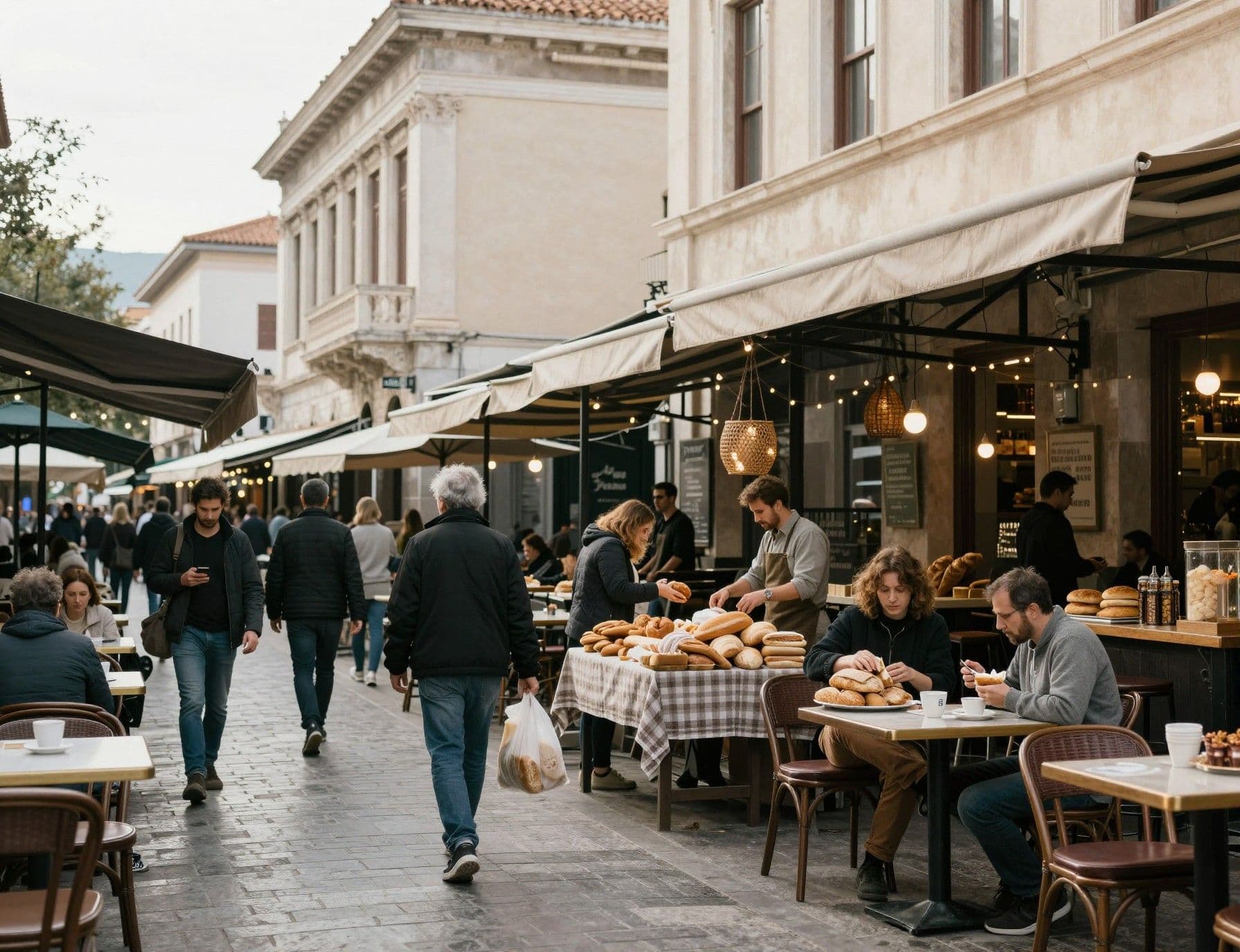
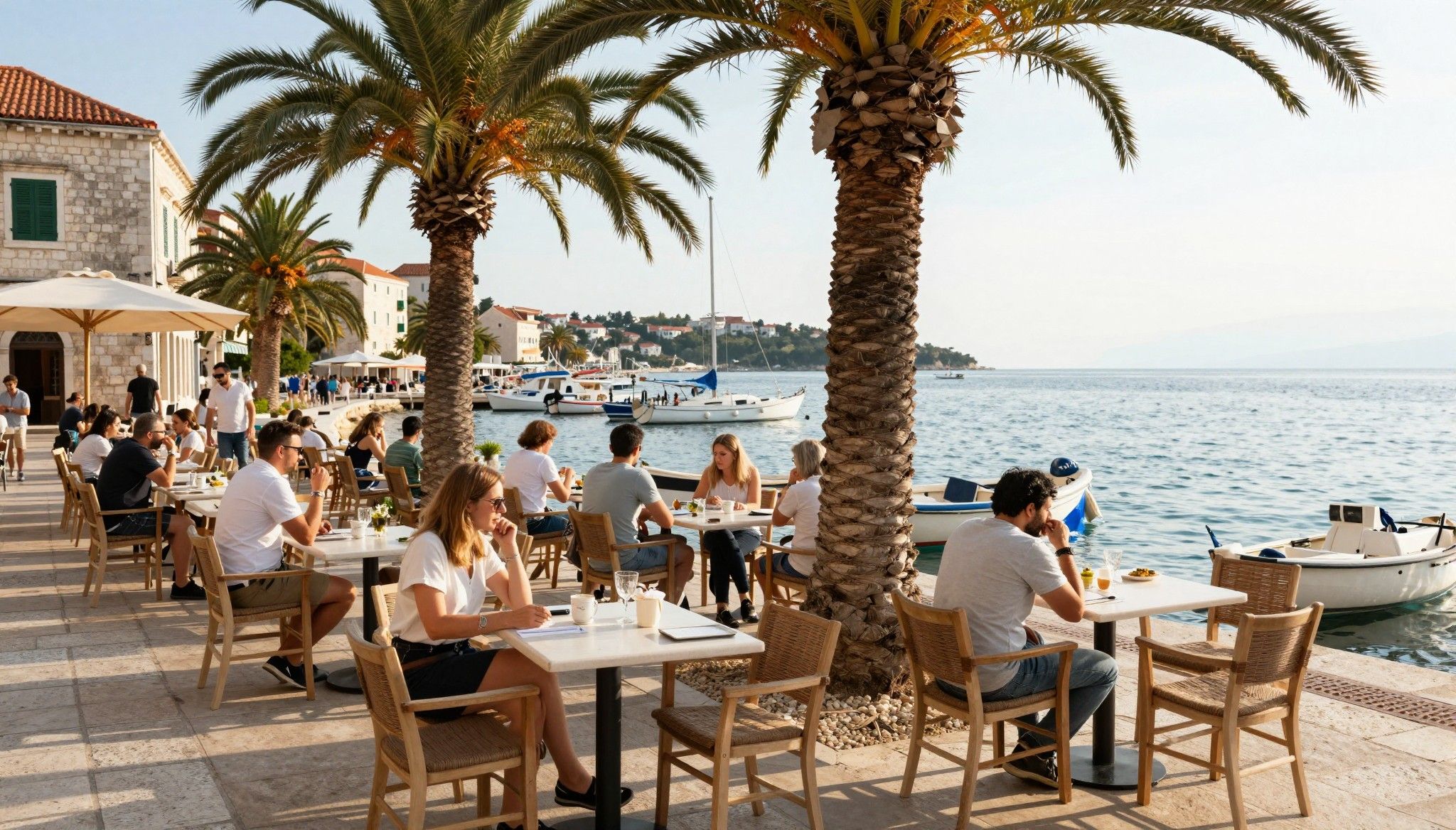
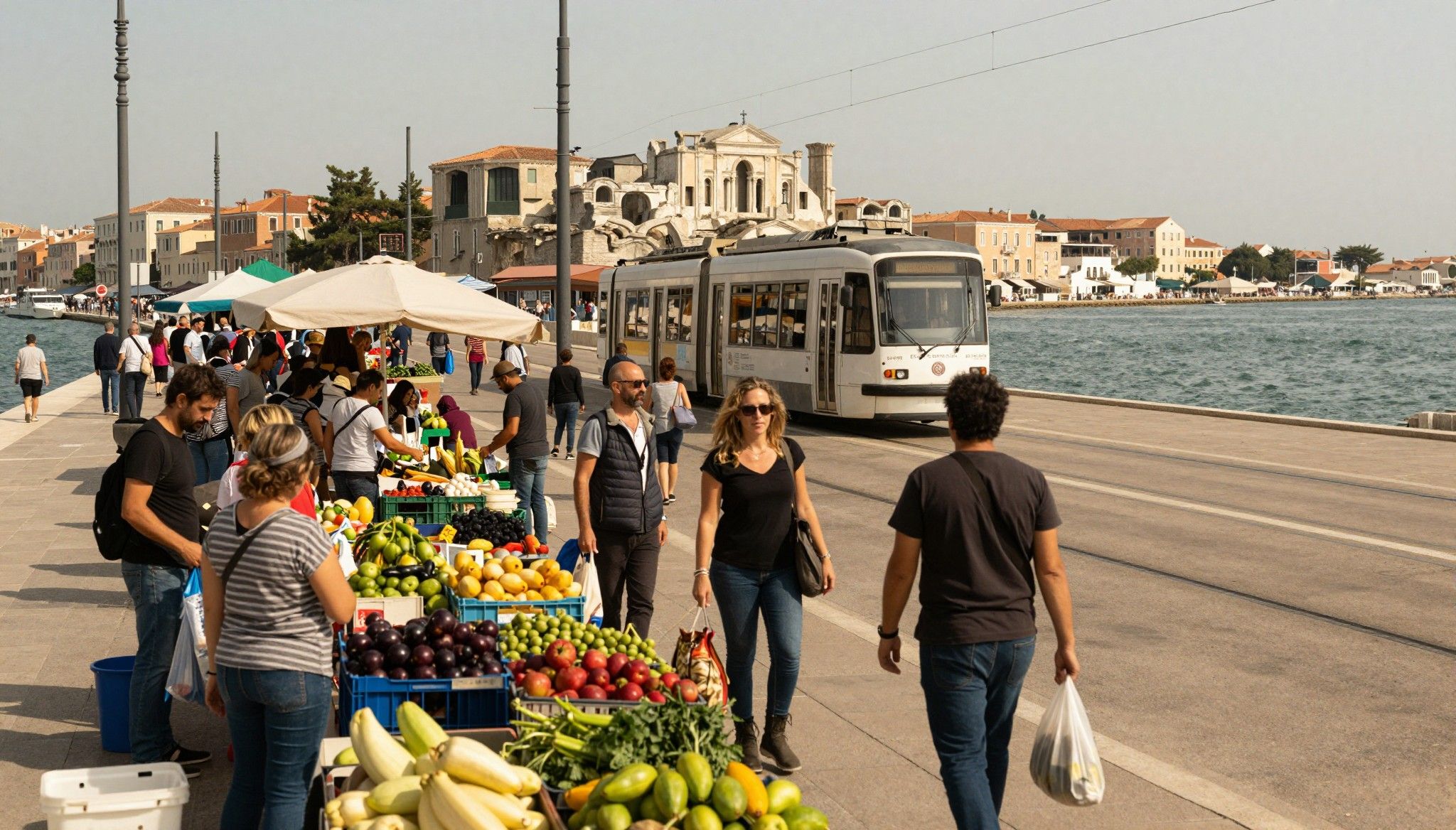
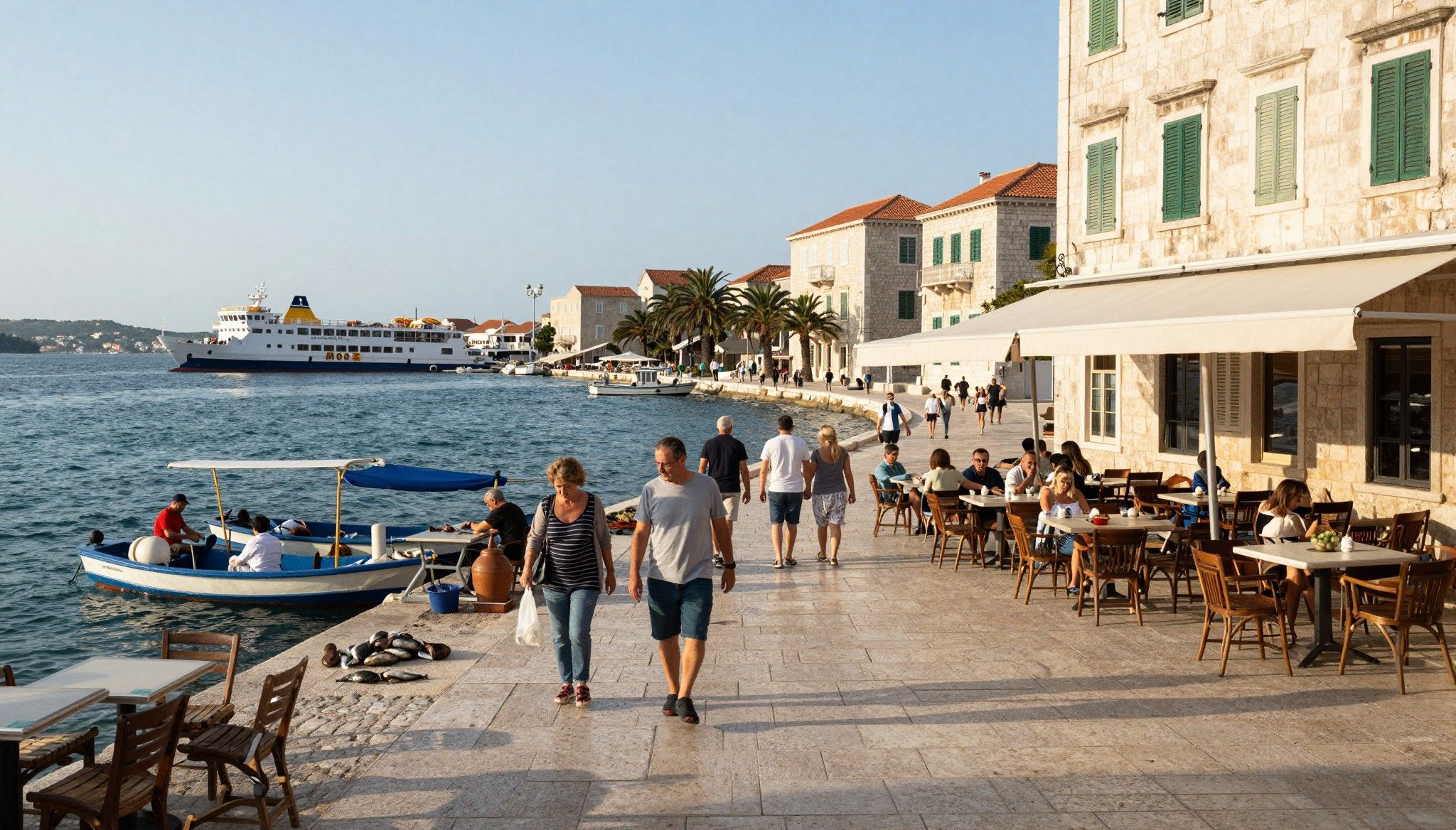
Life in Greece blends an outdoor routine with neighbourhood intimacy. Mornings mean bakeries on small streets (Psirri, Koukaki), afternoons drift to seaside promenades (Faliro, Glyfada), and evenings are markets and tavernas. For buyers this matters: walkability, local amenities and microclimate determine rental demand more than a sea view in many cases.
Neighbourhood spotlight — Athens: Koukaki and Psychiko
Koukaki is a compact, tourist‑friendly central neighbourhood where short‑let demand spikes in summer and long‑let interest remains steady off‑season. Psychiko, by contrast, trades proximity for quiet affluence: larger apartments, leafy streets, and stable long‑term tenants — different risk profiles for investors searching for yield versus capital preservation.
Islands vs. mainland — a lifestyle trade‑off
The Cyclades deliver postcard life but also acute seasonality and regulatory scrutiny from local councils. Mainland cities such as Thessaloniki and Heraklion offer longer rental seasons and growing professional markets — important when you weight gross yield against vacancy risk.
- Koukaki: cobbled streets, cafes, short‑let demand
- Psychiko: family rentals, larger stock, lower turnover
- Mykonos/Santorini: high peak rents, long vacancy windows outside July–Aug
- Thessaloniki/Heraklion: university and regional demand, steadier occupancy
Making the move: infrastructure that actually drives returns

Infrastructure is the silent reprice mechanism. New or improved airports, metros and ports expand catchment areas, raise year‑round demand and compress vacancy. Recent projects — from Athens airport capacity gains to Thessaloniki’s new metro line — illustrate how mobility changes neighbourhood economics.
Air connectivity: more arrivals, longer seasons
Greece’s international air arrivals have increased notably; regional airports now handle a larger share of inbound traffic, extending shoulder seasons. For investors that means properties near reliable airport links (Athens AIA, regional hubs) shift from pure seasonal bets to hybrid short‑let/long‑let assets.
Urban transit: the long game for capital growth
Large urban transit projects take years but permanently reallocate value. Thessaloniki’s metro — delayed for decades — changed the investment thesis for central nodes once it opened. Expect early movers near new stations to see price appreciation and improved rental profiles.
- Prioritise proximity to transport nodes, not sea views, when you need stable year‑round yields.
- Target areas where airports and ferries provide off‑season connectivity to source markets — these reduce vacancy risk.
- Monitor planned infrastructure spend (local council minutes and national budgets) and treat completion dates conservatively (add 12–24 months).
Insider knowledge: rules, rhythms and surprising red flags
Real buyers in Greece live with seasonality, local regulations and shifting resident attitudes toward short‑lets. A neighbourhood that rents well in August can be empty in November; municipal limits or port capacity constraints can change the economics fast.
Cultural and regulatory quirks buyers often miss
Policy shifts — especially around residency-by-investment rules — reprice demand among high‑net‑worth buyers. Local permit processes (building permits, ΕΤΑΚ for wastewater in islands) and conservation rules (especially in protected island zones) can add months and costs to a project.
What expats wish they'd known
Expats say: 1) Learn a few Greek phrases — it speeds local admin; 2) Expect slower public services but excellent private contractors; 3) Choose neighbourhoods by rhythm (morning market vs. late‑night bars) because tenant profiles follow them.
- Tip: rent profile match — families need school access (Kifissia), remote workers need reliable internet (central Athens, Thessaloniki), short‑lets need tourist paths (Plaka, Chora)
- Tip: check municipal planning portals for permit backlogs and zoning — they tell you whether renovations will be quick or costly
- Tip: prioritise properties with simple vertical ownership (clear titres) — complex inheritance or absentee ownership is a common transaction snag
Conclusion: Greece sells a life — sunlit cafés, island sails, city culture — but infrastructure and local rules determine whether that life also pays. Treat neighbourhood rhythm and connectivity as primary inputs when modelling returns.
Norwegian market analyst who relocated from Oslo to Mallorca in 2016, guiding Northern buyers through regulatory risk, currency hedging, and rentability.