Greece’s Tourist Surge: Where Infrastructure Creates Real Yield
Greece’s record tourist surge masks infrastructure-driven pockets of yield—identify transport upgrades, harbour controls and lively streets to convert lifestyle appeal into steady returns.
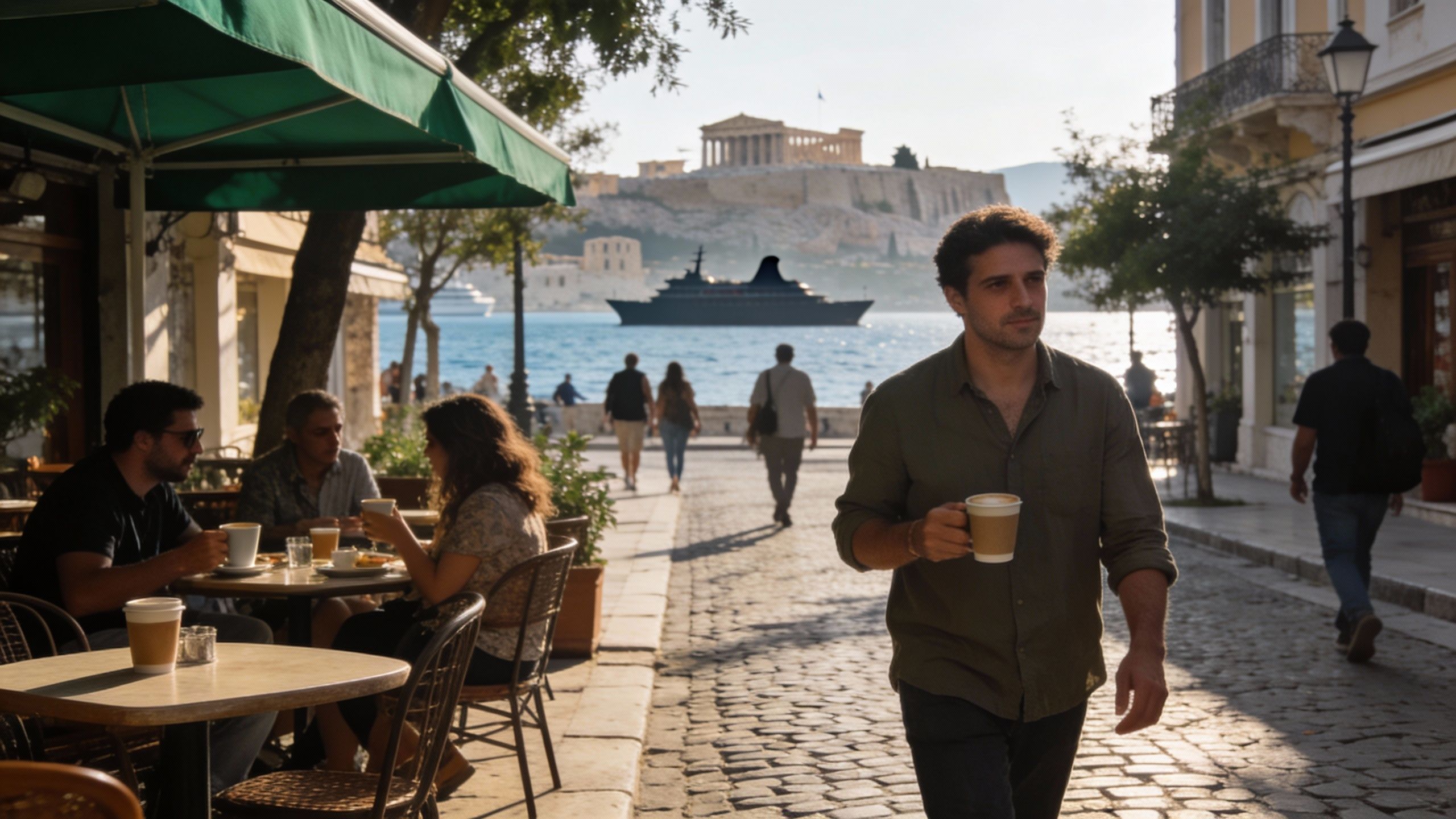
Imagine stepping out at dawn onto Dionysiou Areopagitou, espresso in hand, while ferries slash the Aegean light. In Greece that morning calm — the bakery steam, fishermen hauling lines, scooters weaving past neoclassical facades — is as much part of the investment case as square metres and cap rates. But Greece’s tourism boom hides structural winners and losers; understand the transport, ports and seasonal flows and you’ll know which neighbourhoods compound income and which simply inflate prices.
Living the Greek rhythm: city, island and suburb
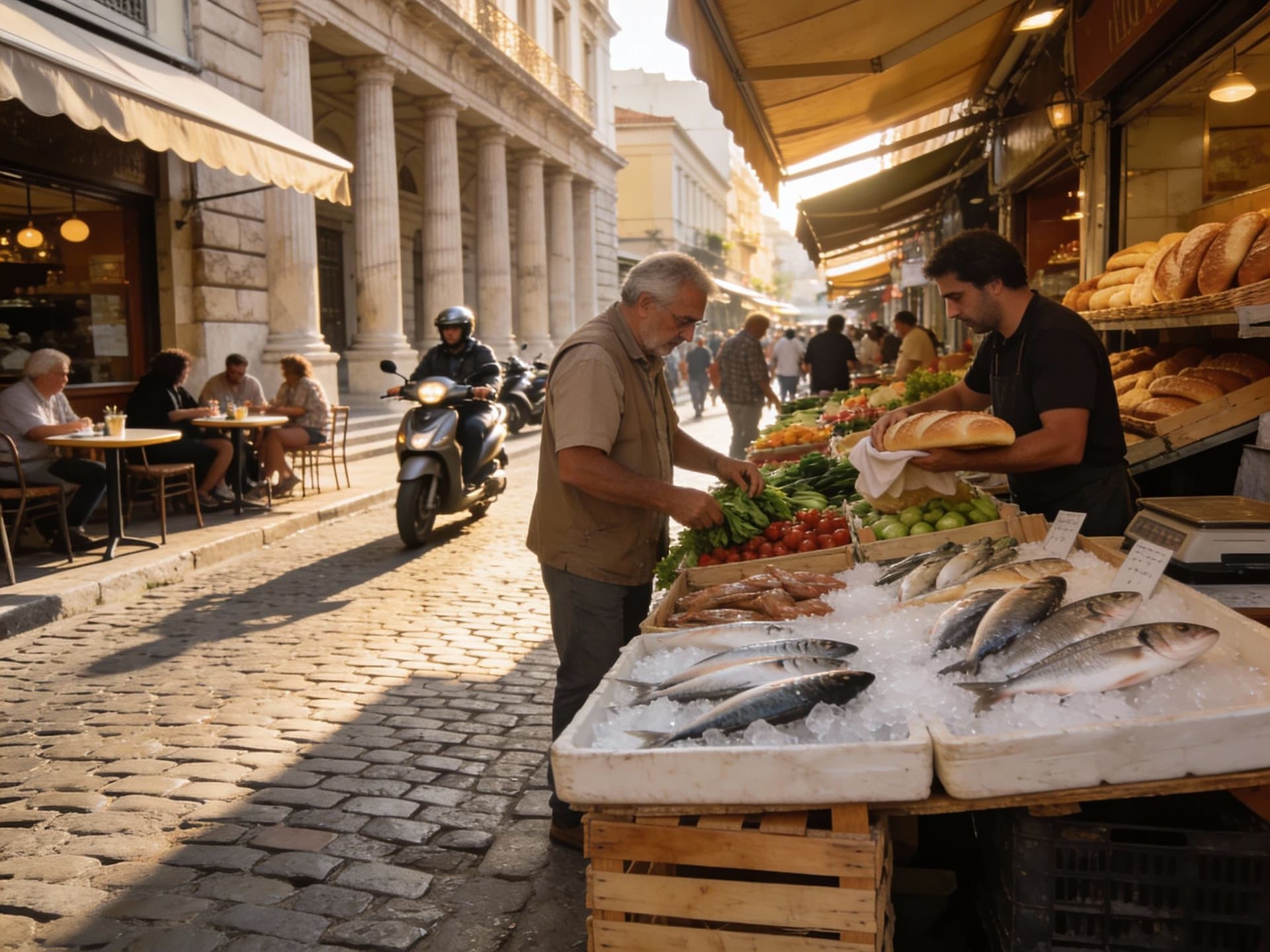
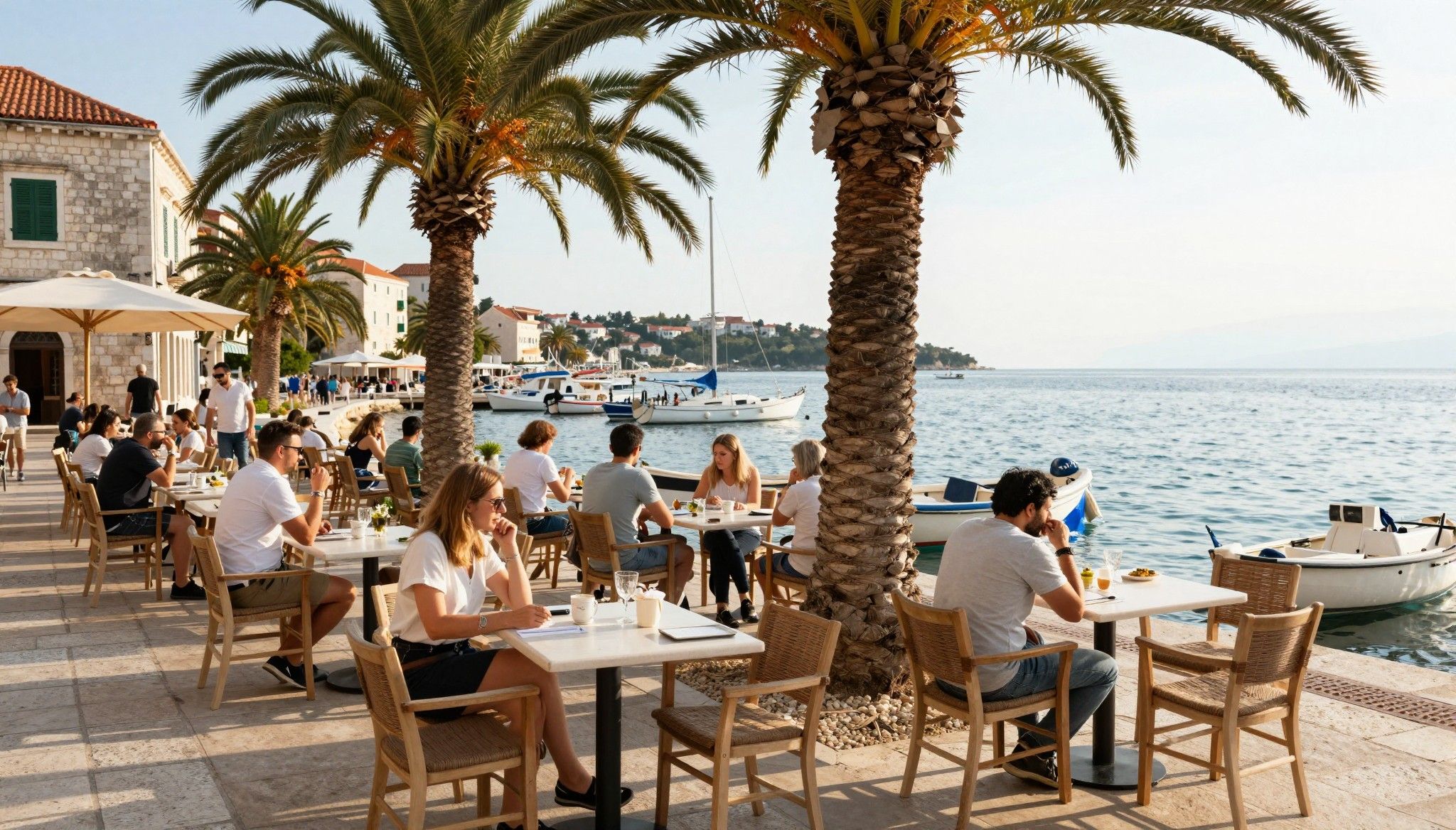
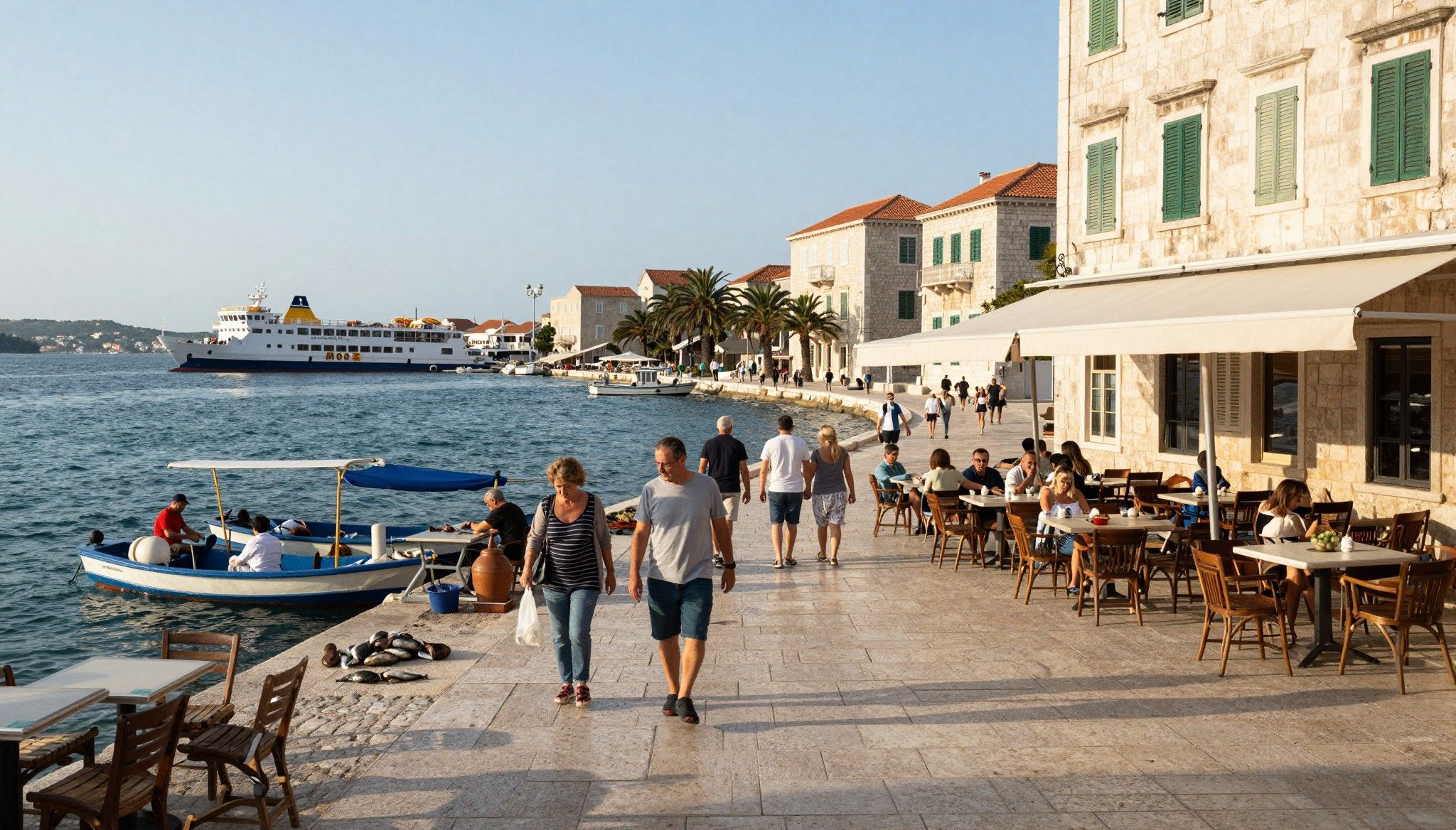
When locals say “we live by the sea,” they mean more than proximity. In Athens mornings are café-first: courtyards off Plaka, filter coffee on Aiolou, fast-paced footfall around Monastiraki. Contrast that with the Cyclades’ slow afternoons — Naxos tavernas, fishing boats in the background — or Corfu’s lush Ionian lanes where gardens and Venetian façades shape residential life. Each rhythm dictates what tenants want: short-stay visitors chase proximity-to-water and views; long-term renters prioritise transport links, schools and supermarkets.
Athens is a mosaic. Exarcheia still hums with students and alternative culture; Koukaki and Plaka sit between tourist flows and residential calm; Glyfada and Voula on the coast offer yacht marinas and premium long-term rentals. For buyers, the trade-off is clear: centrality and year-round demand versus coastal amenity and seasonal peaks.
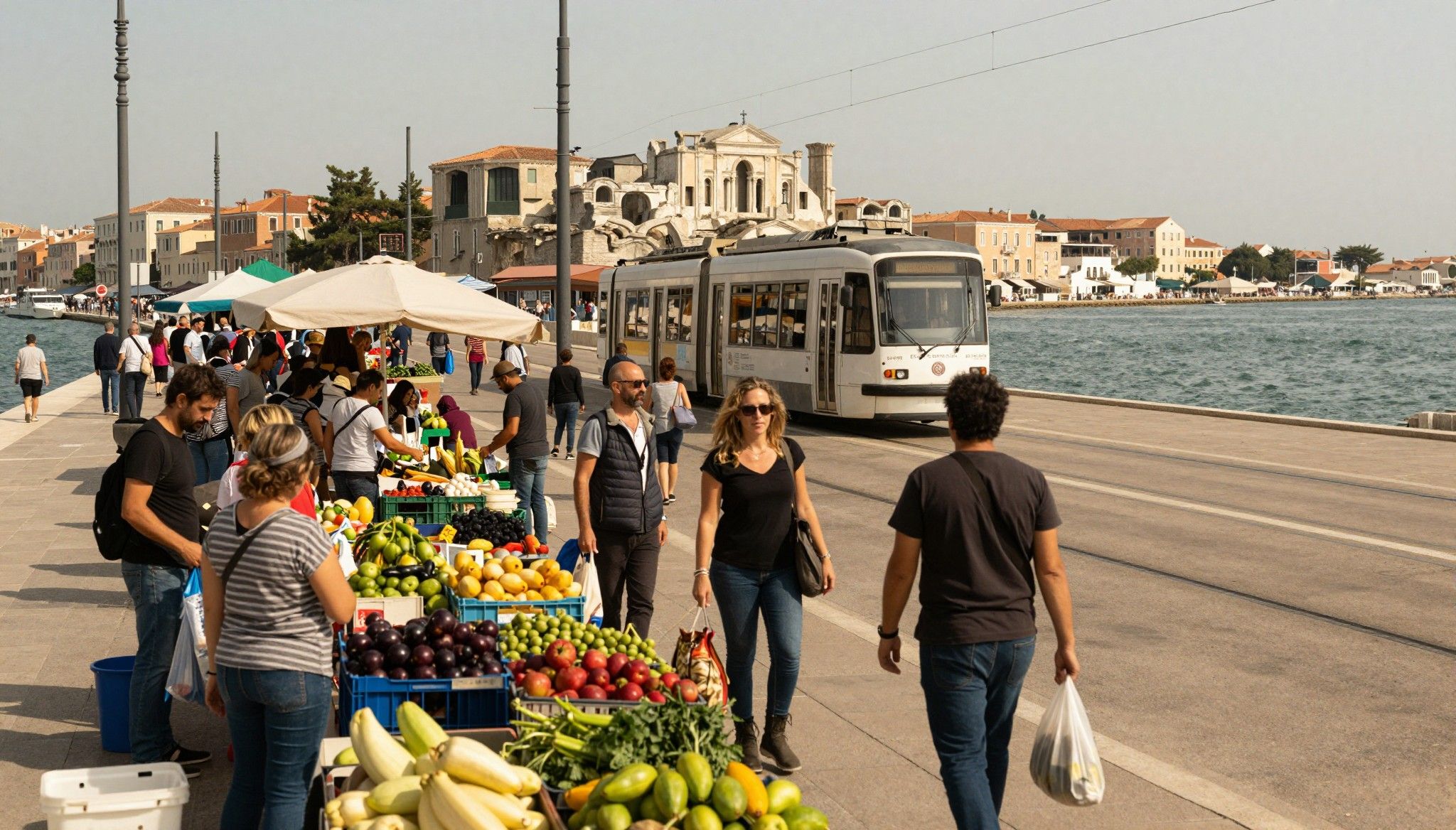
Food and market life anchor Greek days. Picture the Varvakios Agora stalls at 08:00 — caught fish glinting on ice, oregano piled in earthy cones — then aperitif crowds on Sifnos terraces as dusk cools. That same culture fuels short-let demand: culinary scenes, traditional festivals and well-marketed local markets increase average nightly rates in neighbourhoods that can be accessed easily from major airports or ports.
Lifestyle highlights you can monetise
- Athens morning coffee culture: Monastiraki, Psyrri and the pedestrian stretch of Ermou drive footfall for short-let guests.
- Island tavernas and afternoon markets: Cyclades and Crete neighbourhoods with easily reachable harbours outperform in summer ADRs.
- Seaside suburbs: Glyfada and Voula combine local schools, marinas and Athenian buyers seeking year-round leases.
- Transport hubs: properties within 20–30 minutes of Athens International Airport or major ferry ports show stronger occupancy during shoulder seasons.
Making the move: infrastructure that rewrites yields
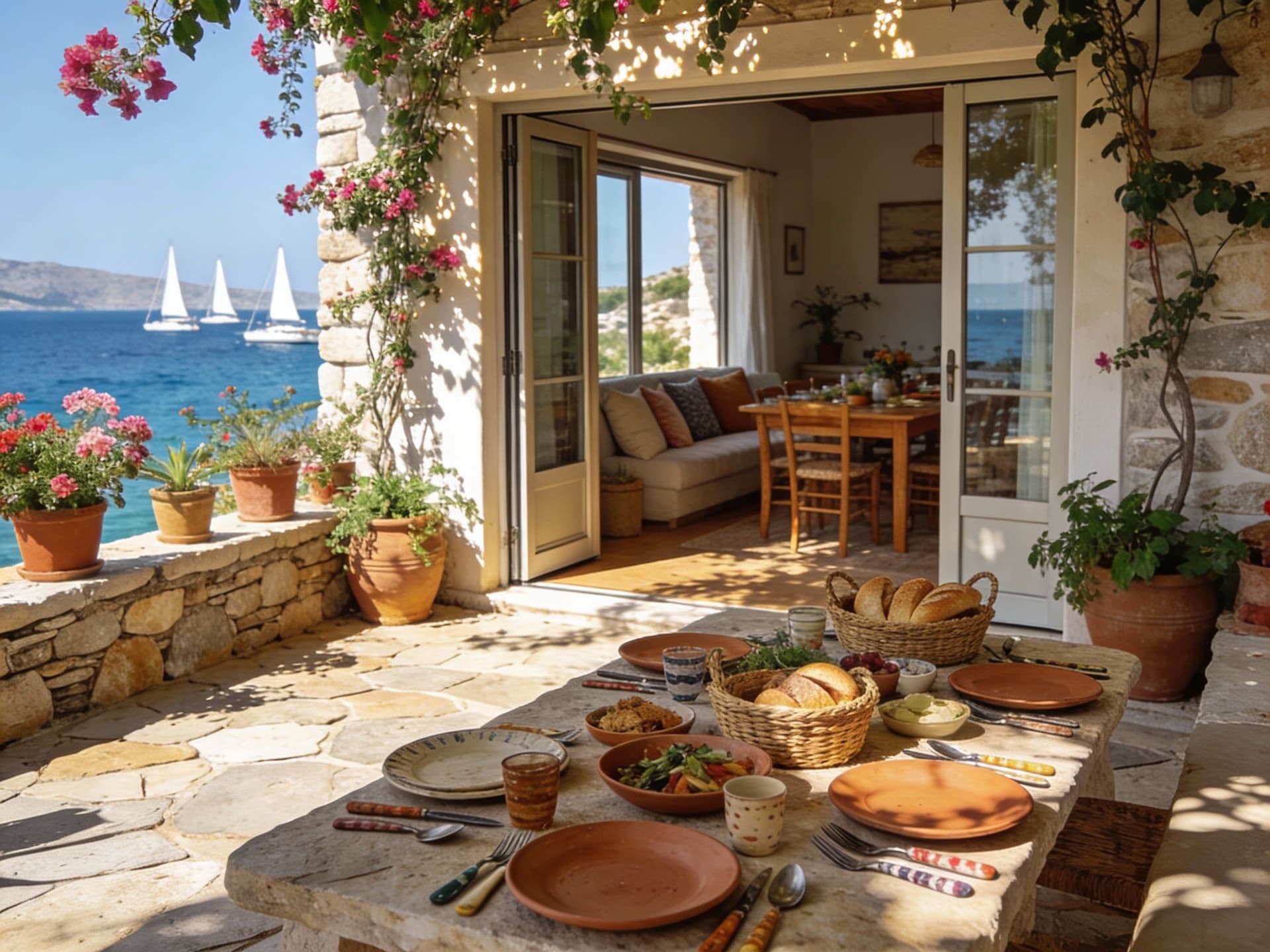
Tourist arrivals and receipts set the macro backdrop — Greece recorded ~40.7 million visitors in 2024, pushing tourism receipts above €21.6bn. But the micro story for property investors is infrastructure: which ports expanded capacity, which airports added routes, and where new road or rail links reduced travel friction. Those changes shift effective catchment populations and therefore realised yields.
Where transport changes matter most
- Athens Metro extensions and suburban rail improve year-round commuting from Piraeus and southern suburbs — better long-term rental pools and less seasonality risk.
- Airport route growth (Athens + regional airports) expanded off-season arrivals in 2024; proximity to upgraded regional airports supports higher occupancy outside summer months.
Property styles: what transport and infrastructure favour
If an area benefits from newly reliable transport, compact city apartments and family-ready two- to three-bed flats both become investible: the former for young professionals commuting into Athens, the latter for residents seeking coastal lifestyle within commuting distance. On islands, improved ferry frequency and upgraded small airports shift demand from purely holiday lets to longer-stay, off-season tenants.
Assess infrastructure impact — a four-step check
- 1) Confirm scheduled transport projects and actual completion dates; promised metro lines or airport upgrades that miss deadlines do not increase catchment.
- 2) Measure door-to-door travel time reductions (minutes saved) — quantify demand uplift conservatively at 5–10% per 15 minutes saved.
- 3) Cross-check seasonal passenger flows (ELSTAT/BoG) to see if infrastructure reduces seasonality rather than merely concentrating summer demand.
Insider knowledge: myths, cultural cues and agency choices
Myth: all island property equals easy Airbnb revenue. Reality: islands with uncontrolled cruise traffic (Santorini, Mykonos) see headline ADRs but also infrastructure fees and daily caps that compress usable nights and raise operating costs. Recent local measures (arrival fees, berth caps) aim to manage overtourism and shift travellers to alternatives — that can reprice secondary islands favourably for long-term investors.
Cultural signals that change where you buy
Greece’s social fabric values neighbourliness and public squares. Properties on streets with weekly local markets or near a kafenio keep higher long-term occupancy because they tie into everyday life, not just sightseeing. For investors this means favouring streets with mixed-use vitality over isolated sea‑view villas that sit empty nine months a year.
Working with agents who know both the yield and the grill
- Choose agencies that can model effective catchment (transport + dining + market days) and provide occupancy scenarios, not just comparable listings.
- Insist on walk‑time maps to nearest airport/port and public transport — those minutes translate into yield multipliers.
- Ask for season-by-season cashflow models that include local fees (e.g., cruise arrival charges) and likely capex for infrastructure‑related demand shifts.
Conclusion: Fall for the morning light, but buy for access. Greece’s record visitor numbers (40.7m in 2024) reshape where returns compound: infrastructure reduces seasonality; community life sustains occupancy; local regulations can both subtract and create value. Work with specialists who quantify travel-time savings, model shoulder-season occupancy and translate lifestyle into conservative yield forecasts. Then, sip that café freddo with confidence — you’ll know the numbers beneath the view.
Dutch investment strategist who built a practice assisting 200+ Dutch clients find Spanish assets, with emphasis on cap rates and due diligence.