How Malta’s Short Commute Times Change Property Math
Malta’s short distances and ferry network change how location premiums affect rental yields—use commute minutes and seasonal flows to reprice returns.

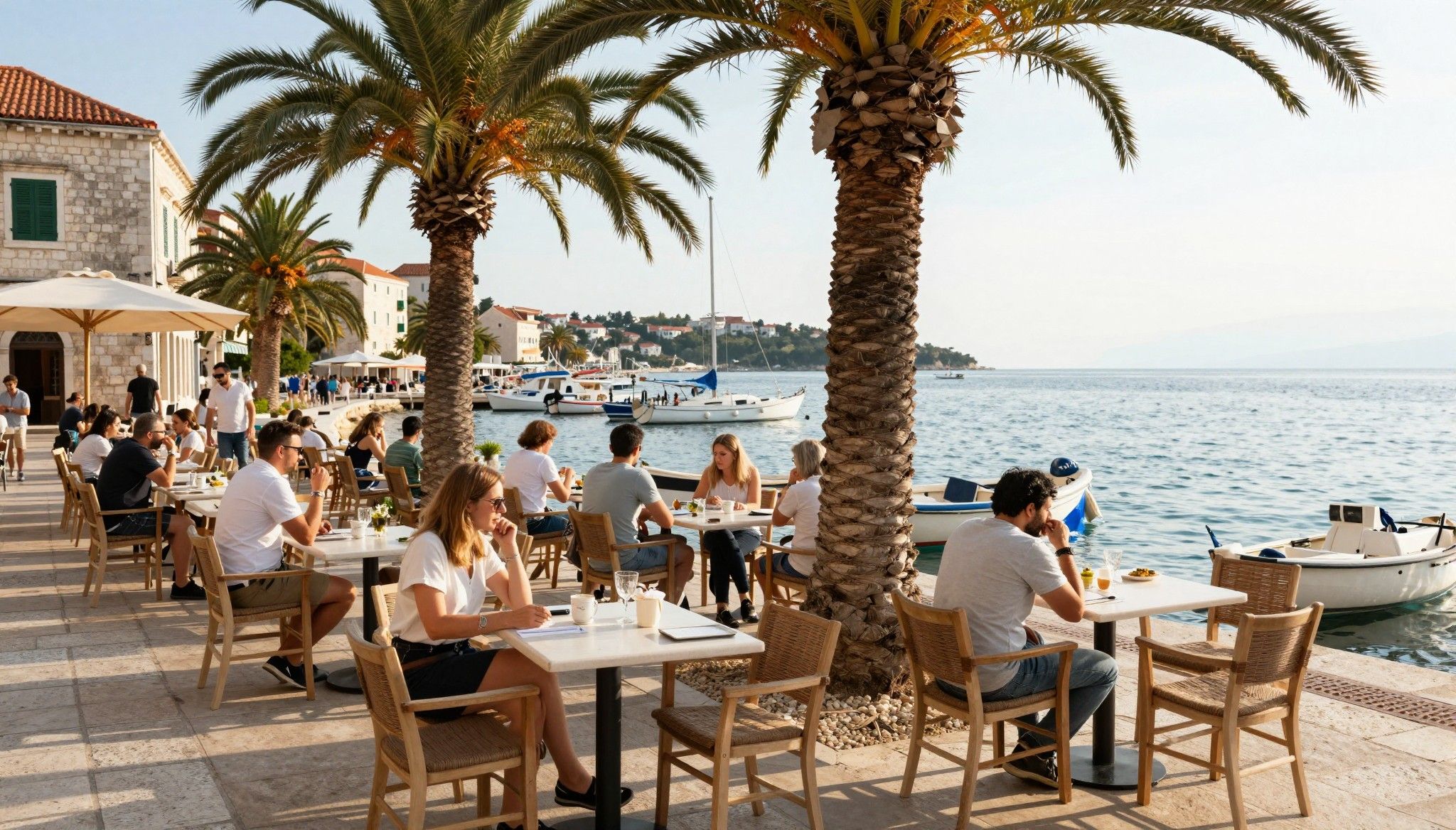
Imagine stepping out for an espresso on Triq ir-Repubblika in Valletta, then catching a 20‑minute ferry across the harbour to a compact apartment in Sliema. In Malta, distances are short, rhythms are Mediterranean and transport quirks reprice what ‘location’ actually means for both living and returns. This piece explains why that compactness — good and bad — matters to income‑focused buyers.
Living Malta: short journeys, long weekends
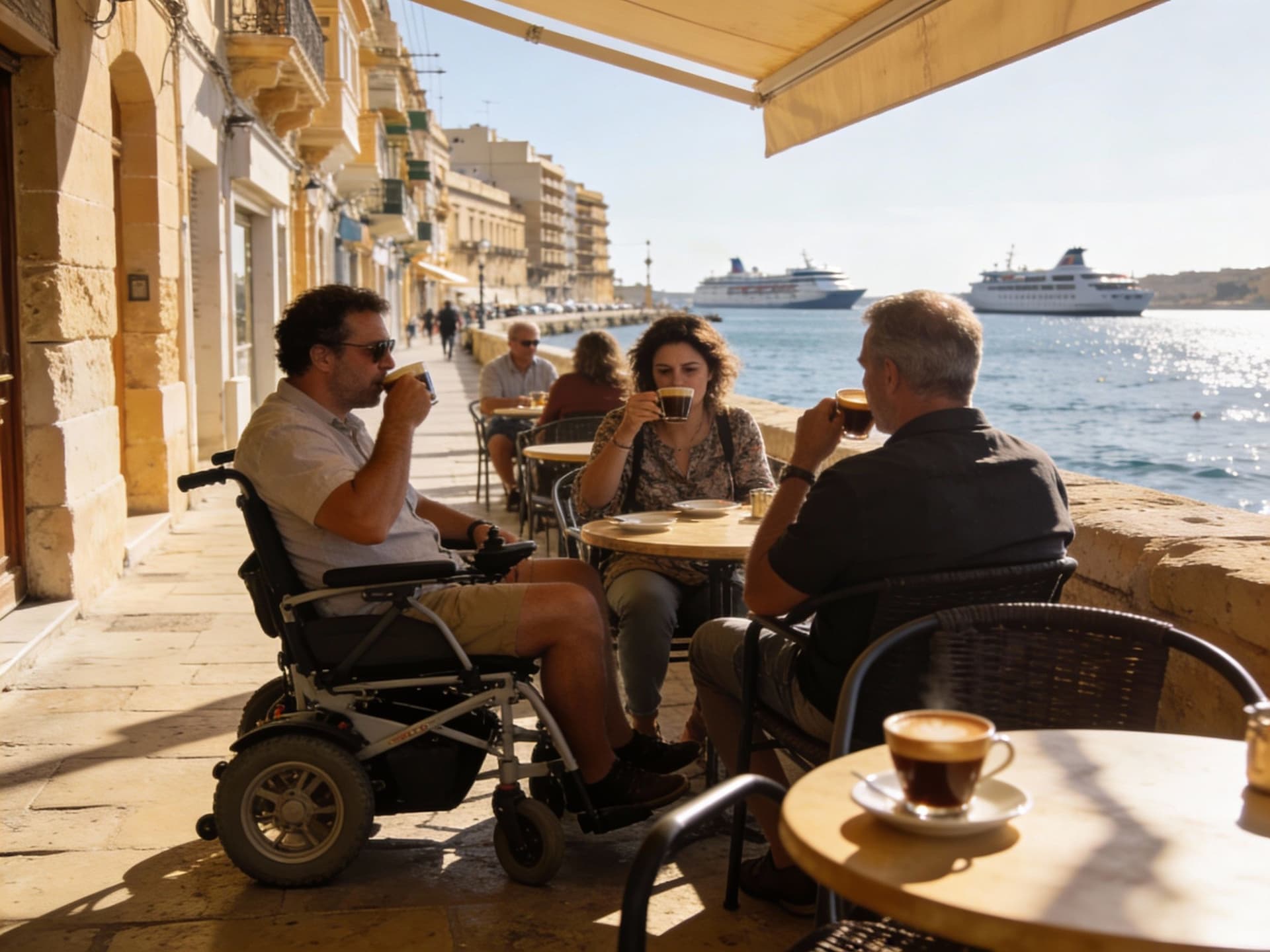
Life in Malta runs at the scale of streets and short commutes. Mornings bring cafés filling along Sliema’s seafront and cafés tucked into Triq Sant' Orsla in St Julian’s. Evenings fold into small piazzas, and weekends are an easy ferry hop away to Gozo. For buyers, this compactness converts a ‘premium’ central address into a utility: proximity often buys convenience more than exclusivity.
Valletta–Sliema–St Julian’s: the commuter triangle
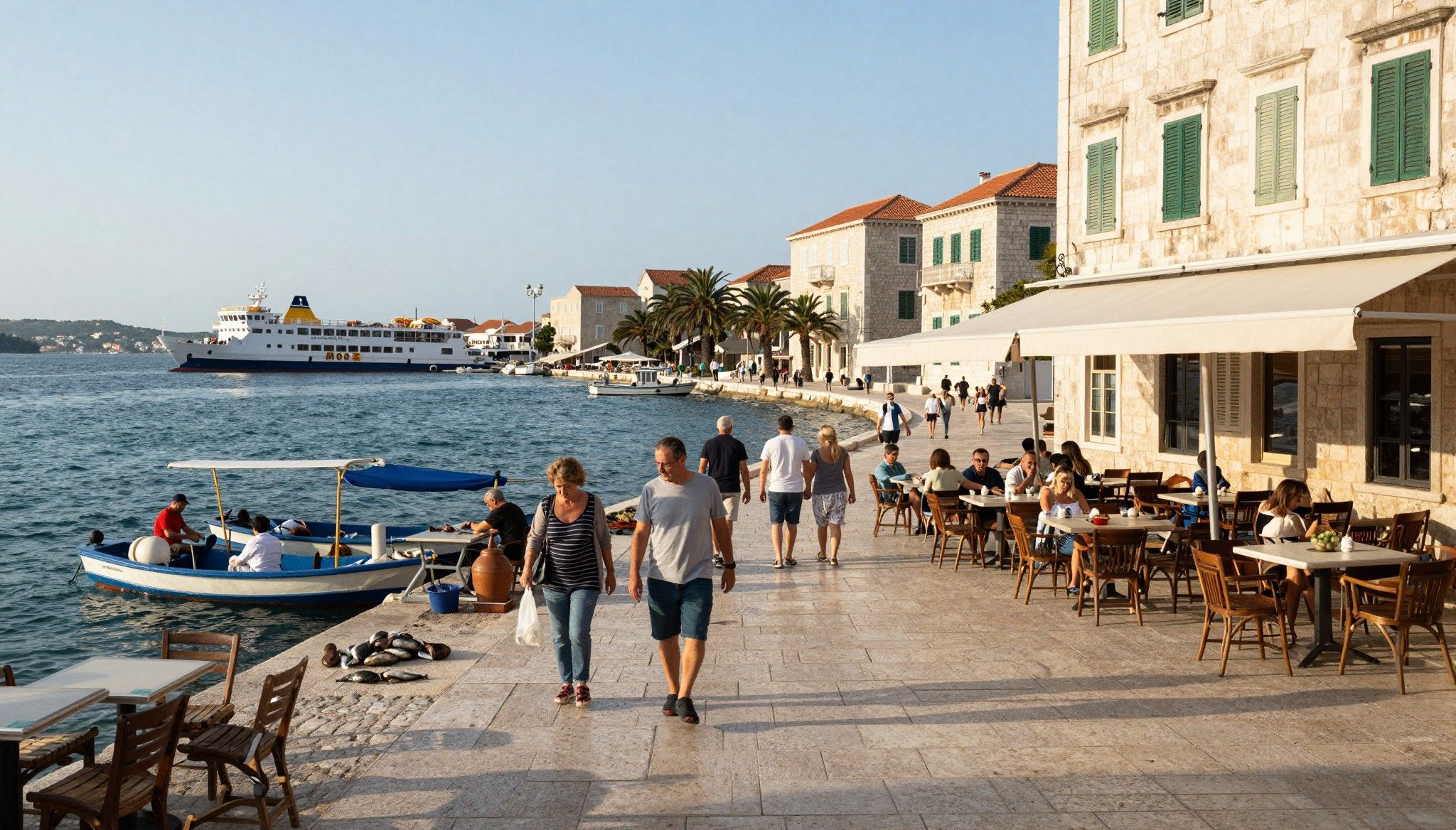
Valletta’s bastions and Sliema’s promenades are minutes apart by ferry or car. For renters this means high turnover in short‑stay and serviced apartments; for owners it means demand is driven by convenience—access to offices, restaurants and ferries—rather than just sea view. That nuance changes yield expectations: a central flat without parking can outperform a sea‑view penthouse that’s hard to access.
Gozo and Mellieha: seasonal calm, steady demand
Gozo’s slower pace and Mellieħa’s bays attract longer stays and families. Tourism data show meaningful off‑peak growth, which supports longer seasonal lets and remote‑work tenancies—useful for buyers seeking stable mid‑term rental income rather than purely summer premiums.
- Lifestyle highlights that affect where you buy
- Ferry links: Valletta↔Sliema/St Julian’s reduce commute friction and increase tenant appeal for short commutes.
- Compact healthcare and schools: having major services within a 15–25 minute radius raises long‑term owner‑occupier demand.
- Seasonal anchors: Gozo, Mellieħa and Comino drive tourist flows that can lift short‑term rental income but add variability.
Making the move: how infrastructure rewrites returns
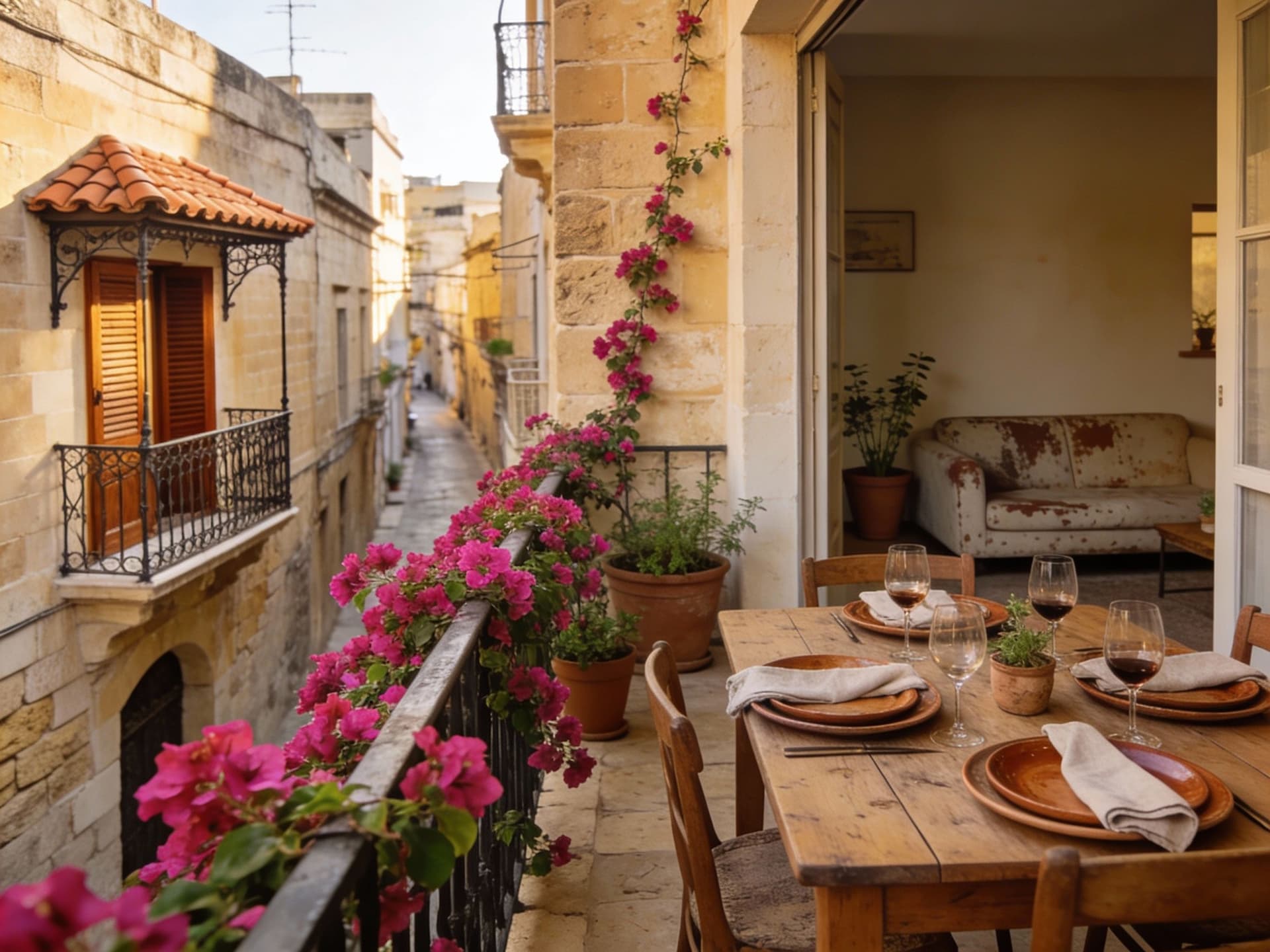
Short commutes and dense services compress the premium paid for centrality. That shows in Malta’s Residential Property Price Index (RPPI), which rose about 5% year‑on‑year in 2024; at the same time gross rental yields remain moderate—roughly 3.5–4.1% depending on area—which means transport and access often determine net returns more than headline proximity.
Property types: what connects to rental demand
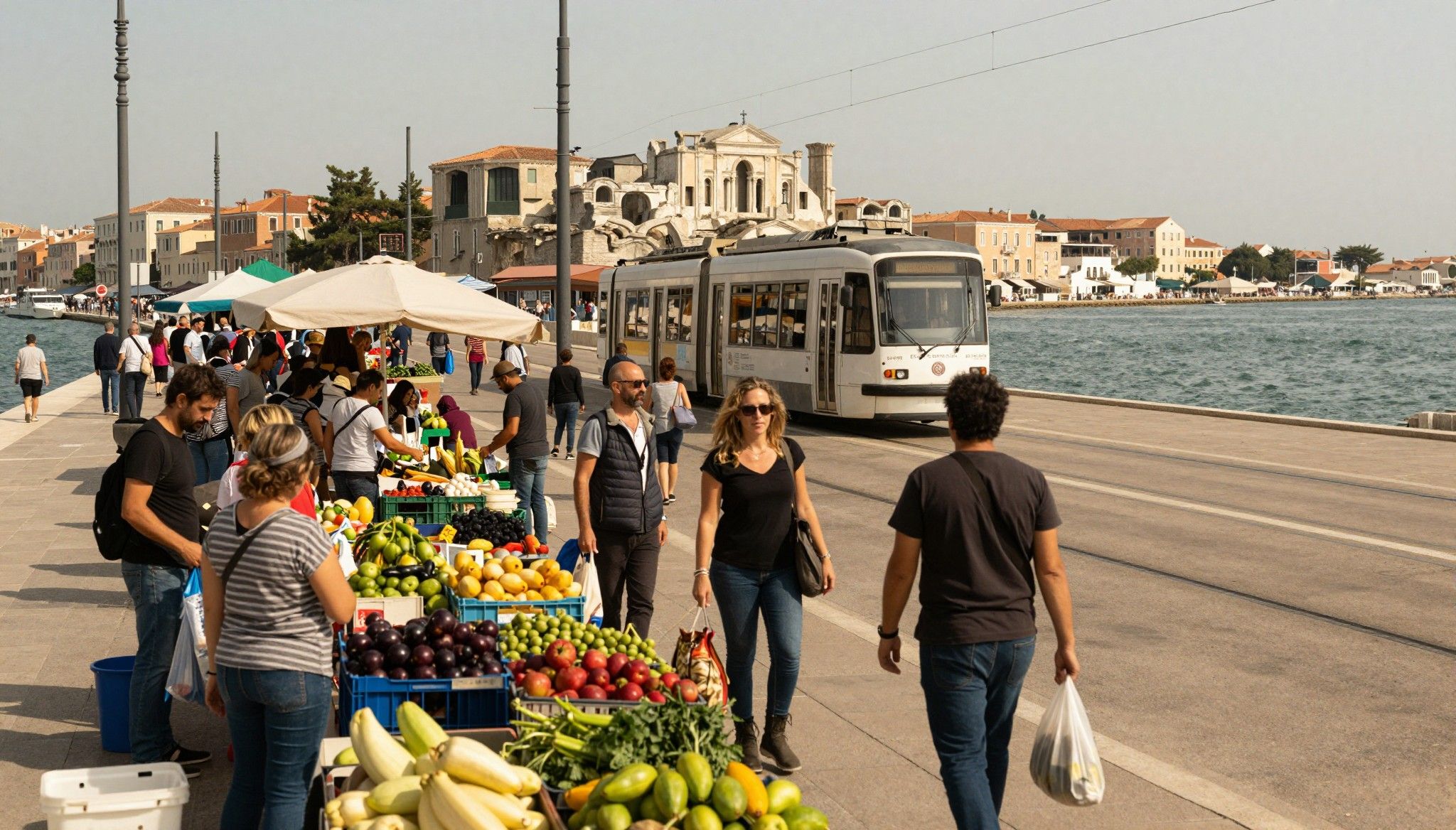
Apartments near ferry terminals and major bus routes perform differently to maisonettes tucked on narrow streets. Tenants—young professionals, seasonal tourists, and short‑term remote workers—value easy access to transport and coworking hubs. Factor transport access into yield models: a 5–10% higher occupancy can offset a smaller headline rent.
Working with agencies who map infrastructure to cash flow
Choose advisers who use transport‑led comparable sales (e.g., time‑to‑ferry, proximity to bus hubs) rather than streetname prestige alone. Local agents with data on short‑let occupancy by micro‑area, parking availability, and walkability can reprice expected net yields by 0.5–1 percentage point—material for portfolio returns.
- Steps to stress‑test Malta transport risk
- 1. Map commute times: quantify minutes to ferries, bus termini and the airport; model rent sensitivity to changes.
- 2. Check parking and bay permits: on‑street scarcity can reduce long‑term tenancy appeal and increase management costs.
- 3. Run seasonal occupancy scenarios: use NSO tourism months to model winter occupancy vs. summer peaks.
Insider knowledge: what expats wish they’d known
Expats often tell the same story: you can ‘have a life’ without long commutes, but infrastructure bottlenecks—ferries crowded in summer, narrow roads and limited parking—change property usability. With record tourist arrivals and rising population, small frictions translate to maintenance spend, management headaches and occasional tenant churn.
Language, culture and daily logistics
English is an official language; utilities and municipal services vary by locality. Expect neighbourly norms—late dinners, scooters on narrow lanes—and factor them into renovation plans (noise mitigation, blackout glazing). These small adjustments often protect occupancy and preserve yields.
Hidden infrastructure risks
Comino’s popularity and strains on small islands spotlight sustainability limits: local policy shifts (visitor caps, waste‑management interventions) can rapidly change short‑let economics. Anticipate regulatory shocks by stress‑testing a 20–40% drop in short‑term income in your cash‑flow model.
- Practical red flags to check on site
- Poor access to regular public transport (buses/ferries) for more than a 10 minute walk.
- Noisy tourism corridors that inflate summer rents but deter long‑term tenants.
- Properties with single access lanes that severely limit maintenance and emergency services.
Conclusion: In Malta, infrastructure is the silent yield driver. Use commute minutes, ferry links and seasonal flows as inputs in your yield model, not as afterthoughts. Work with local advisers who measure time‑to‑amenity and occupancy by micro‑area; stress‑test for seasonal and regulatory shocks; and remember that in a compact market, small differences in access can deliver material changes in net returns.
Swedish financier who guided 150+ families to Spanish title deeds since relocating from Stockholm in 2012, focusing on legal and tax implications.