Buy the Commute, Not the Postcard (Italy)
Italy’s lifestyle shines—but transport nodes, not postcards, predict where yields and steady rentals live. Match piazza charm with rail and airport metrics.
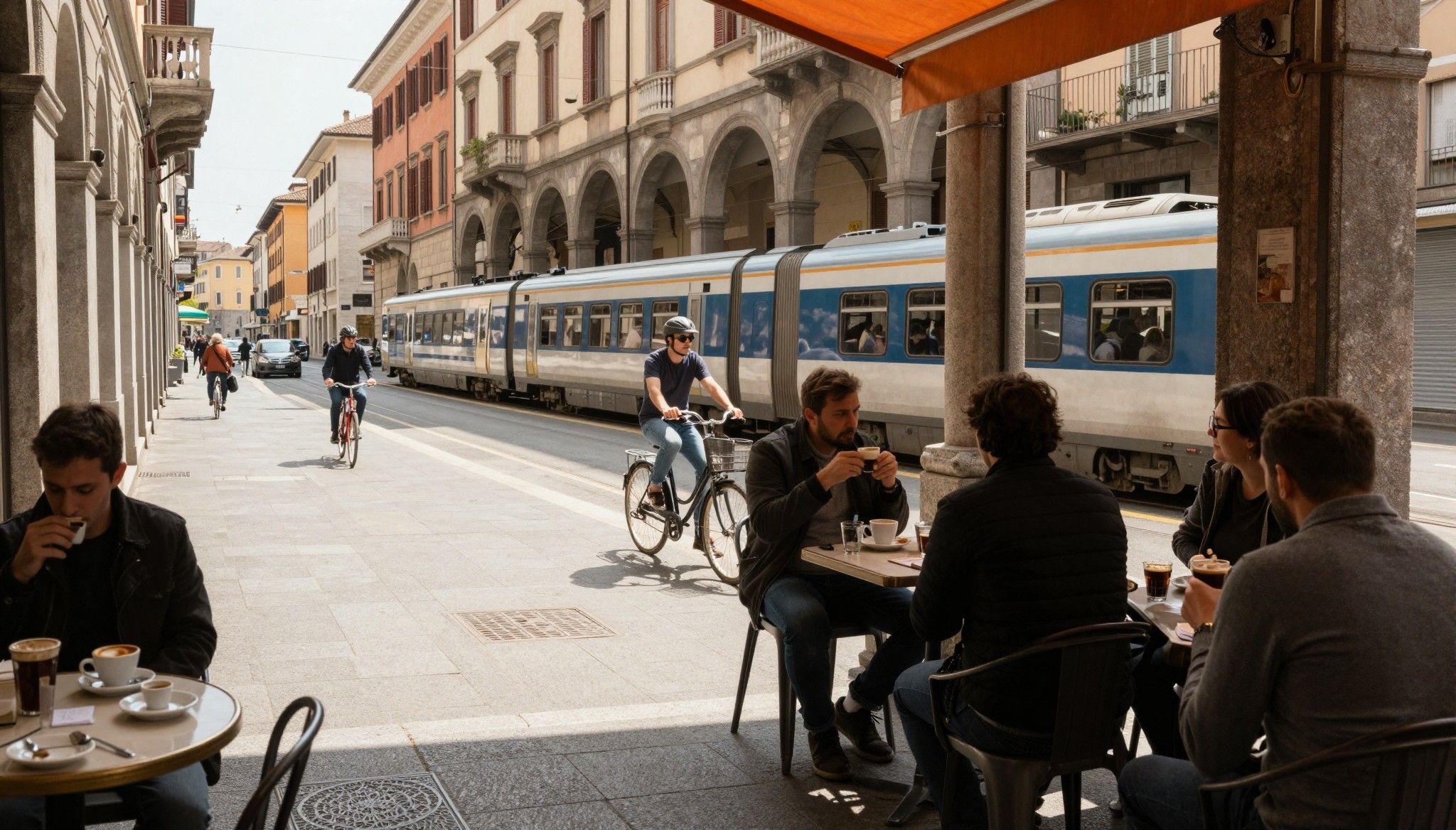
Imagine a weekday morning in Bologna: espresso at a corner bar, delivery scooters threading through porticos, commuters catching a Frecciarossa to Milan. That rhythm—slow lunches, fast trains—defines life across Italy's regions and explains why connectivity is as decisive for property value as piazzas and plasterwork. For international buyers, Italy is both a mosaic of lived-in neighbourhoods and a transport network that reshapes where rental demand and capital growth actually happen.
Living the Italian lifestyle (and why transport matters)
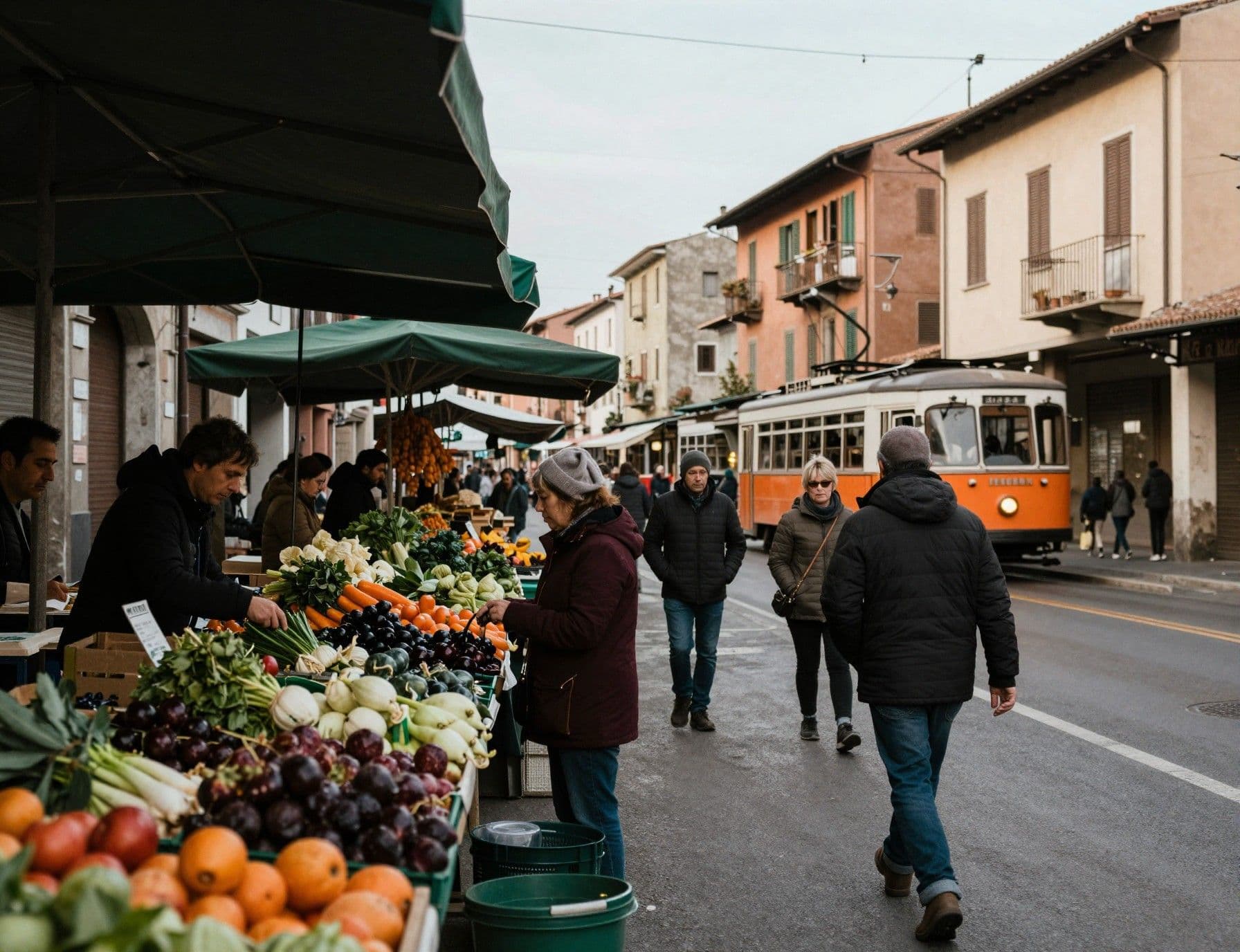
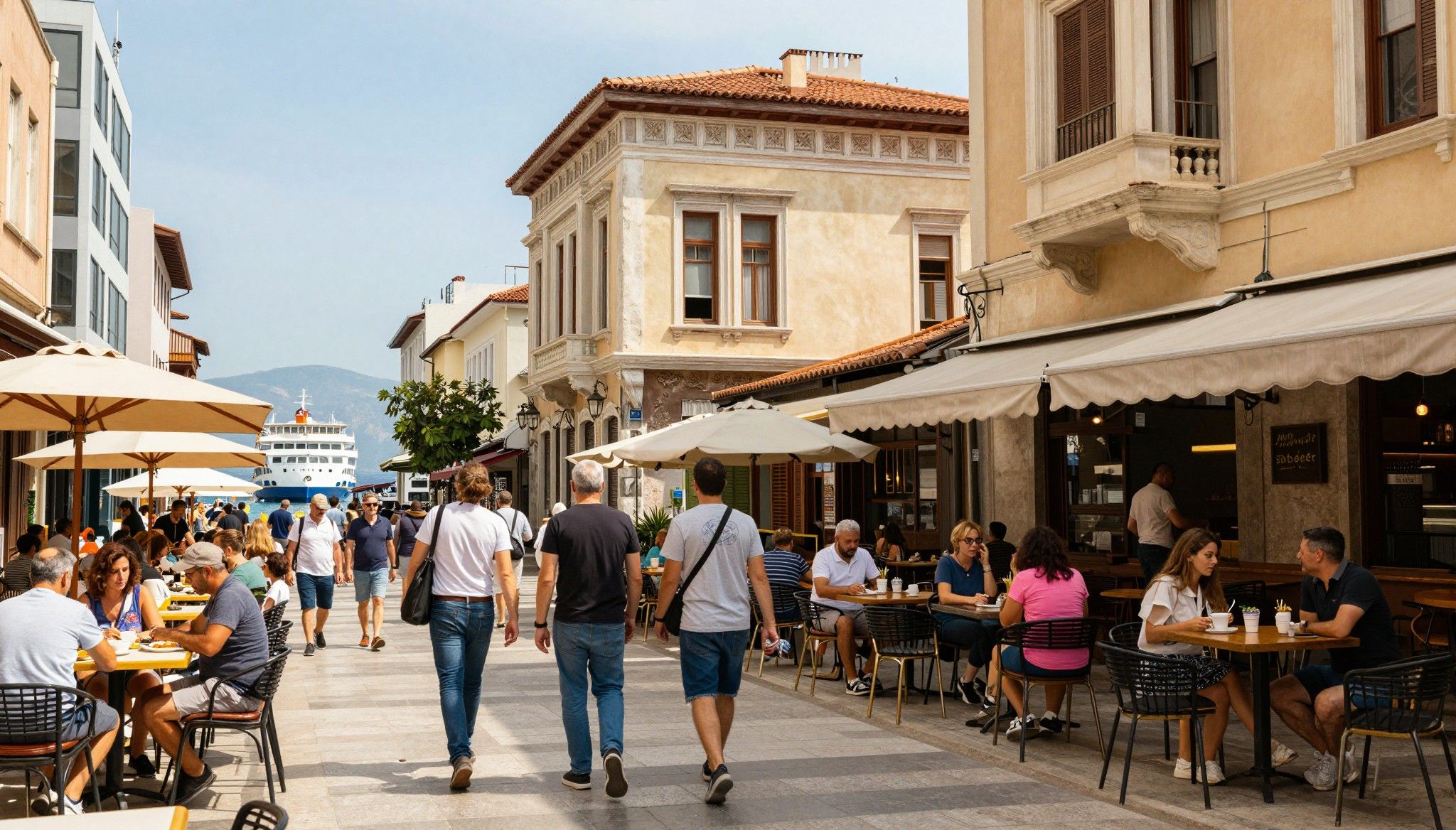
Italy’s daily life is sensory and seasonal: morning markets in Palermo, aperitivi on Milan’s Navigli, late-night passeggiata in Bari. Those rituals attract long‑stay visitors and tenants—tourists swell demand seasonally, but the year‑round anchors are commuters, students and professionals who value reliable trains and short airport transfers. Tourism numbers reinforce demand near hubs; according to national tourism reporting, international arrivals are a major demand driver in key cities and coastal areas.
Neighbourhoods that feel like home
In Rome, Trastevere offers narrow lanes and nightlife but poorer transport links to business districts compared with Prati or EUR. In Milan, Isola’s creative buzz outperforms satellite suburbs in rental growth because it sits on tram and suburban rail lines. On the Amalfi Coast, Positano’s postcard charm sells short‑let premiums while nearby Vietri sul Mare yields steadier long‑term returns thanks to better road and rail access. Pick where you want to live—and then overlay connectivity to see where demand endures.
Food, markets and micro‑location premiums
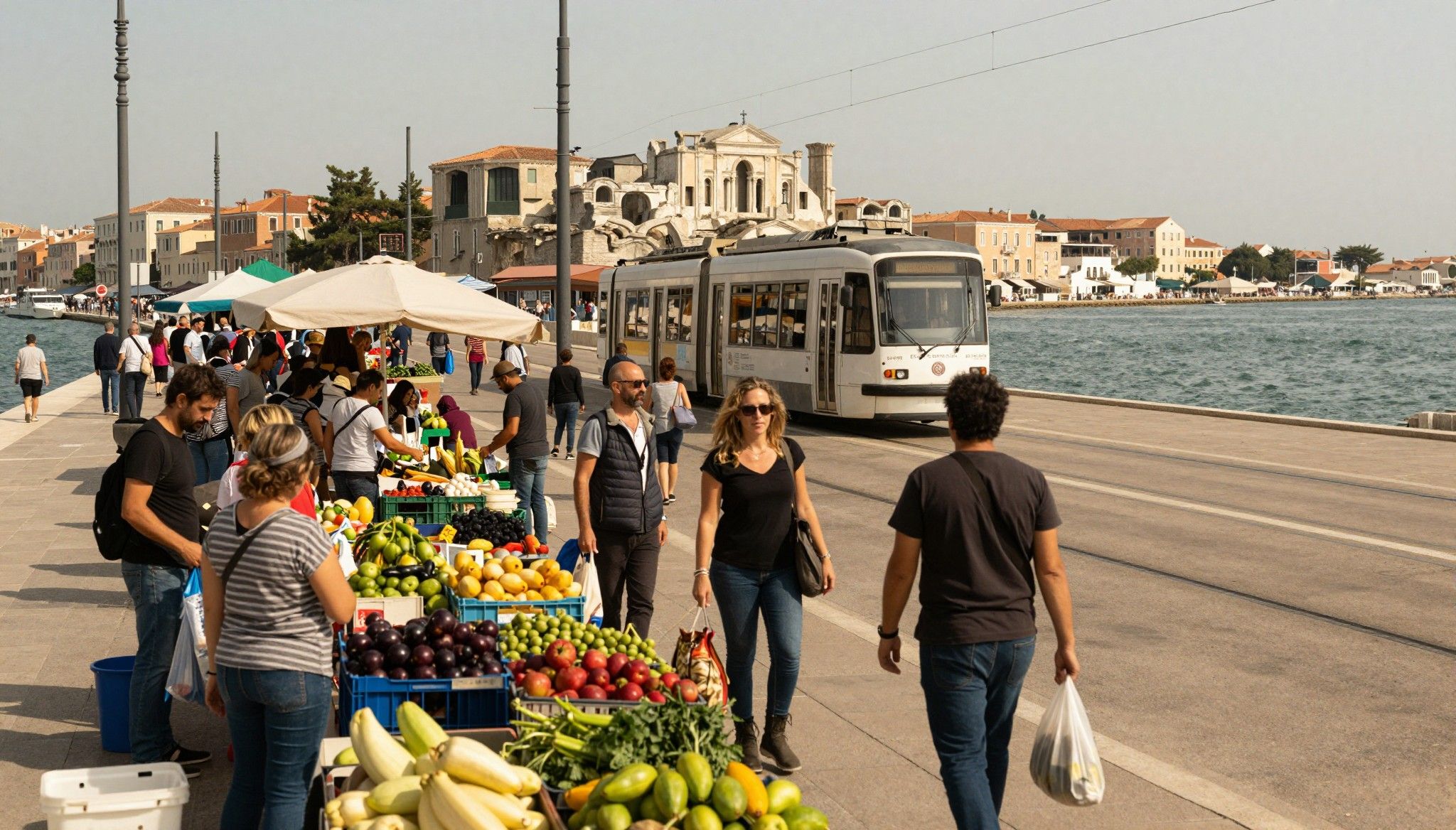
Weekly markets, neighbourhood bakeries and a reliable trattoria around the corner increase tenancy desirability more than marble mantels. Properties within a five‑minute walk of a major market or a popular café often command 5–10% rent premiums in city micro‑markets because tenants prize convenience and everyday quality of life.
- Lifestyle highlights (real places to check first) • Florence: San Lorenzo markets + short tram link to S.M. Novella station • Milan: Porta Romana/Isola for coworking and suburban rail access • Bologna: Santo Stefano area—food scene plus central rail connections • Naples: Chiaia for seaside living, Molo Beverello access for islands • Verona: historic centre with high short‑stay demand and good rail to Venice
Making the move: how infrastructure rewrites returns
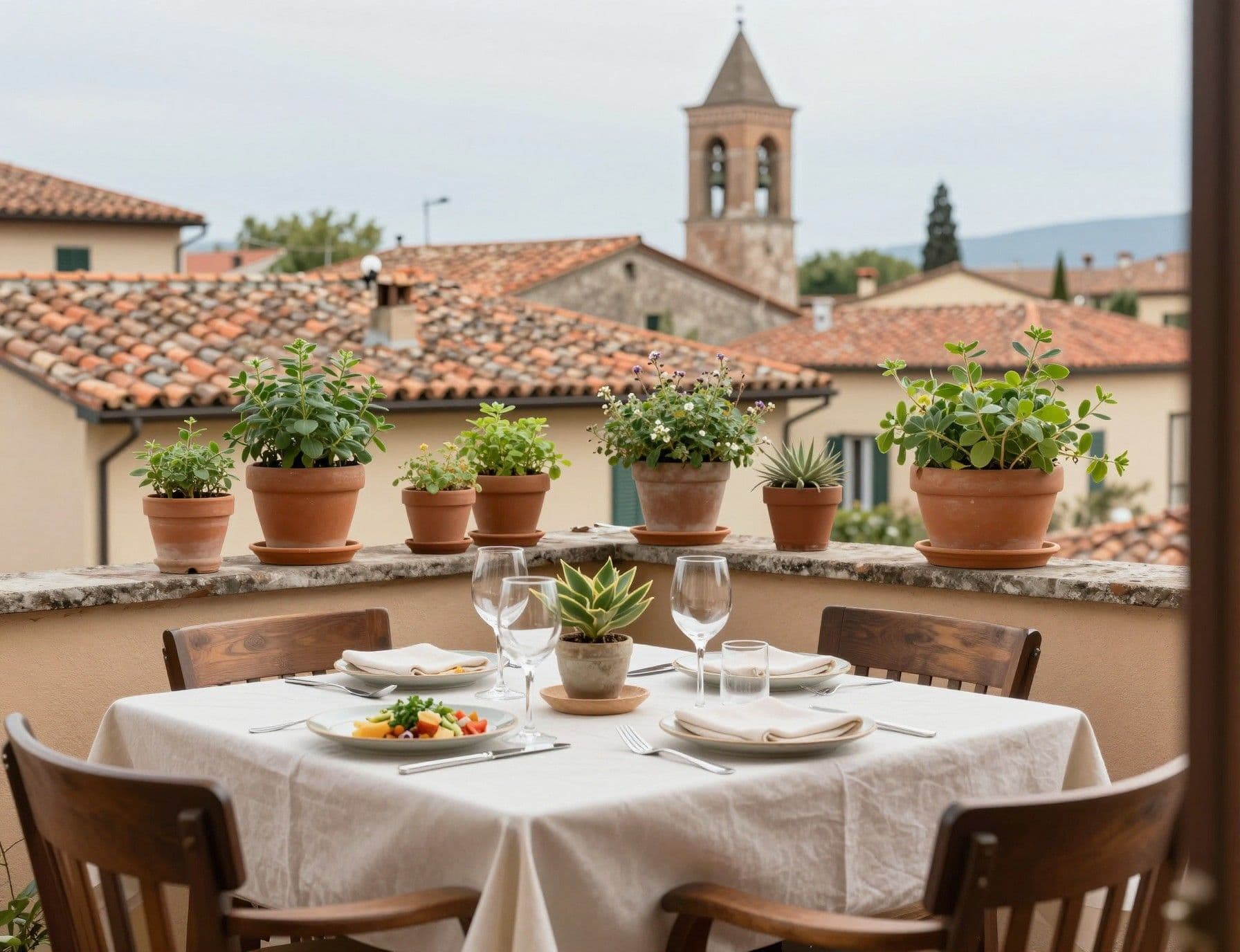
Dreams meet numbers at transport nodes. High‑speed rail (Frecciarossa / Italo) and regional rail upgrades compress effective distances between secondary cities and major employment centres, lifting prices and lowering yields in previously cheap towns. Data from national market reports show average national prices around €2,000–€2,300/m² with city dispersion—Milan often near €5,000/m², Rome around €3,200/m²—so proximity to fast rail can be the factor that converts a speculative buy into a stable income asset. (See official market observatories for exact figures.)
Property styles and what they mean for lifestyle and yields
Historic city apartments (pre‑1900) deliver character and tourist interest but higher renovation and management costs. Modern builds near rail hubs have lower maintenance and better long‑term rental appeal for professionals. If you want steady yield, prioritise well‑maintained post‑1990 apartments within walking distance of suburban rail or metro stations; if your goal is capital appreciation, look for restoration projects in conserved central districts with limited supply.
Working with local experts who understand movement
- Steps to marry lifestyle and connectivity when buying: 1. Map commute times, not distances—use rail timetables and car travel during rush hour. 2. Demand proof of average rental rates for properties within 800m of transit nodes. 3. Ask agents for a neighbourhood mobility brief: tram lines, cycle lanes, airport transfer times. 4. Stress‑test seasonality: check monthly occupancy for short‑let markets and year‑round vacancy for long‑lets. 5. Factor in management costs—properties off primary lines often need price incentives to rent.
Insider knowledge: what expats wish they'd known
Expats often assume coastal charm equals steady returns. Reality: tourist hotspots deliver volatile short‑let income; long‑term security follows transport, jobs and universities. Many buyers regret underestimating property management complexity in historic centres—narrow staircases, condominium rules and access for tradespeople are recurring friction points that affect cashflow.
Cultural integration and daily practicalities
Learning basic Italian unlocks neighbourhood networks, but practicality wins: a local gestor or property manager who understands condominium rules, waste collection schedules and rental registrations saves months of headaches. In many towns the 'unspoken rule' is that repairs and logistics rely on local relationships—your yield forecast must budget for management markup and occasional access delays.
Long‑term lifestyle: growth pockets to watch
- Factors that indicate sustainable lifestyle + capital growth • New or upgraded rail/metro links (e.g., suburban rail projects around Milan and Naples) • Proximity to universities and hospitals (steady tenant pool) • Municipal regeneration plans that restrict new supply in historic cores • Short airport transfer times (under 50 minutes) for secondary cities • Localised tourism that supports shoulder‑season occupancy rather than pure summer spikes
If you love Italy’s sensory life, buy with the movement map in one hand. Choose transport nodes and everyday amenities over the prettiest piazza if your aim is steady yield and low vacancy. For international buyers, the smartest purchases are the ones that let you live like a local—espresso two doors down, fast rail to work—and pay the bills while you do it.
Next steps: compile a two‑column shortlist—one column for lifestyle priorities (markets, cafés, beaches) and one for mobility metrics (station, airport time, bus frequency). Ask an agency for a neighbourhood mobility dossier and 12‑month rental evidence. That two‑sheet test separates honeymoon buys from yield‑grade investments.
Conclusion: Italy rewards buyers who pair romance with routes. The postcard will make you fall in love; the timetable will make the investment work. Start with local movement, verify demand with data, and let the lifestyle follow the lines on the map.
Danish relocation specialist who moved to Cyprus in 2018, helping Nordic clients diversify with rental yields and residency considerations.