Malta’s Connectivity Premium: Buy Near Transport, Not Views
Malta’s compact transport network and record airport growth reprice neighbourhoods — buy near connectivity, not just the view, to protect yield.
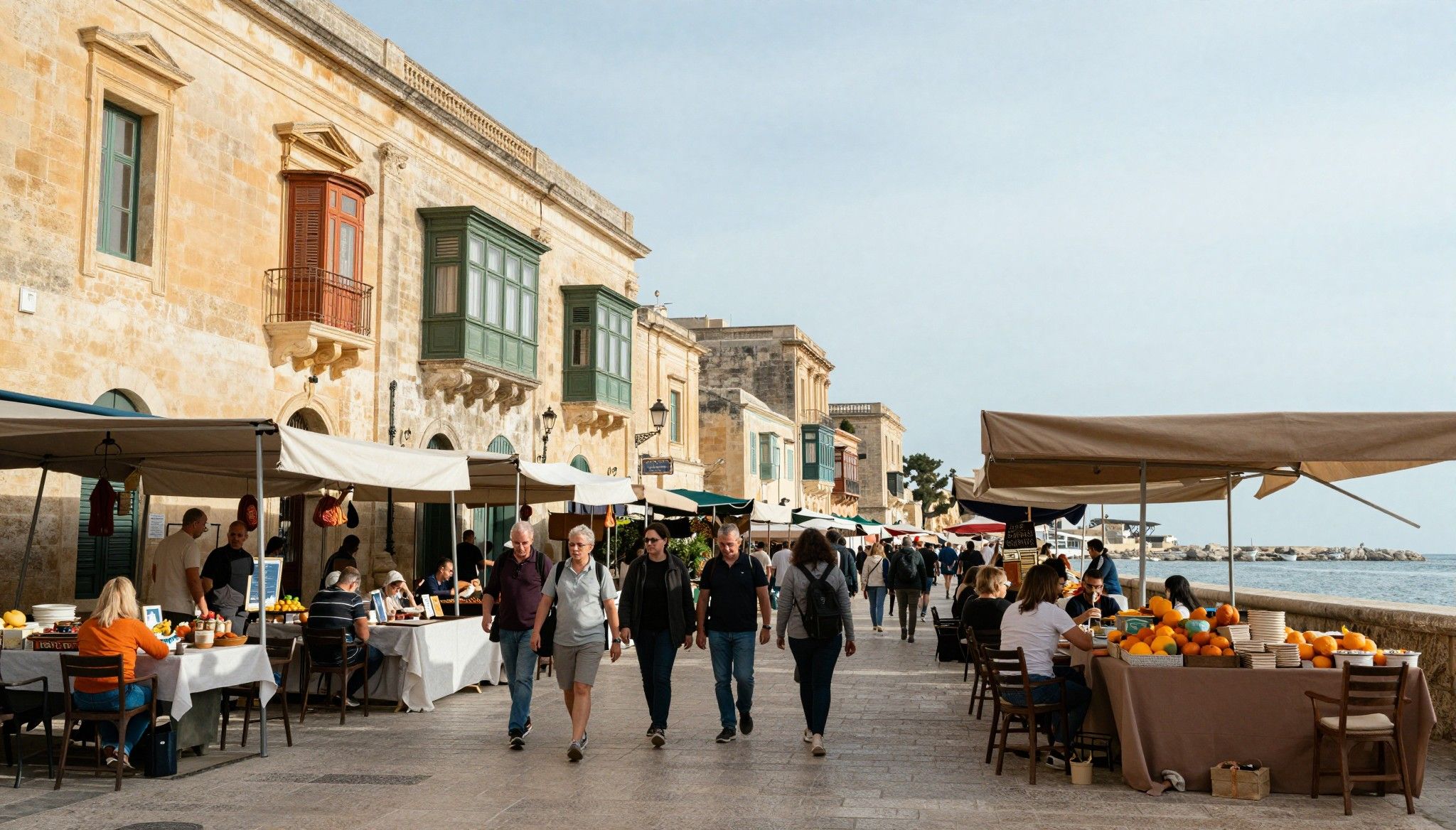
Imagine waking to the smell of freshly baked ftira, cycling across limestone streets to a café in Sliema, then boarding a 25‑minute ferry to Valletta for meetings. That compressed island rhythm — everything close, everything lived outdoors — is Malta’s daily reality. For international buyers, Malta’s compactness translates into a distinct infrastructure premium: short commutes, intense seasonal transport demand, and an airport that now links the archipelago to more markets than before. Understanding how that premium is priced into property values is the difference between buying a holiday fantasy and acquiring a productive income asset.
Living the Malta lifestyle
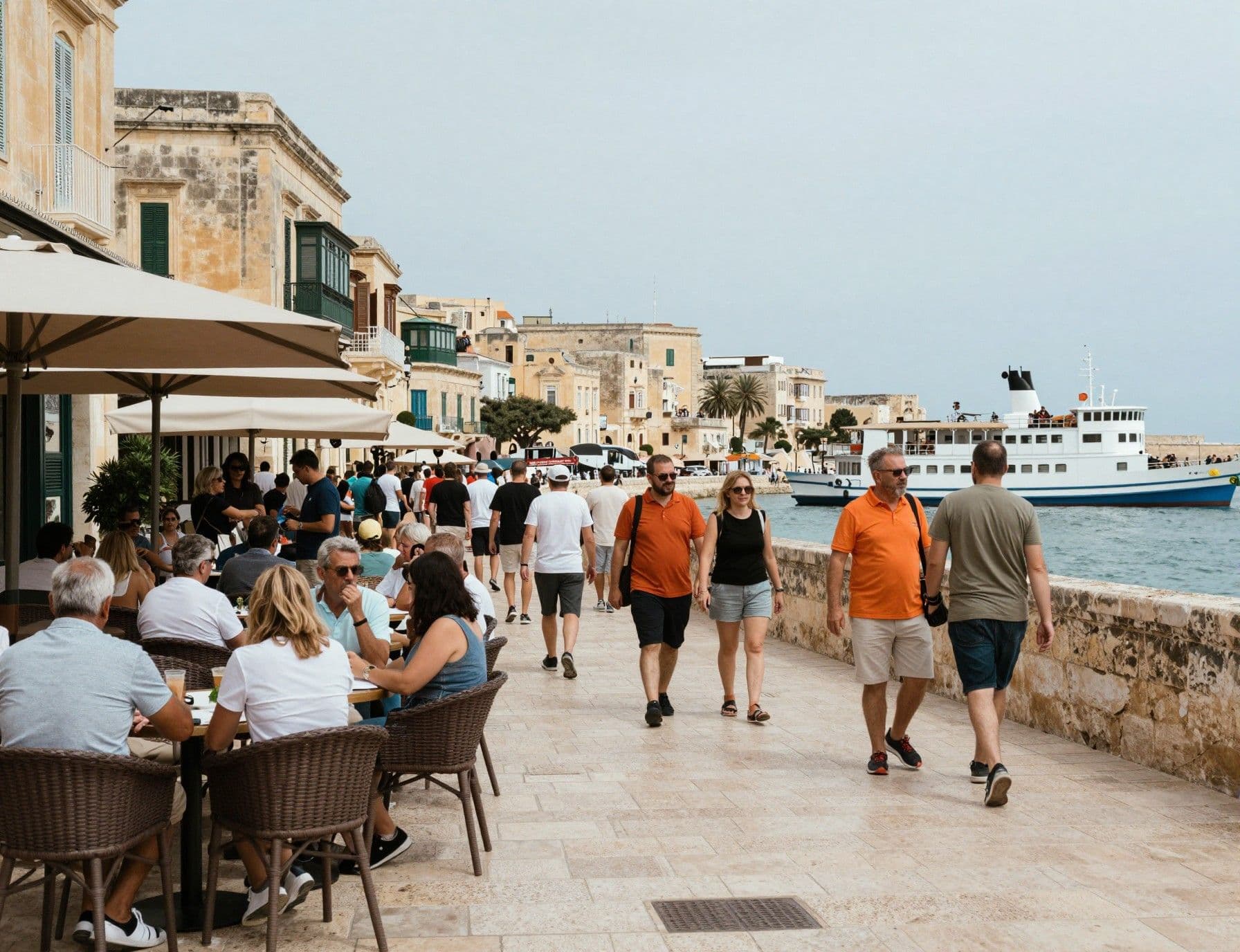
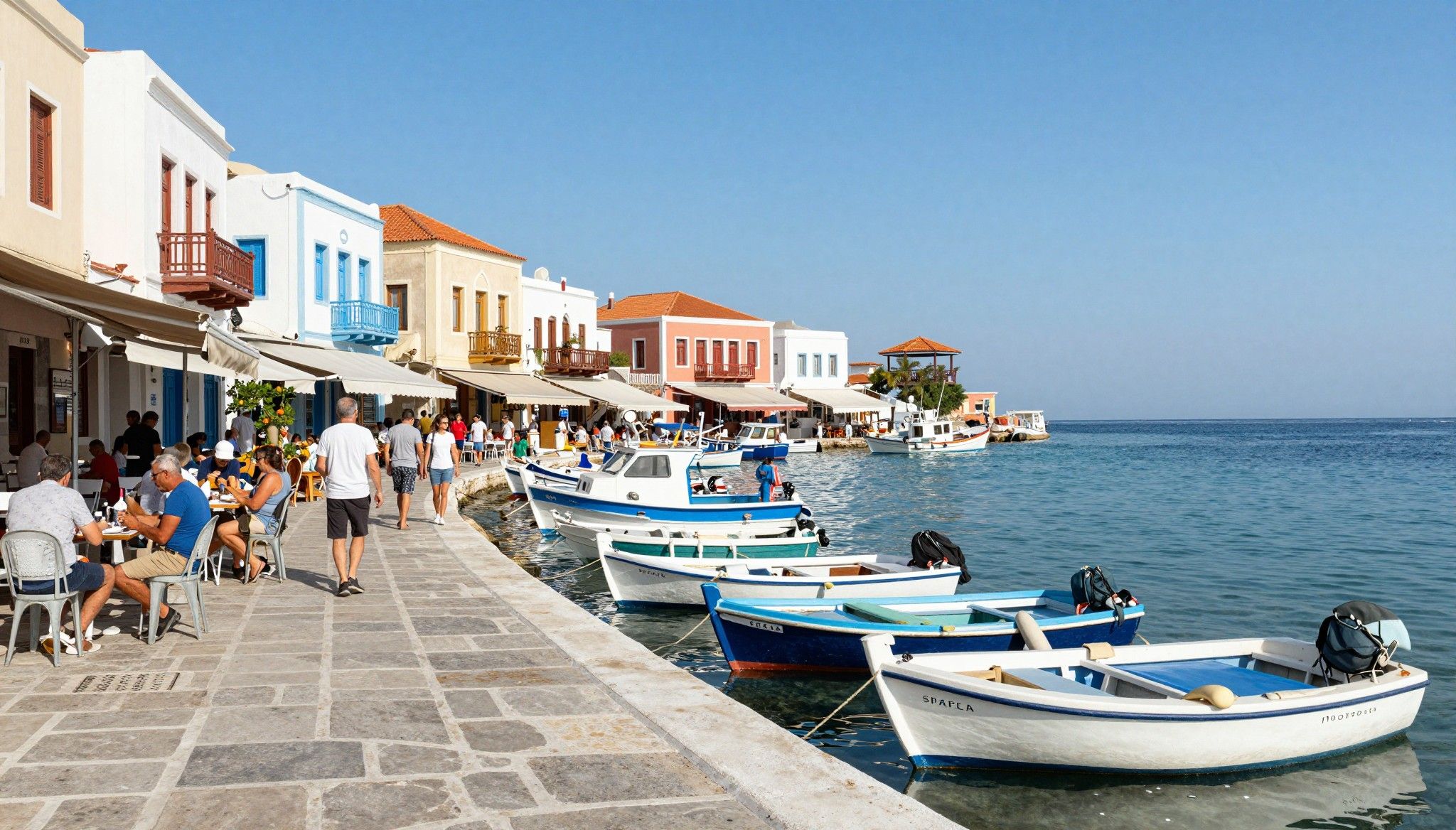
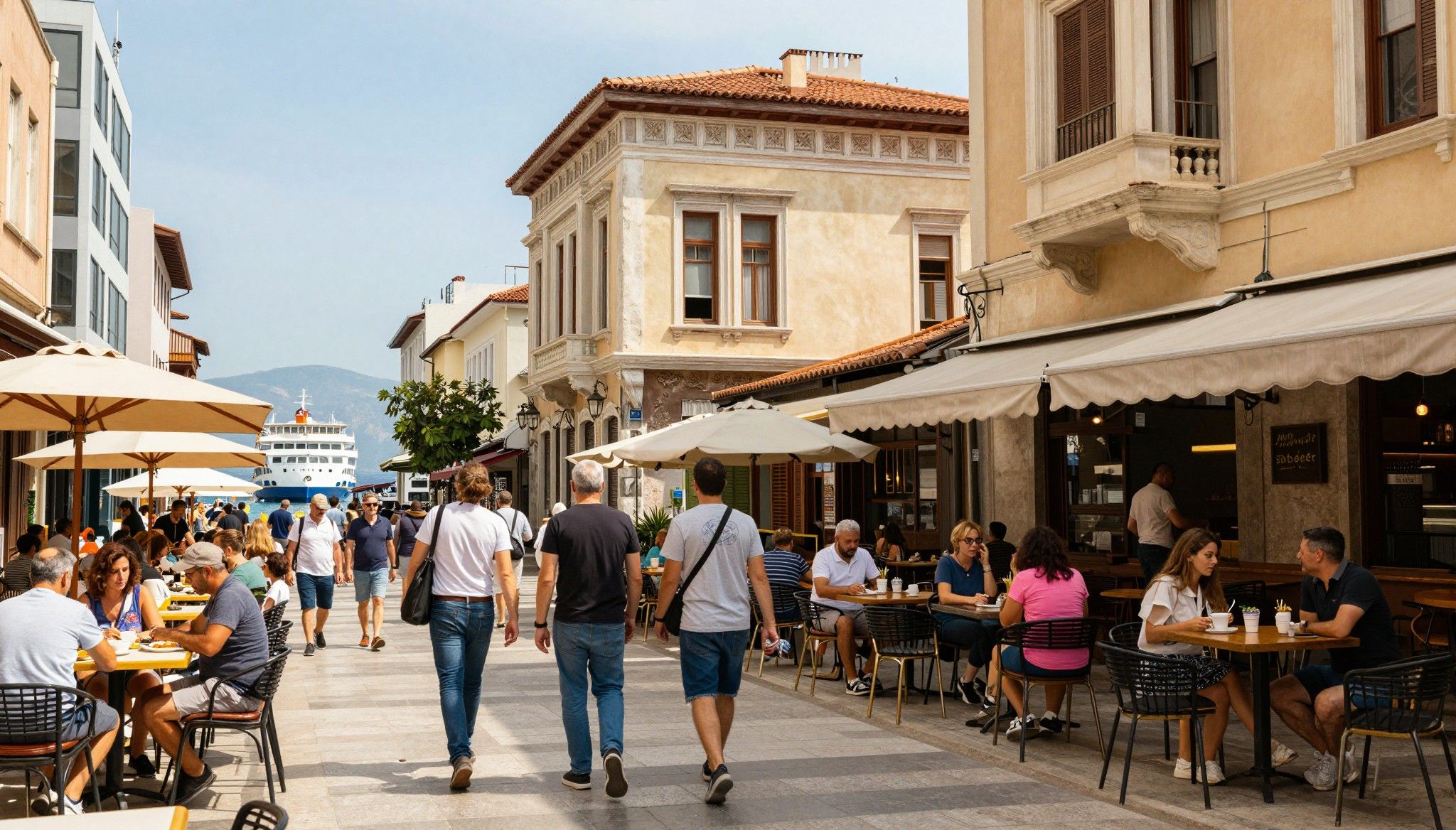
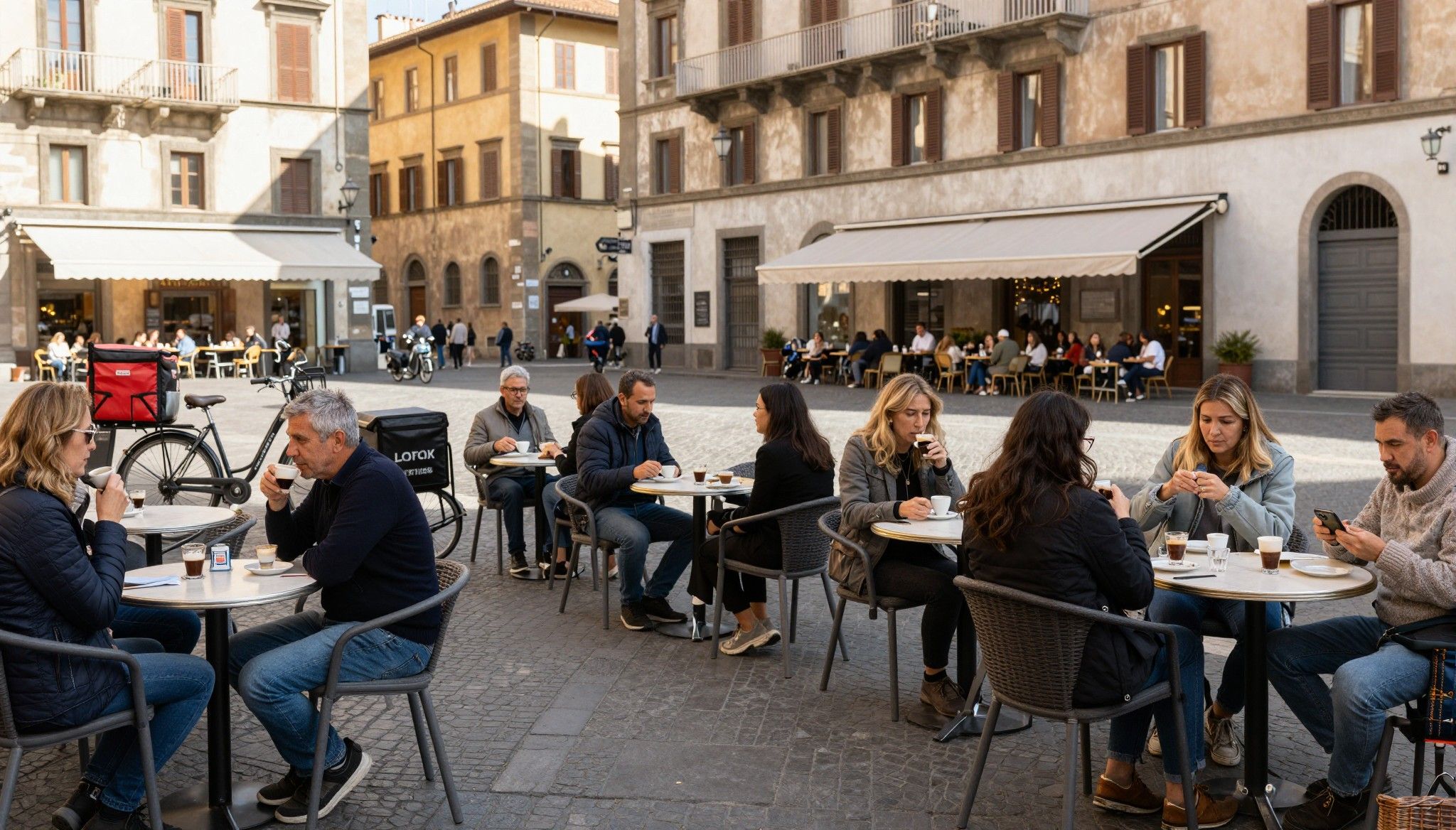
Malta feels Mediterranean at scale: sunlit promenades, neighbourhood bars that open before dusk, and pockets of quiet in inland towns like Rabat and Dingli. Day‑to‑day life is tactile — market banter at Marsaxlokk, espresso outside Valletta’s Strait Street, after‑work swims at Golden Bay. That atmosphere shapes demand: tourists, short‑leters, and local professionals all value proximity to the sea, cafés, and reliable transport links. For investors this means location choices should prioritise access to transport nodes and placemaking rather than only sea views.
Neighbourhood spotlight: Sliema — density with commuter convenience
Sliema is Malta’s commercial heartbeat for apartment-style living: narrow streets, seafront promenades, and plentiful short‑let demand. It's a top pick for tenants who prize quick ferry or bus access to Valletta and St Julian’s nightlife. Rents are strong, but prices per square metre reflect that: expect a higher entry price and lower marginal yield than inland towns. For yield-focused buyers, Sliema performs when occupancy is high and management is tight — consider furnished two‑bed units aimed at professionals rather than high‑turn holiday lets.
Neighbourhood spotlight: Mdina & Rabat — calm, family‑oriented value
Mdina and neighboring Rabat offer slower rhythms: historic streets, family households, and buyers seeking space over hustle. Properties here often trade at discounts to coastal hotspots and attract long‑term renters or owner‑occupiers. Transport frequency is lower, but the tradeoff is stability: lower vacancy risk and steady local demand. For investors, these areas suit buy‑to‑let strategies targeting residents and remote workers who value authenticity over nightly income maximisation.
Lifestyle highlights: where island life concentrates
- Morning market at Marsaxlokk — fresh fish and community pulse.
- Sliema promenade — daily walks, cafés, and ferry links to Valletta.
- St Julian’s / Paceville — nightlife cluster and serviced apartment demand.
- Dingli Cliffs and inland villages — quieter long‑let tenant profiles.
Making the move: infrastructure that actually matters
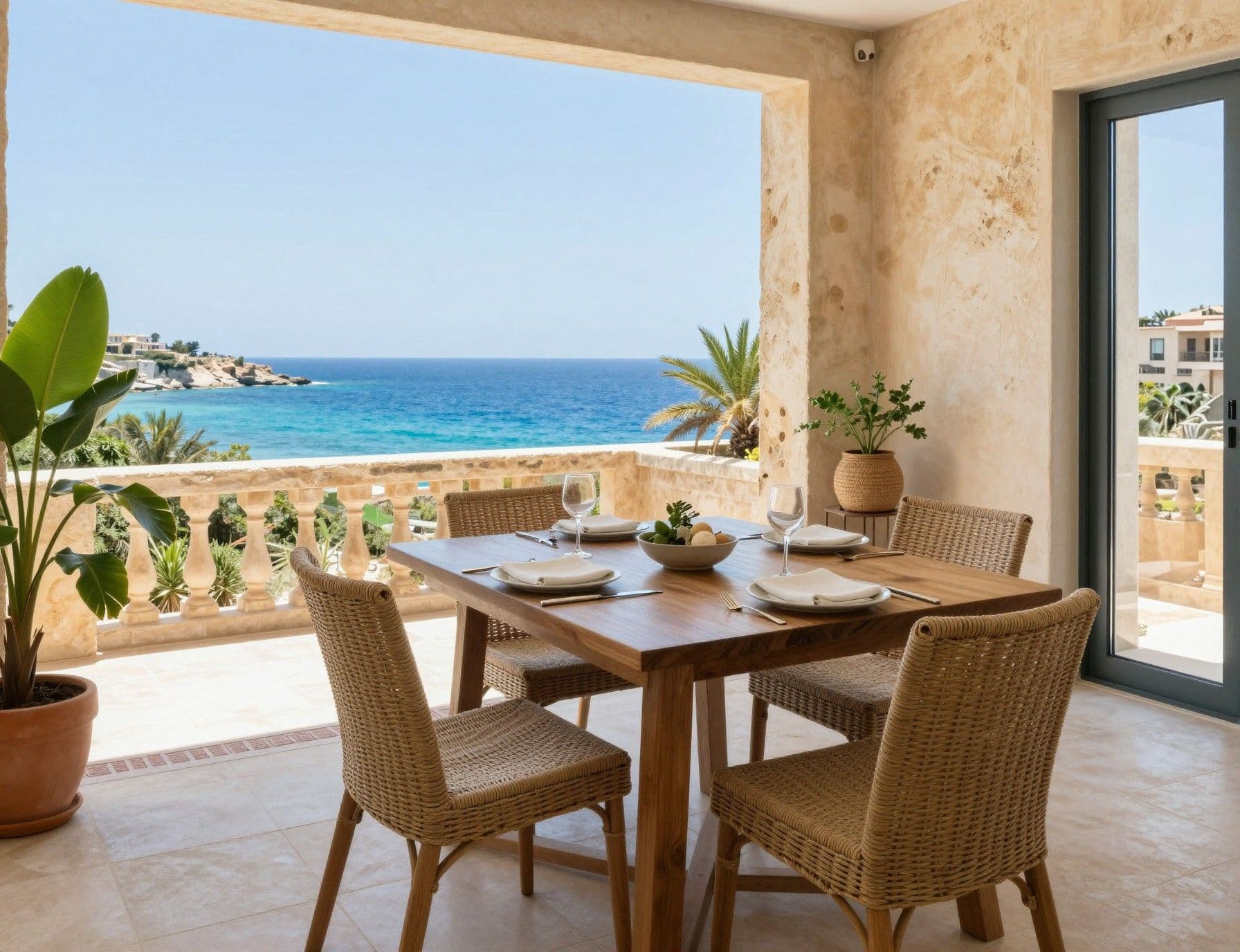
Lifestyle is the hook; infrastructure is the wallet. Malta’s Residential Property Price Index rose 5.6% year‑on‑year in Q2 2025, indicating steady price growth amid constrained supply. That growth correlates with connectivity improvements — the airport handled record passenger numbers and continues to expand capacity — which deepens demand for well‑connected properties. International buyers should therefore map property price trends against transport upgrades rather than scenic desirability alone.
Property types: what suits which lifestyle
Apartments dominate Malta’s market and suit renters who prioritise proximity to services and transport. Maisonettes and terraced houses offer more outdoor space and appeal to families or long‑stay tenants. Rural townhouses and converted farmhouses in Gozo or inland Malta attract buyers seeking lower prices and stable tenancies. Match property form to your rental strategy: short‑let friendly (city apartments), long‑let stability (maisonettes), or capital appreciation plays (central Valletta restorations).
Working with local experts: what to expect
Local agents bridge lifestyle intent and legal reality. Expect them to advise on micro‑locations (street‑level differences matter in Malta), rental demand seasonality, and management needs for short lets. Good agents also know which neighbourhoods have upcoming infrastructure projects that reprice assets. Choose advisors with transaction experience, in‑market management partnerships, and clear evidence of previous investor clients rather than glossy sales portfolios.
Steps to align lifestyle and infrastructure when buying in Malta
- Identify the tenant profile you want (seasonal tourist, professional, family).
- Map transport nodes (ferry terminals, main bus corridors, airport routes) within a 20‑minute commute radius.
- Compare recent RPPI movements for micro‑areas using NSO data and local transaction evidence.
- Stress‑test seasonality: estimate occupancy rates for Q2 versus Q4 and adjust yield expectations.
- Contract a local property manager with documented short‑let controls if targeting tourist income.
Insider knowledge: what expats wish they’d known
Expats often under‑estimate how seasonality and a tight road network shape daily life. Malta’s National Transport Master Plan recognises modal shifts and targeted upgrades, but road congestion remains a real cost for tenants and can depress long‑term yields in poorly connected suburbs. Buyers should balance cheaper price points against the frictional cost of lower connectivity — longer commute times materially reduce appeal to quality tenants.
Cultural integration and everyday practicalities
English is an official language and daily transactions are straightforward, but social networks remain local. Joining community groups, weekend volunteering, or language exchanges accelerates tenant referrals and local maintenance help. For landlords, understanding waste collection schedules, permit processes for renovations, and communal building norms prevents costly delays and tenant dissatisfaction.
Long‑term lifestyle sustainability
Malta’s constrained land supply and strong tourism pipeline suggest continued capital support for well‑located assets. However, yield compression is likely where demand is already priced in, such as prime Sliema or Valletta restorations. Sustainable returns come from micro‑location selection, active asset management, and sensitivity to infrastructure timelines rather than betting purely on islandwide growth narratives.
- Red flags to watch: long permit lead times, unclear communal maintenance obligations, and over‑reliance on peak‑season short lets.
- Positive signals: proximity to a frequent airport or ferry link, recent bus network upgrades, and neighbourhoods with active day‑round economies.
If you want to live the Malta lifestyle, start there: spend a week in your target micro‑area across both high and low season, test commutes, and talk to local managers. Then run the numbers: expected gross yield, realistic occupancy, and a three‑year capex plan. The island’s charm opens doors; infrastructure and informed agency selection keep them profitable.
Dutch investment strategist who built a practice assisting 200+ Dutch clients find Spanish assets, with emphasis on cap rates and due diligence.