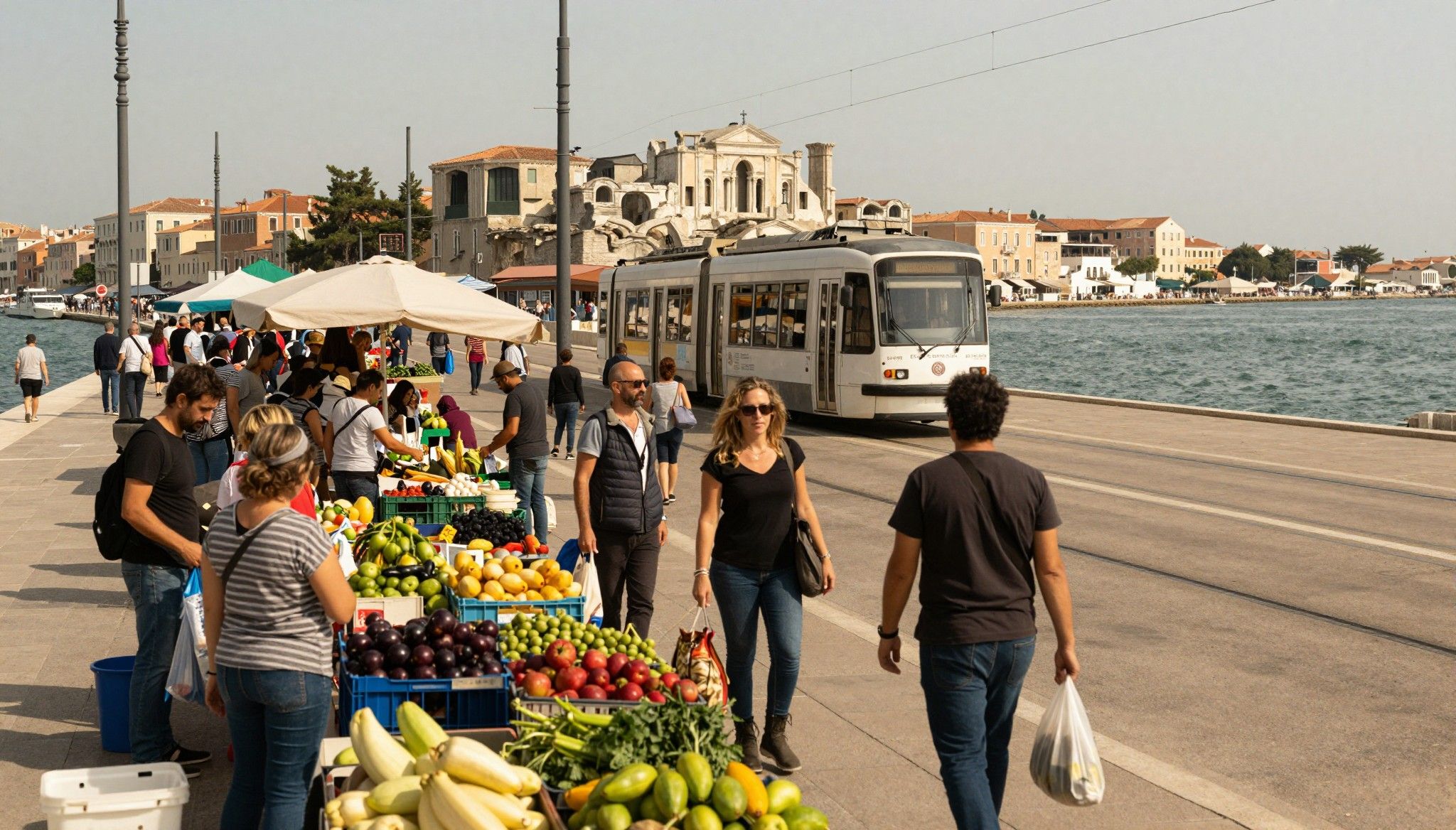
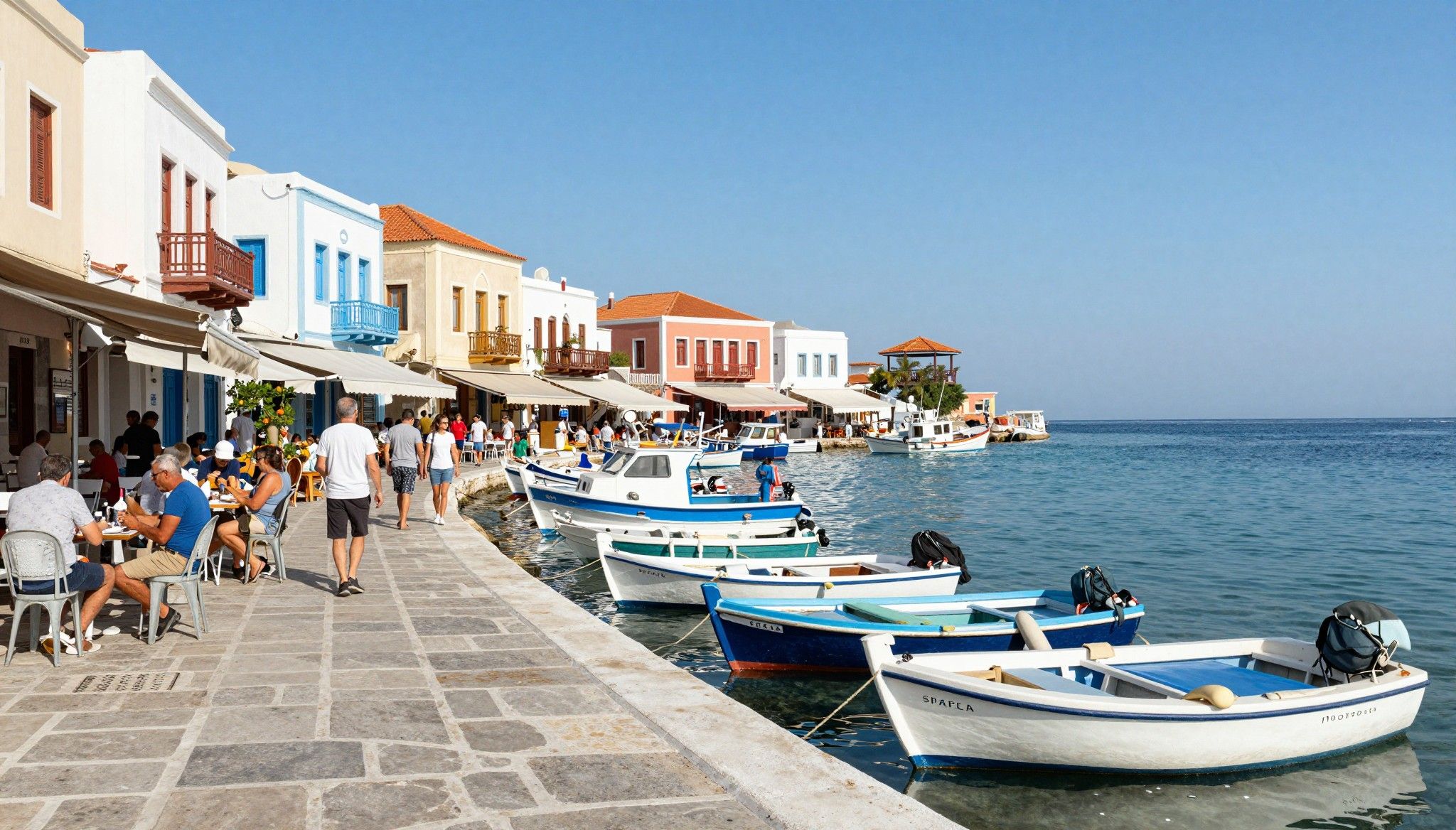
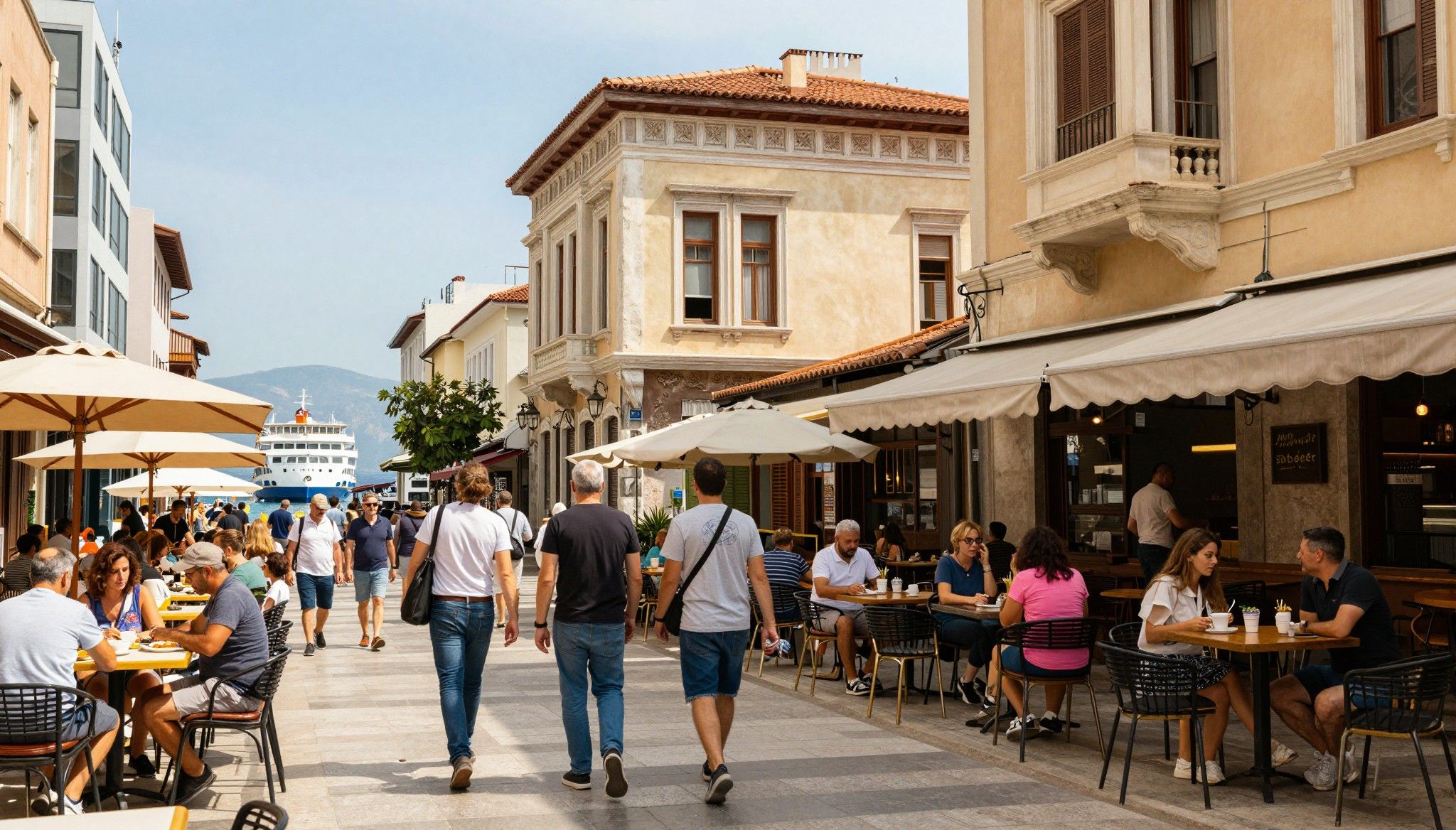
Malta’s Mobility Premium: Why Transport Beats the View
Malta’s charm hides a transport‑sensitive market: buyers who prioritise emerging transport nodes and regulatory clarity capture steadier rental returns than those chasing views.
Imagine waking to espresso on Triq ir-Repubblika in Valletta, then catching a thirty-minute bus to a coworking hub in Sliema—Malta compresses Mediterranean life into walkable neighborhoods. For international buyers the appeal is immediate: sunny microclimates, English as an official language, and compact distances that make transport improvements highly price‑sensitive.
Living Malta: compressed Mediterranean living
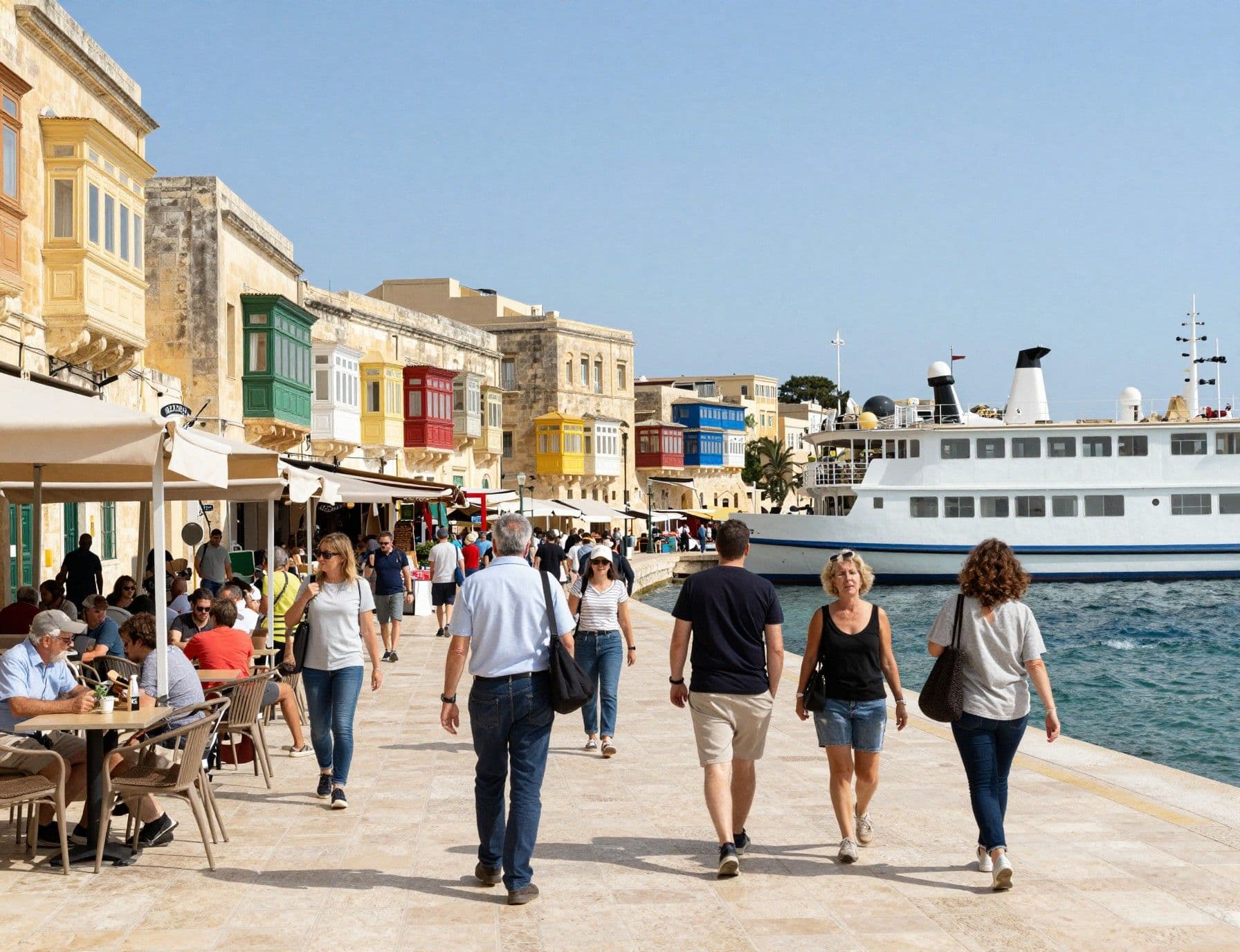
Days in Malta feel short on distance and long on experience. Valletta’s Barakka Gardens watch ferries slip into the Grand Harbour; St. Julian’s pulses with nightlife while neighbouring Msida and Gżira host commuting families. Record tourism—3.56 million inbound visitors in 2024—keeps short‑let demand and year‑round services buoyant, but also concentrates congestion and seasonal pricing pressure in hot pockets. (See national tourism and housing data for context.)
Neighbourhood textures: Valletta, Sliema, Mellieħa
Valletta is city‑center living: limestone streets, historic façades and short lets that convert reliably in high‑season. Sliema and St. Julian’s are commerce‑heavy with ferries, seaside promenades and high tenant demand from professionals. For quieter coastal living, Mellieħa and Marsaskala offer larger terraces and family appeal but longer commutes to central business nodes.
Food, markets and weekend rhythms
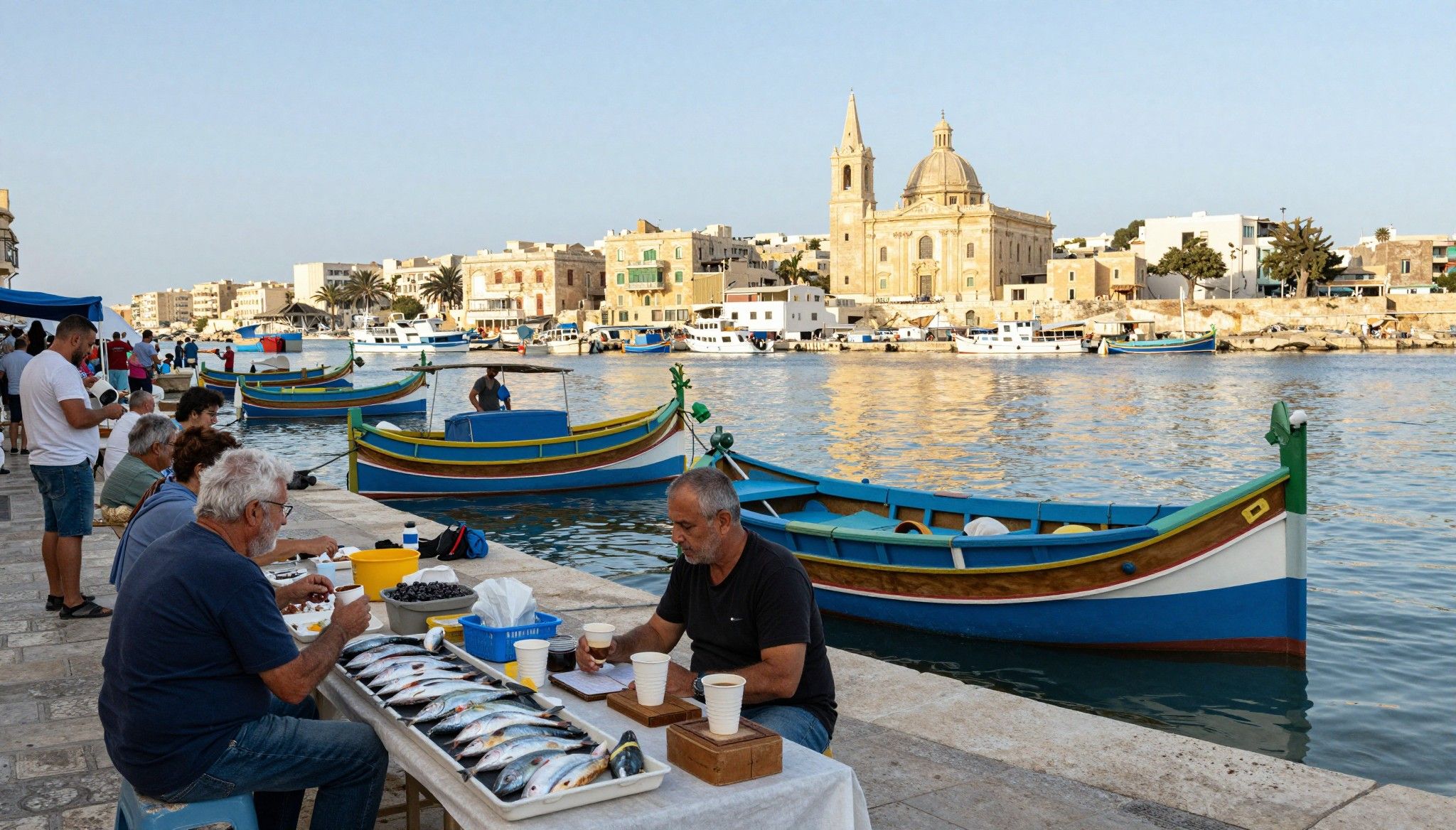
Weekends mean the Marsaxlokk fish market at dawn, neighbourhood cafés in Paola and a late afternoon swim at Għajn Tuffieħa. Dining is Mediterranean‑rooted—rabbit stews, ftira flatbreads, and fresh fish—but increasingly cosmopolitan in Sliema and St. Julian’s. These lifestyle anchors shape rental demand: proximity to markets, promenades and reliable transport raises occupancy rates more than sea‑view alone.
- Lifestyle highlights: Valletta’s narrow streets; Sliema promenade and ferries; Marsaxlokk fish market; Għajn Tuffieħa beach; cafés on Triq il-Merkanti; Sunday markets in Naxxar
Making the move: infrastructure that actually moves value
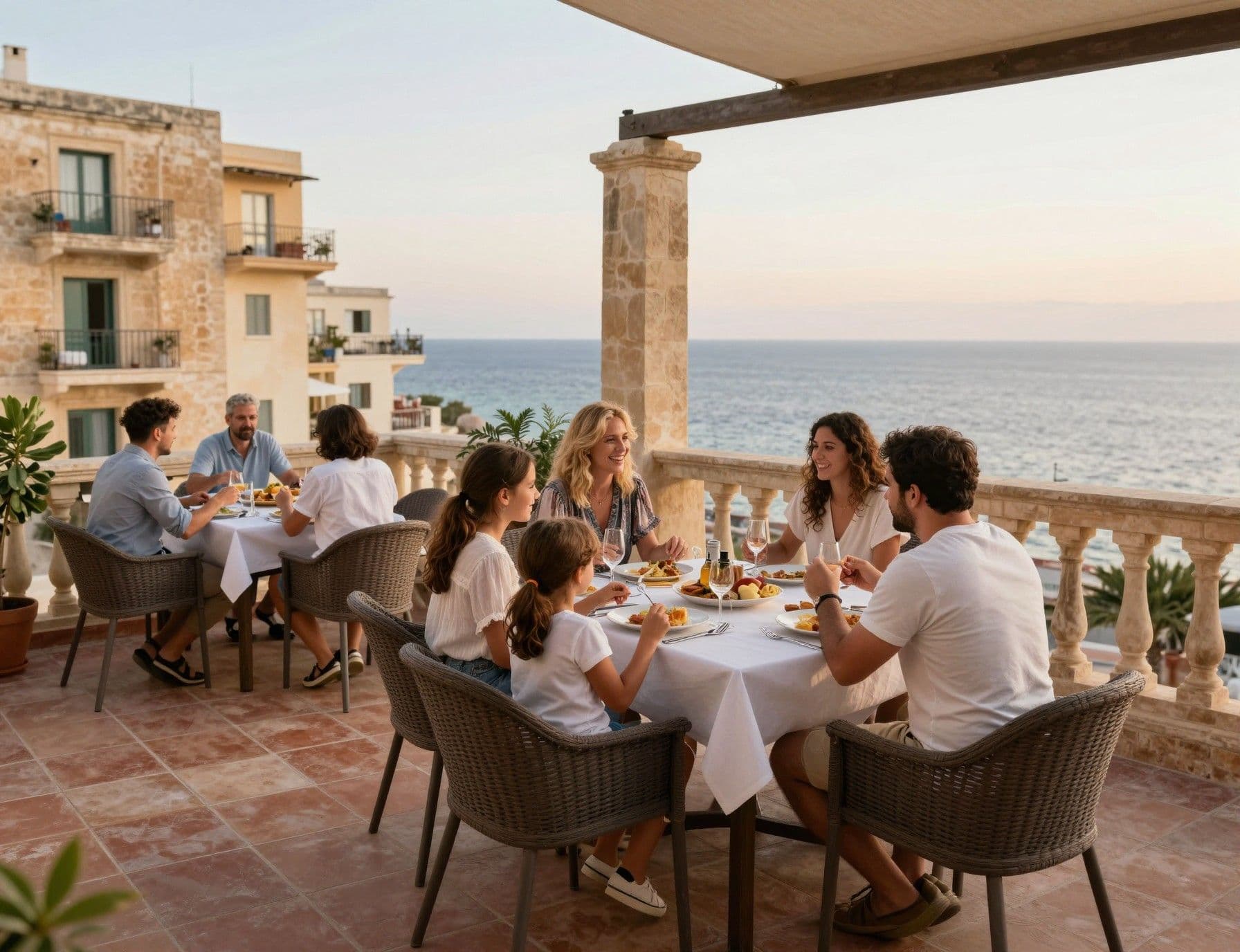
Malta’s market is compact and transport changes reverberate quickly. Recent public‑transport routing and airport‑link improvements have altered commuting economics, tightening yields in well‑connected micro‑markets while leaving peripheral spots cheaper but slower to rent. Use transport nodes—not only sea views—as your proximity premium.
Small projects move markets: pedestrian upgrades near the Gozo ferry, new airport direct bus routes and the government’s ‘Reshaping Our Mobility’ network re‑routing shift where tenants want to live. Investors who track transport rollouts can anticipate rental booms near upgraded stops.
Property styles that match how you’ll live
Historic townhouses (“houses of character”) trade differently to new apartments: the former outperforms for boutique short lets and premium long lets; the latter offers lower maintenance and steadier tenancy for professionals. Consider energy retrofit costs for limestone façades and the functional value of a lift versus a terrace in year‑round occupancy.
- Steps to marry lifestyle and yield: 1. Map commuting times to key employers and schools before pricing; short walks beat sea views for repeat tenancies. 2. Prioritise properties within upgraded public‑transport corridors identified in government plans. 3. Budget for retrofits on older buildings (insulation, windows) that materially affect long‑term running costs. 4. Confirm AIP permit requirements and SDA status early to avoid transaction delays.
Insider knowledge: what expats wish they’d known
Expats often under‑estimate bureaucracy and over‑index on postcards. Non‑EU buyers need Acquisition of Immovable Property (AIP) permits outside Special Designated Areas (SDAs); processing takes weeks to months and influences total time‑to‑rent. A local agency with regulatory experience shortens that timeline and helps position a property for the right tenant cohort.
Cultural integration and daily routines
English is an official language and social life is neighbourhood‑centric: cafés, band clubs and church festas anchor local networks. Invest where you plan to belong—families cluster around schools in Pembroke and Naxxar, digital professionals around Sliema/Gżira—and match amenities to tenant profiles for lower vacancy.
Long-term view: what infrastructure growth means for returns
Economic resilience—driven by tourism, iGaming and services—supports steady demand. But Malta’s small size means localised supply shocks (a single conservation rule or bus reroute) can reprice micro‑markets. Think in granular geography and stress‑test returns for changes in visitor flows or transport links.
- Red flags seasoned buyers watch: • Properties far from planned transport upgrades. • Listings without clear AIP/SDA status for non‑EU buyers. • Overpriced short‑lets in tiny historic units with high operating turnover. • Under‑estimated retrofit costs for older limestone stock.
Conclusion: Malta’s compact scale is its investment feature and its risk. Buy with a mobility lens—proximity to improved transport and service nodes outperforms postcard premiums. Work with a local agency that tracks permit processing, transport projects and tenant demand to translate lifestyle desire into resilient yield.
Swedish financier who guided 150+ families to Spanish title deeds since relocating from Stockholm in 2012, focusing on legal and tax implications.