Malta’s Price Myth: Where Returns Actually Hide
Malta’s headline prices hide yield pockets shaped by tourism recovery and transport changes; match lifestyle hotspots to transport and management costs to protect returns.
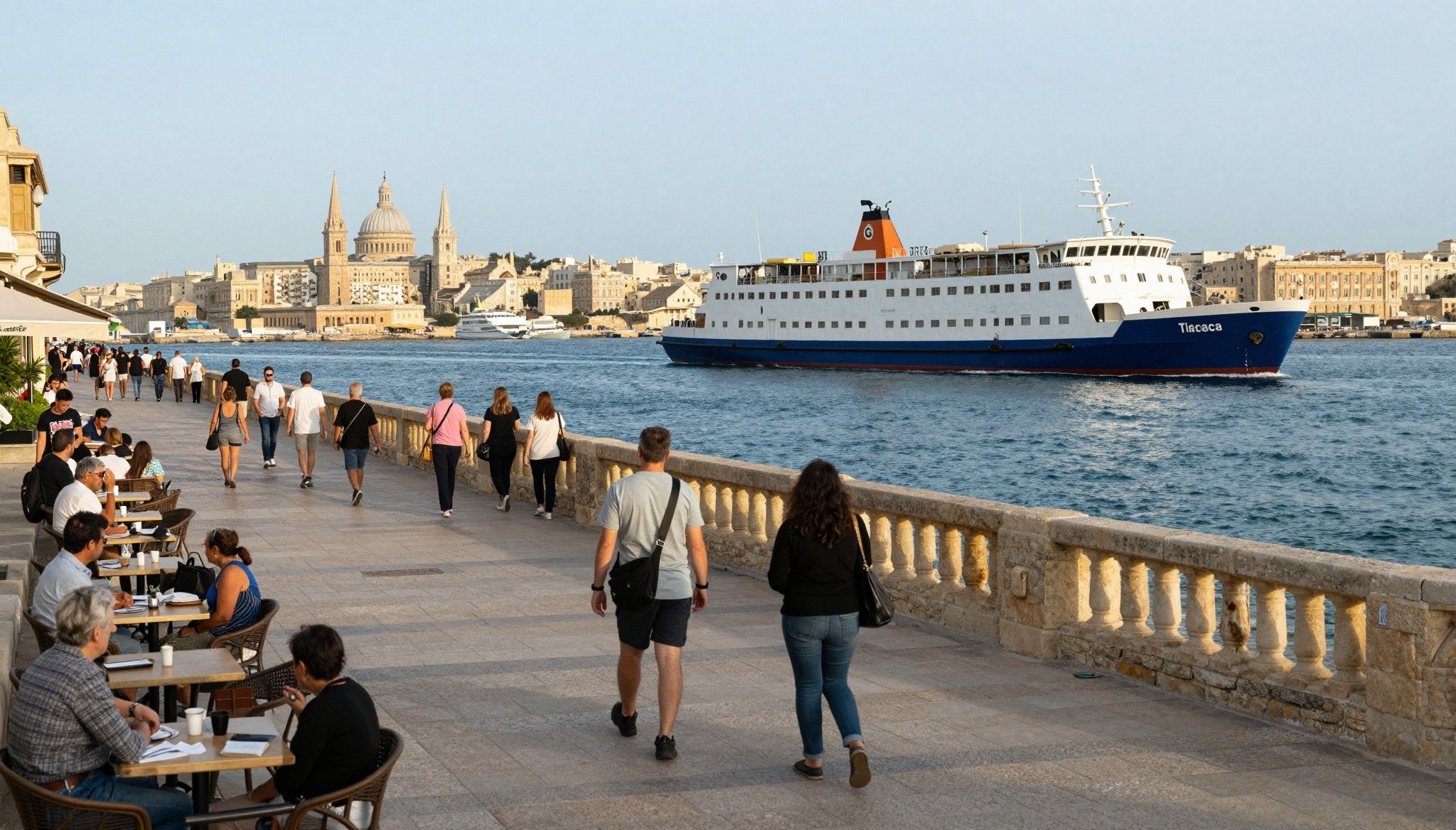
Imagine sipping a strong espresso on Sliema’s seafront promenade, the ferry horns punctuating a low, constant hum — and then stepping inside a narrow, stone-fronted maisonette where the landlord talks numbers in euros per square metre. Malta feels small and local, but its property market is a tangle of tourism flows, residency policy changes and hyperlocal pricing. That mix creates pockets where yields still look sensible — if you know where to look.
Living the Malta lifestyle
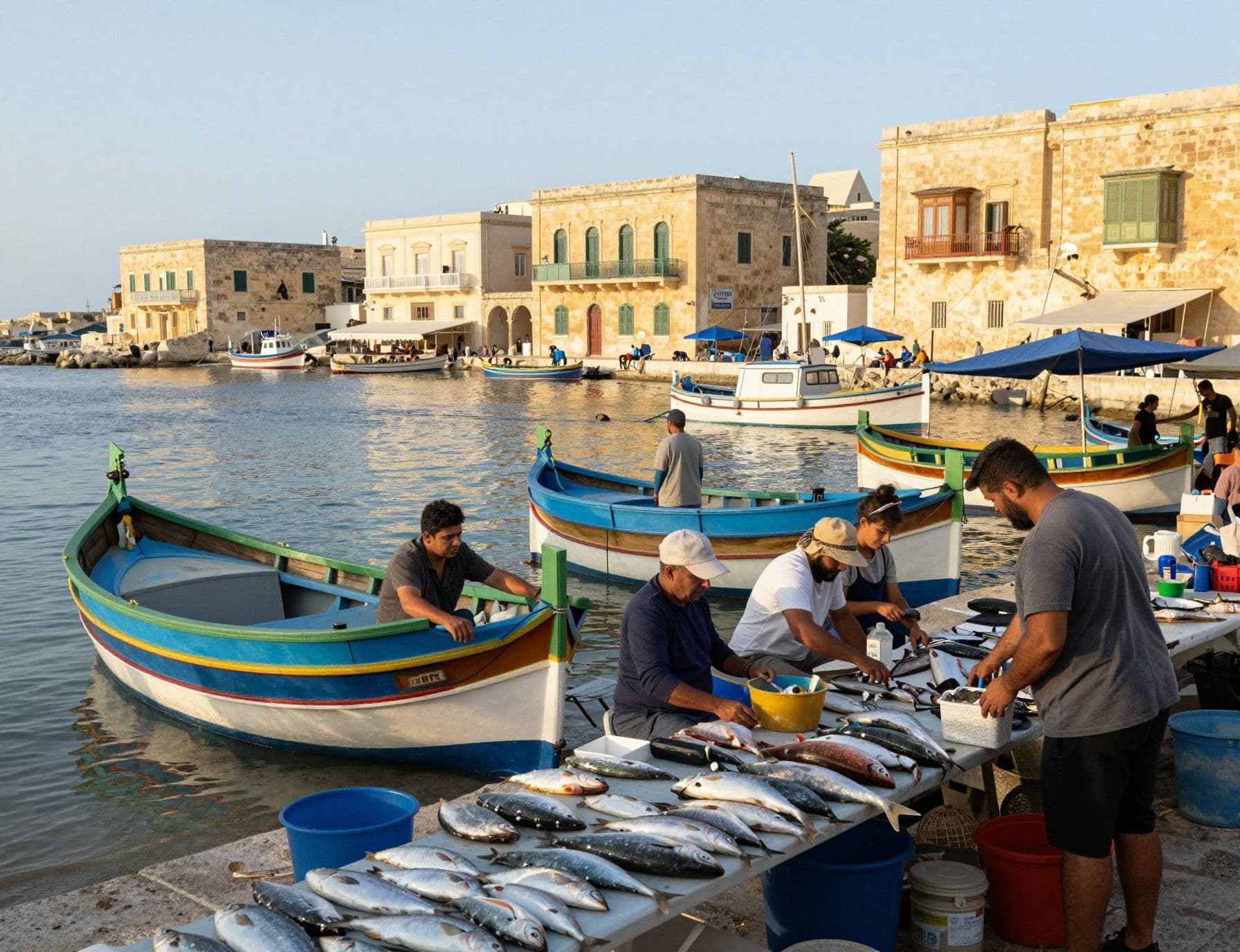
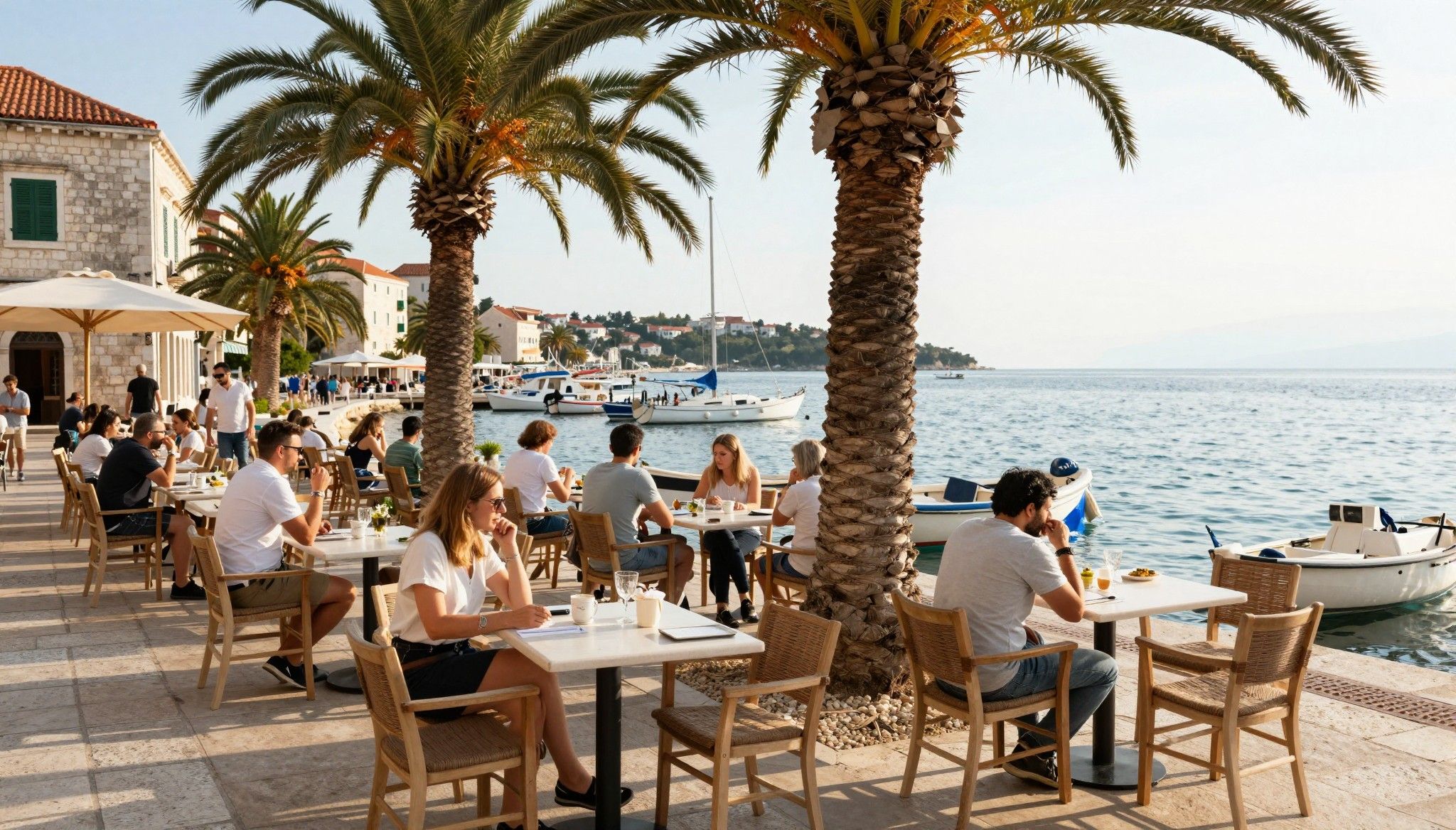
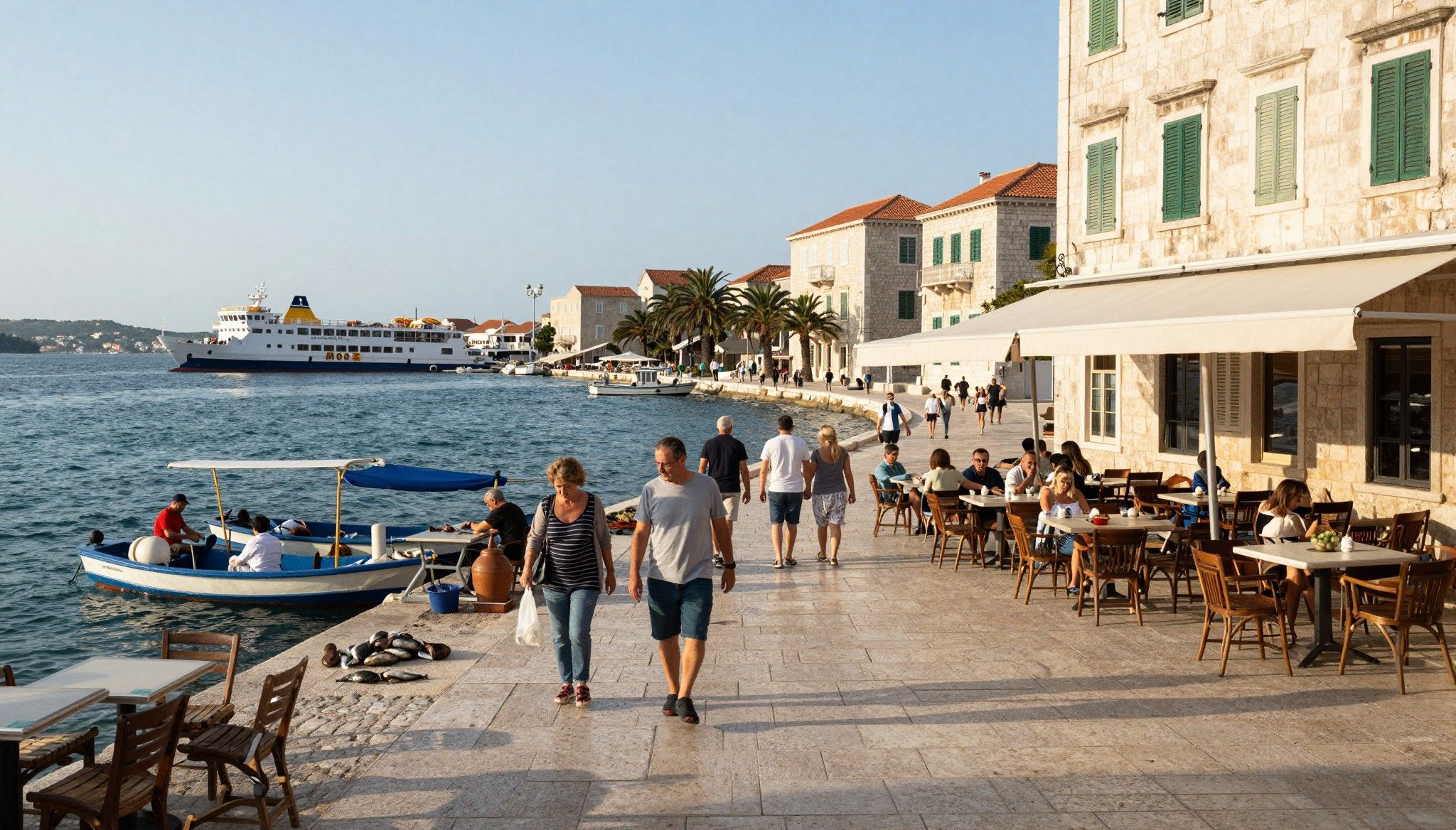
Days in Malta move on foot, ferry and short car rides. Valletta’s limestone lanes smell of baking bread and diesel; St Julian’s brims with pubs and weekends-for-hire short-lets; Mellieħa and Ghajn Tuffieħa mean sand and long summer afternoons. The recent rebound in tourists has intensified demand for short-term rentals in hotspots while increasing occupancy opportunities for well-located units outside the capital.
Neighborhood spotlight: Valletta, Sliema, St Julian’s
Valletta is compact and premium: heritage façades, boutique hotels and strong short-let appeal but constrained supply make price-per-square-metre high. Sliema and Gzira bridge local life and commuting convenience — ideal for professional tenants and families seeking schools and ferries. St Julian’s concentrates nightlife and serviced-apartment demand; the rental yield profile here skews seasonal and management-intensive.
Food, markets and small rituals
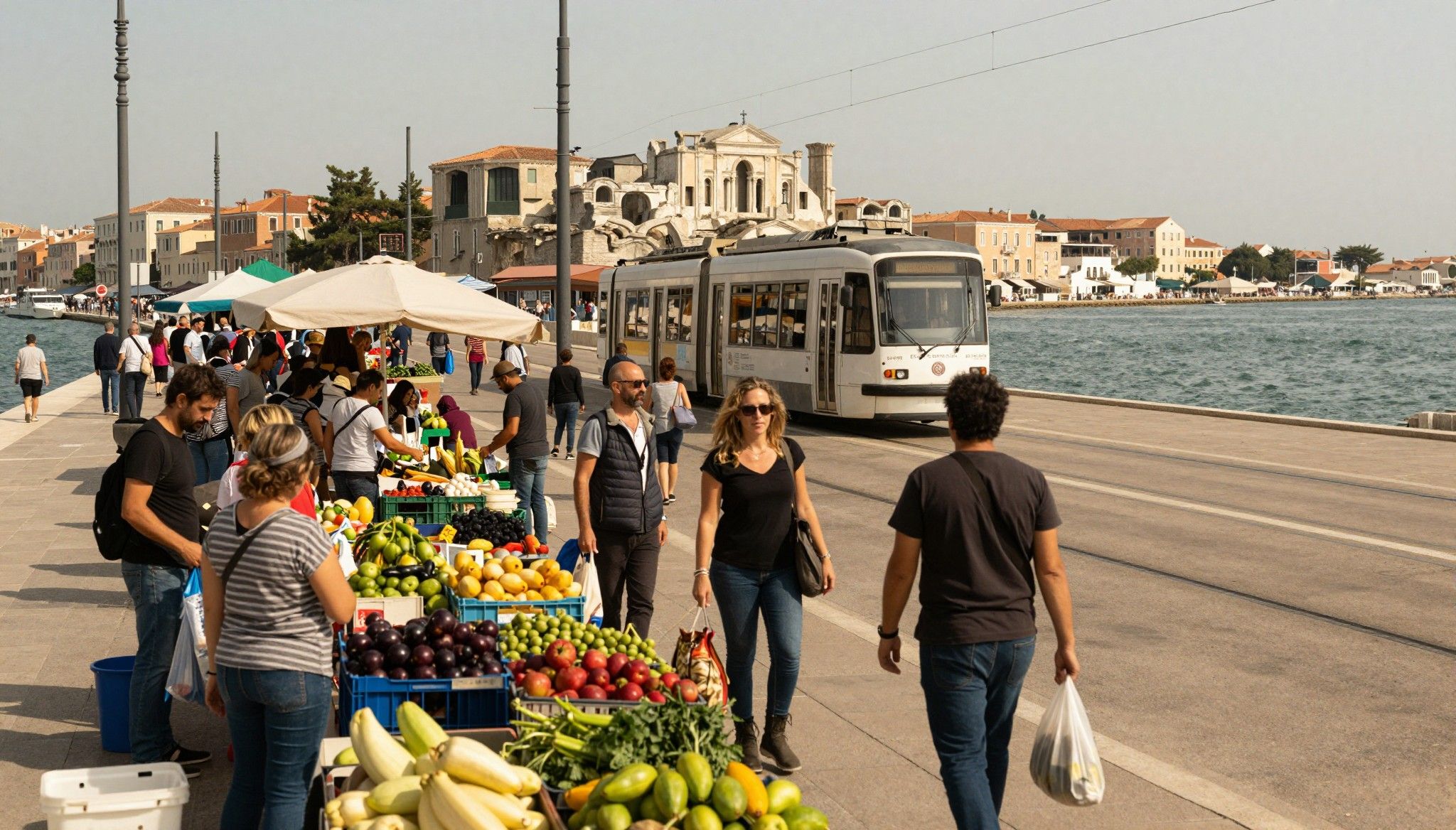
Weekends begin at the Marsaxlokk market with fish sellers and end with friends sharing ftira and lampuki pie. Cafés along Triq it-Torri in Rabat serve as planning rooms for renovation projects. These daily rituals inform where expats choose to live — proximity to markets, ferry links and a reliable bus route matter as much as sea views.
- Morning espresso on Valletta’s Republic Street; ferries between Sliema and Valletta; seafood at Marsaxlokk market; weekend swims at Golden Bay; Sunday walks in Mdina — lifestyle features that shape demand.
Making the move: practical considerations that preserve lifestyle returns
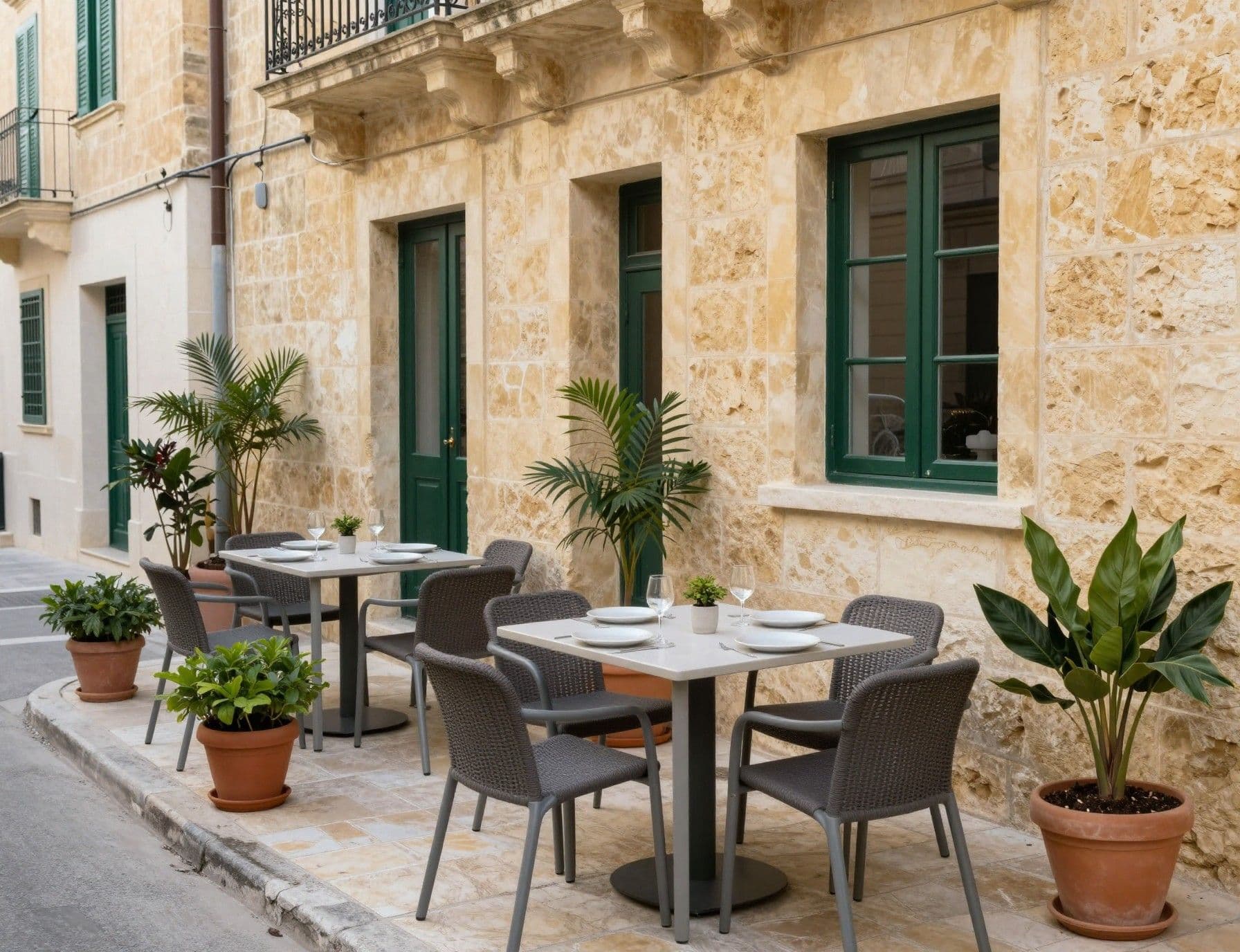
Buying in Malta requires matching lifestyle intent to the right asset type. Short-let cashflows can be attractive in central locations but involve active management and regulatory sensitivity. Long-term rentals suit family-oriented suburbs where occupancy is steadier and tenant turnover lower.
Property types and how they live
Modern apartment blocks near Sliema’s promenade fit young professionals and remote workers; traditional townhouses in Rabat or Valletta appeal to buyers wanting character and short-let potential; maisonettes with private courtyards often attract families seeking outdoor space. Each type implies different capex — heritage façades need sympathetic renovation; modern blocks demand less immediate capital but can be priced per square metre at a premium.
Work with specialists who understand tiny geographies
- 1. Map transport links before you map listings: good bus and ferry access raises year‑round occupancy. 2. Model yield under three scenarios: high-season short-let, steady long-term rental, and vacancy shocks. 3. Inspect façade and common areas: older blocks commonly carry hidden maintenance liabilities. 4. Get a local lettings manager costed into your net yield assumptions.
Insider knowledge: what expats wish they'd known
Policy shifts — like the end of Malta’s controversial passport scheme — ripple through demand and buyer profiles. While headline changes alter who can acquire property easily, the more consequential forces are infrastructure and transport improvements that change commute times and rental catchments.
Transport and connectivity you can bank on
Recent bus network upgrades and timetable expansions improve reach to industrial nodes and coastal towns. The shelved Malta–Gozo tunnel means ferry-linked Gozo retains an island-premium, but incremental bus and route improvements on Malta alter which suburbs become commuter-friendly — a subtle but material factor in yield forecasts.
Long-term lifestyle and market outlook
Tourism growth suggests resilient demand for short-lets, yet rising local rental stock indicates a longer-term shift toward lettings over ownership. Investors should plan exit scenarios that reflect either capital-growth plays in constrained heritage areas or income plays in commuter and suburban pockets.
- Identify areas with improving transport links; price in management and seasonality; prioritise buildings with clear maintenance records; run sensitivity tests on occupancy; factor in policy risk around residency rules.
Malta is deceptively simple on the surface — compact, English-friendly, sunshine-forward — and fiendishly local underneath. Fall for its cafés and coves, but buy where transport, short‑term demand and realistic maintenance budgets line up. A local agency that maps lifestyle demand to hard yield assumptions will turn romance into a replicable investment case.
Norwegian market analyst who relocated from Oslo to Mallorca in 2016, guiding Northern buyers through regulatory risk, currency hedging, and rentability.