When Transport Trumps Postcard: Greece’s Yield Map
Greece’s lifestyle sells the dream; transport and infrastructure convert it into reliable rental income. Prioritise connectivity to protect yields.

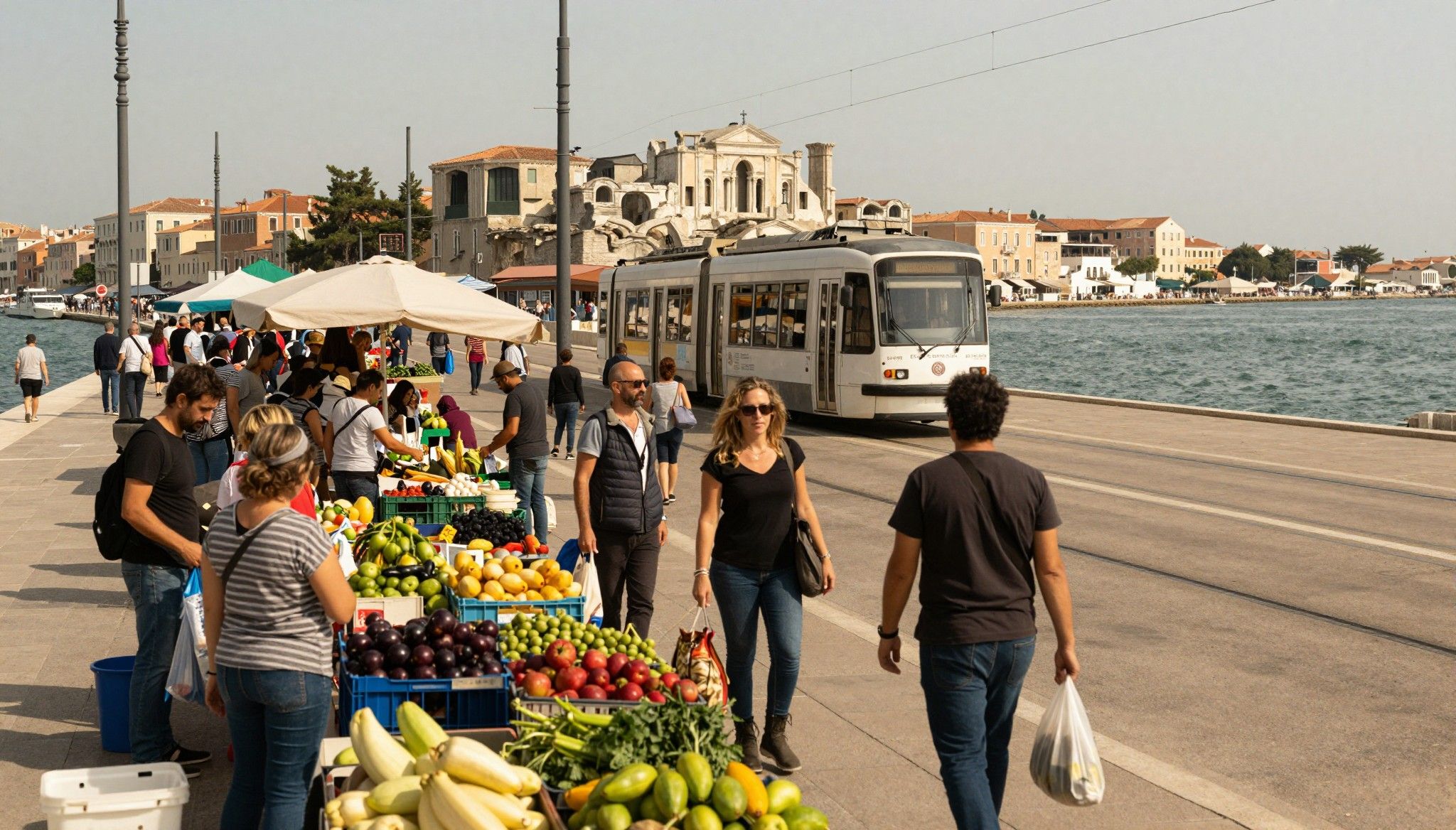
Imagine sipping an espresso outside a shaded kafeneio in Koukaki while a tram rattles past and a delivery scooter threads between cafés — that low-key mobility, not the postcard sunset, often decides whether a Greek purchase pays. Greece’s coastlines and islands sell dreams; its infrastructure — metros, ports, regional roads — redraws cashflows. For international buyers who treat property as an asset, the right transport link can mean the difference between a seasonal holidaylet and year‑round rental income. This piece flips the usual love-letter to Greece into a practical question: where does connectivity legitimately reprice property returns?
Living the Greece lifestyle: more than blue roofs and tavernas
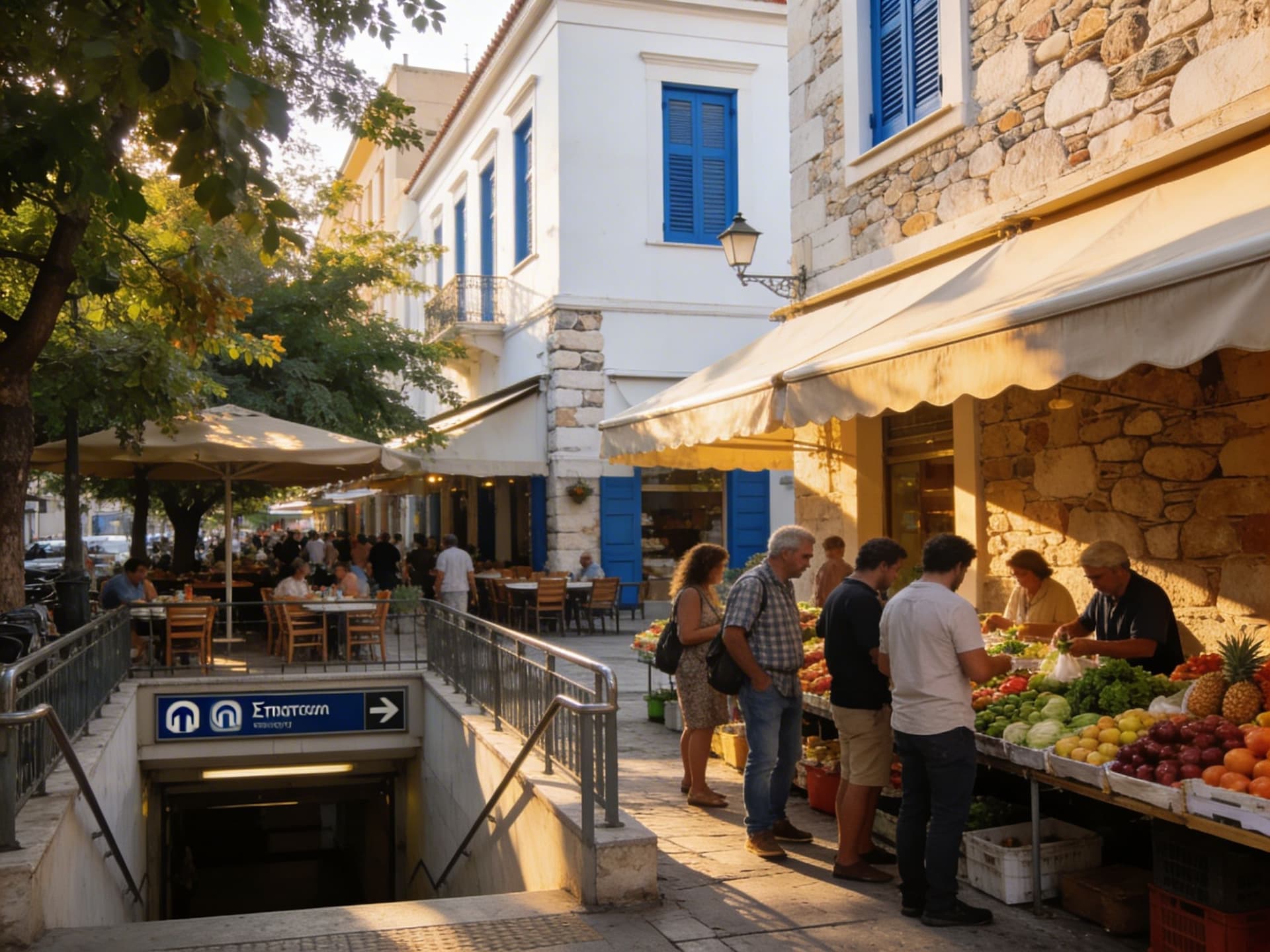
Greece is a series of living rooms: narrow historic streets in Plaka, beach terraces in Glyfada, seafood markets in Thessaloniki, and island ports where fishermen mend nets at dawn. Daily life bends to seasons — busy tourist summers, quiet winter months — but also to how you move: neighborhoods with reliable public transit sustain year‑round residents, cafés and grocery shops, and stronger long-term rental demand. Picture walking to a metro station in Athens in the rain rather than waiting for an infrequent bus: that choice shapes tenant profiles, maintenance cycles, and operating costs. For investors, this is not romance; it's operational reality that affects occupancy and net yields.
Athens: neighbourhood variety compressed by connectivity
Athens contains micro‑markets that behave like separate towns. Kolonaki and Koukaki trade high footfall for tourist pressure; Piraeus offers port-worker rentals and steady demand when ferry schedules are dependable. New metro lines and extensions reduce commute friction and support higher occupancy outside the historic centre by making suburbs practical homes for workers and students. When a metro line arrives, evidence shows rents and prices re‑grade quickly — but so do regulatory and short‑let pressures, which can compress long‑let availability.
Thessaloniki & secondary cities: infrastructure as catalyst
Thessaloniki’s new automated metro (opened 2024) is evidence that long‑delivered projects can reset markets. The metro brought archaeological spectacle and immediate traffic relief, and city planners expect extensions to the airport and suburbs to support commuter catchment areas. Secondary cities such as Patras and Heraklion benefit more visibly when rail or highway upgrades reduce logistic friction — creating better year‑round rentals instead of narrow summer demand. For investors, these are predictable demand drivers, not speculation.
- Proven lifestyle and connectivity highlights:
- Koukaki, Athens — walking distance to the Acropolis, strong short‑let demand but recent municipal limits and moratoria shift some inventory back to long lets.
- Piraeus harbour suburbs — steady year‑round tenants tied to maritime work and improved tram/rail links to central Athens.
- Thessaloniki city centre — new metro stations, cultural venues and universities create diversified demand beyond tourism.
Making the move: practical considerations where transport matters

Infrastructure changes are measurable and measurable moves matter to yields. Bank of Greece price series show sustained price growth in urban cores while rental yields nationally averaged around 4–5% in recent years. Foreign investment flows and tourist arrivals amplify the effect of new transport: ports, metros and highways expand catchment for tenants and increase effective annual occupancy for short and medium lets. Buyers should quantify how a nearby transport project will affect reachable tenant pools and operating season length before bidding.
Property types and how transport changes their economics
A compact one‑bed apartment near a metro station competes with short‑term tourists and professionals and often posts higher gross yields than a larger seafront flat that earns income only during summer months. Conversely, island houses near ferry terminals that run year‑round — or near new regional airports — can sustain longer seasons and justify higher acquisition prices. Translate lifestyle preferences into asset classes: think studio/one‑bed for yield, two‑bed for mixed use, and villas for capital appreciation with seasonal income risks.
How local agencies convert lifestyle briefs into connected investments
Use agencies that map transport timetables, planned infrastructure, and municipal regulations to micro‑market performance rather than those that only show attractive photos. The best local partners produce catchment analyses: commute times to major employers, student hubs, port timetables and seasonal airline schedules. They should flag policy risks — for example, proposed short‑let moratoria in central Athens neighbourhoods — and estimate realistic occupancy across seasons. Demand quantification beats staging in the property selection process.
- Steps to align lifestyle with yield (practical checklist):
- Map transport links — list nearest metro, rail, ferry and highway nodes and measure door‑to‑door times to likely tenant origins.
- Stress‑test seasonality — estimate annual occupancy using local tourist statistics and off‑season employment data.
- Compare micro‑yields — calculate gross yield for at least three comparable units within 1–3 km of the transport node.
- Factor in management costs — active markets near transport often require professional property management and dynamic pricing tools.
Insider knowledge: what expats wish they'd known
Long‑term residents tell the same lesson: mobility equals resilience. Expat owners who bought purely for postcard views faced low winter occupancy and slow resale in markets saturated by short lets. Those who focused on access — a tram stop, a reliable ferry schedule, or proximity to a university — had steadier tenants and fewer months of vacancy. Practical integration — learning basic Greek, using local management, and adapting to municipal rules — smooths operations and protects yields.
Cultural integration and everyday logistics
Language and local bureaucracy can be friction points; a lease negotiation or a building permit often moves slower than an investor expects. Neighborhood norms — for instance, hours when shops close for siesta‑style breaks or market days — affect tenant expectations and listing descriptions. Successful expats build relationships with local tradespeople and council offices, which reduces time‑to‑repair and avoids fines. These small operational efficiencies compound over years and improve net yields.
Long‑term lifestyle sustainability: what to expect
Expect Greece to continue re‑grading as infrastructure projects complete and as policy adjusts to tourism pressure. Price appreciation in urban cores has been visible, but yield compression follows unless investors focus on connectivity and operational resilience. For those planning a life there, consider a staged approach: buy a rental‑friendly apartment near a transport node first, then upgrade to a lifestyle property once local networks and legal frameworks are familiar. That sequence preserves liquidity and reduces emotional decision‑making.
Conclusion — fall for the life, buy the link: Greece’s lifestyle sells itself, but infrastructure turns that lifestyle into a reliable income stream. Prioritise properties that balance seasonal appeal with transport access and local services, insist on agency partners who produce commute and occupancy analytics, and run conservative occupancy scenarios. If you can walk to a station, market, or port in under 20 minutes, you’ve materially improved your investment odds. Book a local survey, verify timetables and planned works, and treat mobility as a first‑order input to price and yield calculations.
Danish relocation specialist who moved to Cyprus in 2018, helping Nordic clients diversify with rental yields and residency considerations.