Greece: Postcard Hype vs. Where Yields Live
Greece pairs irresistible lifestyle with measurable yield trade-offs—choose micro‑markets and agency partners that translate local life into defensible returns.
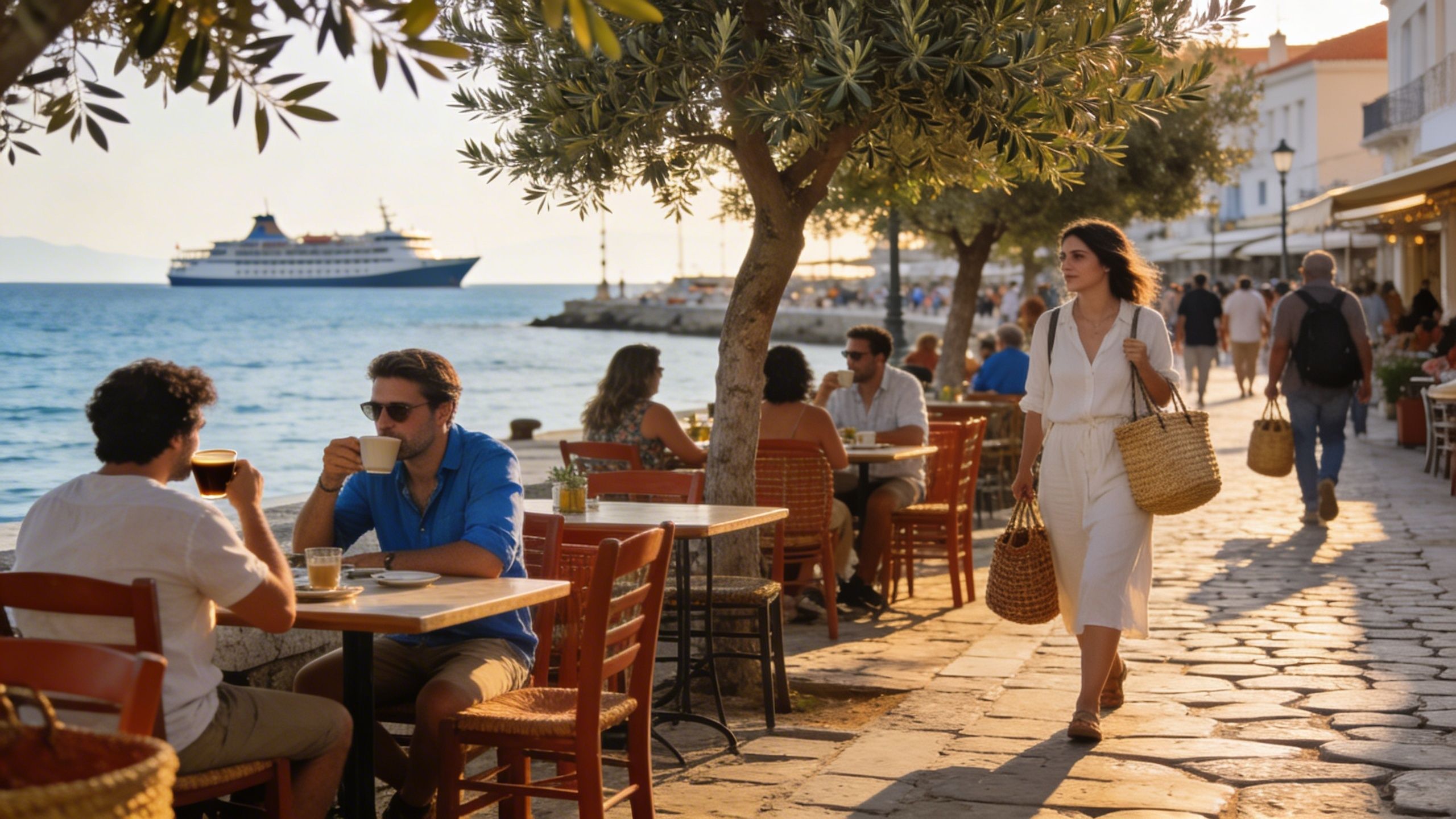
Imagine sipping a freddo at a sunlit table on Koukaki’s main street, the Acropolis a stone’s throw away while a local boulangerie stacks warm koulouri; now picture an investor’s spreadsheet open beside the cup. Greece delivers that double life—intense cultural richness paired with measurable, location-specific investment outcomes—so your property choice must match both rhythms. This piece blends neighbourhood textures with yield-minded metrics to show where Greek lifestyle and sensible returns intersect. We reference official price indices, yield studies and recent policy moves so readers can fall for Greece without being blind to the numbers.
Living the Greece life — days, streets and seasons
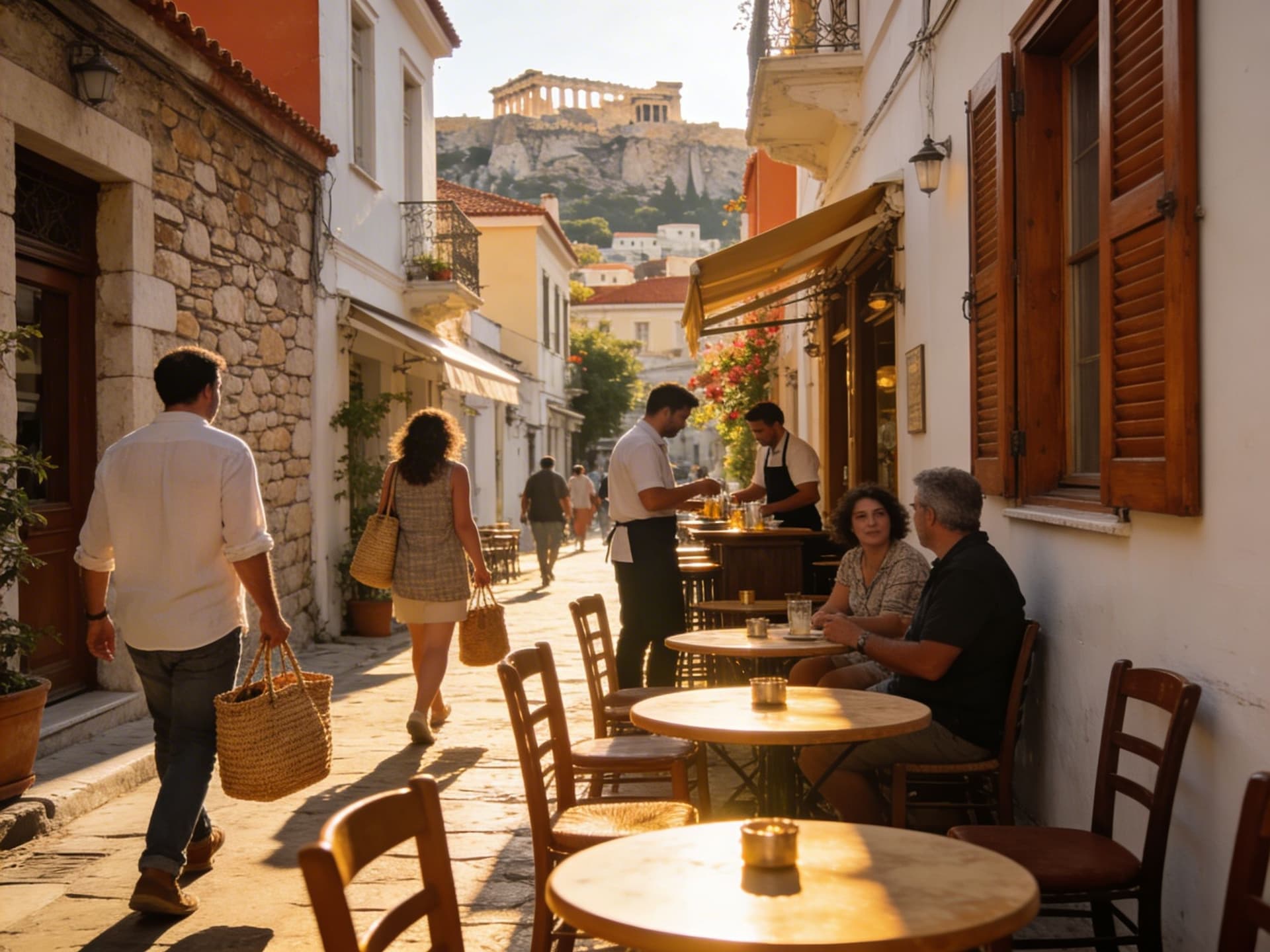
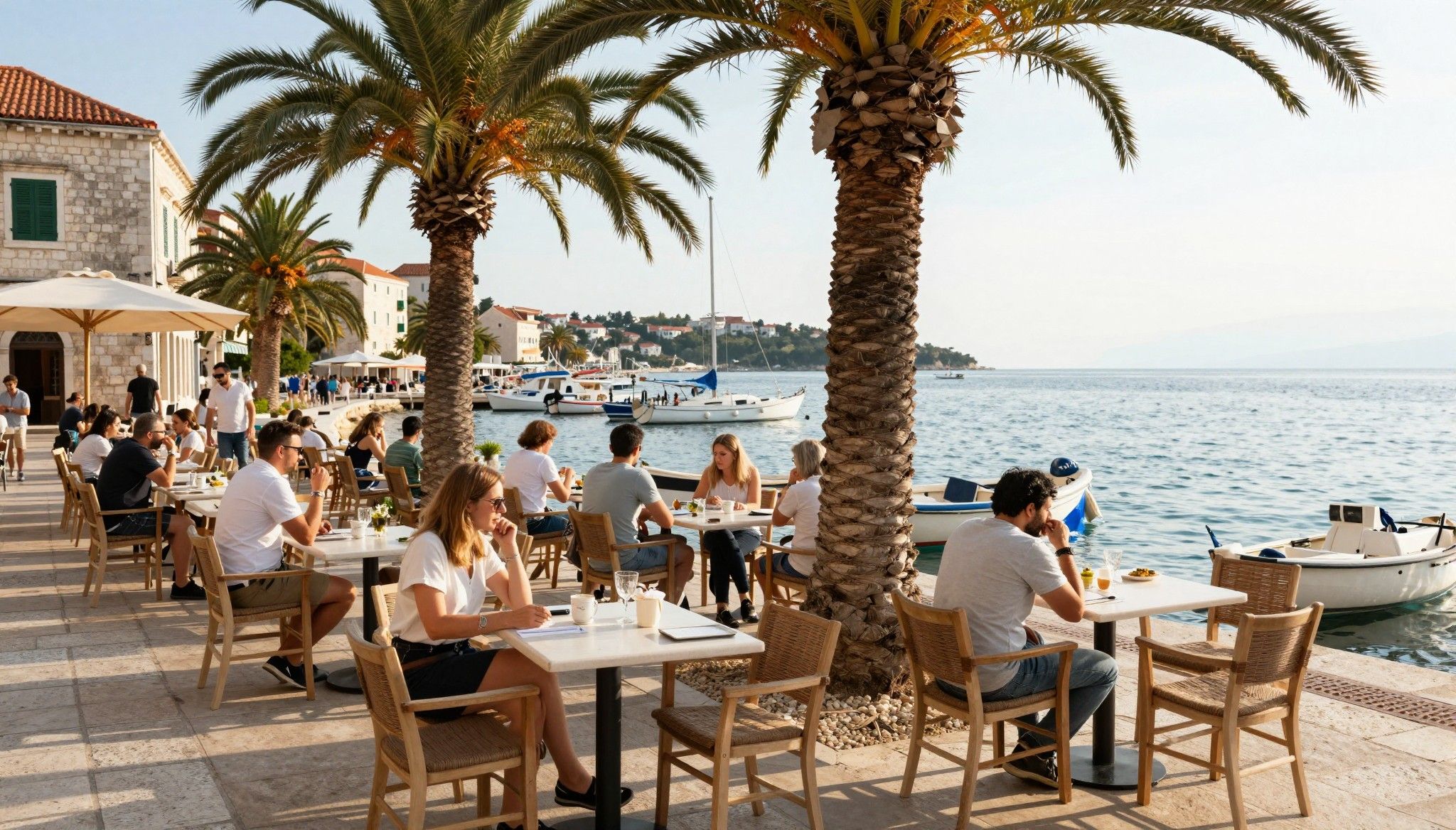
Mornings in Athens, afternoons on a Cycladic terrace and weekends at a taverna in Chania define many expat routines. Urban neighbourhoods vary sharply: Kolonaki’s polished cafés and galleries contrast with Koukaki’s small‑scale tavernas and narrow, tree‑lined streets. On the islands, life slows to outdoor dining, ferry timetables and seasonal service cycles; winters are quiet and summer stretches are intensely social. Understanding these rhythms is critical because they shape rental seasonality, maintenance costs and what tenants will tolerate in a property.
Athens micro‑scenes: Kolonaki, Koukaki, Exarchia
Kolonaki trades on polish and cultural institutions; expect higher price-per-square-meter and tenants who prize location over size. Koukaki sits under the Acropolis and mixes tourists with long-term residents, creating steady short- and mid-term lettings demand in a compact footprint. Exarchia’s bohemian character brings younger renters and more price sensitivity—good for higher gross yields but with management trade-offs around noise and occasional protests. Each neighbourhood’s daily life translates directly into tenant profiles and yield expectations.
Island contrast: Cyclades vs Crete vs Rhodes
Cycladic postcards (Mykonos, Santorini) command premium prices and highly seasonal rental income; occupancy and nightly rates spike in July–August but collapse off-season. Crete (Heraklion, Chania) offers a more balanced calendar: tourism strong, local economy larger and yields that can be steadier year-round. Rhodes and Corfu sit between these poles—reasonable price sensitivity with good short‑let demand. For investors, island choice is a trade-off between headline rent potential and depth of year‑round demand.
Lifestyle highlights: markets, cafés and hidden corners
Morning freddo in Kolonaki, Lycabettus views nearby
Koukaki’s tavernas and proximity to the Acropolis Museum
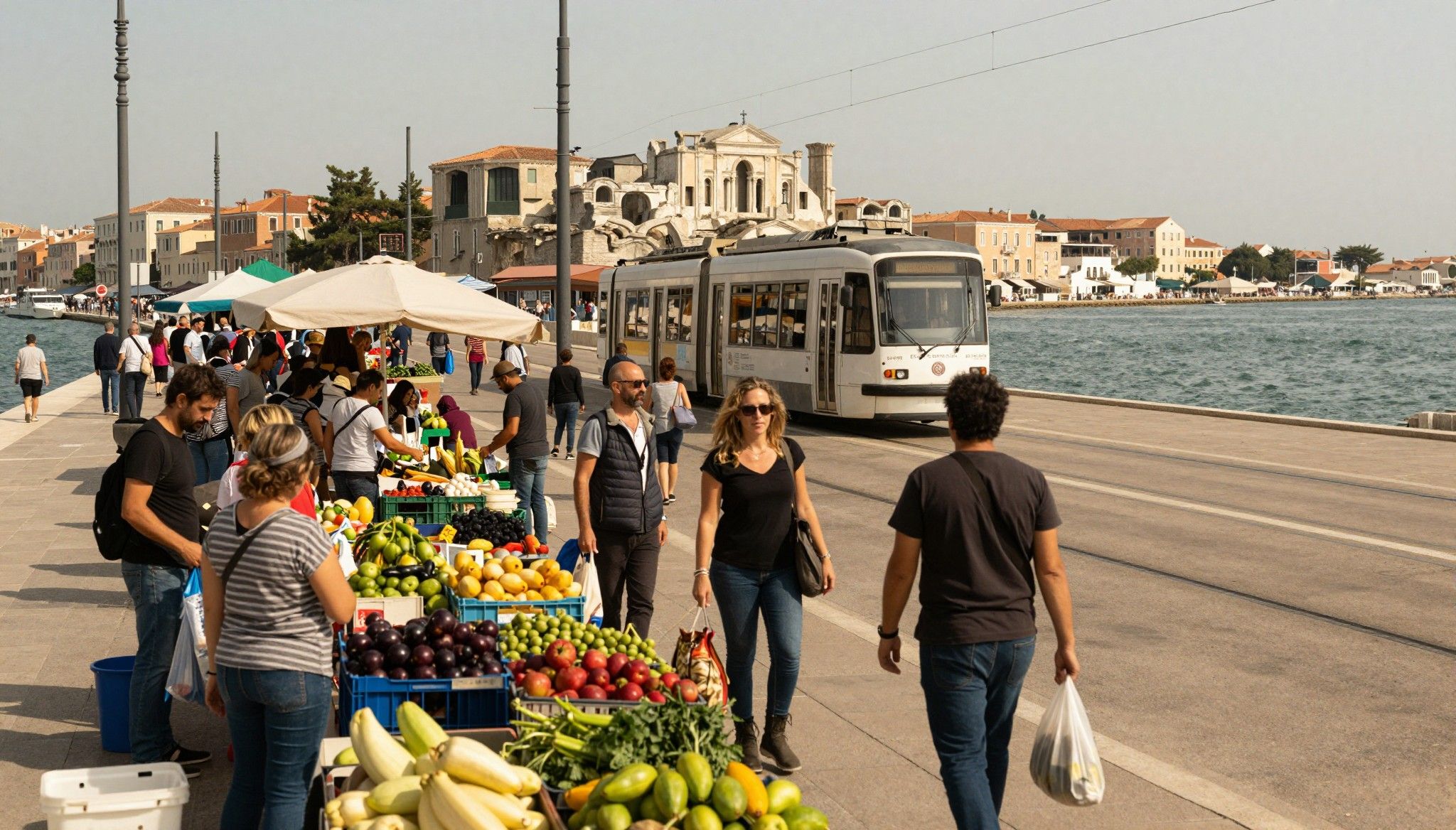
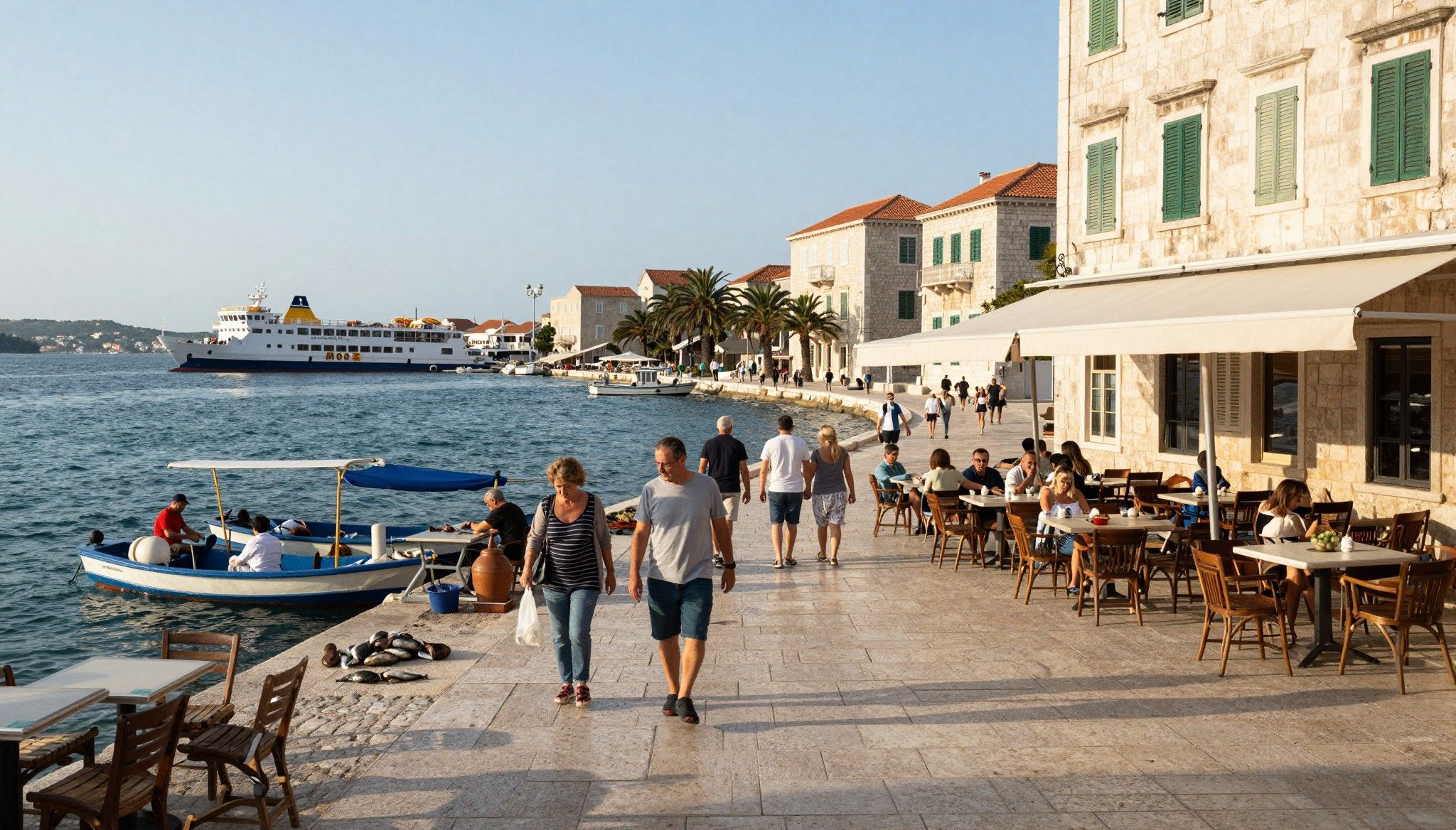
Chania’s harbour markets and year‑round island community
Off‑season island walks and local festivals that define community ties
Making the move: lifestyle decisions that reshape returns
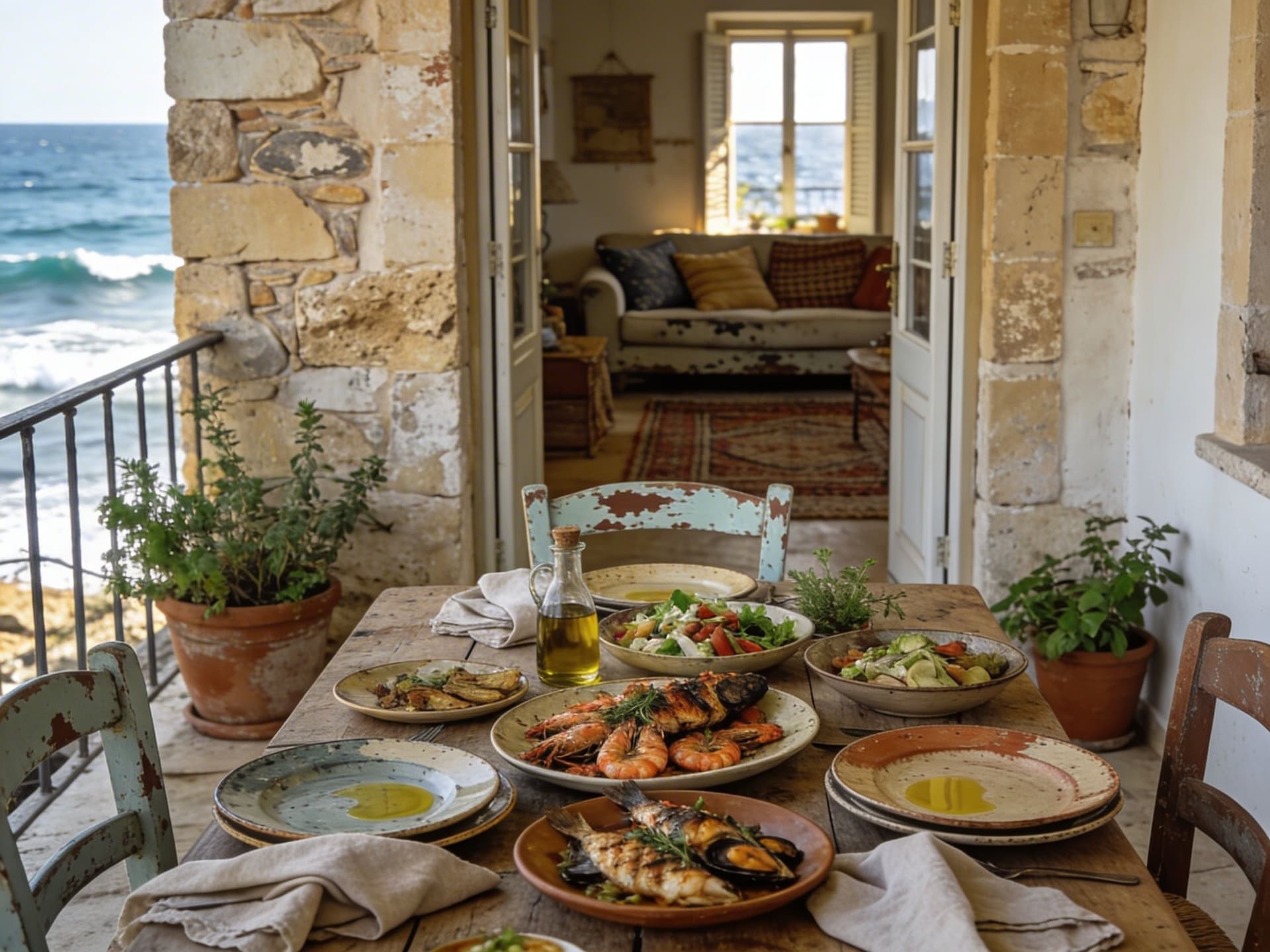
Deciding where to buy in Greece is as much about lifestyle fit as it is about yield. Nationwide gross yields in major urban centres cluster in the mid‑4% range, with secondary cities and tourist towns sometimes nudging 5% or higher. These numbers mean entry price management and operating costs (seasonal management, utilities for off‑season units, and renovations for older stock) determine net returns more than headline rents. We use official price indices and yield surveys to contextualise neighbourhood selection.
Property types and how they map to daily life
Neo‑classical Athens apartments offer centrality and strong tourist appeal but often need seismic reinforcement and modern plumbing—costs that reduce early net yield. Seaside villas provide year‑round lifestyle upside but carry higher holding and maintenance costs (insulation, salt‑air corrosion). New builds in suburban pockets (Kifisia, Glyfada outskirts) lower maintenance risk but dilute tourist demand; they suit long‑term leases and more consistent yields. Match property type to the tenant: tourists tolerate quirks, long‑term renters expect modern conveniences.
Working with local experts who know both life and numbers
Choose agencies and lawyers who operate across both lifestyle and compliance: they’ll identify micro‑markets unaffected by short‑let freezes and advise on lettings strategy if regulations tighten. Recent policy moves in Athens (moratoria and tighter rules for windowless basements) show how regulation can instantly reprice supply in core neighbourhoods. Local teams also uncover off‑market listings and renovation trade networks that materially affect total cost of ownership. Insist on agencies that provide rental pro‑formas with seasonality stress tests.
Steps to align lifestyle with yield (practical checklist)
Map desired lifestyle (city centre, island, year‑round town) and overlay average gross yields for each micro‑market.
Request agency pro‑formas that show gross and net yields across three seasonality scenarios (peak, shoulder, off‑season).
Factor in renovation, permitting, and energy upgrades—older stock commonly needs insulation and electrical work.
Stress‑test exit options: local demand for resale, mortgage availability for local buyers, and tourism policy risks.
Insider knowledge: what expats wish they'd known
Expat owners commonly underestimate two things: off‑season operating costs and neighbourhood micro‑regulation. Off‑season months can double vacancy risk on islands, raising effective capex per occupied night. At the same time, hotspots like central Athens see policy moves aimed at reining in short‑term lets, which can change cashflow profiles almost overnight. Successful long-term residents learn to treat Greek property both as a lifestyle asset and as a cyclical business requiring contingency capital.
Cultural integration, language and the social scene
Learning basic Greek phrases, joining local kafeneio gatherings and participating in village festivals accelerates integration and helps owners secure reliable local contractors and managers. Neighbourhood reputation—who frequents the square, which cafes close in August—affects tenant types and how you position a property for rent. Agents who help you meet local suppliers and the community reduce friction and protect net returns.
Long‑term lifestyle sustainability
Think five years ahead: will the area attract the same tenant segment? Will infrastructure projects (metro extensions, port upgrades) improve connectivity and therefore capital value? Historical price indices show Greece has recovered strongly since the 2010s slump—house price indices rose through 2024—so location selection must consider likely urban renewals and tourism patterns. Owners with a 5–10 year horizon who choose balanced markets (large island towns, secondary cities, central Athens pockets outside heavy tourist loops) often capture both lifestyle and appreciation.
Conclusion: fall in love deliberately
Greece sells a life more convincingly than many markets—sun, food, and tight communities—but smart buyers translate that life into metrics: true net yield, seasonal risk, renovation needs and regulatory exposure. Start with the neighbourhood that fits your daily rhythms, then ask agents for data-driven pro‑formas and regulatory risk maps. If you do that, you can own both the freddo mornings and a defensible investment return.
Norwegian market analyst who relocated from Oslo to Mallorca in 2016, guiding Northern buyers through regulatory risk, currency hedging, and rentability.