Seasonal Upside vs Urban Stability: Greece's Real Tradeoffs
Greece blends seaside romance with measurable market signals: urban assets offer steadier yields, islands deliver seasonal upside — and 2025 short‑let rules change the math.
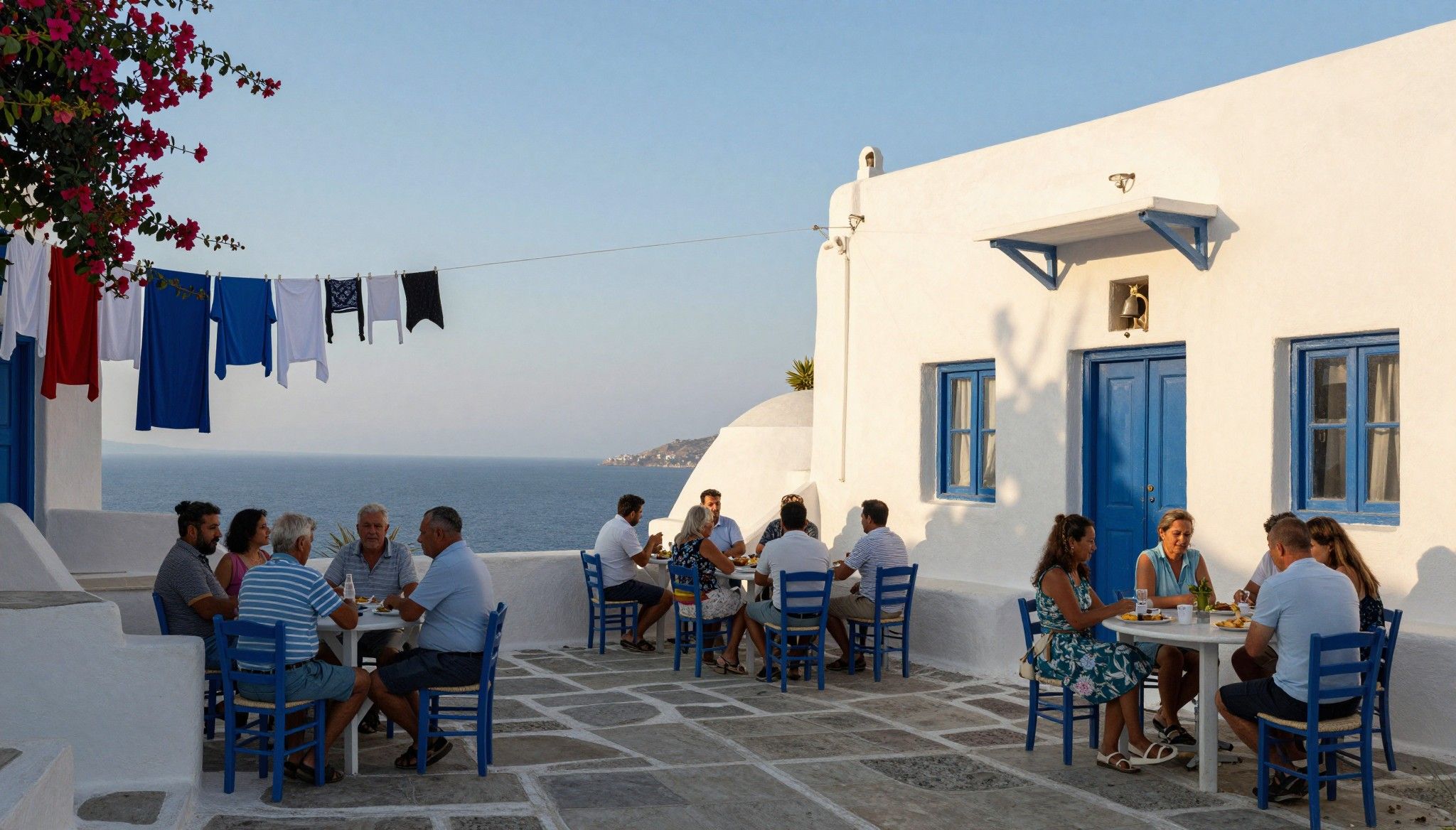
Imagine wandering from a sunlit kafeneio on Athinas Street to an evening aperitivo on a narrow Hydra quay — the daily rhythm in Greece moves between communal tables, coastal light and neighbourhood markets. For international buyers the romance is obvious: sea, food, culture. Less obvious — and far more decisive for returns — are the market rhythms under that charm: steady price growth in cities, intense seasonality on islands, and evolving short‑let rules that reprice yield. This piece pairs place‑based storytelling with concrete market signals so you can picture life here and make financially defensible choices.
Living Greece: daily life and local texture

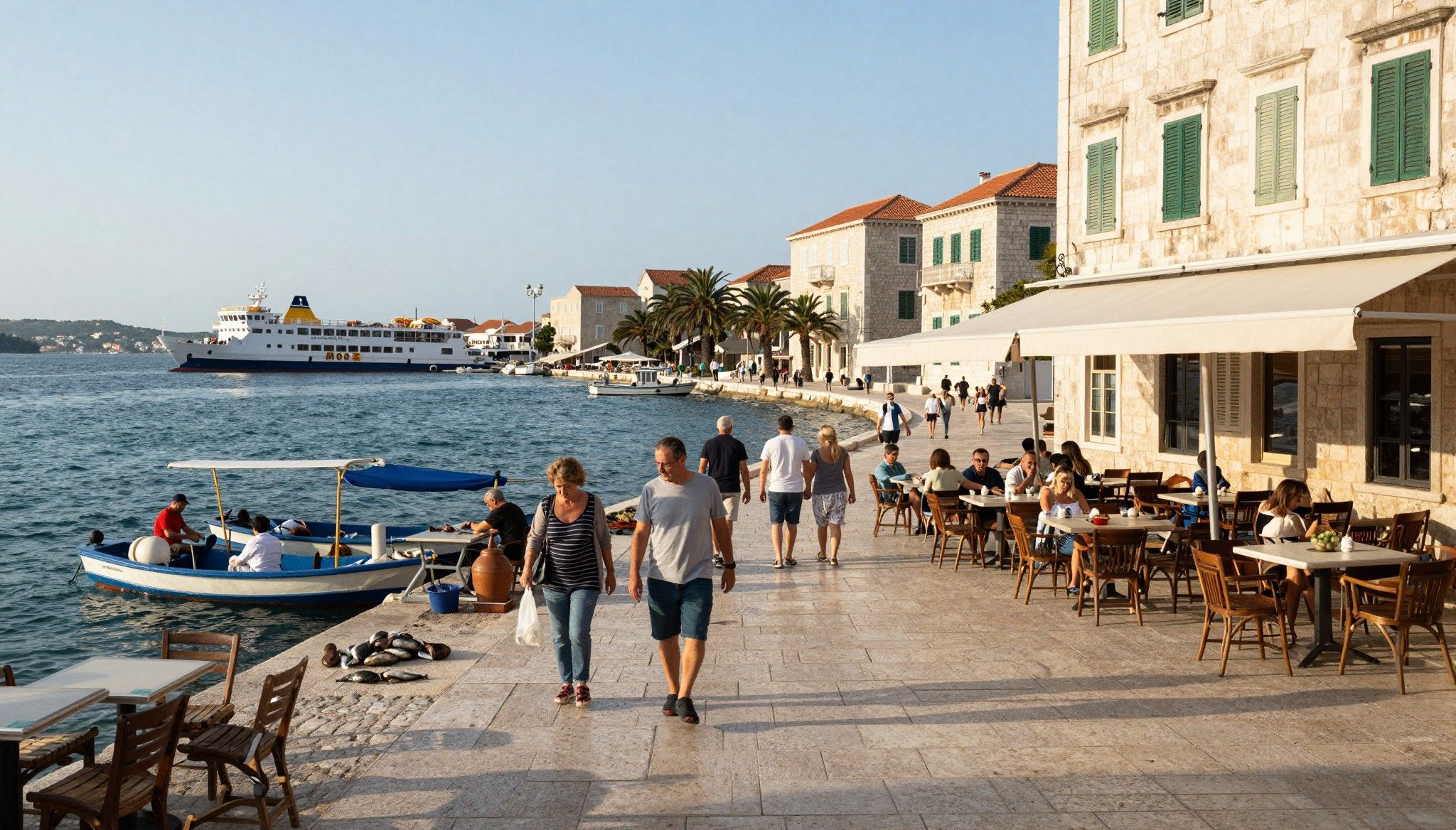
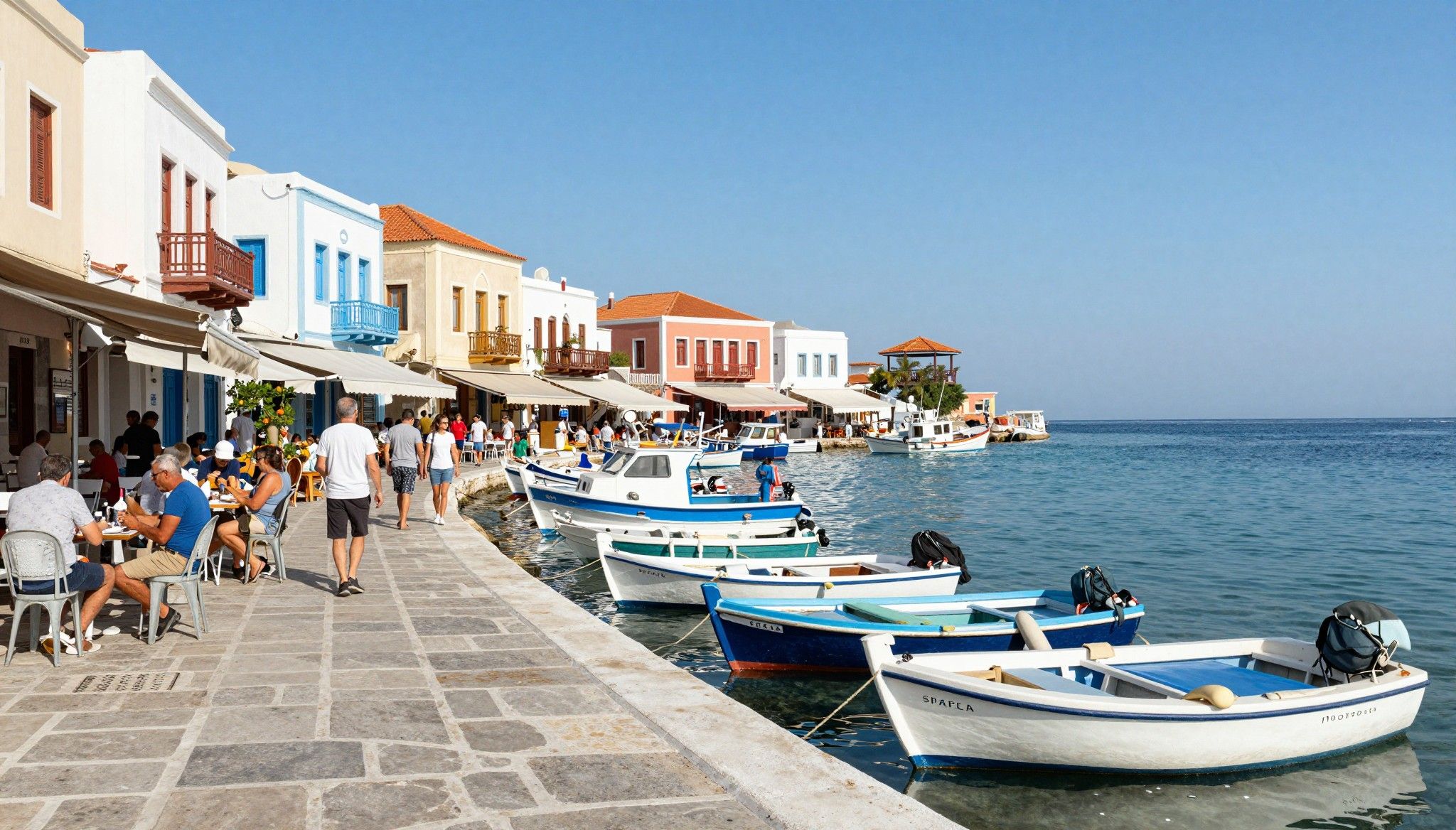
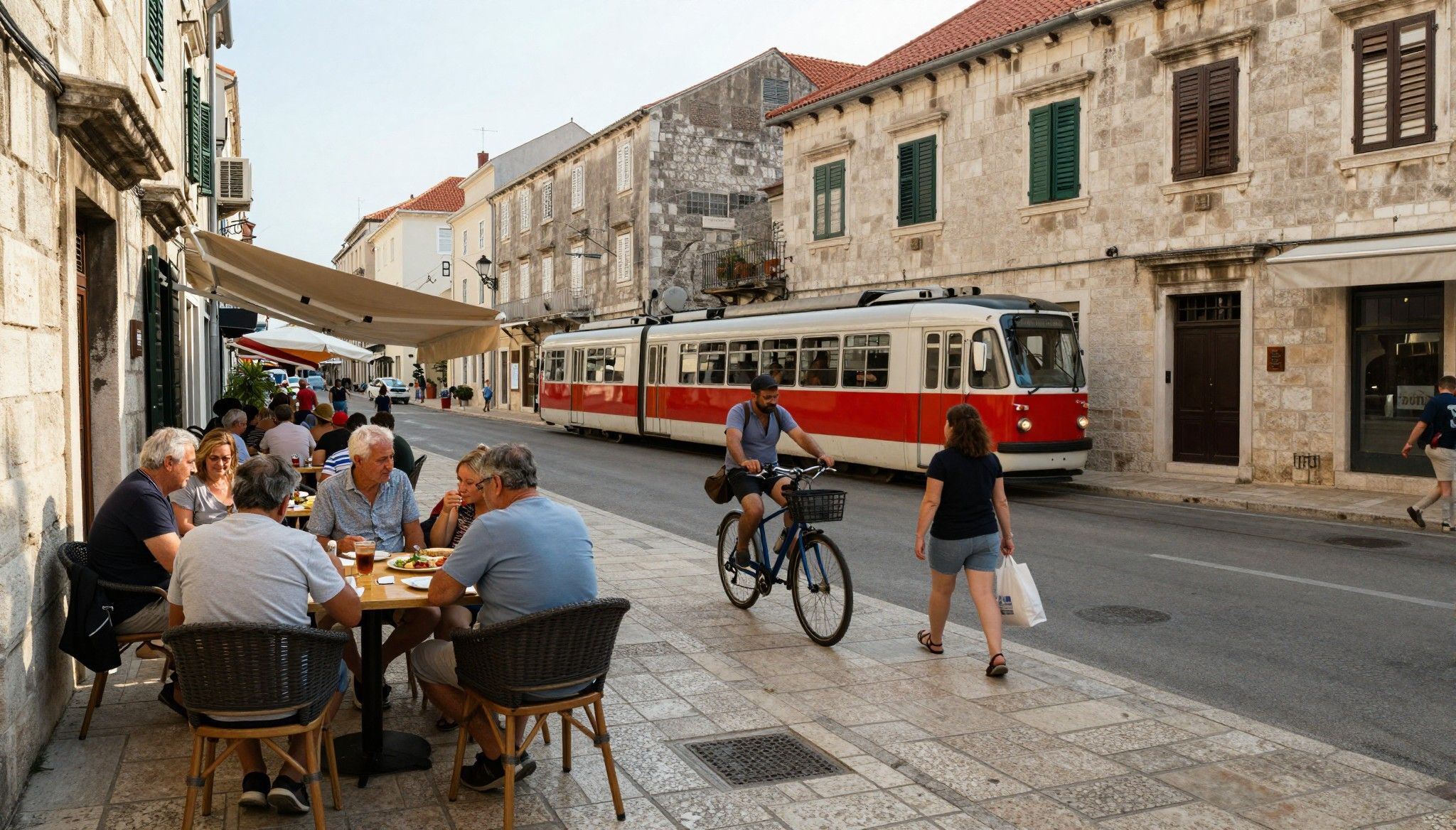
Greece is a mosaic of microcultures. Athens hums with cafes in Exarchia, designer bars in Kolonaki and municipal markets on Evripidou; Thessaloniki trades coastal tavernas for buzzy student streets around Valaoritou; the Cyclades trade solitude for summer intensity, with Mykonos and Santorini peaking in August. Those differences define the kind of life you’ll actually buy into — year‑round urban convenience versus seasonal seaside intensity — and they directly influence rental demand and cashflow stability.
Neighborhood spotlight: Athens — Exarchia, Kolonaki, Piraeus
Picture mornings in Exarchia: small bakeries, second‑hand bookstores and tree‑lined blocks that rent to young professionals and creatives. Kolonaki sells prestige and higher rents near embassies and boutiques; Piraeus offers ferry links and an investor story based on connectivity. Each appeals to a distinct tenant: students and creatives, affluent professionals, or transport‑dependent families. That tenant profile is the first determinant of achievable rent and vacancy risk.
Food, markets and weekend life: how the city feeds the investment case
Imagine shopping at Varvakios market on Saturday, then heading to a seaside taverna at Vouliagmeni in the evening; daily life blends practical markets with leisure that both residents and visitors value. Tourism growth — visible in airport throughput and seasonal travel patterns — supports short‑term demand but concentrates revenue into the high season. For investors this means a clear tradeoff: islands can deliver higher summer yields but require either year‑round demand solutions or acceptance of seasonal cashflow profiles.
Making the move: property types, yields and market signals

The Greek market is bifurcated: urban assets show steadier annual rental demand and more predictable yields, while island assets show higher top‑line seasonal revenue and greater volatility. Recent data from national brokers show rents rising modestly across major urban centres in 2025, and short‑let performance remains concentrated in Q2–Q3. Translate that into expected net yield: in Athens you should model conservative year‑round occupancy (60–75%) and modest rent growth; on an island, model 3–6 months of peak income and realistic off‑season vacancy.
Property styles and what they mean for living and returns
Stone houses in Mykonos, neoclassical apartments in Athens and modern coastal villas on the Peloponnese all come with different cap‑ex stories. Older Athenian flats often need energy upgrades and seismic retrofits; island stone houses require insulation, water systems and elevated maintenance. Factor expected refurbishment costs (5–15% of purchase in the first two years for older stock) into yield calculations rather than assuming a move‑in ready asset.
How to match lifestyle to investment: 4 practical steps
- Decide your primary objective (income vs appreciation) and set a target net yield range. Choose a market micro‑segment (central Athens for stability, second‑tier islands for arbitrage). Stress‑test cashflow: run occupancy scenarios including 30–50% off‑season vacancy for island properties. Budget for local compliance and recurring costs — licensing changes for short‑lets are active and can materially reduce revenue if you rely on them.
Insider knowledge: regulations, red flags and expat realities
Two regulatory trends matter. First, Greece tightened short‑let standards in 2025, banning windowless basements and tightening licensing — a move to protect resident‑quality tourism and reduce exploitative conversions. Second, national price indices have climbed meaningfully since 2022, so replacement cost and capital appreciation expectations should be tempered by recent rapid rises. Both points are red flags for buyers who assume summer short‑lets and rapid capital growth will always protect downside risk.
Cultural integration and run‑rate living costs
Living in Greece means accepting a slower administrative pace and strong neighbourhood ties. Expect bureaucratic timelines for permits and utilities; hire local advisors early. On the upside, living costs outside tourist hotspots can be materially lower than Western Europe, and public healthcare and transport in urban centres are serviceable. For families, international schools cluster in northern Athens suburbs and some island expatriate communities.
Red flags and quick checks before you bid
- Title irregularities (ask for a recent ENFIA tax record and title abstract). Unlicensed short‑let conversions (check municipal records and platform listings). Water rights and access on remote islands (confirm supply and maintenance obligations). Seismic retrofitting needs for older masonry buildings (get an engineer’s report).
Make no mistake: Greece sells an experience as much as a property. If you want streets where neighbours greet each other by name, late markets and blue light on the horizon, Greece rewards that life richly. If you want predictable, year‑round yield with low operating surprises, Athens and Thessaloniki give a steadier investment runway than the Cyclades. Start with lifestyle clarity, overlay tenant profile and stress‑tested numbers, then work with local experts who can translate neighbourhood nuance into cap‑rate forecasts and legal certainty.
Next steps: visit Athens neighbourhoods early (Kolonaki for stability, Exarchia for rental conversion potential), build three cashflow scenarios for any island purchase, and insist on clear title searches and municipal licensing checks. Local agencies with proven cross‑border process capabilities shorten timelines and reduce costly surprises.
Norwegian market analyst who relocated from Oslo to Mallorca in 2016, guiding Northern buyers through regulatory risk, currency hedging, and rentability.