Italy: Match Neighbourhood Rhythms to Yield Targets
Italy’s daily rhythms define property value: lifestyle attracts demand, but yields depend on neighbourhood, seasonality and regulation—model conservatively and use local expertise.
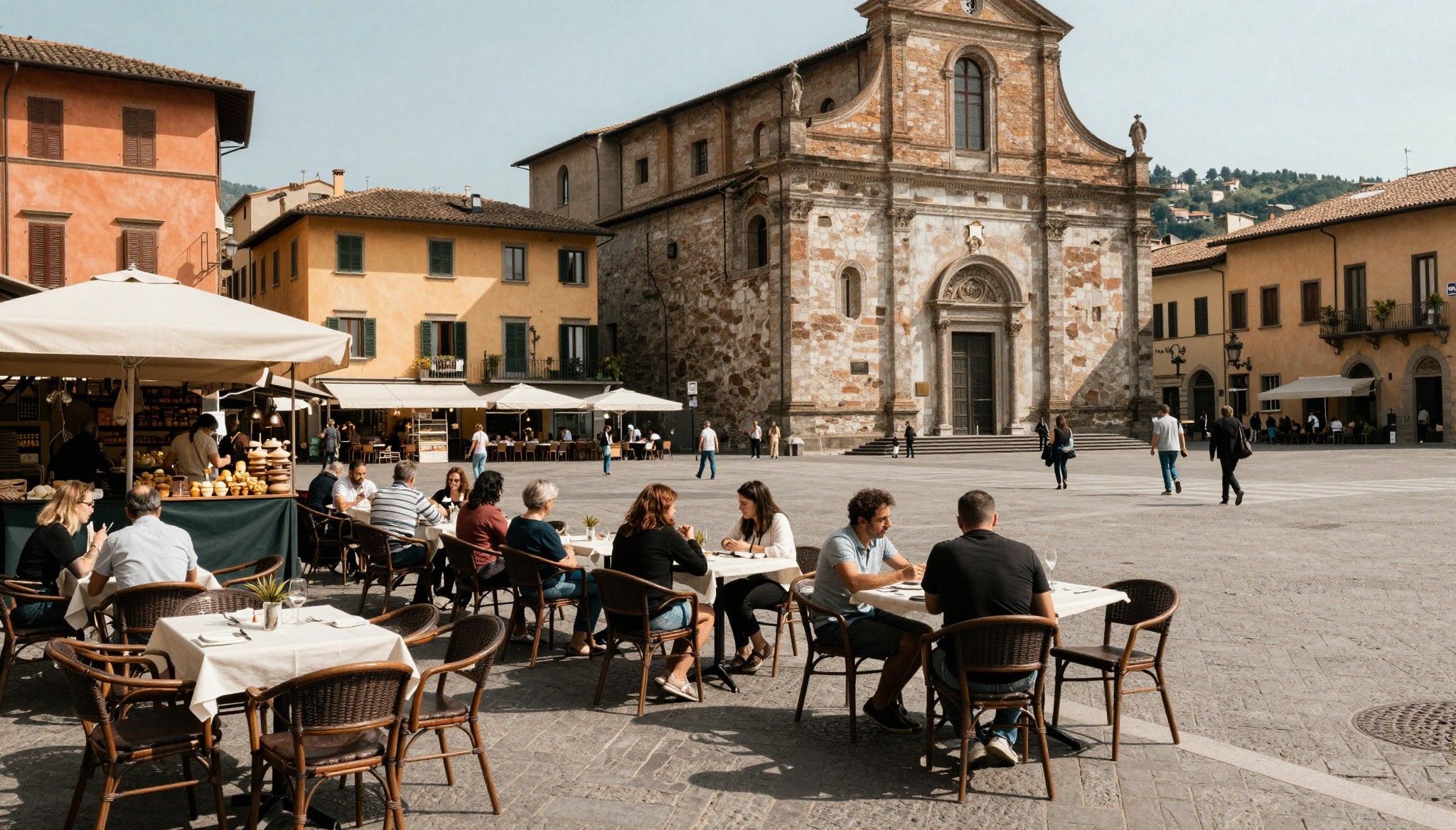
Imagine stepping out at 8am in a Roman piazza with a crema espresso, or buying a rustic vineyard house in Langhe where autumn fog smells of wood smoke and truffles. Italy’s rhythm—market mornings in city squares, slow afternoons in coastal cafés—shapes not just lifestyle but how properties hold value. For international buyers who want both a life change and a sensible asset, Italy balances cultural capital with measurable price momentum. Below I lay out what living here feels like, where yields hide behind charm, and the practical moves that convert a dream into a defensible investment.
Living the Italy lifestyle
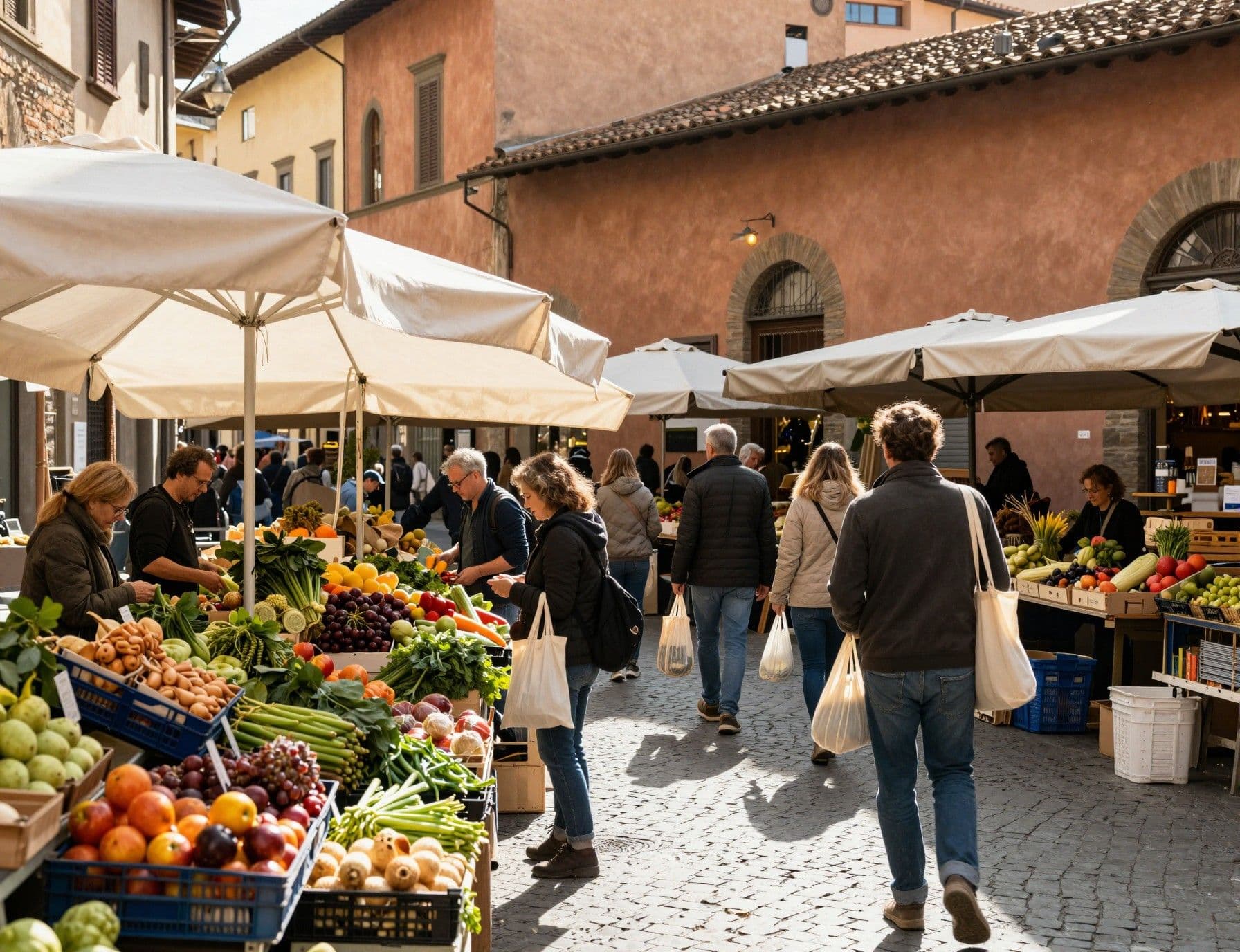
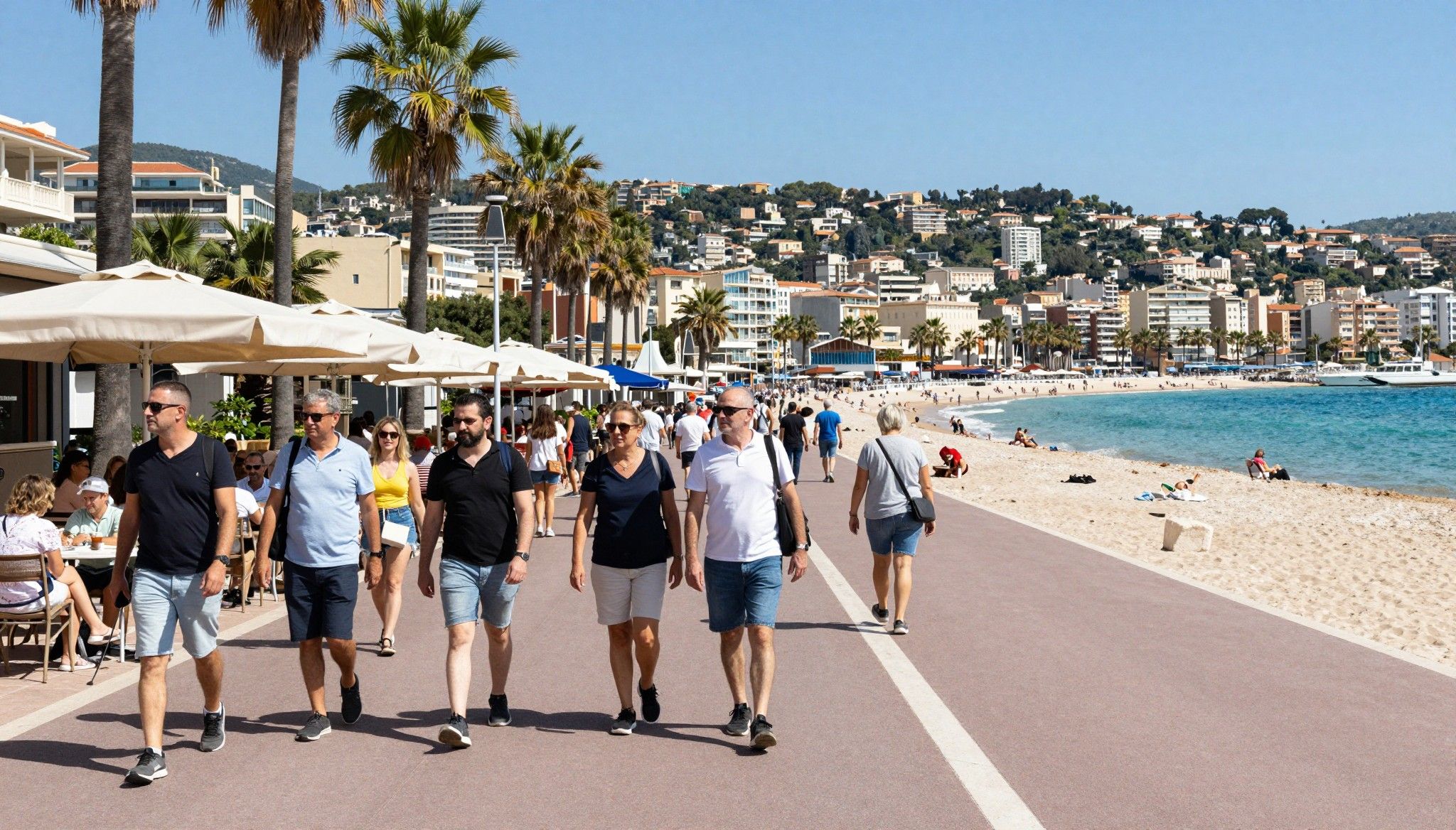
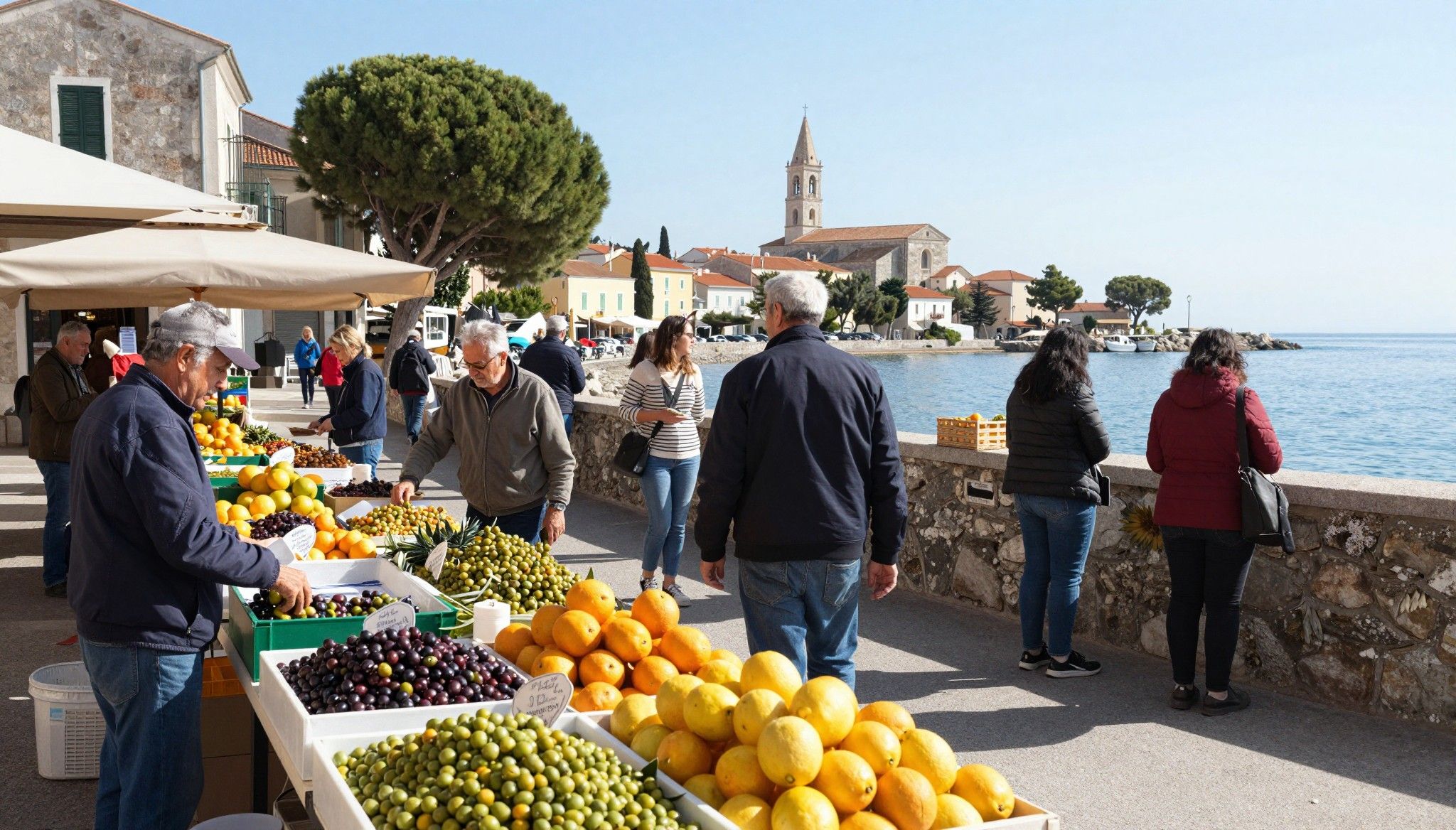
Italy’s daily life is tactile: morning markets overflowing with citrus and burrata, the clipped rhythm of baristas polishing cups between customers, and pockets of silence in cobbled lanes. Cities pulse—Milan’s weekday pragmatism, Rome’s layered history—while coastal towns like Cefalù or Camogli slow the clock. Seasonality is decisive: summer tourism lifts business in coastal and historic centers but pushes locals to peripheral neighbourhoods, which in turn affects rental demand and long‑term price stability. Recognising those rhythms helps buyers match a property’s cashflow profile to the lifestyle they want.
Neighborhood spotlight: Trastevere to Navigli
Pick a street and you meet a different Italy. Trastevere in Rome is intimate terraces, late-night osterie and winding lanes that favour small apartments with strong short‑stay demand. In Milan, Navigli offers canal-side social life and strong weekday rentals to young professionals, while Brera holds more premium, stable long‑lets. For investors these micro-neighbourhoods translate into distinct tenant pools: students and tourists in historic cores, professionals near transport hubs, families in residential rings.
Food, markets and seasonality as lifestyle capital
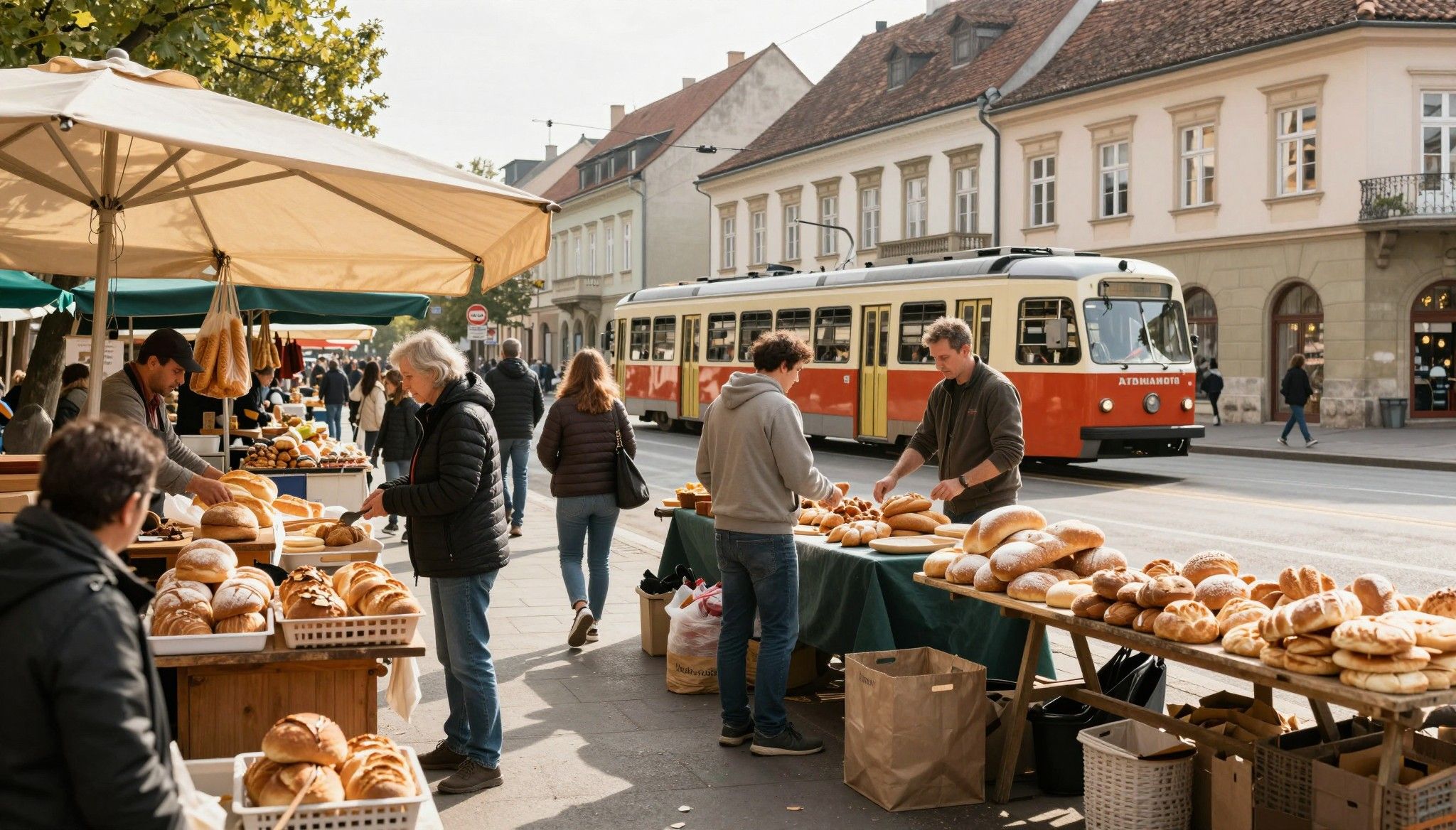
Weekends are market-driven: fresh produce in Palermo’s Ballarò, seafood in Trieste’s docks, and wine fairs in Tuscany. These seasonal cycles create predictable spikes in short‑term demand around harvests and festivals, but they also expose seasonality risk for investors reliant on tourism. Use market days and local festivals as windows to evaluate recurring occupancy rather than one-off peak impressions.
- Lifestyle highlights: real places that matter
- Morning espresso at Sant’Eustachio (Rome); weekly produce at Mercato Centrale (Florence); Aperitivo along Navigli (Milan); weekend swims at Spiaggia di Tonnara (Sicily); truffle fairs in Alba (Piedmont).
Making the move: practical considerations

Italy’s prices rose about 4% in 2025 according to Istat, with Milan and Rome showing above‑average gains—data that matters when you model appreciation versus rental return. Prime central Milan and certain pockets in Rome remain more expensive per square metre, while secondary cities and southern provincial towns can offer materially higher gross yields. Translate national indices into neighborhood-level comparables before you commit: averages hide the spread between tourist-heavy historic cores and resilient residential rings.
Property styles and how they map to lifestyle
Historic centro apartments deliver lifestyle authenticity and short‑let income potential but bring higher maintenance, energy inefficiency, and stricter local regulations. Newer suburban builds offer parking, energy efficiency, and steadier long‑let cashflow—better for family living and predictable returns. Student housing and purpose-built rentals near universities (see Colliers PBSA data) are another lens: strong demand where supply is tight, but require specialist management.
Working with local experts who know the rhythm
Agencies rooted in neighbourhoods (not generic portals) are indispensable: they spot regulatory quirks, realistic net yields, and vetted property managers. Use firms that can show historical rental data and local comparables—claims of high yields should be backed by listing-level evidence. For example, city-level gross yields vary widely; platforms like BestYieldFinder publish current yield snapshots that you should reconcile with net figures after costs.
- Practical checklist blending lifestyle and finance
- 1) Map desired lifestyle to tenant profile (tourist, student, professional). 2) Pull neighborhood comparables for price/m2 and realised rents. 3) Model net yield: subtract taxes, management, utilities, vacancy. 4) Verify local short‑let rules and licensing before assuming STR income. 5) Arrange a local technical survey for historic properties to estimate renovation scope.
Insider knowledge: what expats wish they’d known
The most common regret isn’t the view—it’s underestimating seasonality, compliance and management overhead. Short‑term rental income in a hotspot can look attractive on paper, but new regional and municipal rules and stricter reporting have tightened margins; treat STR potential as volatile, not guaranteed. Successful expats plan for a blended-use approach: reserve 60–70% of projected STR income for conservative underwriting, and prioritise neighborhoods with diversified demand.
Cultural integration: language, services, and community
Practical life in Italy runs on relationships—your notaio (notary), geometra (surveyor) and a trusted local agent are more than vendors; they’re the on-the-ground network that keeps transactions moving. Learn a few phrases, attend local market days, and join community groups—these everyday connections reduce friction in negotiations and property management. For investors, prioritise managers who speak both the local language and English and who provide transparent monthly reporting.
Long-term lifestyle & ownership realities
Italy rewards patience. Renovation projects can add both living quality and resale value, especially where energy upgrades unlock tax credits. Macro data from Nomisma and market reports show modest but persistent demand in major cities and pockets of faster growth in well-connected secondary cities. Treat Italian property as a medium- to long‑term holding in portfolio allocation, and use renovation and energy efficiency as value-add levers.
- Red flags to watch before you bid
- Unclear land registry (visure catastali) history; unpermitted renovations; excessive reliance on short‑term tourism; overpriced prime‑center listings lacking tradeable comparables; poor insulation and energy class (Certificazione Energetica) in older stock.
Start with a clear lifestyle brief, then run it through a spreadsheet. If you want year‑round tenants, prioritise proximity to transport and schools; if you want seasonal rental upside, focus on historic cores and local festival calendars. For every 1% assumed yield, add a 1–2% buffer for management, taxes and vacancy—real returns consistently underperform headline gross yields.
- Next steps for buyers ready to act
- 1) Commission neighborhood-level rental and price comps. 2) Secure local technical and legal due diligence. 3) Build a 3‑year cashflow model with conservative occupancy. 4) Line up a local property manager and verify their reporting. 5) Negotiate a contract conditional on survey and registration checks.
Italy offers a life lived in markets, piazzas and coastlines—combined with an investable housing market that increased about 4% in 2025 per Istat while yields vary considerably by city and strategy. Fall in love with the daily pleasures first, then quantify them: match the neighbourhood rhythm to your yield target, use local experts to neutralise compliance risks, and underwrite conservatively. When you pair the sensory with the spreadsheet, Italy stops being a dream and becomes a portfolio-grade opportunity.
Danish relocation specialist who moved to Cyprus in 2018, helping Nordic clients diversify with rental yields and residency considerations.