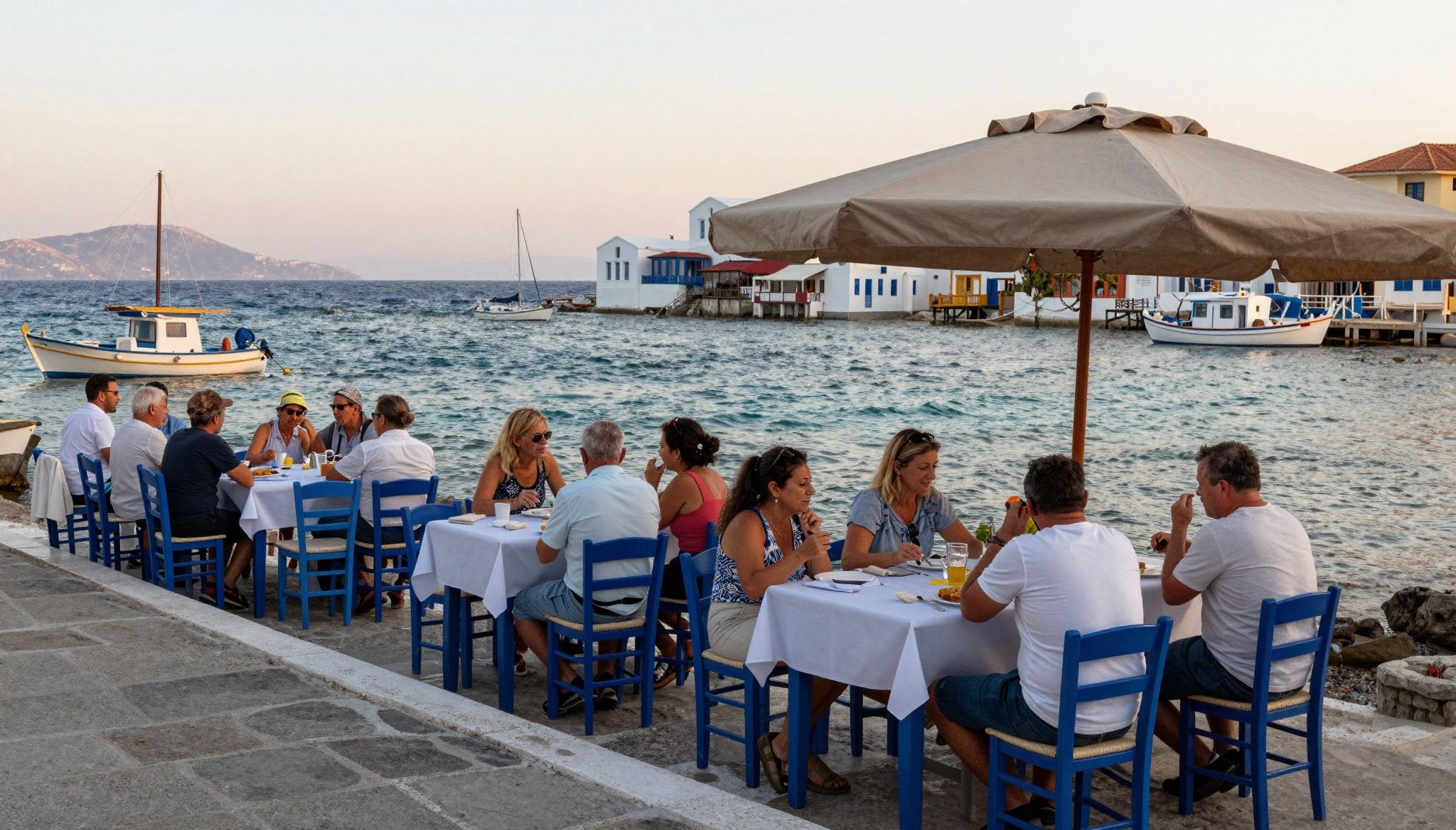
How 2024–26 Rules Reprice Cyprus Property Returns
Regulatory shifts in 2024–2026 (CGT scope, short‑let rules, tax reform) materially change after‑tax yields in Cyprus—model exits, rental taxes and registration costs.
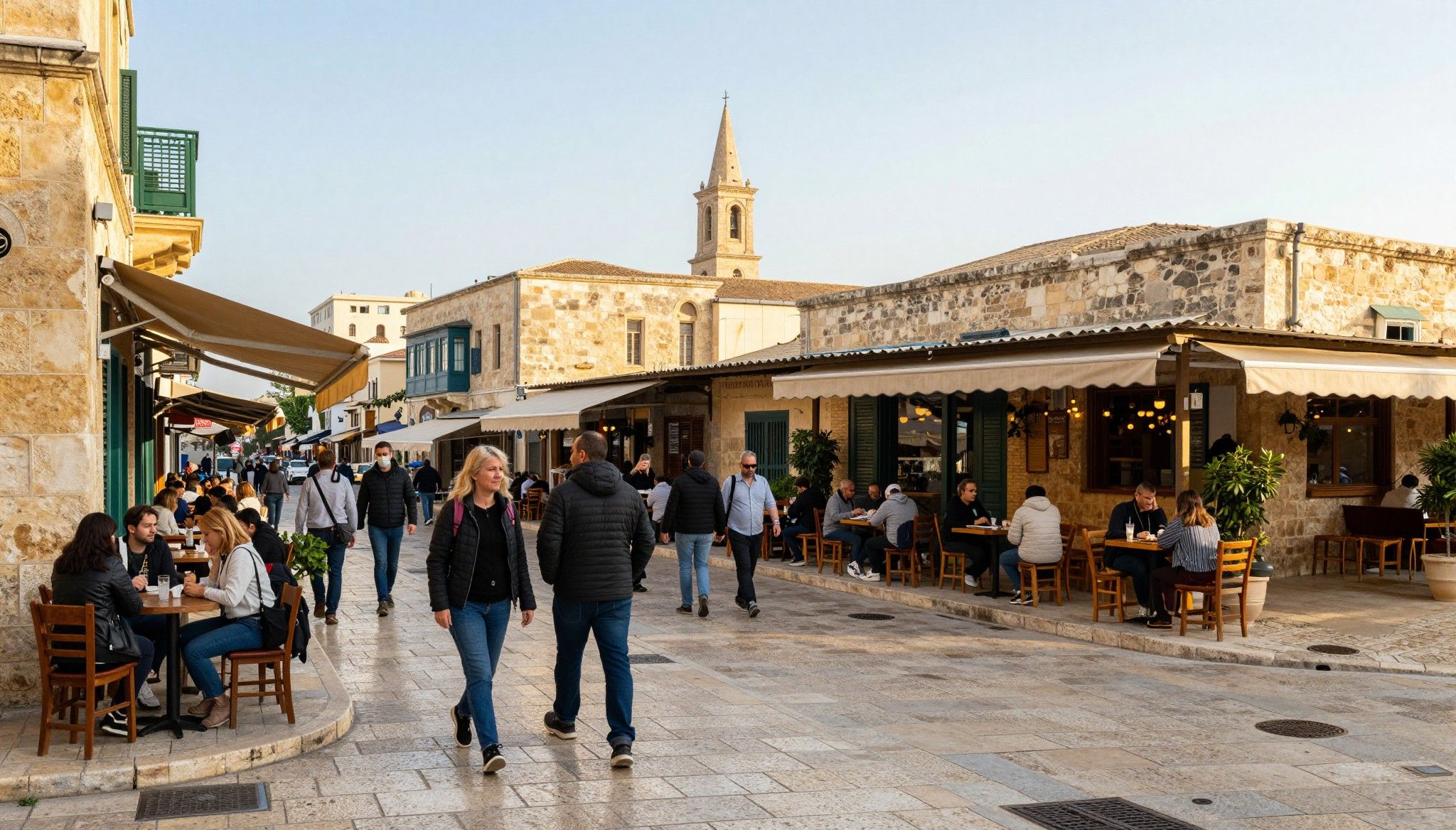
Imagine sipping espresso on Nicosia’s Ledra Street at 9am, then swapping the city bustle for a sea-swim on Larnaca’s Finikoudes by noon — that contrast is Cyprus. But beyond sun and cafés, a quieter shift is reshaping returns: regulatory changes over 2024–2026 are altering tax profiles, short‑let economics and who can legally hold property. Understanding those rules is now as important as choosing a neighbourhood.
Living Cyprus: sun, streets and the rhythms that shape value
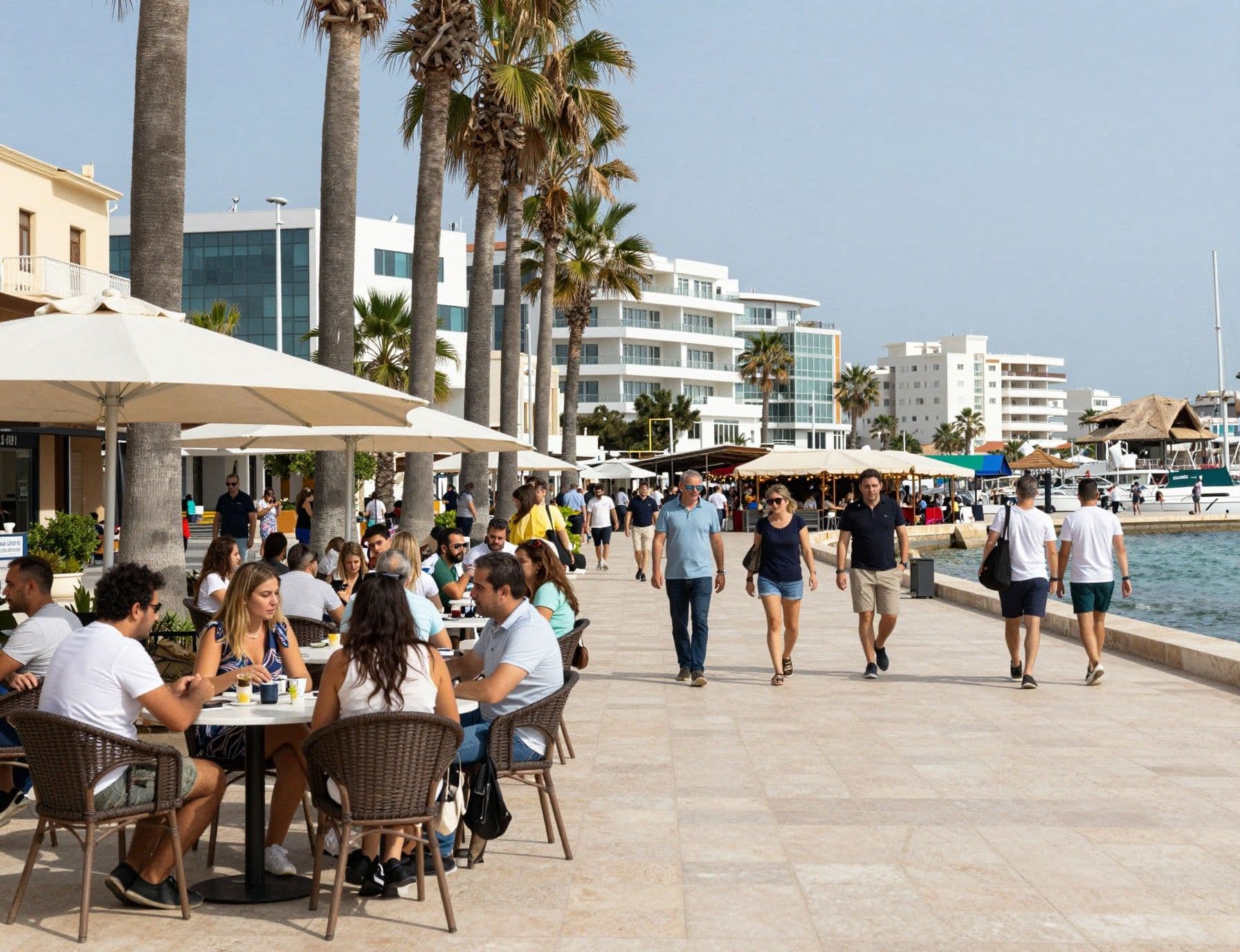
Cyprus feels small but varied: stone‑paved alleys in Paphos’ Ktima, wide promenades in Limassol’s Marina, and quiet mountain villages in Troodos. These micro‑rhythms determine demand—seasonal tourists lift short‑term rents on the coast, while year‑round professionals support steady demand in Nicosia. Buyers first fall for lifestyle; smart investors then map those scenes to cashflow realities.
Spotlight: Limassol marina to Agios Tychonas — beach life with rental depth
Limassol’s marina stretch mixes luxury short‑lets and corporate relocations. Walkability, a cluster of restaurants (try the Molly Malone strip or Azure Beach spots) and proximity to office hubs mean properties convert easily between tourist and corporate lets — a flexible demand profile that supports stronger effective occupancy compared with purely touristic villages.
Food, markets and the Thursday rhythm: how culture lifts neighbourhood premiums
From Larnaca’s municipal market to Paphos’ seaside tavernas, weekly rhythms matter. Areas with established market days and year‑round food scenes (e.g., Nicosia’s old town) attract longer‑staying tenants who value convenience — this steadier rental demand reduces vacancy risk and can compress yield volatility vs purely seasonal hotspots.
- Limassol marina promenade, Agios Tychonas beach access, Larnaca Finikoudes promenade, Nicosia old‑town cafés, Paphos harbour tavernas, Troodos mountain villages for second‑home rentals
Making the move: how recent regulatory shifts reprice returns

Lifestyle images sell the dream; regulation shapes the spreadsheet. Since 2023–2026 Cyprus has tightened several rules that directly affect net yields: expanded capital‑gains scope on indirect disposals, formal short‑let registration and tax treatment changes, and the formal removal of the citizenship‑for‑investment route — each alters after‑tax returns and investor planning. Read the rules before you bid.
Capital gains and structure risk: indirect disposals now in scope
Legal amendments in 2025 broaden Cyprus’s capital gains tax to capture indirect disposals of companies holding Cyprus real estate. That closes a common tax arbitrage: selling shares to avoid property CGT. For investors using holding companies, the effective tax on exit can now be higher — model both direct and indirect disposal scenarios when estimating IRR.
Short‑lets: registration, platform rules and changing tax treatment
Since February 2023 short‑let properties must register and, following administrative alignment with EU platform rules, hosts must display registration numbers to platforms. Further, Cyprus tax authority guidance treats certain online rental receipts as business income under specific conditions — changing allowable deductions and social‑contribution exposure. These shifts reduce headline gross yields when compliance and management costs are included.
- Register short‑lets before listing; budget 15–20% management + platform fees; model business‑income tax vs passive rental tax; check VAT history on the property (VAT‑treated purchases can restrict short‑letting).
Insider knowledge: what expats and investors wish they’d known
Expat buyers tell the same story: you fall in love with a street, then discover a regulation that affects yield. In Cyprus the recent policy tightening was aimed at transparency and fiscal fairness — but it also means pockets of value shift quickly. Areas with mixed‑use demand (corporate, long‑stay, tourism) now outperform purely seasonal spots on risk‑adjusted yield.
Cultural integration and daily life: why that matters to returns
Language is broadly English‑friendly in business and property transactions, but local networks still matter for lettings and maintenance. Properties near community anchors — church squares in Paphos, municipal markets in Larnaca, university areas in Nicosia — see steadier long‑term tenancy, lower management churn and ultimately better net yields.
Long‑term view: demographic and policy drivers to watch
Cyprus’s 2025–2026 tax adjustments (including stamp duty abolition steps, SDC changes, and revised CGT thresholds) alter holding costs and exit calculus. For portfolio investors, this means updating sensitivity tables: small changes in effective tax rates can swing multi‑year net yields by several percentage points — rerun models with 2026 rules.
- Steps to reprice a Cyprus deal under new rules: 1) Recalculate exit CGT for direct and indirect disposal scenarios; 2) Recompute rental taxation (business vs passive); 3) Add mandatory management and registration costs; 4) Stress‑test occupancy for seasonal vs year‑round demand.
- Practical checklist before you bid: get district permission for non‑EU buyers; confirm VAT history on the scheme; request rental registration status for short‑let candidates; insist on clear title searches and up‑to‑date habitability certificates.
Regulation no longer sits in the background — it shapes which neighbourhoods deliver steady returns and which remain speculative bets. If you love Cyprus for its streets, food and sea, pair that affection with updated modelling: include registration and tax compliance costs, treat indirect disposal tax as real, and prefer markets with mixed tenancy. That’s how the lifestyle stays sustainable and the spreadsheet stays honest.
Swedish financier who guided 150+ families to Spanish title deeds since relocating from Stockholm in 2012, focusing on legal and tax implications.