Greece: Fall in Love, Buy by the Spreadsheet
Greece blends irresistible lifestyle with seasonally skewed returns; combine urban and island assets, stress-test for off‑peak, and prioritise title checks and energy upgrades.
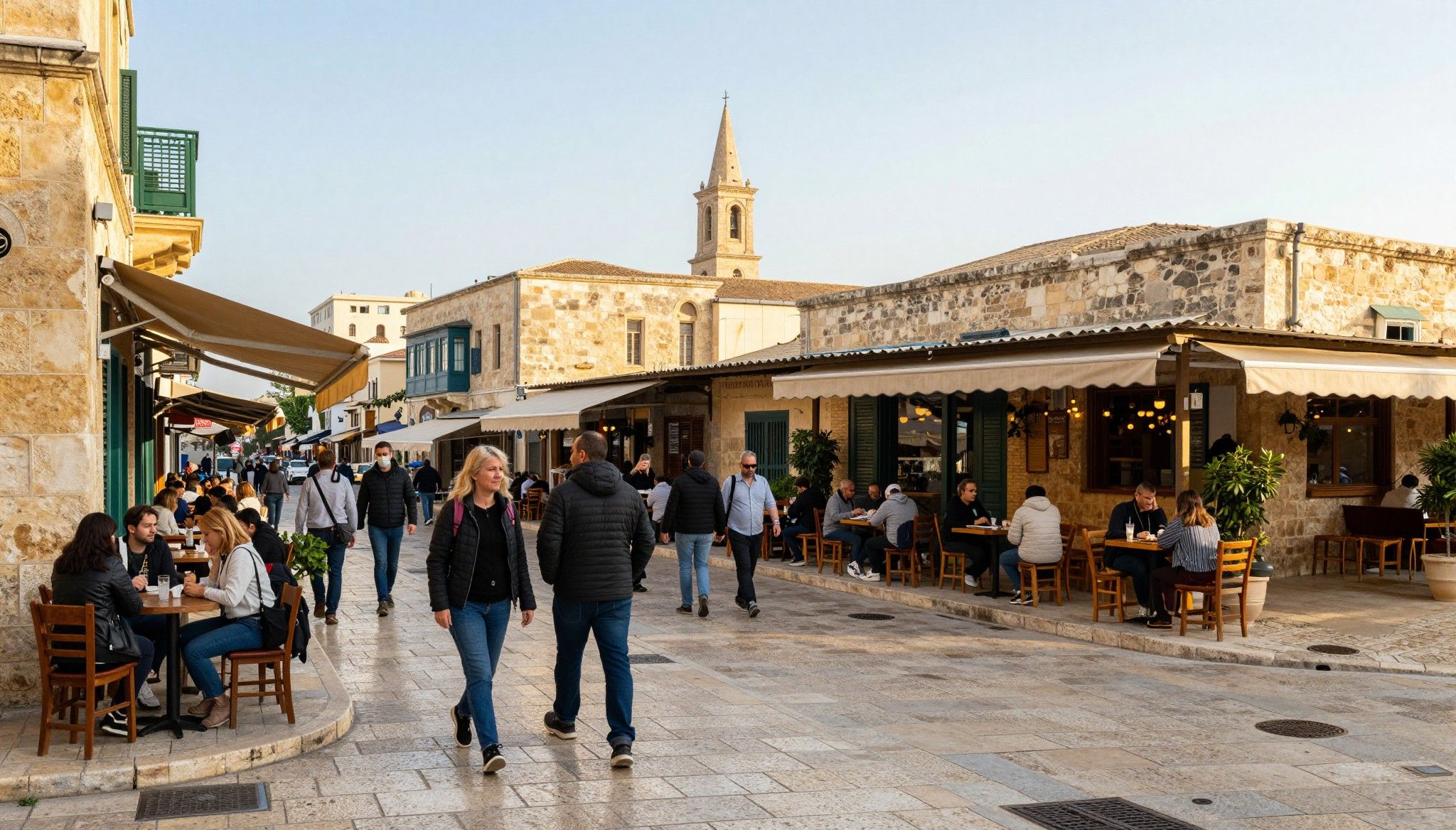
Imagine waking before noon to the smell of strong espresso on a stone-paved street in Plaka, then catching an afternoon ferry to a quiet Cycladic cove — Greece feels like a lifetime in one weekend. But the Greek property market is not just postcards and sunsets: it is a hot, heterogeneous investment landscape shaped by tourism flows, regulatory shifts and sharply localised yields. This piece pairs the lived, sensory Greece with the hard metrics international buyers need to weigh return against lifestyle.
Living Greece: daily rhythms that shape where you buy

Life here is seasonal and social: mornings are for espresso and government offices, late afternoons for seaside promenades, summers dominated by island movement and festivals. That seasonality drives short-term rental demand and creates neighbourhood rhythms — Athens hums year-round, Mykonos peaks hard, and Peloponnese towns gather momentum in shoulder seasons as infrastructure improves. International visitor counts and policy choices therefore map directly onto rental returns and vacancy risk.
Athens — urban convenience, steady demand
Picture Exarchia’s narrow streets, espresso bars on every corner and short walks to the Acropolis; Athens offers year-round rental demand from students, professionals and tourists. Prices are rising but yields can be steadier than island markets because demand diversifies across long-term renters and corporate lets. Proximity to transport and universities matters more than sea views for sustainable cashflow.
Islands — high peaks, deep troughs
Think Mykonos and Santorini: compressed high-season cashflows and strong capital appreciation but steep seasonality and management complexity. Smaller islands with resident declines may qualify for lower Golden Visa thresholds, creating pockets where price per square metre lags demand but yields can be attractive if you target multi-month rentals or localised year-round activities.
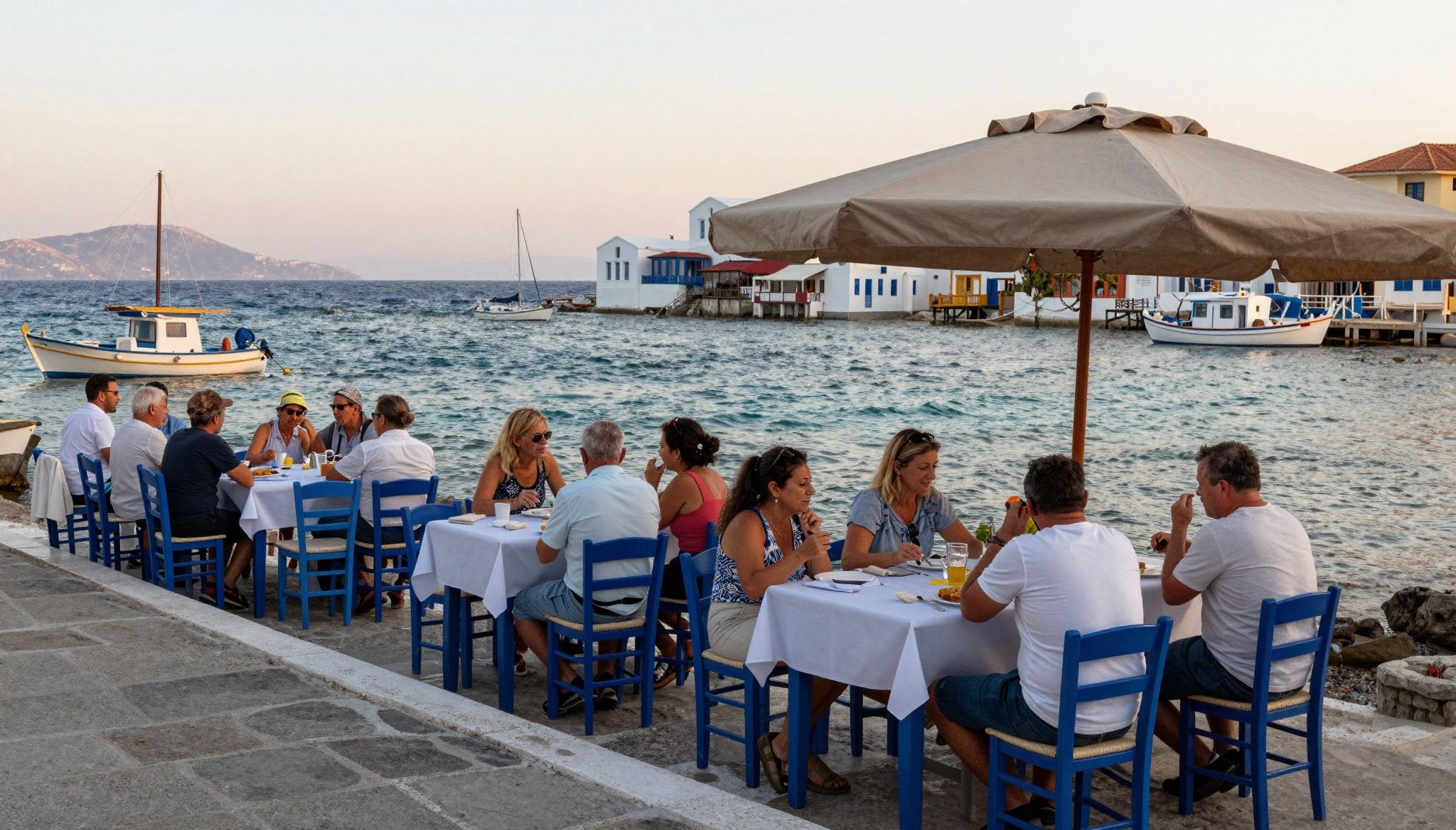
Lifestyle highlights that influence buy decisions: morning market at Varvakios in Athens; sunset drinks on Little Venice, Mykonos; seafood tavernas in Nafplio; thermal springs in Loutraki; coastal cycling routes in Chania.
Making the move: how lifestyle choices change investment mechanics

Your lifestyle brief — year-round living, seasonal use or pure short-let investment — determines which metrics matter. Touristy islands amplify headline revenue but inflate operational costs and vacancy swings. Urban neighbourhoods trade slightly lower peak rates for more predictable occupancy. Use lifestyle priorities to weight cap-rate, price per sq.m. and turnover risk in your model.
Property types and how they fit real life
New builds in Athens or renovated island villas each carry different wallets: maintenance, insulation, and energy costs differ; terraces and outdoor living boost short-let appeal; historic properties carry renovation risk but capital upside. Factor lifecycle costs — not just purchase price — into yield calculations and add conservative vacancy buffers for seasonal markets.
Work with experts who understand both lifestyle and spreadsheets
1) Hire an agent experienced in cross-season marketing and long-term tenancy law. 2) Retain a local tax advisor to model net yield after property and income taxes. 3) Use a property manager with proven island logistics for housekeeping and compliance. 4) Build an acquisition budget that includes 6–12 months of operating expenses for island assets.
Insider knowledge: myths, red flags and contrarian pocket plays
Myth: 'Islands always beat cities for returns.' Reality: islands deliver higher gross seasonal income but after management, taxes and vacancy the net yield often aligns with or falls below well-selected Athens neighbourhoods. Recent tourism surges (36–40 million visitors in 2024 reporting) lifted headline revenue, but sustainable returns require assessing off-peak demand and local regulation.
Contrarian pocket: overlooked secondary islands and regional towns
Look for islands with growing shoulder‑season events, improved ferry links, or local investment in infrastructure — these often show lower entry prices and faster yield normalisation as tourism spreads beyond flagship islands.
Practical red flags to spot on viewing day
Unclear title or missing building permits; disproportionate reliance on short‑stay platforms for local economy; evidence of poor insulation or water-system access; properties adjacent to planned infrastructure that could change neighbourhood dynamics.
1) Run title and permit checks before offers. 2) Stress-test cashflow for a 40–60% off-peak revenue hit. 3) Require professional estimates for renovation and energy upgrades. 4) Model after-tax net yield with conservative occupancy assumptions.
What expats wish they'd known
Language matters less than local relationships — a neighbour who helps with contractors is worth months of admin. Expect slower bureaucratic timelines than Northern Europe but more flexible local solutions. Many buyers underestimate energy retrofits for older buildings; those upgrades improve rentability and resale more than cosmetic renovations.
Long-term lifestyle trajectory and investor takeaways
Greece’s macro backdrop — robust tourism, improving infrastructure and targeted policy changes — supports capital growth while accentuating the need for localised due diligence; build portfolios mixing urban, regional and island assets to smooth seasonality and capture both yield and appreciation.
Conclusion: fall in love on the street, but buy by the spreadsheet. Greece sells itself in moments — the harbourside tavern, the morning market, the ferry’s curve — but turning that romance into a resilient investment requires conservative cashflow modelling, local legal certainty and partners who understand seasonal micro-economies. If your brief blends lifestyle with reliable returns, assemble an Athens‑islands mix, stress-test for off‑season, and prioritise title clarity and energy upgrades before signing.
Dutch investment strategist who built a practice assisting 200+ Dutch clients find Spanish assets, with emphasis on cap rates and due diligence.