Why Croatia’s Coast Isn’t Just 'Luxury'—Yield Pockets Revealed
Croatia’s coastal romance masks micro-markets; match lifestyle desires to yield realities using seasonality, price/m² and legal rules to preserve returns.
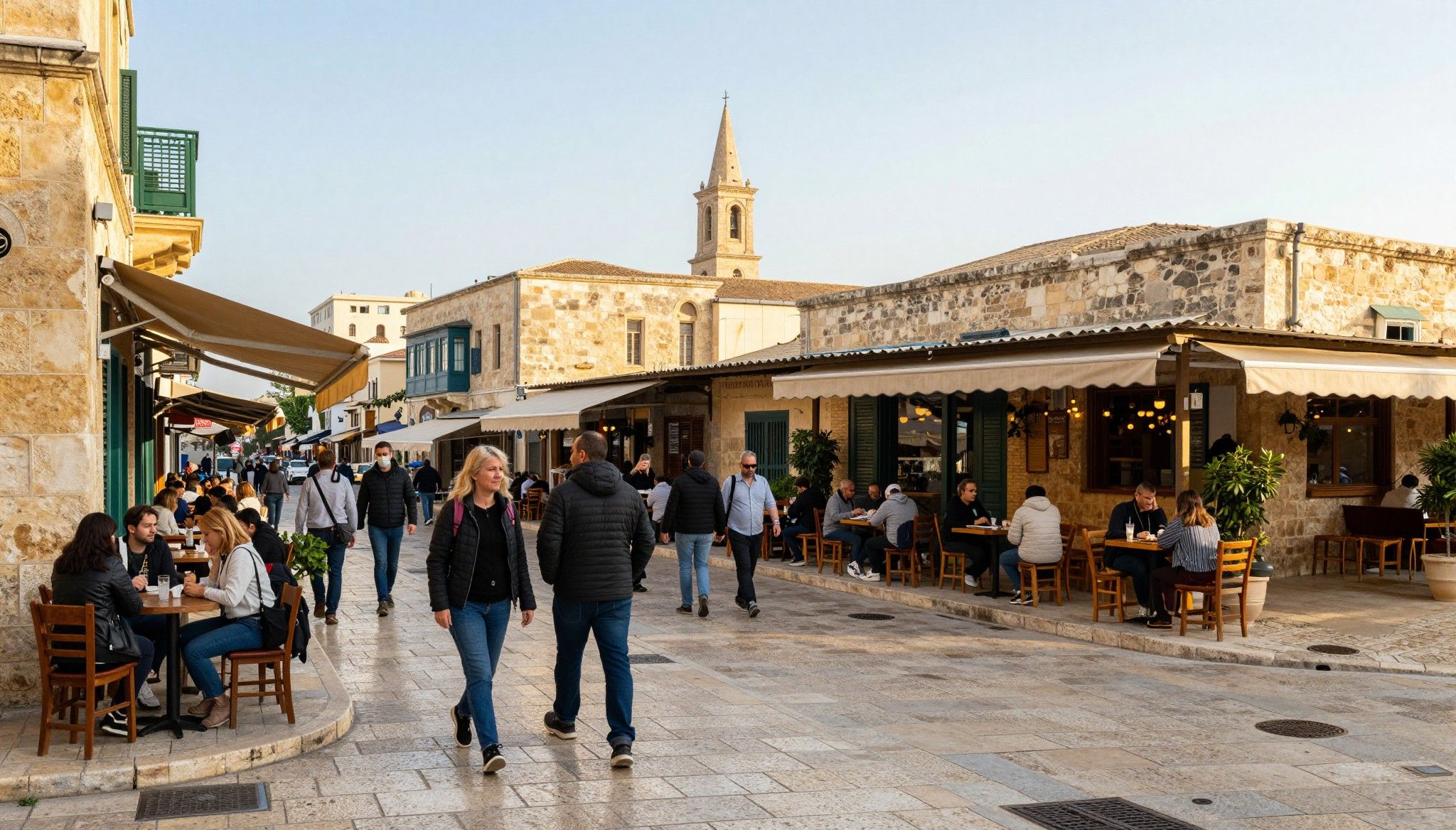
Imagine sipping espresso at Split’s Riva at 8 a.m., then walking five minutes to a calm backstreet where renters queue for neighbourhood bakeries — this is the Croatia most buyers see in photos. But behind that image is a market of clear microcycles: coastal tourist spikes, inland steady demand, and a capital driven by domestic employment. For investors, the emotional draw is only half the story; the other half is yield, seasonality and regulatory friction. According to recent market analysis, price growth has continued but at varying speeds across regions.
Living the Croatia life — sensory details that matter
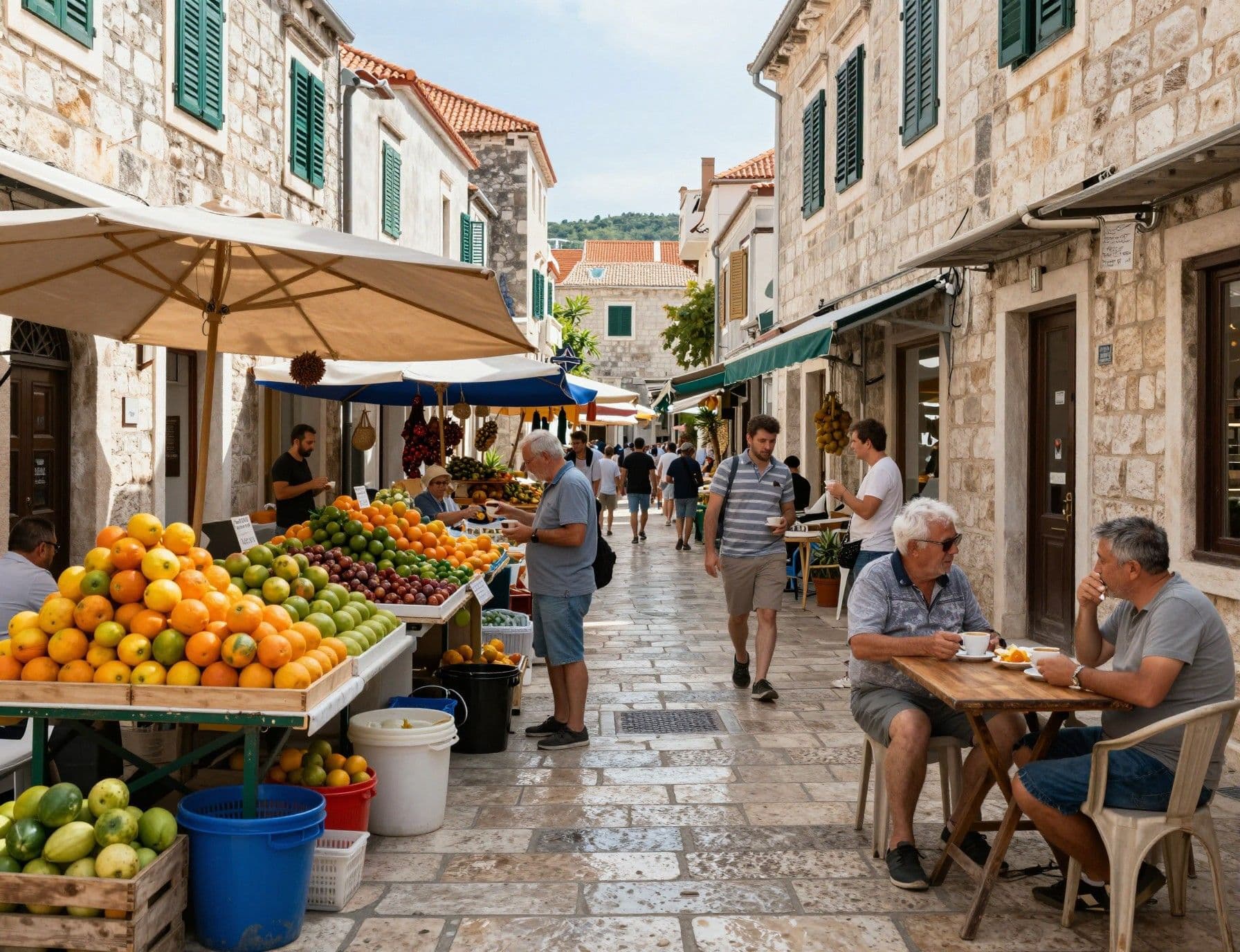
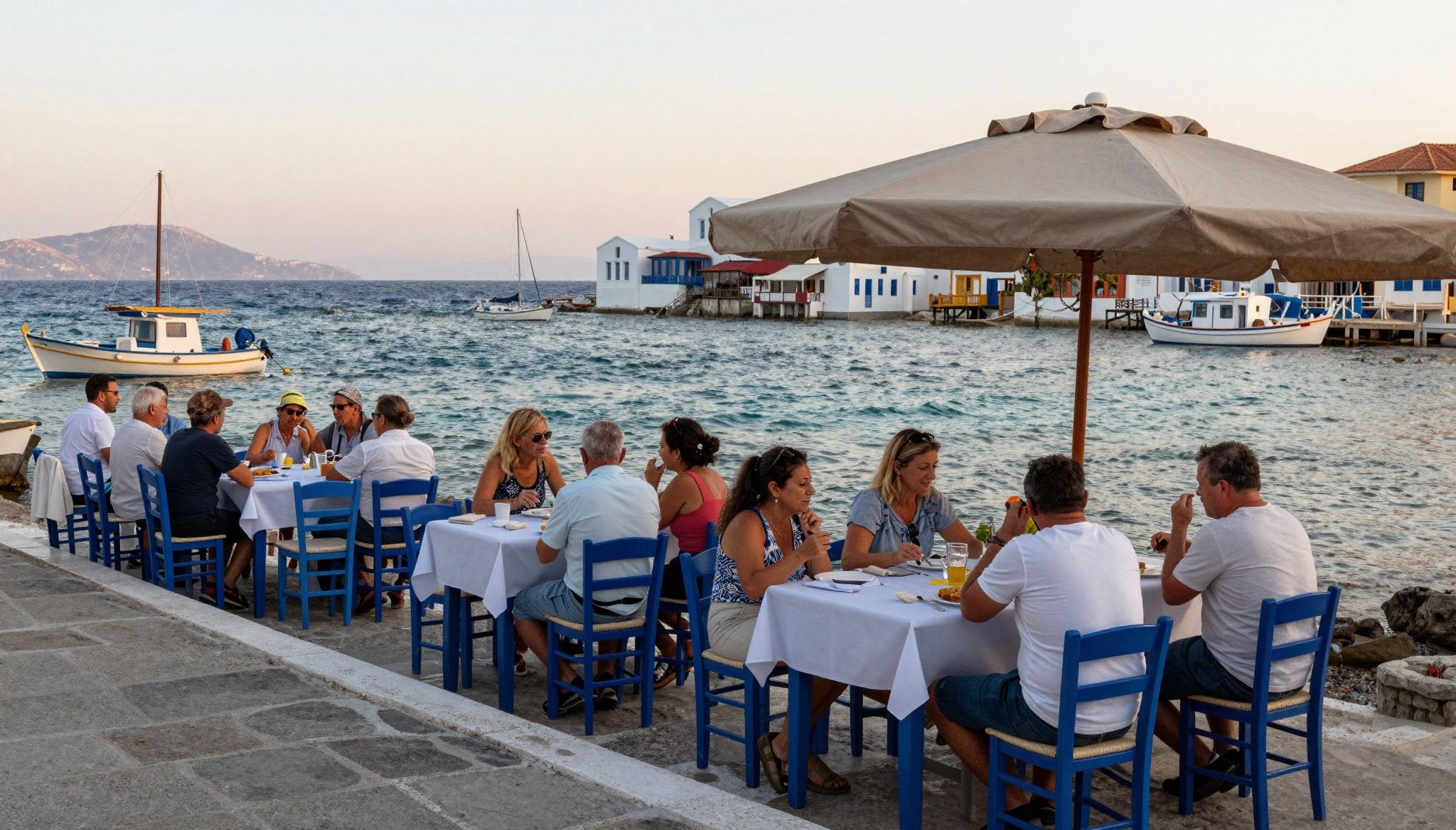
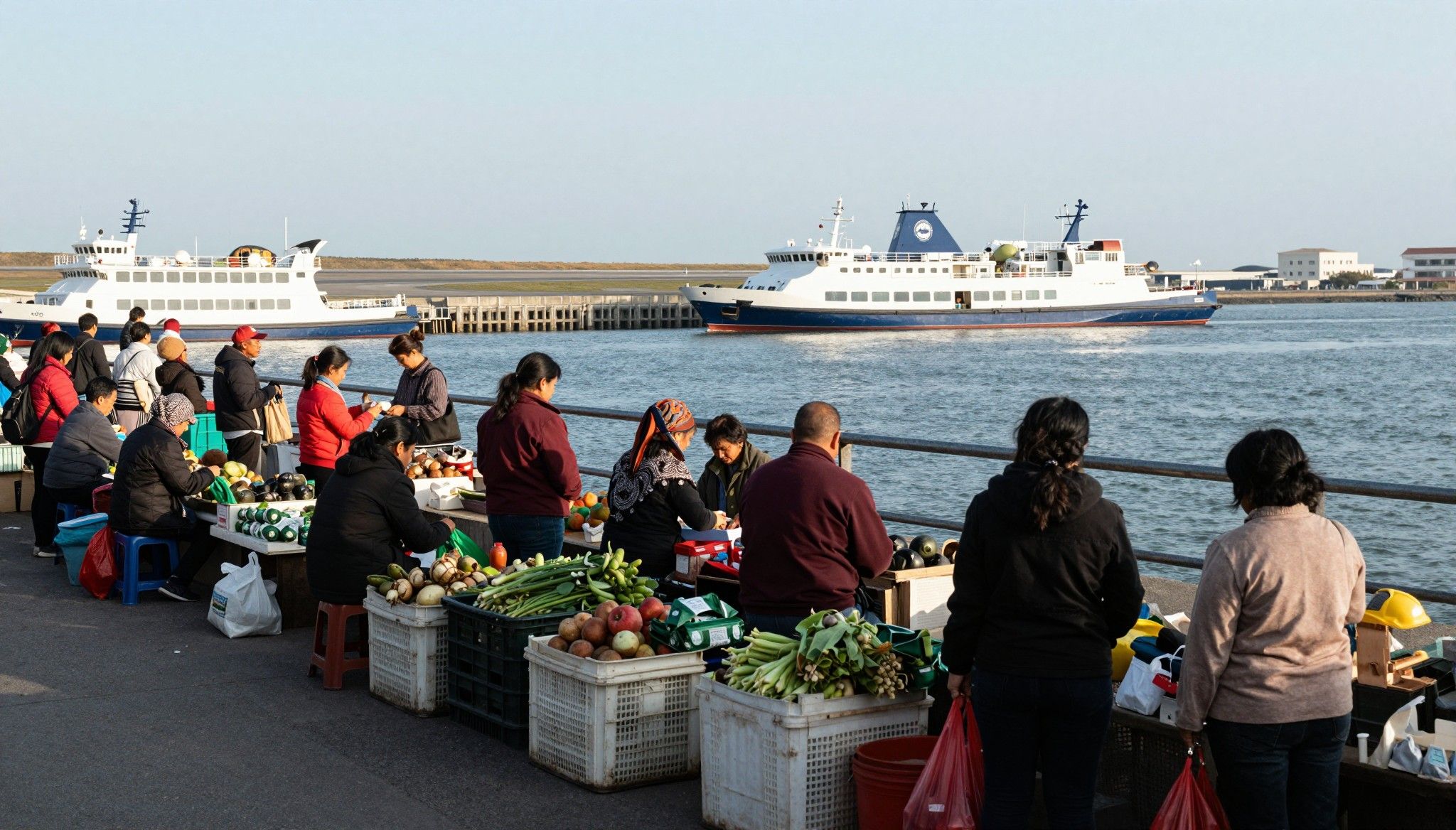
Croatia lives in layers. Morning markets in Dubrovnik’s Old Town hum with citrus and freshly baked pastry; in Istria, truffle season redirects conversation from harvest to dinner plans; Zagreb’s parks host weekend families and remote workers in equal measure. The Adriatic rhythm — boats, fish markets, late dinners — shapes what tenants expect and what properties can deliver. Understanding those rhythms helps you match property type to tenant demand rather than to Instagram aesthetics.
Coastal threads: Split, Zadar, Dubrovnik and the islands
On the coast, short-term rental income can spike in June–September, but occupancy and achievable nightly rates collapse outside high season. Dubrovnik commands premium purchase prices per square metre; Split balances tourist demand with a larger year-round resident base. Islands such as Hvar and Brač offer lifestyle appeal but require premium management and weather-dependent access — both reduce effective yields unless you plan for year-round use.
Urban steady-state: Zagreb and regional centres
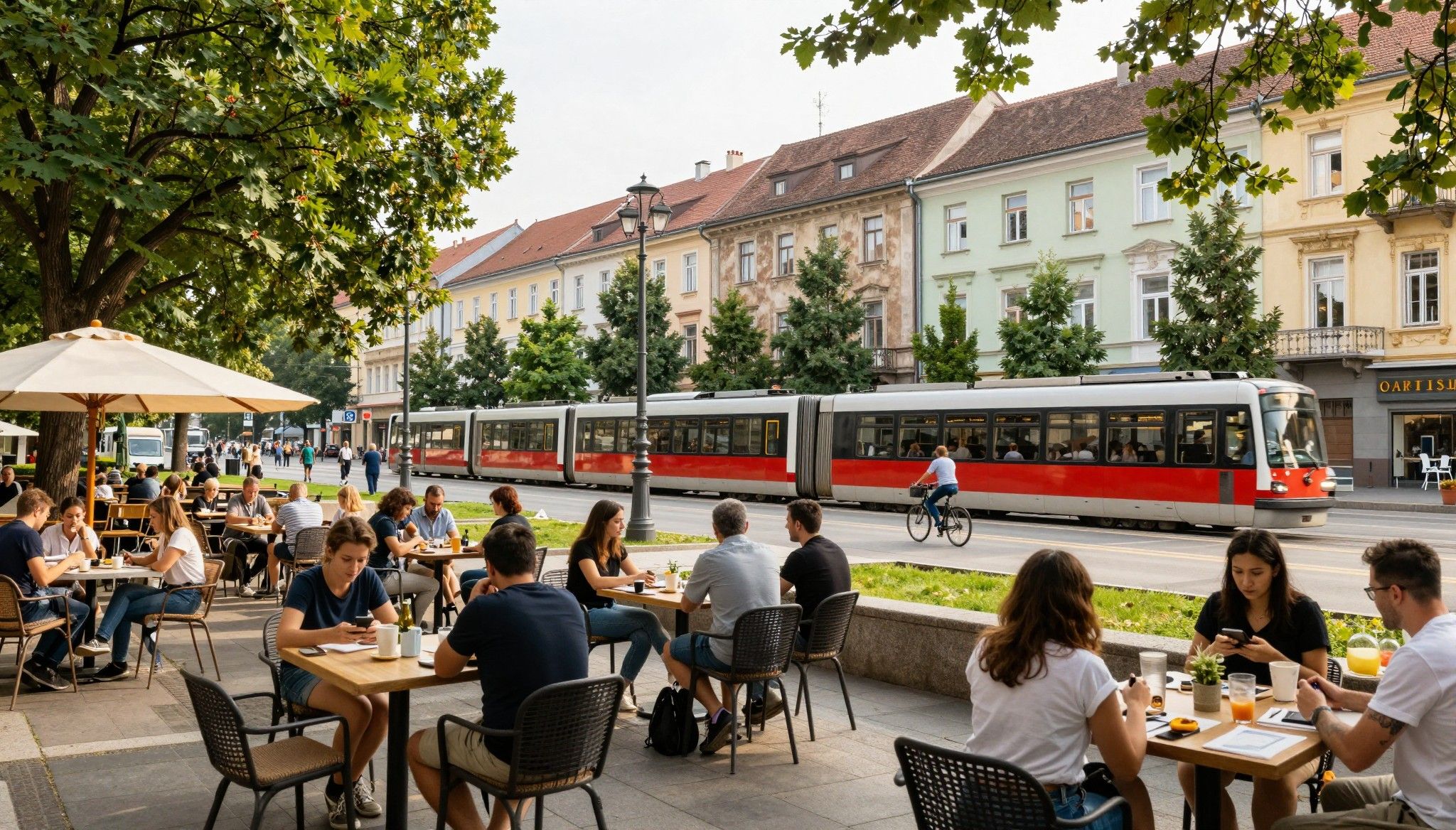
Zagreb’s rental market is driven by employment, students and domestic mobility, giving more predictable cashflow and stronger long-term yields compared with tourism-reliant hotspots. Secondary cities (Rijeka, Osijek) show lower price-per-m² entry points and modest rental demand from local industries and universities — attractive for yield-focused buyers who prioritise occupancy over peak nightly rates.
- Lifestyle highlights to match property choices: - Morning espresso on Split’s Ulica Domaldova and a 10-minute walk home. - Weekend truffle markets in Motovun and small Istrian stone houses with storage for bicycles and cold cellars. - Zagreb’s Britanski trg cafes and apartments that appeal to long-term tenants. - Ferry-linked island terraces for summer rentals with professional property management. - Quiet continental villages offering lower acquisition cost and potential for holiday-let conversions.
Making the move: practical considerations that preserve yield
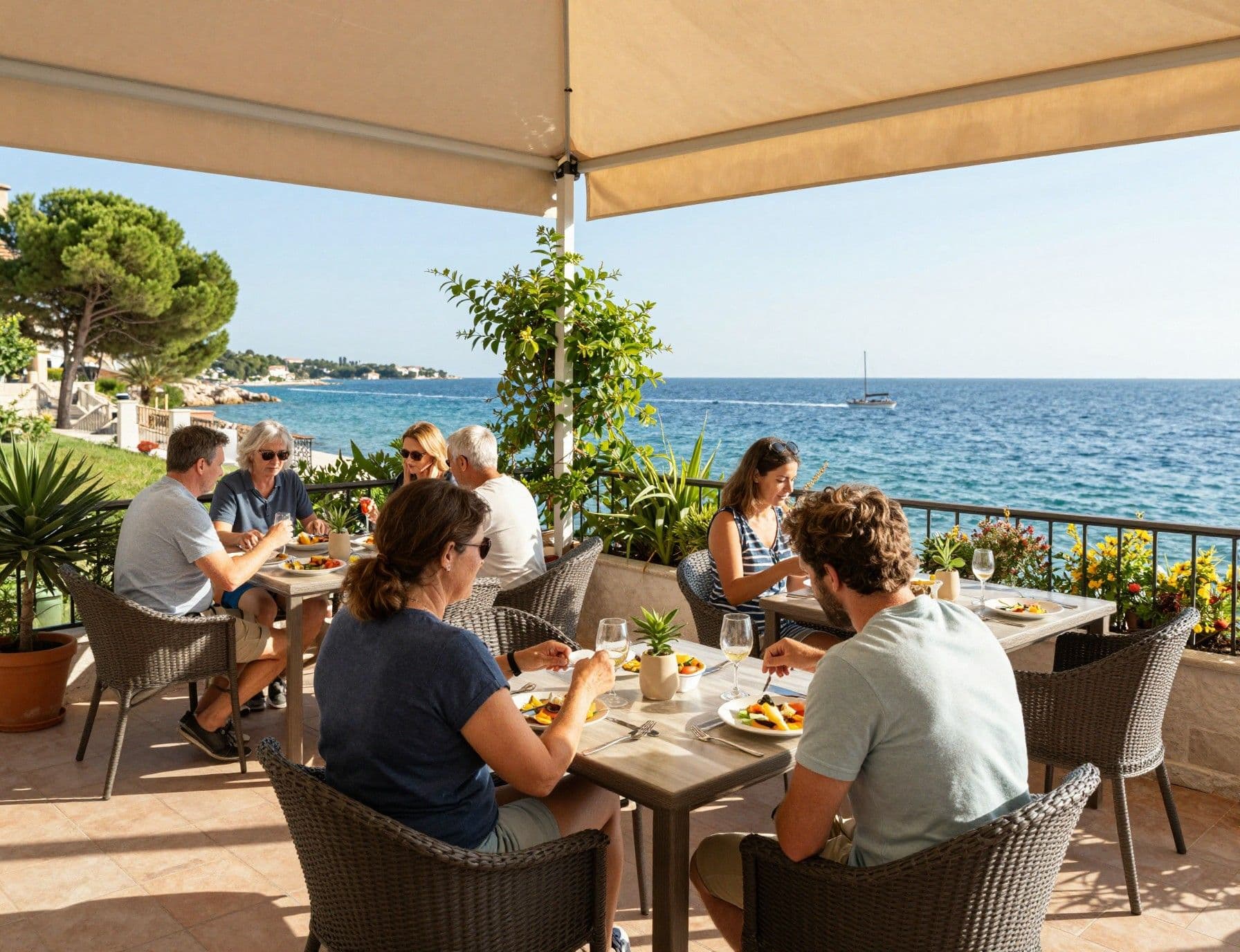
The lifestyle you want determines the asset class you should target. But to protect yield, use hard data: house price indices, gross rental yields and tourism seasonality metrics. Government statistics show dwelling prices rising unevenly by region, and industry analyses put gross rental yields around the mid‑4% range nationally, with Zagreb and some inland pockets outperforming tourist hotspots when annualised.
Property styles and their investment trade-offs
Historic stone apartments in coastal centres deliver charm and premium nightly rates, but they typically carry higher maintenance costs, stricter planning controls and limited parking — all of which reduce net yield. New-build apartments in Zagreb or Rijeka have lower upkeep and clearer energy performance, improving operating margins. Villas with sea views sell well for capital appreciation but often underperform on gross yield once management and vacancy are factored in.
Working with local experts who understand both life and numbers
- Steps to blend lifestyle ambitions with yield discipline: 1. Quantify seasonality: run a 12-month revenue projection using local tourist arrival data and off-season discounts. 2. Compare price/m²: source neighbourhood-level sales data for at least three comparable transactions. 3. Model net yield: include property management (8–15%), utilities, insurance and vacancy assumptions. 4. Stress-test with regulation: include scenarios where short‑let rules tighten or tourism dips. 5. Contract specialists: retain a Croatian lawyer familiar with foreign buyer consent and an accountant for tax residency implications.
Insider knowledge: what expats wish they'd known
A common surprise: reciprocity rules and administrative consent for non‑EU buyers add months to closing timelines. Another is that high tourist arrivals (20+ million nights in 2024) create headline demand but magnify seasonality risk for coastal assets. Expats also find neighbourhood micro-differences — a quiet side street in Dubrovnik or a patched-up stone stair in Rovinj — often determine tenant quality more than a sea view.
Cultural integration: language, community and daily life
Croatians value personal relationships in transactions. Learning basic Croatian phrases and meeting local neighbours goes further than glossy brochures when managing a let long-term. Weekends revolve around family meals, markets and regional festivals — these community ties translate into stable, long-term tenants for well‑kept properties.
Long-term lifestyle and market sustainability
Croatia’s EU membership, improving infrastructure and steady tourism baseline support long-term capital appreciation. But buyers should prioritise diversification across regions and tenant types to smooth cyclical returns. Consider a split strategy: one city apartment for stable rental income and one coastal asset for capital growth and seasonal upside.
- Red flags and due-diligence triggers: - Lack of clear title or incomplete land registry entries (always verify with a lawyer). - Properties in protected heritage zones that restrict renovation and rental use. - Overreliance on summer tourism without year-round tenant fallback. - Unclear management arrangements on islands (ferry disruptions affect occupancy). - Sellers withholding utility bills or condo minutes — signal deeper governance issues.
If you want to feel the place before you commit: spend at least two visits covering high- and low-season weeks, talk to local agents and neighbours, and run a three-year cashflow model that prices conservative occupancy. Agencies should be partners who translate lifestyle into numbers and guard against emotional overpaying.
Conclusion: Croatia rewards buyers who marry romance with spreadsheets. Love the markets you can model: seek neighbourhoods with diverse demand, prioritise net yield over headline nightly rates, and use local expertise to close legal and administrative gaps. Start with data — tourism and house price indices — and finish with a lifestyle visit that confirms the intuition behind the numbers.
British expat who moved to the Algarve in 2014. Specializes in portfolio-focused analysis, yields, and tax planning for UK buyers investing abroad.