Buy the Dossier: Greece’s Infrastructure That Reprices Value
Greece’s romantic streets conceal the real value driver: infrastructure. Prioritise transport, grid and broadband dossiers to turn lifestyle love into investable returns.
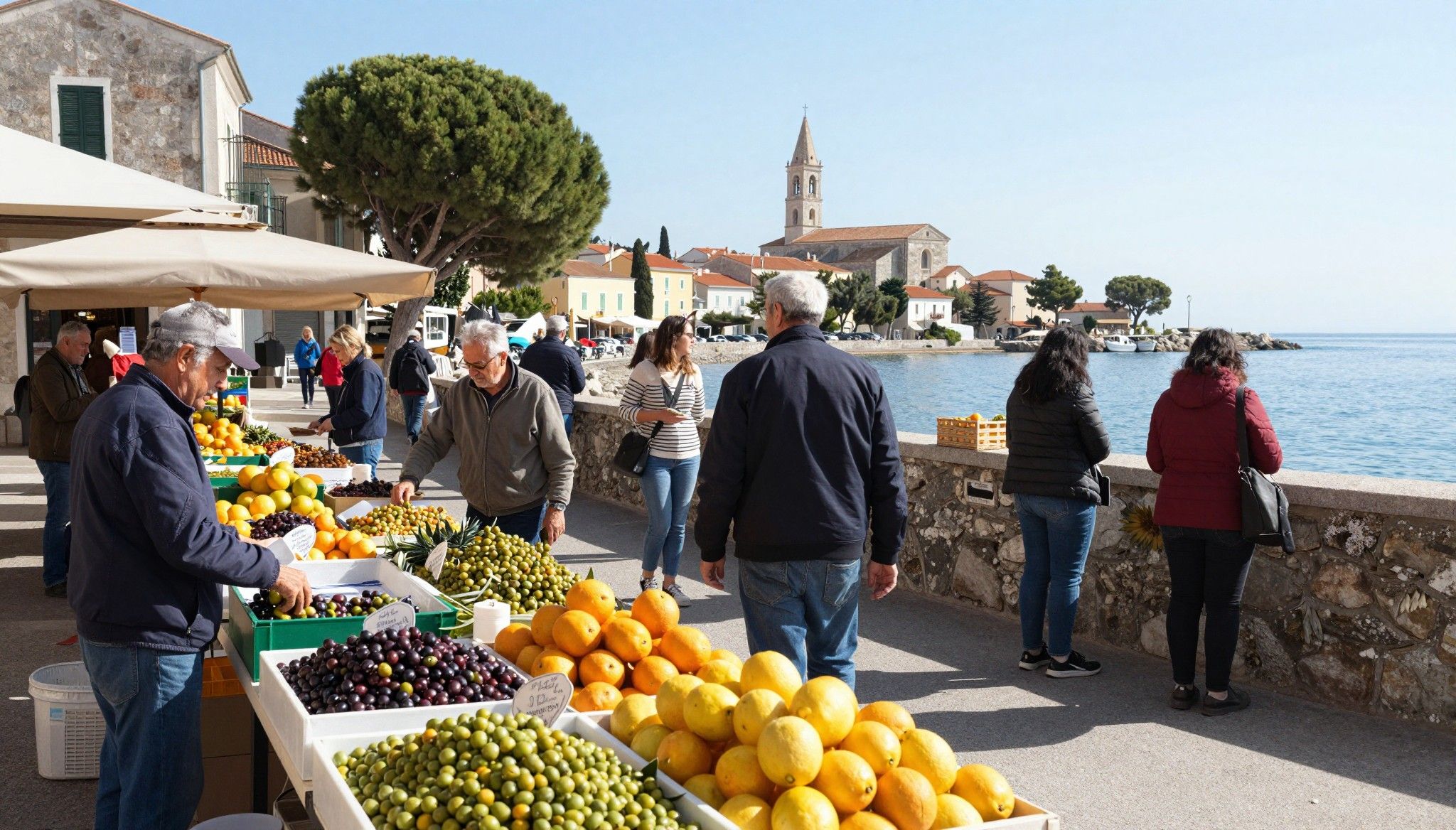
Imagine walking out of a sunlit kafeneio onto a narrow, tile‑paved lane in Plaka, then boarding a tram to a new metro station and, later that month, catching a short domestic flight to a quiet Ionian island. Greece’s appeal is both sensory and logistical: sea, market stalls, and—critically for buyers—rapidly improving connections that change where value concentrates.
Living the Greece lifestyle: lively streets, slow rhythms
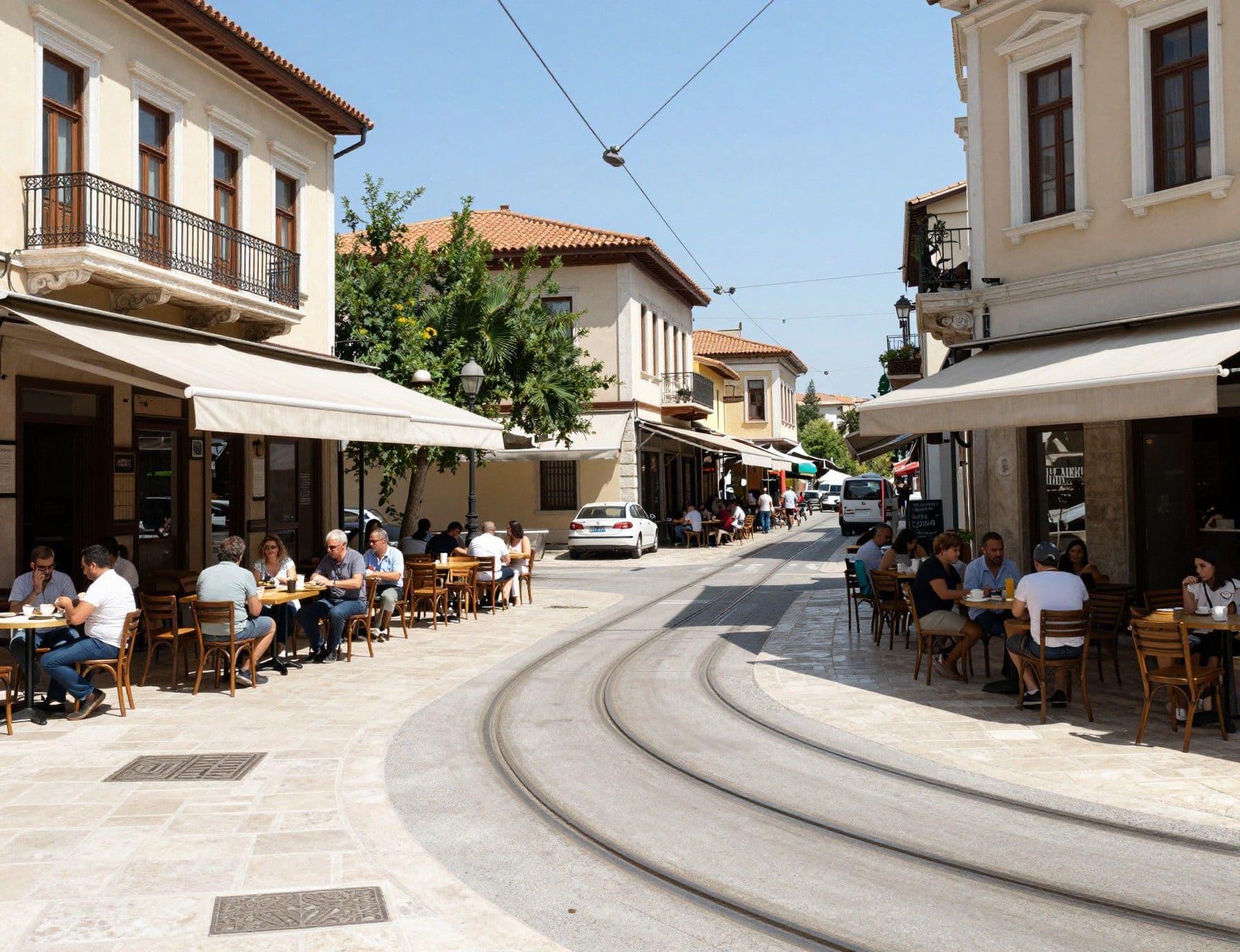
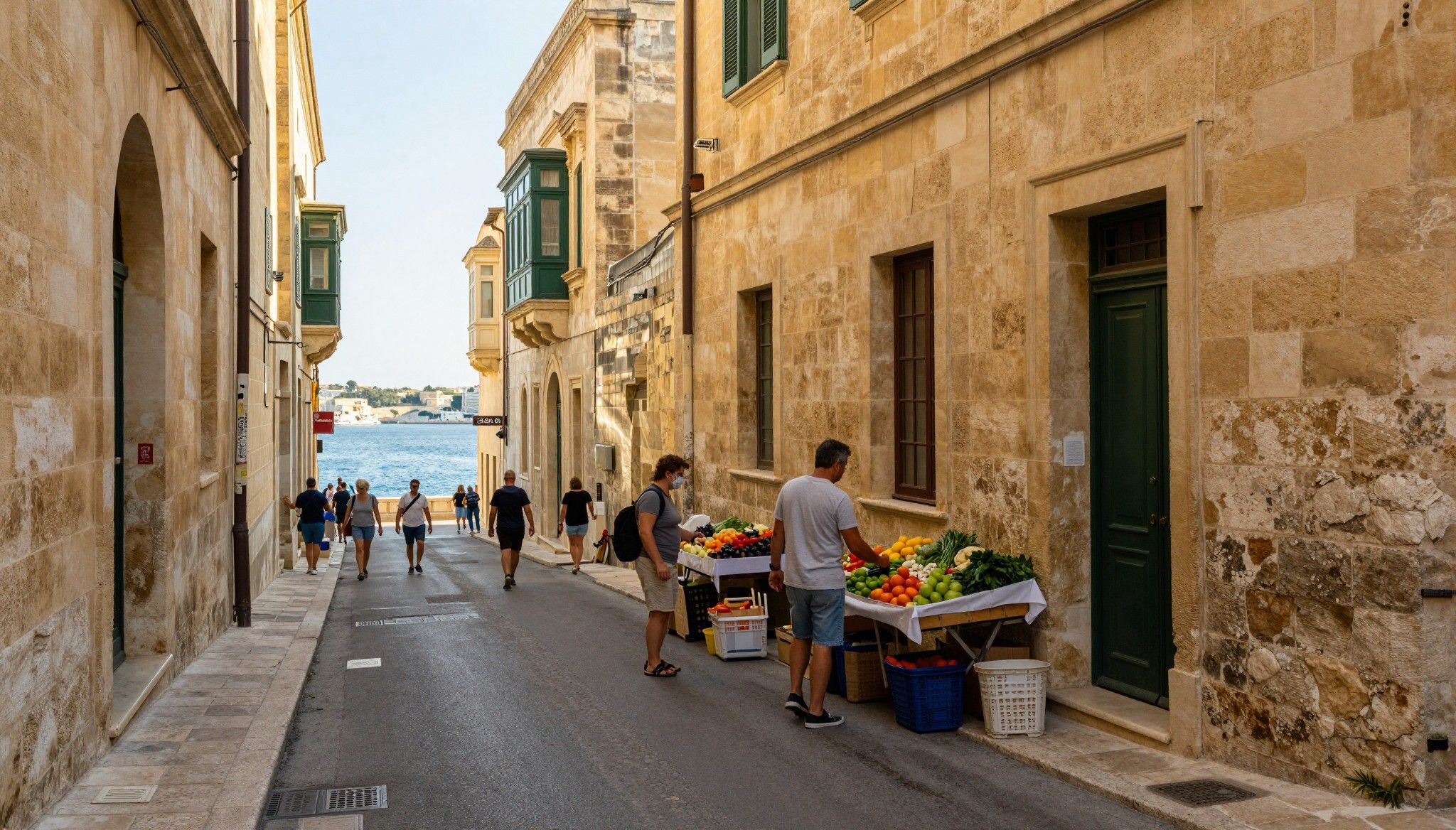
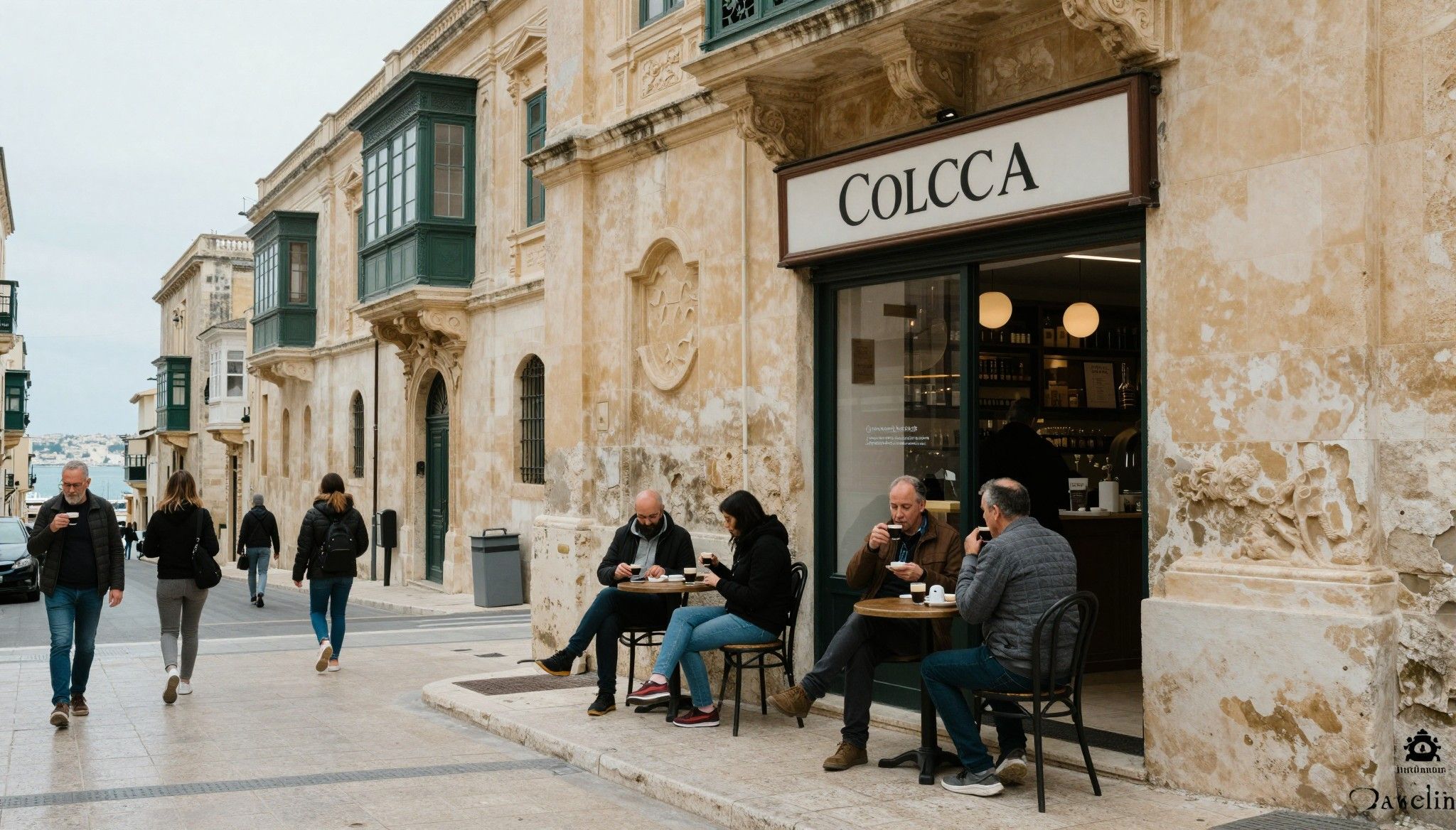
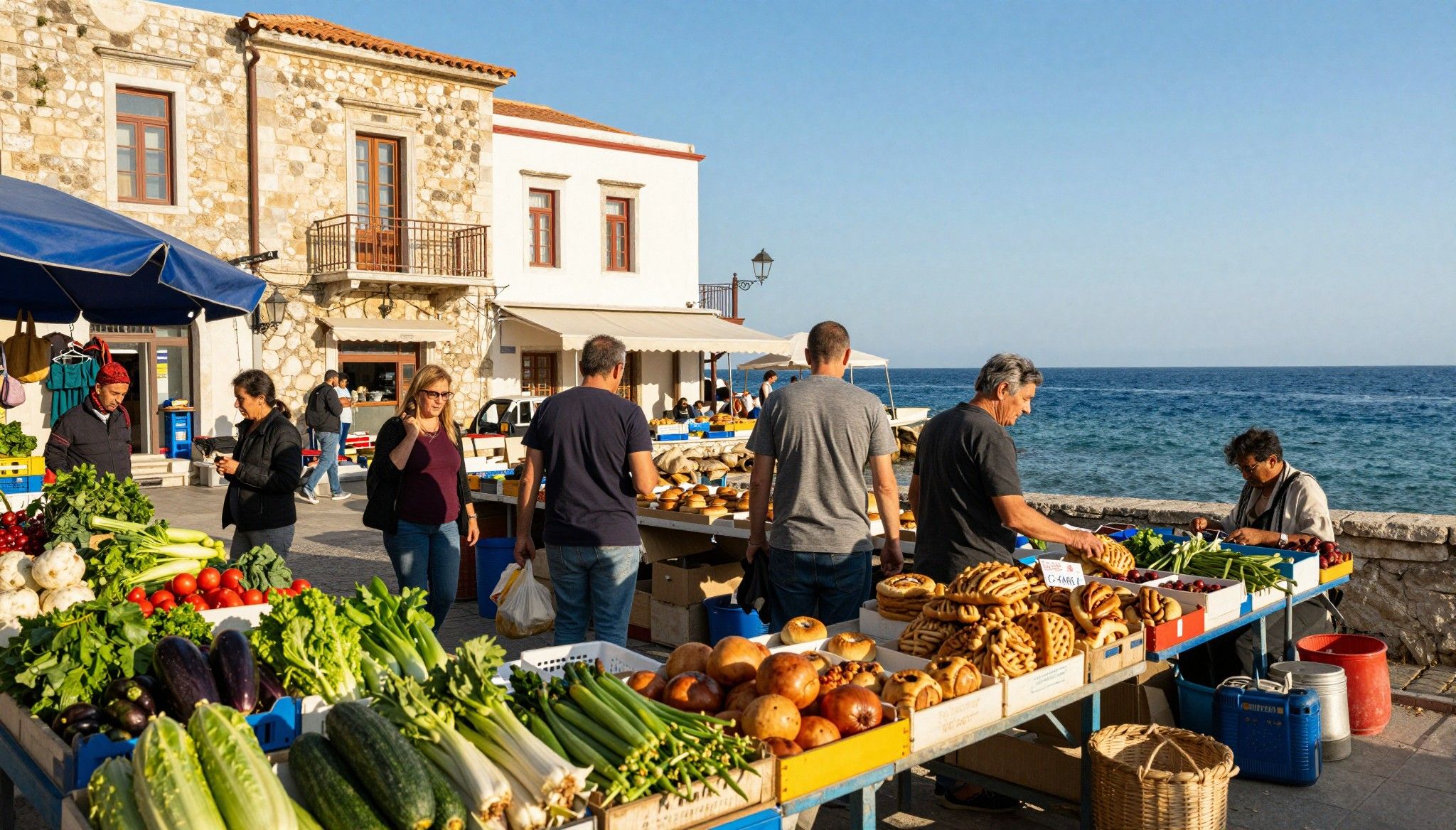
Daily life in Greece balances lively public space with relaxed domestic rhythms. In central Athens you’ll hear scooters, morning espressos at Kydathineon Street and late‑night mezzes on Mikrolimano. On Corfu or Naxos mornings begin with bakery runs and afternoons drift toward the sea. That contrast—urban pulse versus island calm—defines property trade‑offs for buyers who split time between yield and lifestyle.
Athens neighbourhoods: from Pagrati to Koukaki
Pagrati and Koukaki trade proximity to the city centre for walkable daily life: bakeries, small grocers and patios where locals debate football. Koukaki’s proximity to the Acropolis keeps steady short‑stay demand; Pagrati’s quieter streets suit longer lets. For investors, micro‑differences like a single pedestrianised street or a new metro entrance can move achievable net yields by percentage points.
Island life: the yield paradox of Cyclades vs Ionian
High‑season tourists concentrate returns on the Cyclades, but infrastructure investments—grid links, ferry upgrades and airport improvements—can shift demand toward less obvious islands. The EIB-backed push to connect Southern Cyclades to the mainland grid, for example, changes running costs and long‑term maintenance risk for island properties.
- Lifestyle highlights: morning markets, coastal walks, cultural calendar, local tavernas, short domestic hops, neighbourhood cafés
Making the move: infrastructure that reprices choices
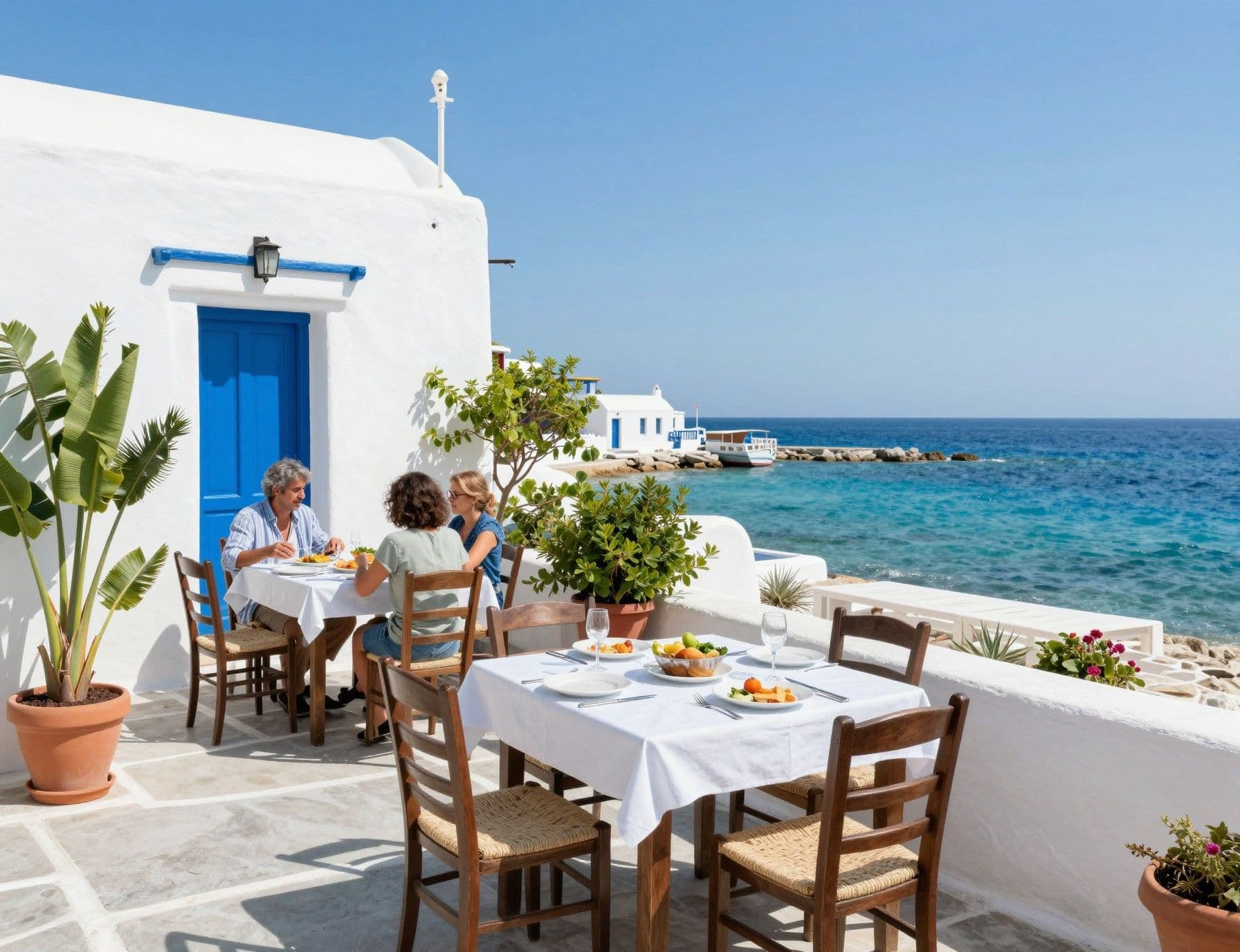
Your lifestyle preference—island sun, Athenian urbanity or Thessaloniki’s cultural mix—must meet hard infrastructure facts. Greece’s National Recovery and Resilience Plan (Greece 2.0) funds transport, digital and energy projects that materially change operating costs, rental season length and resale prospects. For buyers, the question is which planned projects are realistic within a 3–7 year horizon.
Transport nodes that matter: airports, ports, metros
New and extended metro lines in Athens shorten commutes and expand catchment areas; Piraeus and regional port improvements bring commuter and tourist flows closer to new‑build and renovation opportunities. Rail and airport upgrades endorsed by the EIB are especially important for secondary cities where lower price per square metre meets rising accessibility.
Digital and energy infrastructure: hidden yield drivers
High‑speed broadband and reliable electricity reduce vacancy risk for remote working tenants and long‑stay expatriates. Greece’s broadband rollout and recent fiber expansions improve year‑round rental attractiveness; similarly, grid projects that lower diesel generator reliance on islands reduce operating costs and insurance risk.
- Decision checklist blending lifestyle and infrastructure:
- Check the nearest public transport node and its expansion plans (metro stops, ferry timetables).
- Confirm broadband speeds and mobile 4G/5G coverage for the specific building, not just the area.
- Ask for utility resilience records (island fuel use, blackout frequency) and recent grid upgrades.
Insider knowledge: what expats wish they’d known
Experienced expats tell a familiar story: you fall for the street life, then discover seasonality and infrastructure govern returns. House prices and rents rose materially into 2024, but growth concentrated in high‑tourism and transit‑connected pockets. That means your emotional 'love at first sight' should be checked against commute times, seasonal demand and long‑term price trends.
Cultural integration: how local rhythms shape property use
Neighborhood life in Greece is social and schedule‑based: tavernas fill late, markets bustle early, and municipal services can follow a different pace than in Northern Europe. For landlords, this affects turnover logistics and when maintenance can be scheduled—plan renovation windows outside August and major holiday periods.
Longer term: growth pockets to watch
Regions with planned transport or energy upgrades—Attica’s suburbs near new metro extensions, parts of Central Macedonia around Thessaloniki, and islands connected to the mainland grid—are prime growth candidates. Tourism scale (40.7 million visitors in 2024) means even secondary destinations can deliver year‑round rental demand if accessibility improves.
- Red flags local buyers flag:
- Overpriced sea‑view premium with poor access to transport or utilities.
- Relying on peak‑season short lets without evidence of year‑round bookings or off‑season demand.
- Assuming island grid reliability without checking recent investment or EIB‑backed projects.
Practical steps: how to work with local experts who understand both lifestyle and spreadsheets
Ask for infrastructure dossiers
When interviewing agencies, request a short dossier listing nearby transport nodes, broadband providers for the building, recent blackout history and any public projects scheduled within five years. Agencies that provide this are thinking like investors, not decorators.
Validate seasonality with data
Ask for monthly occupancy and average nightly rate data—not just summer highlights. Cross‑check with ELSTAT or Bank of Greece regional stats to verify claims of year‑round demand before underwriting a short‑let strategy.
- Step‑by‑step due diligence (analytical):
- 1. Obtain local transport and utility dossiers from the seller and agency.
- 2. Cross‑reference broadband and mobile coverage with EETT and operator maps.
- 3. Model yields under conservative occupancy (40–60% for island short lets) and under longer‑stay scenarios.
- 4. Price in seasonal maintenance, possible generator costs and municipal service timing.
Conclusion: fall in love, buy with a dossier
Greece sells itself in daylight and flavour; the right property combines that charm with modern infrastructure. Prioritise transport nodes, confirmed utility resilience and verified broadband when you underwrite returns. Ask agents for dossiers and regional project timelines—those documents separate dreams that pay from dreams that cost.
- Next steps: short list three neighborhoods, request infrastructure dossiers, and model yields under conservative seasonality assumptions.
Swedish financier who guided 150+ families to Spanish title deeds since relocating from Stockholm in 2012, focusing on legal and tax implications.