Malta: Lifestyle First, Tax & Permit Rules That Reprice Yield
Malta delivers Mediterranean lifestyle plus constrained supply — model returns with RPPI data, rental‑income tax scenarios and UCA permit risk to avoid summer‑hype mistakes.
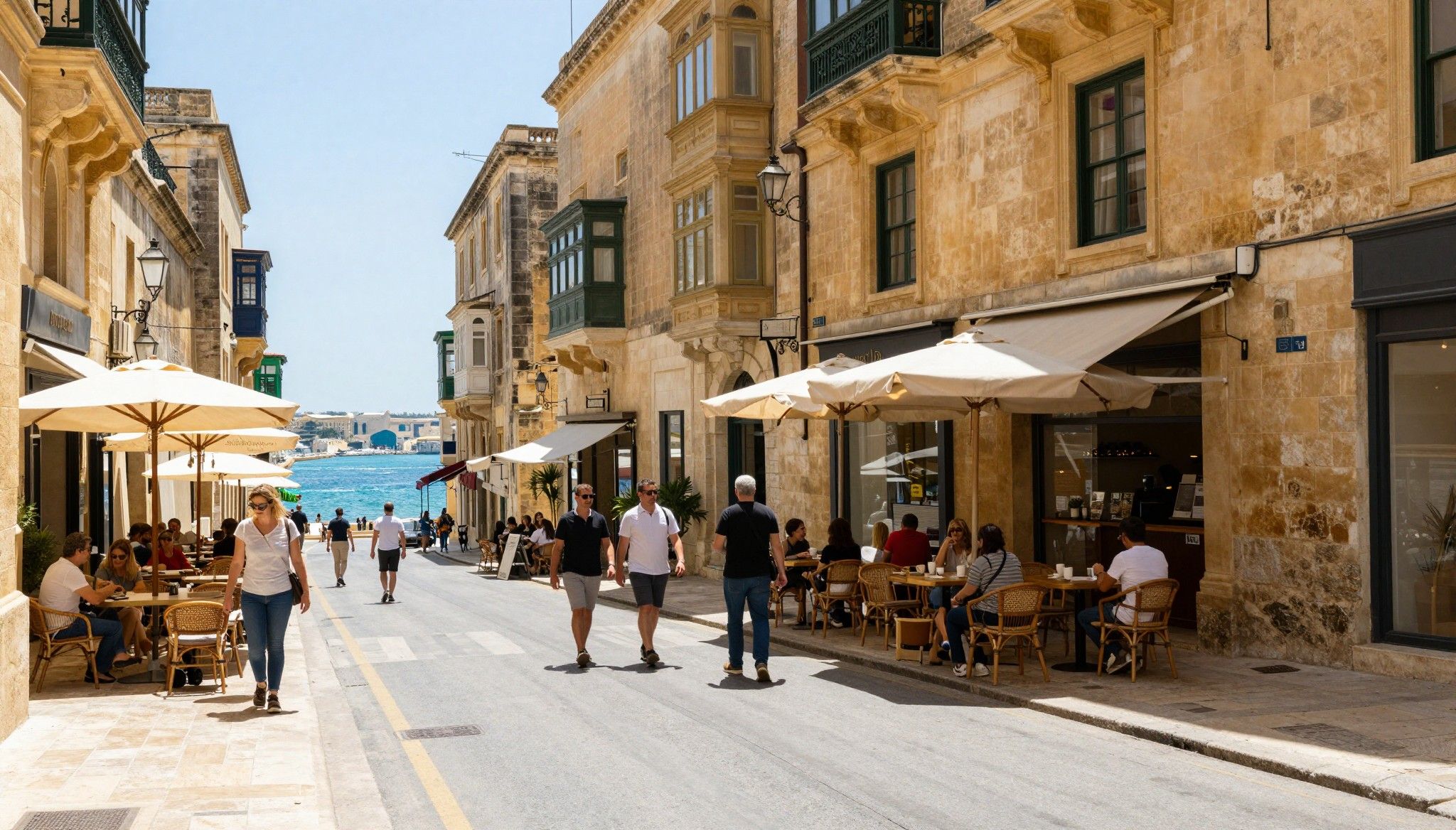
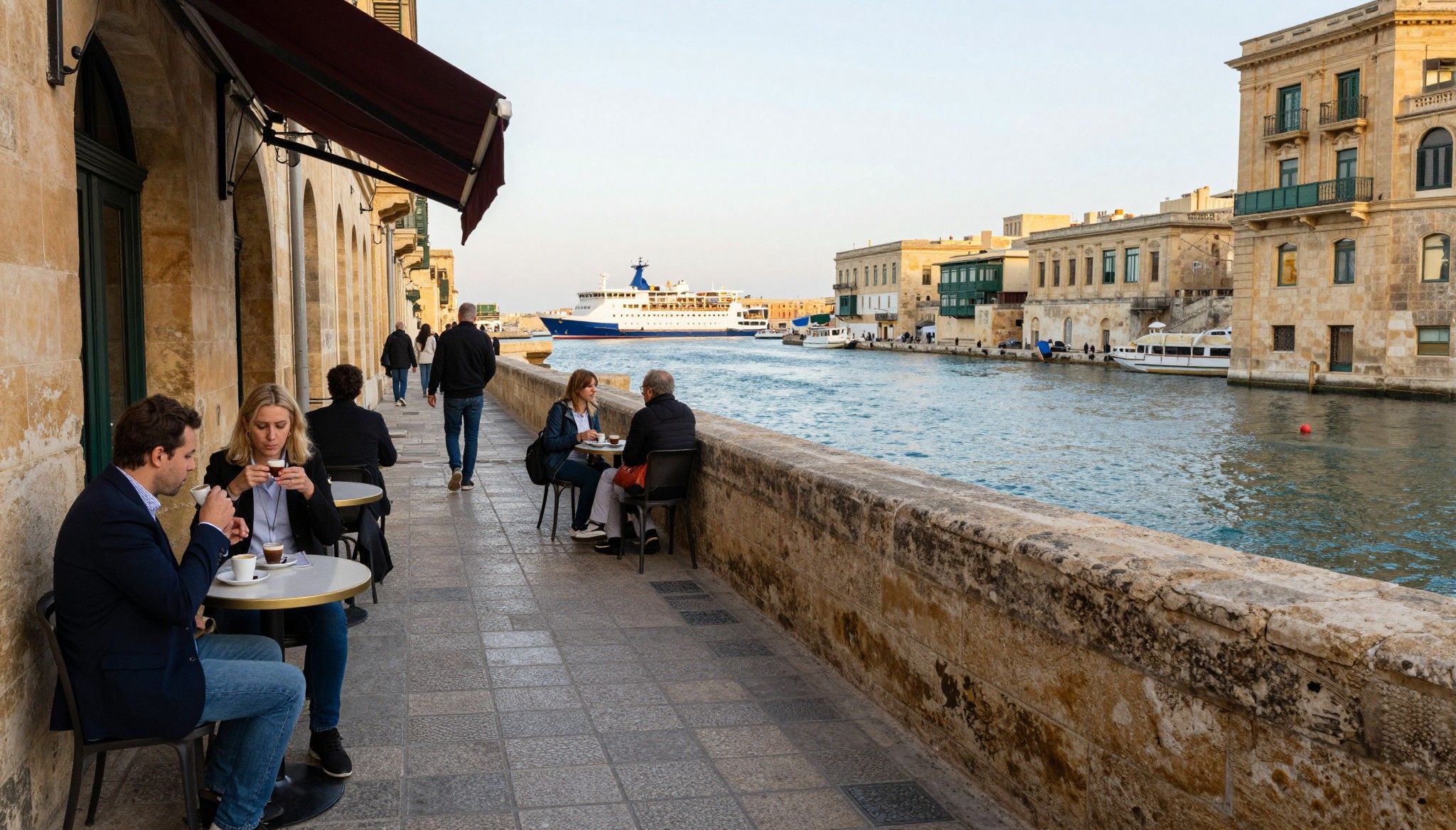
Imagine starting your morning with espresso at Caffe Cordina in Valletta, then walking down Republic Street past limestone façades toward a harbour view. Malta feels compact: the Adriatic breeze at Sliema, fishermen mending nets in Marsaxlokk, and neighbourhood cafés where English and Maltese mix freely. For international buyers the fantasy is clear — sun, history, and an English-speaking island — but the reality that determines returns is regulatory nuance, taxation, and a constrained land market.
Living the Malta lifestyle — compact, social, sea-adjacent
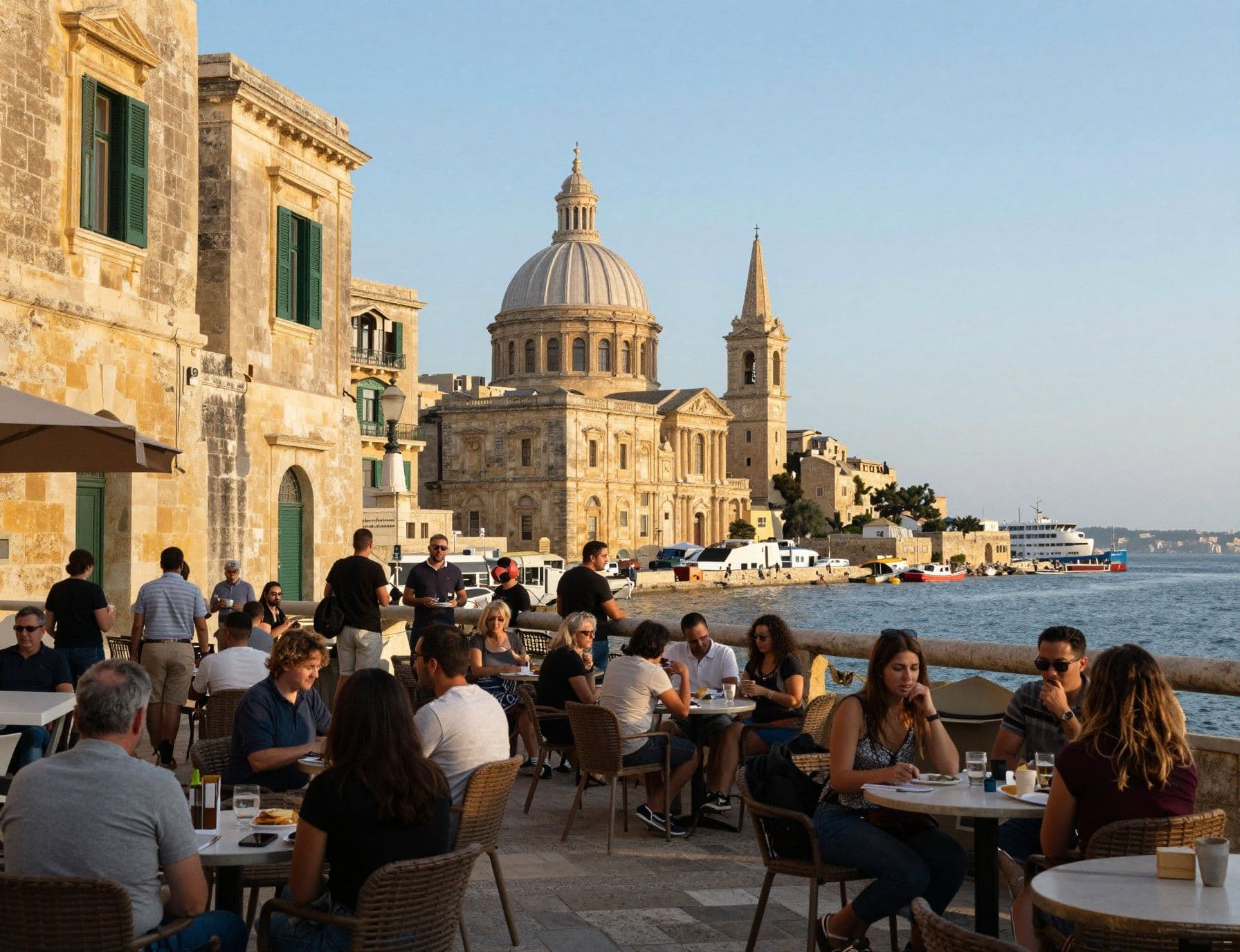
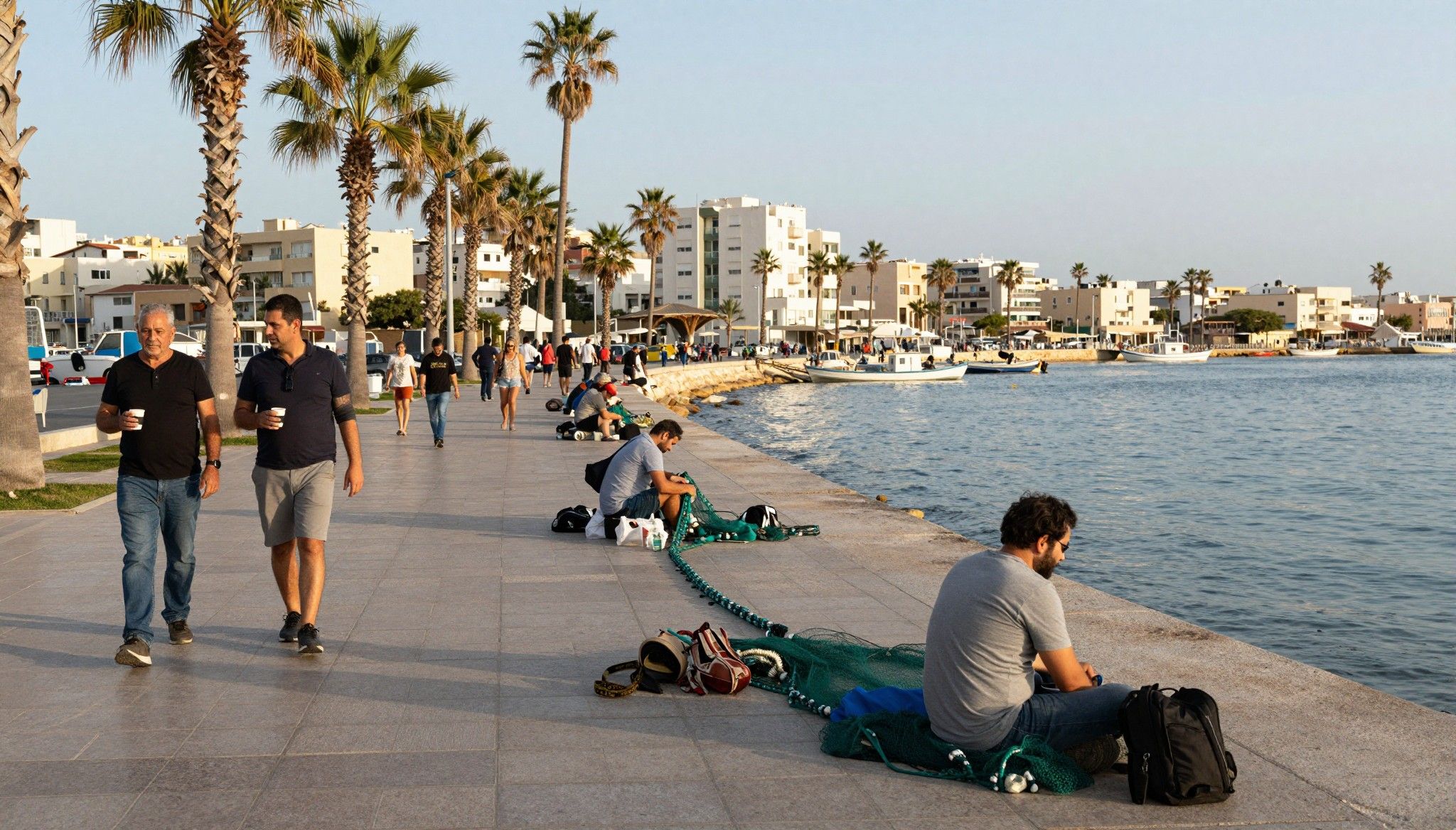
Life in Malta is lived outdoors and on a human scale: mornings are for cafés in Mdina Gate or Gzira, afternoons for a swim at Golden Bay, evenings for long dinners in Marsaxlokk’s waterfront restaurants. Streets are intimate, often narrow, and properties frequently share walls or terraces rather than large plots; that influences both lifestyle and how you value space. For buyers, this means prioritising location and building condition over acreage — yield calculations hinge on access and amenity more than lot size.
Neighborhood spotlight: Valletta, Sliema, and Marsaxlokk
Valletta offers a concentrated cultural life with stone townhouses and heritage restrictions that protect streetscapes but add renovation complexity and permit timelines. Sliema and St Julian’s are the practical hubs for expatriates who need transport links, cafés, and rental demand from professionals; apartments here command rental premiums. Marsaxlokk and the south coast are quieter and appeal to buyers seeking village character and lower entry prices, though infrastructure and year-round demand are weaker.
Food, markets and rhythm — why lifestyle choices affect asset performance
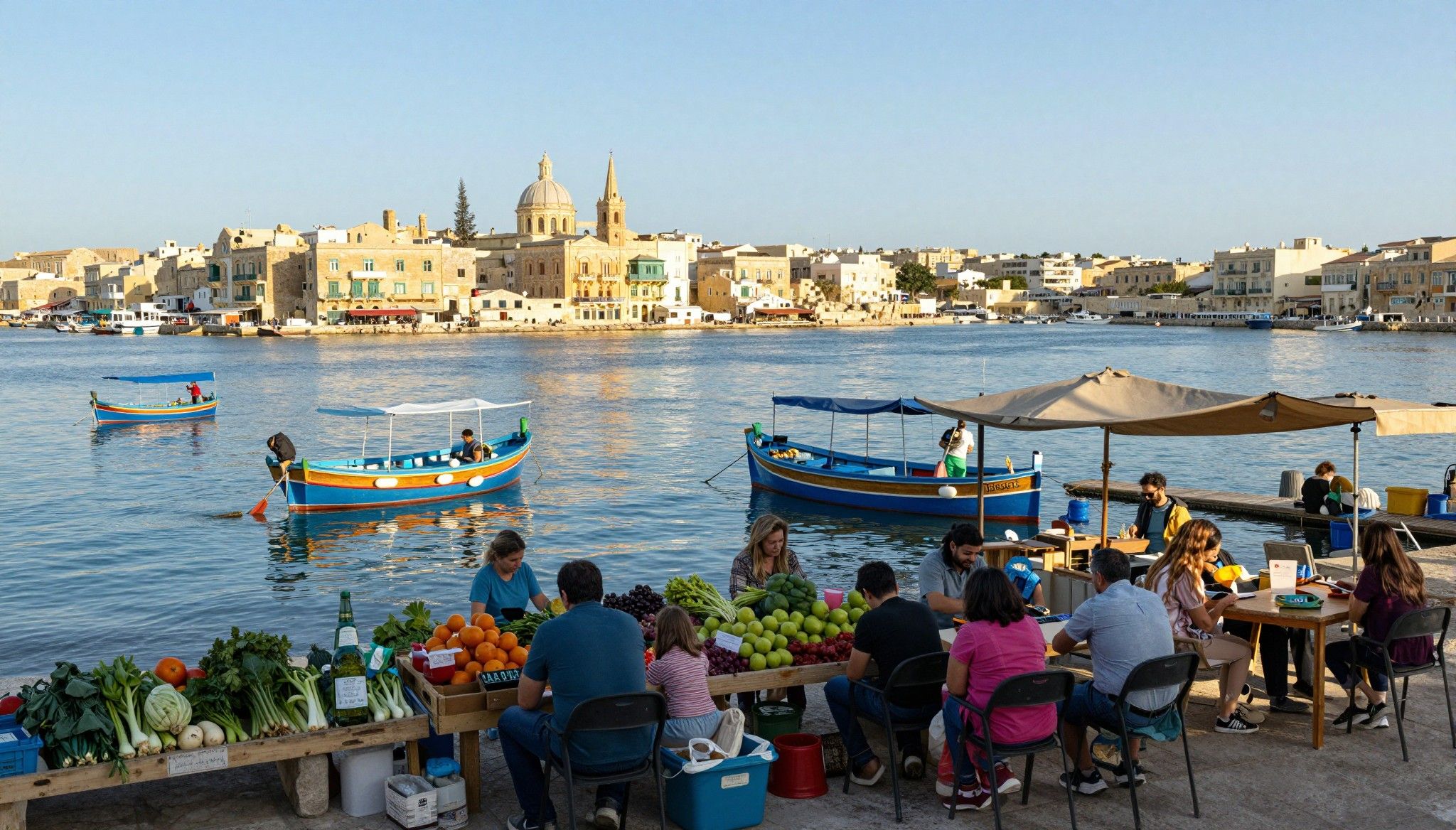
Weekends in Malta revolve around markets (the Marsa or Valletta market stalls), seaside lunches, and festa nights in village squares — patterns that create seasonal and micro-local rental spikes. Properties a short walk from reliable cafés, ferry links or international schools attract both tourists and longer-term tenants, improving average occupancy and reducing vacancy risk. Investing with lifestyle in mind means mapping amenity catchments into yield projections rather than relying on broad coastal premiums.
- Lifestyle highlights that move the yield needle: proximity to ferry terminals (Sliema–Valletta), conservation-area appeal (Valletta inner streets), regular market access (Pjazza San Ġorġ), nearby international schools (Pembroke/Swieqi corridor), short walk to popular beaches (St George's Bay), and village festa activity that sustains mid-season tourism.
Making the move: practical considerations that reshape returns
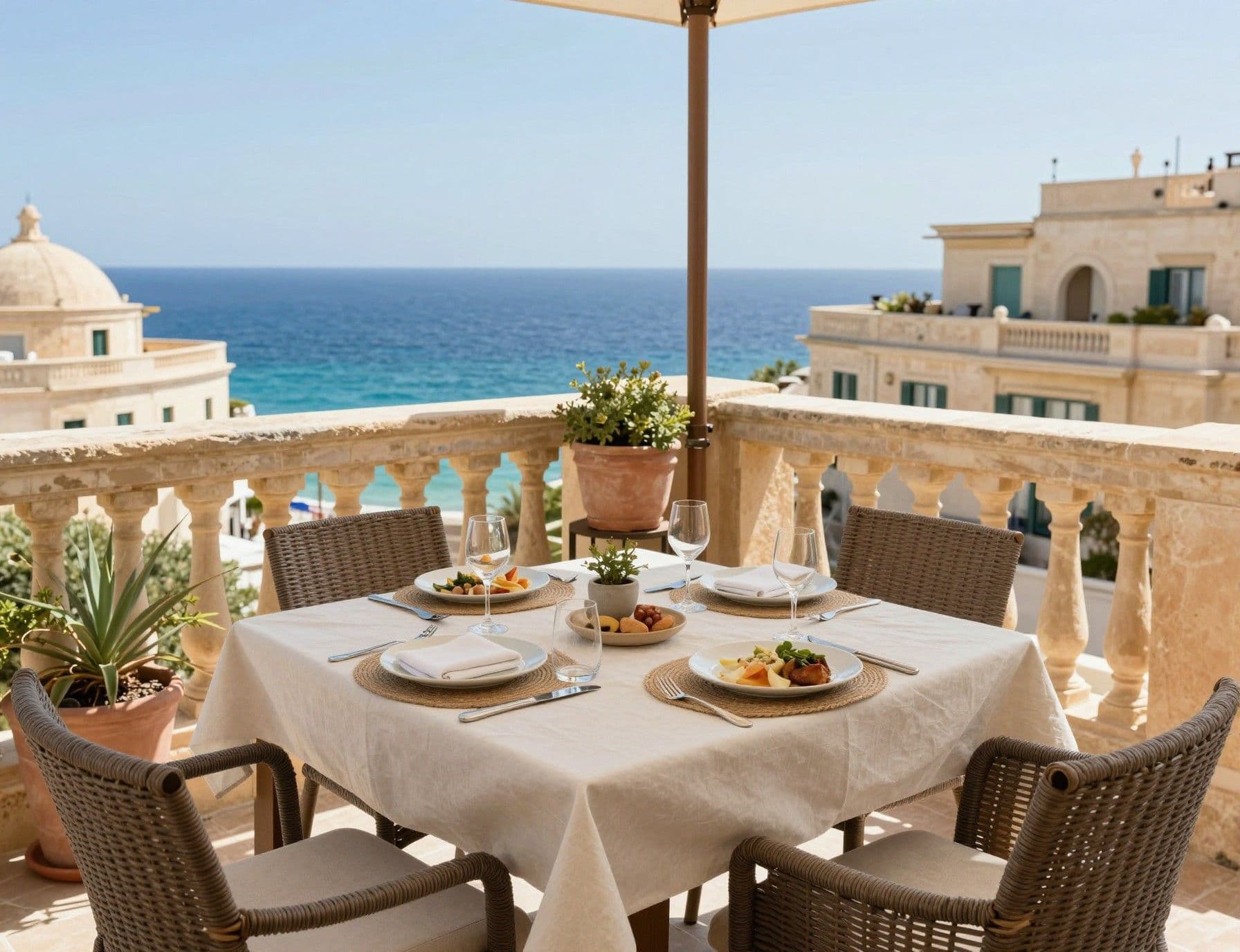
You can romanticise living in a restored townhouse, but mortgage availability, stamp duty, and how Malta taxes rental income determine net yield. Malta applies a final withholding tax option of 15% on certain rental income, with alternative progressive taxation for residents — choices that change effective return calculations for cross-border investors. The NSO and Central Bank metrics show steady price growth; use transaction-based indices when modelling capital-appreciation scenarios rather than asking-price snapshots.
Property types: maisonettes, apartments and historic townhouses — what they mean for cash flows
Apartments and maisonettes form the bulk of Malta’s market and are easier to rent and manage than standalone houses, supporting higher gross yields per sqm due to lower maintenance and consistent demand. Historic townhouses in Valletta or Mdina carry premium pricing and seasonal occupancy risk; restoration costs can be high but may benefit from conservation grants in designated areas. When modelling returns, separate expected renovation capex, permit delay risk and heritage constraints from baseline rent projections.
Working with local experts: the role of agents, lawyers and architects
- 1. Hire a lawyer versed in Maltese conveyancing, title searches, and planning constraints; expect permit timelines of weeks to months depending on Urban Conservation Area status. 2. Use agents who show transaction-level data, not just marketing images; demand evidence of recent sales prices in the street or block. 3. Engage an architect early for UCA or SDA (Special Designated Area) properties where heritage approvals or developer exemptions affect usability. 4. Build tax scenarios: model both the 15% final withholding on rental income and a resident’s progressive tax position to assess after-tax returns. 5. Factor in transfer taxes and notary fees into closing costs — they materially reduce initial cash-on-cash outcomes.
Insider knowledge: the local rules, red flags and seasonal timing
Expats often underestimate permit friction in conservation areas and overpay for sea views that don’t deliver year-round rental premiums. A common red flag: sellers pushing high short‑season returns based on August occupancy; smart investors model annualised occupancy and adjust for shoulder-season drops. Timing matters — buying just before peak summer can inflate purchase comps; buying in late autumn often reveals true demand and retrieves better negotiating leverage.
Cultural realities: language, community rhythms and tenancy norms
English is an official language and widely used in contracts, which lowers legal friction for international buyers, but community integration still depends on local networks and a willingness to adapt to festa calendars and communal building rules. Tenancy agreements typically run for mid-length terms; tourism demand coexists with a steady stream of long-term professional tenants in central hubs. Expect to manage properties with a local agent who understands both the tourist seasonality and resident expectations.
Long-term view: how supply constraints and regulation reprice value
Malta’s geography caps supply and planning controls guard large swathes of coastline and historic cores; that structural scarcity supports capital appreciation but increases political and planning risk. Regulatory changes to residency and development can reprice micro-markets quickly, so include policy scenario stress tests in any five‑year forecast. Use transaction-based RPPI figures rather than agency asking prices to calibrate realistic upside.
- Practical red flags to watch for: unclear title history in older townhouses, UCA planning restrictions, inflated summer-only rental forecasts, lack of recent comparable sales in the street, and properties marketed without energy-performance certs or clear service-charge accounts.
- 1. Run a three-scenario cashflow model: conservative (60% occupancy), base (75%) and optimistic (85%). 2. Add renovation and permit buffers: +10–25% to capex estimates for UCAs. 3. Stress-test yields against a 5% price correction and slower rent growth to see effects on net yield. 4. Compare after-tax yields using the 15% final withholding vs resident taxation to determine optimal ownership structure.
Conclusion: Malta sells a lifestyle, but returns are built on rules. Fall in love with the cafés, the ferry crossings and the limestone streets — then quantify tax choices, planning risk and seasonal demand before you sign. Work with local lawyers, agents who publish transaction data, and architects familiar with UCAs; model three-year cash flows conservatively and treat seaside premiums as optional, not mandatory.
Danish relocation specialist who moved to Cyprus in 2018, helping Nordic clients diversify with rental yields and residency considerations.