Cyprus: Lifestyle Signals That Quietly Reprice Yield
Cyprus blends sunny lifestyle with measurable investment signals: model district-level yields, seasonality, and conservative vacancy to turn seaside dreams into defendable returns.
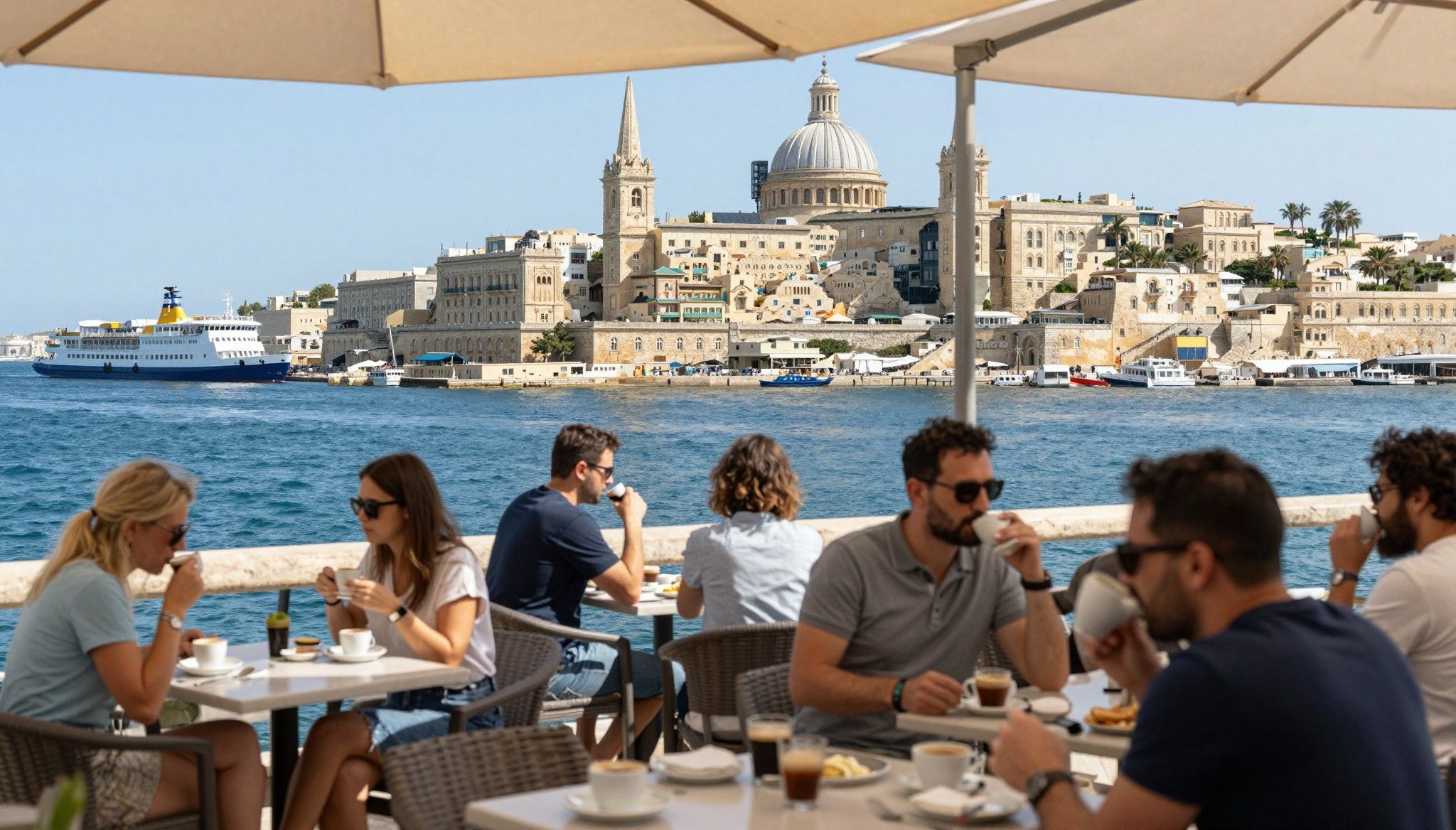
Imagine walking from a sunlit kafeneio on Agias Zonis in Limassol into a lane of sandstone townhouses where elderly neighbours greet each other and short-term lets hum quietly above a bakery. That sensory mosaic — citrus trees, English spoken at the counter, holiday crowds in high summer — is why buyers dream of Cyprus. But dreams meet spreadsheets quickly: seasonal tourism, district-divergent prices, and a market that outperformed many European peers in 2024 require a balanced view. This guide blends the warmth of daily life with hard market indicators so international buyers can weigh lifestyle and yield in equal measure.
Living Cyprus: daily rhythms that shape demand
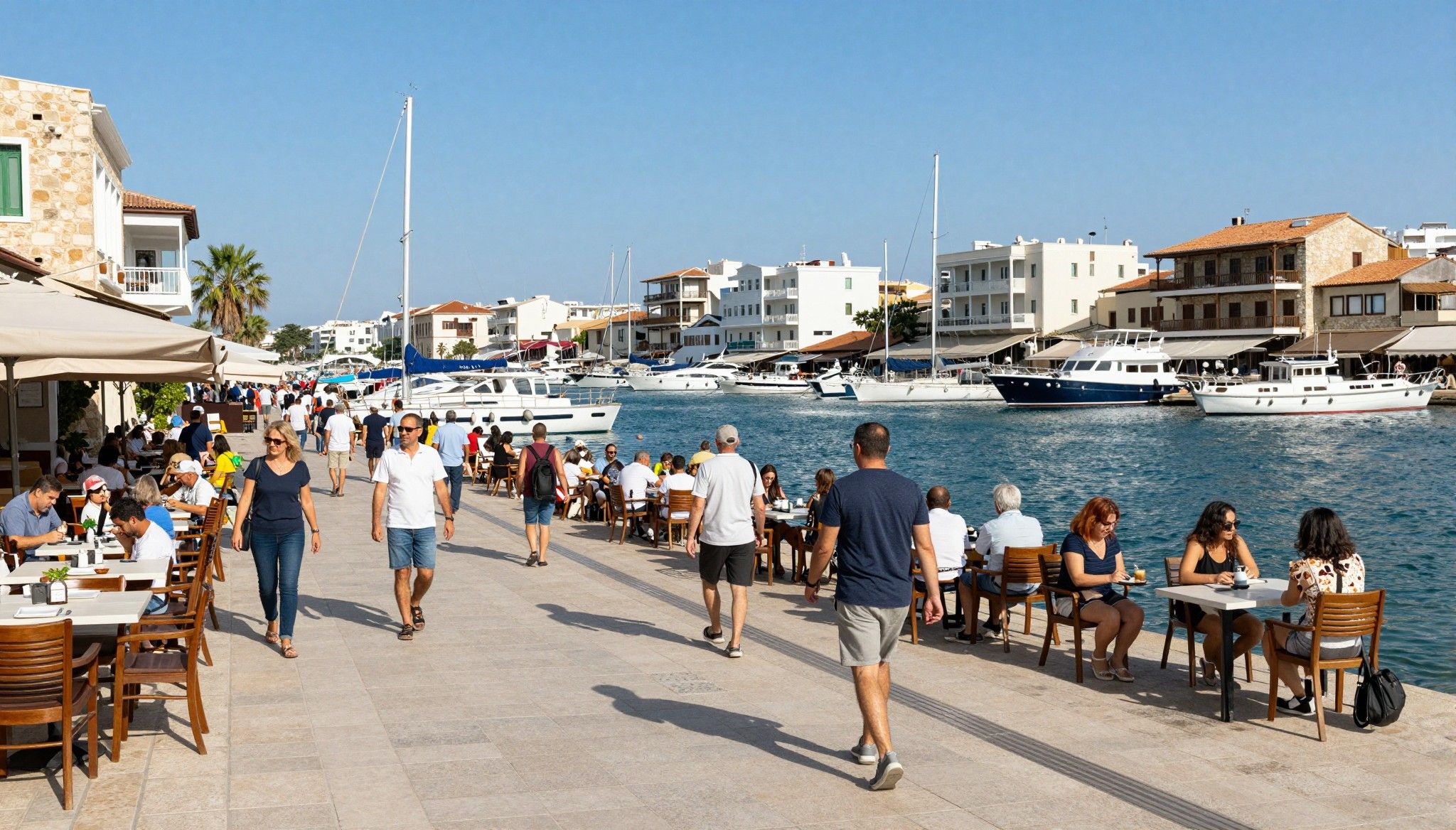
Cyprus is compact but varied: Mediterranean coastlines pulse with tourist seasonality while inland towns and mountain villages keep steadier local demand year-round. Mornings in Nicosia bring commuter traffic and office renters; Paphos and Limassol host a mix of holiday lets and longer-term expatriate families. Those patterns create clear investor signals — coastal short‑let potential in summer, but more resilient long‑let rents in administrative and university towns. Understanding these rhythms is the first step to matching a property to realistic cashflow expectations.
Neighbourhood spotlight: Limassol's Agios Nikolaos & Agias Zonis
Walkable streets, coastal cafés and a growing tech/finance scene make central Limassol attractive to professionals and affluent short‑stay tourists alike. Transaction value concentration in Limassol was significant in 2024 — it accounted for roughly 44% of total market transaction value — which explains stronger price growth compared with inland districts. The trade‑off: higher entry prices per square metre but stronger short‑term rental demand and corporate relocation tenants. If you prize capital appreciation and corporate demand, this district frequently tops the shortlist.
Coastal vs inland: the Paphos paradox
Paphos combines authentic coastal life, archaeological draws, and rising tourism; 2024 saw Cyprus host over four million visitors, and Paphos registered among the busiest destinations. That inflow boosts short‑stay income but also increases seasonality — August crowds push occupancy and average daily rates, while winter months fall back. Savvy investors model seasonal cashflow (gross yield vs. effective annualised yield) rather than assume steady monthly rent. For many buyers, Paphos is a higher-volatility, higher‑upside play compared with inland alternatives.
Lifestyle highlights: neighbourhoods, food, and hidden gems
Stroll Limassol Marina then grab a frappe on Makariou Avenue
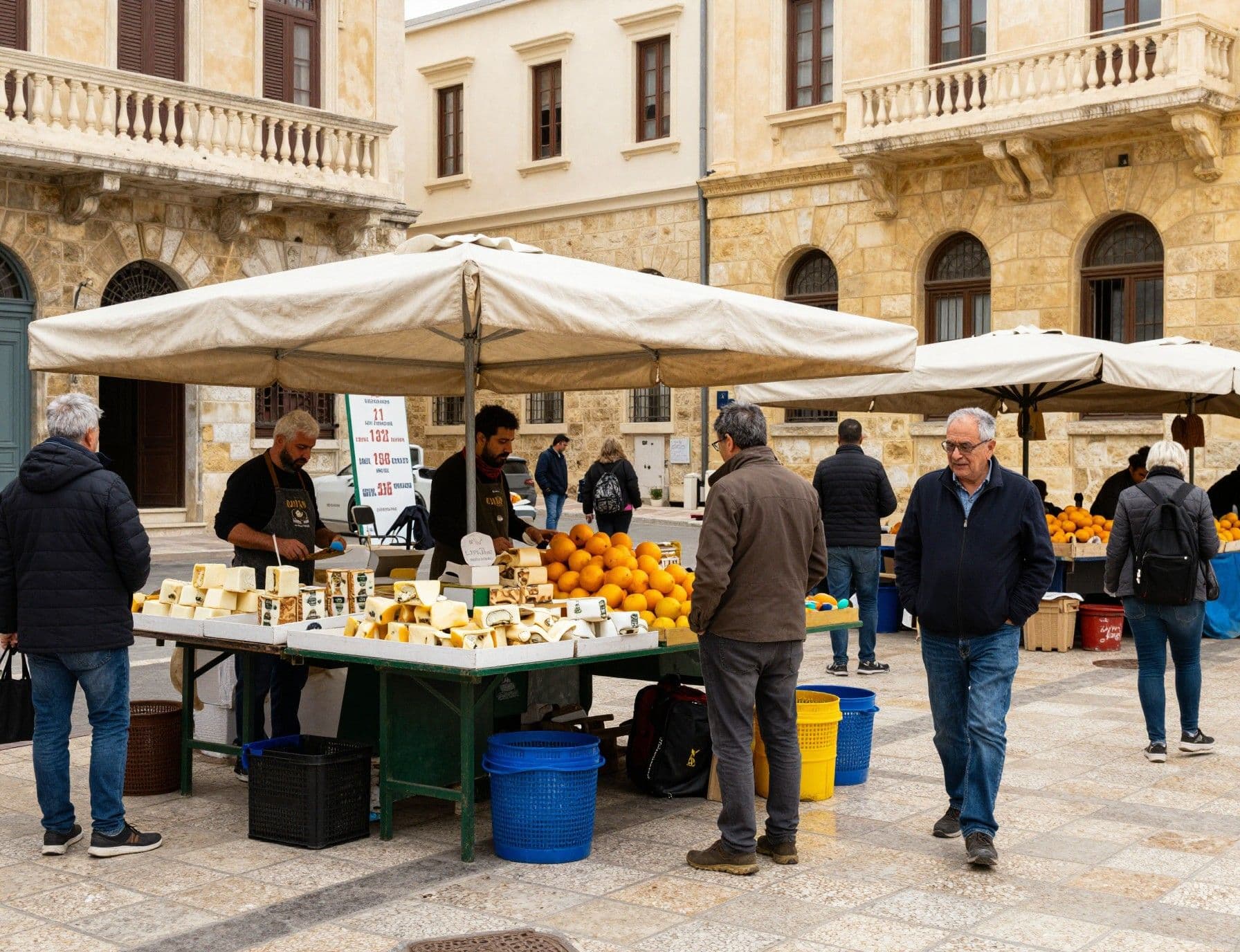
Weekend market at Eleftheria Square in Nicosia for fresh halloumi and local honey
Sunrise walks on Coral Bay followed by a fish taverna lunch in Peyia
Making the move: translate lifestyle into investment metrics

Lifestyle preferences must be converted into measurable investment assumptions: price per square metre, expected gross yield, vacancy months, and capex for maintenance. The Central Bank's Residential Property Price Index showed continued upward momentum through 2024–2025, which compresses immediate yield but supports capital appreciation for patient buyers. Market reports indicate Limassol and Nicosia lead transactions while Paphos and Larnaca offer pockets of higher rental yield relative to price. Use district-level price indices and realistic vacancy assumptions to model net yield before making an offer.
Property types that fit how you'll live
Modern coastal apartments are ideal for investors targeting short‑let and seasonal income; expect higher management fees and turnover. Traditional village homes in Troodos or the Limassol hinterland suit buyers seeking long‑let stability and lower per‑m2 entry prices, but plan for renovation and heating upgrades. Purpose‑built student housing around the University of Cyprus can deliver stable long‑term rental demand in Nicosia, with different capex and yield profiles. Match the asset type to tenant profile — holidaymaker, corporate transferee, student, or long‑term expatriate family — when you set your target return.
Work with agencies that speak both lifestyle and spreadsheets
A good local advisor will translate village rhythms into yield expectations, provide historical district price series, verify occupancy rates for short‑lets, and supply contractor estimates for expected capex. Insist on comparable sales (last 12 months) and ask for realistic rent rolls, not aspirational nightly rates. Demand transparency on agency fees and local management costs before including them in your financial model. The right agency connects lifestyle match (neighbourhood, schools, marina access) to a defensible investment thesis.
Step-by-step: convert a listing into a conservative yield estimate
1) Record asking price and usable m2; 2) Estimate achievable long‑let monthly rent (use comparable, seasonally adjusted data); 3) Calculate gross yield = (annual rent / purchase price) × 100; 4) Subtract management, maintenance, taxes and assumed 2 months vacancy to reach a conservative net yield. Repeat the exercise with short‑let projections only if you can verify historic occupancy and legal compliance. This process turns a romantic impulse into a defendable return projection.
Insider Knowledge: expat truths and red flags
Expat owners frequently tell the same surprises: high summer demand masks winter vacancy; administrative delays (permits, title searches) take longer than expected; and utility upgrades in older properties are often nontrivial. Local nuances — bilingual contracts, the prevalence of 'as‑is' sales on village homes, and the seasonal labour market for property management — affect operating costs. Treat local anecdotes as hypothesis; insist on documents and recent data to test them. When in doubt, model against conservative scenarios.
Language, community, and daily integration
English is widely used in business and real estate transactions, which reduces friction for many international buyers, but local relationships still matter for rentals and contractors. Expat communities cluster around Paphos, Limassol and parts of Larnaca; those nodes provide immediate social infrastructure but come with higher competition for rental stock. Spend time in markets and cafes — Makariou in Limassol, old town Paphos waterfront, or Nicosia's Ledra area — to understand tenant preferences and amenities tenants pay for. Community fit affects occupancy and the quality of applicants.
Long-term picture: what to expect from returns and risks
Recent yield surveys cluster gross long‑let yields in the 4–6% band for city apartments, with occasional 7–9% pockets in larger family units and some short‑let windows delivering higher but volatile returns. Tourism growth — Cyprus had over 4 million arrivals in 2024 — underpins seasonal revenue but also raises sensitivity to travel shocks. Expect steady price appreciation in prime districts, but build liquidity, vacancy buffers, and renovation contingencies into your plan. Conservative modelling and local verification remain the best defence against cyclical surprises.
Red flags to watch for before you sign
Unclear title documents or missing planning permissions
Listings that quote aspirational short‑let nightly rates without occupancy history
Neglected communal maintenance in older buildings that implies immediate capex
Conclusion: live the life, own the numbers
Cyprus sells a compelling life — sun, sea, strong expat networks — and the data shows that demand is real and measurable. Use district price indices, verified rent rolls, and conservative vacancy assumptions to convert that life into a resilient investment. Start with a shortlist of two neighbourhoods that match both lifestyle and yield targets, then stress‑test each against three downside scenarios. When you combine sensory reconnaissance with disciplined numbers, Cyprus becomes a place where you can both live well and hold a credible investment thesis.
Swedish financier who guided 150+ families to Spanish title deeds since relocating from Stockholm in 2012, focusing on legal and tax implications.