When Cyprus Rules Reprice Yield: Lifestyle Meets Regulation
How Cyprus’s recent rental, tax and transfer rules change net yields — lifestyle first, then precise regulatory steps to protect returns.

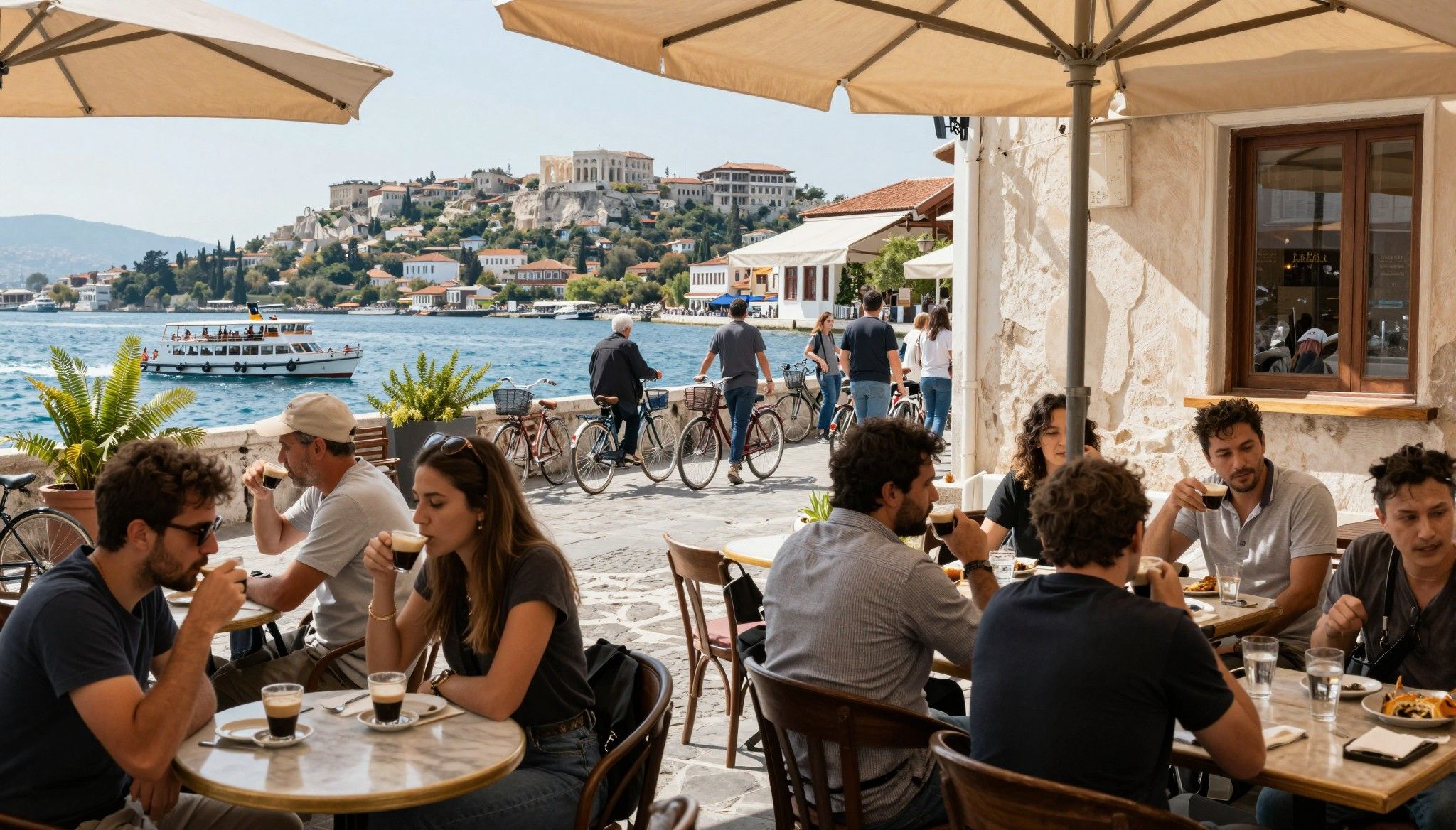
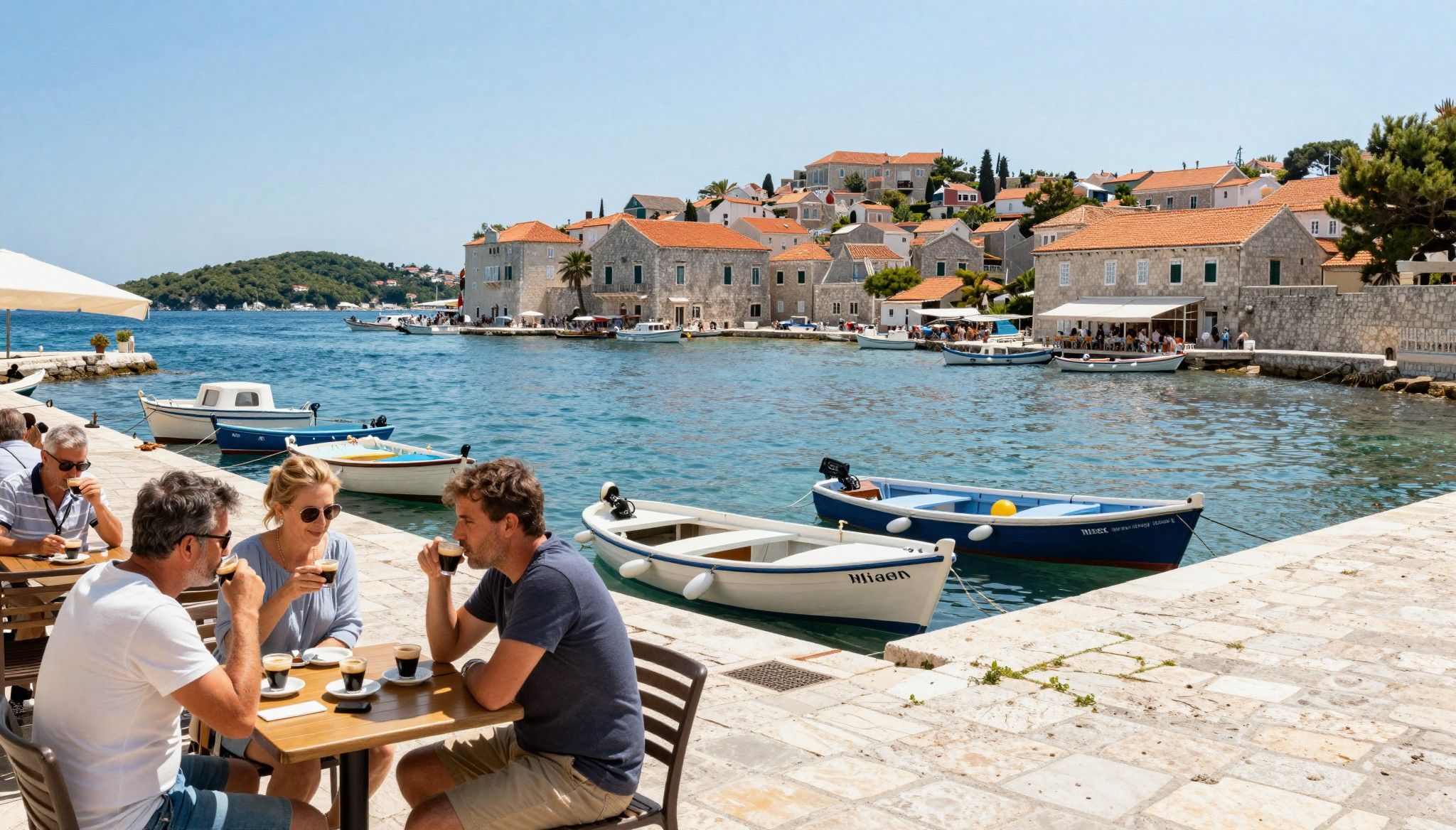
Imagine waking up to lemon trees on a narrow street in Larnaca, then walking five minutes to a café where Cypriot men linger over thick coffee and the morning papers. Cyprus lives in small rituals — slow breakfasts, late sunsets on Fig Tree Bay, weekend tavernas filled with families — and that rhythm matters when you buy here. Regulatory shifts in the last 36 months have quietly remapped returns: short‑term rental registration, clarified non‑dom tax rules, and updated transfer‑fee guidance now change how lifestyle choices translate to net yield. We start with the life you’ll buy into, then unpack the rules that reshape returns.
Living Cyprus: neighborhoods, seasons and everyday life

Cyprus is compact but contrasts sharply. Coastal towns swing between sleepy mornings and intense summer tourism; inland villages keep quieter rhythms and cooler summers. Climate—long, dry summers and mild winters—dictates property features: balconies and shaded courtyards are as valuable as square metres because they extend usable months and therefore rental demand.
Larnaca & Finikoudes: everyday seaside life
Picture Finikoudes promenade at 8am: office workers briskly walking and older residents feeding pigeons. Apartments with sea views command a price premium in summer but convert to stable long‑term rentals in shoulder seasons. For investors, that means assessing month‑by‑month occupancy rather than headline seasonal rates.
Paphos & Coral Bay: history meets holiday market
Paphos marries UNESCO heritage and resort inventory. Short‑letting can spike returns in summer, but recent regulation requires registration and compliance — a compliance cost that compresses short‑term yields if overlooked. Expect higher operational overheads for holiday lets compared with previous years.
Troodos & mountain villages: slow living, stable prices
Buying in mountain towns like Omodos or Kakopetria trades high rental turnover for longer‑term seasonal tenants and second‑home buyers. Properties often need different specifications (insulation, heating) and attract a different tenant profile — families and retirees — which affects achievable yields and vacancy risk.
- Lifestyle highlights: morning cafés (Larnaca’s To Kazani), Fig Tree Bay beach walks, Paphos archaeological evenings, Sunday village markets in Omodos, espresso culture on Nicosia’s Stasikratous Street, local tavernas serving halloumi and souvlaki.
Making the move: how regulation now reshapes returns

Your emotional pull toward a neighbourhood must be measured against regulatory friction. Three policy areas — short‑term rental registration, the non‑dom tax position, and transfer/VAT treatment of new builds — change cash flows and total cost of ownership for international buyers. The state’s transfer‑fee schedules and VAT rules also materially affect effective purchase costs; use official calculators and advisory notes before pricing offers.
Short‑term lets: registration and compliance costs
Since early 2023 short‑term rentals must be registered with the Deputy Ministry of Tourism and operate under the amended hotels and tourism law. Platforms increasingly require registration numbers; non‑compliance risks fines and delisted listings. Factor registration fees, additional safety upgrades, and professional cleaning/management into holiday‑let models — these lower headline gross yields by up to several percentage points, depending on occupancy.
Non‑dom tax regime: what it means for income and exit
Cyprus’s non‑dom rules exempt qualifying residents from Special Defence Contribution on dividends, interest and passive income for many years. For international buyers this can tilt the holding equation: becoming tax resident (via the 60‑day or 183‑day rules) can be a deliberate yield optimisation strategy, but it introduces residency obligations and potential exposure to local taxation on other income streams. Get tailored tax modelling before assuming tax benefits.
- Practical regulatory checklist before offer: 1) Verify short‑let registration number and ask for safety certificates. 2) Confirm whether the transaction is subject to VAT (new builds) or transfer fees (used stock). 3) Model net yield with local tax residency scenarios (non‑dom vs resident). 4) Include a contract clause for compliance costs if the seller previously operated a short‑let without registration.
Insider knowledge: expat lessons that save money and time
Expat investors regularly misread three signals: seasonal headline rates, seller claims about 'tourist zoning', and the hidden cost of bringing a property to compliant standard. Local agents know which streets in Paphos or Larnaca consistently deliver shoulder‑season bookings and which areas suffer long vacancy spells despite summer hype.
Language, local practice and agency role
Cypriot professionals often operate bilingually (Greek/English). A broker who understands municipal licensing, local construction standards and the tourism registration workflow shortens time to revenue and reduces compliance surprises. Insist on agencies that provide a written compliance dossier (registration numbers, safety certificates, recent occupancy data) as part of the sale pack.
Long‑term view: regulation as an asset repricer
Regulatory shifts create predictable repricing: when short‑lets need registration, high‑turnover assets lose some buyer pool and trade at yield‑adjusted prices; when non‑dom clarity attracts professionals, demand for long‑term landlord stock increases. Use scenario analysis (3‑year cash flows with regulatory cost lines) to estimate a repricing band rather than a single price target.
- Step‑by‑step due diligence with a regulatory focus: 1) Obtain short‑let registration and check Deputy Ministry records. 2) Confirm VAT vs transfer‑fee treatment with seller and tax advisor. 3) Model non‑dom residency implications against your home country taxes. 4) Contractually allocate responsibility for remedial compliance work. 5) Ask for three years of occupancy/utility records if buying a landlord portfolio.
Conclusion: buy the lifestyle, price the rules
Cyprus sells itself with light, Mediterranean rhythms and compact, varied neighbourhoods — but recent regulatory updates mean your spreadsheet must reflect more than seasonal rent peaks. Treat regulation as a line item that changes who buys, who rents, and how properties are valued. If the lifestyle lured you here, hire advisors who translate that lifestyle into legally compliant cash flows, and insist that the agency hands you registration numbers, tax modelling and occupancy evidence before you sign.
Norwegian market analyst who relocated from Oslo to Mallorca in 2016, guiding Northern buyers through regulatory risk, currency hedging, and rentability.