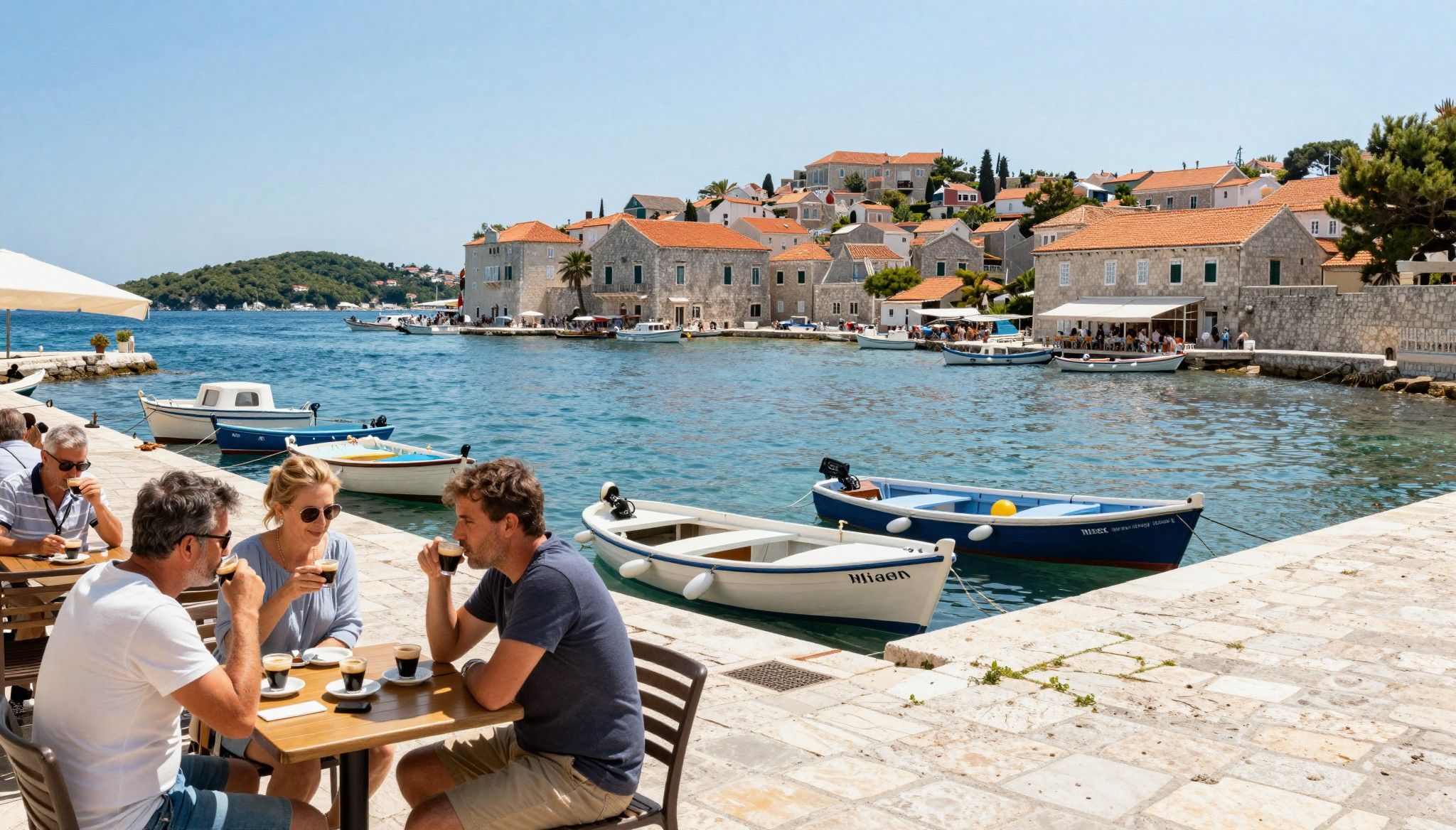
Stop Chasing Sea Views — Buy the Street in Malta
Don’t buy the sea view — buy the street. Malta’s RPPI rise hides micro-market differences; factor 5% stamp duty, residency rules and tenant profiles to protect net yield.

Imagine stepping off the ferry into Valletta at 8am, espresso in hand, stone terraces still cool underfoot — and realising the sea view you dreamed of isn’t the smartest line on your spreadsheet. Malta’s compact island rhythm favours short commutes, tight neighbourhoods and predictable rental demand. But the financially literate buyer asks a different first question: which streets compound returns, not just memories? Recent RPPI data shows prices rising island-wide, making location-specific regulatory and tax detail decisive for net yields.
Living the Malta life (and why it matters to yield)

Malta feels Mediterranean in close-up: mornings at Pjazza Regina, late-afternoon swims at St George’s Bay and dinners that start after 9pm. English is an official language, cafes hum with remote workers, and neighbourhoods — Sliema’s promenades, Gzira’s student-run bars, Għajn Tuffieħa’s rugged coast — each attract different tenant profiles. For investors, those daily rhythms translate directly into rental segmentation: short-stay tourists, long-term professionals, students and retirees.
Valletta & Il-Belt: compact history, premium rents
Valletta’s UNESCO core brings consistent short-let demand and commanding per-square-metre prices, but planning restrictions and higher purchase prices compress yields. A one-bedroom near Strait Street attracts premium nightly rates; the trade-off is lower gross yield and stricter renovation rules under heritage protection.
Sliema–Gzira corridor: scale, connectivity, steady long lets
Sliema and Gzira sit between ferry links, coworking hubs and international schools — a magnet for professionals and expat families. Buildings here tend to offer modern flats with predictable maintenance costs and stable long-term tenancy, which often produces higher net yields after management and taxes than trophy sea-view units in lower-demand seasons.
Making the move: regulatory and tax realities that change returns

A dream lifestyle needs translation into paperwork. Malta’s property transfer tax (commonly called stamp duty) sits commonly at 5% of the higher of price or market value which directly reduces acquisition efficiency. Non‑EU buyers may need permits or must comply with residence programme property rules; MPRP and other residency schemes can change the property types you may buy and the minimum thresholds you must meet.
How tax and residency interact with price dynamics
Policy tweaks — higher stamp duty on certain transfers, residency fee changes — can be introduced in budgets and regulatory notices. These adjustments alter break‑even timelines for investors. Factor acquisition taxes, notary and registration fees, and potential residency-related contributions into your total cost of ownership before modelling net yield.
Practical steps to quantify upfront cost
Calculate purchase price plus 5% stamp duty and ~2–4% notary/registration costs; obtain a local valuation to verify market value; add any residency programme contributions or minimum property-value thresholds that may apply.
Insider knowledge: contrarian moves that improve returns
The obvious play is sea views. The smarter play is streets with transport, schools and coworking access where rental demand is steady year-round. NSO data shows island-wide price rises, but micro-market performance varies; the investor who prioritises tenant profile over vistas usually captures higher occupancy and lower seasonal volatility.
Neighbourhood factors that beat views
Proximity to ferry/commuter nodes (Sliema–Valletta); presence of international schools (St Julian’s corridor); adaptability of layouts for short vs long lets; local planning constraints affecting future supply; streets with mixed residential/commercial demand.
How to stress‑test a Maltese opportunity (step-by-step)
1) Identify tenant segment and seasonality; 2) Model gross yield using conservative occupancy (70–80% for short lets, 90%+ for long lets); 3) Deduct 5% stamp duty, 8–12% operational costs, and any residency programme contributions; 4) Run a 5–7 year sensitivity on price growth scenarios.
What expats wish they'd known: cultural and seasonal quirks
Expats often underestimate Malta’s seasonal squeeze: August still feels local and busy, and short-let demand can pivot sharply around school calendars, university terms and festival dates. Language is rarely a barrier but planning inertia and conservations in historic areas can delay renovations. Factor lead times for permits and heritage consent into renovation budgets and timelines.
Integration, language and managing tenants
English-language contracts simplify management for international landlords, but local agency partners remain essential for compliance with tenancy law and short‑let registration rules. Good agencies also advise on tax filing, TRC issuance and residency paperwork that affect net returns.
Long-term considerations for lifestyle sustainability
1) Plan exit scenarios (market liquidity is good in central nodes but lower in remote villages); 2) Build a renovation buffer — heritage works often run over time; 3) Use local tax advisors to optimise withholding and claimable expenses; 4) Review residency status yearly — residency programmes change and can affect tax treatment.
Conclusion — fall for Malta, buy with the spreadsheet: Malta sells a compact Mediterranean life — cafes, harbour walks and year-round light. For the investor, however, lifestyle should be the primary filter for where you look and the spreadsheet the final arbiter. Prioritise neighbourhood fundamentals (connectivity, schools, year-round demand), build stamp duty and residency costs into acquisition models, and partner with agents who handle permits, tenancy law and TRC filings. That combination preserves the island’s charm on your weekend walks and keeps yield healthy on your quarterly reports.
British expat who moved to the Algarve in 2014. Specializes in portfolio-focused analysis, yields, and tax planning for UK buyers investing abroad.