Croatia: Coastal Charm vs. Yield — Model the Tradeoffs
Croatia’s coastal charm conceals sharp yield trade‑offs: model seasonality, prioritise connectivity, and choose micro‑markets that match your income goals.
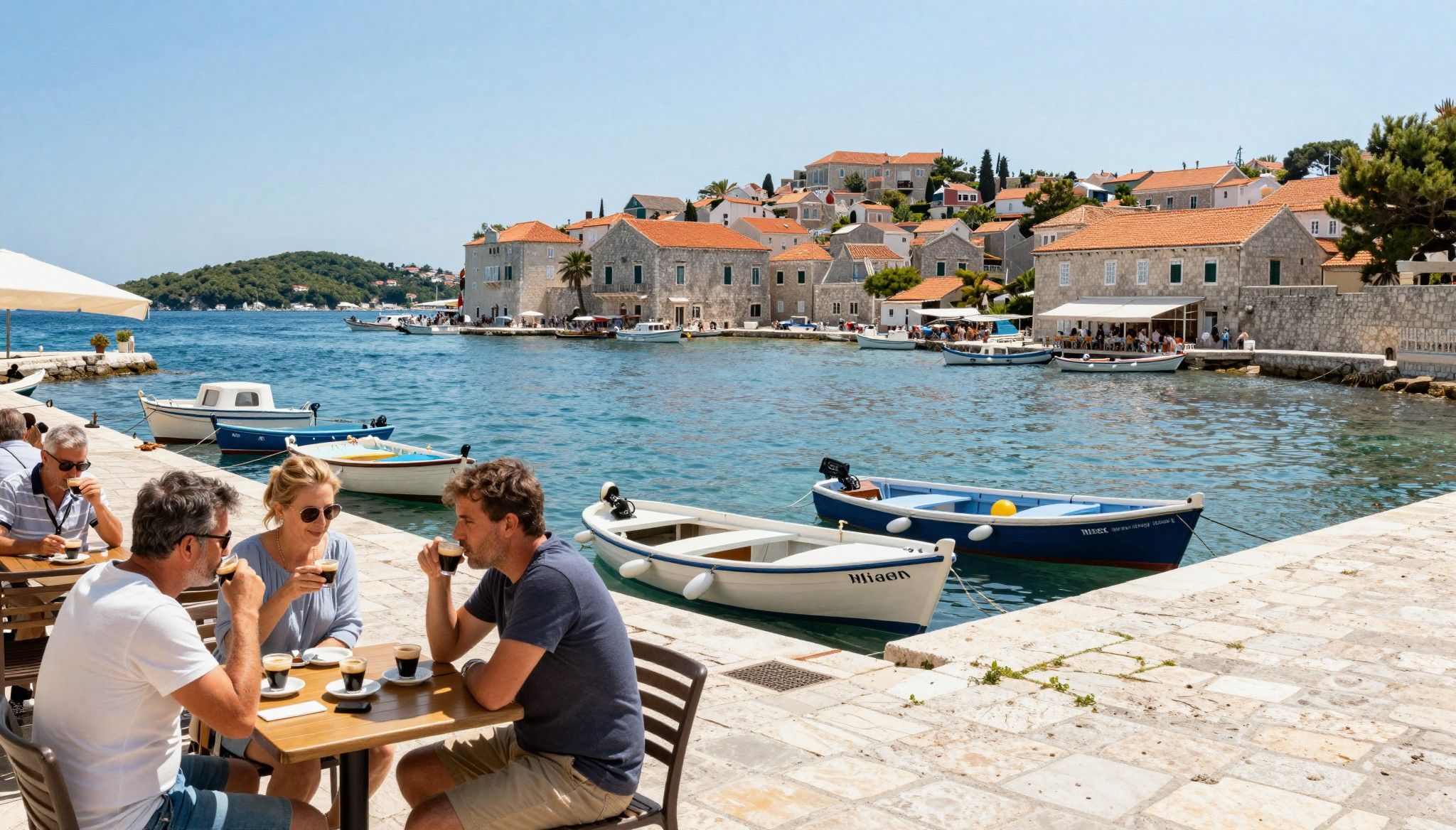
Imagine stepping off a late‑morning ferry into a Dalmatian port where the clink of espresso cups competes with fishermen mending nets. That sensory snapshot — market stalls, stone laneways, and low‑key seaside glamour — is what sells Croatia to dreams. But for the investor the question is different: do those sunlit scenes translate to reliable yields, or are they seasonal mirages? This guide pairs the lived‑in Croatia you fall for with the yield calculus you must run before signing anything.
Living the Croatia lifestyle
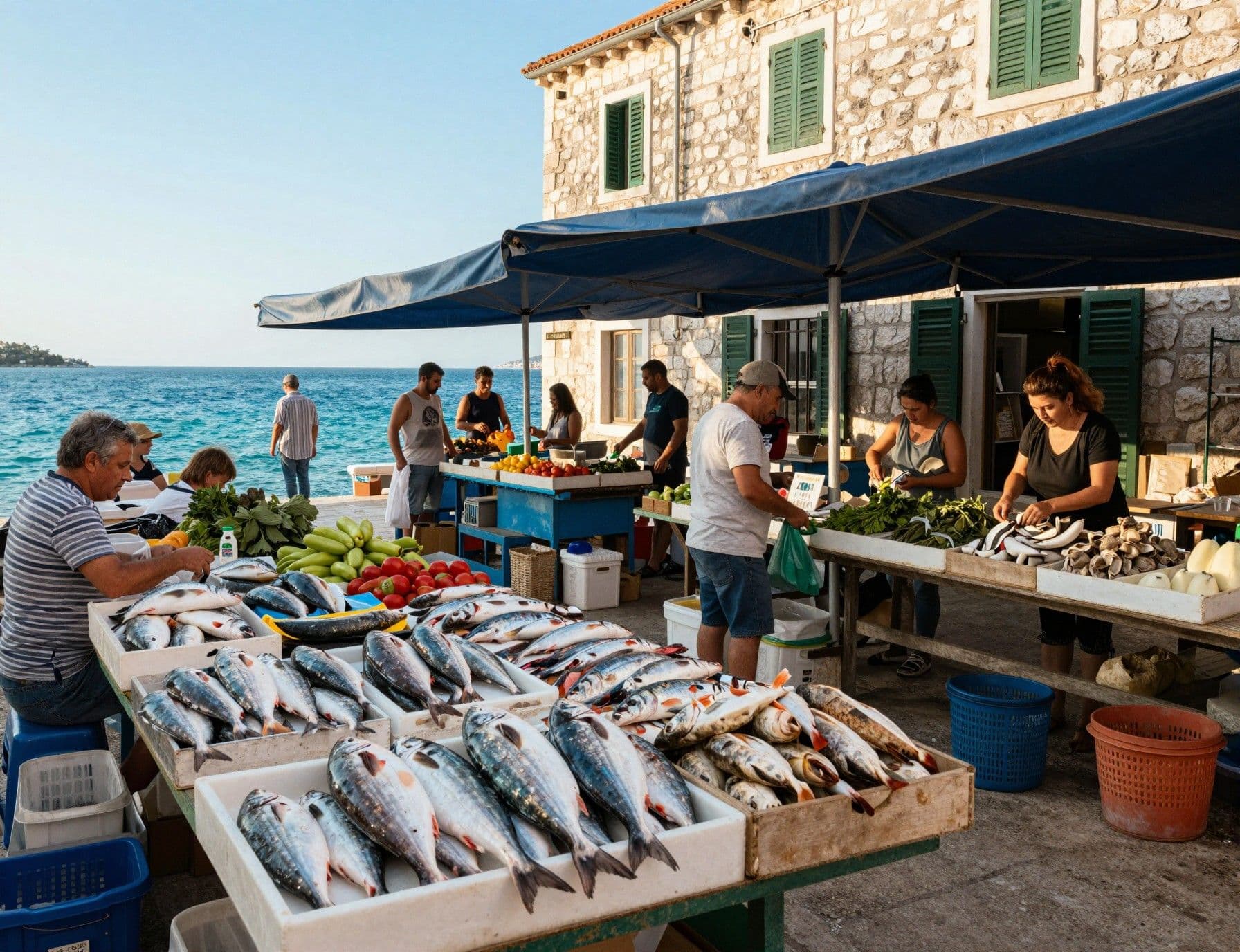
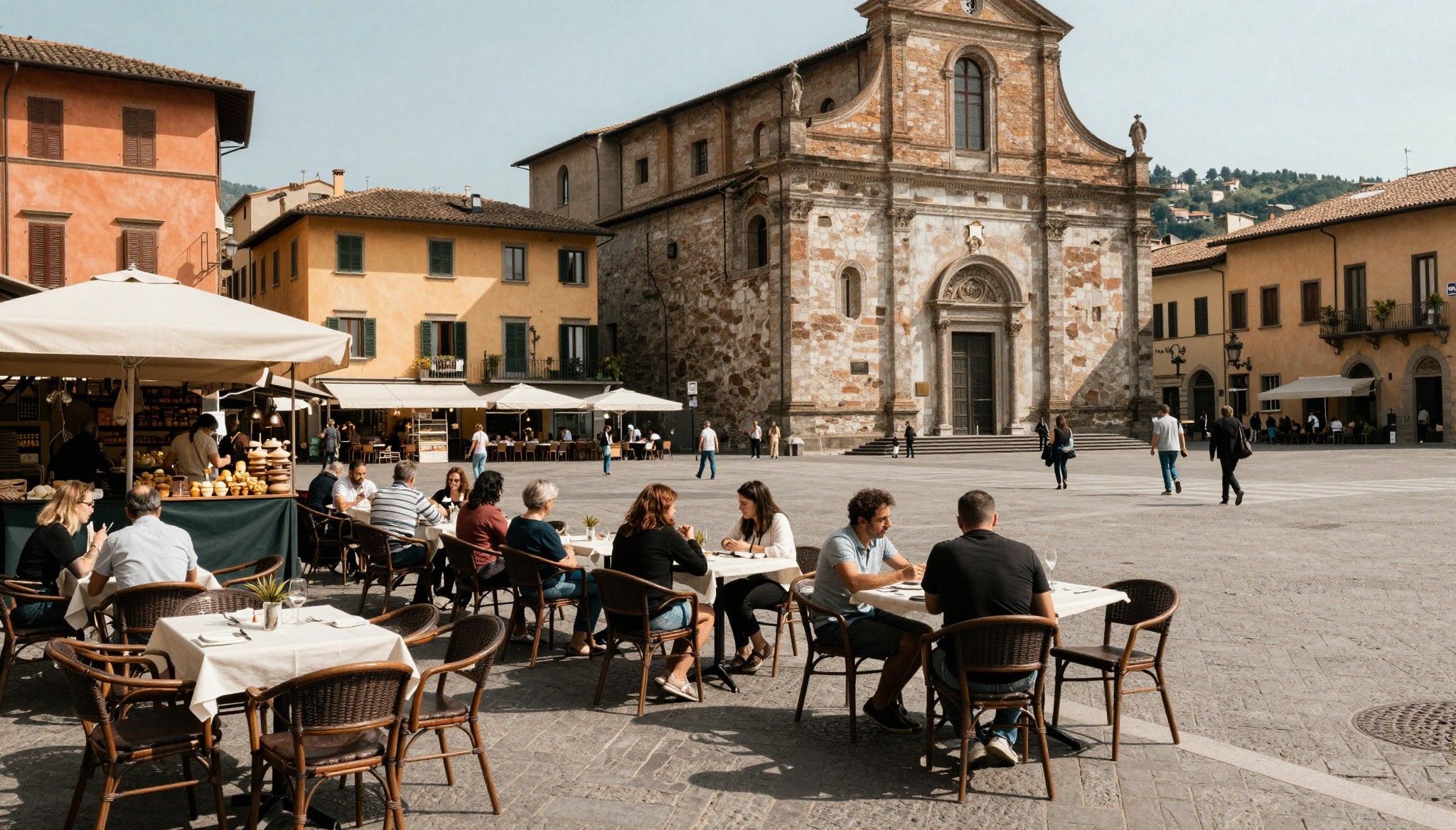
Life in Croatia flows between coastal rhythms and continental steadiness. Morning markets pulse in Split and Rovinj, Zagreb hums with year‑round café culture, and islands like Hvar and Brač empty and refill with the seasons. Tourism is big and often cited as the engine of demand — Croatia saw over 100 million overnight stays in recent reporting — but that headline masks sharp intra‑market differences that change yield outcomes materially.
Coastline charisma vs everyday livability
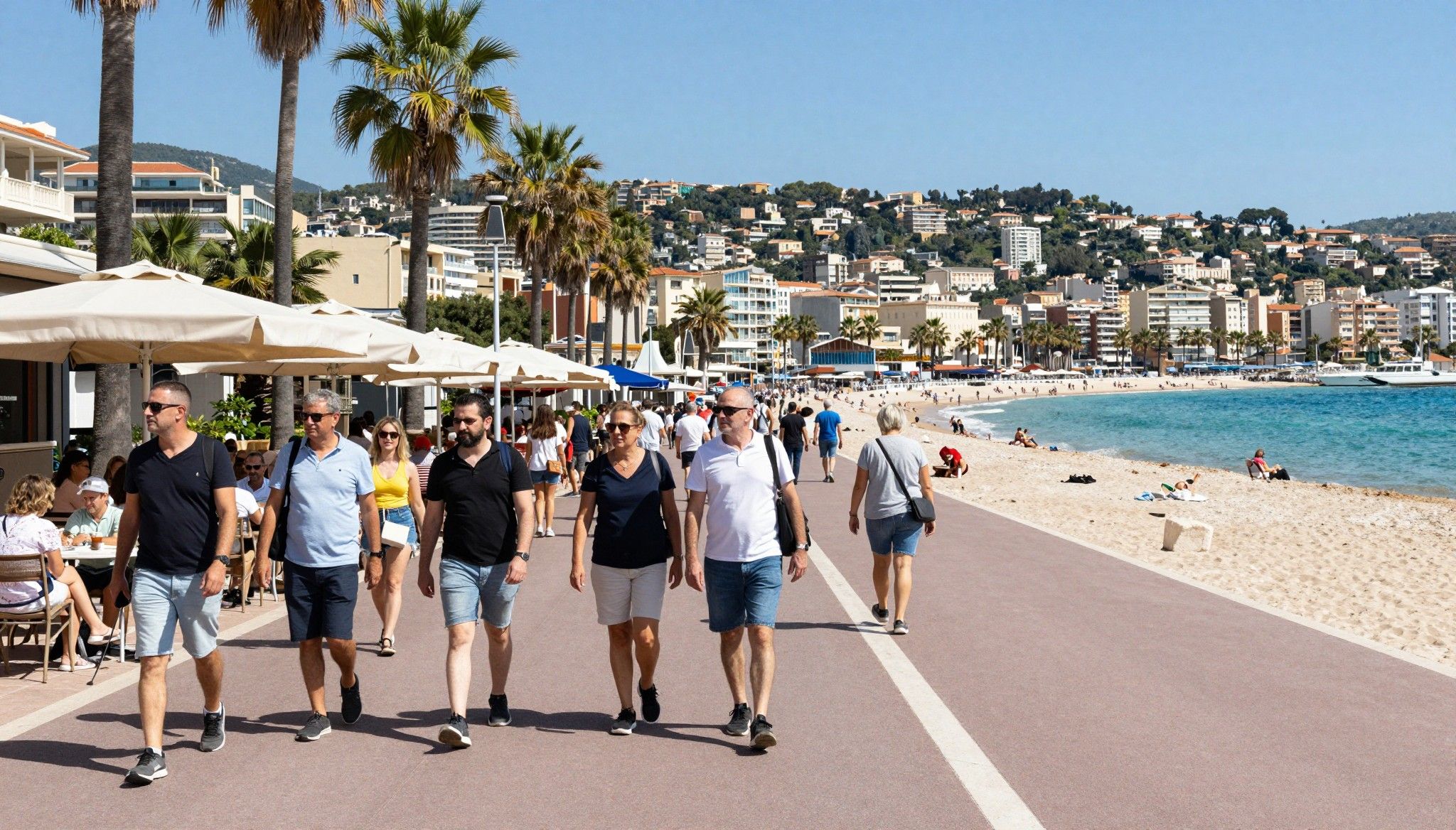
The coast sells an aspirational life: pebble beaches, limestone facades and centuries‑old harbours. But those locations also concentrate seasonality — rents spike in July–August and can slump outside high season. For a long‑term income investor this means distinguishing between headline tourist demand and sustainable, year‑round rental pools such as digital nomads, long‑stay seasonal workers, or local professionals.
Neighborhood texture: streets and coffee rituals
Look beyond ‘the coast’ to neighborhoods: Varoš in Split is a maze of stone terraces that attracts boutique short‑stays; Zagreb’s Maksimir offers leafy streets and steady local demand; Pula’s Verudela has a quieter, rental‑friendly mix. These micro‑differences determine achievable nightly rates, occupancy, and therefore effective yield after management and vacancy.
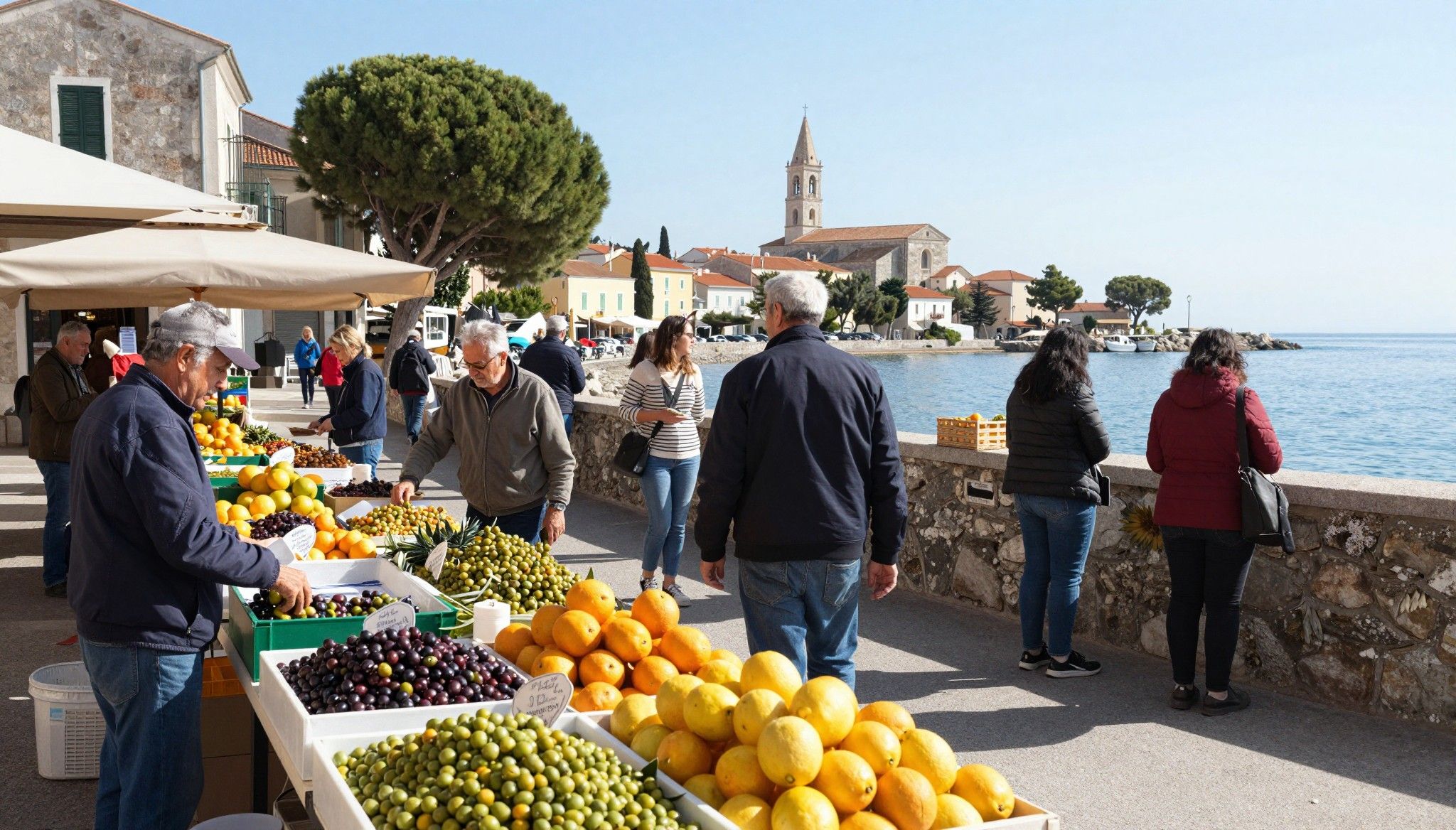
- Market‑defining lifestyle highlights: • Morning fish market at Split’s Riva and the micro‑apartments nearby that rent well to couples. • Café scene on Zagreb’s Tkalčićeva — steady demand from professionals and students. • Istrian hill towns (Motovun) attracting slower‑season leisure visitors. • Zadar’s waterfront and new flight links driving shoulder‑season bookings.
Making the move: practical considerations
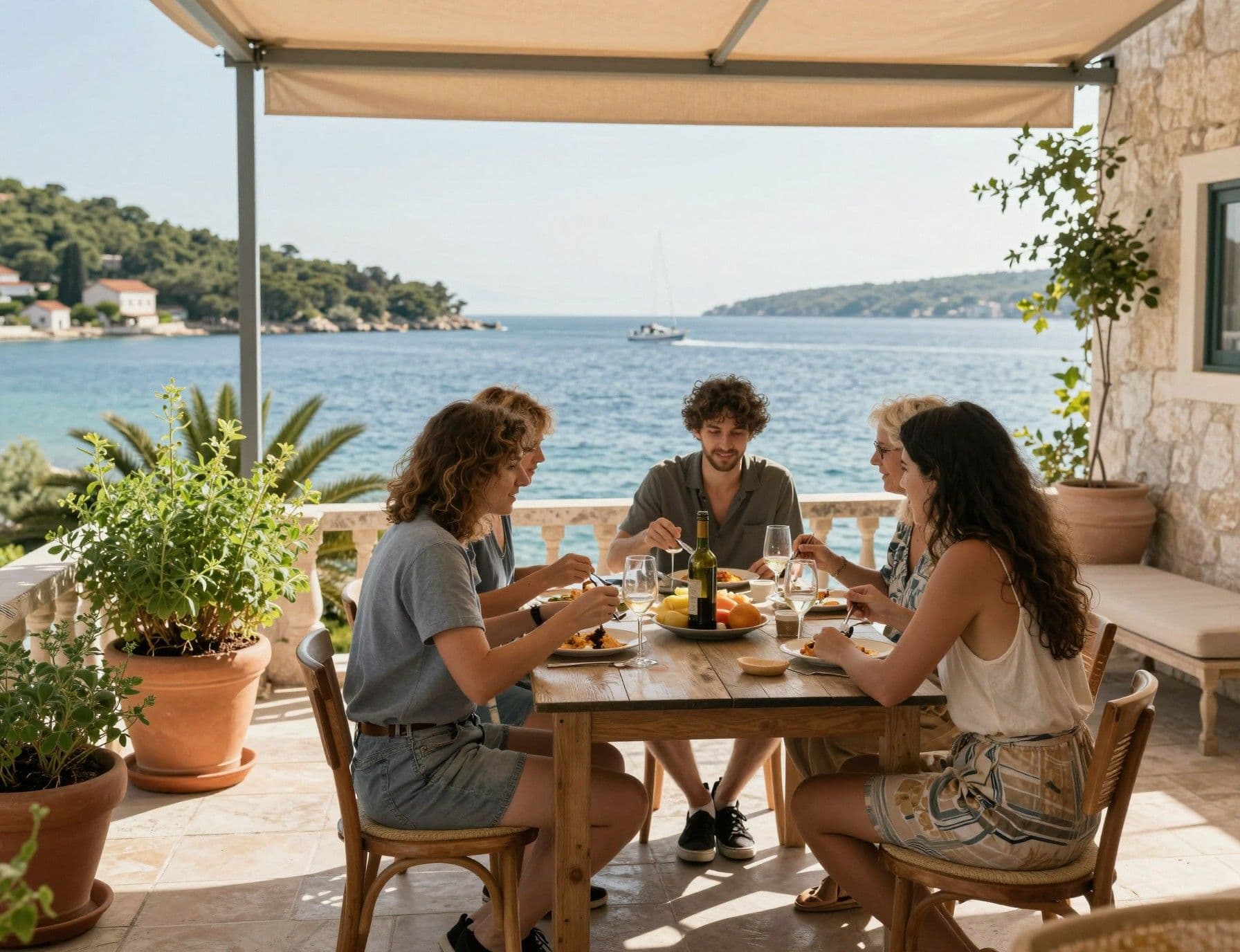
Dreams collide with spreadsheets here. Croatian house prices have shown notable growth in recent official indices, driven by coastal demand and limited supply in historic cores. At the same time published gross rental yields cluster in the mid‑single digits in many towns, but net yields can be significantly lower after seasonality, platform fees, and management costs are included.
Property styles and yield implications
Stone houses in Old Towns command premiums and capital protection but often underperform on yield because of limited winter demand and higher maintenance. Newer apartments near transport links (Zagreb suburbs, Split docks) deliver steadier year‑round rent and lower operating friction. Balconies, individual entrances and parking matter: they boost off‑season appeal to long‑stay tenants and raise net effective yields.
Working with local experts who know the lifestyle
- How to blend lifestyle and yield — a practical 5‑step checklist: 1. Define target yield band (gross vs net) and acceptable vacancy; model seasonality explicitly. 2. Shortlist micro‑markets (street + block) rather than whole cities; compare price/m2 and comparable rents. 3. Validate demand sources (tourism data, long‑stay enquiries, flight connectivity) using official stats. 4. Obtain local property inspection and cost estimates for renovations that improve shoulder‑season appeal. 5. Set up professional property management and tax planning to convert gross yield into predictable net return.
Insider knowledge: what expats wish they’d known
Expats often arrive seduced by postcard views and later discover the real drivers of returns: reliable transport links, year‑round employment pools, and practical amenities. Many underestimated the operational drag of short‑lets in historic quarters where access, waste rules, and conservation restrictions increase costs. Others discovered that modest upgrades — insulation, independent heating, better kitchen layouts — convert a seasonally reliant flat into a longer‑term rental performer.
Cultural integration and tenant profiles
Croatia’s tenant mix is plural: local long‑term tenants, EU mobile workers, and tourists using online platforms. Language is useful but not mandatory for managing rentals if you partner with bilingual agents or managers. Respect local customs — quieter seasons, respect for heritage buildings — and structure leases with clear maintenance clauses to reduce disputes.
Long‑term lifestyle and market outlook
Tourism growth, improving airport connectivity and EU membership create a structural tailwind for Croatia’s property market. However, accelerating price indices mean future capital gains depend on where you buy: peripheral coastal blocks often reprice faster than inland markets, but their yield volatility is higher. Calibrated purchases — favouring accessibility and multi‑use appeal — reduce reliance on perfect tourism seasons.
- Red flags to watch (lifestyle + spreadsheet): • Listings priced above local comparables because of ‘view premium’ that collapses off‑season. • Properties in conservation zones with hidden renovation limits and higher consent costs. • Overreliance on peak‑season short‑lets without contingency for low occupancy months. • Poor transport links that limit year‑round tenant pools.
Conclusion: Croatia offers an irresistible lifestyle and a rational investment case — but not for every strategy. If you prioritise steady net yield, look for well‑connected apartments with year‑round tenant appeal and realistic expense modelling. If you accept seasonal volatility for capital appreciation, target premium coastal micro‑locations and plan conservatively for operating drag. Either way, partner with agents who understand both the laneway and the ledger: the lifestyle sells the property, but the numbers buy it.
British expat who moved to the Algarve in 2014. Specializes in portfolio-focused analysis, yields, and tax planning for UK buyers investing abroad.