How Seasonality Rewires Returns Across France
Seasonality in France drives misleading price peaks and hidden vacancy risk—stress test 12‑month cashflows, prioritise year‑round demand and check municipal short‑let rules.
Imagine sipping a café allongé on Rue Cler while a market vendor arranges asparagus; two days later the same apartment becomes a high‑season short‑let in a flurry of bookings. That contrast—everyday life versus tourist demand—defines how seasonality reshapes returns across France. This guide explains, with data and street-level detail, where seasonal shine creates false value and where steady demand protects yields.
Living the French Rhythm: seasons that matter

France’s housing market moves with a social calendar: summer coastlines fill, ski resorts peak in winter, cities hum during conference months. With 38.4 million housing units and a population over 68 million, demand patterns are large enough to create meaningful seasonality in micro‑markets. Understanding those rhythms—who comes, when, and why—lets investors separate temporary price premiums from durable income.
Coast vs. city: different clocks
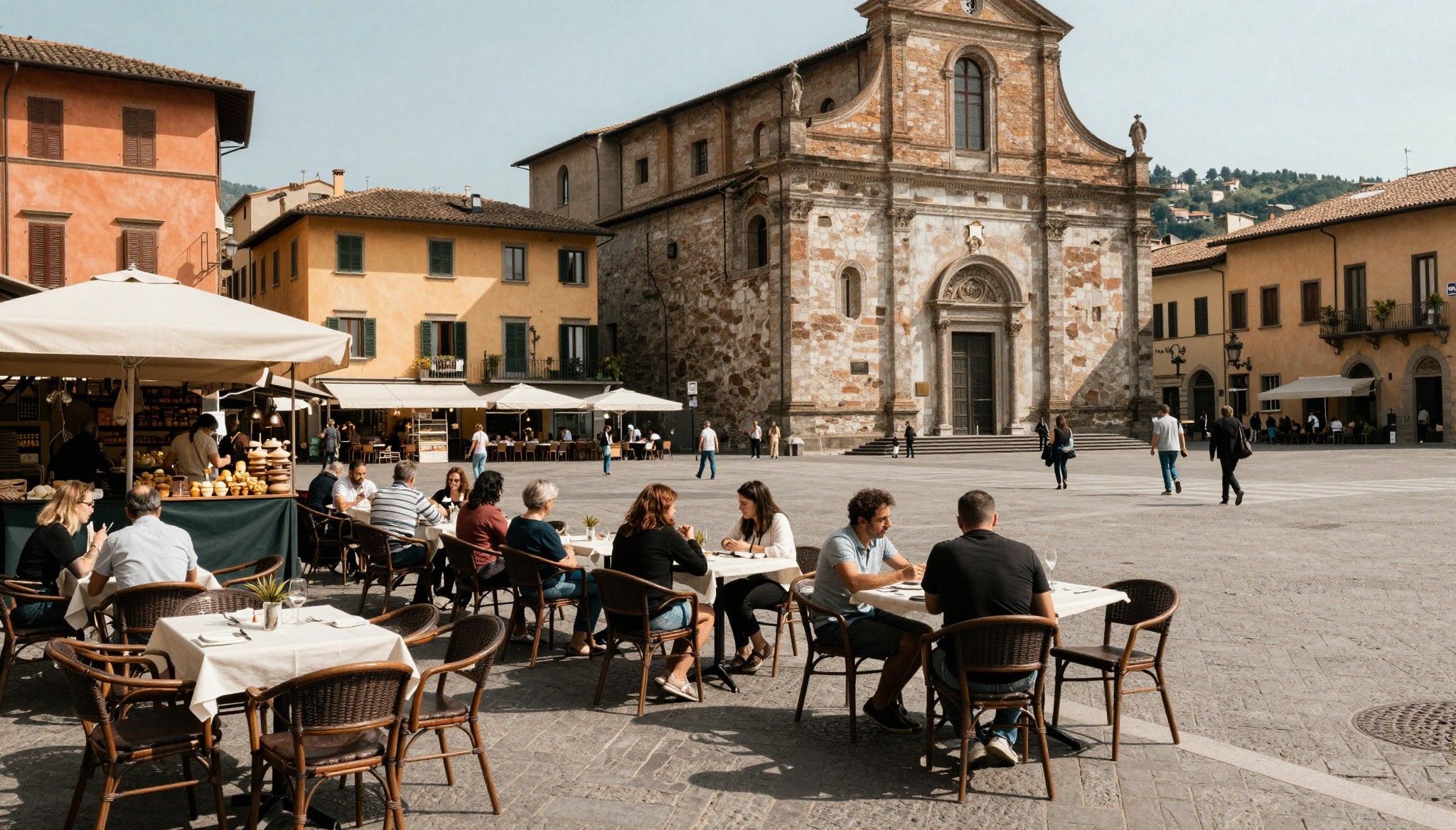
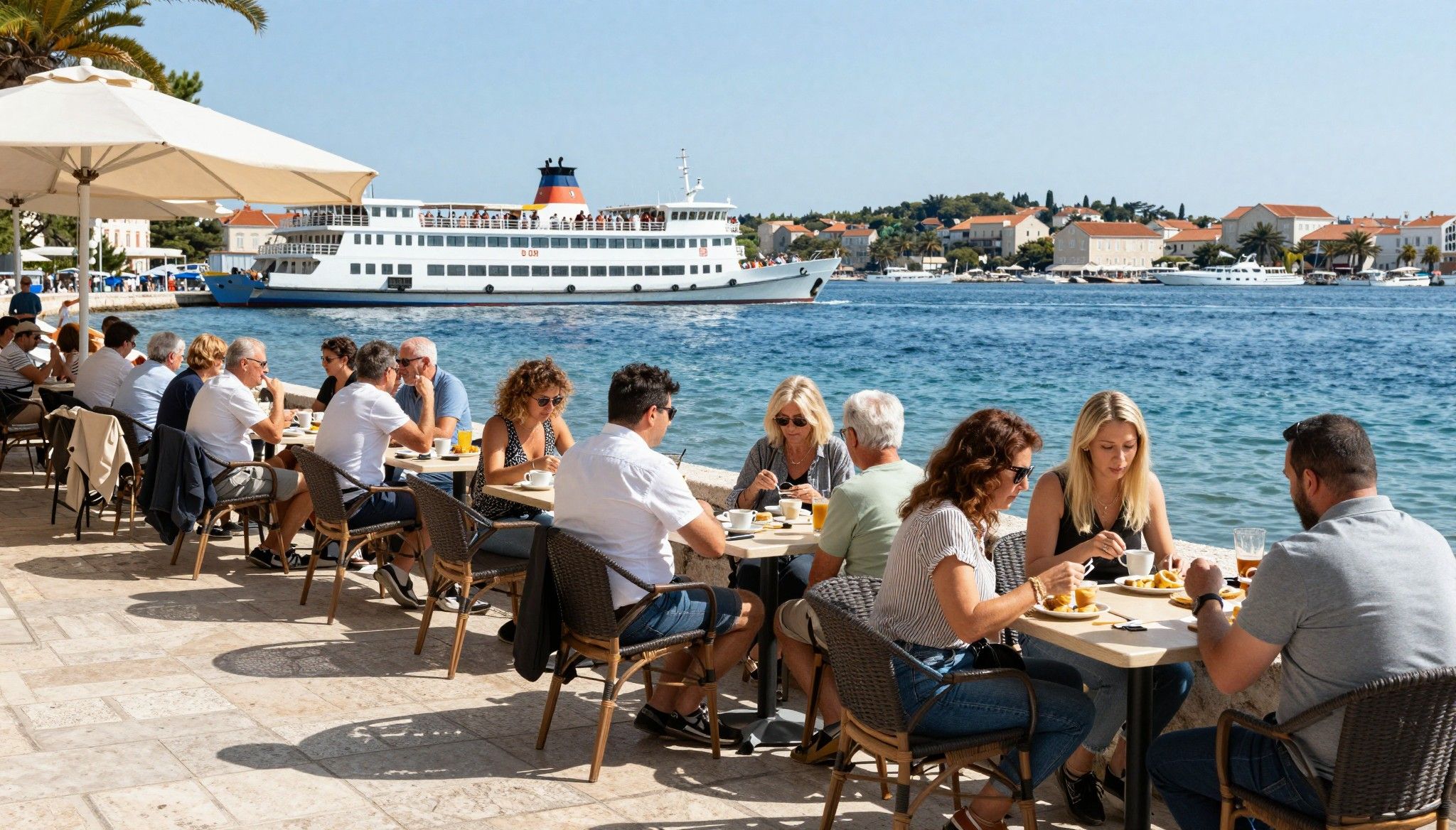
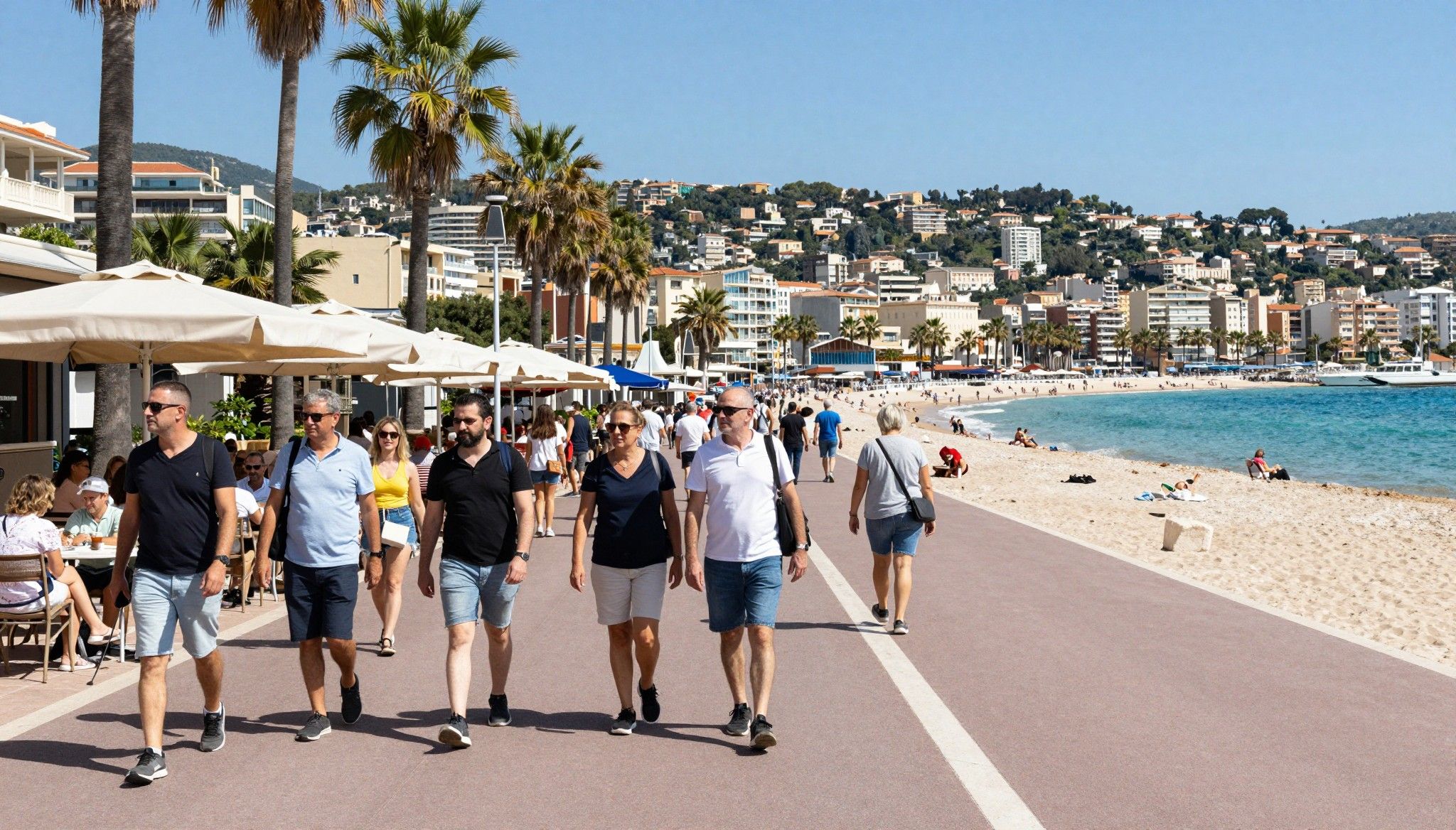
A Cannes seafront apartment earns a big summer premium but sits quieter eight months a year; a Parisian studio near La Sorbonne sees steadier long‑term rental demand from students and professionals. Notaires’ data show large intra‑country dispersion in €/m², which often tracks seasonality and use-case: tourist heavy markets trade at higher peak prices yet lower annualised yields compared with consistent urban rental markets.
Rural villages: calm, but tricky liquidity
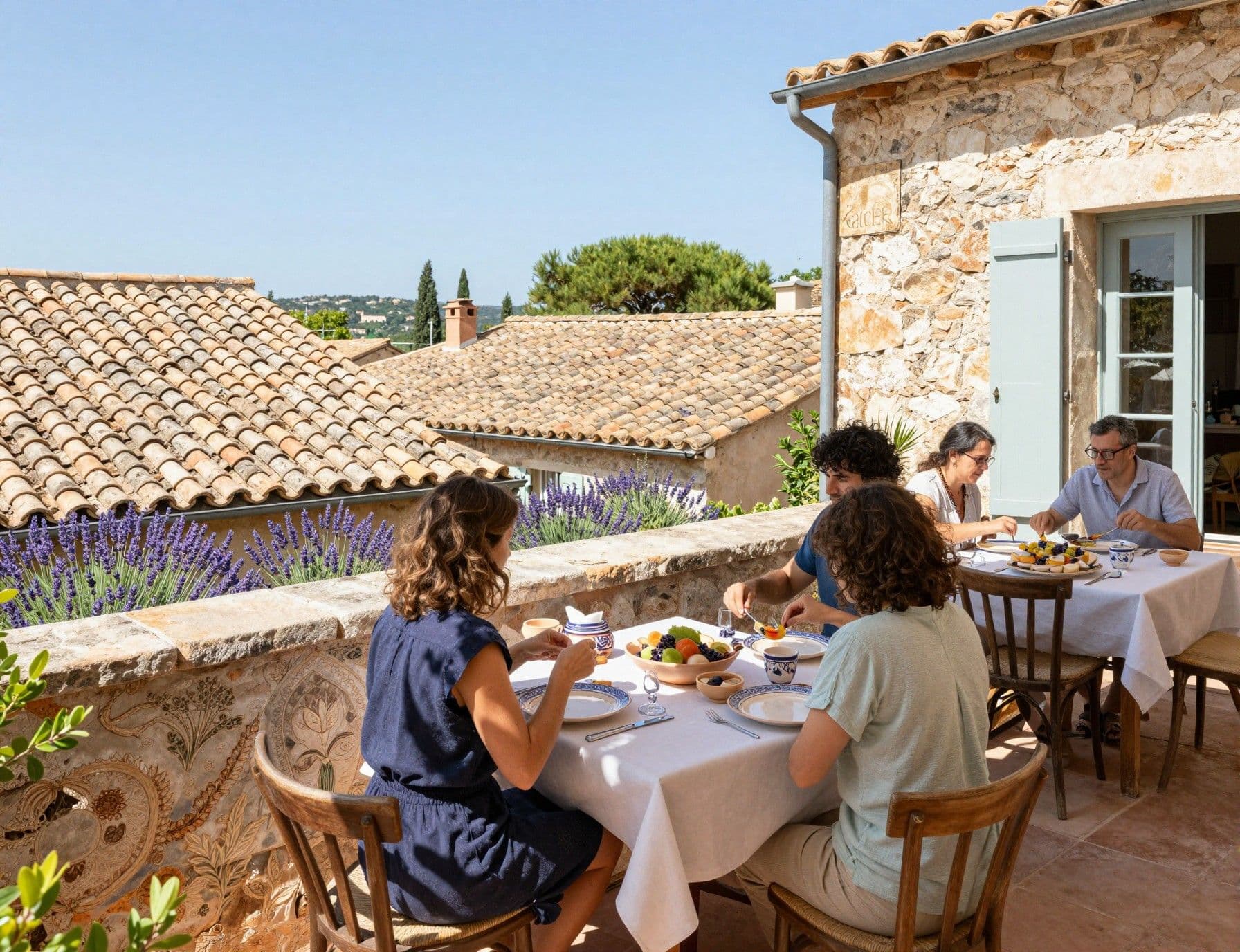
Provincial charm—Perigord hamlets, Loire Valley villages—offers low purchase prices per m² and appealing lifestyle. But lower transaction volumes mean slower capital recovery and patched seasonality: a handful of summer visitors won’t replace year‑round tenants. For portfolio investors, low entry price must be weighed against illiquidity and vacancy risk.
Making the Move: how seasonality rewrites risk and yield
Price per square metre and rental strategy are the two knobs investors use to tune yield. National median prices mask extremes: Paris and Riviera command multiples of mid‑market France, while many inland communes trade below €2,000/m². Choose a pricing and let strategy that reflect whether you rely on short‑lets, long lets, or a hybrid — because seasonality affects each differently.
Short‑lets: upside, regulation, and hidden downside
Short‑term rentals can boost gross yields in coastal and Alpine hotspots, but recent national and municipal reforms have tightened fiscal advantages and registration rules. The Loi Le Meur and related measures reduce some tax arbitrage and give cities power to require registration and change‑of‑use permissions, increasing compliance costs and operational risk. In practice, gross summer occupancy can mask a lower net annual yield once taxes, municipal levies and off‑season vacancy are included.
Long lets: steadiness that withstands seasonality
Long lets—students, expatriate workers, local families—smooth income across the year and reduce vacancy spikes. Cities with diversified employment bases (Lyon, Nantes, Toulouse, Grenoble) show more resilient demand profiles than mono‑season tourist towns. Expect slightly lower peak rental rates versus short‑lets, but higher occupancy and simpler compliance.
Practical checklist: seasonality risk factors
Local event dependence (festivals, conferences)
Municipal change‑of‑use and registration rules affecting STRs
Transport seasonality (airport routes and train frequency)
Local labour supply for property management in peak months
Insider Knowledge: contrarian neighbourhoods and timing
The obvious buys—seafront villas and central Paris pied‑à‑terres—are hyped and expensive. Contrast that with towns like Le Havre and Rennes where improving transport links and local jobs quietly support price growth and year‑round rentals. A contrarian stance—buy where professionals live rather than where tourists flock—often yields steadier cashflow and lower downside in off‑peak months.
When to buy: counter‑intuitive timing
Buying in late autumn—after summer peaks and before year‑end financing shifts—can reveal motivated sellers and lower competition. Conversely, summer house‑hunting in August often inflates perceived demand and leads to emotional bidding. Use DVF price snapshots and local notaire reports to time bids when transactional volumes are transparent, not theatrical.
Neighborhood reality check: questions to ask
Who rents here in low season and why? (students/employees/locals).
What municipal rules apply to short lets and change of use?
How predictable are transport links outside peak tourist months?
Is there local property management capacity year‑round?
Conclusion: marry lifestyle desire with yield discipline
France offers unforgettable daily life—from market mornings in Le Marais to winter slopes in Chamonix—but those pleasures come with distinct market mechanics. Treat seasonality as a quantifiable risk: stress test revenue across 12 months, model tax and compliance costs, and prefer locations where non‑seasonal demand underpins occupancy. If you want a property that pays while you live the French life, let lifestyle lead the shortlist and yield metrics choose the final bid.
Next steps: request DVF sales data for your target commune, ask a local notaire for recent sale comparables, and map municipal short‑let rules before making an offer. An agent who understands both lifestyle nuance and spreadsheets is the best ally—ask for a 12‑month cashflow projection (gross and net) before you fall in love.
Dutch investment strategist who built a practice assisting 200+ Dutch clients find Spanish assets, with emphasis on cap rates and due diligence.