Malta: Buy Connectivity, Not Just a Sea View
Malta’s investment edge isn’t sea views but connectivity: micro‑markets with ferry, bus and fibre access deliver steadier rental income and lower vacancy risk.
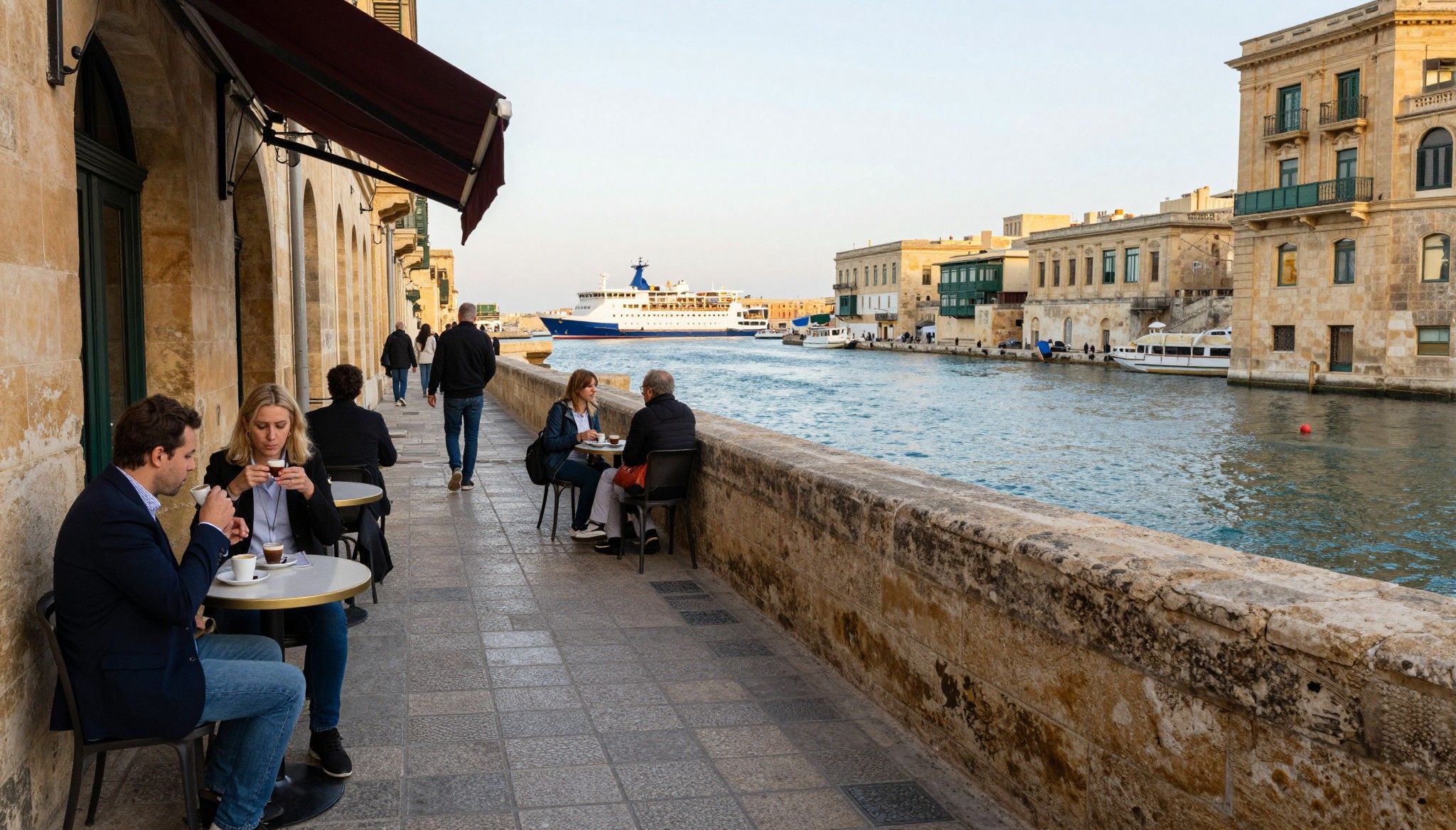
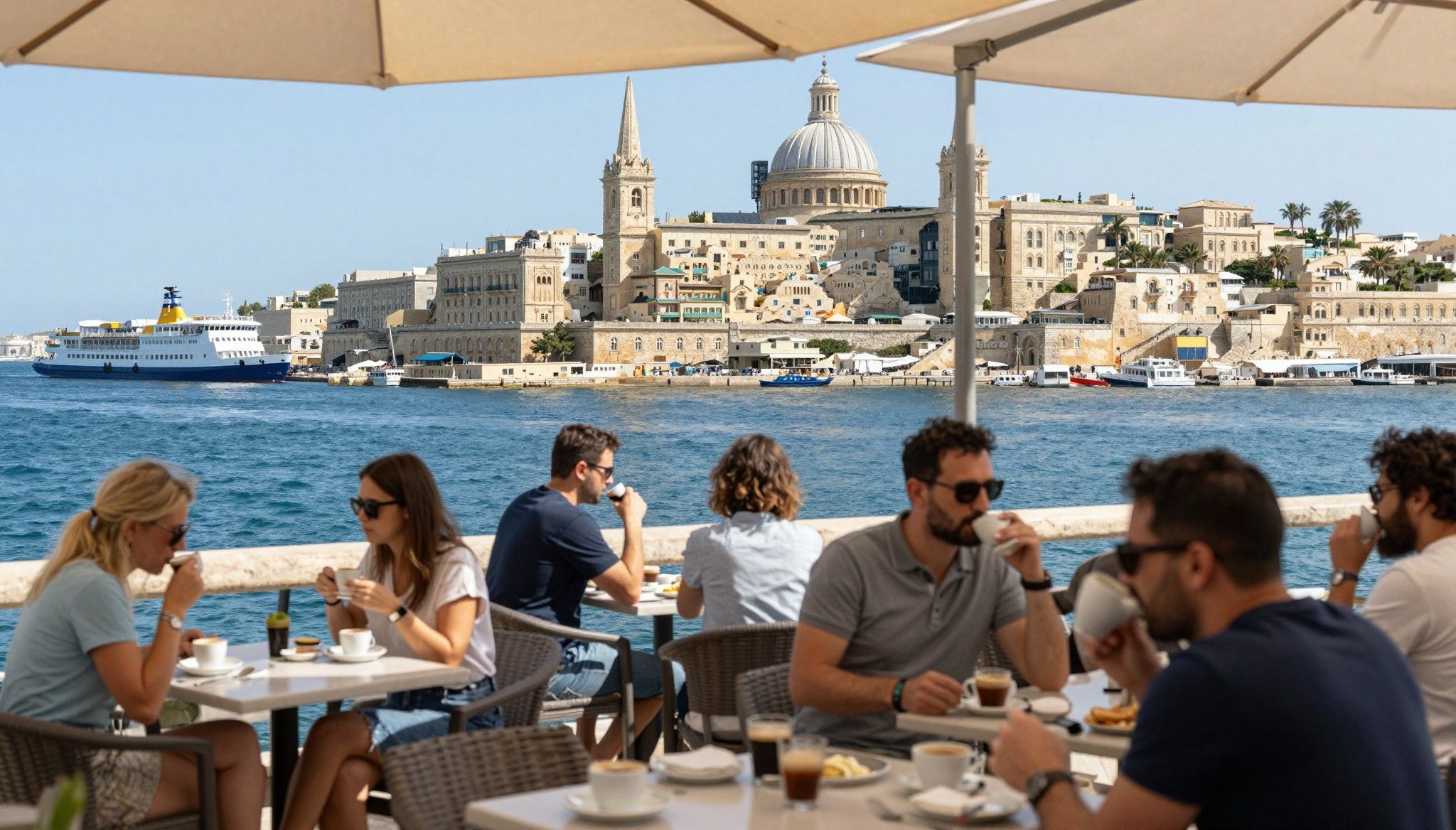
Imagine stepping out for an early espresso on Republic Street in Valletta, the limestone glow already warm at 8am, then hopping a 20‑minute ferry to Sliema for a lunchtime meeting. Malta’s compactness—20 minutes between many major hubs—reshapes daily life and the investment calculus: connectivity is the asset you buy as much as square metres. Recent data shows steady price growth and tight rental markets that reward proximity to transport and fibre, not just sea views.
Living Malta: a concentrated Mediterranean life
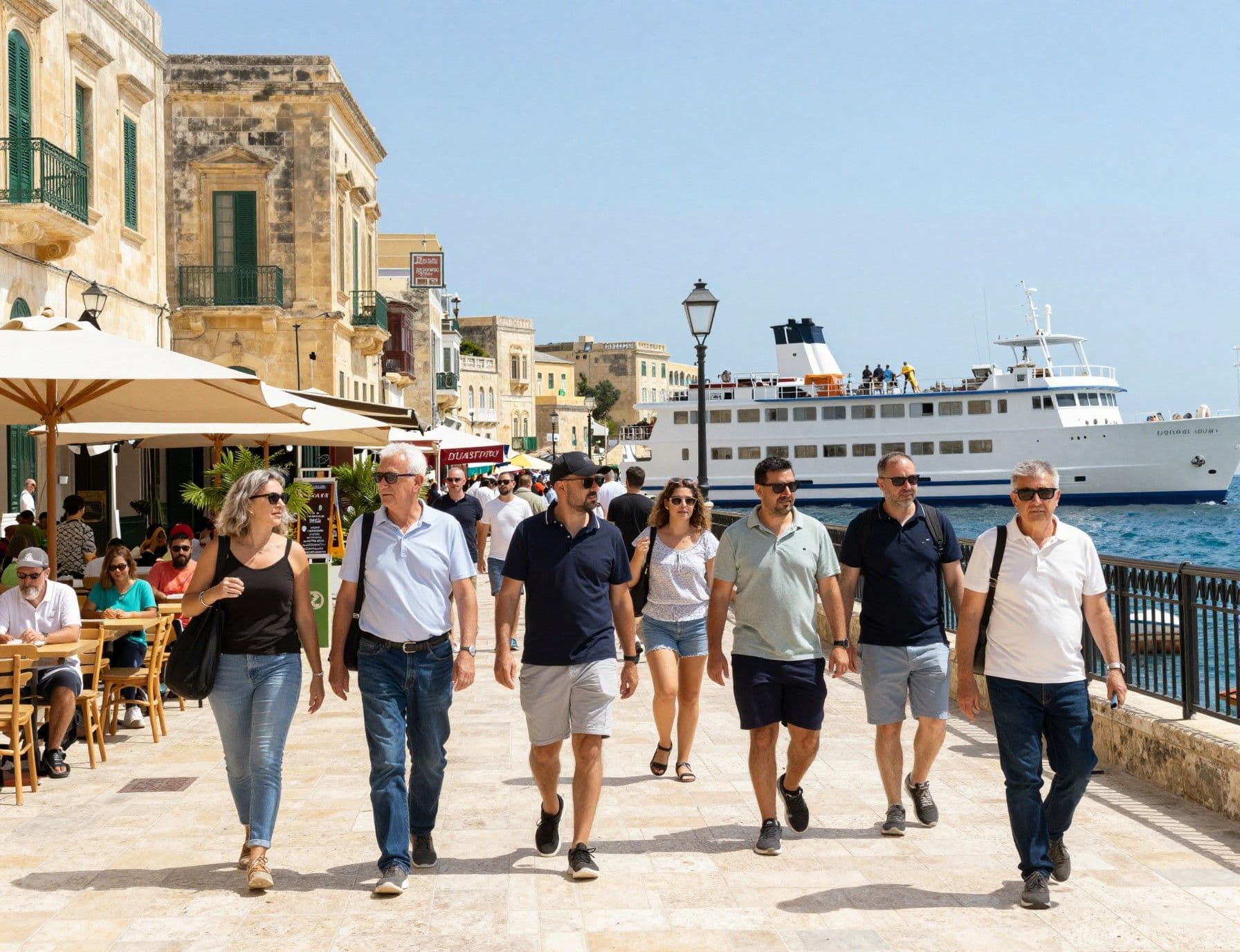
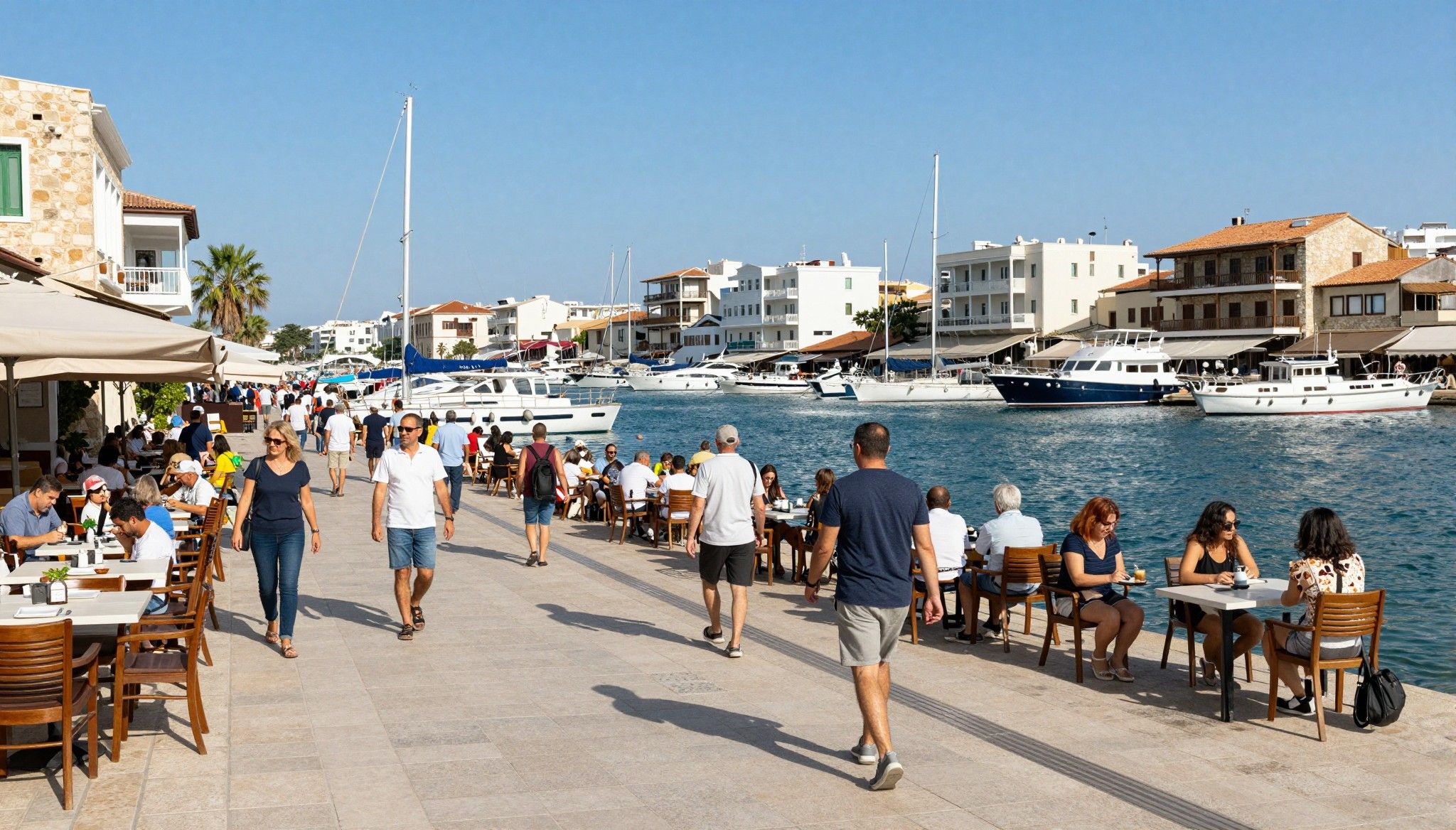
Malta is small in area but large in variety. Narrow baroque streets in Valletta give way to art‑filled cafés on Merchants Street; Sliema and St Julian’s are commuter-commercial belts with modern blocks and sea promenades; and quieter towns—Mellieħa, Marsaxlokk—offer calmer rhythms. The Central Bank and national statistics show consistent price appreciation in recent years, which means neighbourhood choice and transport links materially affect both capital-growth probability and rental demand.
Valletta & the Three Cities: culture and short‑stay demand
Valletta sells a dense cultural lifestyle: opera, museums, small galleries, boutique restaurants. That cultural cachet translates into strong short‑stay demand and above‑average occupancy for centrally located units. For investors targeting holiday lets, being within a 10–15 minute walk of the Grand Harbour or the National Museum consistently outperforms similar‑priced apartments farther inland.
Sliema–St Julian’s corridor: commuter convenience and steady long‑lets
If you want steady long‑let yields to professionals and expats, aim for Sliema and St Julian’s. These neighbourhoods combine walkable services, ferry links and bus corridors to business clusters. Local market reports show rents increased in recent periods, reflecting consistent tenant demand from finance, iGaming, and remote workers.
Lifestyle highlights: neighbourhoods, rituals and hidden corners
Espresso at Caffe Cordina (Valletta) and a midday ferry to Sliema; evening fish supper in Marsaxlokk's market; Sunday hike to Dingli Cliffs followed by a swim at Gnejna Bay; terrace aperitifs in St Julian’s Paceville fringe; corner grocery and pastizzeria culture in Żebbuġ. These everyday moments map directly to where tenants and buyers pay premiums: access to ferry stops, coastal promenades, and weekend‑nature routes.
Making the move: infrastructure that matters to returns
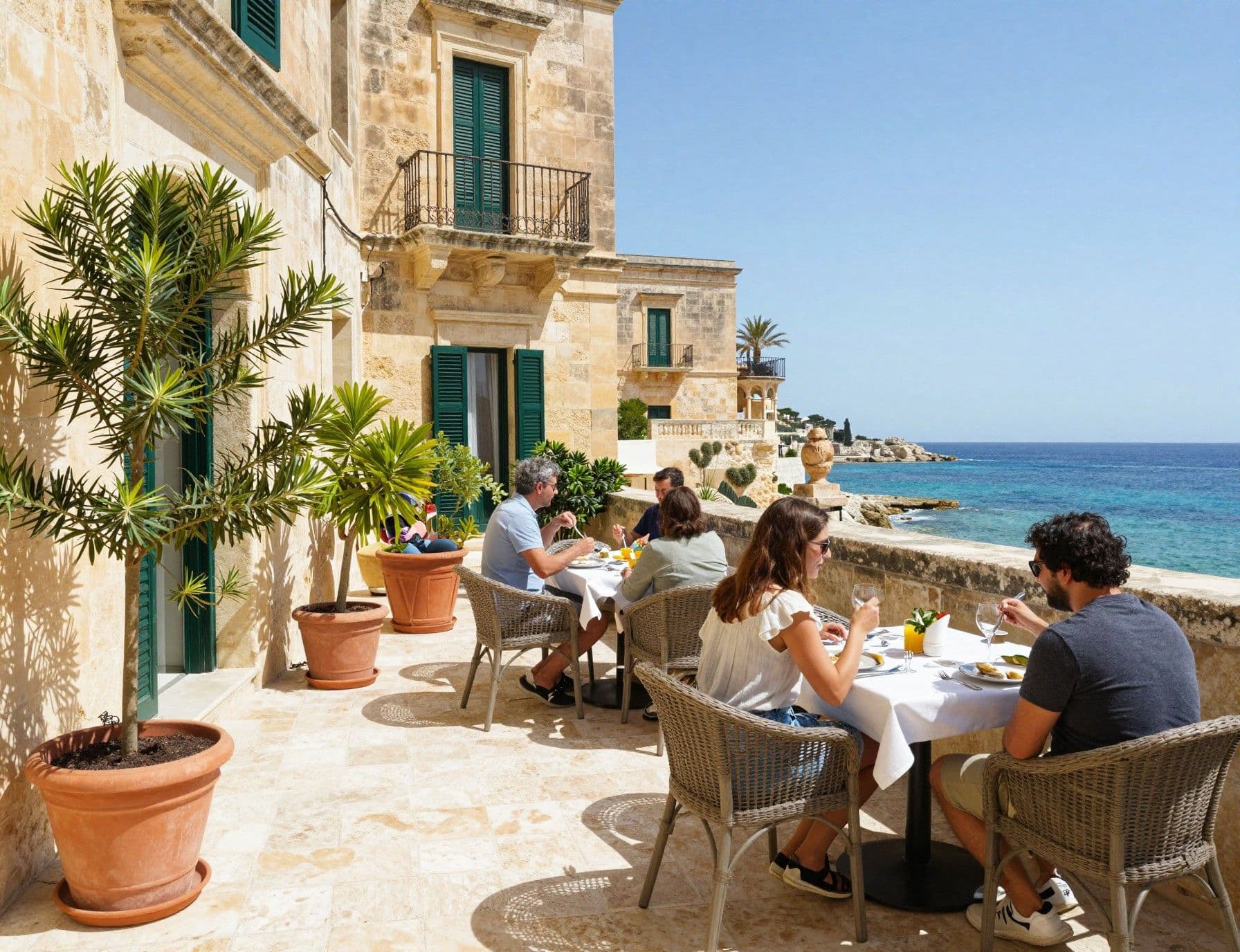
Buying in Malta isn’t just an aesthetic choice; it’s a network play. Key infrastructure drivers—airport throughput, ferry frequency, bus corridors, and broadband rollout—shape yield and liquidity. KPMG and Central Bank reporting link price appreciation to improved transport access and new residential supply, so prioritise tangible connectivity when comparing streets or micro‑markets.
Air and sea links: time‑to‑market is literal
Malta International Airport and regular ferry connections to Sicily keep the islands accessible year‑round. Tourist peaks drive seasonal short‑let income, but the structural benefit is easier tenant turnover and international buyer access. For investors, proximity (measured in minutes, not kilometres) to airport roads or ferry terminals materially improves occupancy risk profiles.
Digital infrastructure: remote work is a demand multiplier
Fixed‑line broadband penetration and improving mobile speeds have made Malta attractive to remote professionals. The regulator’s 2025 survey shows high fixed‑broadband take‑up and widespread OTT usage; commercial listings report sub‑100–150 Mbps packages in many urban areas. For rental strategy, verify building‑level connectivity—shared infrastructure or dated wiring can halve effective speeds and reduce appeal to high‑earning tenants.
Street‑level checklist before bidding
Confirm walking minutes to the nearest ferry or main bus stop; check recent sale transaction velocity and average days on market; verify building wiring and fibre availability; model gross yield with conservative vacancy (use 5–12% depending on short‑stay exposure); ask brokers for utility cost histories (AC, water, council tax equivalents).
Insider knowledge: what expats wish they'd known
Experienced expats say the surprising constraint is not paperwork but micro‑location tradeoffs: a sea‑view that commands a price premium often comes with higher maintenance, tourist noise and seasonal vacancy. Many who move here pivot to mid‑town apartments that trade a view for year‑round rental demand and lower operating costs—this trade improves net yields in practice.
Cultural and daily rhythms that change how you use space
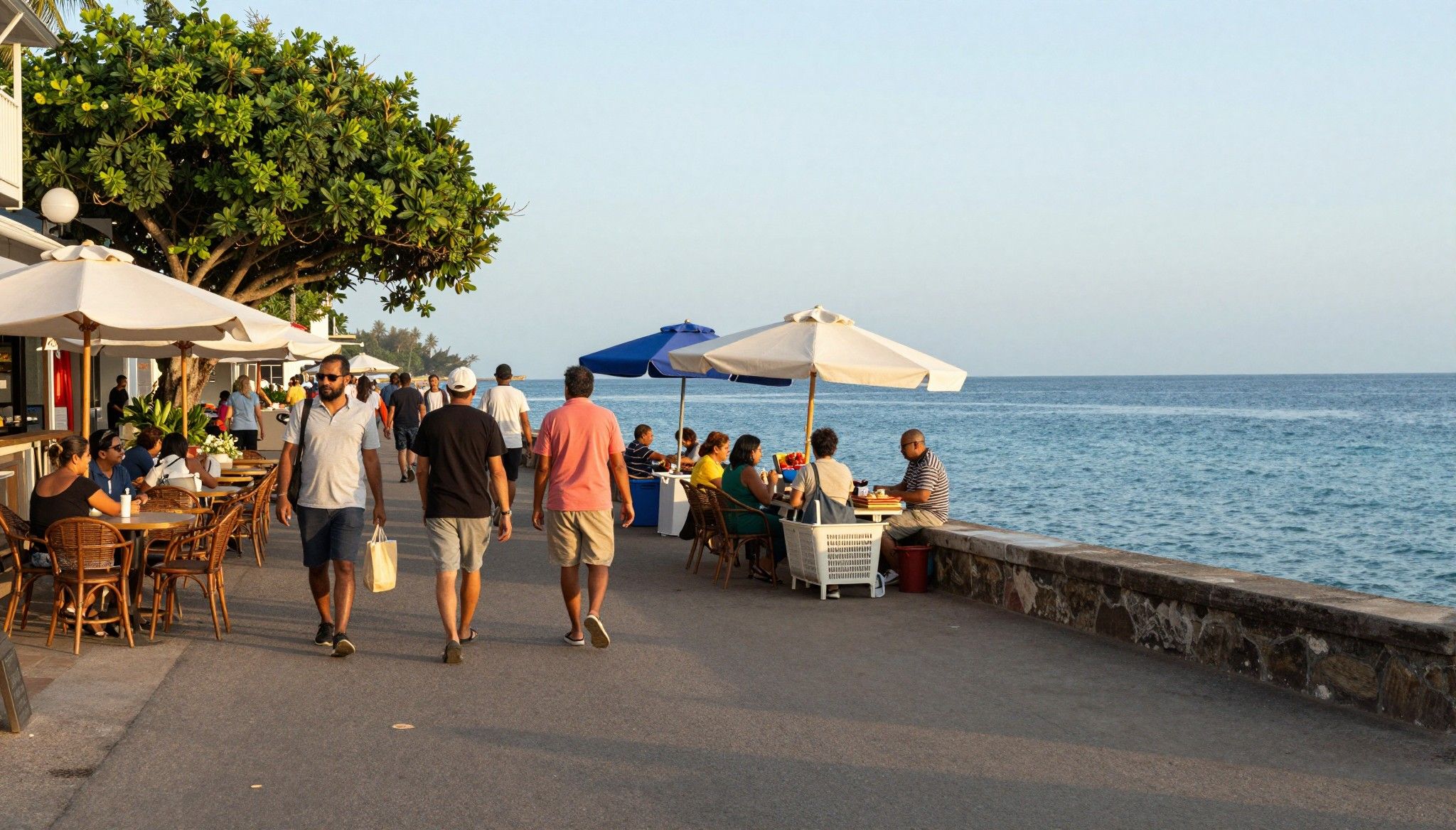
Malta’s social life happens outdoors: piazza dinners, late cafés, and weekend coastal escapes. Buyers who prioritise outdoor living—terraces, roof gardens, easy street access—find higher tenant satisfaction. Conversely, buyers seduced only by sea views learn quickly that tenants often prioritise proximity to restaurants and coworking hubs over panoramic vistas.
Long‑term sustainability: why infrastructure investment protects value
Macro indicators—strong GDP per capita, a diversified services economy and steady tourism—mean Malta’s demand base is resilient. Investments close to upgraded transport links, fibre rollouts or municipal regeneration projects typically see lower downside in corrections. For portfolio builders, that means favouring micro‑markets with measurable infrastructure pipeline rather than speculative coastal premium.
Practical steps international buyers should take now
Engage a licensed Maltese agent to map minute‑by‑minute connectivity (walk and transfer times); commission a building‑level internet and utilities check; run three scenarios for yield: conservative, base and optimistic; verify residency or permit implications for ownership and taxes; insist on recent transaction comparables rather than agent valuation alone.
Due‑diligence sequence (4 steps)
1) Confirm legal title and ownership restrictions for non‑EU buyers; 2) Obtain a building‑condition report and service‑charge history; 3) Validate rental demand with recent letting records and local property managers; 4) Stress‑test cash flow for a 12‑month seasonal cycle.
Conclusion: buy Malta’s connectivity, not just its coastline. Choose streets with reliable transport links, building fibre, and everyday services—the combination that produces predictable occupancy and steadier net yields. If you want the lifestyle, pick the neighbourhood; if you want the return, pick the connection. A local licensed agent who measures minutes, not kilometres, will be the best advisor to convert Mediterranean charm into a disciplined investment.
Danish relocation specialist who moved to Cyprus in 2018, helping Nordic clients diversify with rental yields and residency considerations.