France: Map the Lifestyle to Yield, Not the Hype
Combine France’s irresistible lifestyle with transaction-level data: map neighbourhood tempo to yield expectations, use DVF/INSEE figures and stress-test for seasonality.
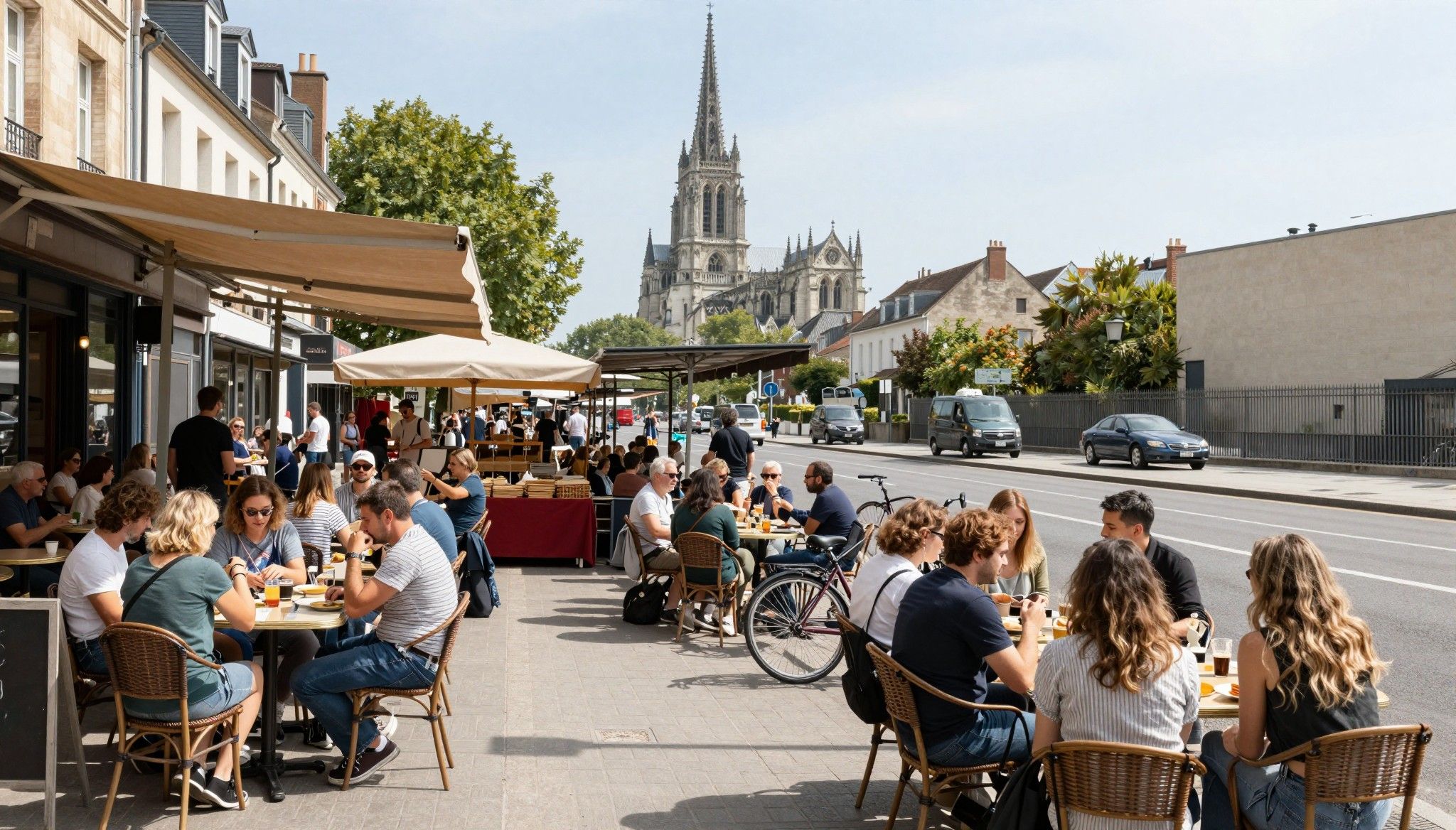
Imagine starting your morning with an espresso at a pavement table on rue Montorgueil, then walking five minutes to inspect a compact Haussmann apartment that could become a short‑let. France lives in layers: bustling arrondissements, sleepy vineyard villages, seaside promenades, and commuter belts that behave like small cities. For buyers whose decisions balance lifestyle and return, these layers matter because they map directly to price per square metre, rental demand profiles, and yield volatility. This guide blends the sensory (market mornings, marché smells, local rhythms) with hard numbers so international buyers can fall in love without losing the spreadsheet.
Living the France lifestyle — why place still drives value
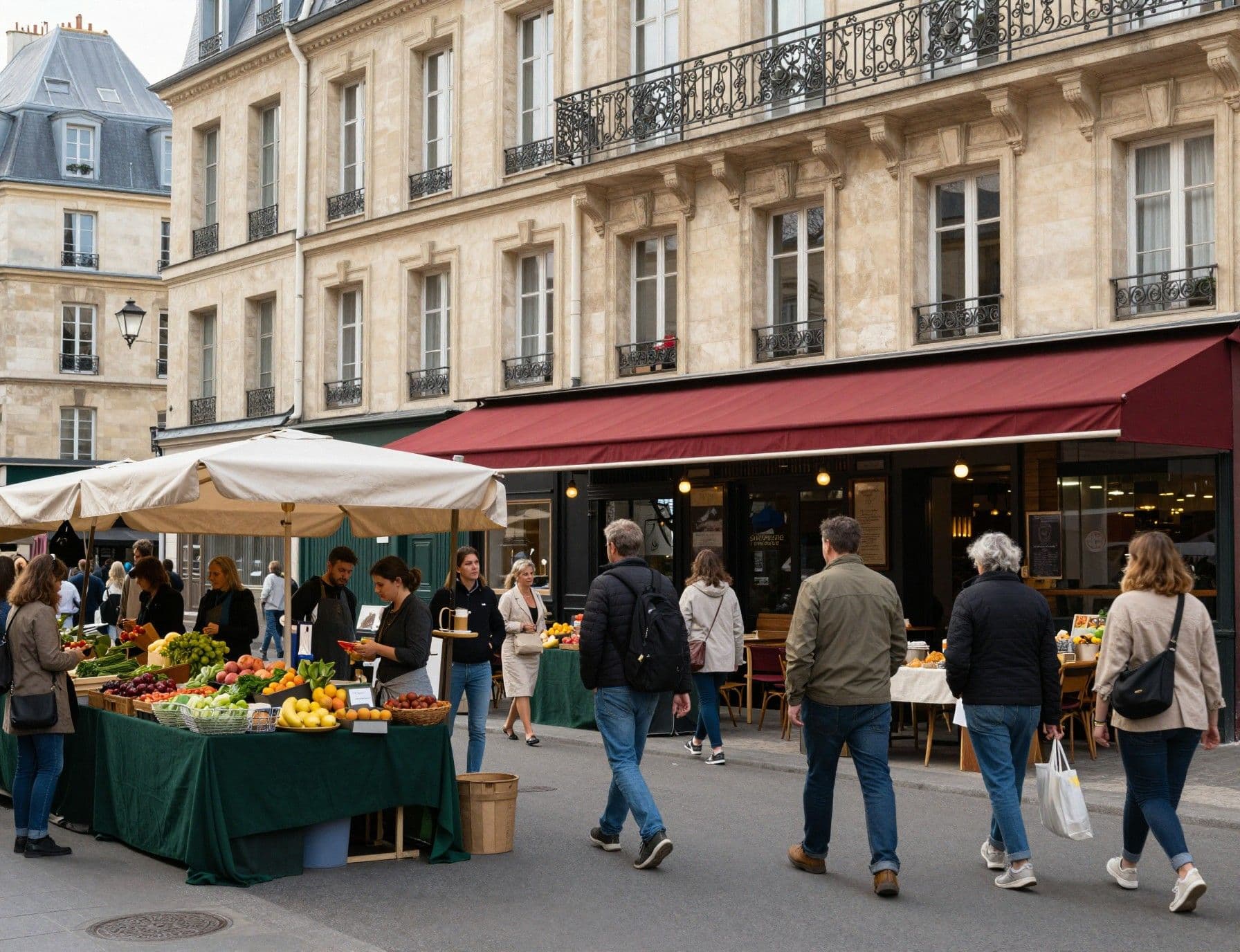
France’s daily rhythms shape what tenants want and therefore what investors can realistically achieve. In Paris, buyers chase transit‑proximate, well‑appointed one‑beds for professional tenants; on the Riviera, amenity‑rich two‑beds rent to seasonal visitors and longer‑term relocators. Inland, market towns offer larger floorplates and stronger gross yields but slower capital growth. Understanding how neighbourhood tempo aligns with tenant types is the first yield decision every buyer must make.
Paris: density, demand, and price per square metre
Paris is still the benchmark: high liquidity, constrained new supply, and the highest price per m². Official transaction datasets (DVF) and notarial summaries show median apartment prices in Paris often exceed €9,000–€10,000/m² in central arrondissements, which compresses gross yields. For an investor, that means accepting lower gross yields (often ~2.5–3.5% in central Paris) but far lower vacancy risk and strong long‑term capital resilience.
Provence & Côte d'Azur: seasonality and mixed returns
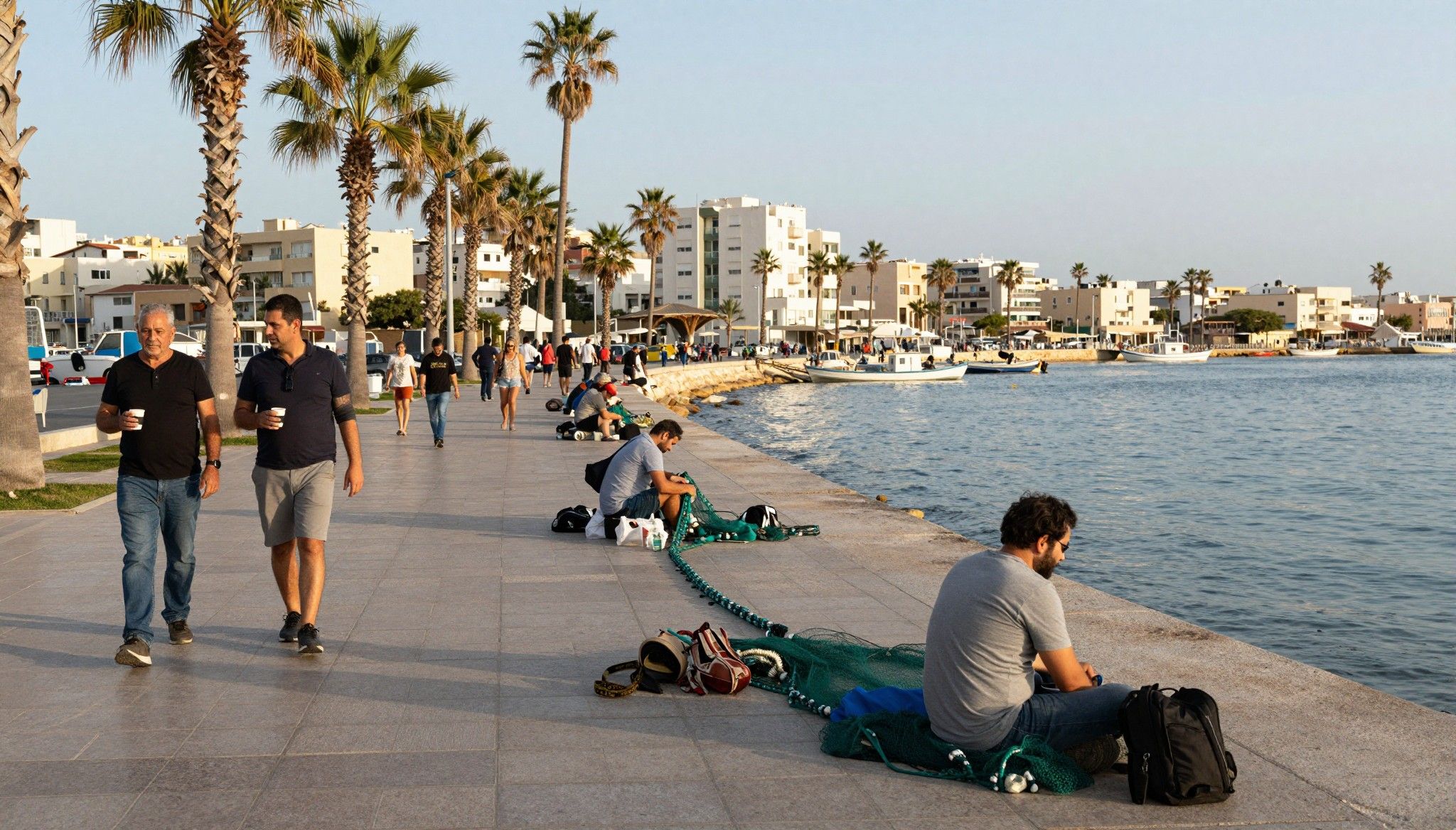
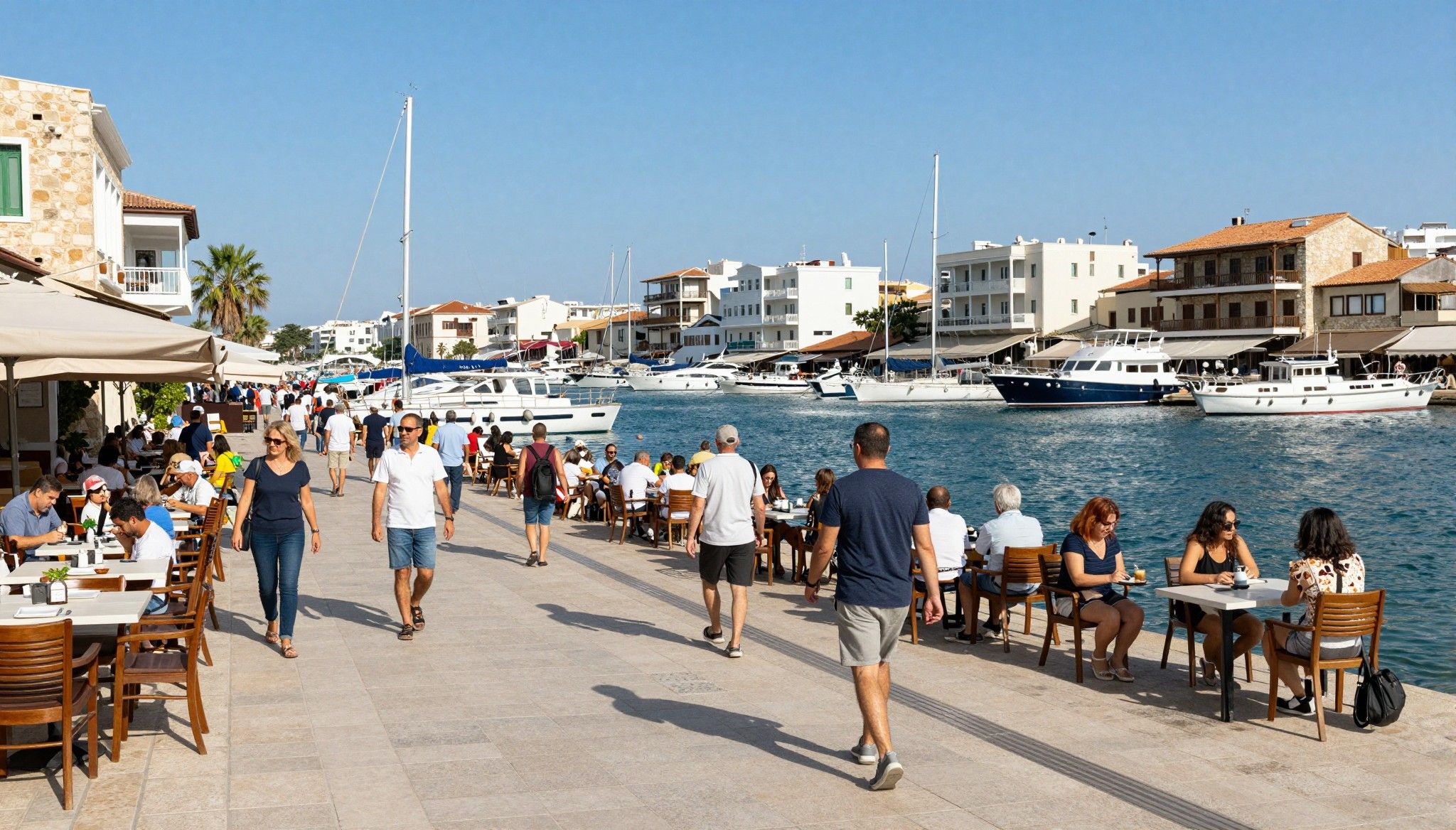
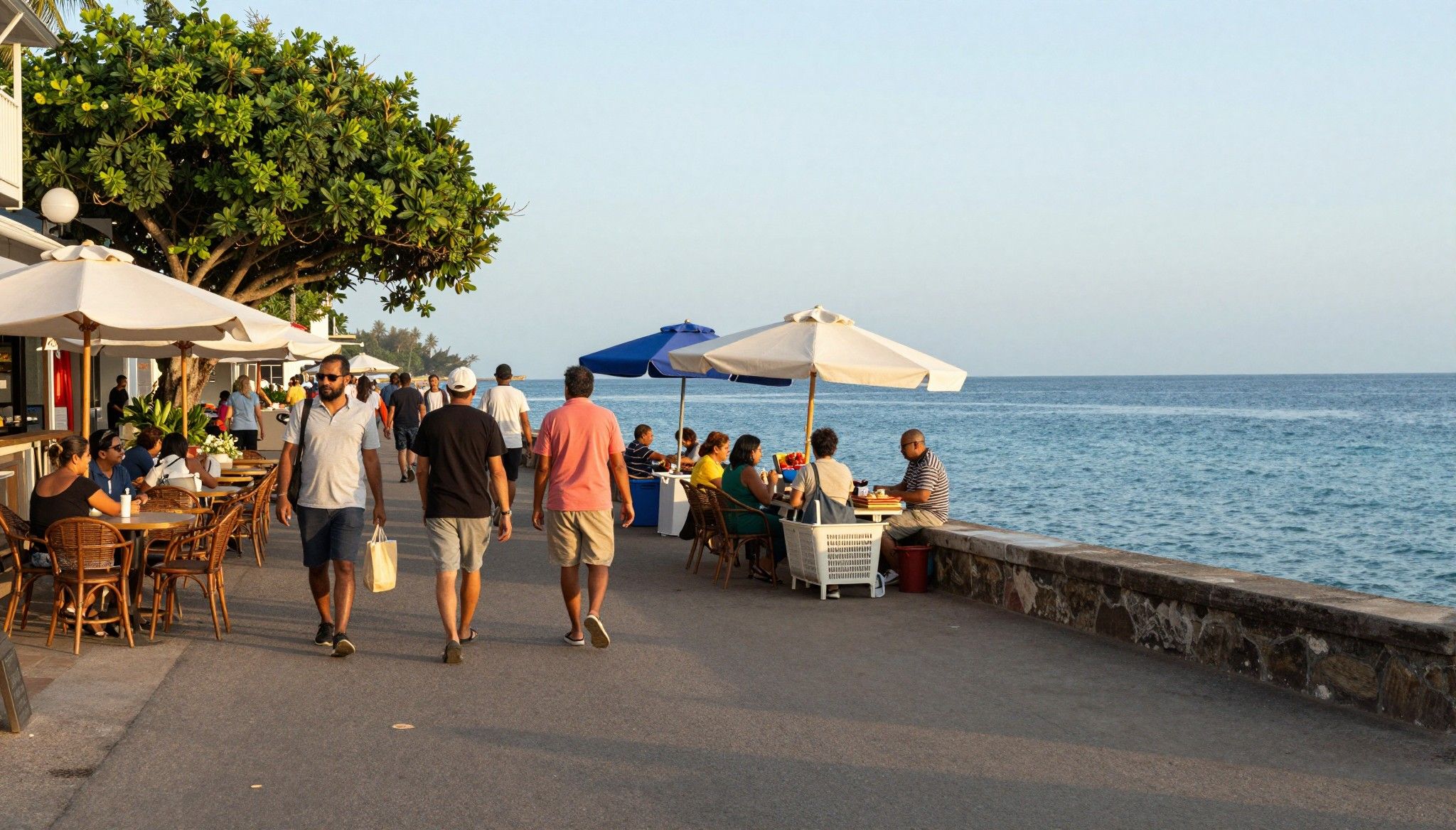
The Riviera sells a lifestyle first and an income stream second. Coastal towns like Nice or Antibes deliver rental spikes in summer and attractive short‑let premiums, but they require active management and higher operating costs. Year‑round rental demand exists in larger resort hubs; smaller villages deliver better gross yields but fluctuate with tourism cycles. Factor seasonality into net yield forecasts rather than headline rents.
Making the move: translate lifestyle into numbers
France’s national data shows national price stabilisation after the 2023–24 correction, but region‑by‑region stories differ. INSEE reported near‑flat national prices in late 2024 while local notarial sources indicate metropolitan rebounds in 2025 for several large cities. International buyers should combine national trend reads with local transaction‑level data to avoid paying metropolitan premiums where yield profiles don’t support them.
Property types and their yield profiles
Historic apartments (pre‑WWII Haussmannian flats) command price per m² premiums and maintenance obligations that lower net returns, but they attract stable long‑term tenants and higher capital‑preservation potential. New‑build (NF / BBC standard) typically yields lower gross returns but benefits from lower maintenance and tax incentives in some cases. Houses in provincial towns often show the best gross yields but require active property management and have slower capital appreciation.
- Practical steps to align lifestyle with yield
1. Map tenant profiles: work out whether your demand will be short‑let tourists, corporate long‑lets, students, or local families. 2. Price per m² test: pull recent DVF/notarial sales in the exact arrondissement or commune, not the region aggregate. 3. Run a net yield model that includes local taxes, realistic vacancy, and professional management fees. 4. Stress test for seasonality: model occupancy at 60–70% for tourist areas outside peak months.
Insider knowledge: what expats wish they’d known
Expats often misread French markets by treating the country as homogeneous. In reality, you’ll find a France of two speeds — tight, expensive urban cores and affordable peripheral towns where yields can be materially higher. Local market knowledge matters: the 'cheap suburb' next to a commuter rail node can outperform an expensive seaside town where occupancy is seasonal and management costs high. Talk to brokers who transact in the micro‑areas you target and ask for DVF or notaire sales extracts.
Cultural and operational realities that affect returns
Local rental regulations (rent caps, holiday rental restrictions) vary by municipality; language and French tenancy law make eviction and contract enforcement slower than in some common law jurisdictions; management costs for short‑lets in tourist hubs can halve your headline yield if not modelled correctly.
Long‑term lifestyle + portfolio considerations
If your plan mixes lifestyle use and rental income, prioritise flexibility: choose properties that suit both short stays and year‑round tenants, or buy two different assets. Use conservative cap rate assumptions (targeting net yields after costs of 3–5% outside Paris for good provincial play, 1.5–3.5% for core Paris). Rebalance with regional diversification to avoid being overexposed to seasonality or single‑city regulatory shifts.
Lifestyle highlights (where to immerse yourself while evaluating markets): 1) Morning at Marché des Enfants Rouges, Paris — check local studio rental demand nearby; 2) Afternoon on Plage de la Côte des Basques, Biarritz — test summer vs. off‑season bookings; 3) Wine tasting in Médoc villages — inspect family houses and rental appeal; 4) Sunday marché in Aix‑en‑Provence — good proxy for year‑round expat community strength.
Conclusion: fall in love, but buy like an analyst. Let the sensory rhythms of rue, marché and plage inform the types of tenants you target, then validate those preferences with DVF/notarial sales, INSEE national trends, and local rental data. Work with agents who provide transaction extracts and run net yield models incorporating vacancy, management, municipal rules, and seasonality. If you do that, France can deliver a balanced blend of timeless lifestyle and defensible returns.
Norwegian market analyst who relocated from Oslo to Mallorca in 2016, guiding Northern buyers through regulatory risk, currency hedging, and rentability.