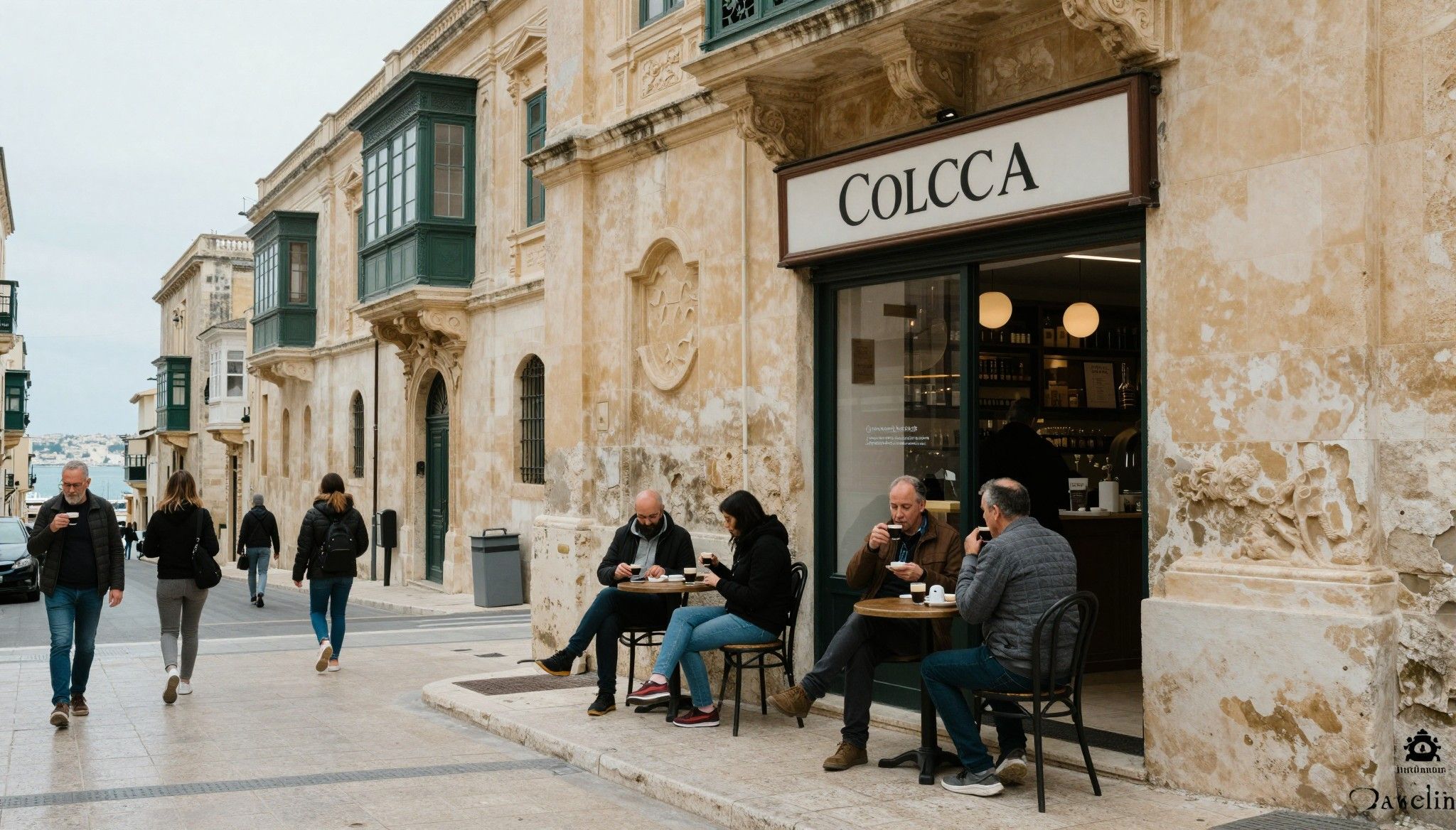
Malta: Lifestyle First, Spreadsheet Second
Malta compresses Mediterranean life into a compact investment market: expect modest gross yields, strong occupancy, and renovation-driven value in historic cores.
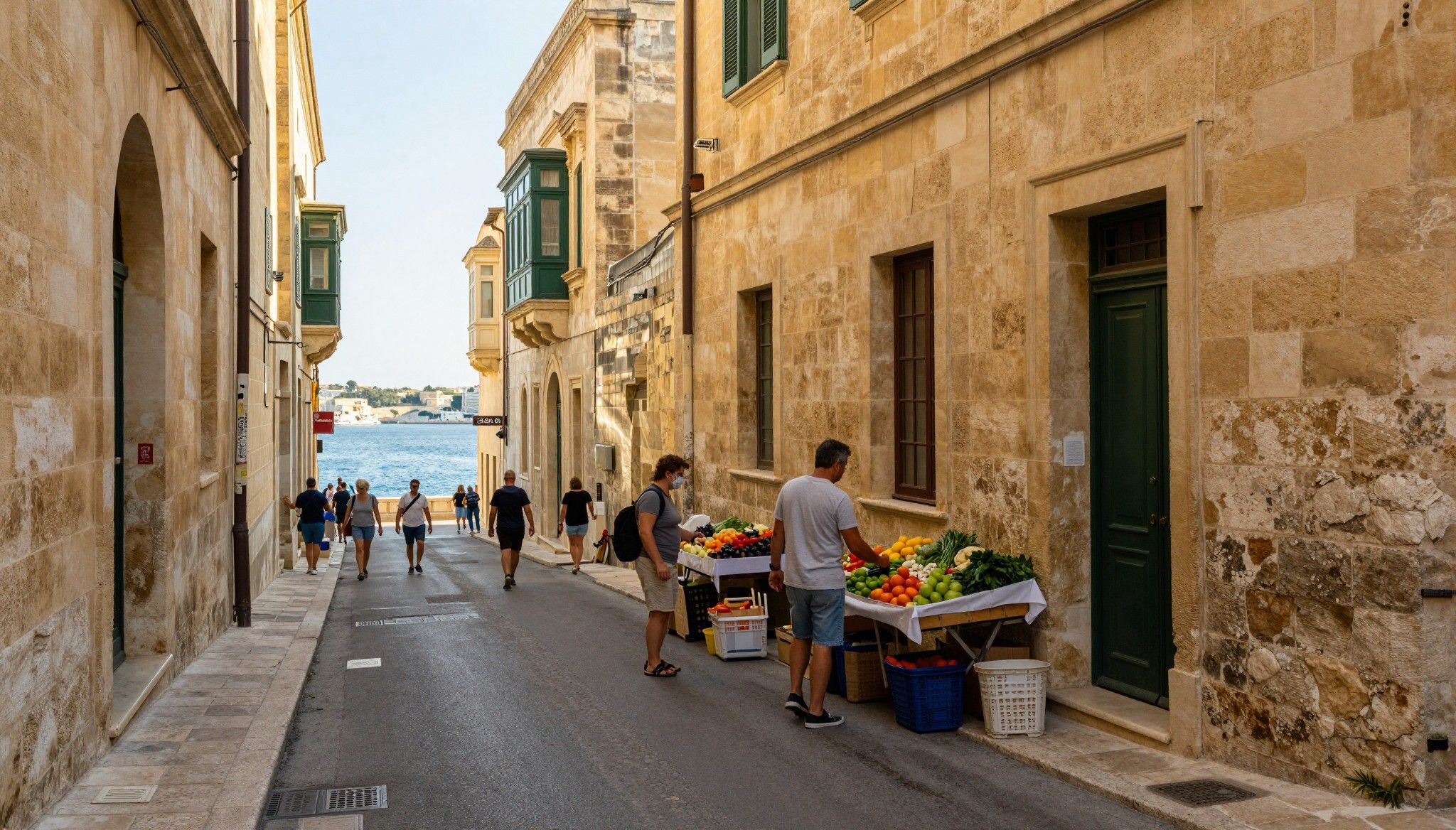
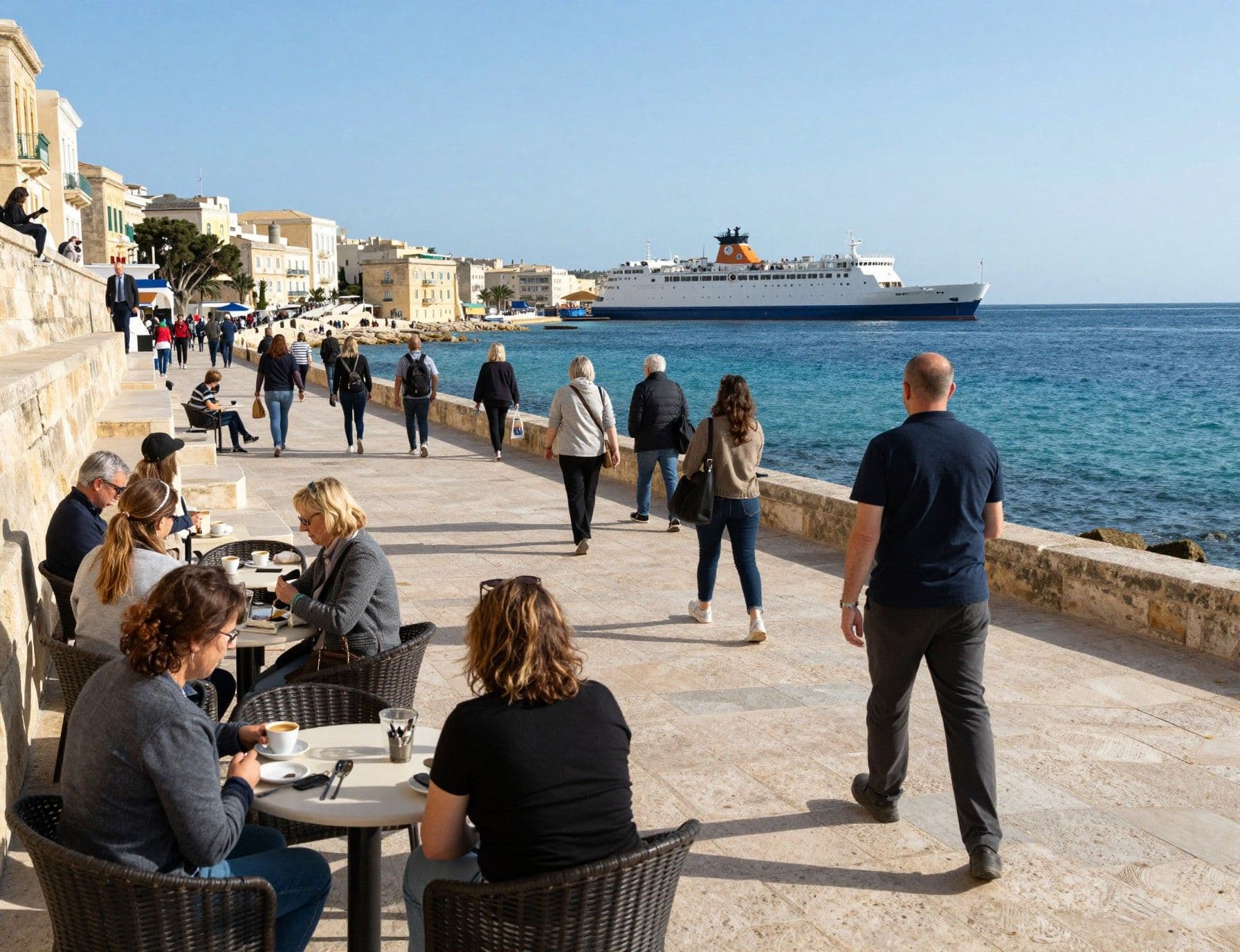
Imagine stepping off a ten-minute ferry into Sliema at 8 a.m., espresso in hand, the promenade humming and limestone façades catching the low sun — then returning home after work to a narrow Valletta street where history feels tactile underfoot. Malta compresses Mediterranean life into an island-sized daily rhythm: morning markets, late dinners, and neighbourhoods that change personality by the hour. For international buyers the island’s compactness is an advantage and a constraint — everything feels close, which concentrates rental demand but also concentrates risk. This piece blends the lived, sensory Malta with hard market signals so you can fall for the place and still buy with your spreadsheet at hand.
Living the Malta Life
Day-to-day life in Malta is spatially intimate and public. Streets are small, neighbourhood cafés double as social infrastructure, and the sea is rarely more than a 20–30 minute trip from most pockets of demand. English is an official language, which flattens the integration curve for many buyers and tenants, while a steady stream of EU and UK expats has created micro-markets in Sliema, St. Julian’s and Valletta. The island’s year-round tourism underpins short- and mid-term rental markets, but local rhythms — siesta-like slow afternoons in August, lively festas on summer evenings — shape when properties show best and which tenants rent long-term.
Sliema & Tigné: Promenade living with steady demand
Sliema combines walkable seafront living with the highest concentration of full-time rental demand on the island. Developers keep adding apartment stock around Tigné and Tower Road, so investors see consistent turnover but must accept construction risk and high price per square metre. Expect strong year-round occupancy for well-located one- and two-bedroom apartments aimed at professionals and longer-stay tourists. For lifestyle buyers Sliema delivers cafés, ferries to Valletta and a compact urban feel; for yield-seeking investors it offers predictable short-let performance with modest gross yields compared with smaller inland towns.
Valletta & The Three Cities: Character, scarcity, and premium
Valletta and the Three Cities are where Malta’s historic fabric meets scarcity. Restored townhouses and boutique apartments command premiums because supply is limited and UNESCO-protected streets resist large-scale development. Lifestyle here is intimate: evening passeggiata on Republic Street, small restaurants, and direct harbour views. Investors should expect slower supply turnover and potentially higher capital appreciation, but remember that older stock often requires renovation and has different running costs than modern developments.
- Lifestyle highlights: Sliema promenade, Valletta’s open-air theatres, Mellieħa Bay for weekend swimming, Marsaxlokk fish market on Sundays, Pjazza San Ġorġ in St. Julian’s for nightlife, and Gozo’s slower pace for country homes.
Making the Move: Practical Considerations
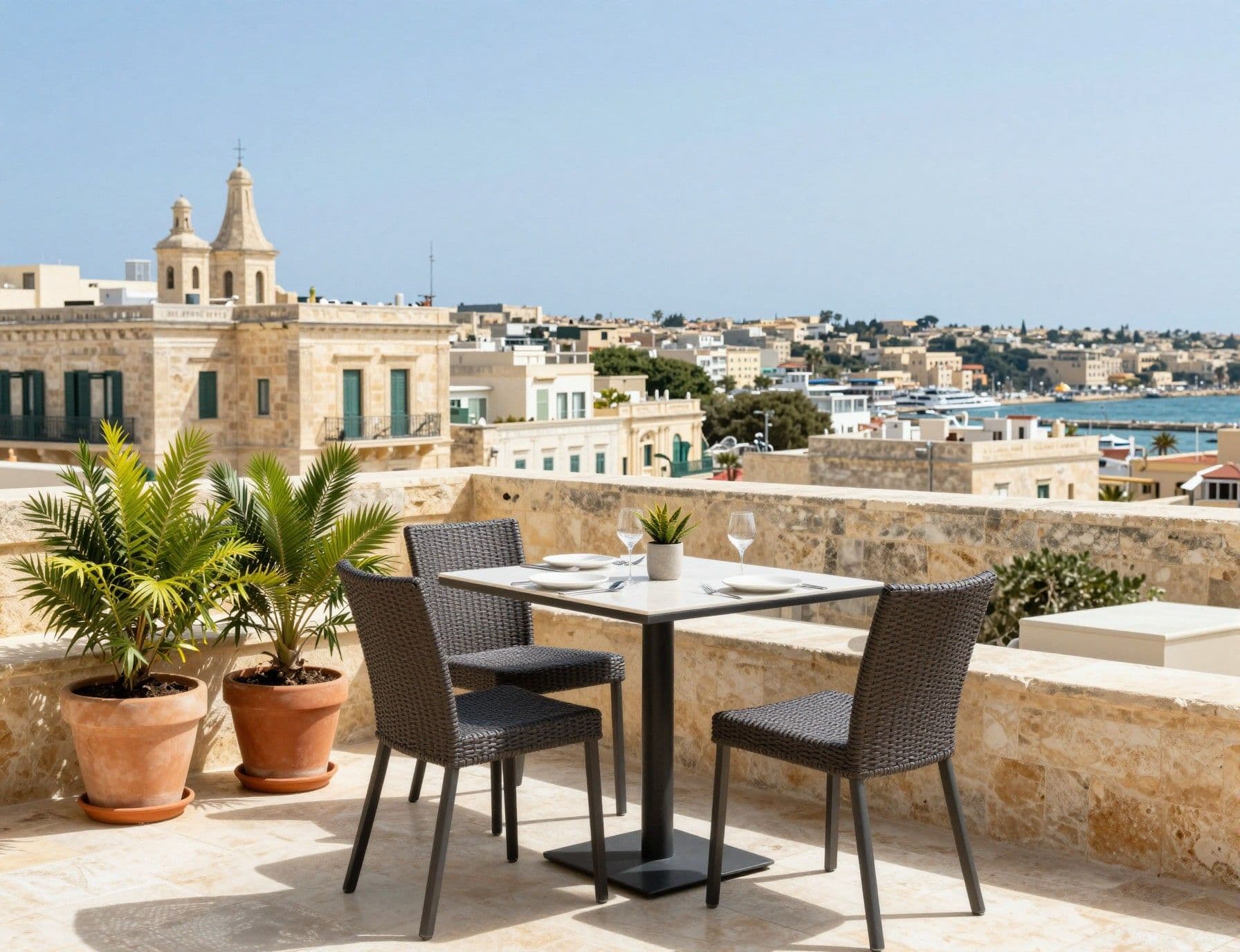
Malta’s residential price index has recorded steady increases over recent years, reflecting limited land supply and strong demand fundamentals. Government statistics show apartment prices and maisonette prices rising through 2024–2025, which tightens entry points for investors seeking immediate yield. Tightening monetary conditions across Europe have slowed rapid price growth, but Malta’s structural demand — tourism, services, and a compact housing stock — keeps occupancy high. Before committing, quantify total cost of ownership (purchase price, renovations, property management, and vacancy buffers) rather than focusing only on headline price per square metre.
Property styles and what they mean for living
Malta’s stock ranges from modern seafront apartments to classic limestone townhouses and village maisonettes. New-builds offer lower immediate maintenance and easier short-let compliance; historic conversions give character but often require structural and services upgrades. If you prioritise year-round rental income, favour central Sliema or St. Julian’s apartments sized for professionals. If capital growth and scarcity are your goal, consider Valletta restoration projects or tightly held Three Cities properties — but budget conservatively for renovations and compliance.
Working with local experts who know the lifestyle
- 1. Hire a Malta-licensed notary and lawyer early to confirm transfer taxes, restrictions, and residency implications. 2. Use a management firm that handles regulatory short-let requirements and seasonal turnover. 3. Obtain a local surveyor’s condition report for older buildings to estimate renovation costs. 4. Talk to agencies with on-the-ground market data for the exact street you want, not just town-level averages. 5. Always stress-test rental assumptions across low, mid, and high seasons when modelling yields.
Insider Knowledge: What Expats Wish They'd Known
Experienced expats will tell you the island’s small scale concentrates both pleasures and problems. Noise, on-street parking, and construction are daily realities in popular towns; conversely, proximity to services often substitutes for space. Gross yields are modest by broader Europe standards — recent data puts average gross rental yield under 4% — meaning Malta is often a capital-growth play with income as a secondary return stream. That reality should change how you size an investment in a diversified portfolio.
Cultural integration and practical social tips
Maltese social life is neighbourhood-based: join a local festa committee, learn a few Maltese phrases, and frequent the corner café to build a community. English will get you through official processes, but neighbourhood etiquette — speaking softly in narrow streets after midnight, understanding festa schedules, and respecting church-related closures — smooths everyday life. For buyers planning to live in Malta long-term, prioritise a neighbourhood where you can see yourself joining local routines, not just one that looks good in photos.
Long-term lifestyle and portfolio fit
- Key long-term considerations: • Diversify by type: mix a tourist-friendly apartment with a longer-let family home inland. • Factor in seasonality: model 30–40% lower occupancy in off-peak months for short-lets. • Expect renovation needs in historic cores; budget 10–20% of purchase for medium restorations. • Use local management to reduce vacancy and maintain regulatory compliance. • Reassess tax residency and double-tax treaty implications with a cross-border tax adviser.
Malta seduces with immediacy: compact distances, warm seas, and streets that reward exploration. But for the investor-minded buyer the island asks for sober modelling — modest gross yields, concentrated supply risk, and renovation-led value creation in historic cores. Start with a lifestyle brief (what life you want) and translate it into a financial brief (target net yield, acceptable renovation cap, diversification role in your portfolio). Then sit with a Malta-based lawyer, a surveyor, and a manager who can test your assumptions against real-season occupancy curves.
If Malta feels right, take these next steps: view properties across at least two towns to understand micro-market differences, commission a pre-purchase condition report, model three rental scenarios (optimistic, base, pessimistic), and lock in local professional partners before making offers. The island’s charm is real; pairing it with disciplined due diligence turns affection into a defensible investment.
Swedish financier who guided 150+ families to Spanish title deeds since relocating from Stockholm in 2012, focusing on legal and tax implications.