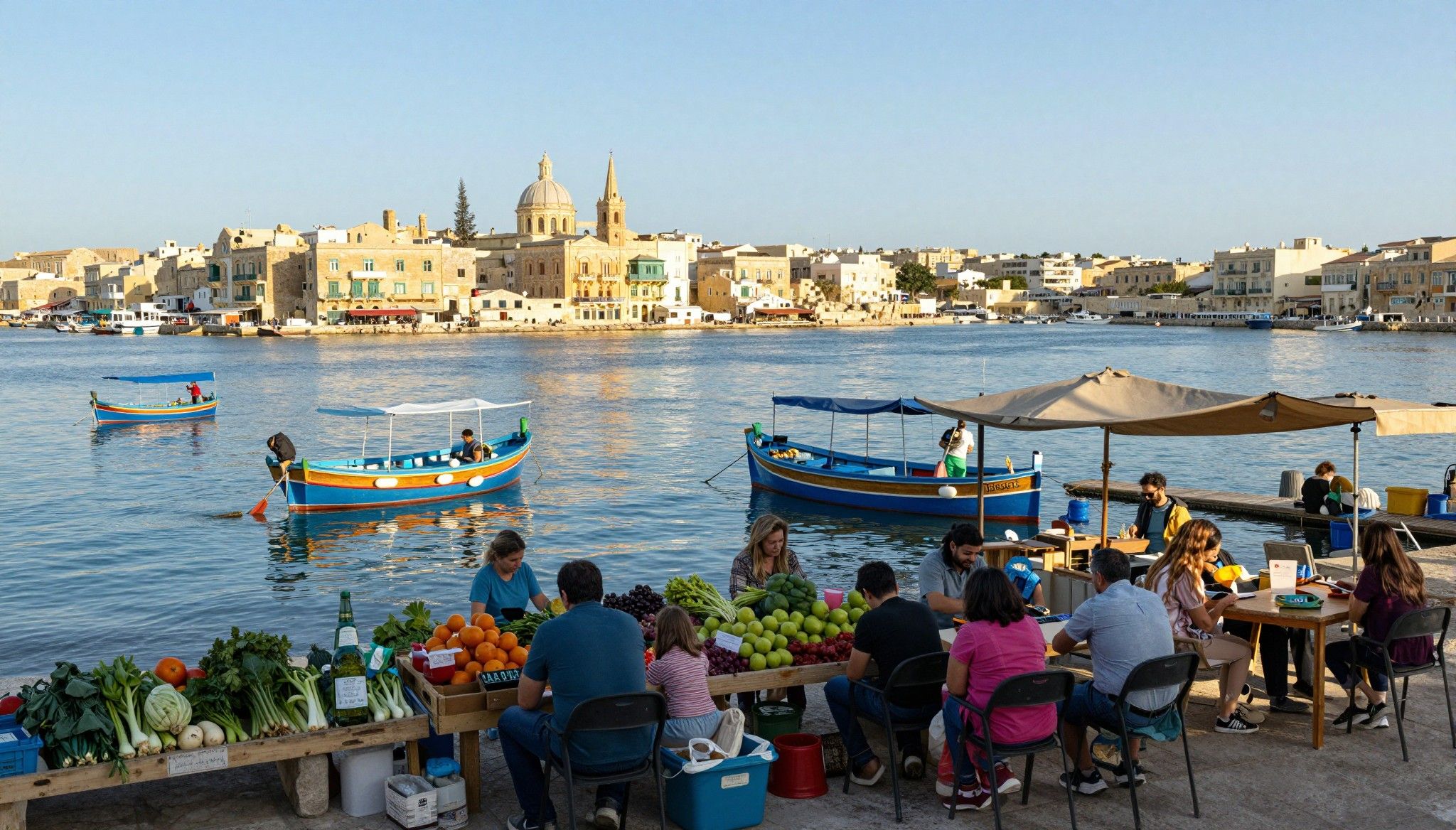
When Cyprus Rules Reprice Short‑Term Yields
Cyprus’s lifestyle appeal remains strong — but short‑term rental registration, investor permit tightening and transaction reforms now reshape realistic yields.
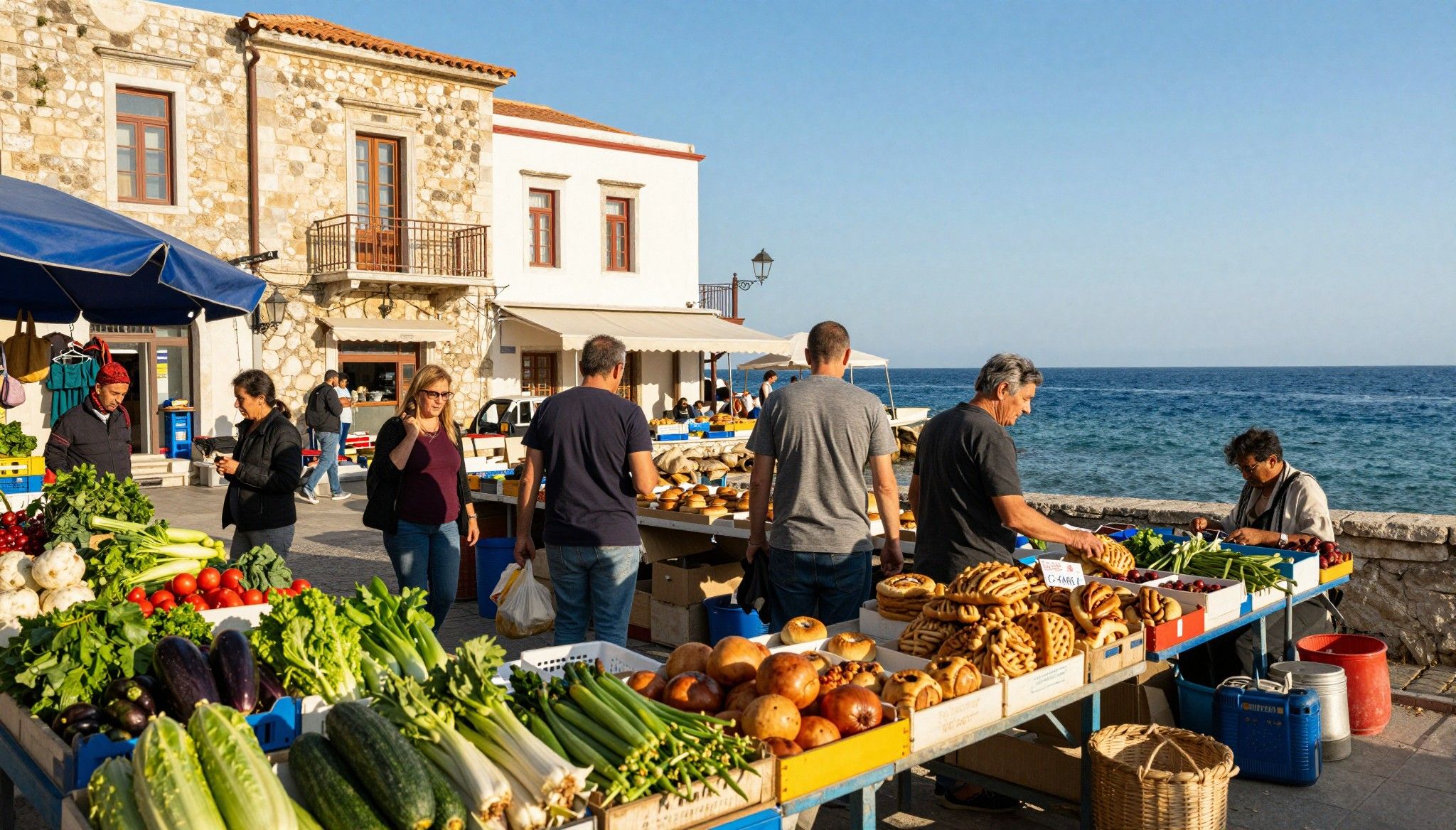
Imagine waking to the sound of church bells in Larnaca, then walking to a waterfront café to sip strong espresso while neighbours deliver fresh bread. Cyprus is small enough that a morning can move from mountain village to beachside promenade, and that compactness shows up in the market: local lifestyle rhythms directly shape rental demand, regulation and returns. This guide explains the regulatory shifts that quietly reprice yields — and the lifestyle trade-offs international buyers rarely see until after their first summer.
Living Cyprus: neighborhood rhythms that matter to investors
Cyprus's daily life is a variable that investors too often treat as background data. In Limassol you hear English at tech cafés and see serviced-apartment demand from corporate relocations; in Paphos the coastline attracts long-season holiday stays; the Troodos foothills offer a calm domestic rental market for Cypriot families. Those lifestyle patterns — tourism seasonality, expat clusters, weekday commuting flows — determine occupancy rates more than headline price-per-m2 numbers.
Larnaca & Finikoudes: seaside mornings, steady long-let demand
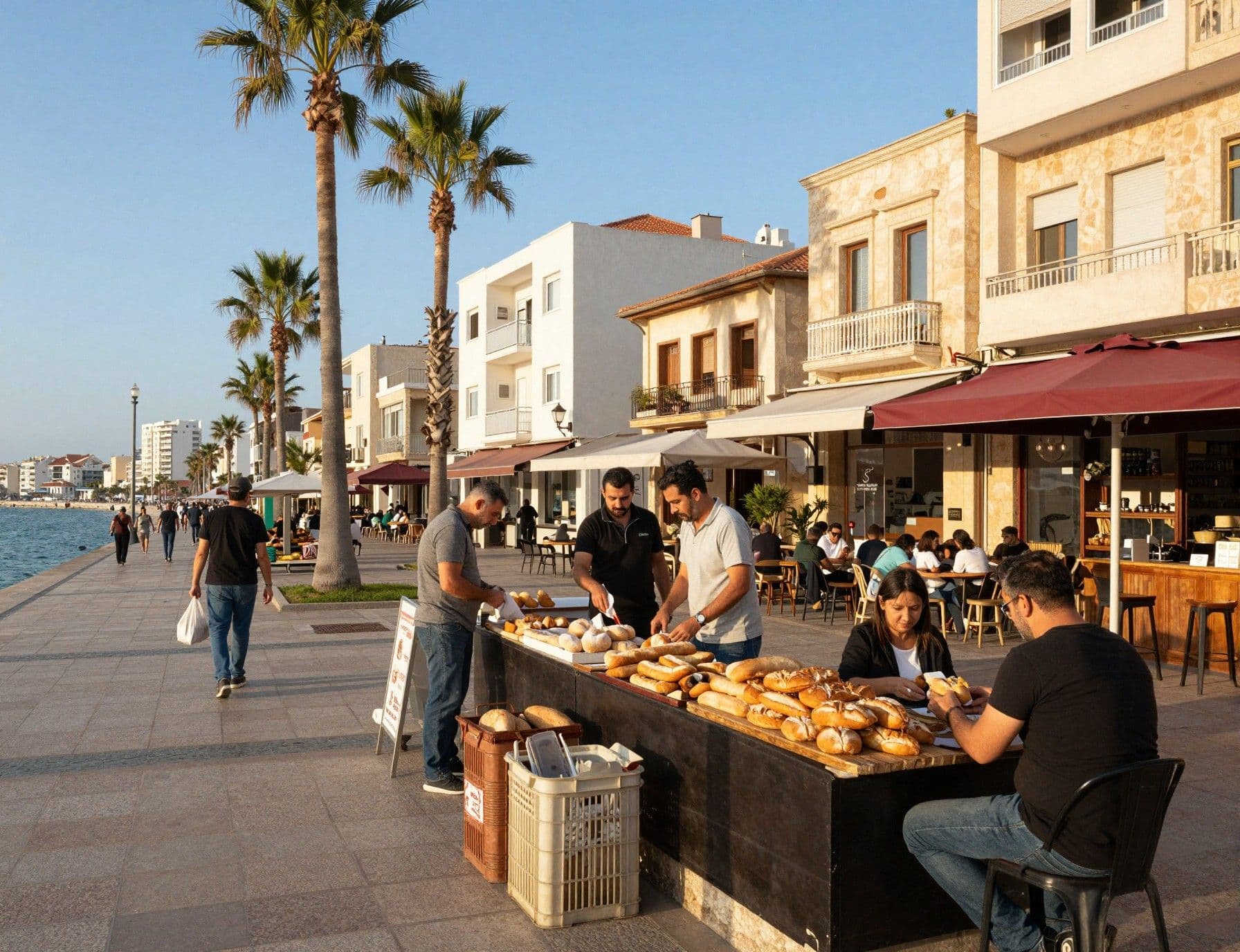
Picture Finikoudes promenade before 09:00: fishermen, early-rising cafés, and rental listings that perform well for medium-term tenants (six months+). These streets produce consistent gross yields for buy‑to‑let investors because local employers, airport connectivity and bilingual schools sustain year‑round demand — a counterweight to the island’s summer peaks.
Limassol Marina & Old Port: corporate influx vs. tourism churn
Limassol blends high-end apartments with frequent short-stay turnover. If you target corporate relocations, you’ll prioritise proximity to the financial district and co‑working nodes; if you chase tourist premiums, you must accept stricter short-term rental oversight and seasonality that can hollow occupancy in shoulder months.
- Lifestyle highlights that affect returns: Finikoudes cafés (long-let demand), Limassol Marina (corporate tenants), Paphos Old Town (holiday flats), Nicosia Aglantzia (student rentals), Polis Chrysochous beaches (boutique seasonal lets), Troodos villages (stable domestic market).
Making the move: how regulatory change reweights yield expectations

Lifestyle sells the dream; regulation defines the spreadsheet. Three regulatory themes have changed how Cyprus yields behave: tighter short-term rental controls and registration, adjustments to immigration/investor permit criteria, and revisions to transaction taxes and fees. Each shifts the risk profile for holiday lets versus long-lets and for buyers who plan to use residency links as part of their investment case.
Short-term rentals: registration, safety and taxation
Since 2023 Cyprus requires STR (short-term rental) registration and clearer tax treatment for platform income, and authorities have been actively enforcing compliance. That means units previously operating off‑grid — boosting apparent holiday yields — face fines or registration costs, and hosts must treat the activity as business income if it’s recurrent. The net effect: headline gross yields for unregistered holiday flats have been overstated and are contracting toward regulated-market norms.
Residency-by-investment: tighter screening, clearer asset tests
The Cypriot government revised fast‑track immigration permit criteria in 2023 with an emphasis on verifiable investment substance. Buyers who factored easy residency into valuation models should revisit assumptions: eligibility requirements now stress property size, source-of-funds documentation and complementary investments, reducing the speculative premium once paid for so-called ‘golden visa’ properties.
- Transaction-cost changes that alter holding economics: stamp duty abolition (effective 2026 in recent reforms), persistent transfer-fee bands (3–8% before discounts), and mortgage registration fees — these move both acquisition costs and net yields. Lower stamp duty compresses upfront cost but also affects short-term capital allocation decisions.
Insider knowledge: practical steps that preserve lifestyle value and yield
I recommend treating Cyprus purchases as two parallel problems: capture the lifestyle that attracts tenants and model how regulation will reprice that lifestyle into cashflow. Do not assume high summer rates are sustainable once registration, VAT, and business classification are enforced. Instead, stress-test returns under regulated occupancy and plan for a mixed revenue model.
Property types and the regulator’s lens
New-build seafront apartments can command premium short-season rates but attract stricter safety and VAT rules; older townhouses in Nicosia deliver stable long-let returns and lower compliance overhead. Match the property type to the licence risk you’re willing to carry, and treat potential STR classification as an operational business decision, not a simple supplement to rent.
How local experts change outcomes
- Engage specialists who do three things: (1) audit whether a unit qualifies as principal residence or commercial accommodation under current rules; (2) quantify VAT exposure and likely tax classification for recurring short lets; (3) check recent changes in investor‑permit criteria that affect buyer profiles and resale pools.
- Practical tips for balancing lifestyle and returns: • Insist on STR registration number before purchase when buying tourist‑oriented flats. • Insure conservative occupancy (60–70% annual) when modelling yields for coastal towns. • Price in one-off compliance costs (safety equipment, registration, possible VAT) of €2–€6k per unit. • Use local management that can convert long‑lets to short lets compliantly during peak months. • Re-run residency-based valuation only after checking the buyer‑permit criteria and current policy notices.
What expats wish they’d known
Expats tell a common story: they bought a holiday flat drawn by summer income but underestimated the administrative load of running a regulated short‑stay unit. The end result is either lower net yield after compliance or an operational pivot to longer leases that better match local demand.
- A 4-step due-diligence checklist before signing: 1) Verify the property’s STR registration history and current status. 2) Request recent utility and occupancy records to estimate realistic yield. 3) Obtain written counsel on VAT and income‑tax exposure for the intended letting pattern. 4) Confirm if the property’s characteristics meet current investor‑permit or residency criteria.
Conclusion: Cyprus sells a life — and the regulations are simply price tags attached to that life. If you prize seaside mornings and compact island mobility, plan acquisitions around regulated, sustainable income streams rather than the illusion of unregulated summer yields. Work with local tax counsel, insist on documented registration and occupancy history, and treat every tourist‑facing property as a small business that must clear regulatory hurdles.
Swedish financier who guided 150+ families to Spanish title deeds since relocating from Stockholm in 2012, focusing on legal and tax implications.