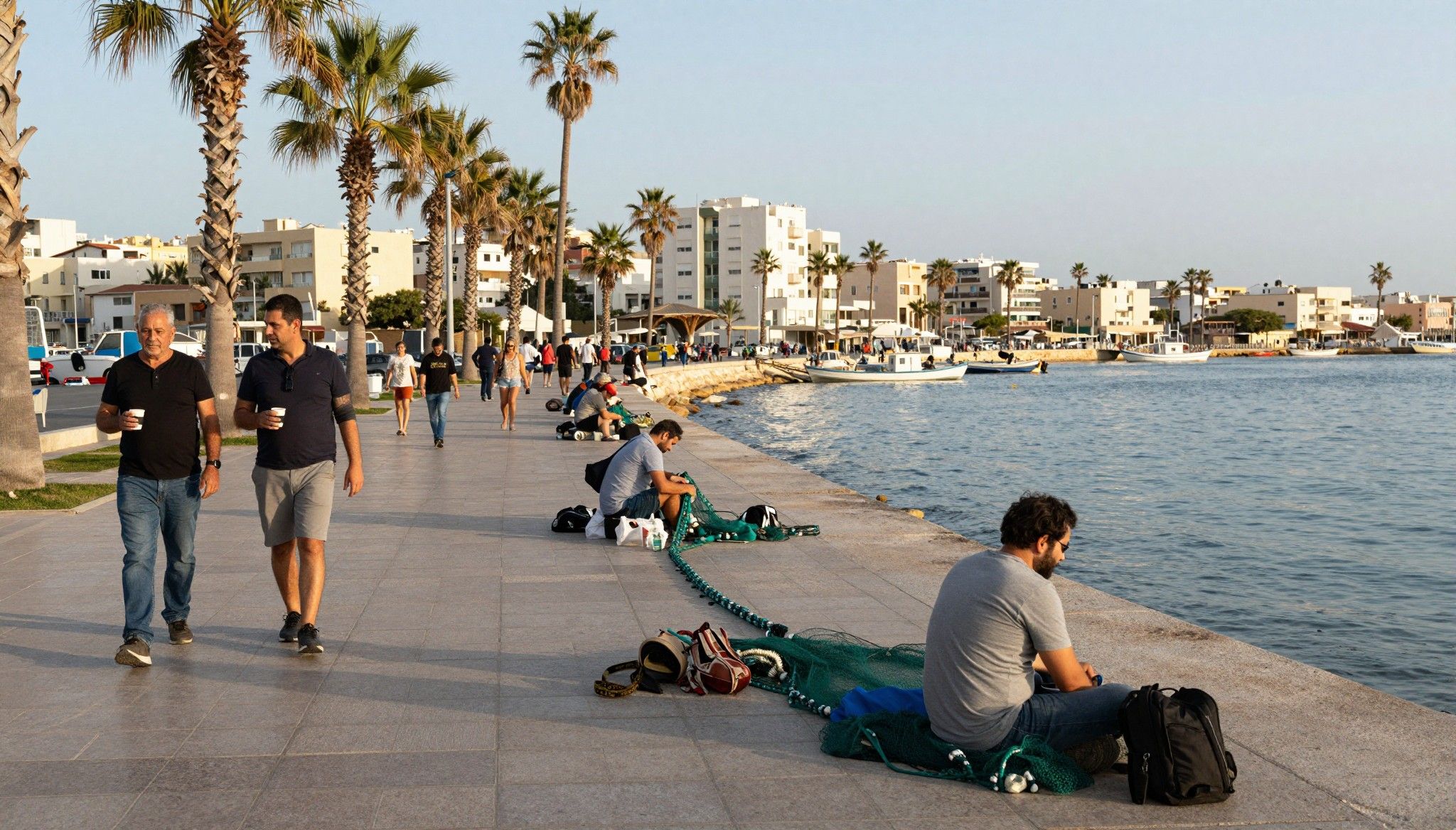
Italy’s Hidden Rental Yields: Street‑Level Opportunities
Italy’s romance masks rental pockets. Map lifestyle anchors — markets, transport links, university belts — to local rent-per-sqm and you’ll find yield opportunities overlooked by tourists and hype.
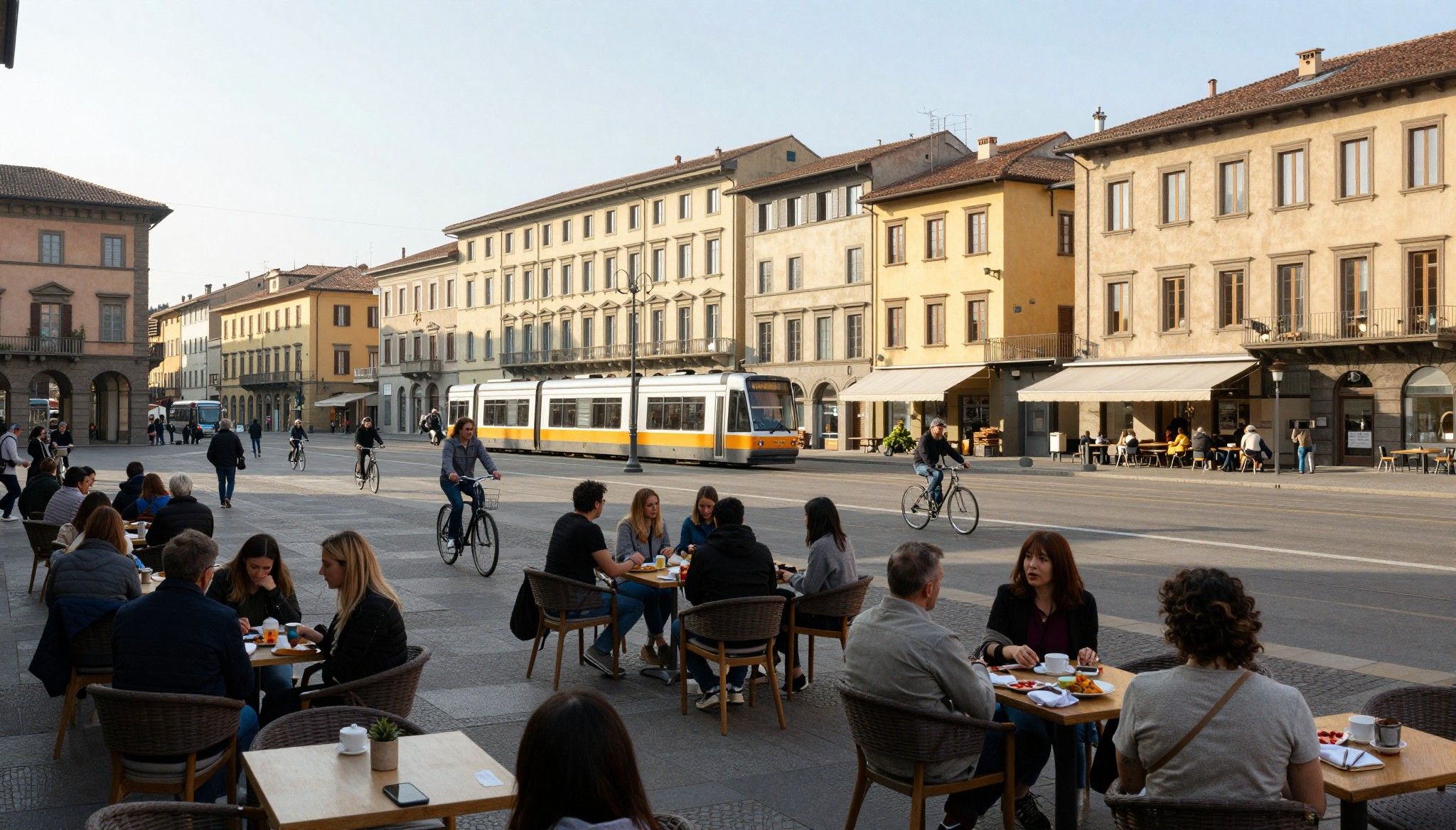
Imagine sipping espresso at a tiny bar on Via dei Coronari in Rome at 9am, then walking to a compact apartment you own that consistently rents to professionals on short contracts. Italy often wears the label "low-yield, romance-first" — but beneath cobbled streets and vineyard vistas are neighbourhoods producing steady rental returns for buyers who think like investors, not tourists.
Living the Italy lifestyle

Italy’s daily rhythm is obvious: café culture at dawn, neighbourhood markets mid-morning, late lunches and passeggiata in the evening. This pattern shapes rental demand — from compact central apartments in university towns to multi-bedroom homes near train links — and is supported by demographic shifts: a stable cohort of young workers in cities and about five million foreign residents who add rental pool diversity. (See ISTAT data for population trends and regional breakdowns.)
Where locals actually live: neighbourhood snapshots
In Milan, areas like Isola and Lambrate combine coworking, transit access and steady long-term rentals for professionals. Florence’s Oltrarno keeps residents year-round with artisan workshops and close-in rentals. Coastal pockets — think Levanto (Liguria) rather than Cinque Terre’s tourist strip — host year-round tenants who value train access and local services. Naming streets matters: buyers who look beyond 'historic centre' to the blocks where residents shop, commute and live find better yields.
Food, markets and the weekly rhythm that fills flats
Markets pulsate around lifestyle anchors: morning mercato stalls, aperitivo streets, and midweek university lectures. These make small apartments attractive to young tenants and digital nomads. Nomisma’s recent market observatories note rising rental demand in peripheral but connected neighbourhoods as tenants trade central glamour for space and value — a trend that re-routes investor attention to formerly overlooked boroughs.
- Lifestyle highlights that drive rental demand - Morning markets: Campo de' Fiori (Rome), Mercato Centrale (Florence) - Coworking & cafés: Isola (Milan), Navigli fringe - Train-linked towns: Levanto (Liguria), Pistoia (Tuscany) - University belts: Bologna Centro, Padova Prato della Valle - Coastal communities with year-round services: Bari district suburbs, Gaeta
Making the move: practical considerations

Lifestyle is the hook; numbers are the engine. Average asking rent per square metre has edged up in recent data, reflecting stronger tenant demand in 2025–2026. Buyers should translate local atmosphere into measurable indicators: price per sqm, average monthly rent, vacancy rates, and transport catchment. Immobiliare.it’s market overview is a reliable starting point for current asking-rent and price trends by city and neighbourhood.
Property styles and how they cash flow
Studio and one-bedroom apartments near universities and metro lines typically produce higher gross yields than large central historic apartments which appreciate but sit empty in low season. Small, well-located flats are easier to manage, relet and upgrade for short contracts. Historic properties in old centres command premiums for appreciation and long-term tenants but demand renovation budgets and careful tenant selection to secure stable yields.
Working with experts who match lifestyle to yield
- Step-by-step approach to source rental-ready assets 1. Map demand: use rental listings and local vacancy indicators to find neighbourhoods with steady enquiries. 2. Price test: compare price per sqm vs advertised rents to estimate gross yield (annual rent ÷ purchase price). 3. Inspect cashflows: add realistic operating costs — agency fees, local IMU/garbage taxes, maintenance — to produce net yield scenarios. 4. Validate with local agents: choose agencies with proven lettings data and property management services in your target borough. 5. Plan upgrades: budget for tenant‑attractive improvements (efficient heating, soundproofing, modern kitchen) that materially raise rent.
Insider knowledge: what expats wish they'd known
Real renters in Italy are not all tourists. Recent macro commentary shows a marked recovery in transactions and a shift to longer-term rentals in many towns. Expats often overpay for central romance and underinvest in transport-linked pockets where locals live and yields improve. The Bank of Italy’s summaries of market cycles emphasise regional divergence — the key to uncovering yield opportunities is granular, not national, analysis.
Cultural quirks that affect tenancy and turnover
Tenancy norms vary: family tenants seek longer leases and larger flats; students favour compact, furnished rooms; international professionals want short transfer times to transport hubs. Knowing local rental customs — from deposit handling to contract length and subletting expectations — reduces vacancy and legal headaches. Learning a few phrases and working with bilingual agencies significantly shortens time-to-let.
Long-term lifestyle: how neighbourhoods evolve
Cities in Italy evolve slowly; a peripheral station that gains a new commuter line can reprice streets over years. Look for planned infrastructure, university expansion or municipal regeneration projects — these are the catalysts that shift rental demand. Avoid buying solely on current charm; prioritize streets with durable demand drivers and invest in small, targeted upgrades that keep properties competitive.
- Quick checks before making an offer - Compare advertised monthly rent per sqm with local averages (Immobiliare.it listings). - Check demographic flows and foreign-resident concentrations (ISTAT) that support rental demand. - Confirm recent transaction trends and short-term forecasts (Nomisma) for the micro-market. - Ask agents for lettings history on the specific block, not just the building. - Model net yield with conservative vacancy (6–12%) and a renovation buffer.
Italy seduces with lifestyle and repays with disciplined, street-level analysis. Picture that espresso again — but now imagine it as part of an investment thesis: a neighbourhood with cafés, weekday footfall, nearby transport, and a steady tenant profile. If you map those lifestyle cues to data — rents per sqm, transaction trends, demographic anchors — you’ll find pockets where yield and life align.
Ready for next steps? Start local: compile advertised rent data for three candidate streets, contact two agencies with lettings records, and build a simple cashflow model that includes conservative vacancy and maintenance. The Yieldist can connect you to analysts who overlay lifestyle signals with yield modelling to prioritise streets, not just cities.
Norwegian market analyst who relocated from Oslo to Mallorca in 2016, guiding Northern buyers through regulatory risk, currency hedging, and rentability.