Malta: Life‑First Neighbourhoods That Change Your Yield
Malta’s compact lifestyle creates sharp price dispersion—buying for life or yield requires mapping neighbourhood rhythms to declared transaction data and realistic yields.
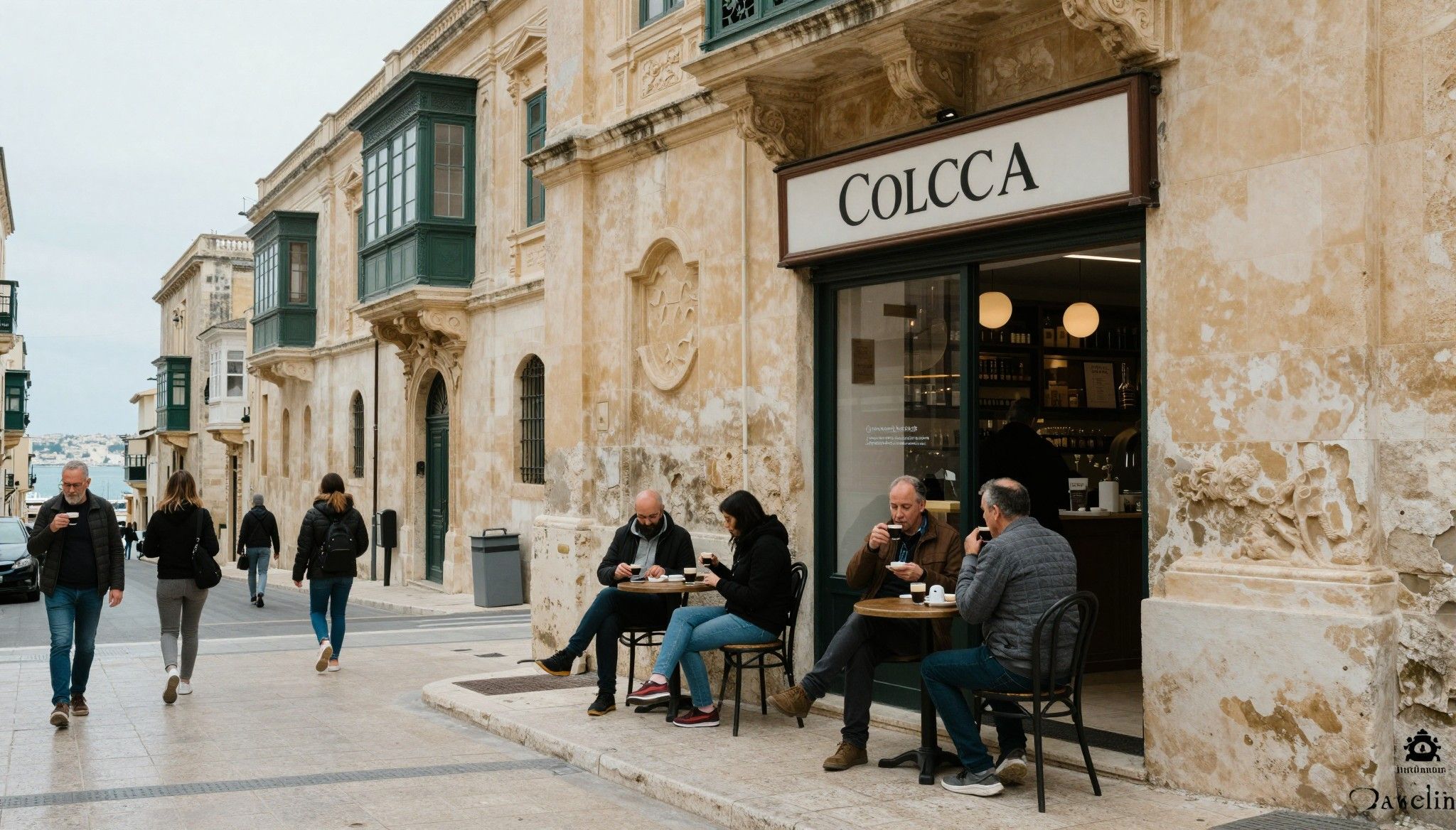
Imagine waking to the briny, limestone-scented air of Valletta, walking past a bakery on Triq ir-Repubblika with a cup of espresso and a dossier of estate listings in your bag. Malta is compact—you can live by the sea, commute across the island in under an hour and still have a village square where everyone knows your name. For international buyers this mix of Mediterranean routine and concentrated market activity creates a special problem: lifestyle choices translate quickly into price variance. Below I show the parts of Malta that make you fall in love, then translate those feelings into measurable trade-offs for an investor.
Living the Malta life
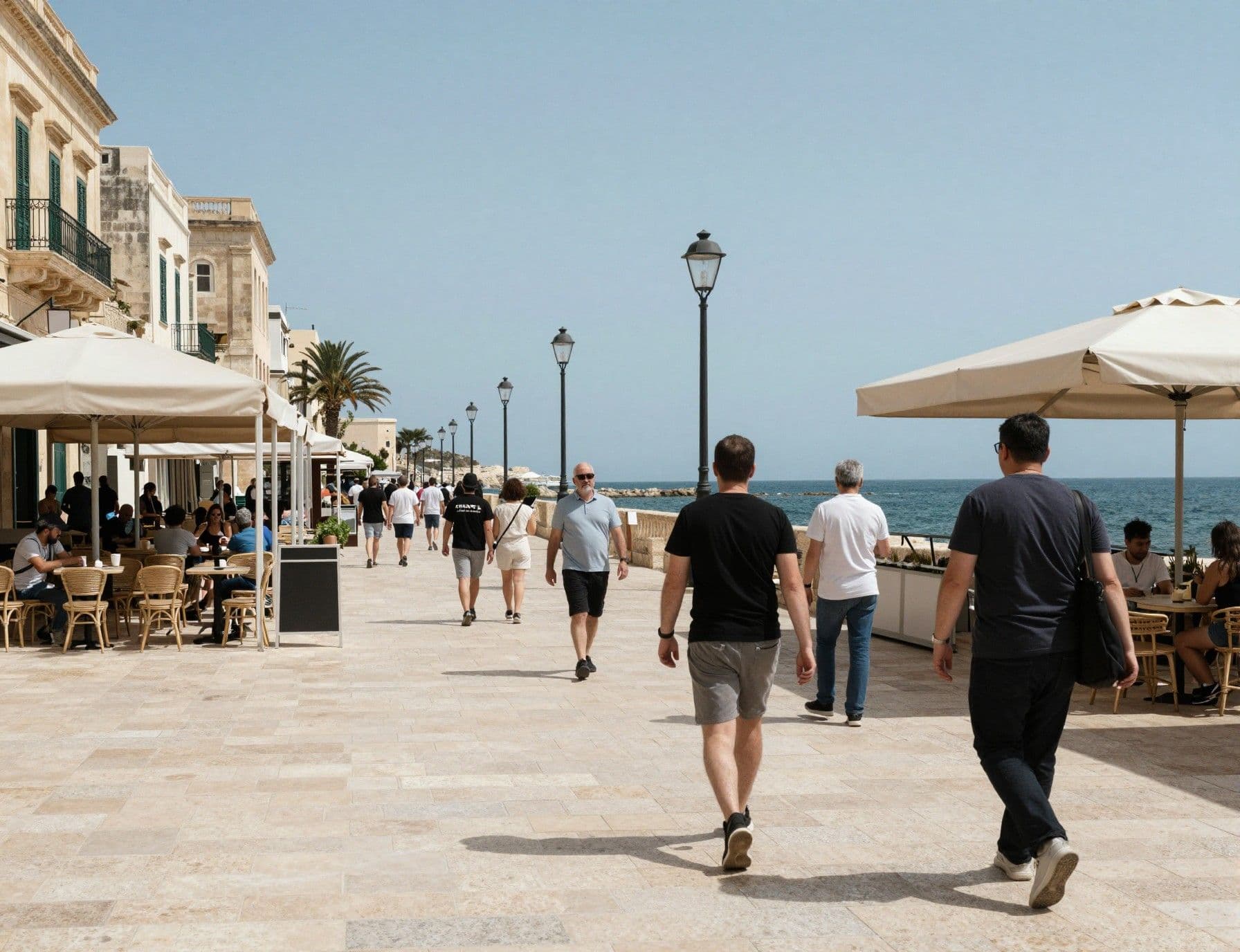
Life in Malta moves at Mediterranean tempo: mornings are for errands, mid-days for siesta-style repose and late afternoons for cafes and passeggiata. The island’s density means neighbourhood character is immediate—Valletta’s baroque drumbeat, Sliema’s promenades, St Julian’s nightlife and Gozo’s pastoral quiet are distinct within short drives. Recent transaction data show these lifestyles map directly to price dispersion: core-tourist corridors command clear premiums while peripheral towns deliver higher gross yields. That mapping is central to any buyer who wants the life and the ledger to line up.
Neighborhood spotlight: Valletta, Sliema, St Julian’s
Valletta is theatre—narrow streets, restored townhouses and tourists at every corner. Sliema offers seawall promenades, modern apartment blocks and a steady expat rental market; unit prices are amongst the highest per square metre. St Julian’s (Paceville) is best described as the island’s demand engine for short‑stay tourism and young professionals; it’s also where you’ll see the strongest rental churn. Each place serves different tenant pools, which changes vacancy risk and achievable rents more than the headline price does.
Food, markets and weekend rituals
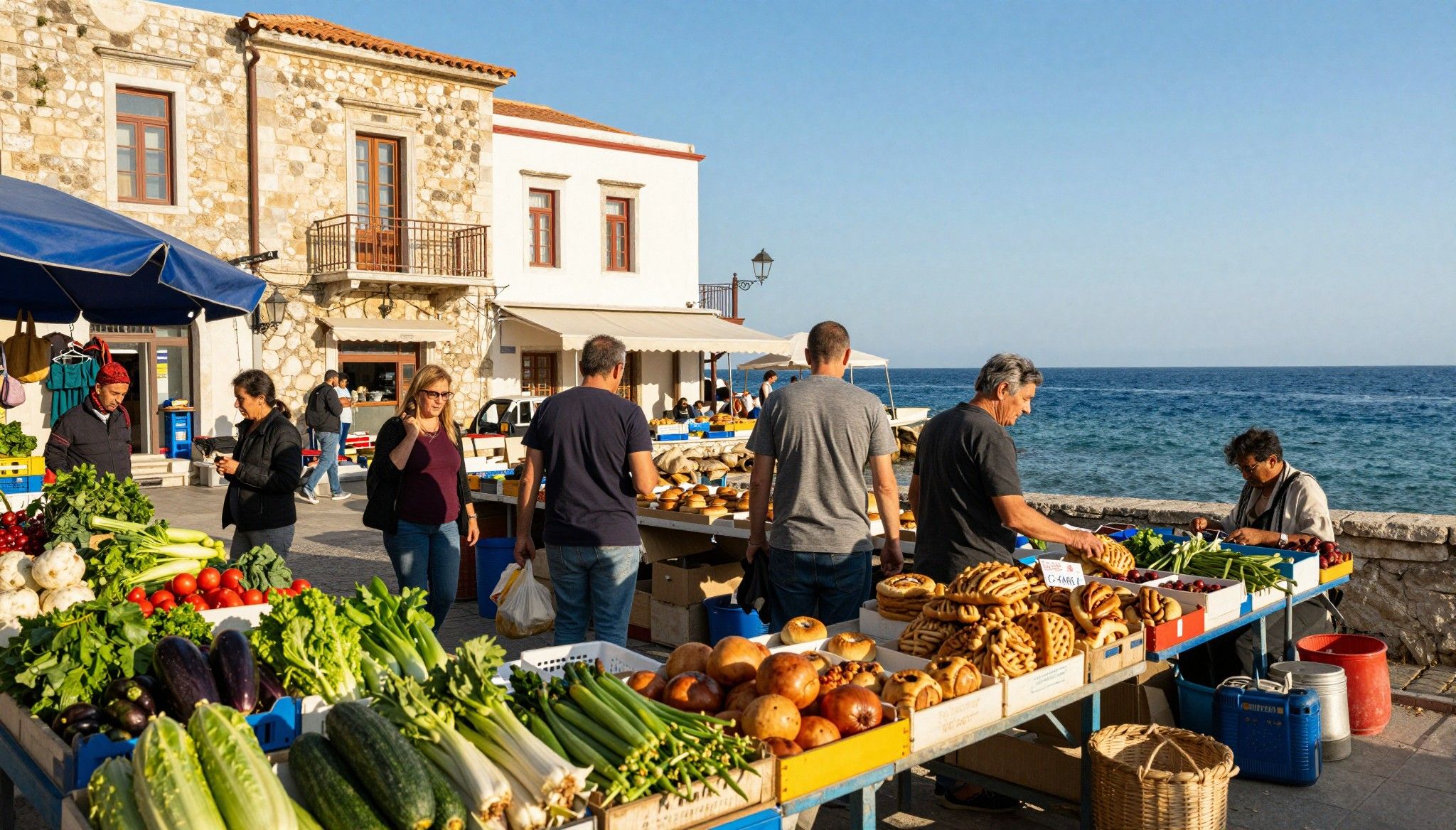
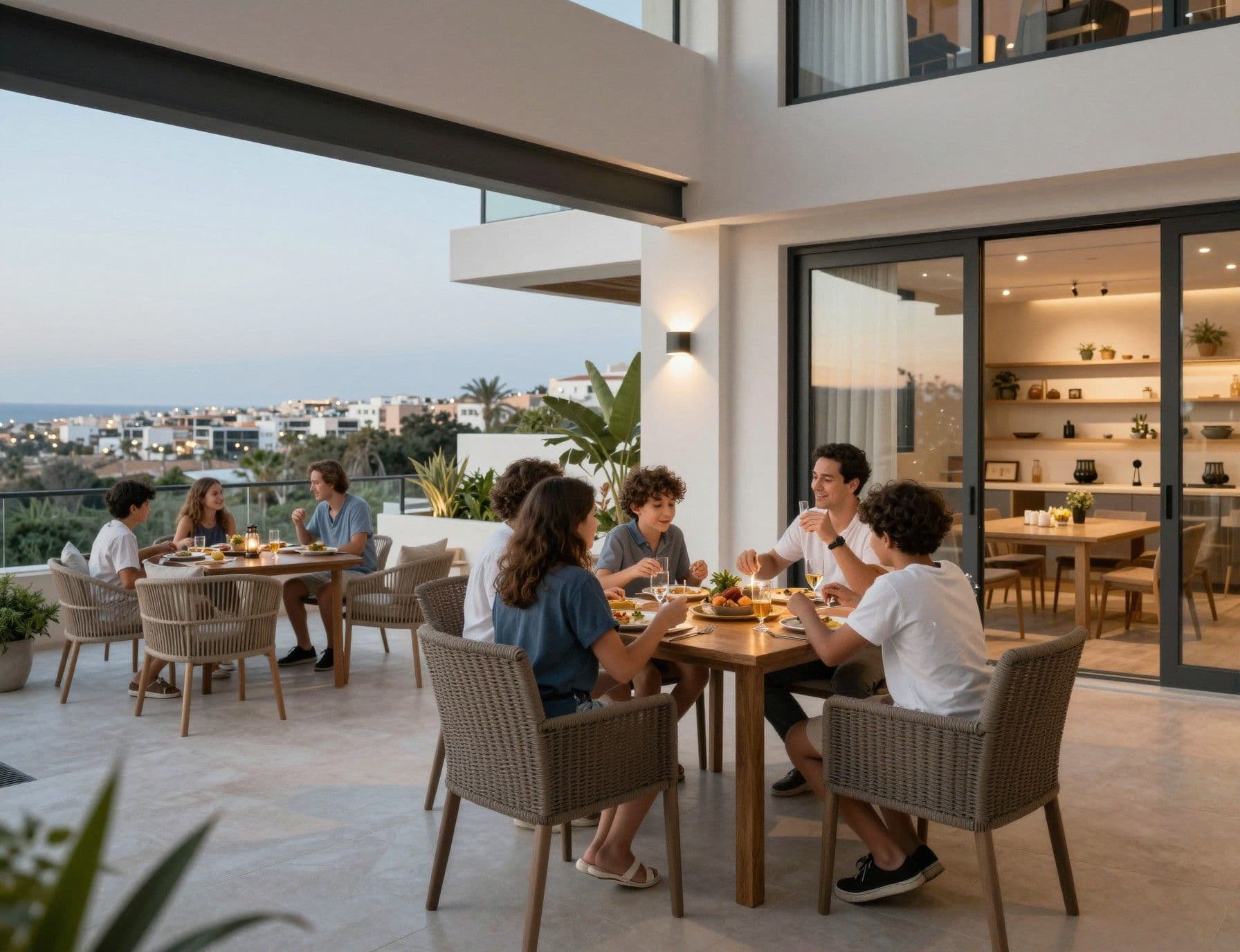
Weekends are anchored by farmers’ markets in Marsaxlokk and the fish stalls near the harbour, where fresh catch sets a tempo for Alfresco dinners. Cafes in Gzira and the tiny lanes of Mdina hum with conversations in Maltese and English—communication barriers are low because English is an official language. Seasonal festivals—like village festas and the Malta International Arts Festival—concentrate footfall and short‑let demand in different pockets of the islands. If you want a property that works both as a home and as an income-producing asset, these local rhythms matter more than a generic ‘coastline premium.’
- Lifestyle highlights to map to investment goals: - Morning espresso on Triq il-Merkanti, Valletta - Sunday fish market in Marsaxlokk - Promenade runs in Sliema and St Julian’s sea-front - Hidden coves at Ghajn Tuffieha for weekend escapes - Artisan cafés and galleries in Ta’ Xbiex and Gzira
Making the move: practical considerations
Translating desire into a purchase requires attention to local rules and a realistic cost model. Malta’s residency and residence programmes have minimum property thresholds and location definitions that affect where you can buy to qualify. Transaction data from Malta’s National Statistics Office show steady price growth—so factor both purchase costs and a conservative maintenance reserve into yield calculations. Work with advisors who can map lifestyle requirements (schools, marinas, short‑let corridors) to regulatory constraints and expected net yields.
Property types and how they shape your life
Townhouses and ‘houses of character’ in Valletta offer unmatched atmosphere and capital appreciation potential but tend to have lower gross yields and higher upkeep. Modern apartments in Gzira, Sliema and St Paul’s Bay are easier to manage, more attractive to long‑let professionals and usually produce steadier rental income. Gozo’s detached homes offer lifestyle space and stronger relative yields at lower entry prices, but expect longer vacancy periods outside peak tourist season. Match the physical asset to the tenant profile you intend to attract.
Working with local experts
- Steps an agency should complete to convert lifestyle briefs into investable assets: 1. Map lifestyle priorities (commute, sea access, nightlife) to realistic yield targets and vacancy assumptions. 2. Provide comparables using declared transaction prices and recent deeds, not just listed prices. 3. Vet management costs—condo fees, utility norms, and typical refurbishment line items. 4. Structure a total cost of ownership forecast including taxes, transfer fees and conservative rent growth assumptions. 5. Recommend neighbourhoods that match both emotional and financial objectives, then show traded evidence.
Insider knowledge: what expats wish they'd known
Expats commonly underestimate two things: seasonality’s effect on occupancy and the local maintenance culture. A property bought for summer short‑lets in Paceville will look very different in January; pricing power slides and upkeep becomes visible. Similarly, buildings in older cores often require specialist restoration skills and higher hourly rates. Buyers who budget an annual 2–4% of purchase price for structural and façade maintenance avoid surprise cash calls during ownership.
Cultural integration and daily life
Maltese social life is neighbourly: festas, café rituals and market days build community ties quickly, which helps landlords find reliable long‑term tenants. English is widely used in business and legal settings, simplifying transactions for international buyers. Nevertheless, local networks still matter—a trusted local agent and a notary with island experience reduce friction in conveyancing and speed up post‑purchase repairs or tenancy placements.
Long‑term lifestyle and value considerations
Over a decade Malta’s market has appreciated materially, but pockets matter: conservation zones and harbourfront districts outperform peripheral new builds for capital growth. If your objective is steady rental income, prioritise modern, well‑managed blocks near transport links and international schools. If capital appreciation and lifestyle are primary, expect lower immediate yields but stronger upside in restored heritage stock—budget for comprehensive due diligence and specialist project management.
Conclusion: fall in love deliberately. Malta sells itself—its luzzu boats, limestone streets and cafe habits—but a sensible purchase trades emotion for a quantified plan. Start by defining which lifestyle elements you won’t compromise on, then task your agent to return a short list cross‑referenced to declared transaction prices and gross/net yield scenarios. That dual approach keeps the dream vivid while protecting portfolio returns.
Danish relocation specialist who moved to Cyprus in 2018, helping Nordic clients diversify with rental yields and residency considerations.