France’s Micro‑Markets: Love the Street, Buy the Yield
France is many markets in one: pair sensory visits with INSEE and notarial data to target either capital corridors or regional yield pockets for sustainable returns.

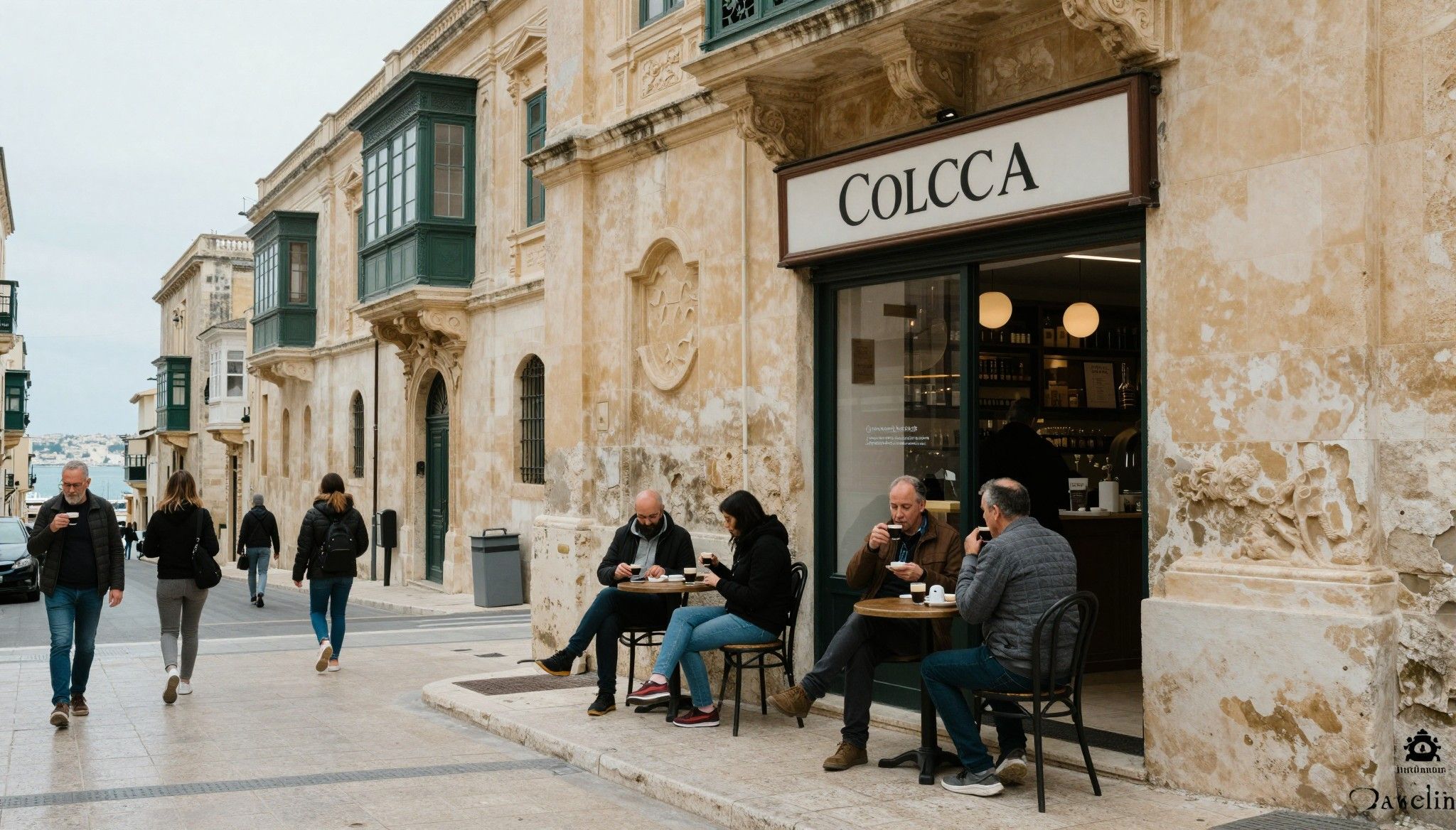
Imagine sipping espresso on rue Montorgueil as the city hums — but behind that scene sits a market where price per m², seasonal demand and tight supply decide whether a purchase is a lifestyle win or a poor return. Recent market analysis shows France’s housing market moving from a cooling phase into a patchwork of micro‑cycles that reward local knowledge. https://www.insee.fr/en/statistiques/8387903
Living France: how place shapes the investment
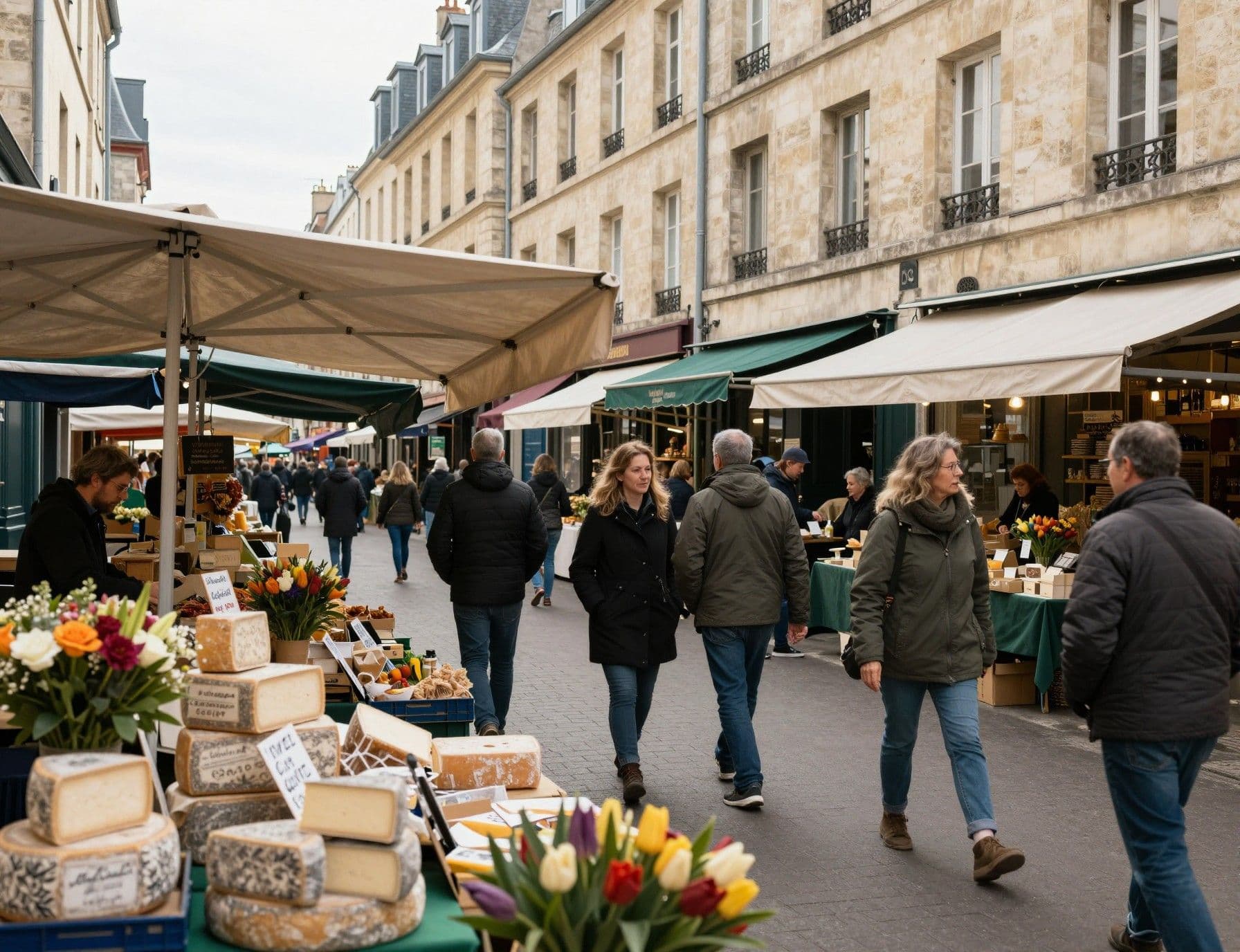
France is not a single market — it’s Parisian arrondissements, Atlantic surf towns, Provençal hilltops and dynamic regional capitals. Each has its own rent profile, seasonality and tenant type: students in Lille and Grenoble, remote workers in Montpellier and Nantes, holiday short‑lets on the Riviera. That diversity creates pockets where yields outstrip national averages and other pockets where capital is locked into prestige pricing with thin cash yield.
Paris vs. second‑tier cities: the yield paradox
Paris offers exceptional rental demand and liquidity but low gross yields because price per m² often exceeds €9,000 in central arrondissements. By contrast, Marseille, Grenoble and parts of the west show materially higher gross yields — often 4.5–6% gross — because purchase prices remain comparatively modest. See Notaires/INSEE maps for concrete per‑m² variances across cities. https://paris.notaires.fr/fr/carte-des-prix
Seasonality and the Riviera’s illusion
Summer on the Côte d’Azur transforms streets into full‑price, high‑demand markets — but that spike disguises long‑term vacancy and higher operating costs off‑season. Price rises in regional coastal cities have been reported recently, but rental income for year‑round long‑lets depends on a diversified tenant mix, not tourist peaks. https://www.lemonde.fr/en/money-investments/article/2026/03/10/large-french-cities-see-prices-rise-again-as-house-prices-surge_6751268_102.html
Making the move: marry lifestyle to yield

House prices in France have shown small quarterly swings since 2024; INSEE indexes point to modest growth in late 2025. At the same time, average gross yields across markets remain in a narrow range — often 3.5–5% for apartments depending on city and asset quality. That combination means buyers must prioritize either capital appreciation (price growth corridors) or cash yield (regional pockets). https://www.insee.fr/en/statistiques/8904929 https://www.globalpropertyguide.com/europe/france/rental-yields
Property types that live like they invest
Historic Haussmann flats in Paris deliver capital resilience and easy re‑letting but low starting yields. New builds in regional capitals often give cleaner cashflows, lower maintenance risk and better energy performance (important under France’s evolving réglementations énergétiques). For lifestyle buyers who also want yield, 2‑bed apartments near universities or transport nodes in cities like Nantes, Rennes or Lyon tend to strike the best balance.
Steps to align lifestyle with measurable returns
1) Define whether you target gross yield (cashflow) or price growth; 2) Map micro‑markets using per‑m² price maps and rental comps; 3) Stress‑test total cost of ownership (taxes, copropriété, vacancy); 4) Insist on energy performance data and expected works; 5) Use a local notaire and a francophone agent for contract and dossier navigation.
Insider knowledge: what expats learn the hard way
Expat investors often underestimate three realities: localized regulation (short‑let rules vary by city), actual operating costs that erode gross yields, and the cultural quirks of tenancy terms. Recent yield aggregators show apartment gross yields in 2026 clustering around 4% nationally, with regional outliers higher. Failing to quantify these can turn a romantic buy into a weak financial performer. https://www.bestyieldfinder.com/en/reports/france/rental-yields
Cultural and practical quirks that change value
• La durée d’un bail local et les congés : tenants often enjoy strong protections that affect eviction timelines and exit strategies. • Meublé vs nu: furnished (meublé) rentals have specific tax regimes and higher achievable rents but stricter accounting. • Local short‑term rules: many municipalities require registration and limit tourist flats; check local mairie rules before assuming tourist premiums. https://assets.airbnb.com/help/AirbnbTaxGuide2024_France_ENGLISH.pdf
Long‑term lifestyle sustainability
Think five years ahead: will the neighbourhood attract the tenants you need? Look at planned transport upgrades, university campuses, and local employer growth. BNP Paribas and regional reports show office and infrastructure flows that reprice neighbourhoods; align your purchase with these structural drivers rather than ephemeral trends.
Practical next steps: a checklist that respects the lifestyle
1) Visit in the shoulder season (spring or autumn) to judge year‑round life; 2) Build a dossier: proof of funds, tax ID, and local bank reference; 3) Order an energy audit and copropriété minutes; 4) Run a 5‑year cashflow model including vacancy and agency fees; 5) Ask your agent for recent comparable lettings, not just sold prices.
Conclusion: France sells a life and a balance sheet. Fall in love with the street, but buy with a spreadsheet. Combine sensory site visits — markets at dawn, terrace dinners, tram rides — with micro‑market data, yield calculations and local counsel. That is how international buyers capture both the joie de vivre and a defensible return.
Danish relocation specialist who moved to Cyprus in 2018, helping Nordic clients diversify with rental yields and residency considerations.