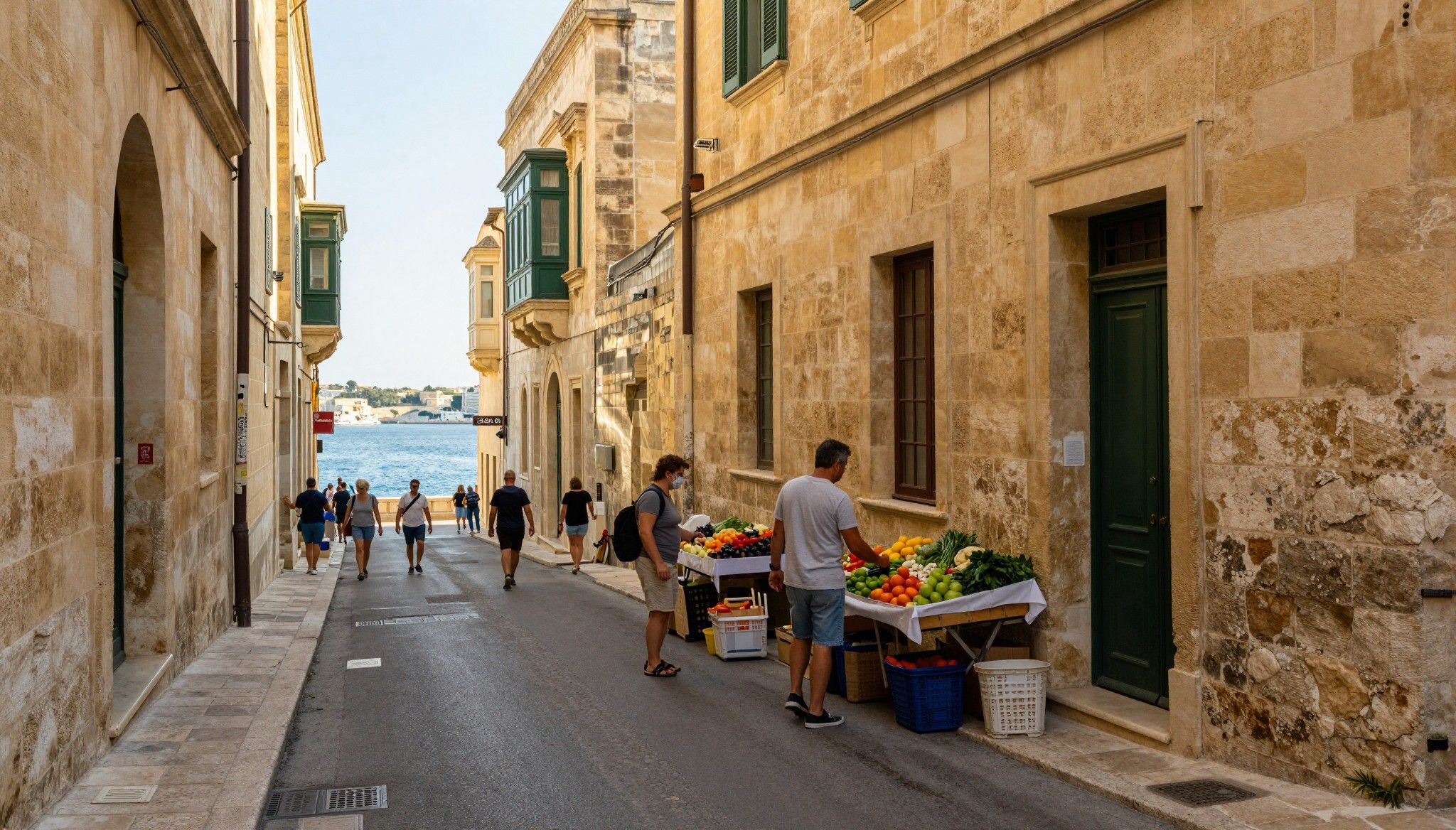
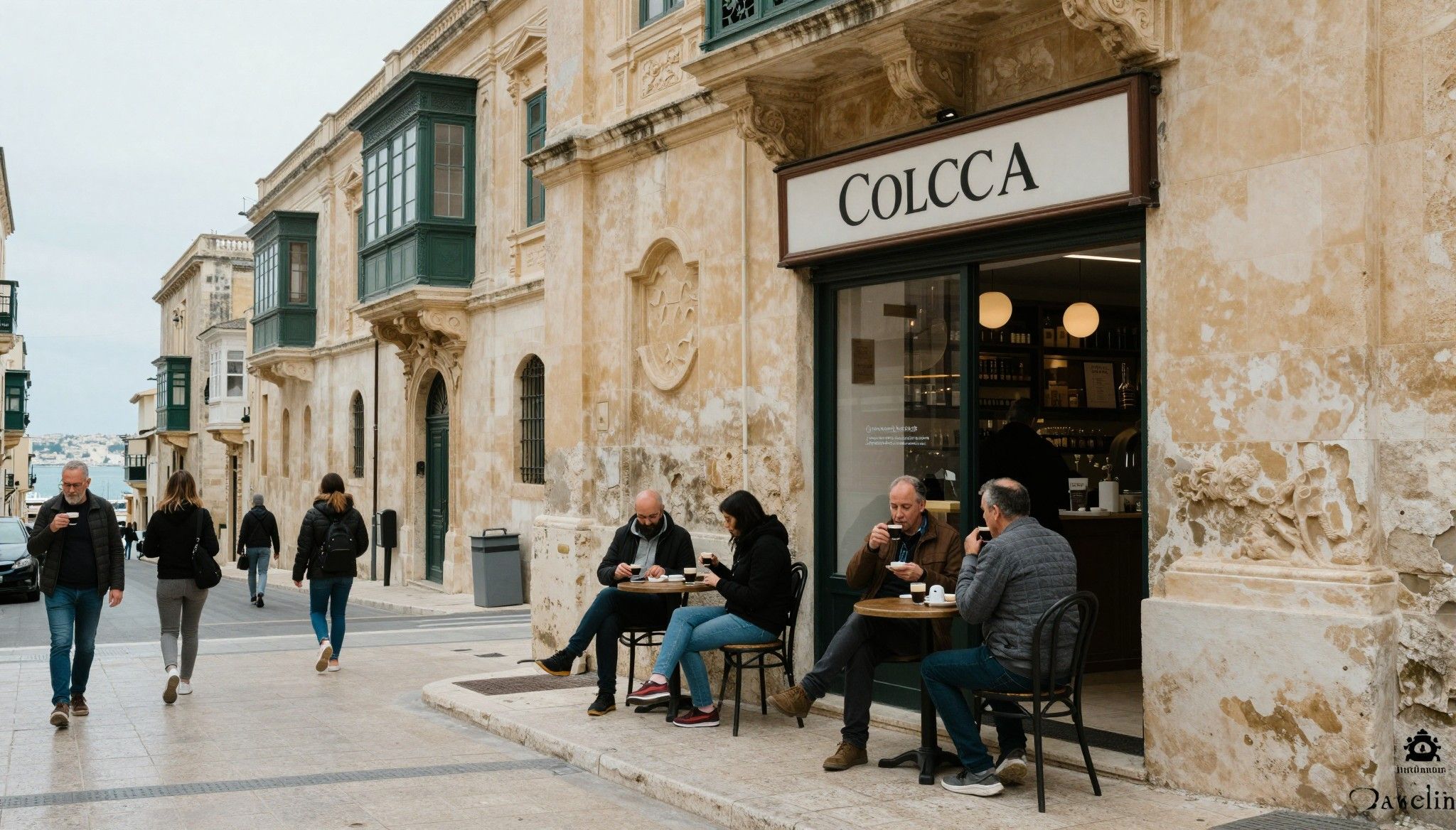
France: Where Yield Hides Beyond the Sea‑View
France’s romance meets spreadsheets: model net yields, use transaction-level Notaires/DVF data, and favour transport-connected micro-markets over summer glamour.

Imagine sipping an espresso at Café de Flore, then stepping across the street to inspect a compact Haussmann flat that—on paper—returns less than a country villa; that tension is France. Prices, yields and rhythms change block-by-block, and the smartest buyers model both the smell of fresh bread and the spreadsheet.
Living the France lifestyle — what you actually buy into

France is a mix of ritual and utility: morning markets that set your weekly menu, compact city flats that fit a car‑free life, and coastal villas where summer rental income behaves like a second job. This sensory life matters for yield because tenant demand and seasonal occupation shape achievable rents and vacancy risk.
Paris: density, scarcity and the price-per-metre reality
Paris remains highly segmented: central arrondissements command multiples of peripheral districts. Standardised Notaires–INSEE measures show Paris prices often near €9,000–€10,000/m² (varying by arrondissement), while outer Île‑de‑France and major regional cities sit materially lower. That differential is the raw material for yield-arb strategies: buy where price per m² is structurally lower but demand is steady.
Coast and countryside: seasonal life, lumpy income
The Côte d’Azur and summer towns near Biarritz or Île‑de‑Ré deliver lifestyle magic and short‑term rental upside, but income is seasonal and operating costs (management, cleaning, tourist taxes) compress net yields. Rural properties can offer capital appreciation and lifestyle value but typically lower rental liquidity.
Making the move: price and yield fundamentals you must model
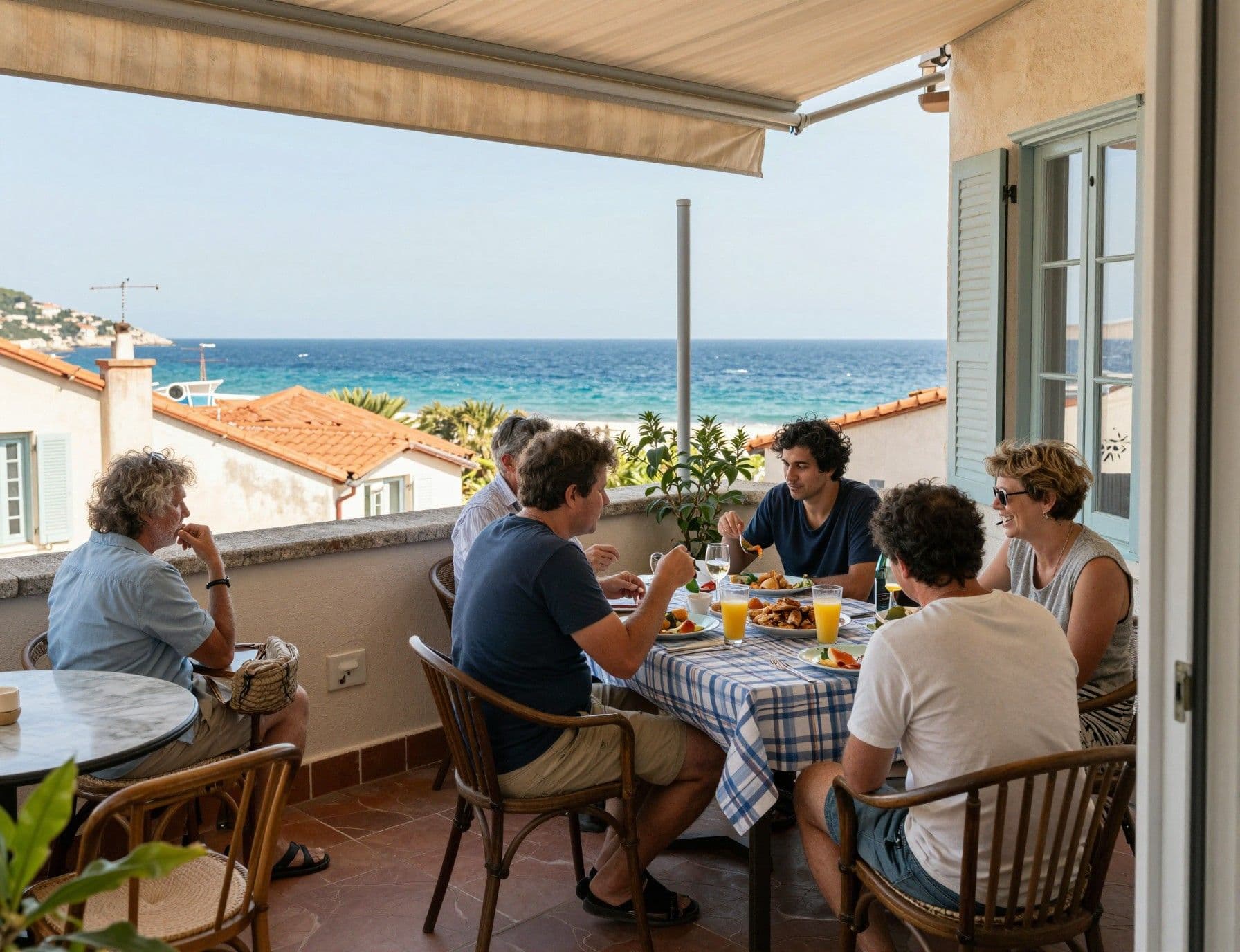
Headline averages hide variation. National figures place average prices near €2,500–€3,000/m², while gross rental yields by city typically sit between ~3% in Paris and 4–6% in major provincial cities. Use city-level yields, price per m² and seasonal occupancy rates together to estimate realistic net yields after management, insurance and vacancy.
Property types and their yield profiles
Apartments in central cities: lower gross yields (≈3–4%) but strong liquidity. Outer suburbs and medium cities (Lille, Nantes, Marseille) often deliver higher gross yields (≈4–6%) but require more active management. Seasonal second homes can achieve high headline rates in peak months but low effective annual yields once off‑season vacancy and extra costs are accounted for.
How to convert headline yields to investible net yield
Estimate gross yield = (annual market rent ÷ purchase price) × 100; then subtract: 1) management and agency fees (8–15%), 2) maintenance and copropriété charges (variable), 3) vacancy (3–20% depending on seasonality), 4) insurance and property taxes. The result is a realistic net yield you can compare across locations.
Insider knowledge: contrarian plays and local rules of thumb
Contrarian angle: the neighbourhood everyone calls 'too far' is often where yield lives. Post‑commuter towns 20–40 minutes from major stations hold lower price‑per‑m² but enjoy strong long‑term rental demand from local workers and families. Many expats overlook these markets because they prioritize central glamour over steady income.
Cultural and seasonal realities that change yield
Language, lease norms and tenant expectations: landlords face longer notice periods in France, tenant‑friendly eviction rules and standard bail contracts—factors that reduce turnover but can slow rent resets; festival seasons (Bastille Day, summer festivals) boost short‑term demand but not necessarily long‑term rents.
What expats wish they’d known
Expats say: expect paperwork, hire a local syndic (co‑ownership manager) early, and model realistic timelines—transaction to rental can take 3–6 months. Those who planned for on‑the‑ground logistics (banking, utilities, short‑term property managers) recovered their time quickly and kept vacancy low.
Lifestyle-led investment checklist
1) Match property type to tenant profile (students, professionals, holiday renters).
2) Use transaction-level data (DVF/Notaires) for true price per m², not estate agent listings.
3) Stress-test yield for 30–50% higher operating costs if you plan seasonal short‑term lets.
4) Prioritise transport-connected micro‑markets 15–30 minutes to major stations for resilient demand.
Conclusion — how to think like a Yieldist in France
France offers a spectrum: trophy central Paris for capital preservation, regional cities for higher running yields, and coastal towns for seasonal upside. Treat lifestyle as the hypothesis and the spreadsheet as the test. Start with transaction data (Notaires/DVF), build net‑yield scenarios, and work with a local agency that translates neighbourhood rhythms into reliable rent schedules.
Danish relocation specialist who moved to Cyprus in 2018, helping Nordic clients diversify with rental yields and residency considerations.