Italy: Match Lifestyle Rhythms to Real Returns
Italy’s lifestyle allure masks regional yield and seasonality differences; pair neighbourhood visits with local rental data and legal checks to match dream living with realistic returns.
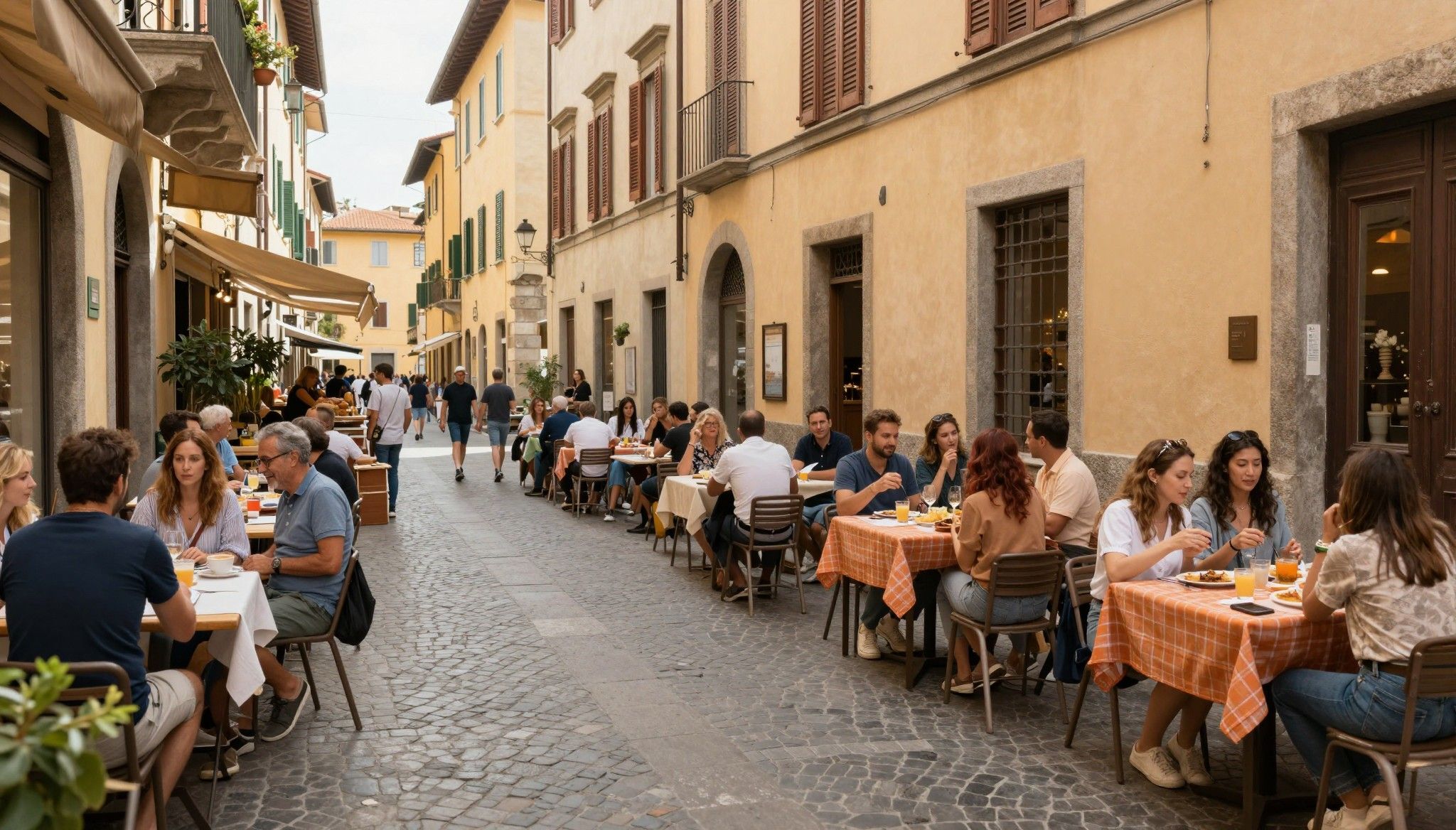
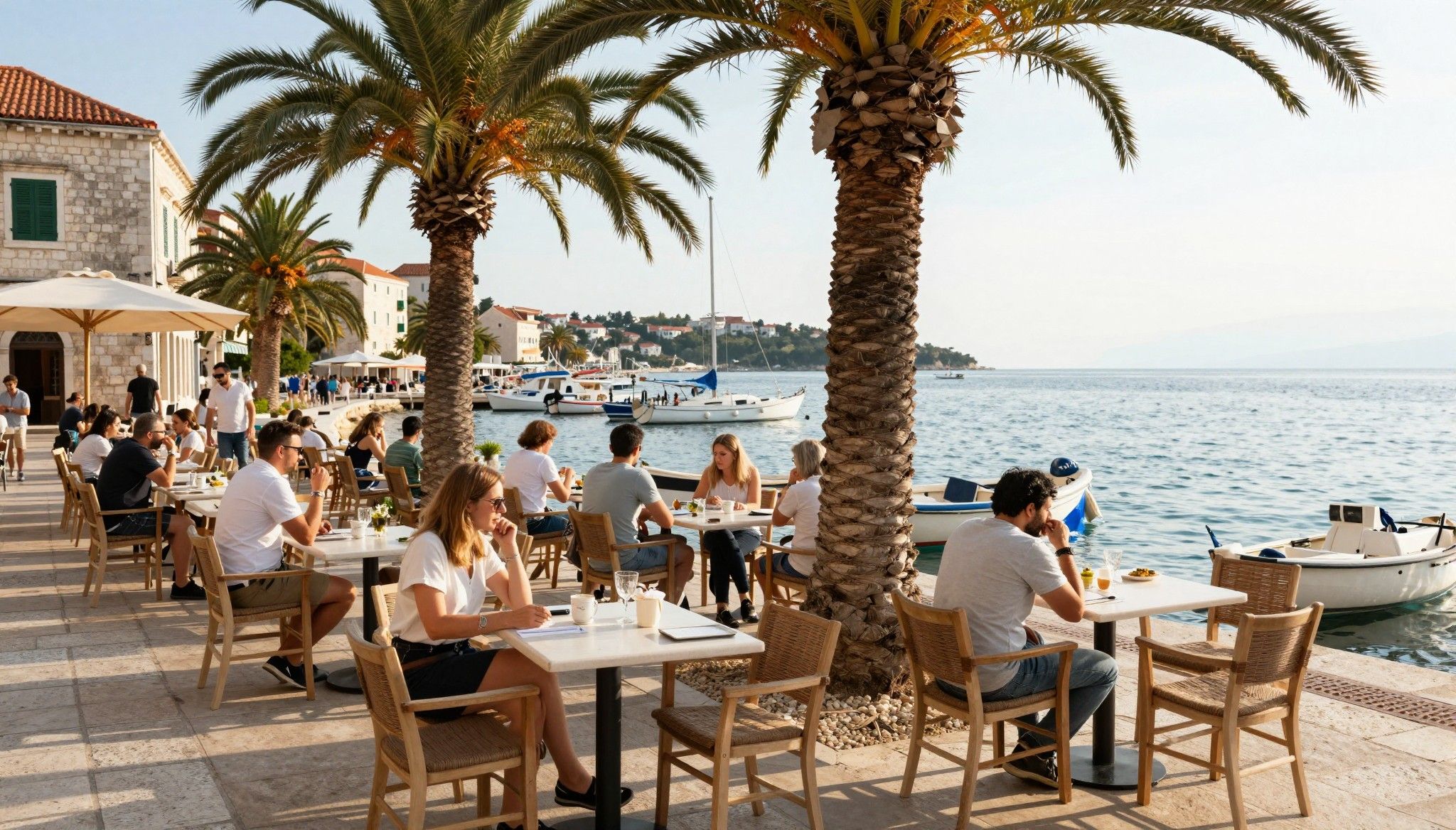
Imagine sipping an espresso on Via dei Coronari in Rome at 9am, then swapping cobbled streets for a vineyard drive through Chianti by mid‑afternoon. Italy’s tempo — market mornings, food‑centred afternoons, piazza nights — shapes how properties perform and who rents them. This piece pairs that lived-in rhythm with current market signals so international buyers can match lifestyle desire with realistic yield expectations. We begin with the lived experience and then map those scenes to where returns and risks actually sit in 2025.
Living the Italy lifestyle
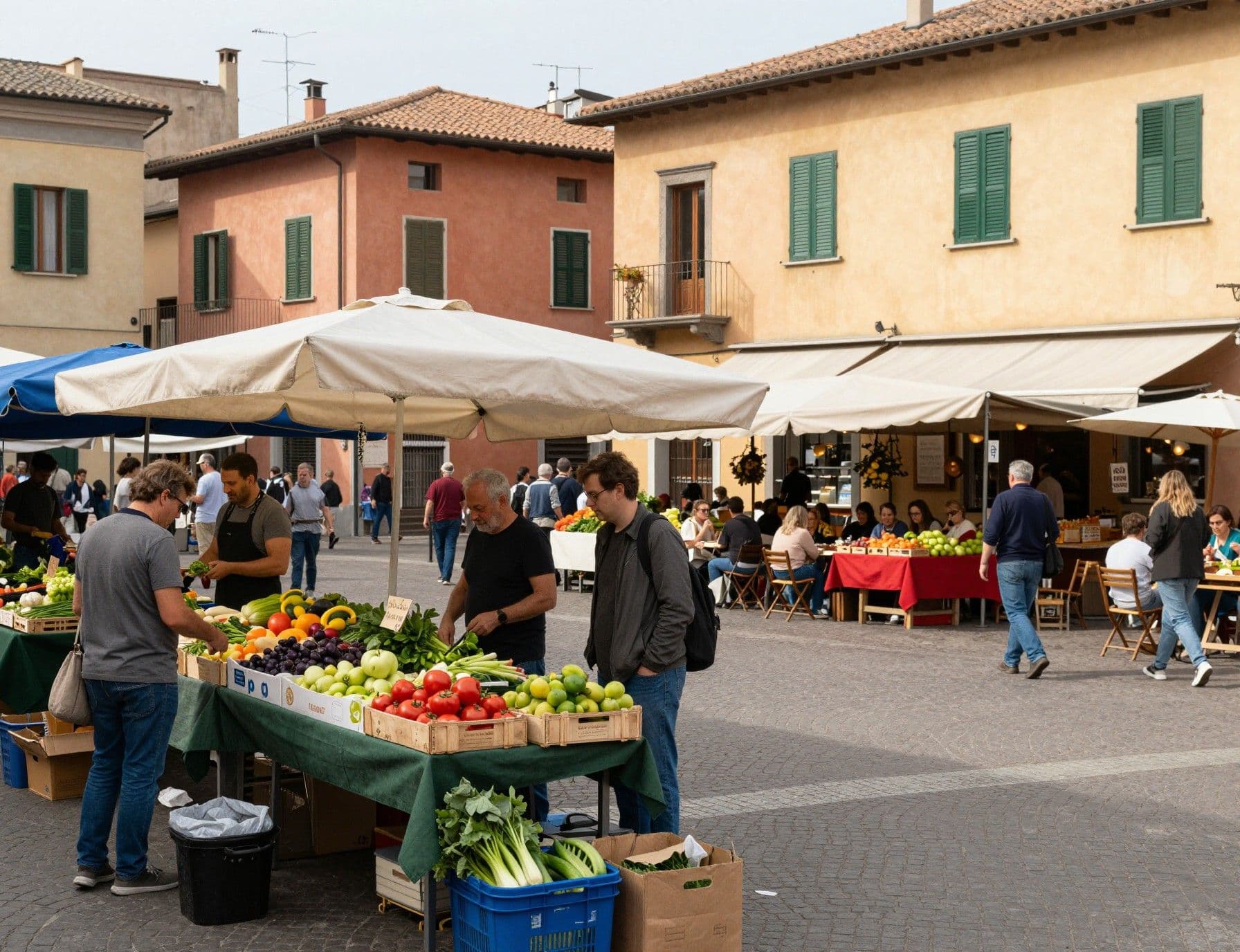
Italy’s everyday life is sensory and local: morning markets, barista conversations, and neighbourhood trattorie that close on Mondays. Cities are mosaics — Rome’s layered antiquity, Milan’s compact business districts, Bologna’s student pulse — while the coast and countryside offer slower, seasonal rhythms. Those differences aren’t just cultural; they determine tenant profiles, vacancy risk and peak rental windows for short and long lets.
Rome: history, tourism and stable demand
Walk Rome’s Prati or Trastevere and you’ll see steady tourist flows with an overlay of diplomatic and professional renters. That mix supports year‑round demand for centrally located 1–2 bedroom flats but pushes prices and compresses yields in prime pockets. Recent rental analyses show neighbourhoods like Prati and Parioli commanding premium rents per square metre, a reminder that centrality buys liquidity more than raw yield.
Milan: jobs, students and tight stock
Milan’s labour market and international corporate presence keep long‑term rental demand robust, especially around Bocconi, Navigli and Porta Romana. Prime prices are high and yields thinner, but turnover and tenant quality are superior to many Italian cities. For investors seeking predictable income, Milan leans toward lower cap rates but more consistent occupancy.
Lifestyle highlights to test the market with your feet
Morning espresso at Caffè Greco (Rome) — gauge footfall and tourist flow
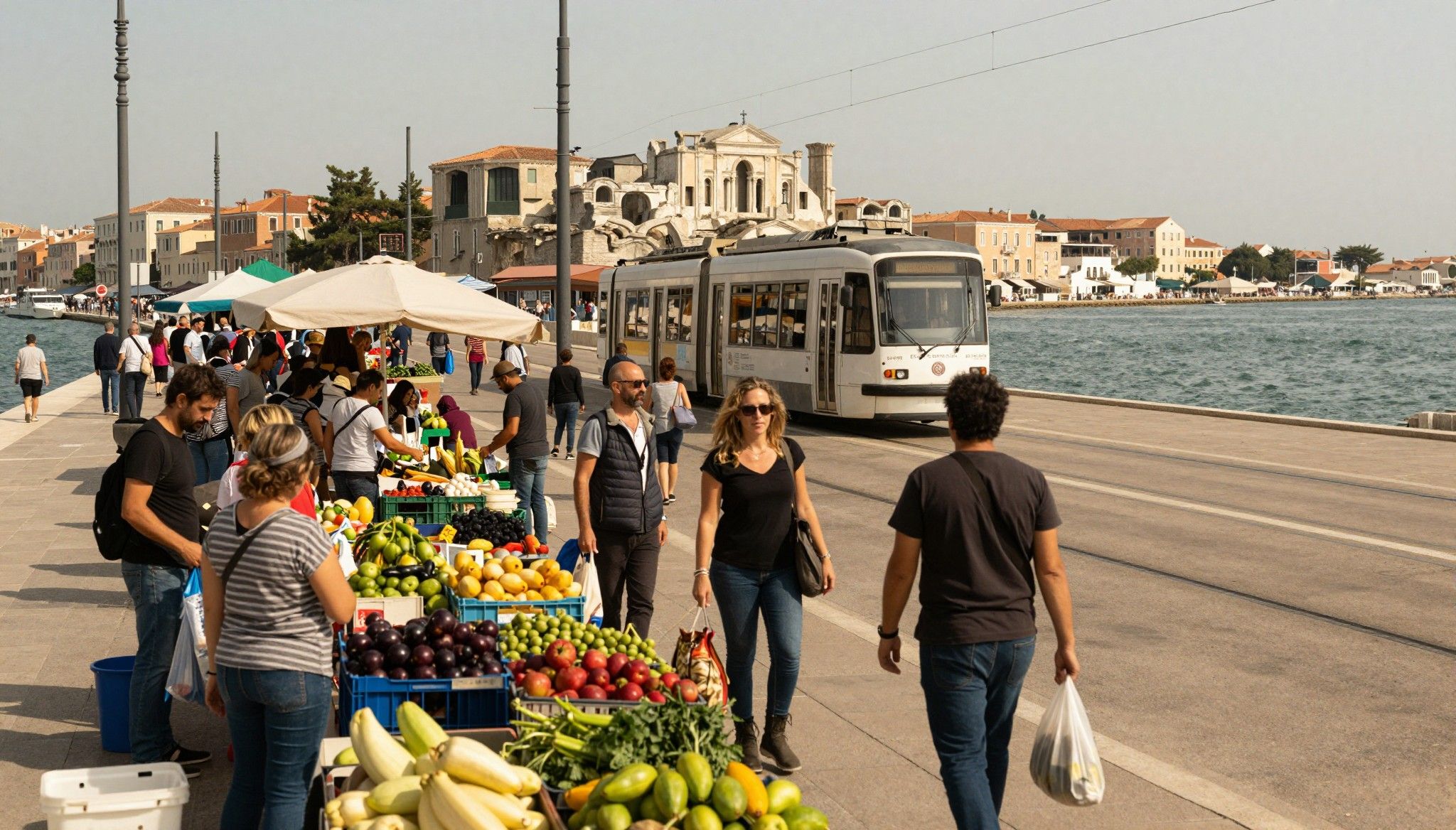
Saturday mercato in Campo de' Fiori — inspect apartment access and storage needs
Evening aperitivo along Navigli (Milan) — measure nightlife noise vs rental appeal
Making the move: practical considerations
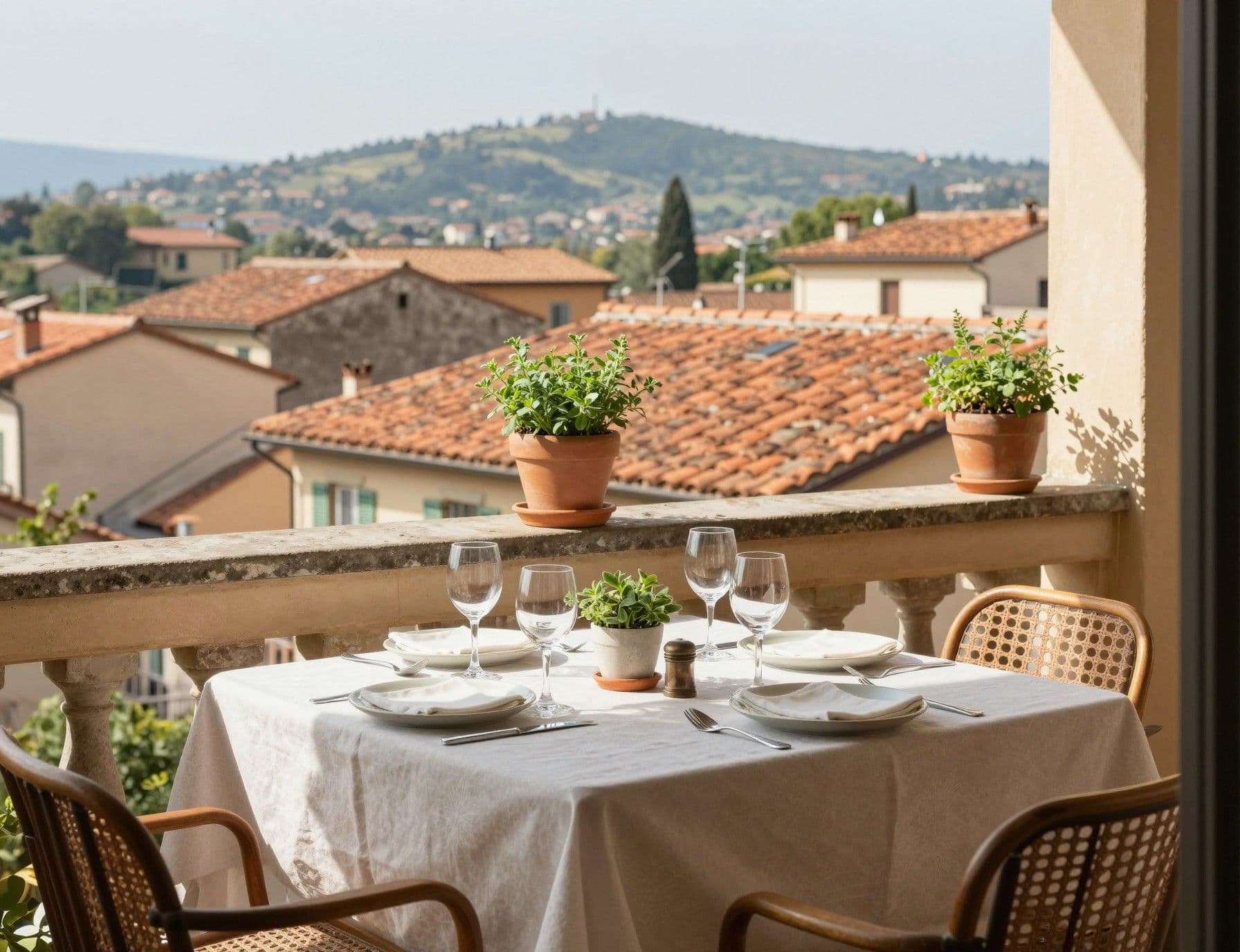
Italy’s price growth has been moderate but broad‑based: national house prices rose in 2024 and into 2025 with regional divergence. That matters for timing — the most attractive returns today often sit outside headline cities, in university towns, coastal resorts with limited stock, and select southern provinces. Use national indices as context, then drill to neighbourhood‑level pricing and rental data before committing.
Property styles and how they map to lifestyle demand
Historic centro apartments sell lifestyle: high demand, high maintenance, but short‑term rental potential. New builds in suburbs offer lower entry price per m², energy efficiency, and longer leases to families. Coastal villas command seasonal premiums but also vacancy risk; in those markets, gross yields can look attractive in high season yet average down annually. Match property type to tenant profile — students, long‑stay professionals, holiday short‑lets — and model occupancy conservatively.
Working with local experts who know the lifestyle
A specialist local agency helps translate a lifestyle brief (sea access, market proximity, quiet evenings) into an investment brief (price per m² target, expected net yield, capex estimate). They also spot micro‑market quirks: flood risk in a riverside palazzo, heating systems that affect utility costs, or condominium rules that restrict short lets. Insist on agencies that provide comparable rental contracts, recent vacancy rates and a clear estimate of total cost of ownership.
Six steps to align lifestyle desires with investment metrics
1. Document your lifestyle must‑haves and translate each into a cashflow impact (proximity = higher price, outdoor space = maintenance).
2. Pull neighbourhood rent comparables for the same property type and seasonality window.
3. Estimate net yield after taxes, agency fees and a conservative vacancy factor (3–15% depending on market).
4. Request recent service charges and building minutes to uncover upcoming levies or renovation orders.
5. Inspect utilities and heating — energy improvements meaningfully change long‑term tenant appeal.
6. Get a local lawyer for pre‑contract checks; Italy’s cadastral and succession records vary by municipality and matter for title certainty.
Insider knowledge: what expats wish they'd known
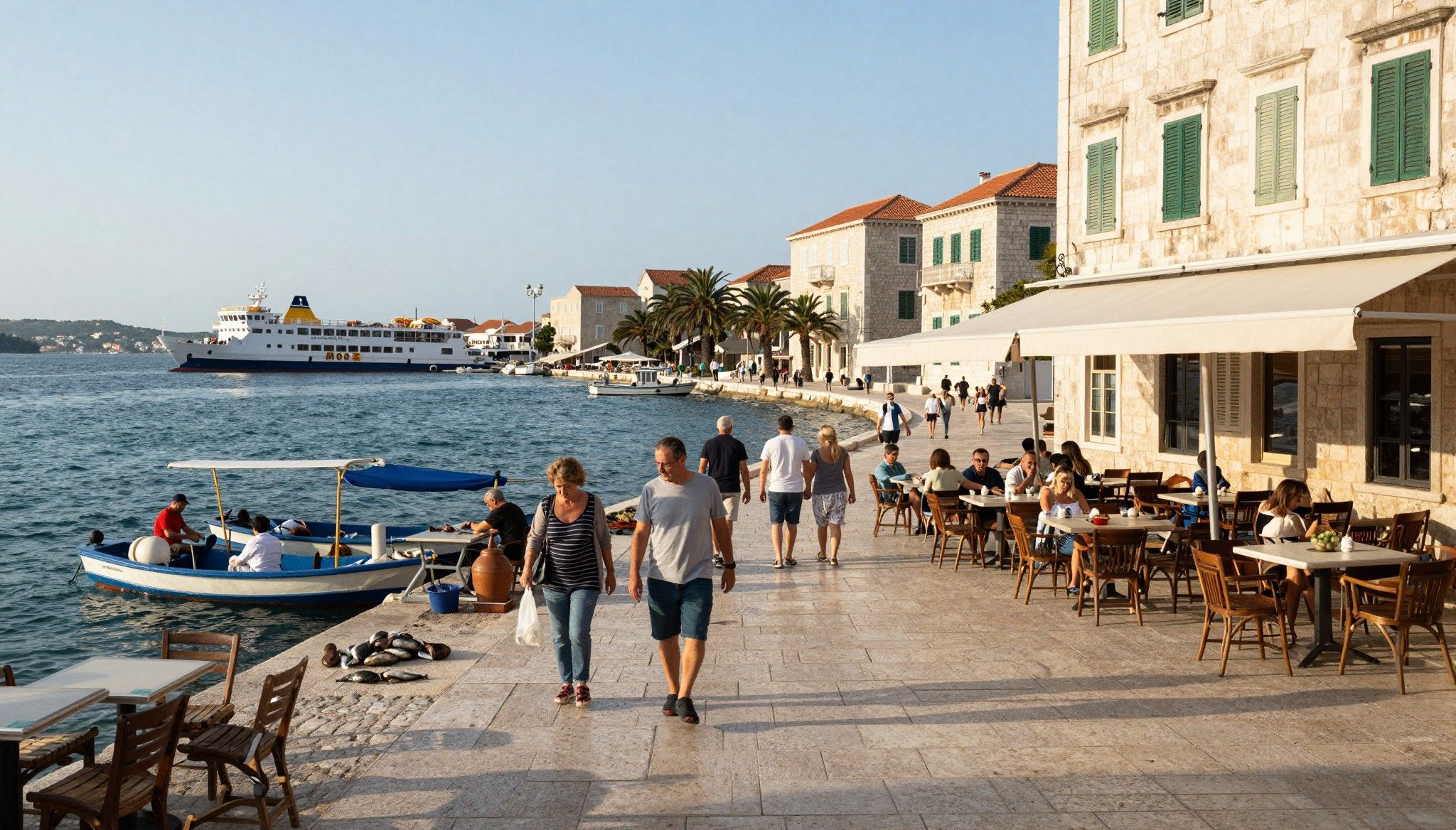
Expats repeatedly say two surprises shaped their experience: seasonality is sharper than expected, and local service culture affects living quality. Coastal towns flip between packed July–August tourism and quiet low seasons that reduce rental revenues. Meanwhile, concierge and manutenzione (maintenance) expectations differ regionally and can add hidden recurring costs homeowners underestimate.
Cultural integration, language and daily routines
Learning basic Italian accelerates tenant relationships and local bureaucracy navigation. Many successful buyers join local clubs — bocce courts, market vendor networks, or parish communities — which both enrich daily life and create informal housing demand signals (a local company moving in, a new school opening). Those grassroots cues often precede formal market shifts.
Long‑term lifestyle and portfolio fit
For buy‑to‑let investors, combine high‑appeal lifestyle assets (central apartments, converted farmhouses near wine regions) with stable income pieces (student housing, suburban family flats). Diversification by region reduces seasonality risk and smooths cashflow. Think of Italy as a portfolio of neighbourhood stories rather than a single market.
Conclusion — Italy is emotionally irresistible and analytically navigable. Use lifestyle visits to confirm neighbourhood fit, then insist on local rental comps, energy cost assessments and a legal title check before offers. Work with agencies that deliver both day‑to‑day living insight and hard rental numbers so your portfolio gains the Italian story it deserves.
British expat who moved to the Algarve in 2014. Specializes in portfolio-focused analysis, yields, and tax planning for UK buyers investing abroad.