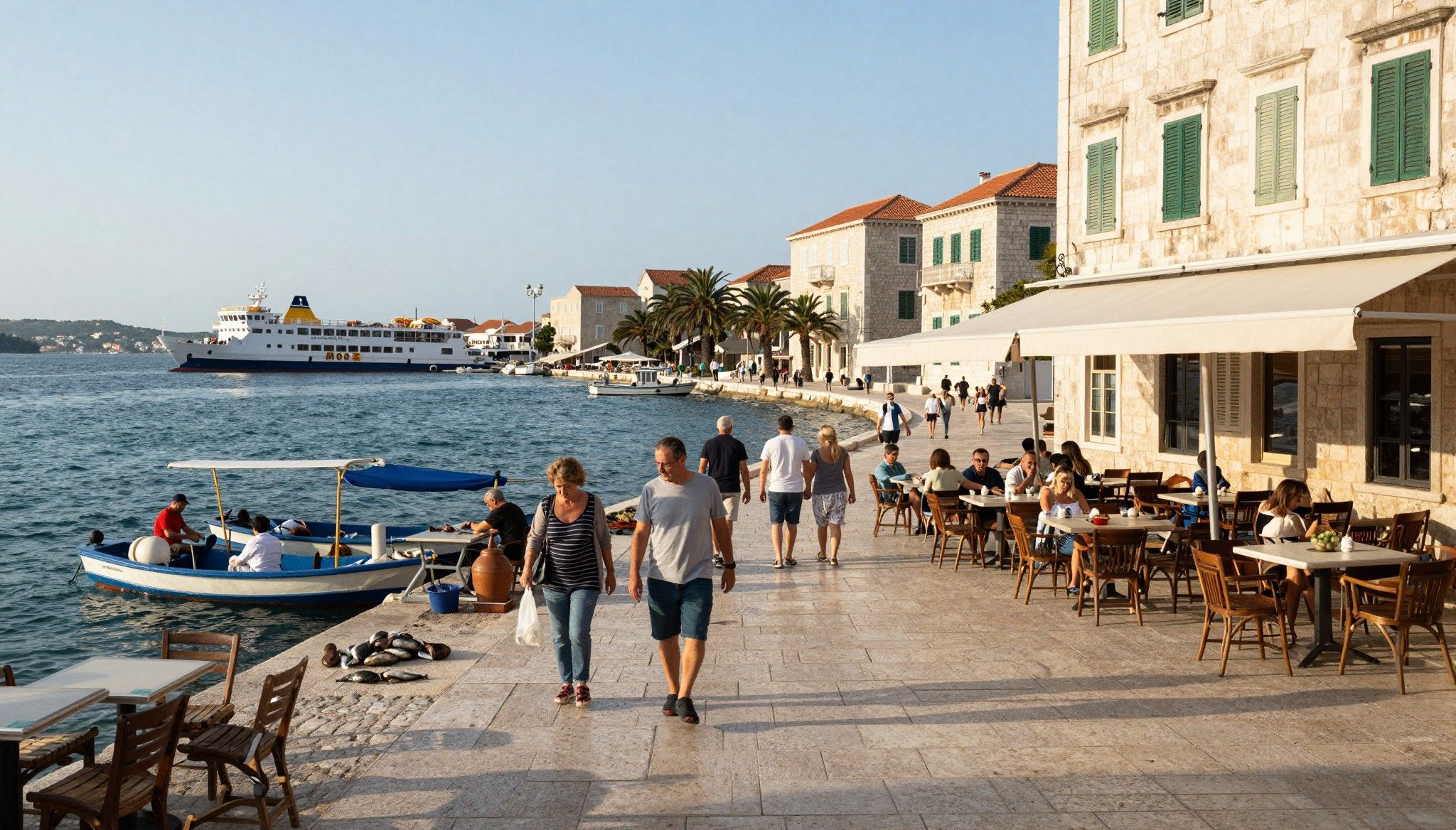
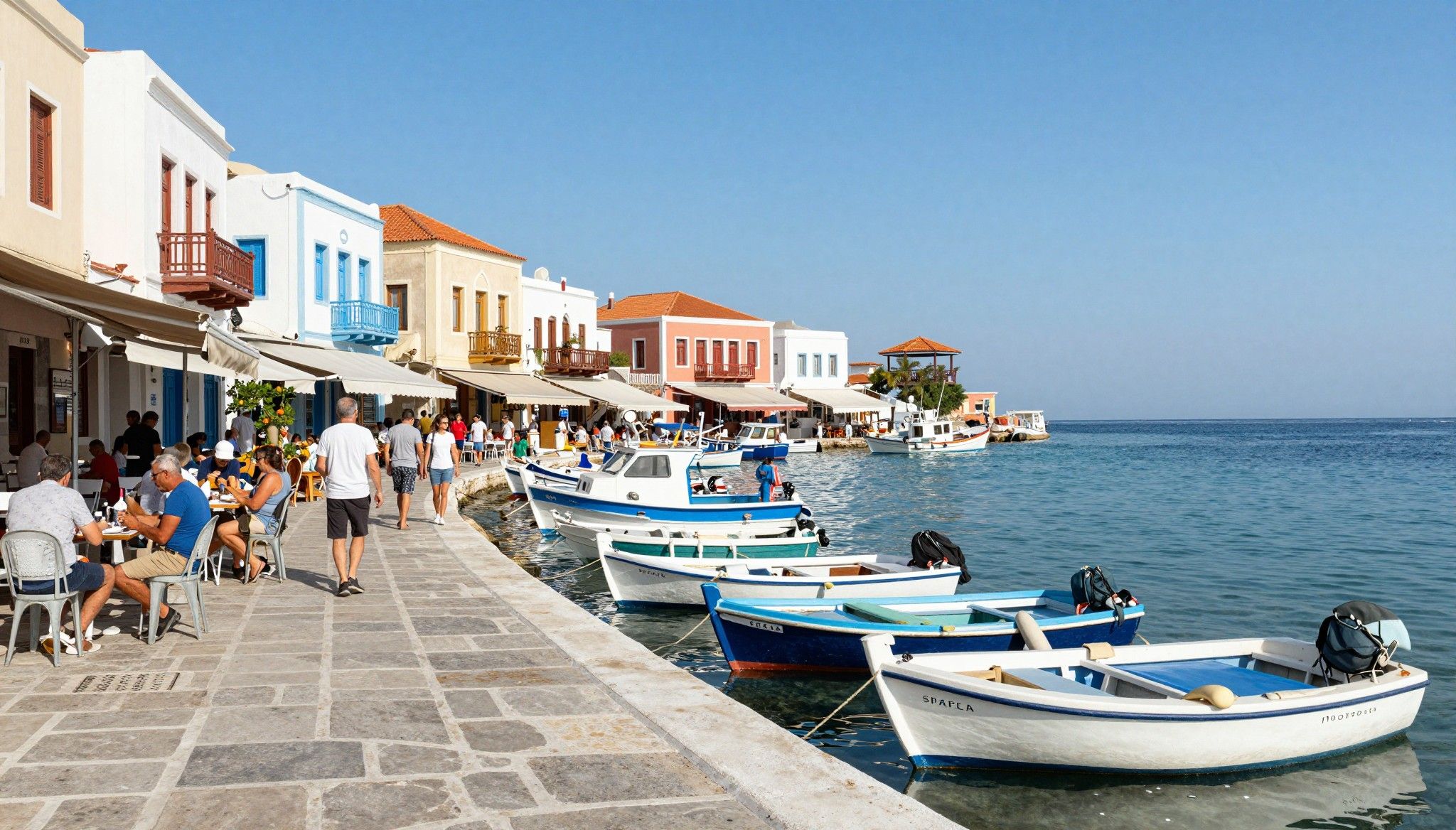
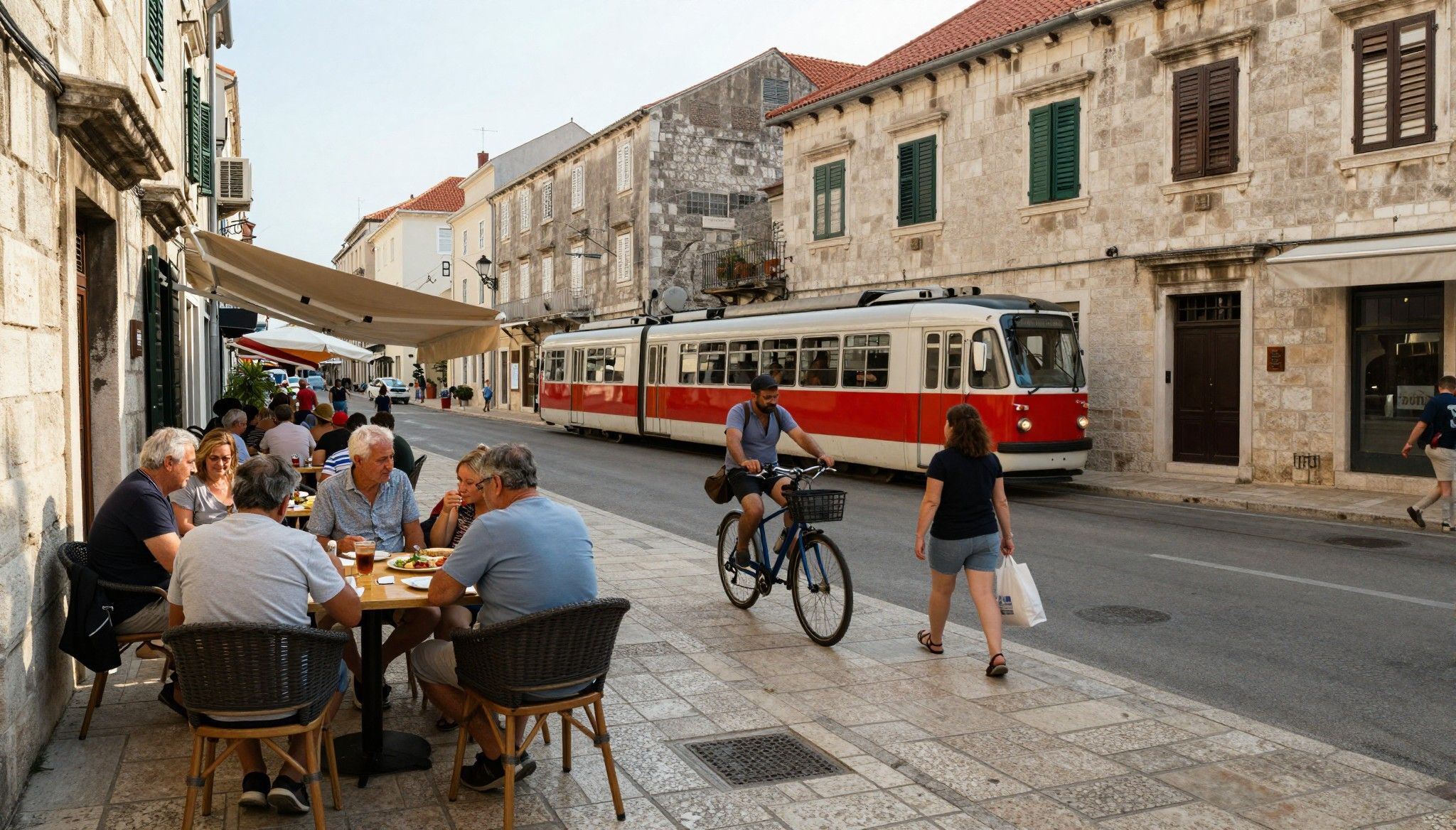
Italy: Match Piazzas to Yields—Buy by Neighbourhood
Italy’s romance and price dispersion demand a neighbourhood‑first, data‑driven buy: match piazza life to rental comps, model seasonality, and prioritise micro‑market yields.
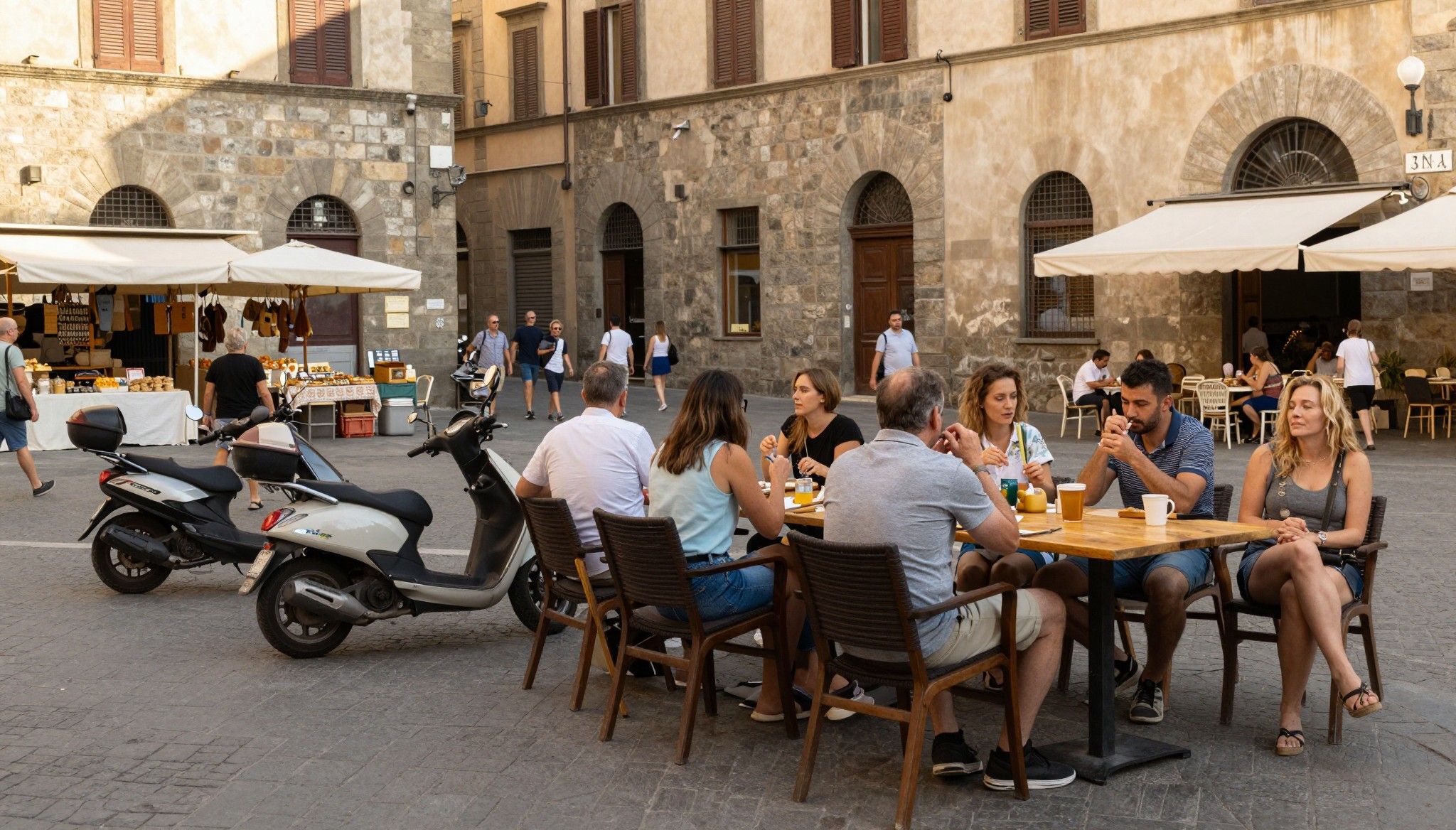
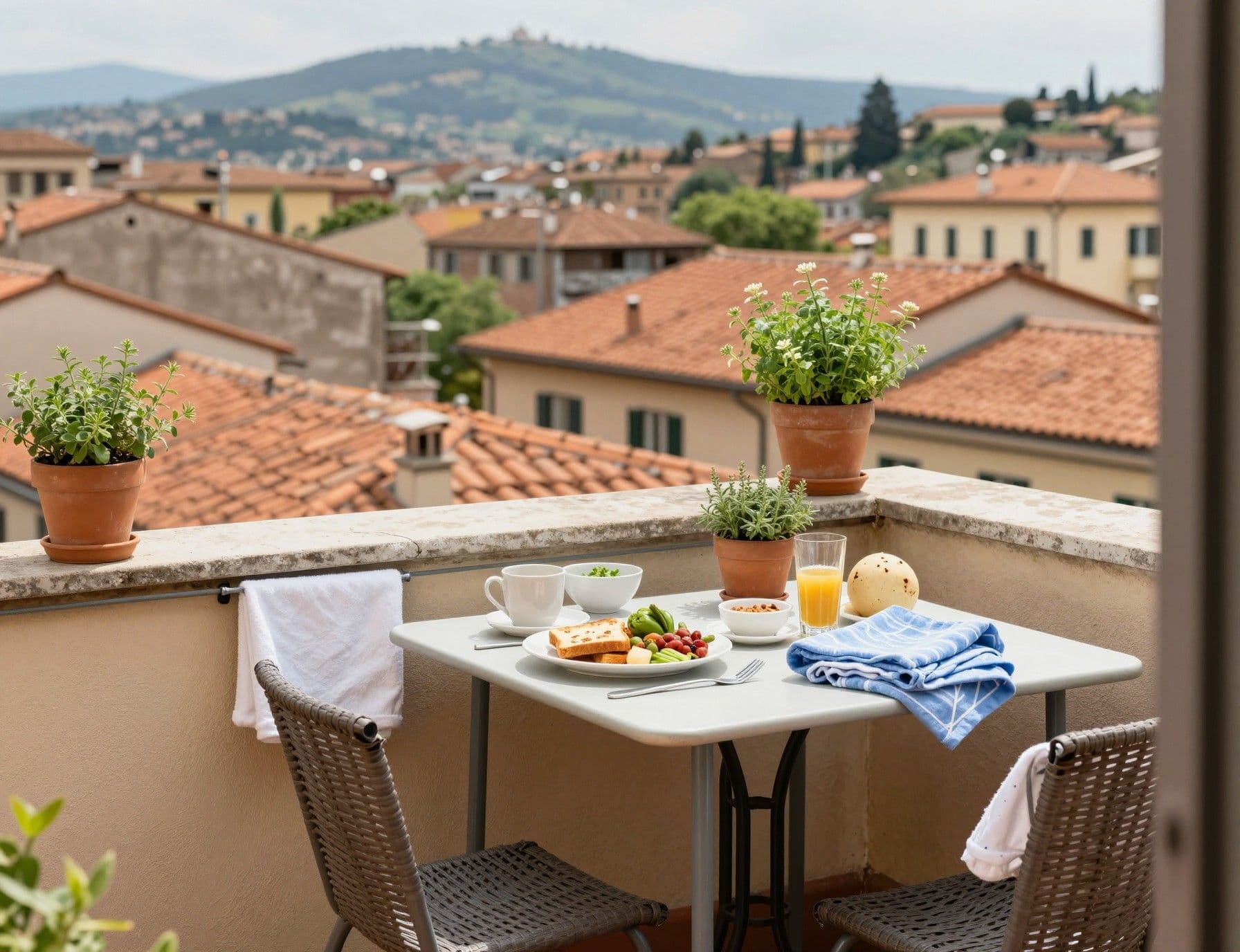
Imagine the morning ritual in an Italian neighbourhood: espresso at the corner bar, the baker’s van rounding the piazza, a line of scooters weaving past ivy‑clad facades. That sensory rhythm—food markets, late‑afternoon passeggiata, small squares that double as living rooms—explains why buyers fall in love quickly. Yet Italy’s romance masks a pragmatic reality for investors: price dispersion is huge (city centre vs. periphery, North vs. South), rental demand is hyper‑local, and seasonal tourism can both boost and distort yields. For international buyers who want both life and return, Italy rewards specificity.
Living the Italy lifestyle—what you actually get

Daily life differs dramatically between Milan’s glassy streets, Naples’ alleyway markets, and Puglia’s olive groves. In Milan you trade quiet courtyards for cafés full of professionals; in Bologna you step into a student‑led rental market; in the Amalfi coast you accept seasonality in exchange for postcard views. Average prices and rents reflect that: central Milan and Florence command several thousand euros per square metre while many southern towns remain affordable. Use city‑level pricing as a lifestyle filter before you look at returns. (See national data from ISTAT and market snapshots from industry sources.)
Neighbourhood snapshots that matter to buyers
Pick the wrong district in an A‑city and your yield evaporates. In Rome, Trastevere delivers lifestyle appeal but variable short‑let demand; in Milan, Porta Romana and Navigli combine commuter access with steady long‑let bookings. In university cities such as Bologna, areas within walking distance of campuses (e.g., Santo Stefano) reliably attract students and young professionals—tightening rental turnover and reducing vacancy risk. Study micro‑neighbourhood rental demand, not only city averages.
Food, markets and the calendar of life
Markets and food culture shape daily routines—and influence what tenants want. Properties near morning markets (Mercato Centrale, Florence; Mercato di Porta Palazzo, Turin) attract long‑let local renters who value quick access to produce and social life. Coastal towns swell in summer but slow in winter; that makes beachside apartments excellent holiday revenue generators if you manage seasonality well, but poor choices for steady long‑term income unless you secure year‑round tenants.
Lifestyle highlights buyers should map first: 1) Morning markets (Mercato Centrale, Mercato di San Lorenzo); 2) Transport nodes (train stations and tram lines); 3) University quarters (Bologna, Padua, Pisa); 4) Weekly food rituals and local festivals; 5) Coastal access vs. elevation (flood risk); 6) Local cafés that double as social hubs.
Making the move: practical considerations that preserve lifestyle and yield
Romance must meet return: national house‑price indices show moderate growth in recent years, while gross yields vary widely by city and property type. ISTAT’s house price index and market reports speak to steady demand in major centres; rental yield surveys show city averages often between ~4–7% in prime locations but substantially higher in secondary cities and holiday towns if you optimise asset use. Treat Italy as a portfolio of micro‑markets—benchmarks matter, but so does where inside the city you buy.
Property styles and how they match lifestyles
Historic centro apartments sell the dream—high walkability, character, and tourist pull—but often limit refurbishment options and carry higher maintenance. Modern apartments near transport hubs offer stable long‑let tenants and easier property management. Country villas deliver land and lifestyle but require active upkeep and lower liquidity. Choose the property type that aligns with how you intend to generate return: short‑let revenue, long‑let income, capital growth, or a blend.
Working with local experts who translate lifestyle into numbers
Use agents who publish neighbourhood‑level rental comps and can model vacancy, management costs, and seasonality. A local lawyer (notaio for closing), an accountant familiar with non‑resident tax regimes, and a property manager who understands short‑let regulations together protect yield. Ask for recent P&L statements from comparable assets and insist on a 5‑year cash‑flow model so lifestyle choices (e.g., sea‑view premium) are tested against realistic occupancy assumptions.
A 5‑step checklist to match lifestyle with yield: 1) Map your target neighbourhood’s rental demand (students, professionals, tourists); 2) Compare price per sqm and typical rents within a 500m radius; 3) Factor in seasonality and local events that spike demand; 4) Model conservative occupancy (50–65% for holiday towns, 90%+ for student lets); 5) Add management and compliance costs to estimate net yield.
Insider knowledge: what expats wish they'd known before buying
Small cultural rules change day‑to‑day life: shops close for long lunches in many towns, property paperwork moves slowly, and community approvals can affect renovations. Environmental risks—coastal erosion or flood history—can depress prices repeatedly in some areas even if a single event had limited short‑term impact. Local memory matters; neighbourhood reputation changes price trajectories more than one‑off incidents.
Language, community and the slow burn of integration
You don’t need fluent Italian to buy, but local language improves deal outcomes. Small gestures—learning market opening hours, knowing who runs the weekend food market, or attending the local festa—open doors to better tenants and quicker problem resolution. Expat communities cluster around international schools and economic hubs; those clusters affect both demand and property service availability.
Long‑term lifestyle and portfolio considerations
Think in decades: Italy’s best investment stories combine demographic anchors (universities, hospitals, business districts) with limited supply in desirable zones. Diversify across property types and regions to smooth seasonality: pair a student flat in Bologna with a long‑let apartment in Milan and a managed holiday flat on the Amalfi coast. That mix balances steady income with higher seasonal upside.
Red flags and practical caveats: 1) High asking prices without neighbourhood rental comps; 2) Properties in flood‑memory zones without discounted pricing; 3) Listings that omit condominium charges or extraordinary maintenance; 4) Overreliance on peak‑season occupancy in coastal towns; 5) Sellers who resist providing recent utility bills and energy certificates.
Conclusion: Italy rewards buyers who pair imagination with discipline. Fall for the piazza, the market, the espresso—but test the romance with data: neighbourhood rental comps, price per square metre, seasonality scenarios, and a five‑year cash flow. Work with local experts who publish the numbers you need and model conservative occupancy. Do that, and Italy becomes both a place you want to live and an asset that earns.
Norwegian market analyst who relocated from Oslo to Mallorca in 2016, guiding Northern buyers through regulatory risk, currency hedging, and rentability.